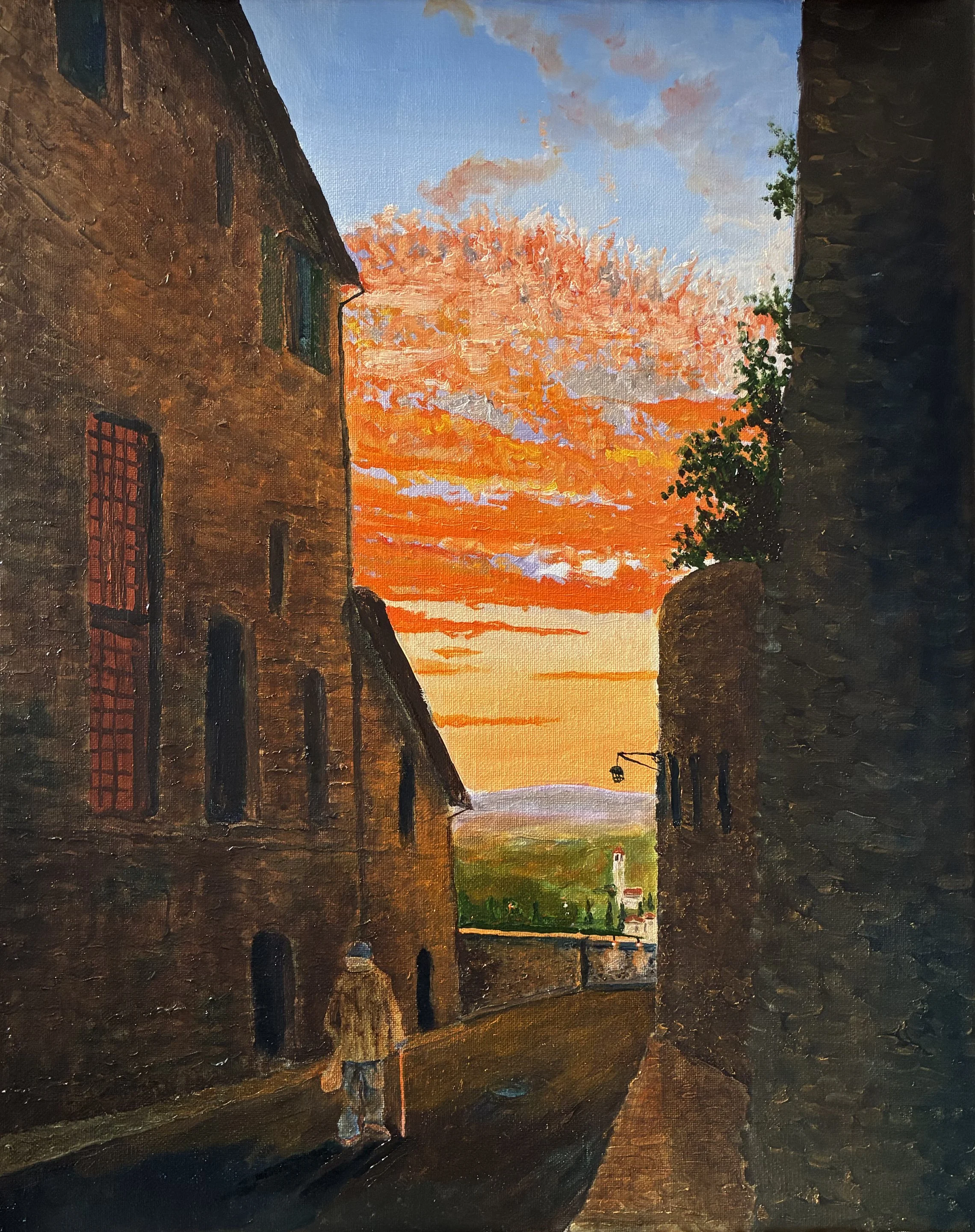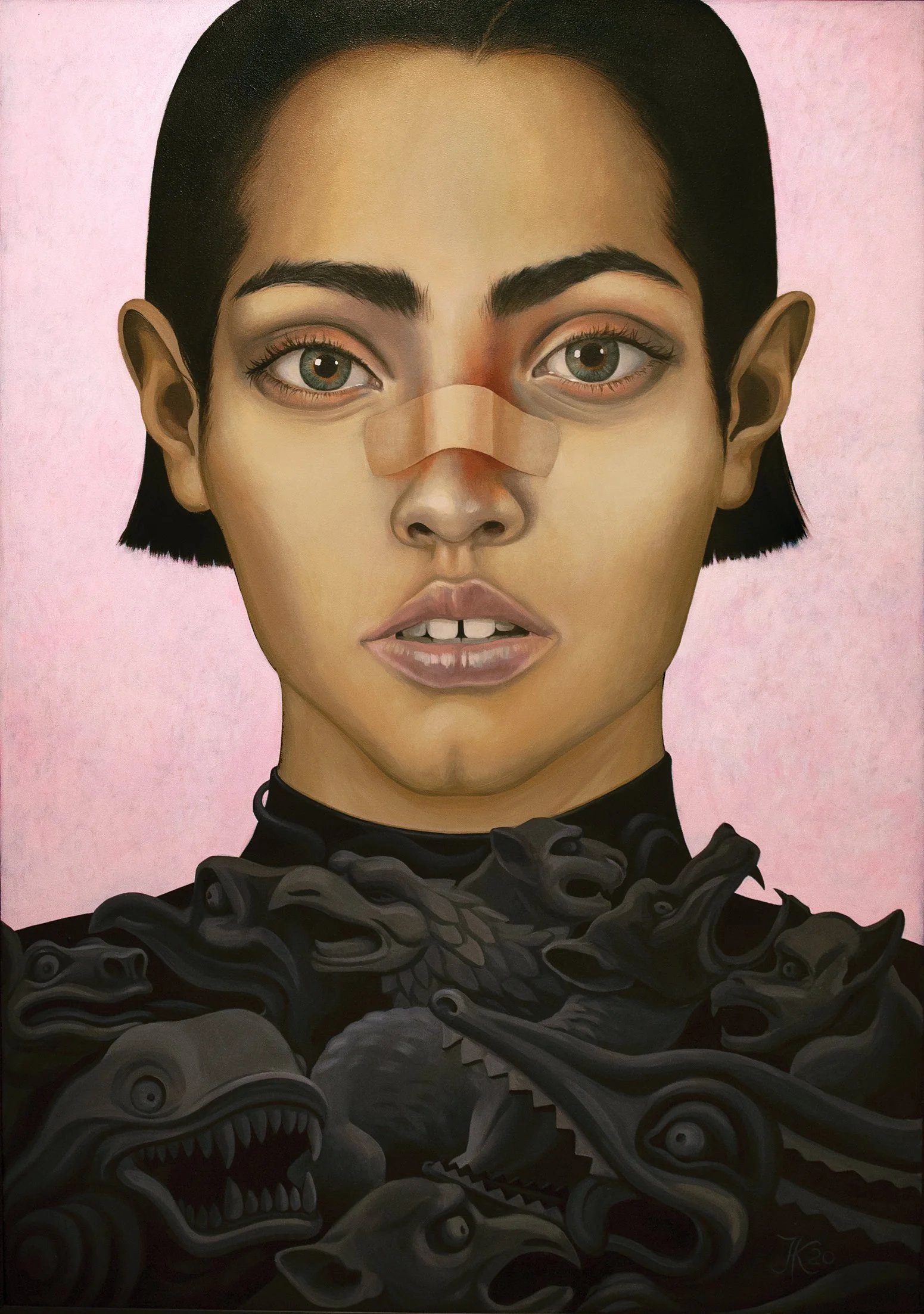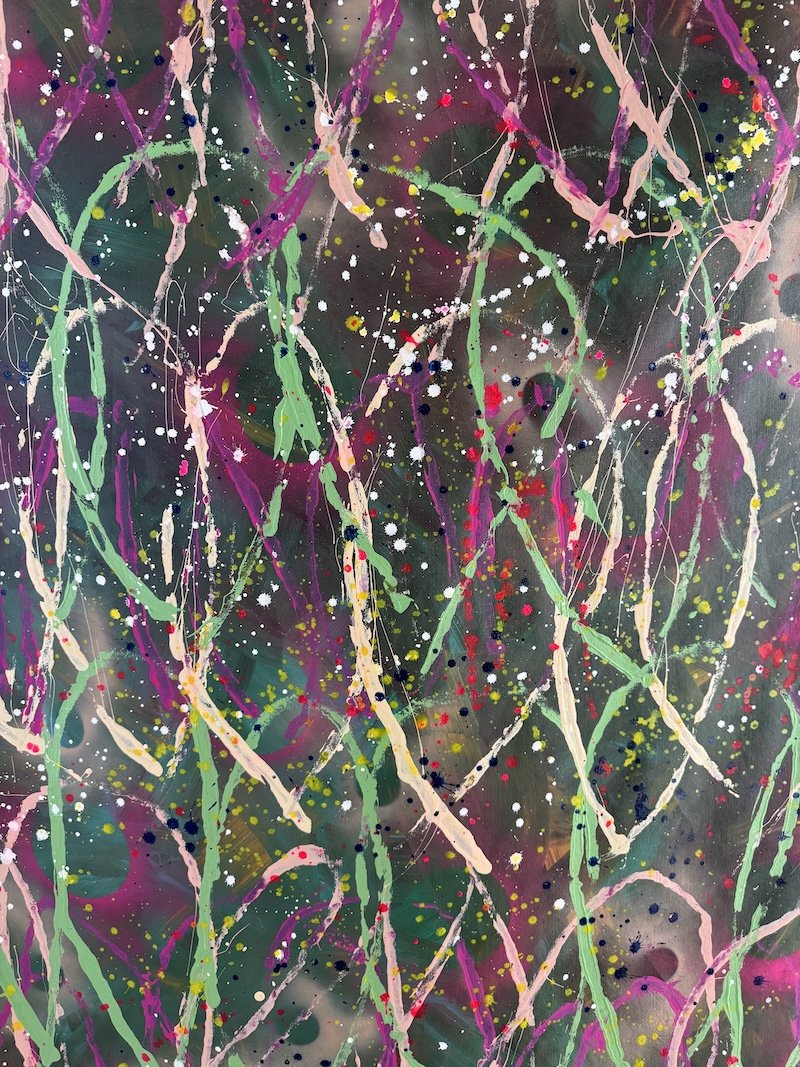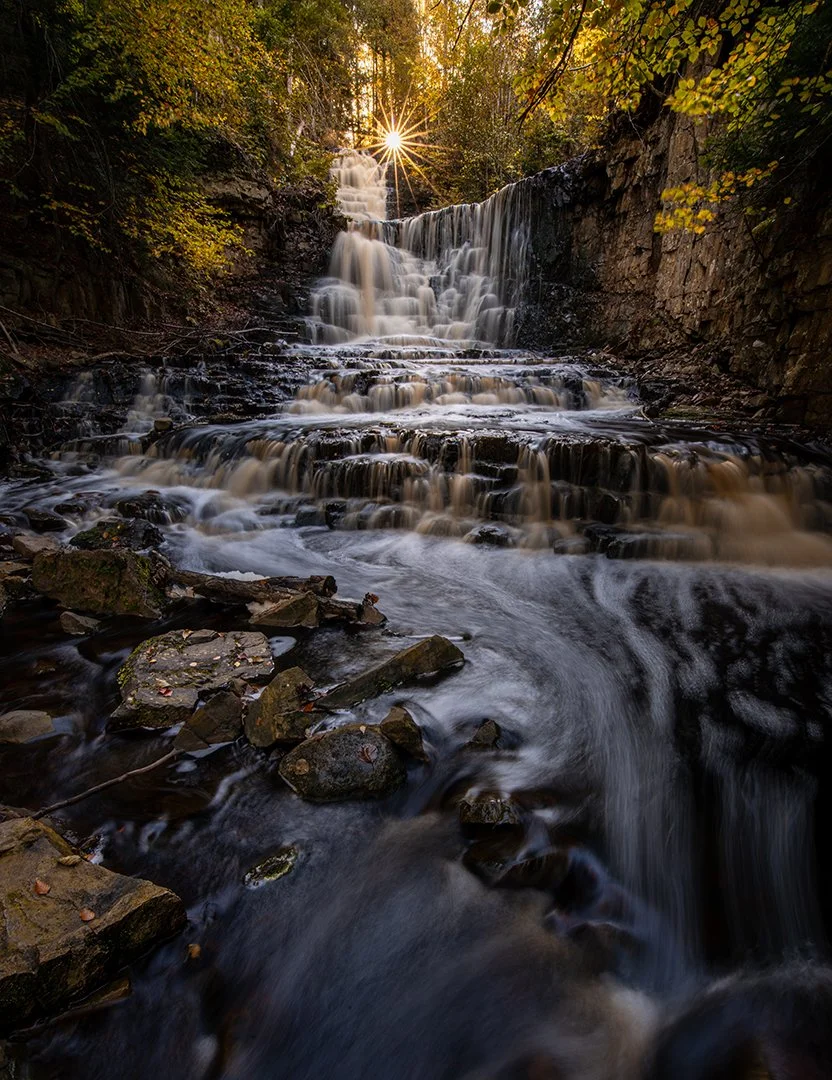
My painting is less an act of depiction than one of discovery — an inquiry shaped by a life lived between scientific research and visual art.
All in Interview
My painting is less an act of depiction than one of discovery — an inquiry shaped by a life lived between scientific research and visual art.
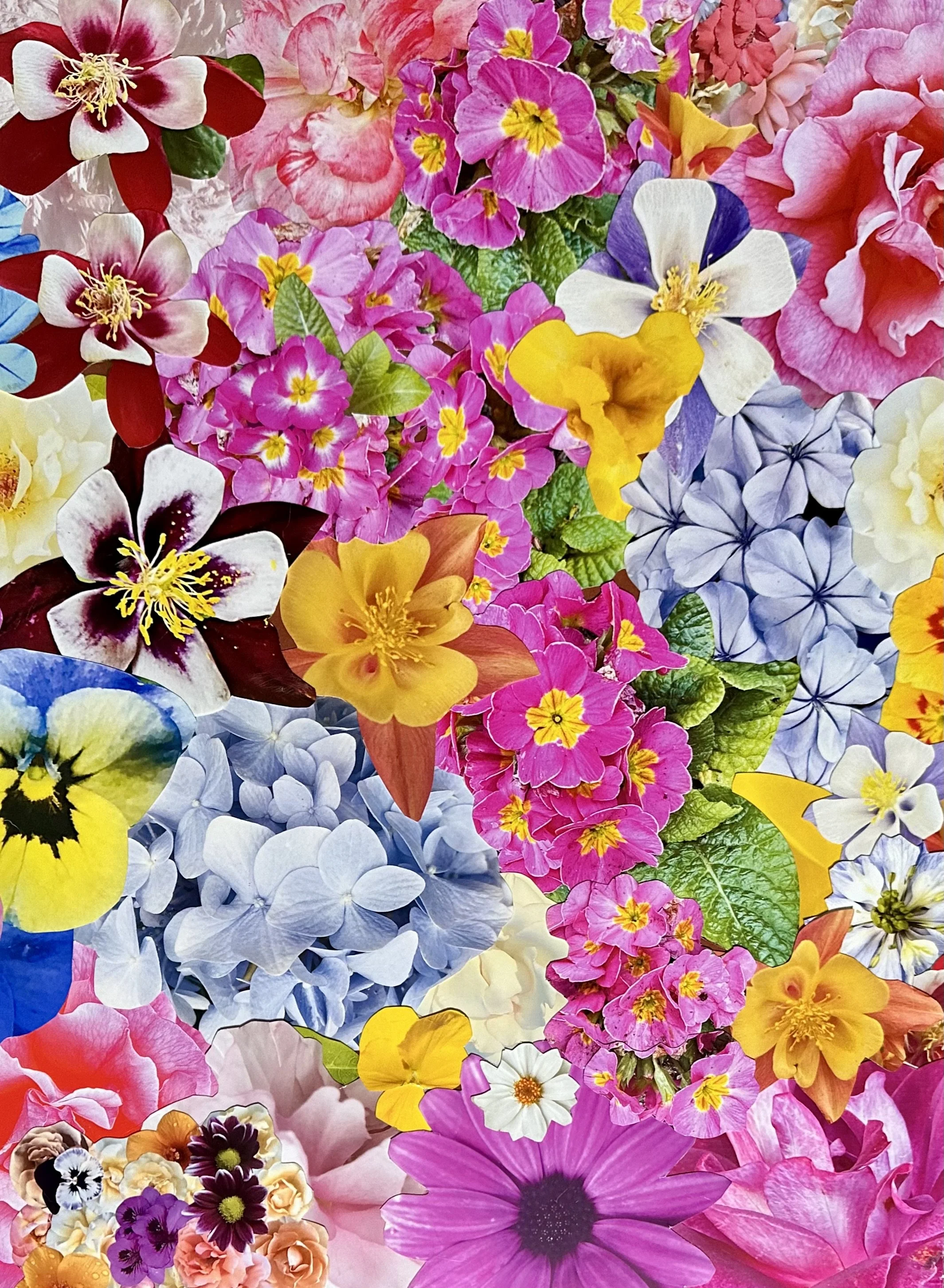
Part of my artistic practice involves the tradition of using multiples to form or create art. Where I combine several of the same item to make a cohesive piece.
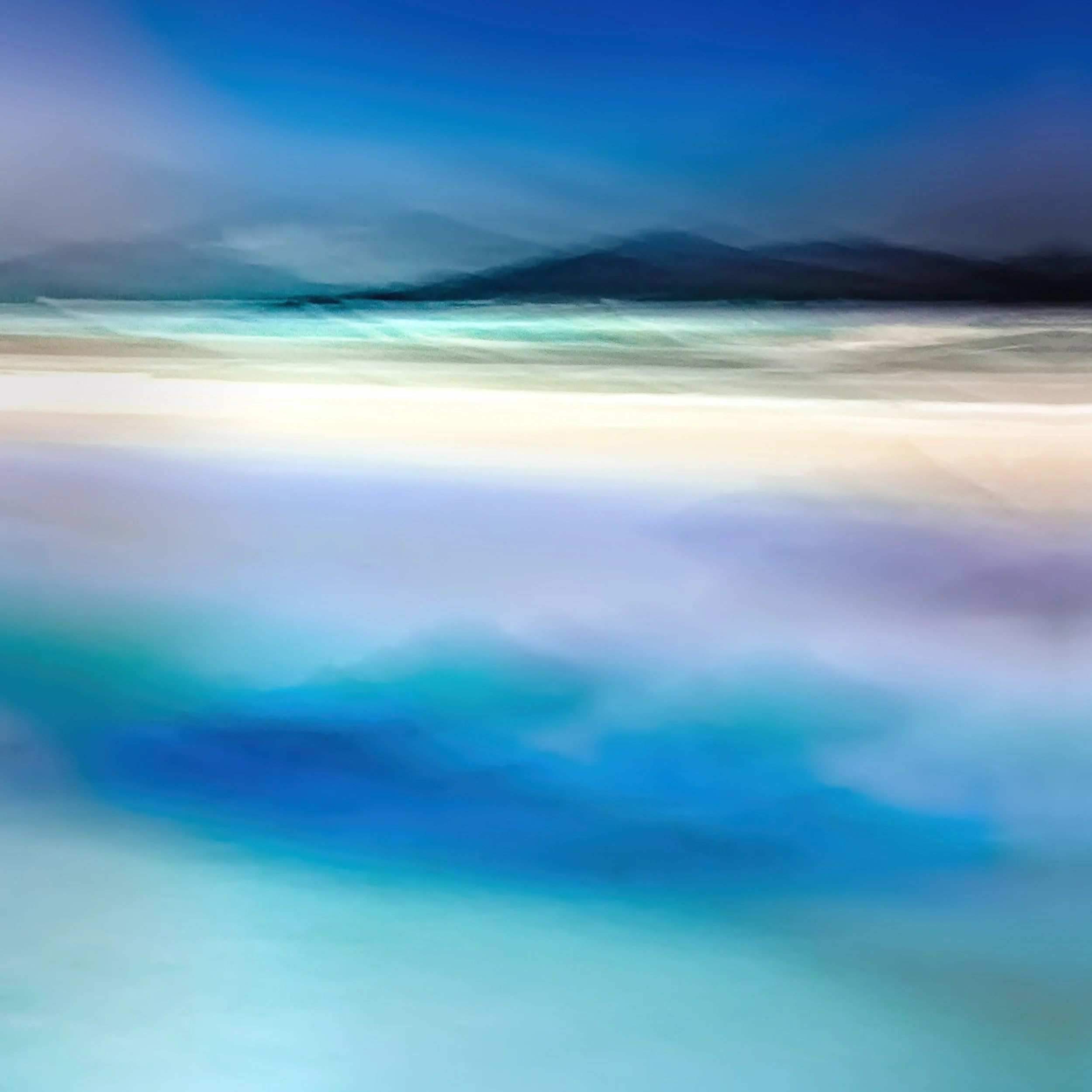
Lynne Douglas is a Scottish-based photographic artist working from the Isle of Skye and the outer Hebrides, internationally recognised for her atmospheric photography and large-format seascapes.
At the core of my work is a deep sense of feeling, big dreams, and bold expression shaped by the northern landscape and lived life. For me, this hybridity is not primarily a visual strategy but a way of thinking and being in the world. It reflects the tension in which we live.
At heart, both my therapy and collage work emerge from the same impulse, a passion for uplifting the human experience. That impulse has evolved from providing a listening space, to my collages now offering a visual space for reflection. The aesthetic form, my collage, holds space for others’ emotions, as I once held space in therapy.
For me, drawing a line is akin to breath meditation. The process of reaching inner stillness closely parallels my creative practice. The tension and shifting emotions generated by short and long breaths condense into images—unspoken states of sorrow, solitude, or even joy. Rather than constructing form through line, I seek to record the places where thought and emotion briefly came to rest.
When I allow initial paint strokes to show themselves until an idea emerges, it's not an oscillation between intention and recognition. It's just a starting framework for a painting.
Monica Norum is a contemporary painter whose work explores painting as a site of presence, connection, and emotional resonance. Moving fluidly between abstraction and figuration, her paintings emerge through layered processes of intuition, revision, and material dialogue. Rather than illustrating fixed narratives, Norum creates open visual spaces where memory, vulnerability, and shared human experience can unfold. Her practice positions painting as both a perceptual and ethical act—one that invites slow looking, embodied attention, and relational engagement across cultural contexts.
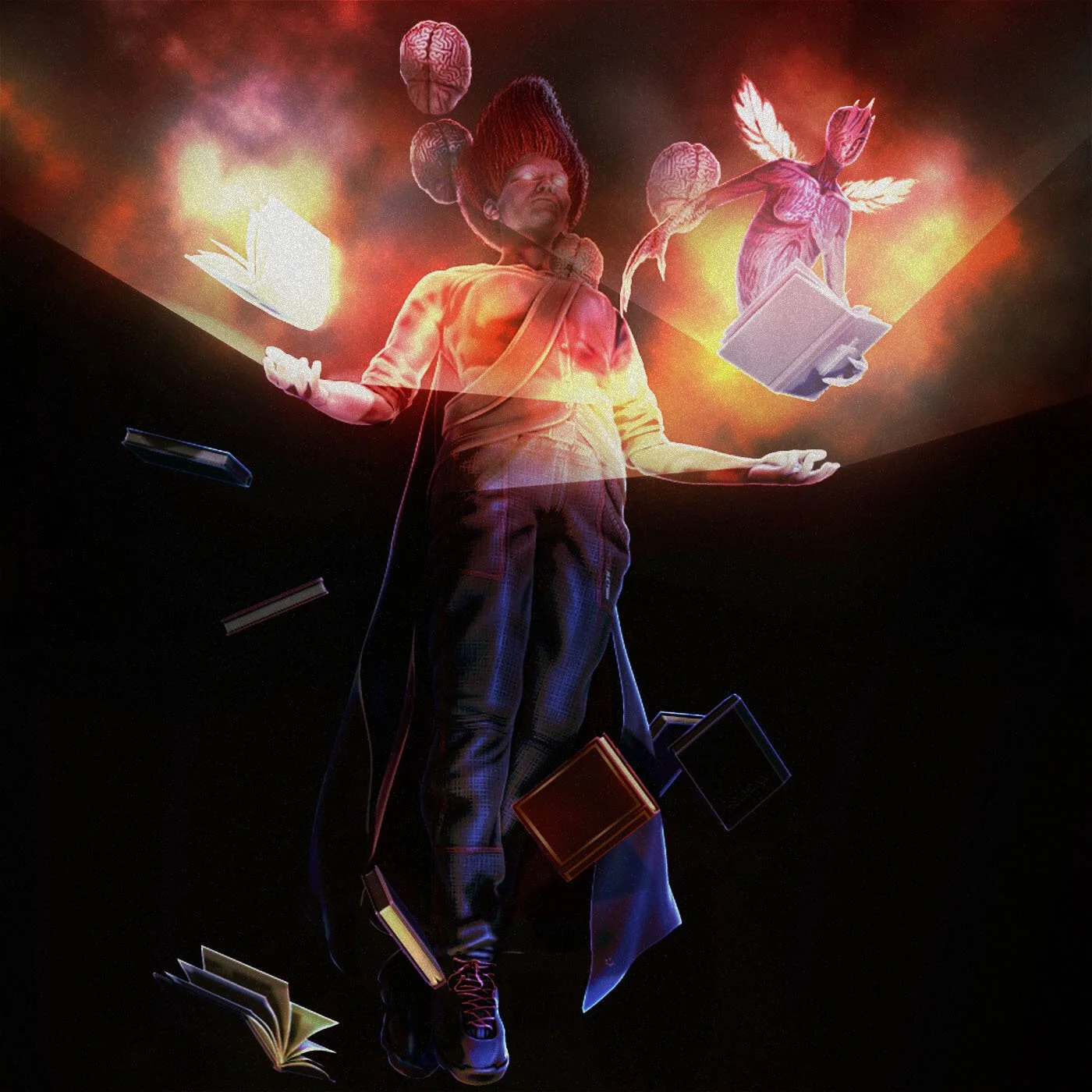
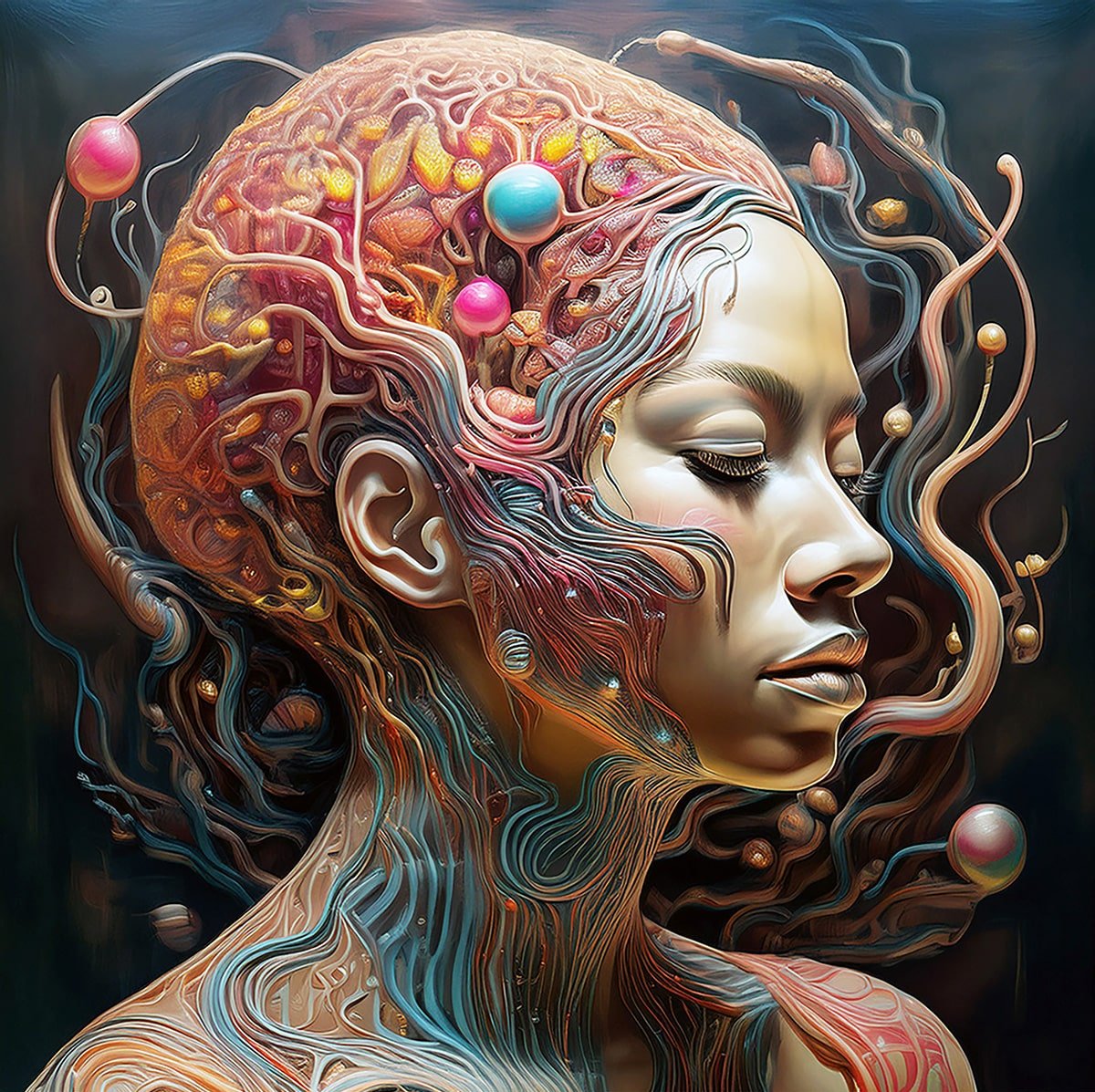
I experience the digital process less as drawing on a surface and more as inhabiting a space. It functions like a mental mirror, a place where perception can be built, entered. Working in 3D allows me to construct forms rather than in 2D where artists depict them, which aligns more closely with how my inner world operates. Even though the medium allows for correction and reversibility, the meaning of the work lives in the slow acts of building, shaping, and orienting myself within that space.
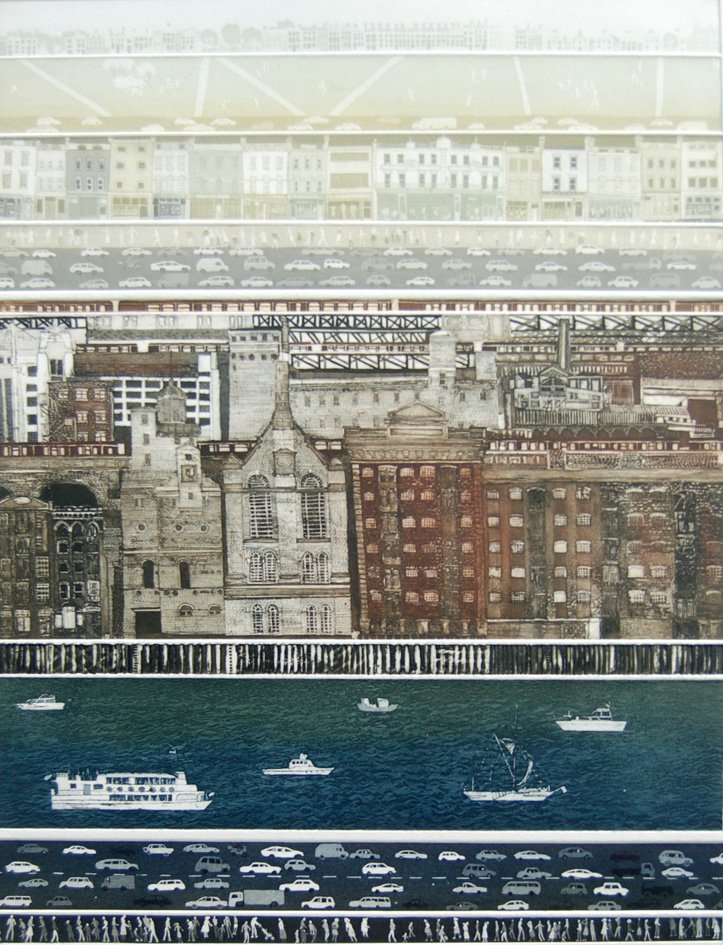
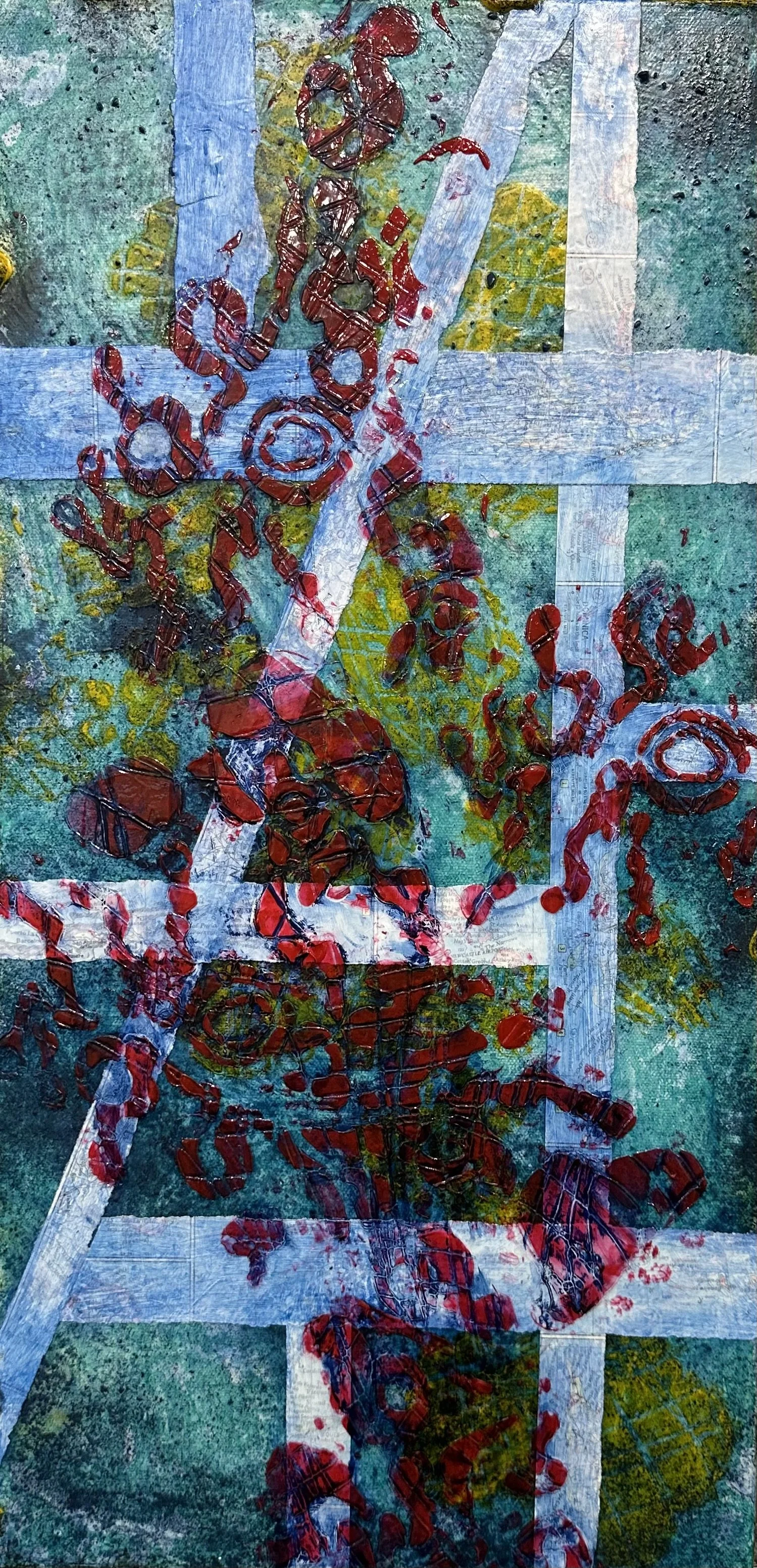
My work is experimental, abstract and embossed. Collagraph, etching, watercolour, collage and encaustic works. My main love is abstracting the essence of the landscape in richly coloured textured works, often enhanced with silver and gold leaf. Recent works include a series of watercolour paintings with collagraph embossings. My early experience as a theatrical designer has led to a sculptural approach to printmaking, and I have developed a method of inking using the different levels of the plate, mixing primary colours on the matrix, thus producing a shimmer of colour, much as lighting a stage set. My work develops though the materials I use. My current on-going fascination is with erosion, weather patterns, natural textures, growth formations and universal organic forms.
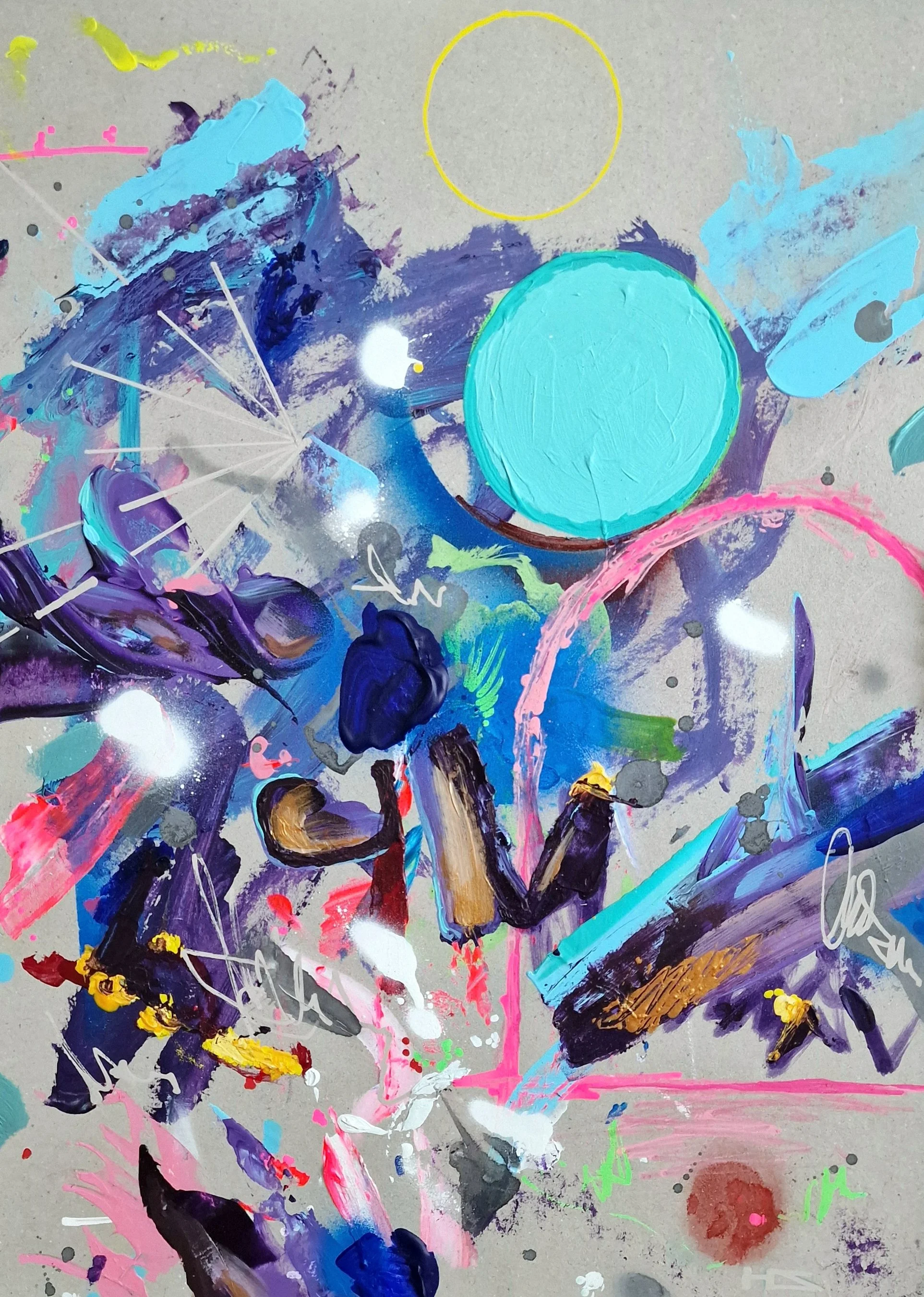
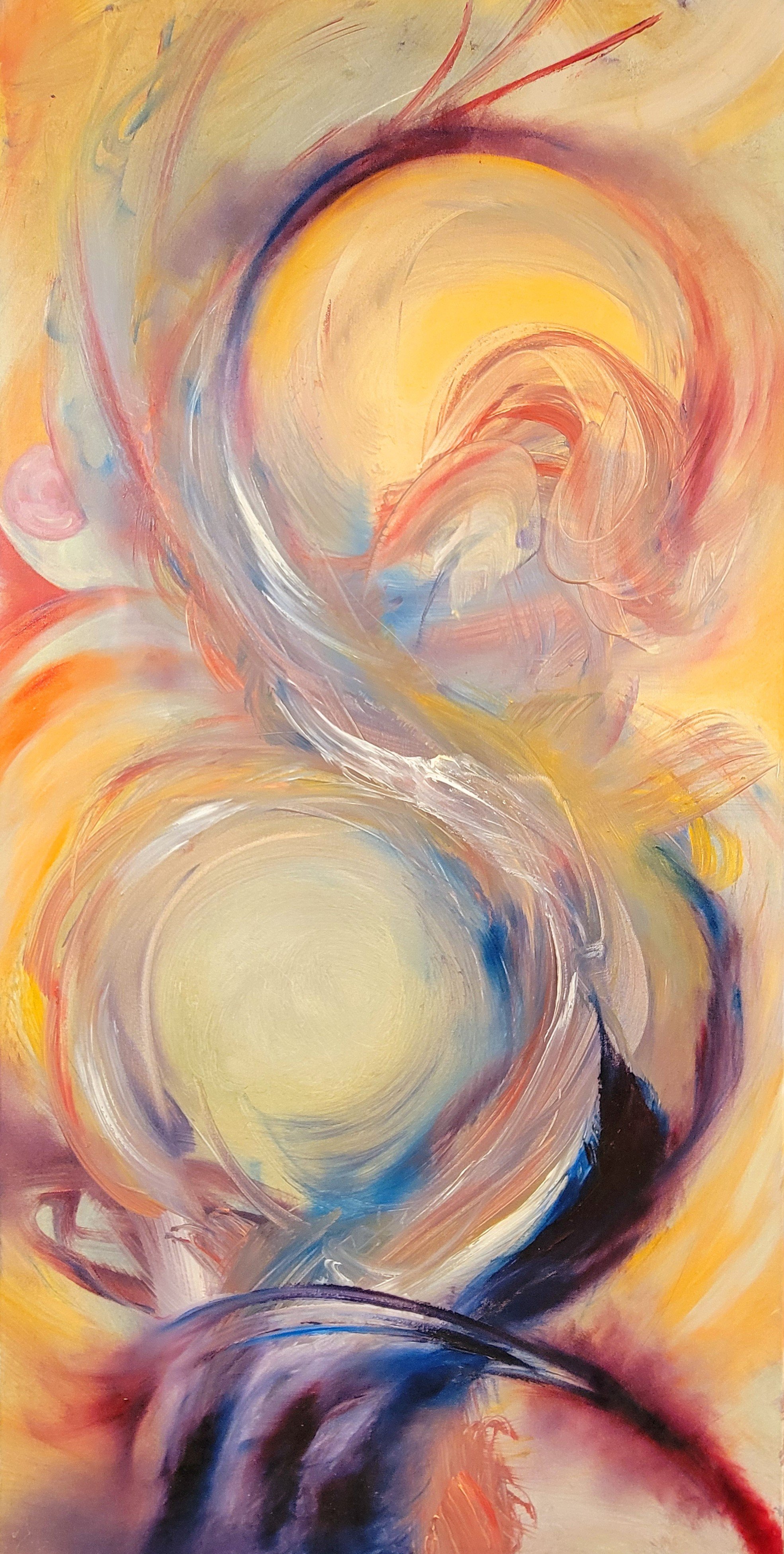
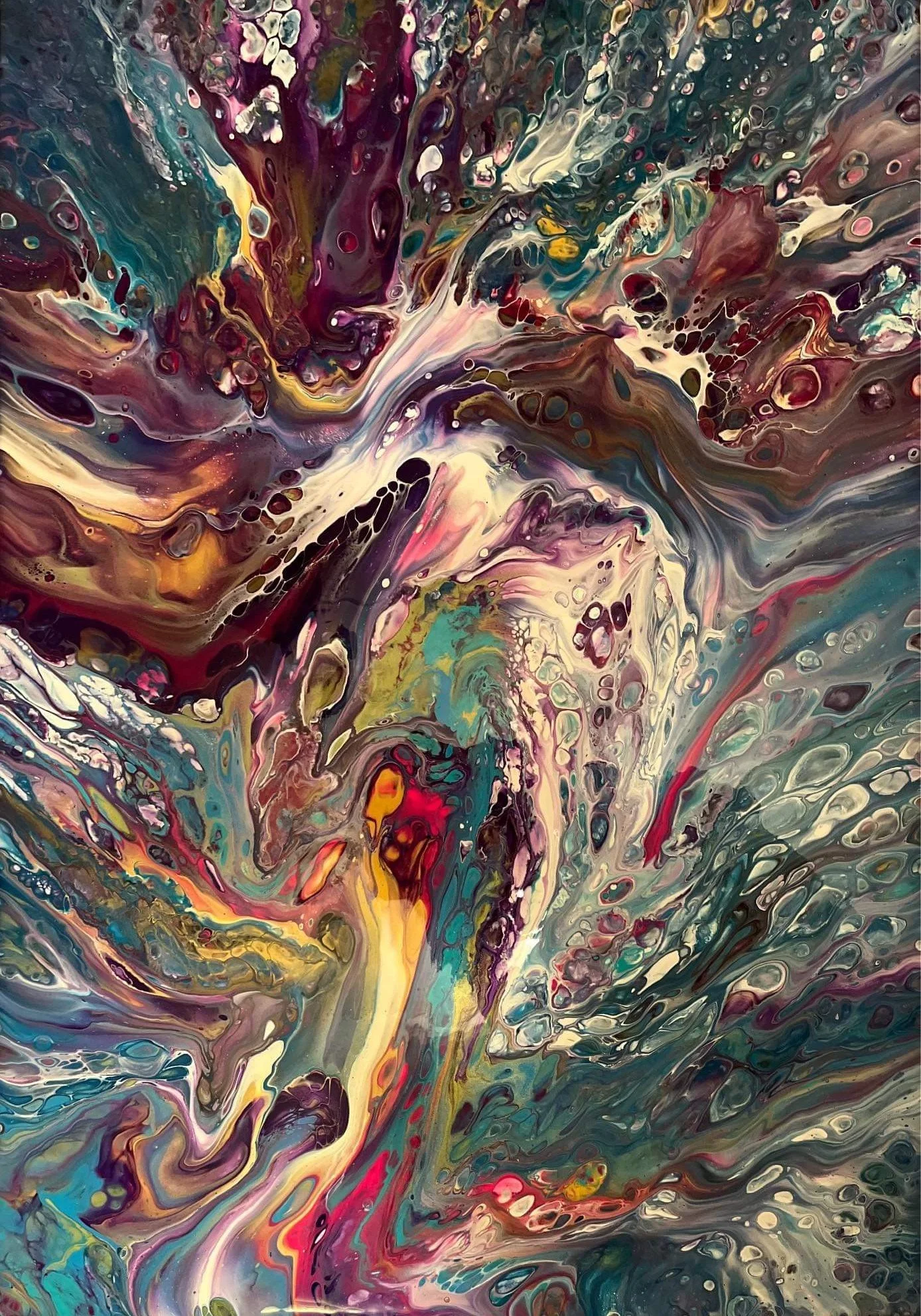
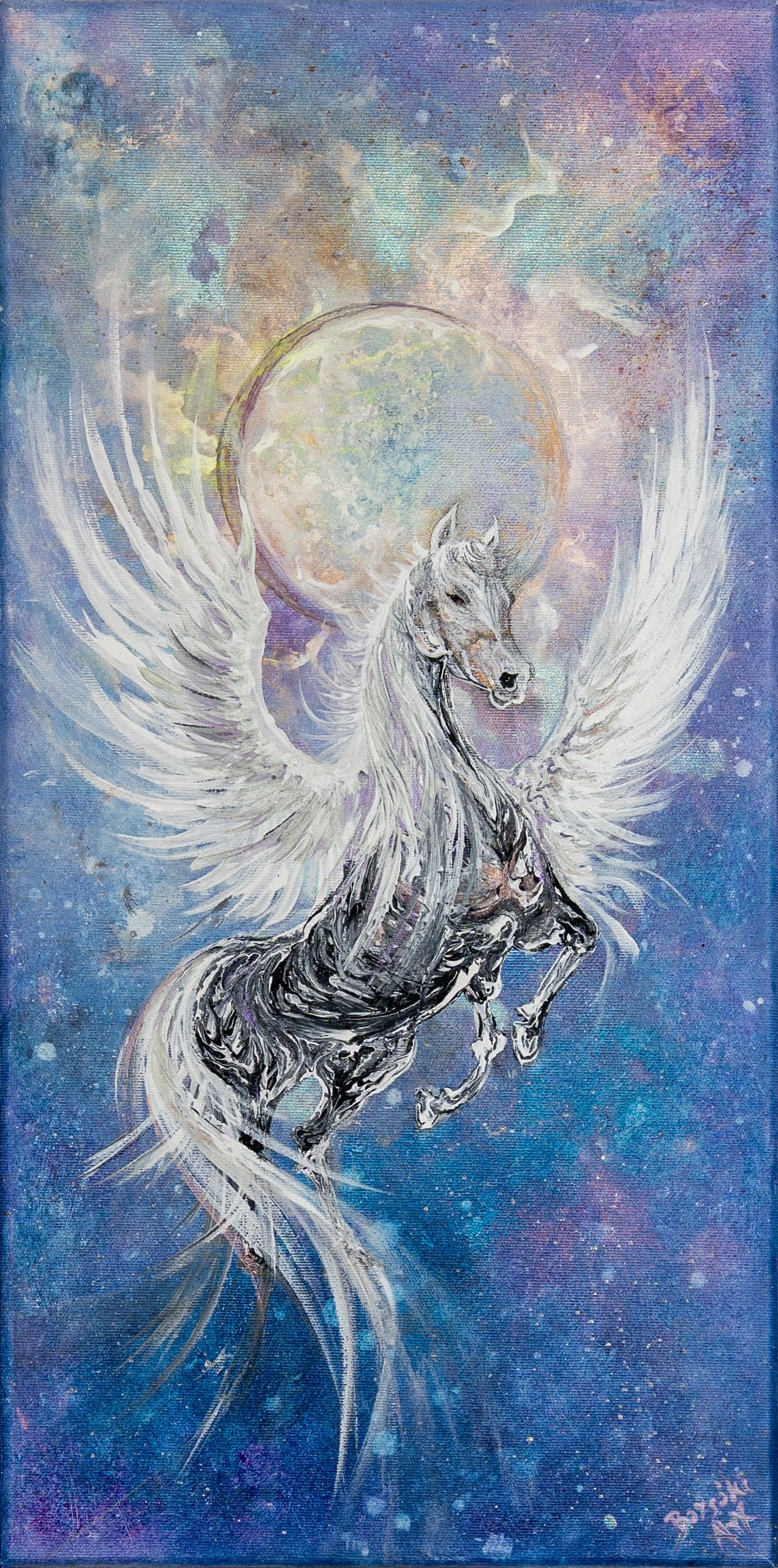
Edita is a Sweden-based abstract artist whose practice is rooted in emotional truth, inner freedom, and spiritual presence. Working intuitively with fluid techniques, she creates without premeditation, allowing paint, movement, and feeling to unfold organically. Her process is guided not by rules or plans, but by lived experience, sensitivity, and trust in what emerges from within.
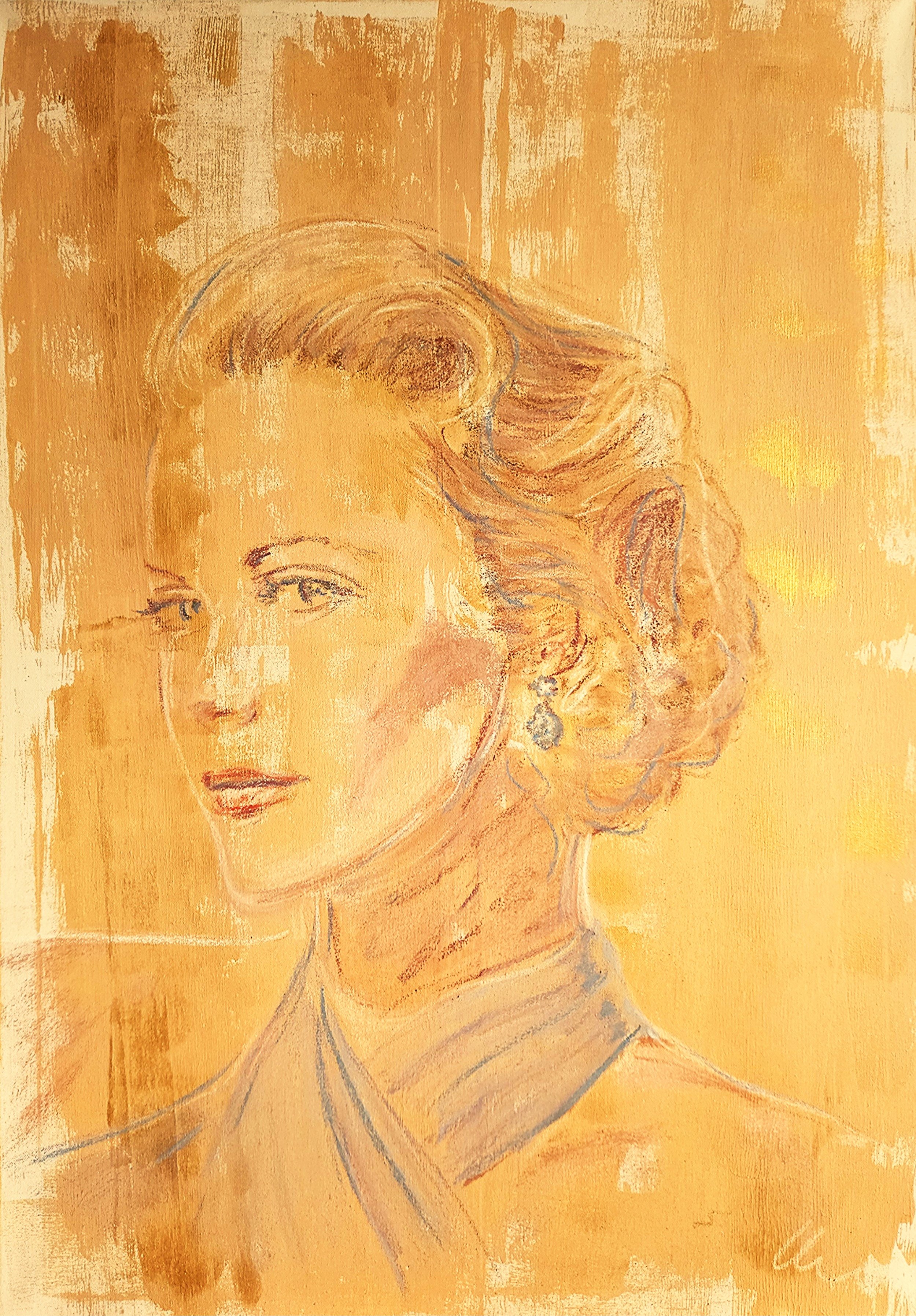
If I am interested in a personality and fascinated by the story, I try to clarify this in my artworks. I don't want to create a mere, simplistic depiction, but rather try to give space to the seemingly ambivalent aspects in my portrayals. What is typical of the myth surrounding this person, and which perhaps tragic aspects are revealed? In this respect, I hope that I succeed in giving the viewer the necessary space to develop their own understanding of this person.
I view the pursuit of beauty as a profound ethical responsibility—a radical act of restoration. In a world often characterized by fragmentation, my work seeks to return to a state of wholeness. Beauty is not mere decoration; it is a manifestation of “善” (Goodness) that provides a sanctuary for the human soul to heal and reconnect with its essential nature.
For me, the journey itself is not just a physical or geographical one, but a deeply personal and introspective process. As a visual storyteller, I find that the places I travel to often become imbued with a sense of emotional resonance, which can either coalesce into a single, defining image or unfold into a more complex, narrative-driven series.
In art, as in many other processes, I see a certain cyclical movement. At one point, figurative painting was declared exhausted, and other forms — abstraction, dematerialization, conceptual strategies — took its place. Today, the pendulum is clearly swinging back, and it is already possible to ask the reverse question: what can abstract painting or the refusal of representation do now, that it has not already done?
My training in color theory plays a vital role in this dynamic process. The principles of color relationships, contrast, and harmony are ingrained in me, acting as an internal compass that guides my instincts when making quick decisions on the canvas. For example, when faced with the urge to apply vibrant, clashing colors in the heat of creation, I instinctively recall the impact of complementary colors and how they can heighten emotional responses. This knowledge allows me to make choices that feel both spontaneous and harmonious.
My practice is based on the premise that photography does not end at the final curtain, but rather begins there. By using post-production tools such as a palette and brush, I shift the focus from photographic representation to artistic creation.
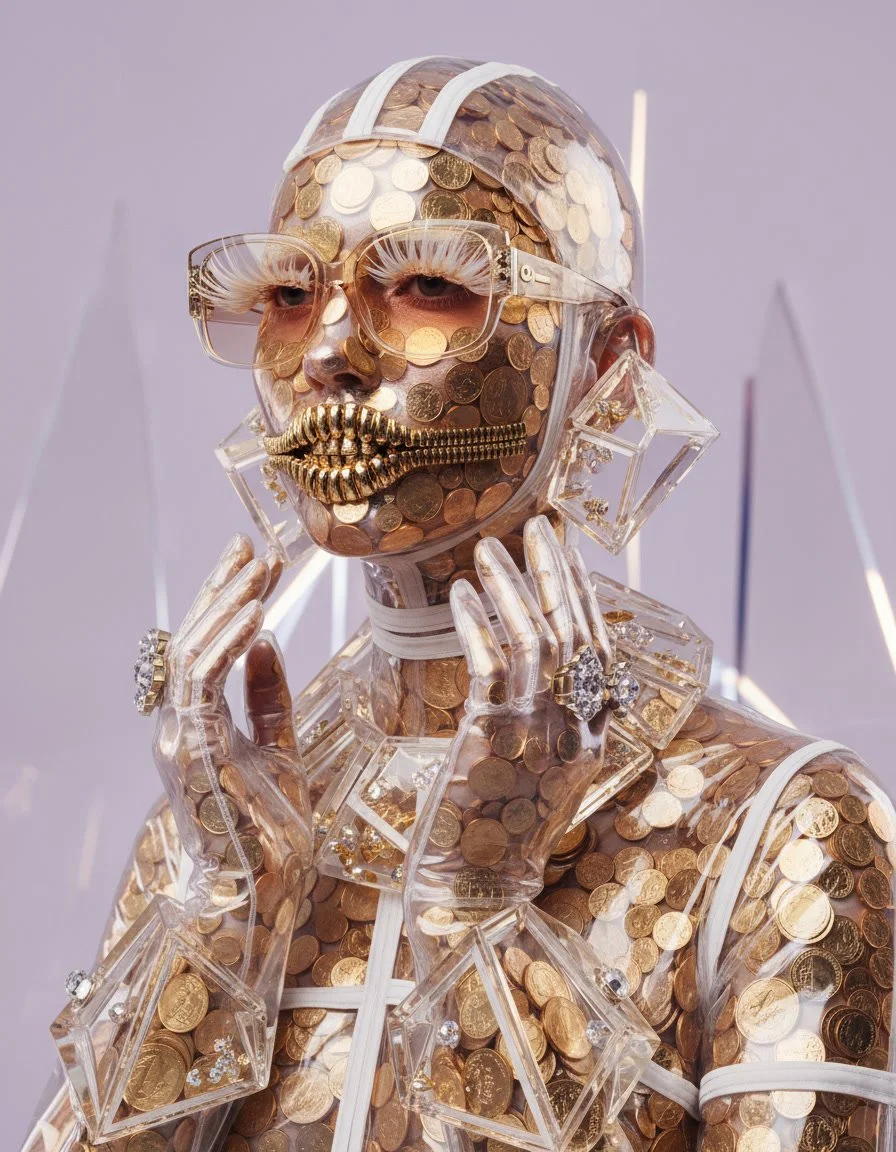
In her 2026 fine art series, Karine transcends the traditional boundaries of design, merging twenty years of high-jewelry expertise with the infinite possibilities of artificial intelligence. By reimagining the human form as a luminescent translucent vessel—where moss breathes through glass skin and internal storms are harnessed within one's soul—she has pioneered a new genre: Digital Haute Couture.
I experienced the computer less as a tool and more as an environment—one that behaved, responded, and occasionally resisted. It did not simply execute my intentions; it altered them. Meaning emerged through dialogue, iteration, and unpredictability, offering a way of knowing that could not be accessed through analog methods.
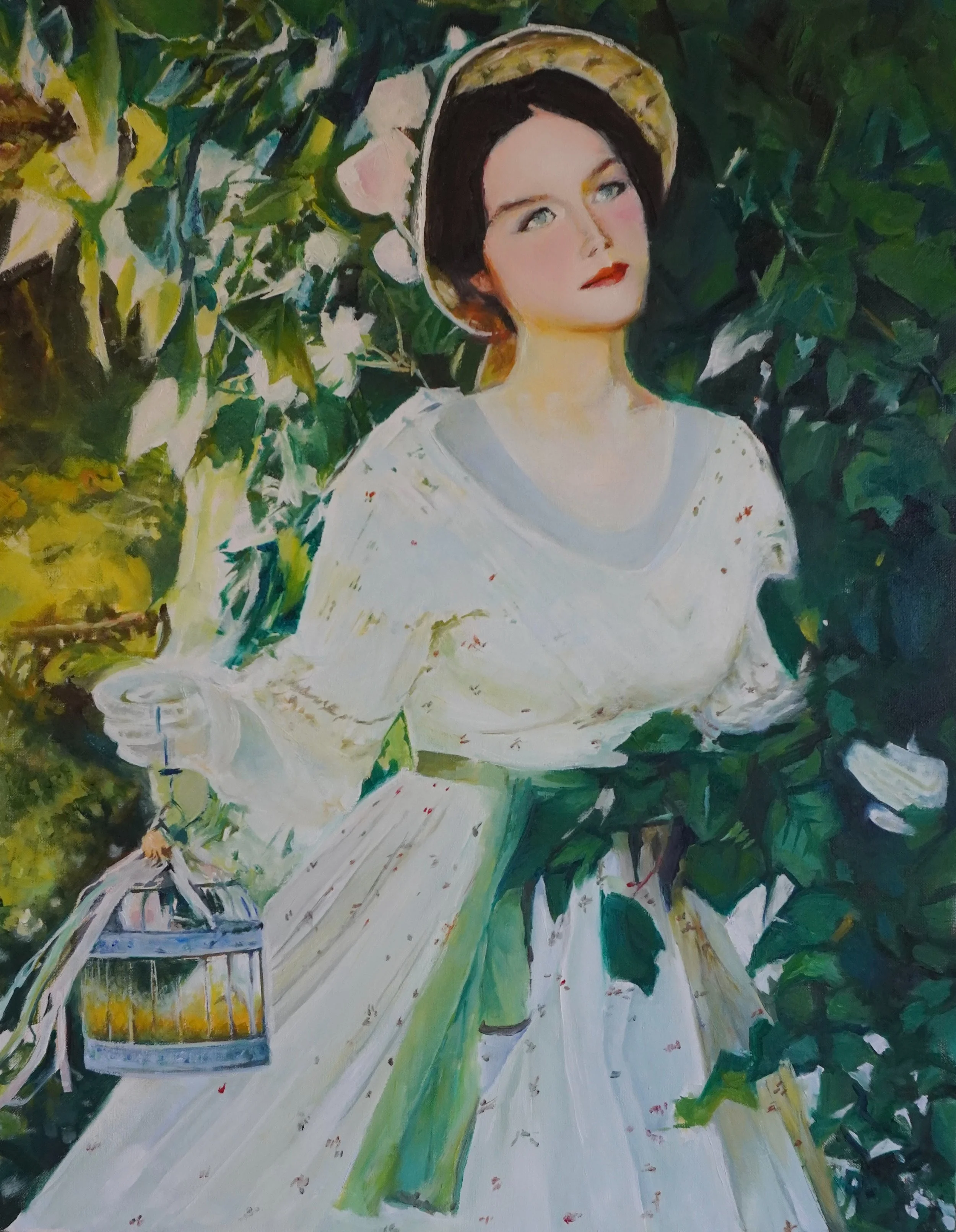
I am a Hungarian painter dedicated to creating unique, personalized artworks that transform spaces and evoke deep emotions. My artistic journey began with decorative wall painting, which gradually led me to the canvas, where I found my true passion. Each painting I create is not just a visual piece but a deeply personal expression—an artwork that tells a story, recalls memories, and becomes a meaningful part of its owner’s life.