Interview with Corinne Whitaker

Corinne, your early embrace of computation as an artistic medium occurred at a moment when the computer was largely perceived as an administrative or scientific tool rather than a site of aesthetic production. How did you conceptualize the computer not merely as an instrument, but as a generative epistemology capable of producing meaning, affect, and form beyond the analog traditions you were trained within?
I experienced the computer less as a tool and more as an environment—one that behaved, responded, and occasionally resisted. It did not simply execute my intentions; it altered them. Meaning emerged through dialogue, iteration, and unpredictability, offering a way of knowing that could not be accessed through analog methods.
Throughout your career, you have insisted on the singularity of the digital object, producing unique works rather than infinitely reproducible images, often printing on unconventional substrates such as aluminum, Plexiglas, brass, and copper. How do you reconcile the immaterial logic of digital files with your persistent commitment to objecthood, surface, and material resistance?
Digital files are immaterial, but art is always encountered physically. Printing on resistant surfaces introduces weight, reflection, and friction. The object asserts presence. Uniqueness is not contradicted by digital origin; it is realized through material engagement.
Your transition from black and white photography to digital imaging suggests not a rupture but a continuity of perceptual concerns, including light, structure, framing, and abstraction. In what ways does your photographic eye continue to discipline or disrupt the algorithmic excess made possible by digital tools?
Photography taught me restraint. It trained my eye to frame, edit, and exclude. That discipline tempers digital excess, grounding infinite possibility in intentional choice.
Digital sculpture occupies a particularly complex position in your practice, existing simultaneously as data, virtual form, and physical artifact. When working through CAD models and rapid prototyping, where do you locate the moment of authorship?
Authorship is distributed across the process—from concept to digital manipulation to physical realization. No single moment dominates. The work accumulates authorship through translation and touch.
The biomorphic and often otherworldly forms that populate your sculptural work appear to oscillate between the organic and the synthetic. Do you see these forms as speculative futures, evolutionary remnants, or psychological projections?
They are psychological forms first. If they suggest posthuman futures, it is because they reflect our present condition—hybrid, unstable, and technologically entangled.
Your long-running online journal, The Digital Giraffe, has functioned not only as an exhibition space but also as a curatorial, archival, and pedagogical platform. How do you understand this project in relation to institutional critique?
The Digital Giraffe emerged out of necessity. Its longevity resists the market’s demand for novelty and scarcity. Rather than critique institutions directly, it proposes an alternative rhythm of access and visibility.
Having presented one of the earliest public lectures on digital art, you have framed the computer as offering a radical new vocabulary. Looking back, do you believe artists have fully interrogated this vocabulary?
Too often the technology has been aestheticized without being questioned. Tools carry ideology. Interrogating that structure remains an essential responsibility for artists.
Your work has been exhibited globally, in cultural contexts with vastly different technological infrastructures. How has this shaped your understanding of digital art as a transnational language?
Digital art is not culturally neutral. While the language may be shared, its interpretation is shaped by local histories, access, and expectations.
The sculptural installations and printed works in exhibitions such as No Rules and Cybersphere suggest a refusal of medium-specific hierarchies. Is this refusal ethical, aesthetic, or pragmatic?
It is all three. The collapse of boundaries between virtual and physical experience is a lived reality, and the work reflects that condition.
Many of your digital paintings evoke immersive spatial fields that resist stable orientation. To what extent do you see these works as environments rather than images?
I think of them as spaces to enter. Their instability mirrors the psychological experience of living within networked systems.
You have often described your practice as exploratory rather than declarative. How do you defend ambiguity in an art world driven by fixed positions and branding?
Ambiguity is a rigorous form of inquiry. Curiosity sustains practice over time and allows for discovery rather than conclusion.
Your engagement with rapid prototyping and three-dimensional printing places your work within conversations about automation and labor. Do you see these technologies as democratizing sculpture?
They hold potential, but they are not inherently democratic. Without critical awareness, they risk reproducing existing power structures.
The integration of poetry, music, and visual form suggests a synesthetic approach. How does this shift the viewer’s role?
It transforms the viewer into an active participant, navigating multiple sensory registers rather than passively observing.
Over the course of your career, digital tools have evolved into complex, AI-assisted environments. How do you maintain critical distance while remaining open to surprise?
By balancing curiosity with skepticism. I allow the tools to surprise me, but I don’t relinquish authorship or intention.
Having spent decades working at the frontier of a medium once dismissed as peripheral, how do you now position digital practice within art history?
Digital practice is no longer marginal—it is embedded. Pioneers carry a responsibility to contextualize, question, and guide its future trajectories with critical care.
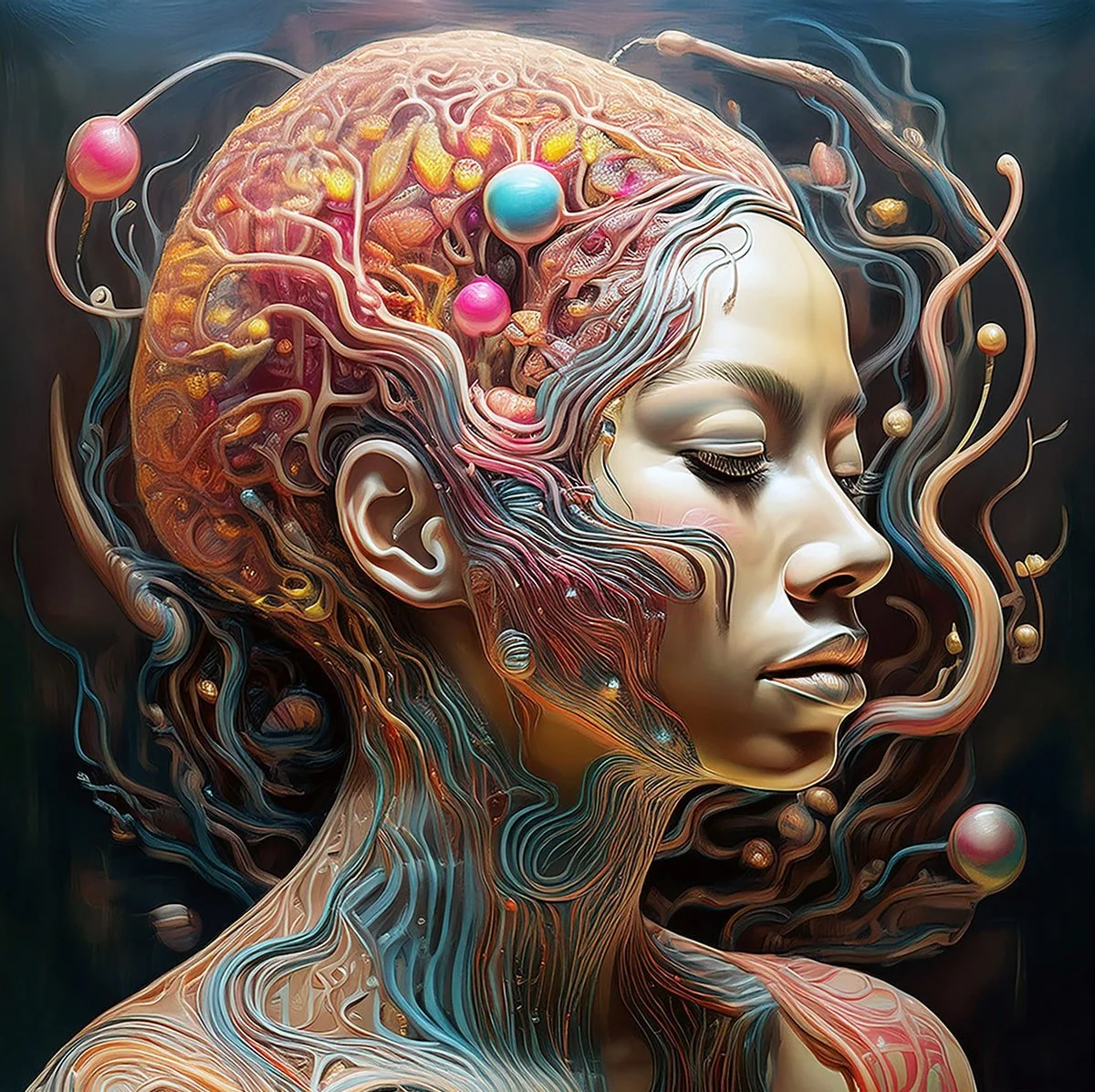
“Fast Forward” Multi-media Digital Painting in Eco-friendly LED Lighted Aluminum Box, 35”h x 36”w x 3”d

Falling Off the Logic Tree, 2025, Unique Digital Painting in LED Lighted Box, 182.88 x 91.44
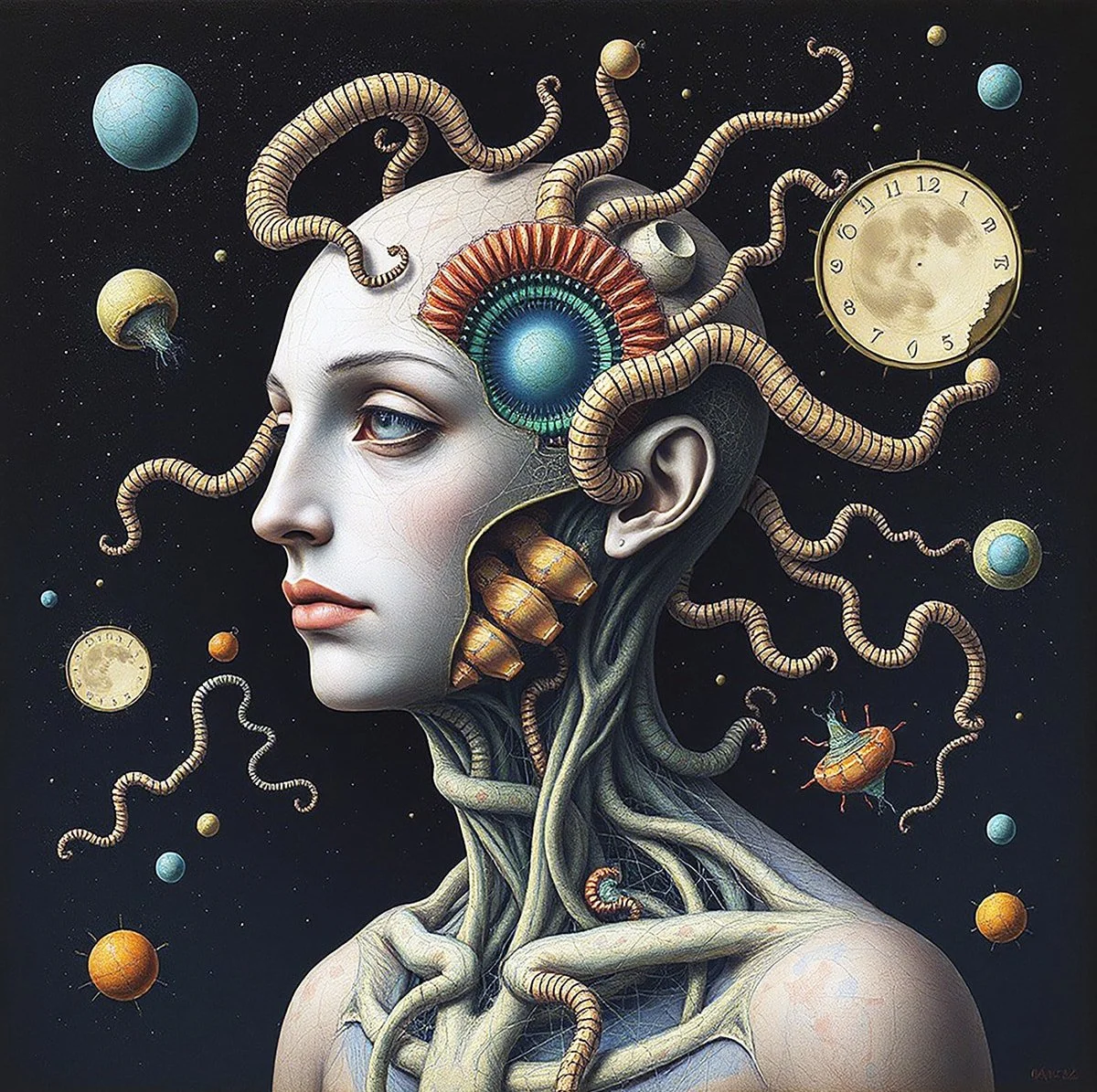
Multi-media Digital Painting in Eco-friendly LED Lighted Aluminum Box, 35”h x 36”w x 3”d
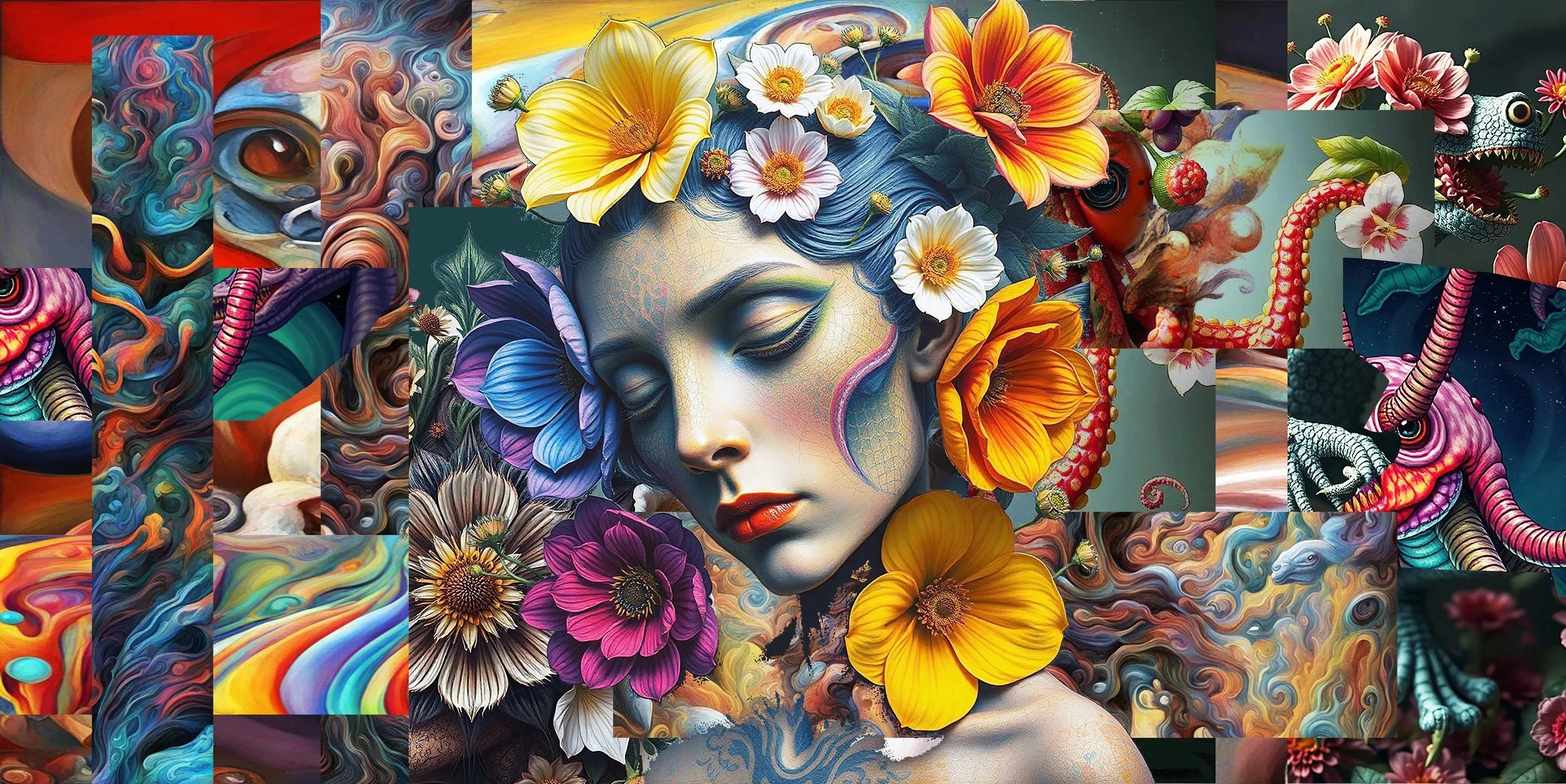
If Love Were a Tapestry, 2025, Unique Digital Painting in LED Lighted Box, 182.88 x 91.44
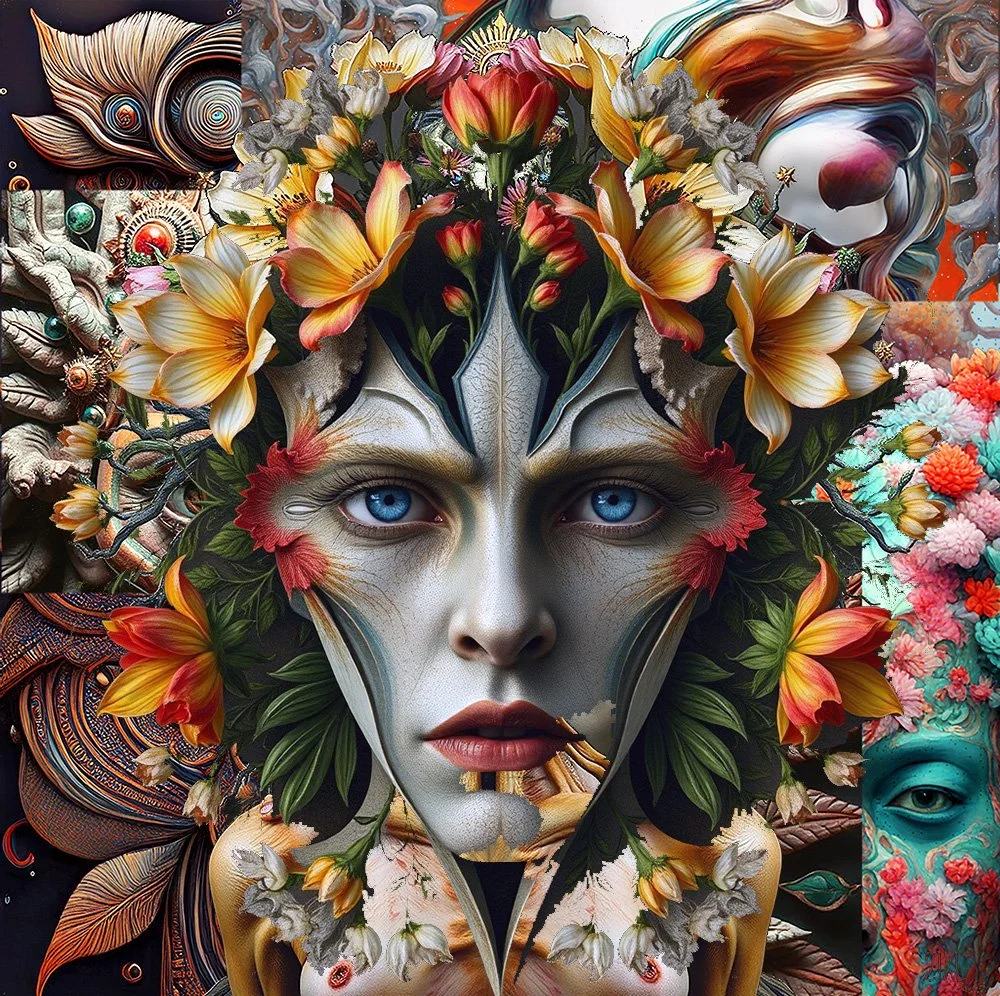
Mengamok 2
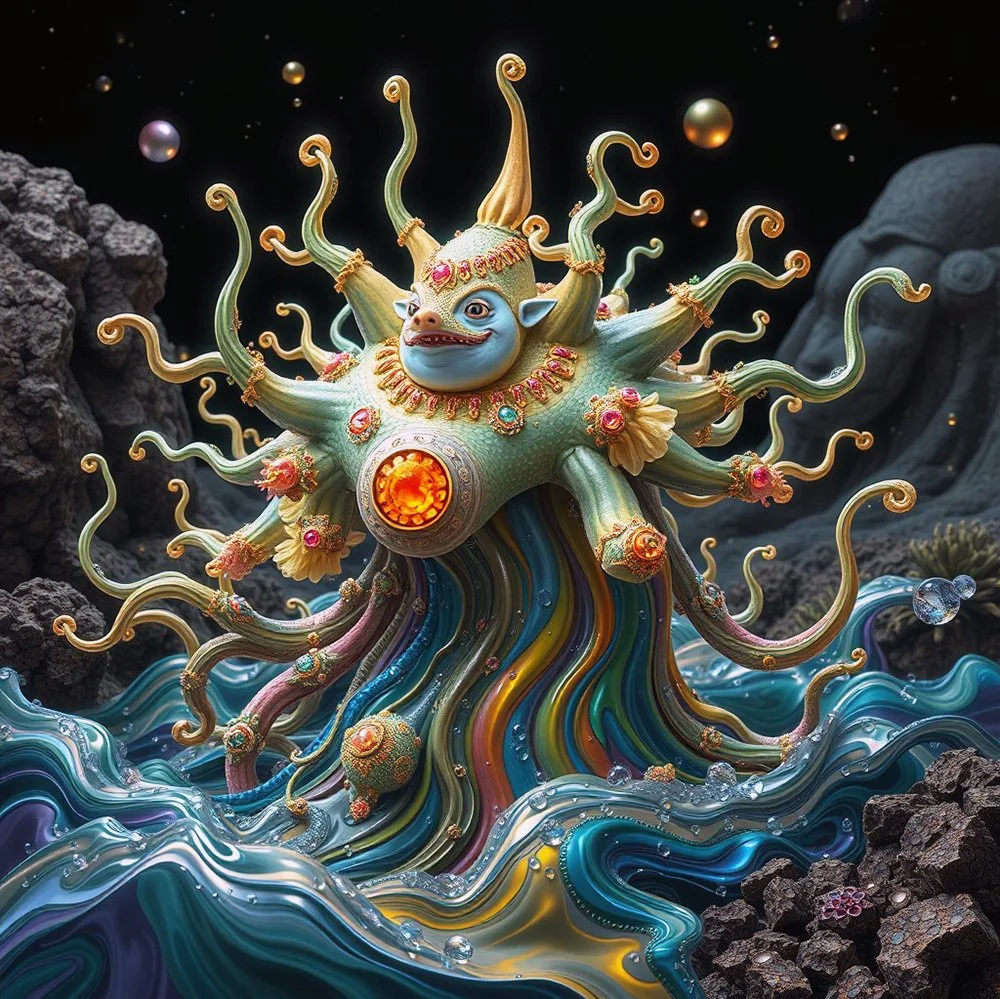
Life form 4
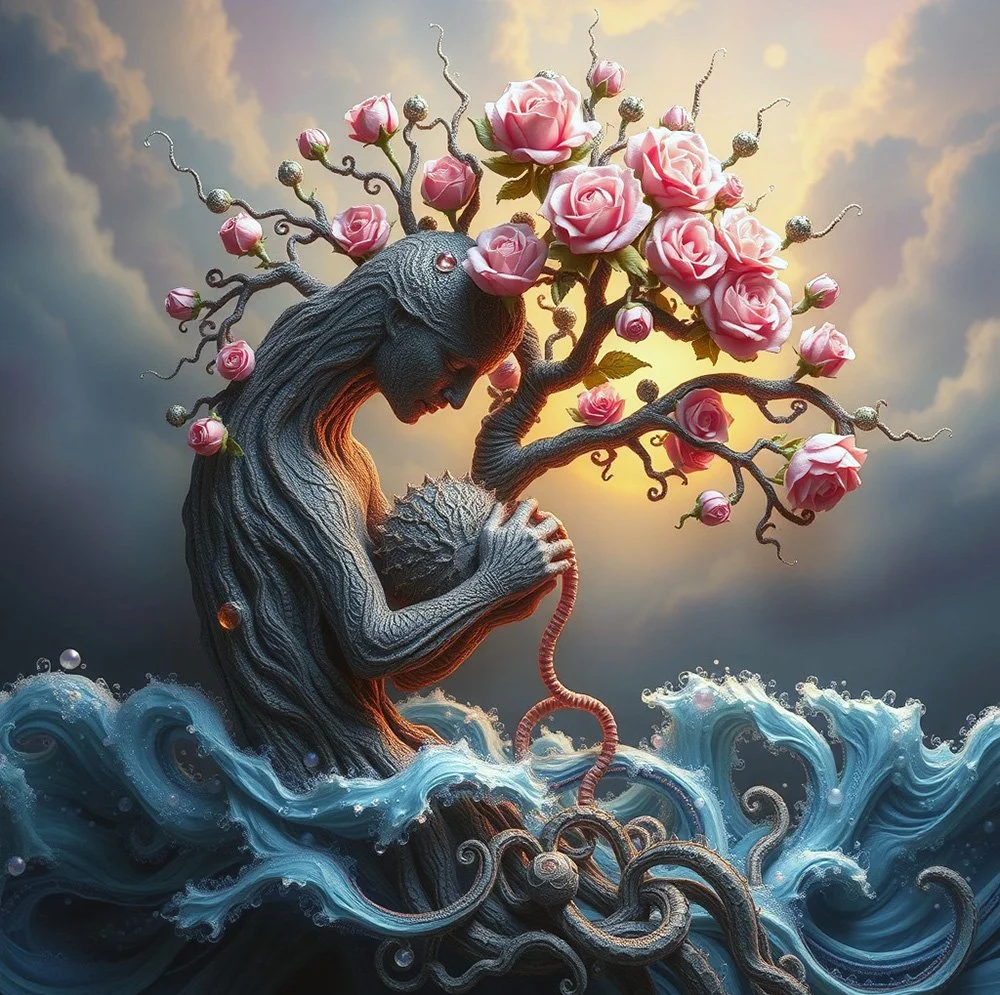
Life Form 5
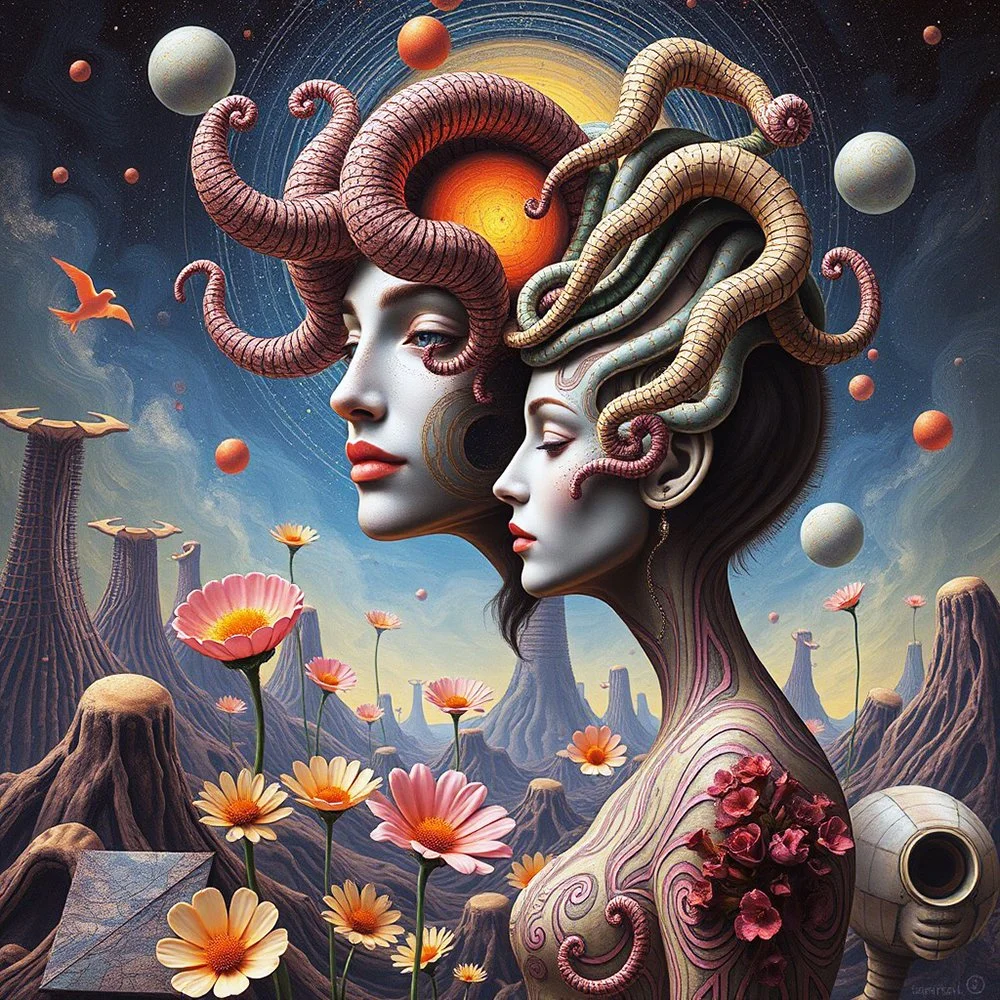
Taming 14
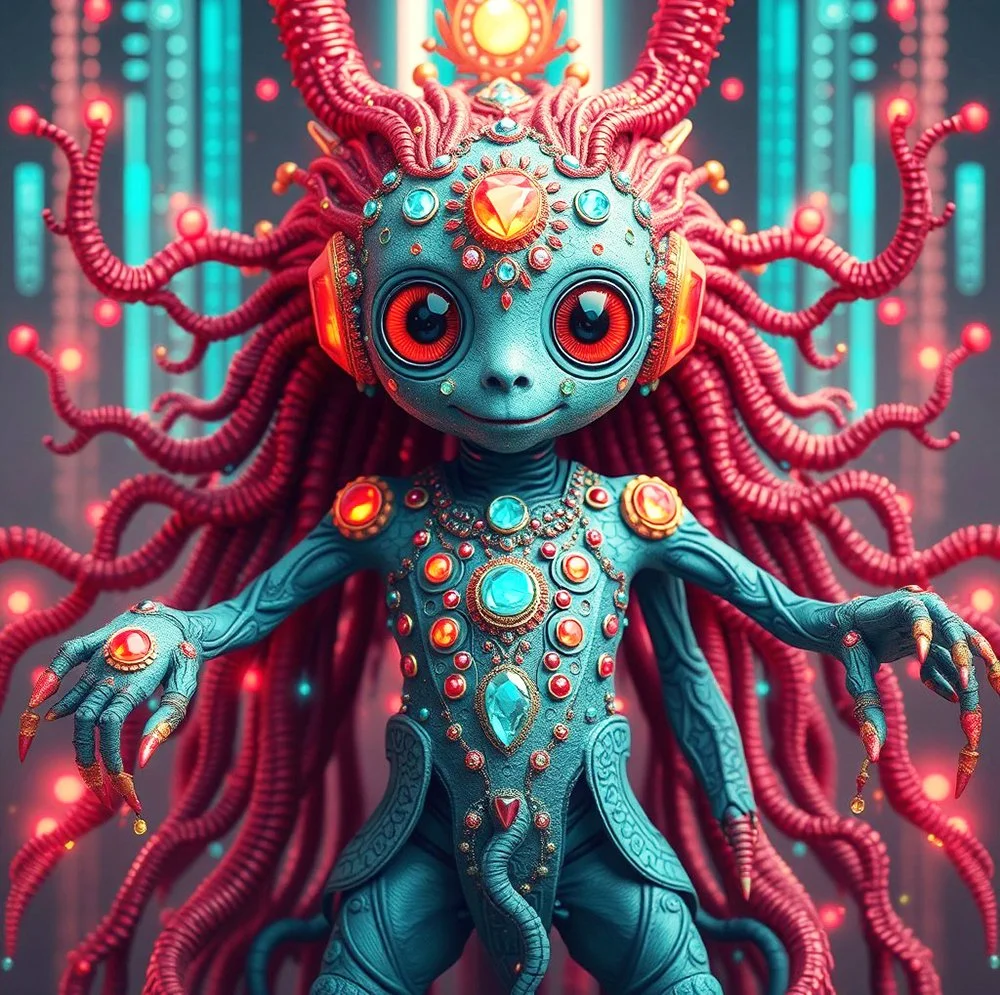
Twitchworthy 11
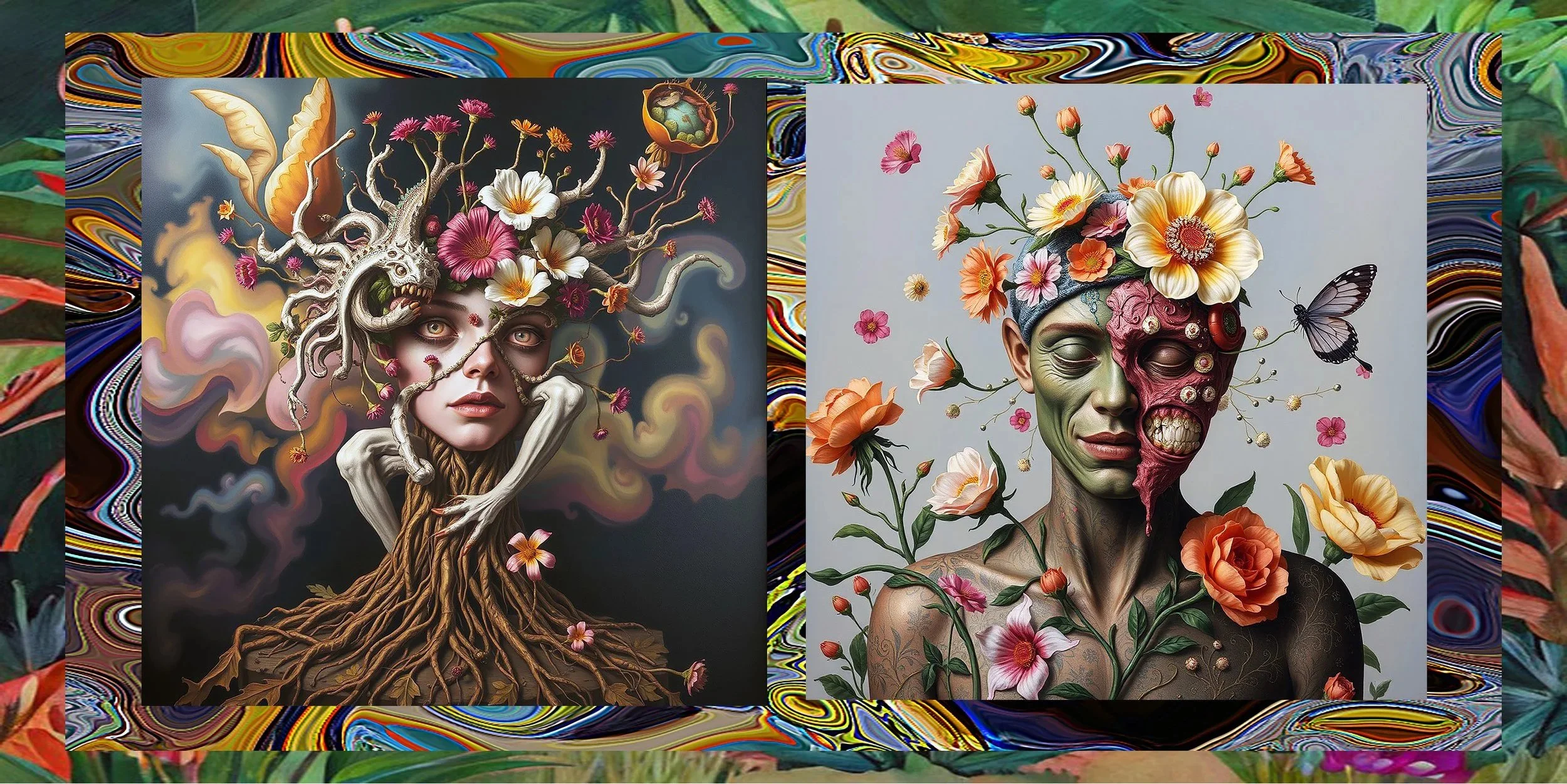
We Never Saw This Coming, 2025, Unique Digital Painting in LED Lighted Box, 182.88 x 91.44
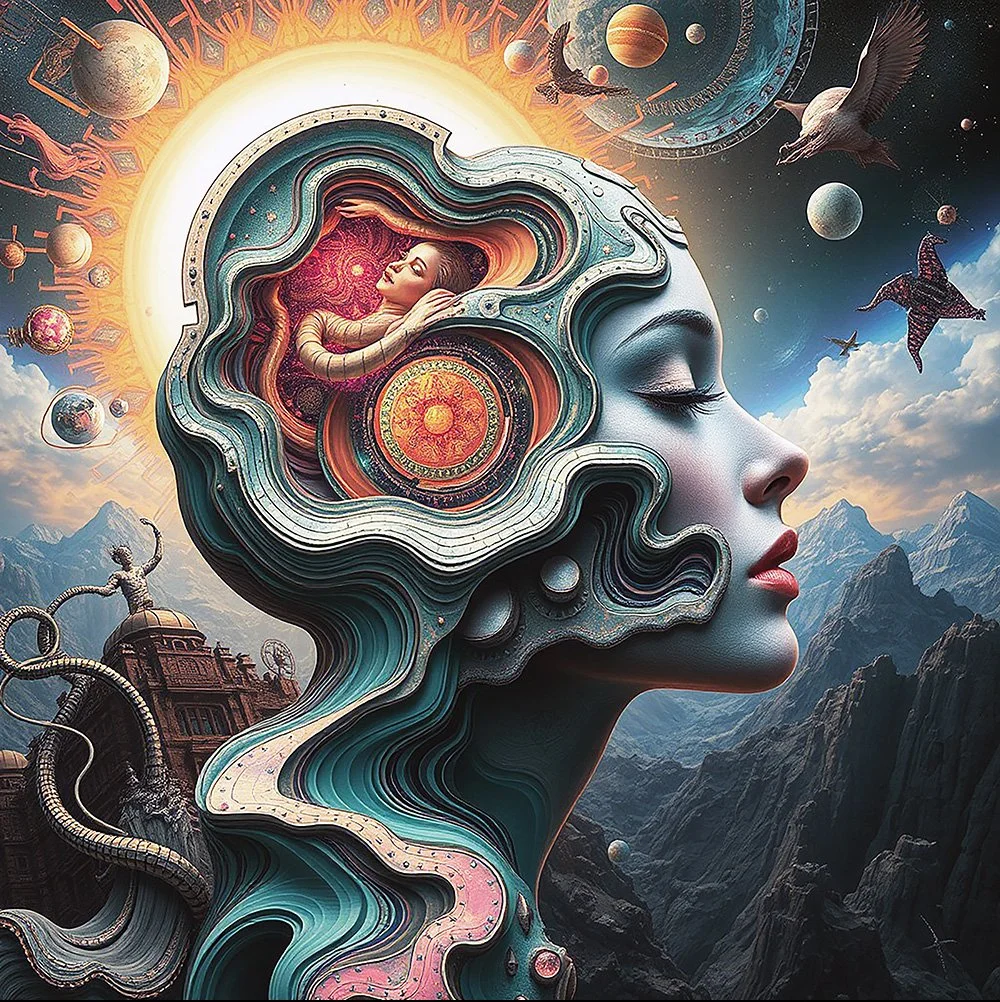
Taming 10
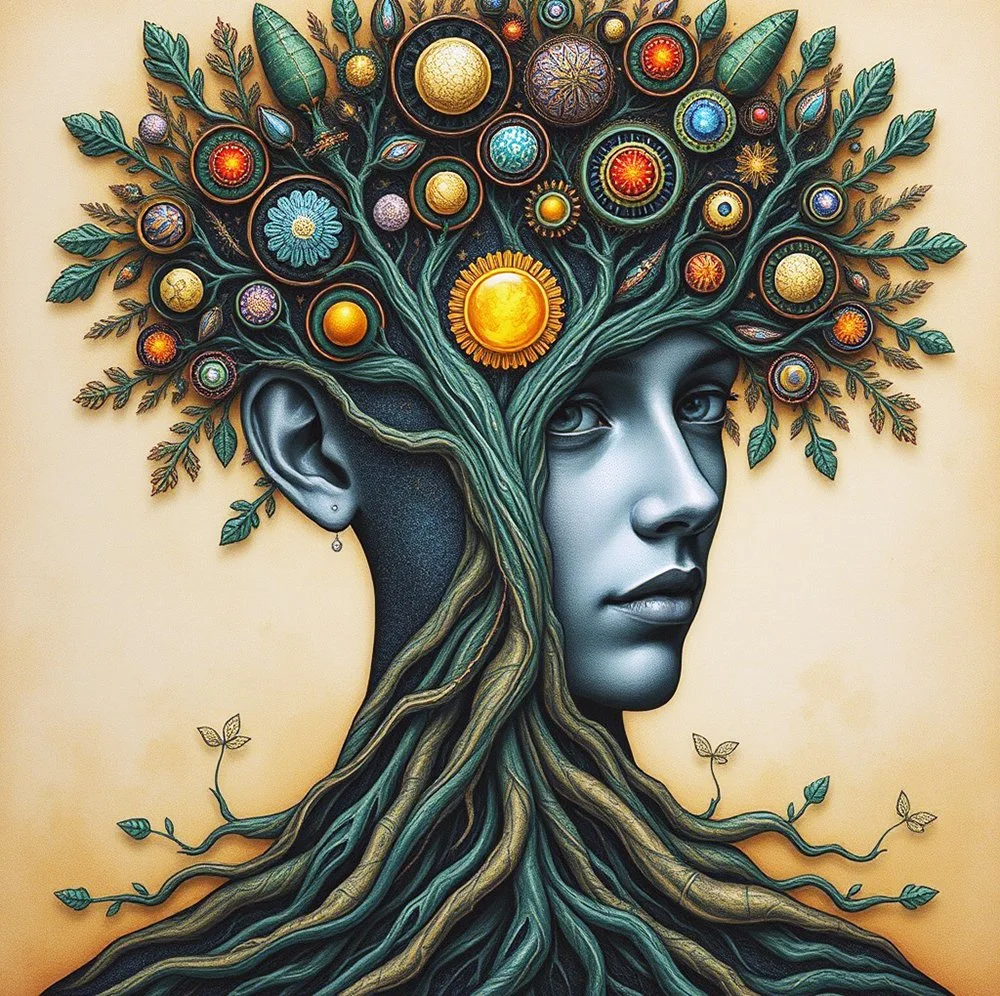
Taming 11
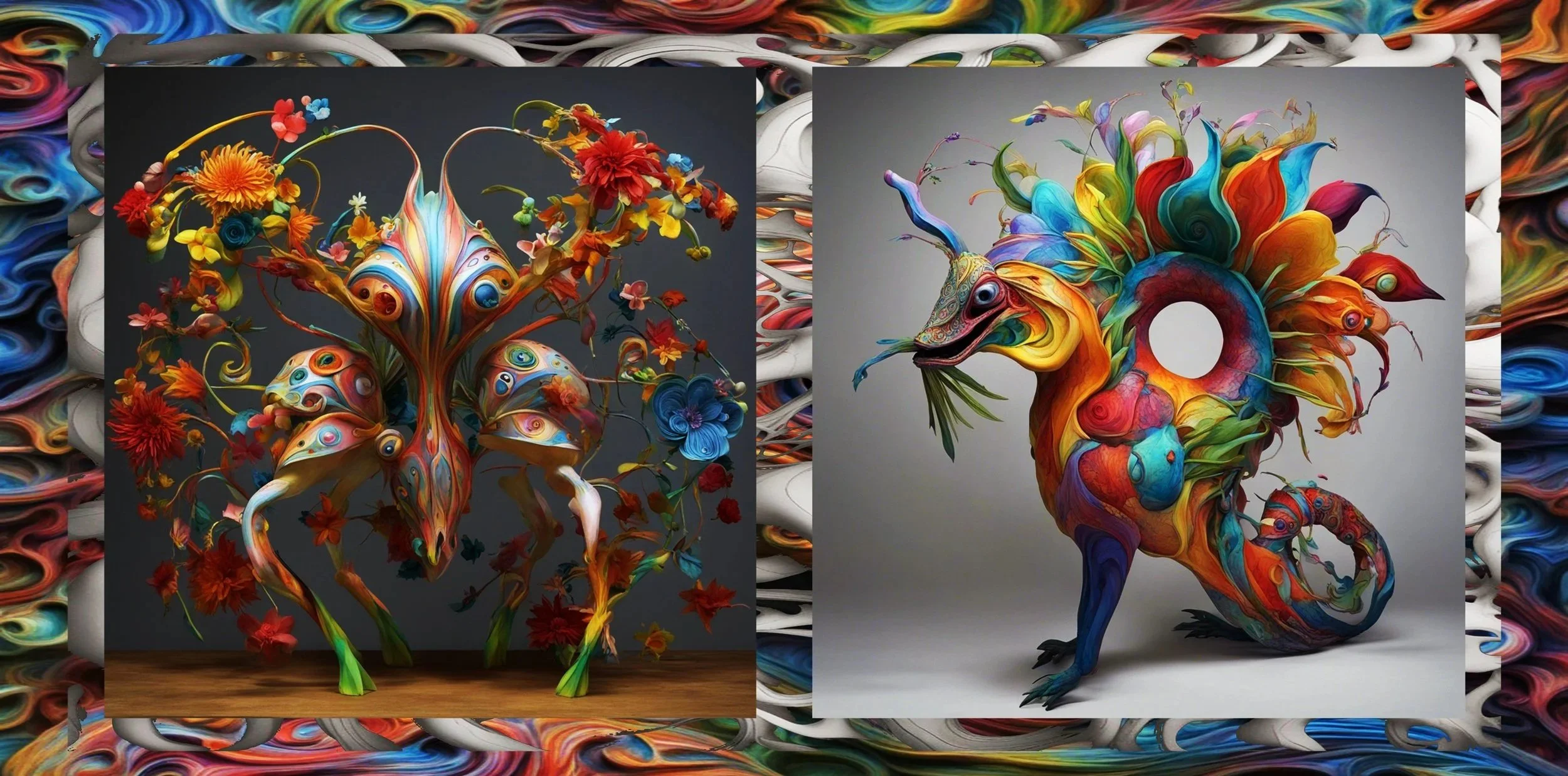
Dance
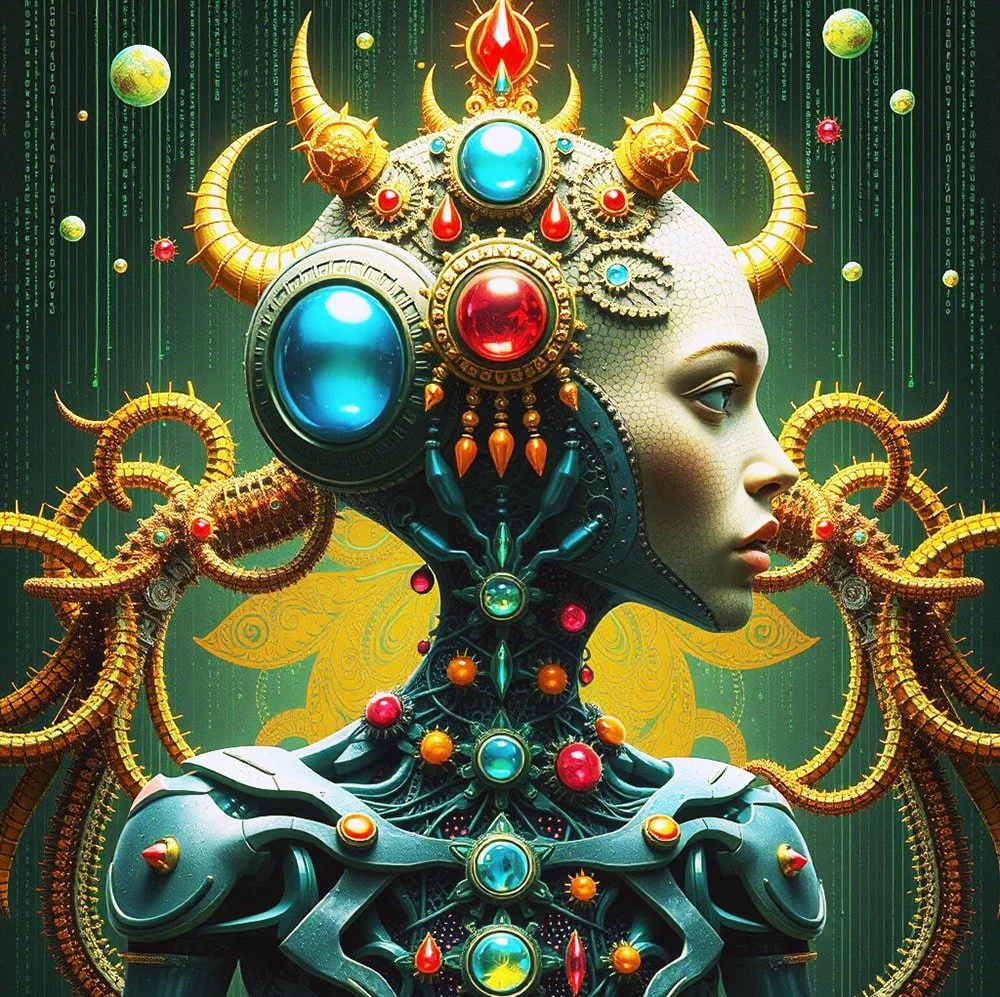
“Where Are We Heading” Multi-media Digital Painting in Eco-friendly LED Lighted Aluminum Box, 35”h x 36”w x 3”d
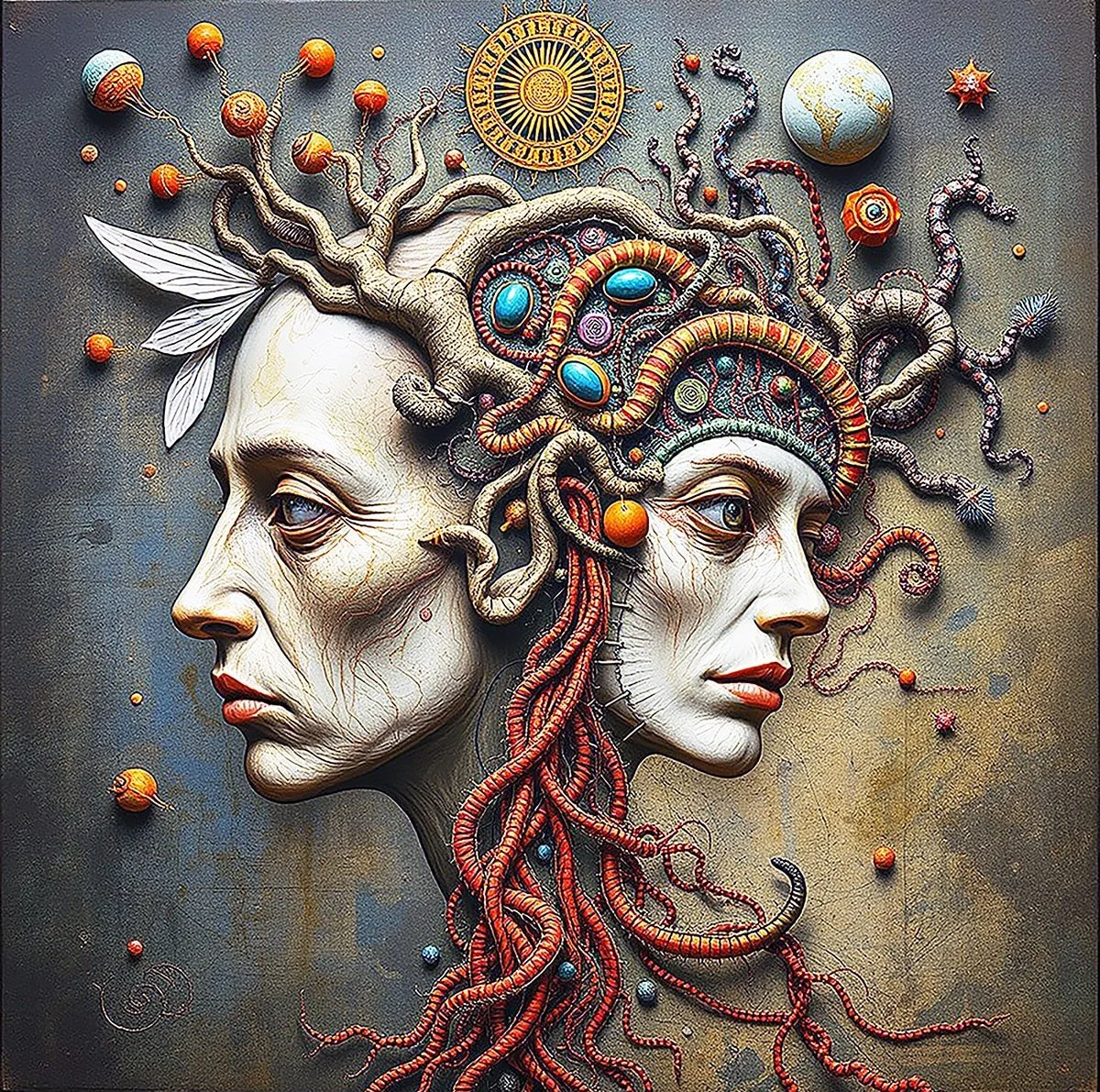
“Watching Tomorrow Unfold” Multi-media Digital Painting in Eco-friendly LED Lighted Aluminum Box, 35”h x 36”w x 3”d