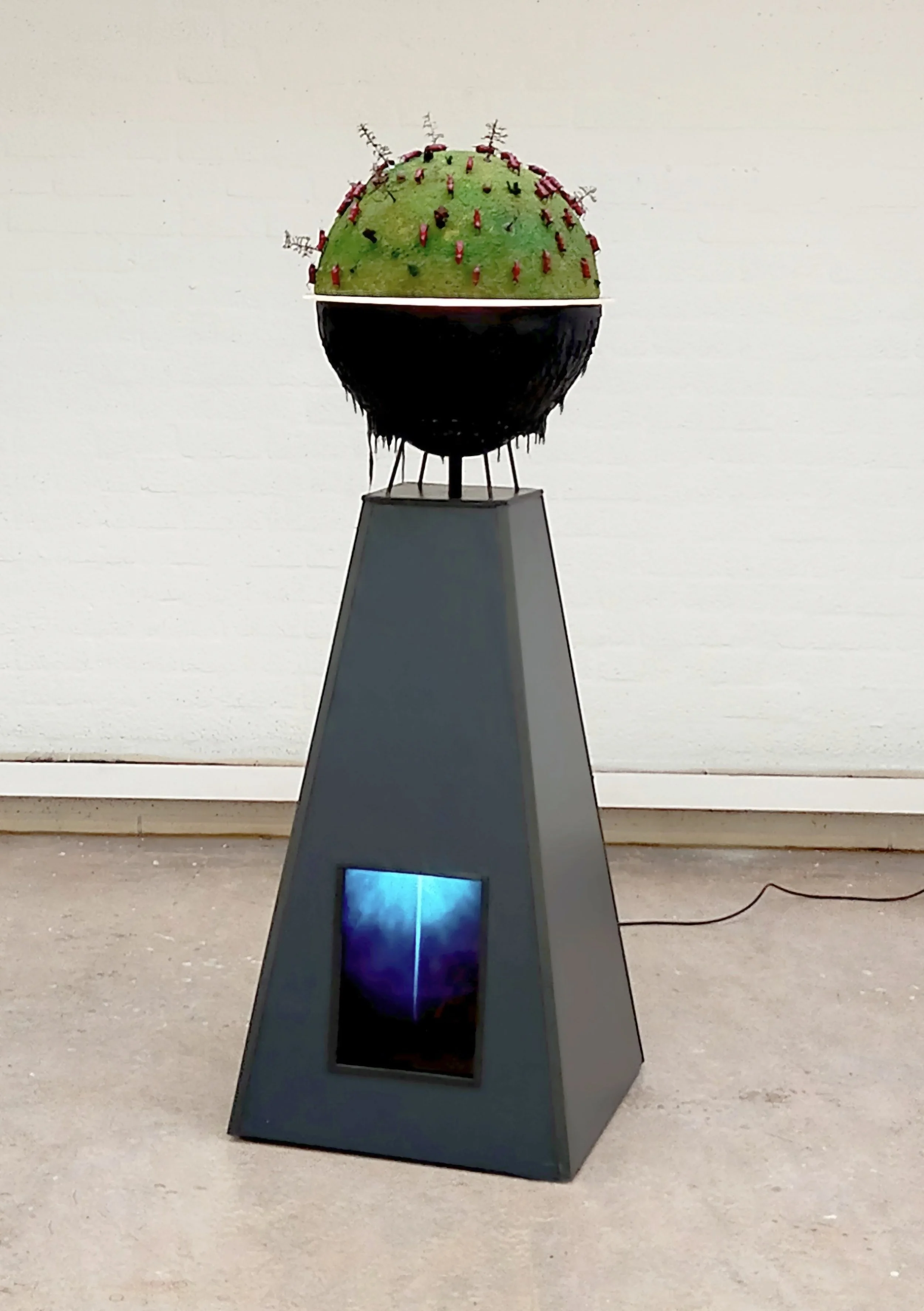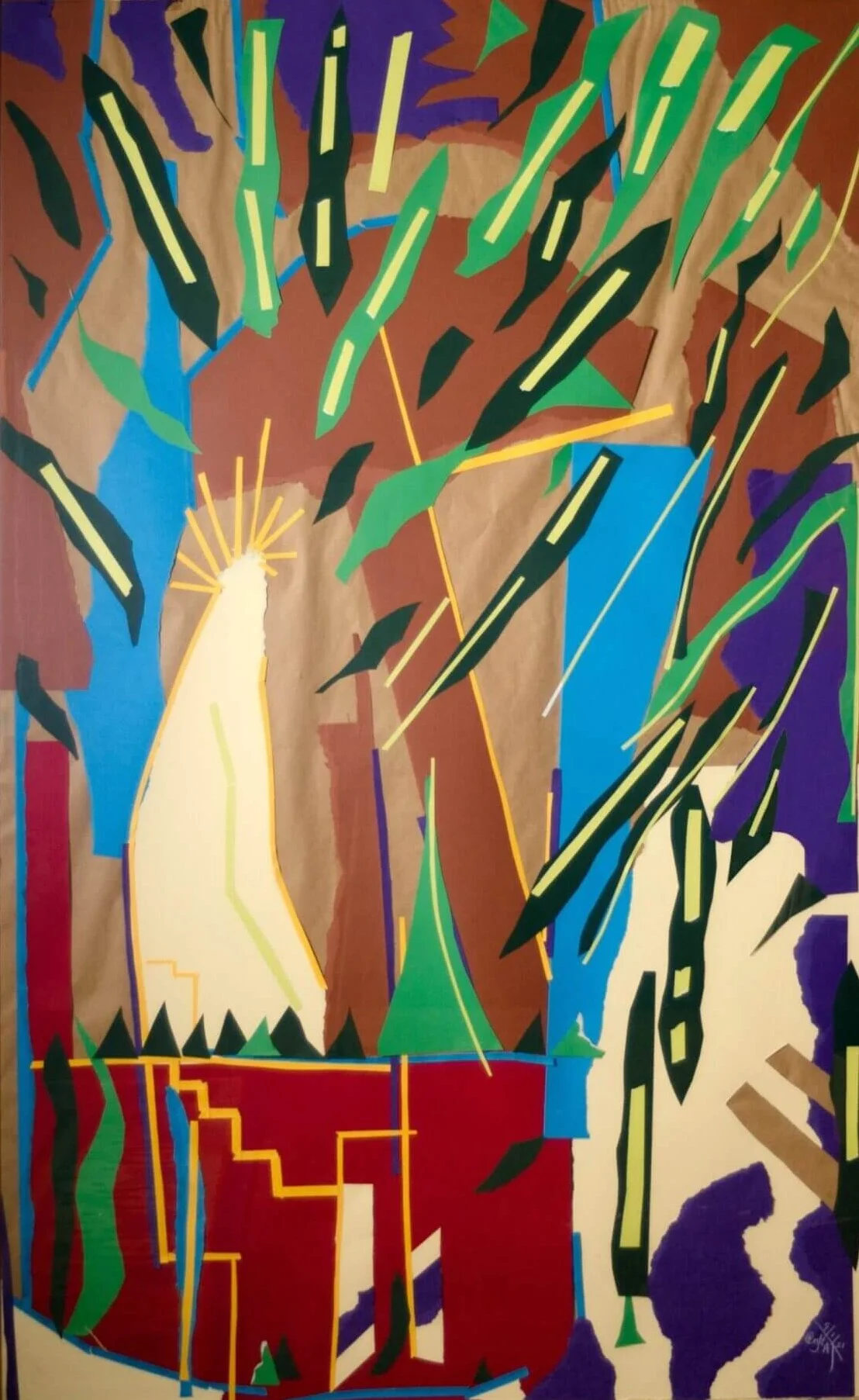
Michael K. Owino is a Danish-Tanzanian multidisciplinary artist working across painting, collage, mixed media, and sculpture.
All in Mixed Media
Michael K. Owino is a Danish-Tanzanian multidisciplinary artist working across painting, collage, mixed media, and sculpture.
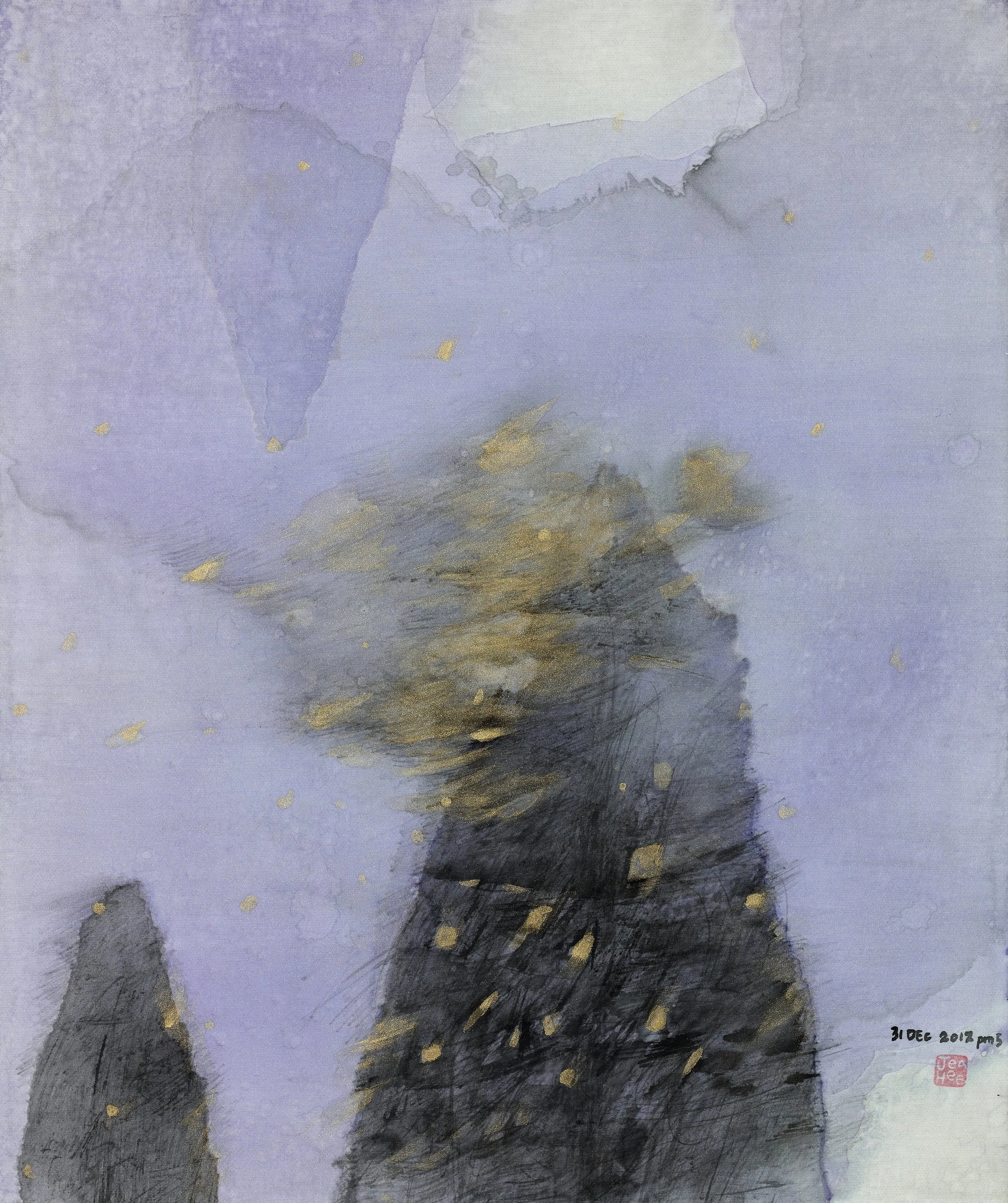
Jaehee Yoo is a South Korean contemporary artist whose practice brings the material traditions of East Asian painting into dialogue with a contemporary exploration of memory, place, and human relationships.
Born near Nuremberg, Germany, Petra Dippold-Goetz has developed a contemporary artistic practice grounded in the belief that painting possesses both aesthetic and ethical significance.
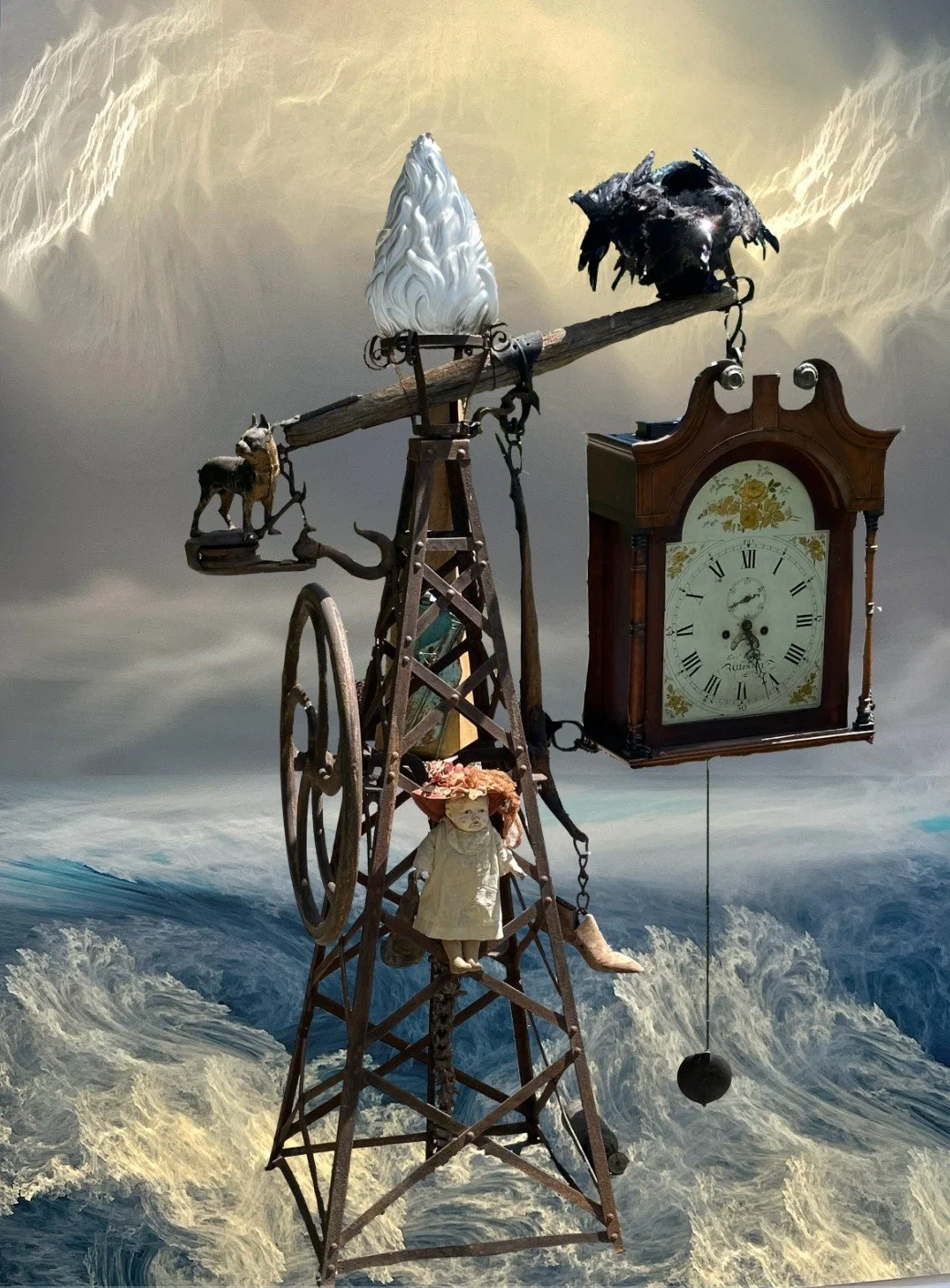
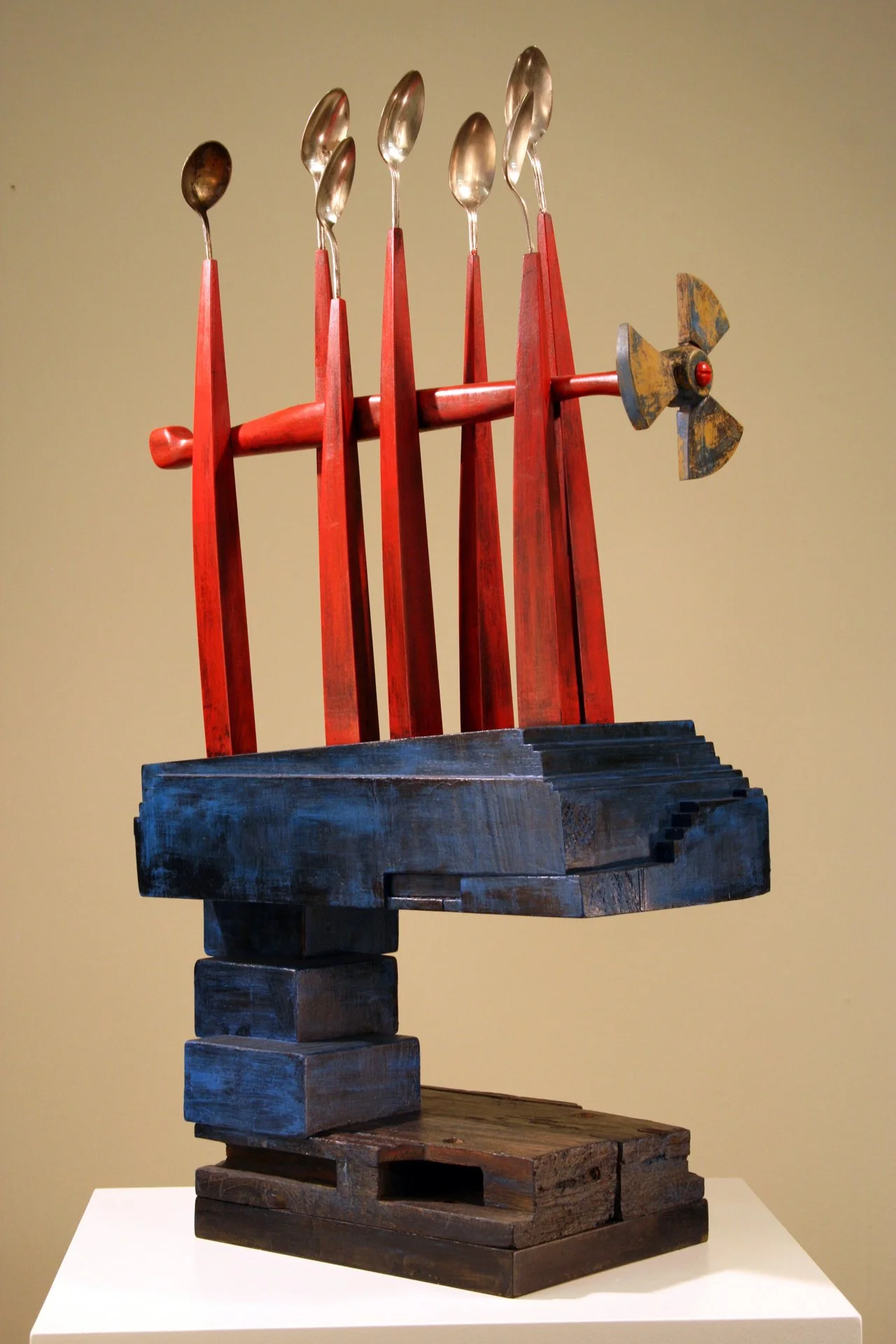
I am a self-taught artist merging 30 years of professional wood working with a serious appreciation for all types of art mediums and styles.
Mary Di Iorio is a Brazilian visual artist, professor, and researcher who divides her time between Rio de Janeiro and Belo Horizonte.
Since 1995, I have been creating conceptual work on various topics, addressing a critical perspective on human functioning.
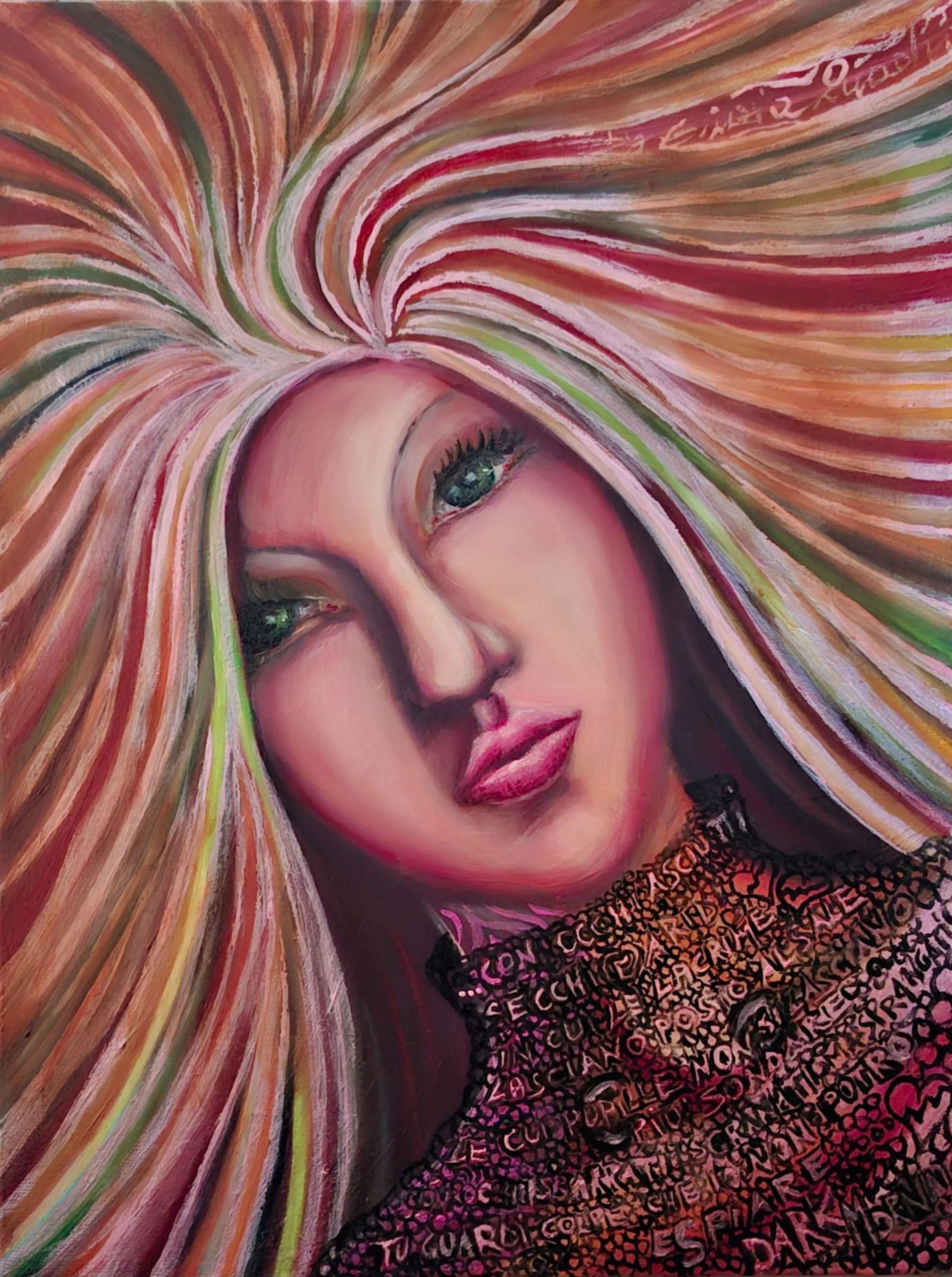
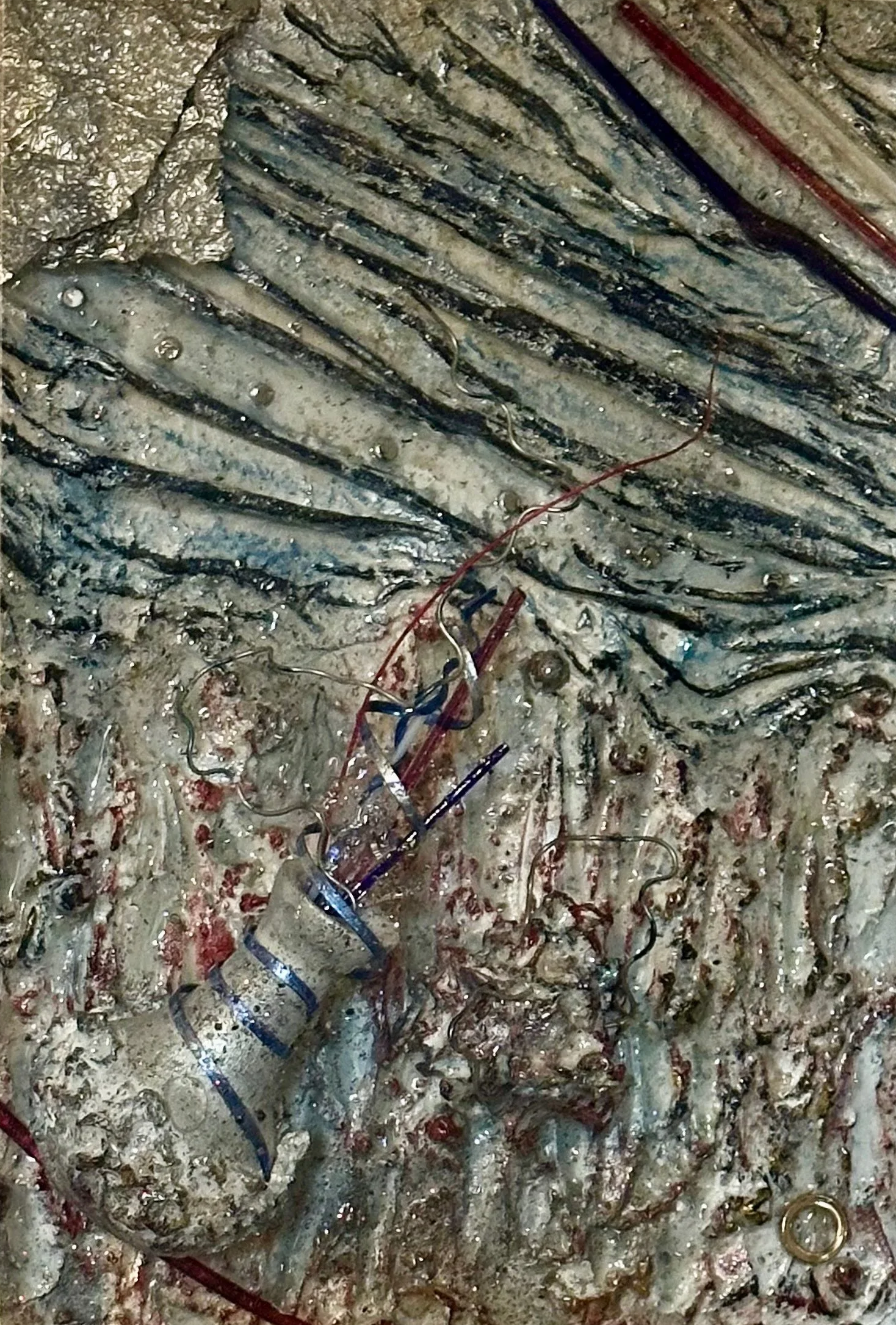
Cinzia Quadri is an Italian multidisciplinary artist whose practice encompasses painting, drawing, mixed media, and ceramics.
Known widely by his singular given name, Tlacaelel is a force of nature in New Mexico’s cultural landscape.
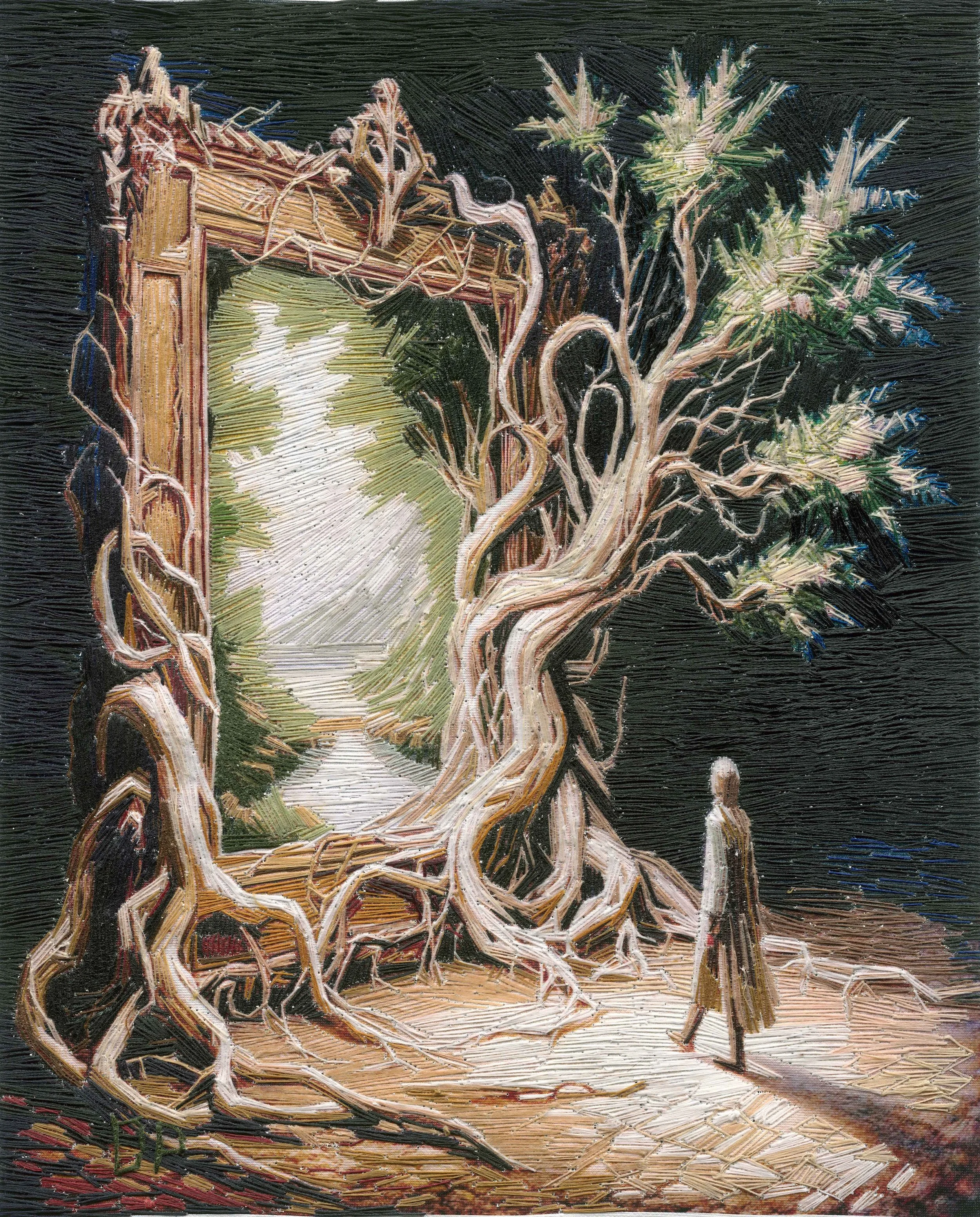
A self-taught embroidery artist from Acushnet, Massachusetts, Poyant transforms the humble language of thread into complex visual narratives that bridge craft and contemporary art.
What ultimately distinguishes George Tkabladze’s sculptural practice is not only its formal sophistication or its mastery of materials, but the quiet philosophical depth that underlies every object he creates.
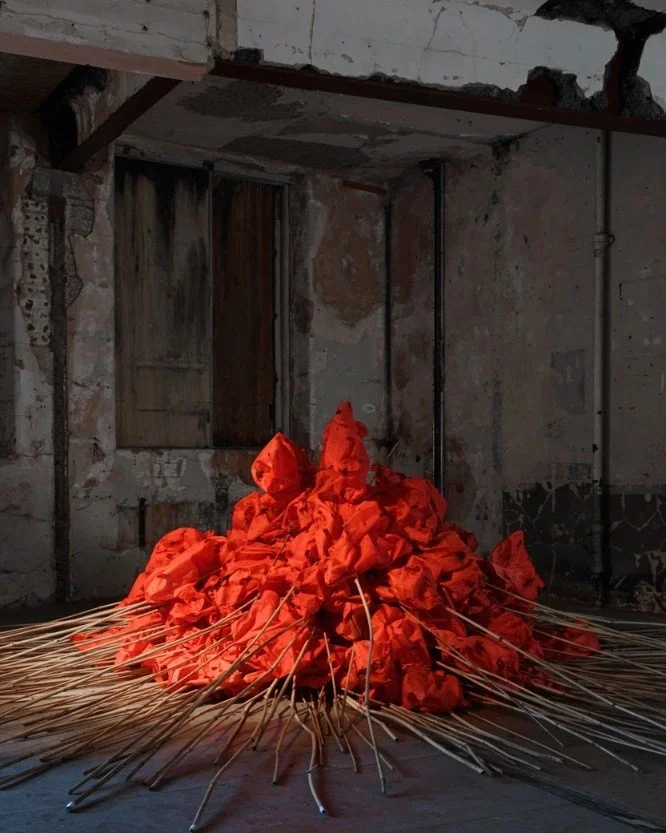
My work, particularly the installation ‘’The Red Bags’’ showcases the transformation of discarded and recycled materials into powerful statements on fragility, resilience and hope.
I am not a 'traditional' photographer or painter. My series Identity and Perception pushes the boundaries of photography by combining it with oil paint for all the color, narrative text, and resin surface on wood panels. This creates a unique hybrid that confronts today's individual and societal issues: alienation, loneliness, loss of identity, self-image, and how we view others.
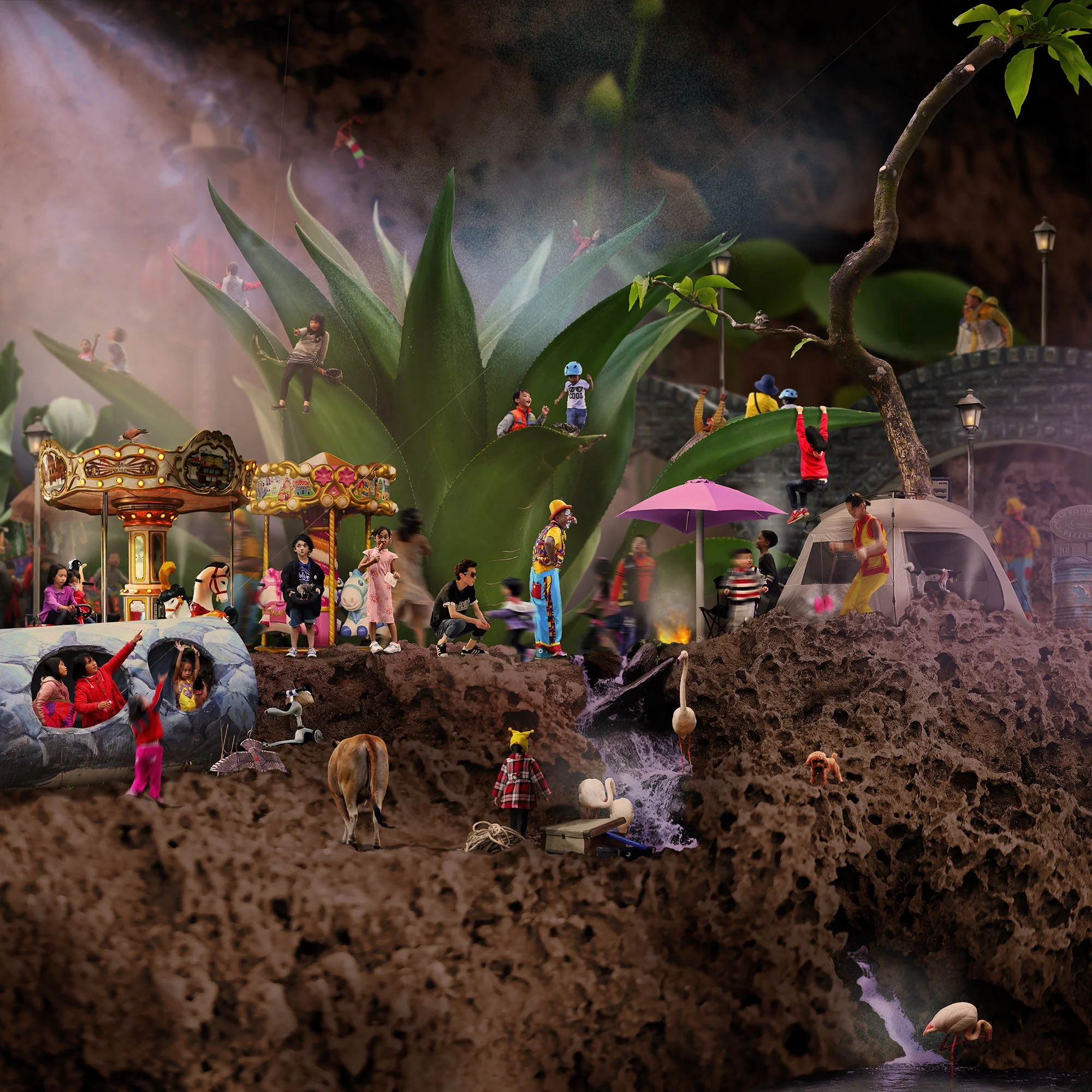
Entering Vinci Weng’s recent work feels less like arriving at an image than like stepping into a constructed situation that is already underway. The first sensation is not simply visual plenitude, though plenitude is everywhere, but a peculiar certainty that what one is seeing has been staged into existence with the deliberation of cinema and the density of painting. Weng’s pictures do not present themselves as windows, nor as documents, nor as the familiar persuasion of photographic immediacy. They behave instead as tableaux with rules, as fictional worlds whose internal physics are established through scale, depth, and chromatic climate.
I create art as a means to understand and interpret the world around me. From a young age, I found solace in the interplay of colors, textures, and shapes—elements that could convey stories beyond the capacity of words. My artistic process is deeply intuitive, involving a continuous cycle of layering, erasing, and rebuilding. This approach reflects the way each of us navigates our own evolving identities. Through my work, I hope to evoke moments of recognition and connection, fostering a sense of shared experience with others.
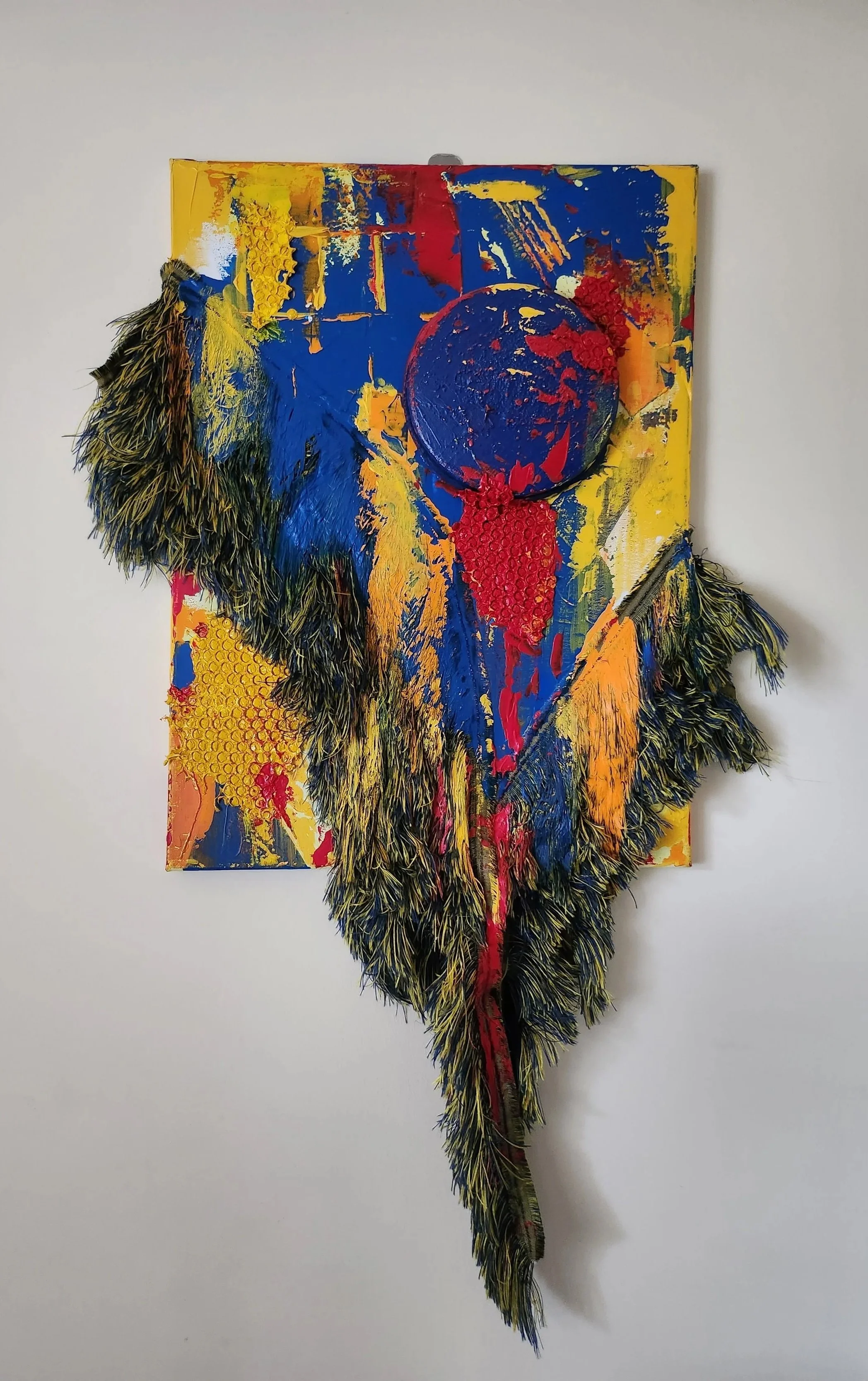
MJ Kasiarz is a London-based multimedia and textile artist whose practice explores abstraction, spirituality, and sustainability. A graduate of The Glasgow School of Art, MJ works primarily with recycled and discarded textile materials, transforming waste into richly textured, tactile artworks.
Andrej Babenko is a contemporary Belgian visual artist of Ukrainian descent whose influence extends beyond traditional gallery spaces into the digital and public sphere. He operates as a contemporary art influencer by combining expressive visual art with an active presence on social media platforms, where he shares his work, ideas and performances with an international audience. Babenko’s artistic language is instantly recognisable. He blends classical oil painting techniques with elements of punk, graffiti, street art, and Ukrainian folklore, creating monumental, emotionally charged works often described as a “volcano of emotion.” His themes address societal hypocrisy, alienation, existential struggle, and hope, making his work deeply relatable in the context of contemporary global challenges.
When the creative moment arises, the process unfolds freely, instinctively, and without preconceived planning. The assembly happens spontaneously, guided by an inner rhythm made of gestures, pressures, and resonances. Structure is not imposed; it emerges naturally, like a score taking shape directly within the material—through the same approach with which I have always composed my musical pieces or written the lyrics of songs and poems.
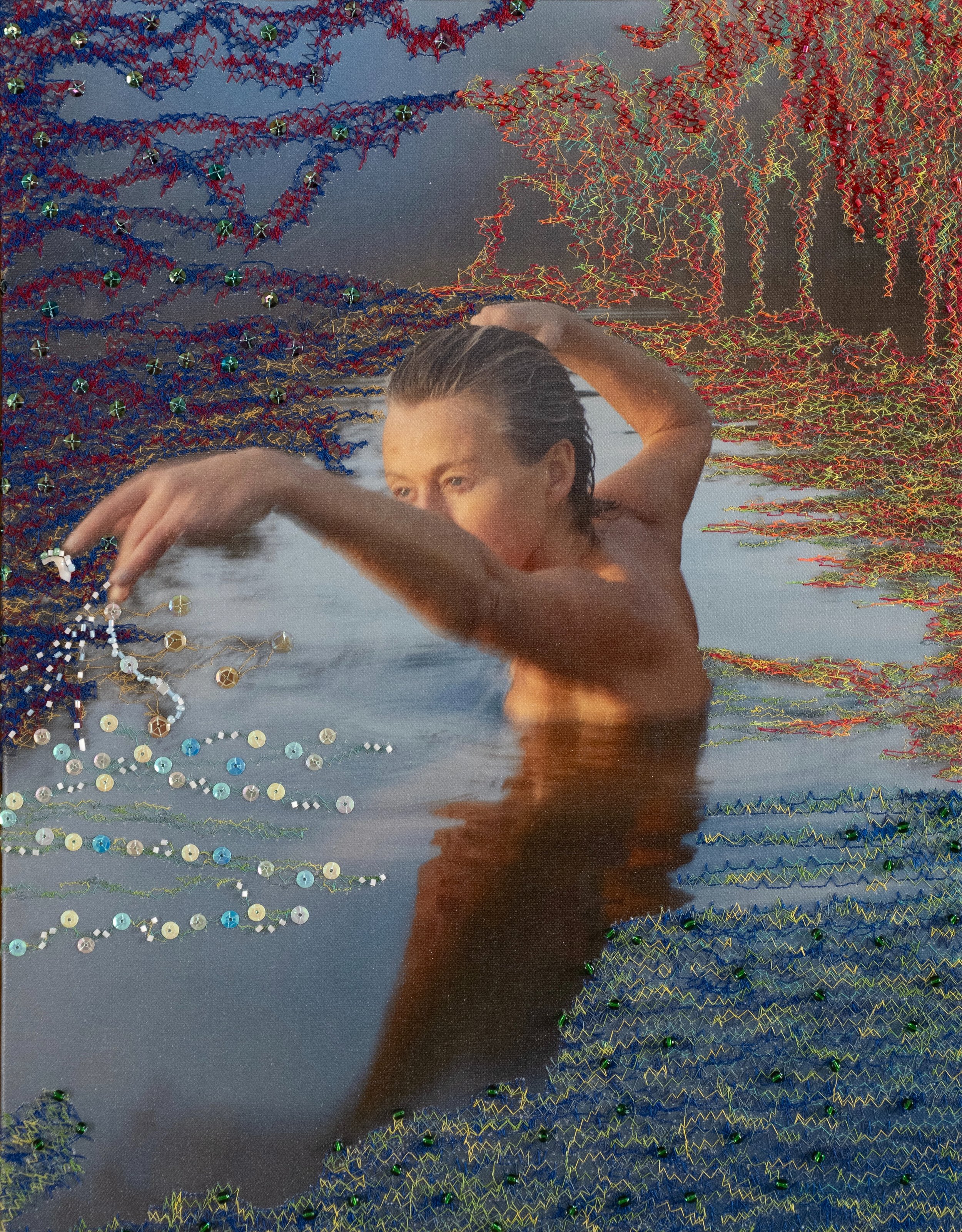
Samantha Louise Emery is an interdisciplinary artist from England and Canada living in Türkiye. Emery’s exploration of humanity’s complex interconnection within the biodiversity of life has been aided by her residence in these countries. She visually maps these networks through conceptual abstract paintings and her practice of combining self portrait photography, hand and machine embroidery with hand sewn sequins and beads, and paintwork onto canvas.
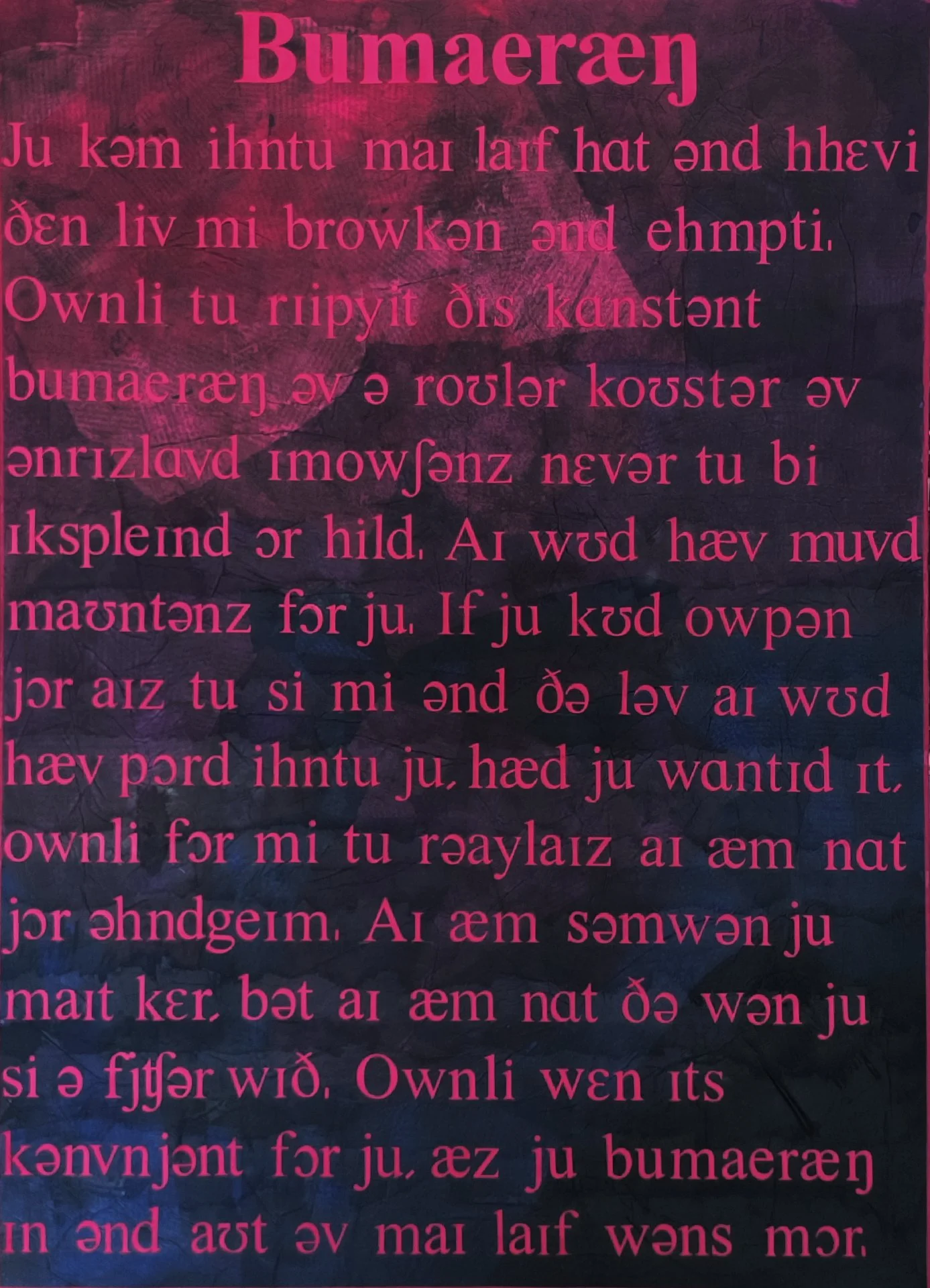
EJ Lee is an interdisciplinary artist who transforms language into physical form. Her work often begins with autobiographical poems that explore experiences with dyslexia, trauma, and healing, which then shape the materials, colors, and forms of each piece. From sewn works to wearable garments and installations, her practice turns the instability and imperfections of language into a method for creating meaning.
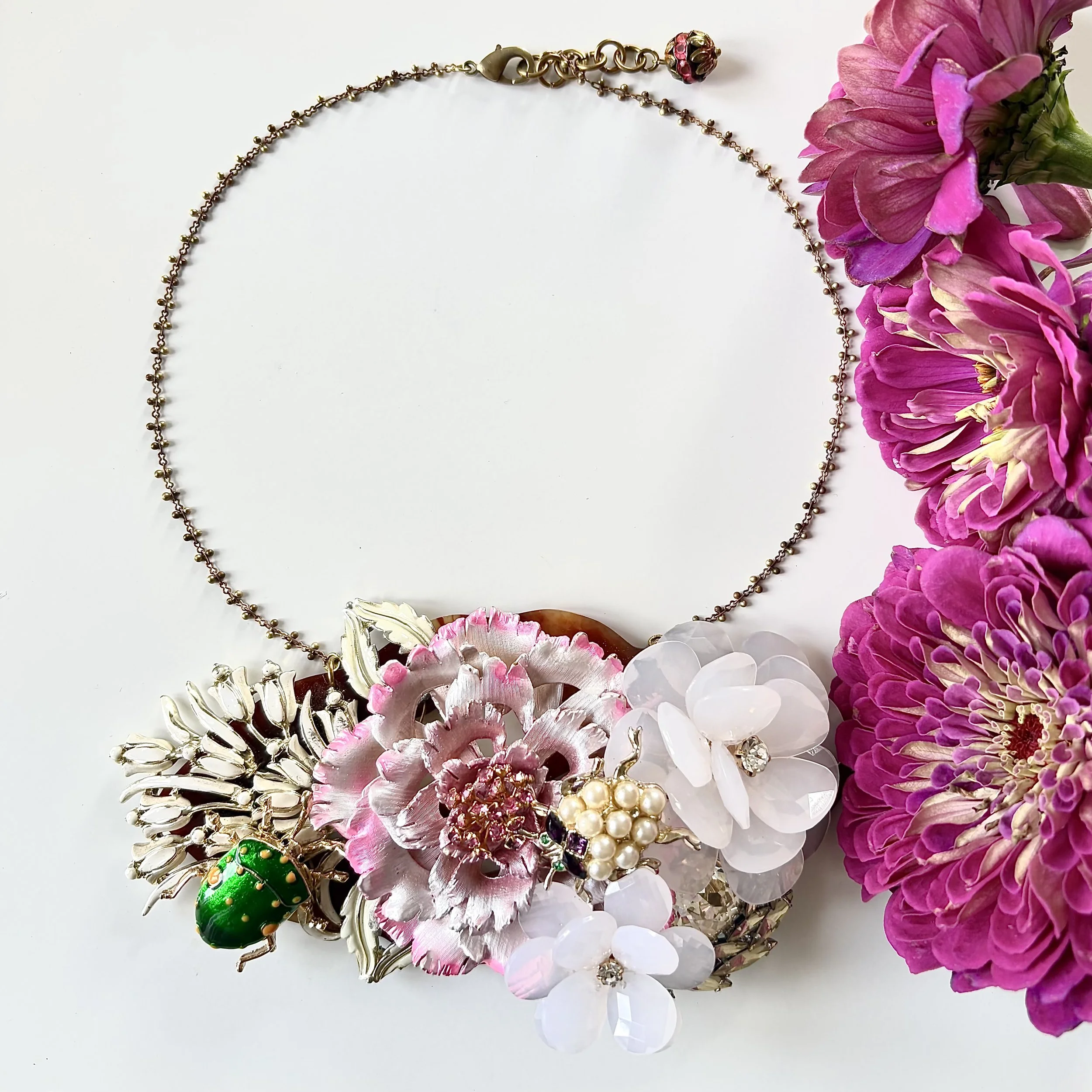
I like to imagine that my pieces will go on to live their own lives once they leave my hands. I create each work with care and intention, but I don’t expect the meaning to stay fixed. Jewelry is something that becomes complete only when it is worn, and I love the idea that each wearer will add their own memories, emotions, and associations to it.