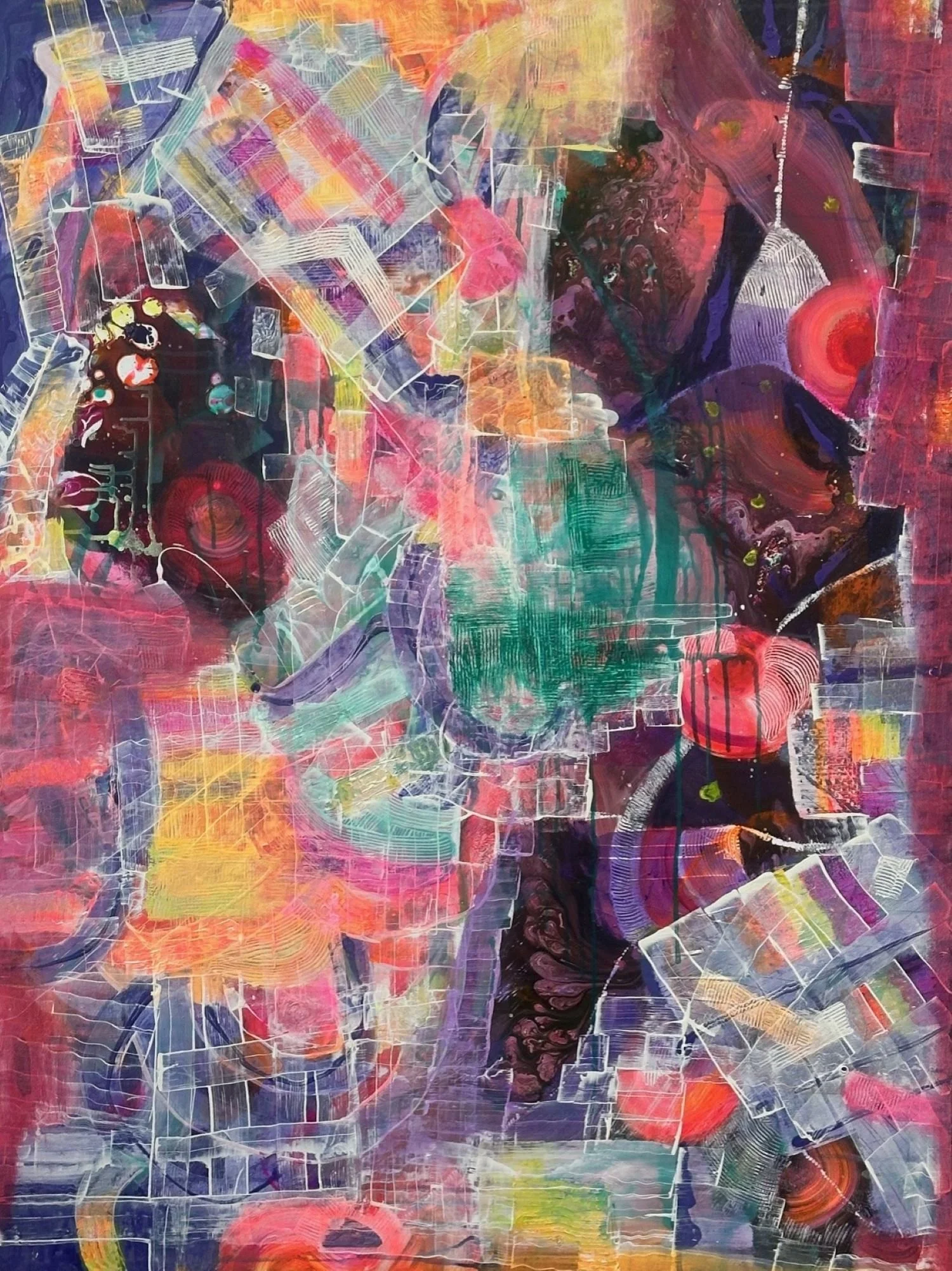
Across this body of work, Wendy Cohen demonstrates a remarkable ability to balance expressive freedom with structural clarity.
All in Art Review
Across this body of work, Wendy Cohen demonstrates a remarkable ability to balance expressive freedom with structural clarity.
Margaretha Gubernale’s paintings invite viewers into a realm where the visible and invisible converge.
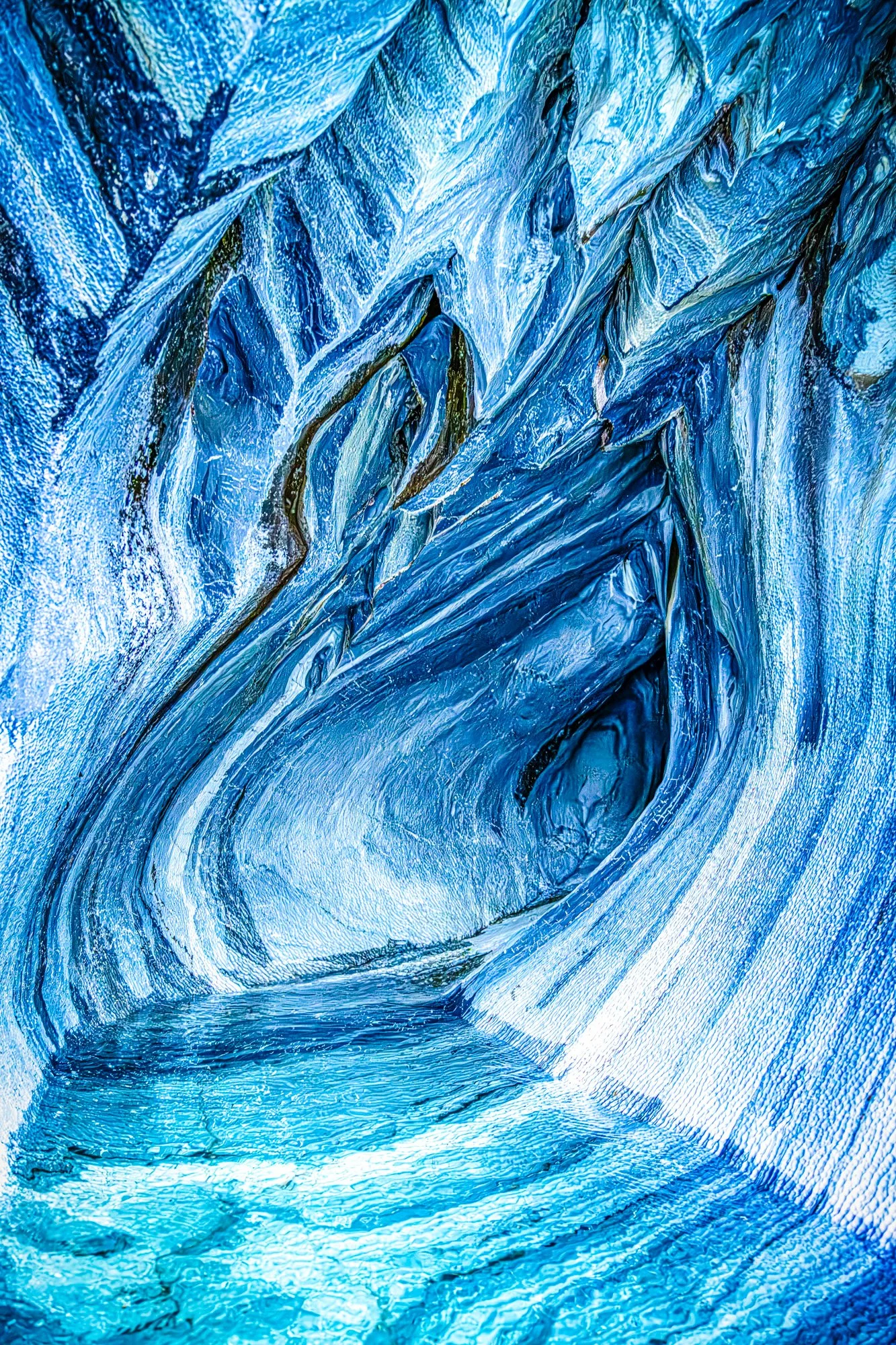
Sandy Coburn’s photographs do more than present beautiful scenes. They cultivate a mode of seeing that is patient, attentive, and open to discovery.
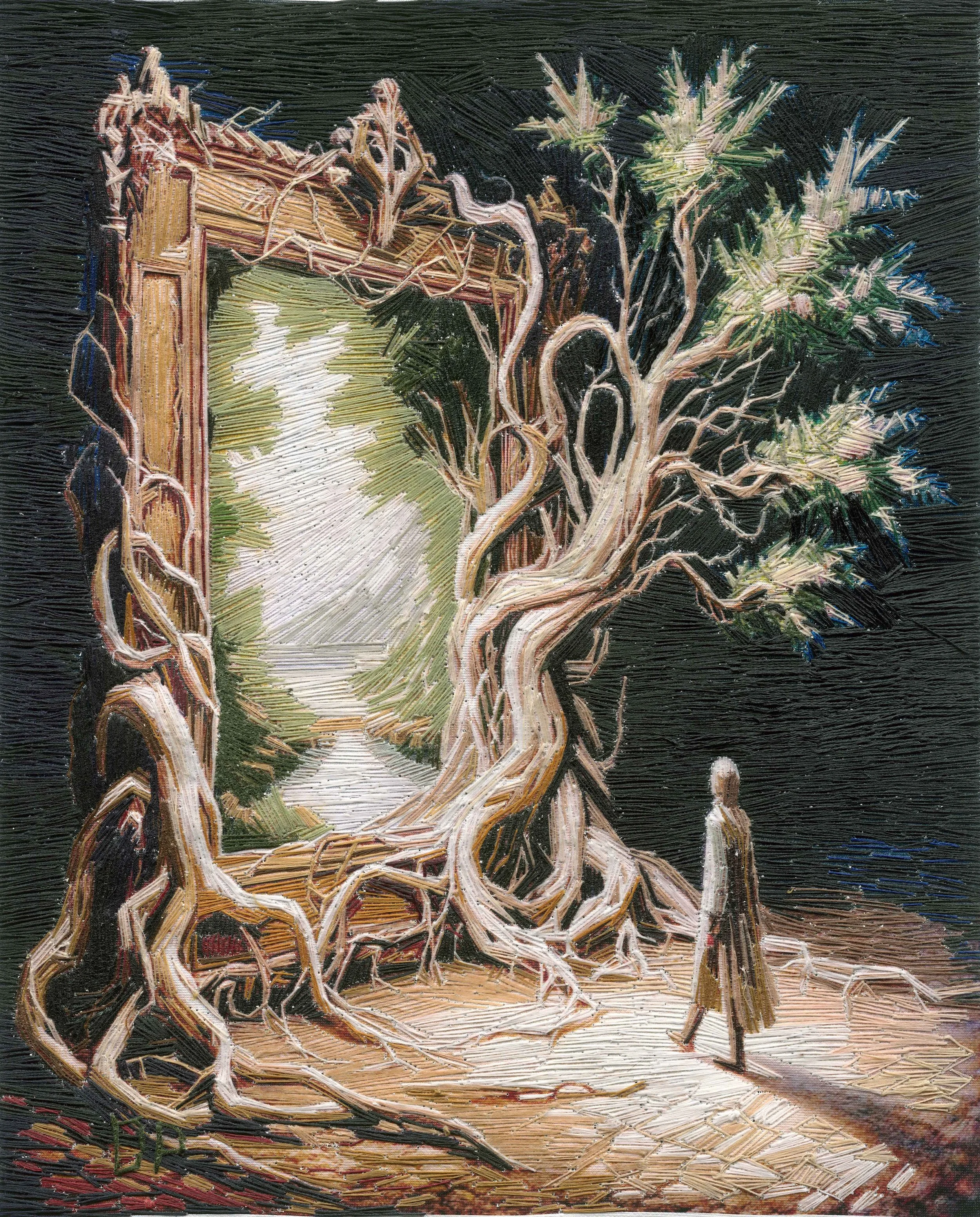
A self-taught embroidery artist from Acushnet, Massachusetts, Poyant transforms the humble language of thread into complex visual narratives that bridge craft and contemporary art.
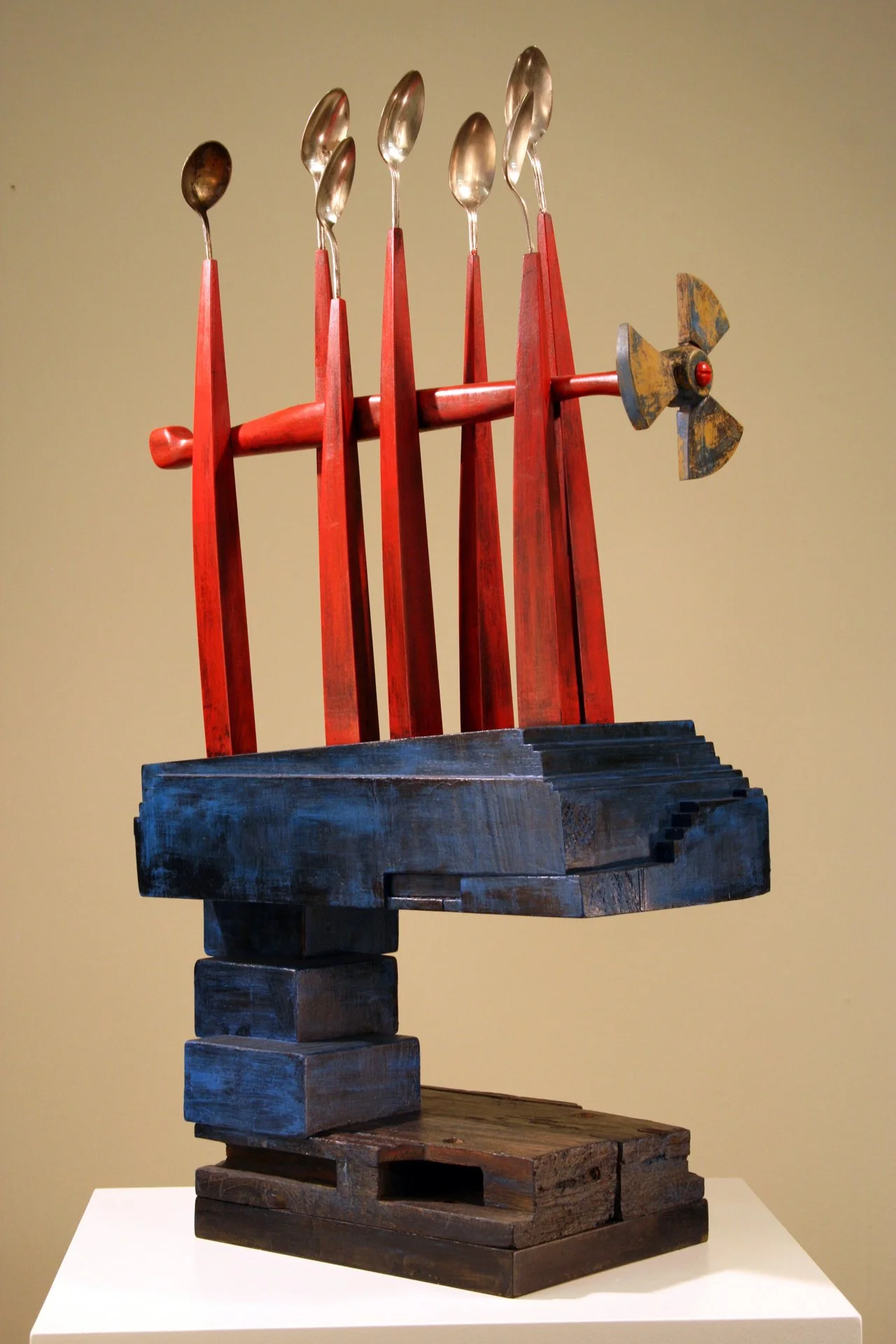
What ultimately distinguishes George Tkabladze’s sculptural practice is not only its formal sophistication or its mastery of materials, but the quiet philosophical depth that underlies every object he creates.
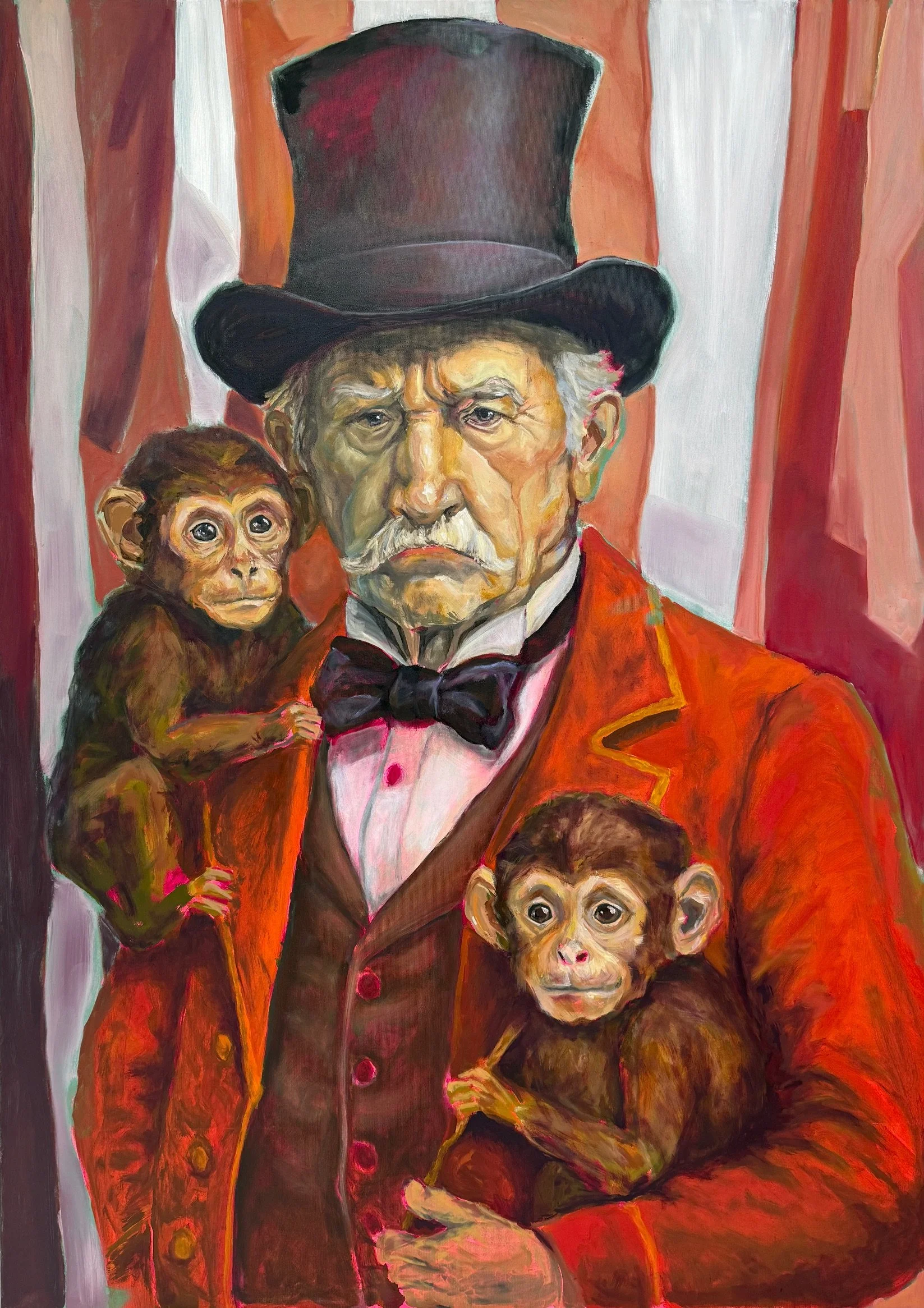
Anki Immler reminds us that painting still possesses the capacity to expand the emotional vocabulary of contemporary life.
In the most recent chapter of her artistic evolution, Dr Natalia Jezova arrives at a visual language that is at once intimate and archetypal, fragile and structurally rigorous.
In the work of IRIS FLUIDISM, the image does not begin as a contour but as current. Before line, before likeness, before even the face announces itself as subject, there is flow.
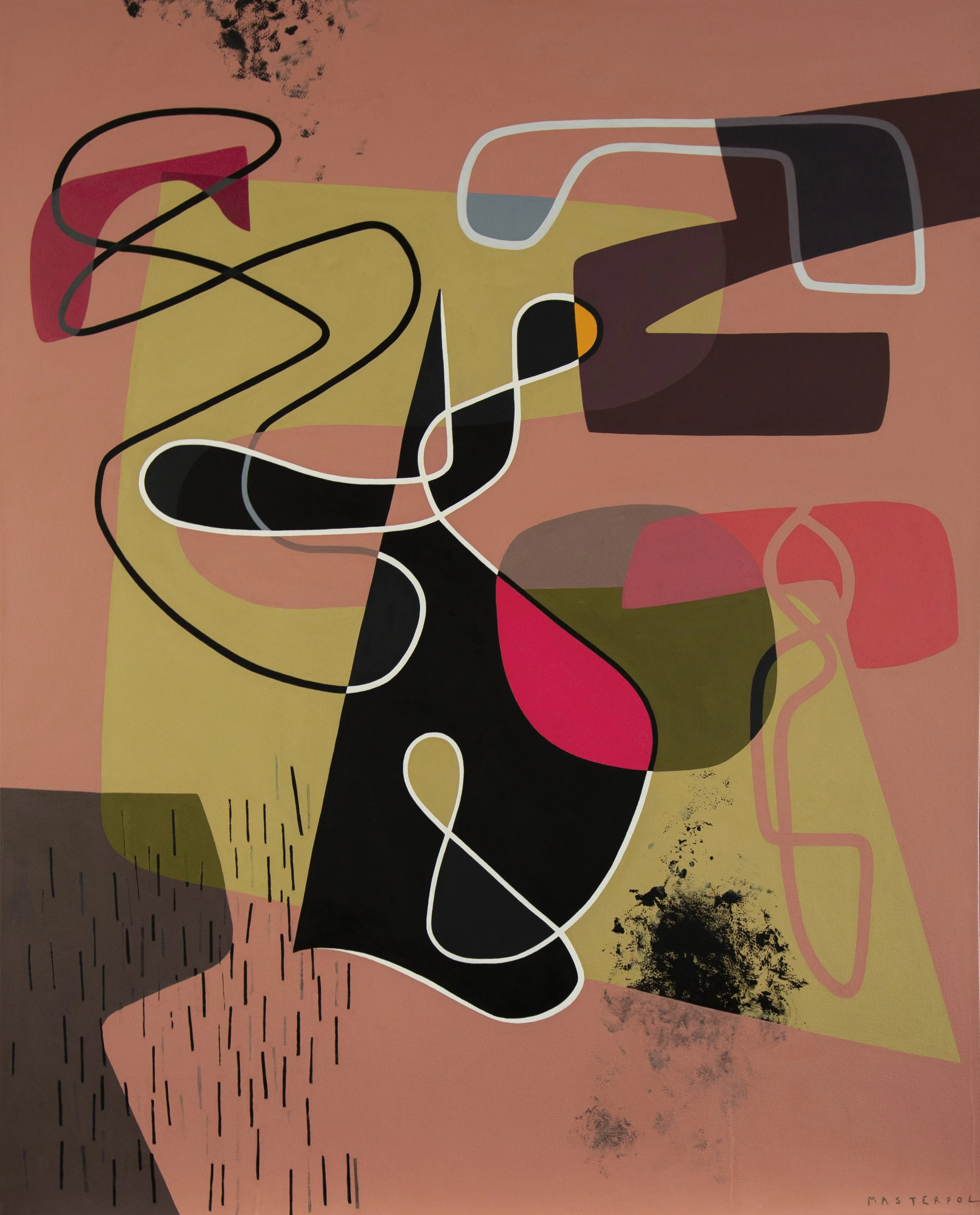
Masterpol designs her compositions digitally before committing them to canvas, describing the process as a marriage between the virtual and the physical.
Majo Portilla’s place in contemporary art history will likely be defined not solely by her stylistic synthesis, nor by her international acclaim, but by her unwavering commitment to connection. In her hands, the canvas is not a boundary. It is a bridge. Through layered pigment and faceless forms, she charts the emotional topography of a world in search of belonging.
The recent work of Anthony Emerton affirms the enduring relevance of abstraction as a site of thought, ethics, and lived experience. The paintings produced since 2021 do not function as a late stylistic turn or a retreat into formalism, but as the consolidation of a language patiently earned. They stand as the outcome of a long engagement with form across media, across decades, and across interruption. What gives these works their quiet authority is not innovation in the sense of rupture, but coherence sustained over time.
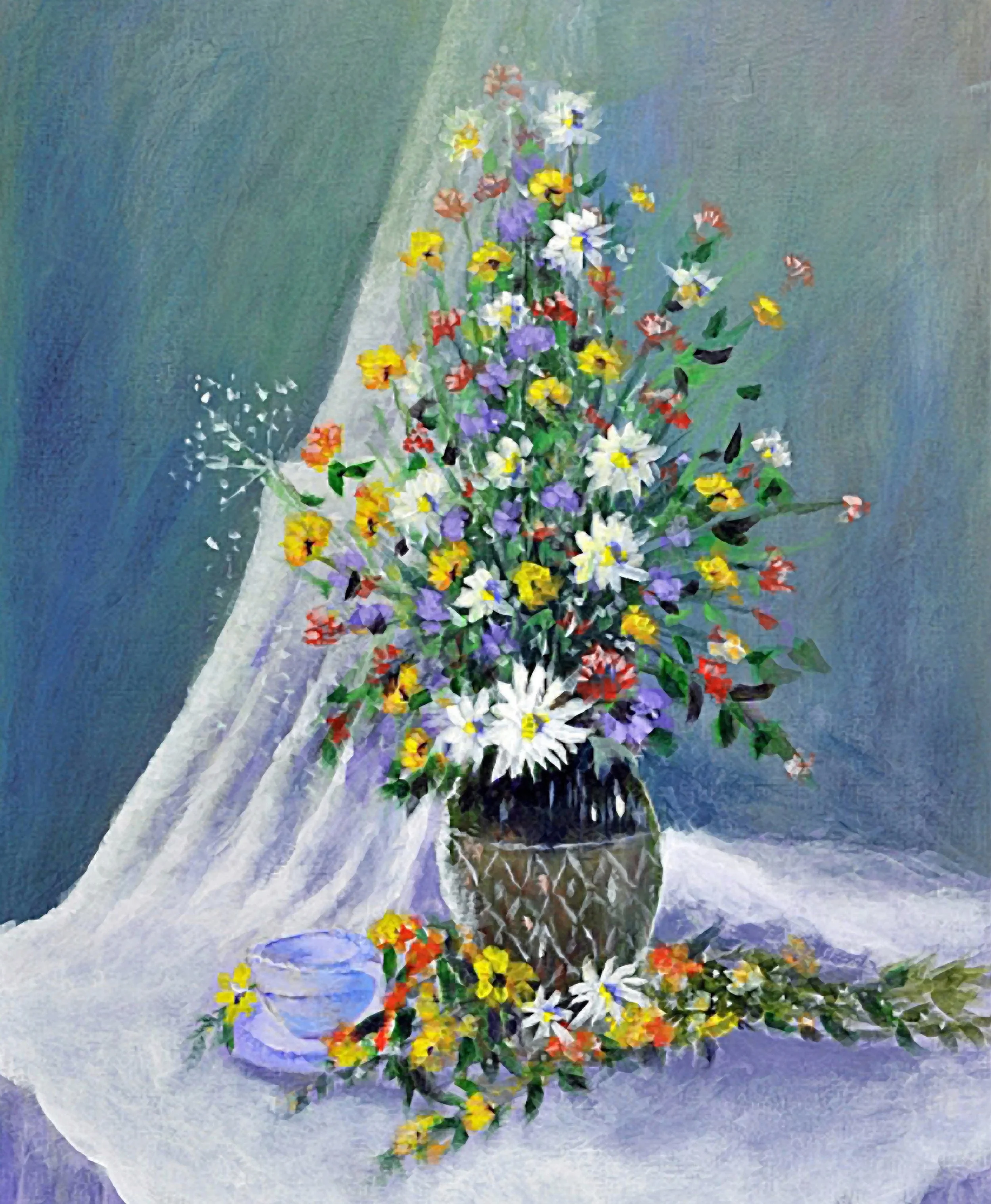
Annette Tan’s work stands as a quiet but enduring affirmation of painting’s relevance in the present moment. Her art does not seek to compete with spectacle or conceptual complexity, nor does it rely on rhetorical gestures to assert its significance. Instead, it returns to the essential conditions of vision: the encounter between light, color, atmosphere, and the living world. Through landscapes, still lifes, and floral compositions, she constructs a visual language grounded in patience, devotion, and attentive observation. Each canvas becomes a space of reflection, where the ordinary is gently elevated into the realm of the poetic.
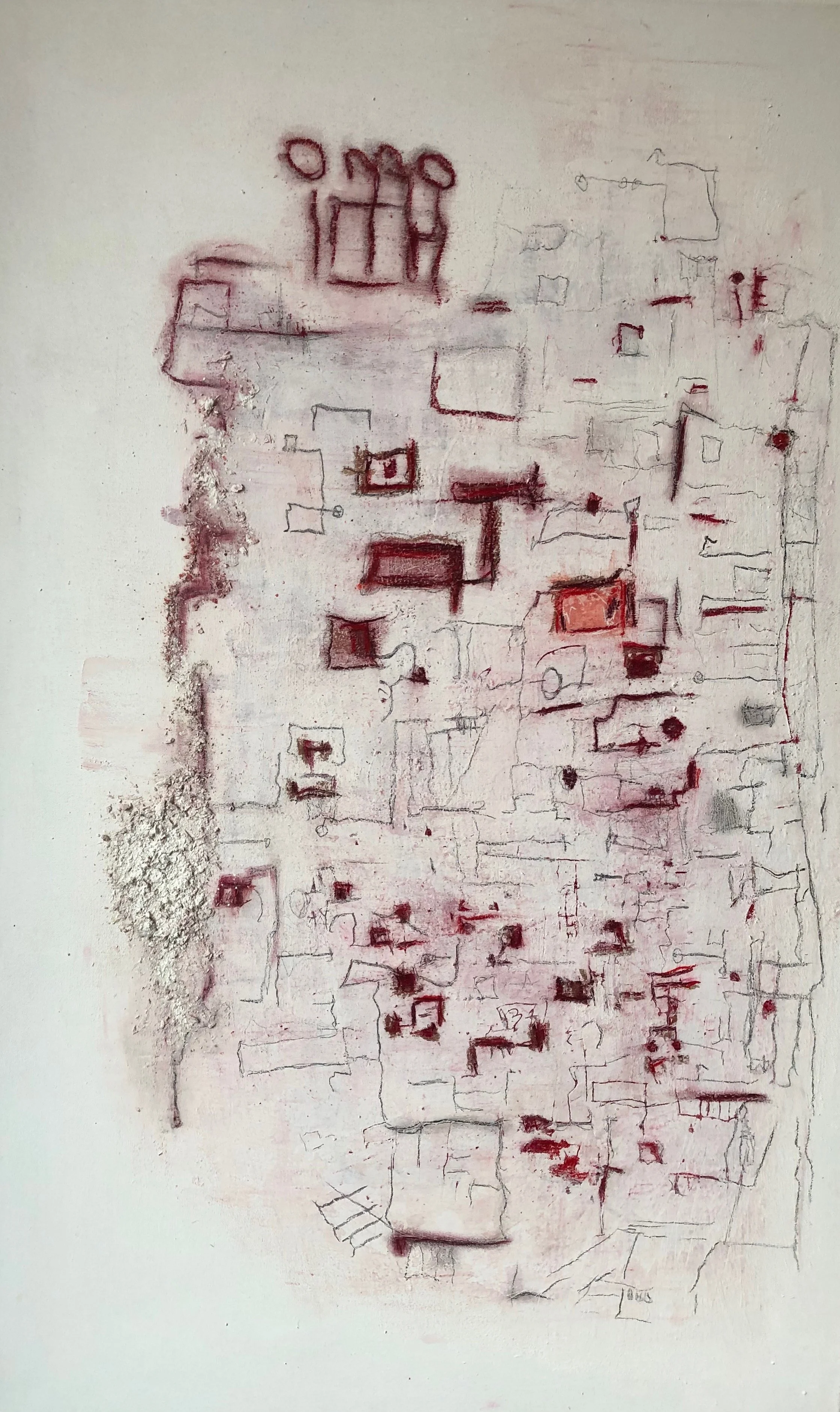
The paintings of Ursula Schmidt Krause unfold as meditations on sensation rather than depictions of objects. They belong to a lineage of abstract practices that understand painting not as representation, but as a register of perceptual and emotional states. Her works appear at first as fragile constellations of marks, soft accumulations of color, and wandering lines that drift across the surface as if guided by breath or memory. Yet this apparent lightness conceals a disciplined investigation into what might be called the phenomenology of color itself.
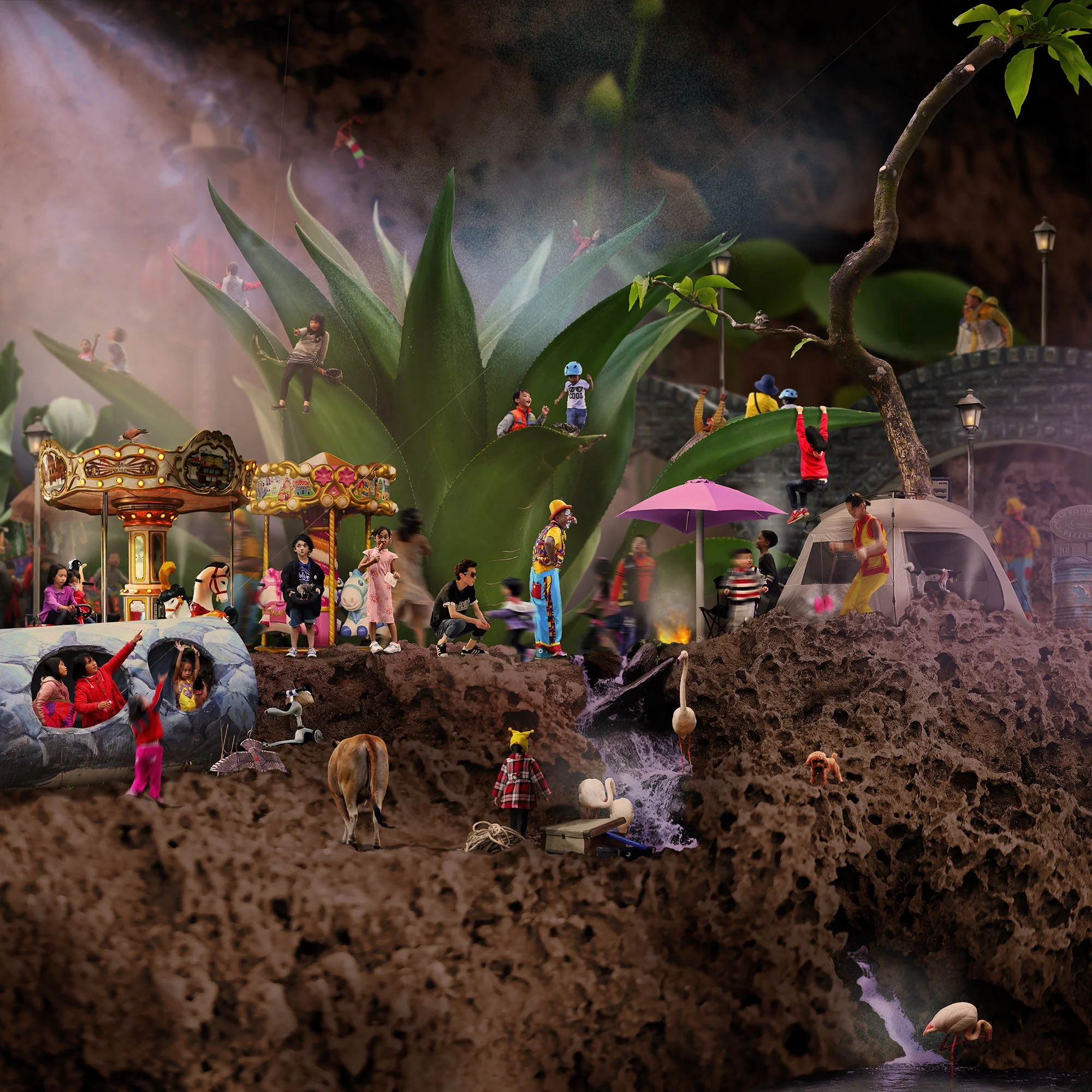
Entering Vinci Weng’s recent work feels less like arriving at an image than like stepping into a constructed situation that is already underway. The first sensation is not simply visual plenitude, though plenitude is everywhere, but a peculiar certainty that what one is seeing has been staged into existence with the deliberation of cinema and the density of painting. Weng’s pictures do not present themselves as windows, nor as documents, nor as the familiar persuasion of photographic immediacy. They behave instead as tableaux with rules, as fictional worlds whose internal physics are established through scale, depth, and chromatic climate.
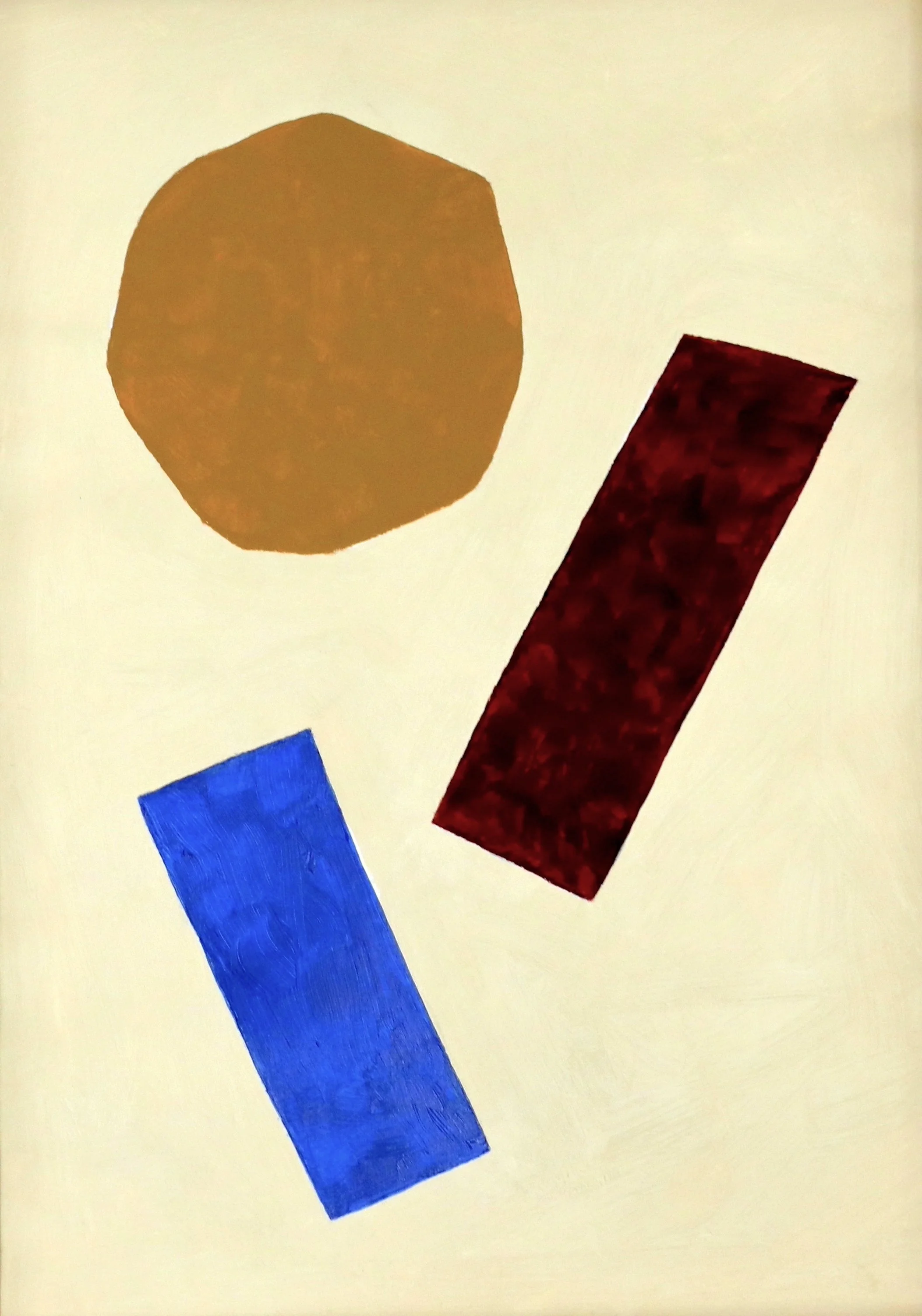
To encounter Côté’s dimensional paintings is to feel how the artwork refuses the quickness of contemporary image culture without resorting to nostalgia. The rigor of her hard-edged forms, the disciplined clarity of her color, and the insistence of her constructed extensions make a persuasive case for abstraction as a civic language, one capable of training new habits of seeing. Her contribution to the contemporary field lies precisely here: she restores to geometry its capacity for lived experience, and to painting its ability to be a site of encounter rather than a mere surface of display. In that restoration, the work offers something rare: a renewed confidence that looking can still be transformative.
Rose Masterpol is an artist of considerable importance. Her paintings do not imitate the world. They reorganize it. They reveal the underlying patterns that shape experience. They invite the viewer to slow down, to recalibrate attention, and to discover the richness that exists beneath the surface of perception. Her three decades of creative exploration have culminated in a body of work that speaks with remarkable authority and poetic intelligence.
Aleksandra Ciążyńska’s paintings, then, are not simply artworks. They are instruments of perception, catalysts for attentiveness, and invitations to dwell more meaningfully in the world. Her talent lies in the rare ability to make viewers feel that the world is worthy of wonder and that they themselves are capable of perceiving that wonder. Her contribution to contemporary art is already significant, and her trajectory promises even greater impact. She is an artist who restores faith in the power of painting and demonstrates, with impressive clarity, that art remains one of society’s most profound tools for illumination and renewal.
Gustavs Filipsons stands as one of the most compelling abstract artists of his generation: a visionary whose works vibrate with psychological force, whose textures carry the weight of spiritual inquiry, and whose commitment to originality has forged a language entirely of his own. His paintings, layered, dynamic, eruptive, meditative, form an atlas of interiority, a testament to the enduring power of abstraction to reveal what the rational mind cannot grasp.
Marcelle Mansour’s contribution to contemporary art extends beyond her technical achievements. Her oeuvre embodies a new model of artistic consciousness one that merges intellect with intuition, individual expression with universal message. In a cultural climate often dominated by irony and detachment, Mansour reasserts the sacred function of art: to restore wonder, to provoke reflection, to heal. Her work invites viewers to look beyond surfaces to perceive with what she calls “the third eye,” that inner faculty of vision capable of discerning the invisible truths beneath appearances.
Susan N. McCollough’s art matters because it insists on freedom. Freedom not as chaos, but as disciplined openness to the unknown. Each canvas begins as a site of possibility, and through her labor of love, her brushstrokes, her colors, her embrace of space, it becomes a site of revelation. She reminds us that art is not about depicting what already exists, but about bringing into being what has not yet been seen.