Wendy Cohen
In the expanding field of contemporary abstraction, where the language of painting continues to evolve through new material sensibilities and conceptual frameworks, the work of Wendy Cohen stands out for its ability to synthesise intuition, structure, and emotional resonance. Her paintings unfold as vibrant arenas of movement and colour, spaces in which geometric clarity intersects with gestural freedom. They do not simply present abstract compositions; they construct environments in which rhythm, texture, and materiality combine to form visual experiences that feel simultaneously spontaneous and deliberate.
Cohen, a Sydney-based artist originally born in Cape Town, brings to her practice a layered cultural perspective shaped by geography, memory, and academic rigour. Having completed both a Bachelor of Fine Arts and a Master of Fine Arts at the National Art School in Sydney, she has cultivated a painterly vocabulary that balances intellectual discipline with expressive experimentation. Her work has appeared internationally at exhibitions including Art Expo New York, Art Spectrum Miami, Art Santa Fe, and The Other Art Fair in Sydney, as well as group exhibitions in London, Venice, Madrid, and Rome. Recognition from international art publications and the receipt of the Legend's Award from Contemporary Art Curator Magazine situate her firmly within the global contemporary art conversation.
Yet the significance of Cohen’s work lies not in exhibition history alone but in the distinctive sensibility that animates her paintings. Her artistic language emerges from an interplay of influences: the geometric patterns and symbolic vitality of African tribal art encountered in her youth, the urban energy of Sydney’s metropolitan environment, and the lyrical traditions of twentieth-century abstraction. These elements converge within a practice that treats painting as a field of dynamic relationships rather than a static surface.
Her works reveal an ongoing dialogue between organic intuition and structural control. Bold colour fields interact with gestural lines, translucent shapes overlap with textured collage fragments, and rhythmic brushstrokes pulse across the canvas like musical phrases. The result is a painterly syntax in which freedom and order coexist, each reinforcing the other.
Within art history, Cohen’s practice resonates with the spirit of Paul Klee, whose exploration of music, geometry, and abstraction transformed painting into a visual equivalent of rhythm and melody. Like Klee, Cohen treats colour as a tonal language and line as a form of movement through space. Yet her work diverges from historical precedent through its emphasis on material layering and ecological awareness. Her paintings frequently evoke systems—terrariums, geological formations, underwater ecosystems, suggesting an underlying concern with the interconnectedness of natural processes.
At the heart of Cohen’s philosophy is the belief that abstraction can capture the hidden rhythms of the world. Rather than illustrating specific narratives, her paintings translate sensory experience into visual form. Colour becomes emotional resonance, line becomes movement, and texture becomes memory.
This philosophy unfolds vividly in Chaos and Balance (2025), a large acrylic on canvas measuring 90 by 120 centimetres. The painting is immediately striking for its chromatic intensity. Vivid reds and electric blues dominate the composition, intersecting with passages of violet, emerald, and translucent white. The surface is densely layered, with marks and shapes overlapping in a complex visual choreography.
At first glance, the composition appears chaotic, its forms scattered across the canvas without hierarchy. Yet prolonged observation reveals a subtle equilibrium. Circular shapes emerge within the layered colour fields, connected by delicate white lines that arc and spiral through the composition. These lines function almost like pathways, guiding the viewer’s eye through the painting’s intricate terrain.
The tension between spontaneity and control becomes the central theme of the work. Cohen allows colour to collide freely while simultaneously anchoring the composition through repeated shapes and rhythmic mark-making. The painting feels alive with motion, as though each element were responding to the presence of the others. The viewer begins to sense that chaos is not the absence of order but a stage within a larger process of balance.
Where Chaos and Balance explores energetic complexity, Erosive Rock Harmonics (2025) shifts the focus toward geological time and material presence. The palette here is dominated by golds, ochres, and deep browns, creating an atmosphere that evokes the textures of weathered stone or sedimentary layers.
The surface is heavily worked, built up through thick applications of paint and collage elements that create a tactile relief across the canvas. Dark linear structures traverse the composition like fractures within rock formations, while luminous metallic pigments catch the light and create a sense of depth.
The painting’s title suggests a metaphor drawn from geological erosion, and the work indeed appears shaped by invisible forces of pressure and transformation. Each layer seems to record a moment within a longer history of change. The result is a composition that feels both ancient and immediate, reminding viewers of the slow processes through which landscapes evolve.
Erosive Rock Harmonics invites contemplation of time itself. Unlike the explosive chromatic energy of Chaos and Balance, this painting moves at a quieter pace. It asks the viewer to consider the beauty that emerges from gradual transformation, where erosion becomes a form of creation.
A different emotional register appears in Flows of Bows (2024), a small acrylic painting on board measuring 30 by 30 centimetres. Despite its modest scale, the work possesses a remarkable sense of movement and grace.
Soft, translucent forms glide across the surface like ribbons drifting through air or water. The palette is restrained, relying on subtle variations of grey, cream, and muted pastels. Within these fluid shapes appear circular elements containing spiral-like structures reminiscent of shells or seeds.
The composition evokes a sense of gentle rhythm, almost musical in its pacing. Cohen’s brushstrokes are delicate yet confident, allowing the forms to unfold naturally across the canvas. The painting suggests a quiet meditation on flow—the way energy travels through space without resistance.
In contrast to the geological solidity of Erosive Rock Harmonics, Flows of Bows celebrates fluidity. It reflects Cohen’s fascination with movement as an essential element of visual experience.
The exuberant Flying Flowers (2025) introduces a more vibrant emotional tone. Colour dominates the composition, exploding across the canvas in a kaleidoscope of pinks, oranges, greens, and blues.
The painting’s layered structure creates a sense of depth, with translucent shapes floating above dense colour fields. Geometric fragments appear to drift through the composition like petals carried by the wind.
Despite the title, the work avoids literal representation. Instead, it captures the sensation of blooming—the moment when energy expands outward in a burst of colour and motion. The painting embodies a sense of vitality and joy, reminding viewers that abstraction can convey emotional intensity without relying on figurative imagery.
In Terrarium Growth (2025), Cohen returns to the theme of ecological systems. The composition features interconnected circular forms linked by pale geometric shapes resembling translucent cells. These structures spread across a warm background of orange and earthy tones.
The painting evokes the contained ecosystems of terrariums, environments where plants grow within carefully balanced conditions. Each element appears to influence the others, suggesting a network of relationships rather than isolated forms.
Cohen uses this imagery as a metaphor for interconnectedness. The painting becomes a visual representation of growth as a collective process, where individual elements contribute to a larger system of balance.
Fluttering Forms (2024), a mixed-media painting incorporating acrylic, markers, and paper, expands Cohen’s exploration of layered surfaces. The composition is constructed through overlapping shapes and linear marks that appear to hover between solidity and transparency.
Fragments of collage introduce variations in texture, creating an engaging dialogue between painted surfaces and material elements. Gestural lines sweep across the canvas, generating a sense of movement that animates the geometric structures beneath.
The painting embodies Cohen’s interest in the interplay between control and improvisation. The architectural clarity of its shapes contrasts with the spontaneity of the gestural marks, producing a composition that feels both structured and alive.
Sea-Foam Terrarium (2025) shifts the palette toward aquatic tones. Soft blues and greens dominate the canvas, evoking the colours of ocean water and marine vegetation.
Islands of colour appear within a larger field of pale blue, connected by delicate white lines that resemble underwater currents. The painting feels expansive despite its relatively small size.
Cohen transforms the canvas into an imagined marine ecosystem. The viewer senses the quiet rhythms of underwater life, where movement is fluid and interconnected.
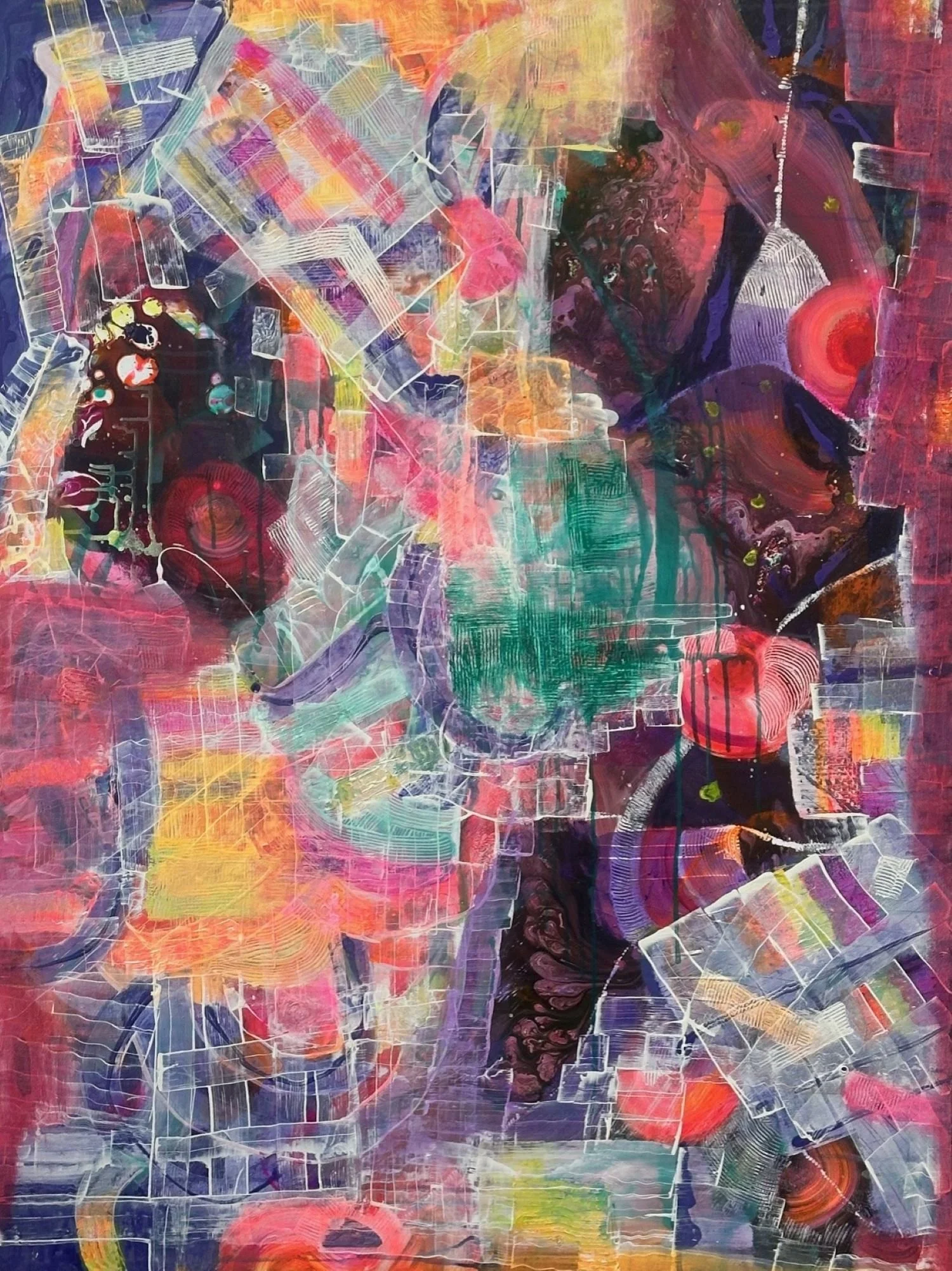
Tango Fandango (2024) introduces a dramatically different atmosphere. The painting pulses with energy, its surface dominated by swirling red and purple forms.
Looping lines intersect across the canvas, suggesting the gestures of dancers in motion. The composition feels theatrical and exuberant, as though responding to the rhythms of music.
Despite its dynamic intensity, the painting maintains compositional balance through darker shapes that anchor the swirling lines. Tango Fandango becomes a visual translation of dance, capturing both the passion and precision of movement.
Underwater Terrarium continues Cohen’s exploration of marine imagery but adopts a more introspective tone. The painting features island-like forms containing intricate internal networks of lines and shapes.
These internal structures suggest the hidden architectures of marine ecosystems—coral formations, algae patterns, or microscopic life forms. The surrounding blue field creates a sense of immersion, inviting the viewer to imagine observing the scene from beneath the surface of the ocean.
The painting’s quiet atmosphere encourages contemplation of the fragile balance that sustains underwater environments.
The series concludes with Zesty Sour Lemons (2025), a playful yet thoughtful work that celebrates colour and sensory experience. Bright yellows radiate across the canvas, punctuated by circular shapes that echo the form of lemons.
The painting’s textured surface incorporates collage elements that add tactile richness. The citrus palette conveys a sense of freshness and vitality, while the abstract structure prevents the imagery from becoming literal.
Zesty Sour Lemons demonstrates Cohen’s ability to infuse abstraction with humour and warmth. The painting reminds viewers that artistic exploration can remain joyful even within sophisticated conceptual frameworks.
Across this body of work, Wendy Cohen demonstrates a remarkable ability to balance expressive freedom with structural clarity. Her paintings operate as visual ecosystems in which colour, line, and texture interact dynamically.
In the broader context of contemporary art, her practice contributes to an ongoing redefinition of abstraction. Rather than treating abstraction as purely formal experimentation, Cohen uses it as a means of exploring relationships between nature and urban environments, between intuition and structure, between chaos and harmony.
Her paintings encourage viewers to engage with the world through attentive observation and imaginative interpretation. They remind us that beauty can emerge from complexity and that meaning does not require narrative.
In an age increasingly defined by technological mediation, Cohen’s work affirms the enduring power of painting as a tactile and emotional medium. Her canvases offer spaces of reflection where viewers can reconnect with the rhythms that shape both natural and human experience.
Through colour, movement, and material presence, Wendy Cohen constructs paintings that resonate beyond their surfaces. They become invitations to look more closely, to feel more deeply, and to recognize the intricate patterns that connect all forms of life.
In considering the broader significance of Wendy Cohen’s work, one begins to understand that her paintings function not only as aesthetic compositions but also as reflections on the deeper structures that govern human experience and the natural world. In an era defined by rapid technological change, environmental fragility, and cultural fragmentation, Cohen’s abstract language offers an alternative mode of perception one that invites contemplation rather than immediacy, connection rather than division. Her paintings remind us that beneath the apparent complexity of contemporary life there exists a fundamental rhythm of interdependence, a network of relationships that binds the organic, the urban, and the human imagination into a shared visual and philosophical space.
At the core of Cohen’s philosophy is an understanding of abstraction as a poetic translation of lived experience. Her compositions do not attempt to depict the world directly; instead, they reveal the invisible energies that shape it. Colour becomes a carrier of emotional resonance, line becomes movement, and texture becomes memory embedded within material surfaces. Through this process, the canvas transforms into a site of reflection, where intuition and observation meet. The viewer is not presented with a fixed narrative but is invited into an open field of interpretation where personal perception becomes part of the artwork’s meaning.
This openness is central to the cultural importance of Cohen’s practice. In a society increasingly driven by speed, certainty, and simplified imagery, her paintings encourage a slower and more attentive form of looking. They reward patience, curiosity, and sensitivity to nuance. The viewer becomes aware of subtle relationships between shapes, layers, and colours, discovering that meaning can emerge gradually rather than instantaneously. In this way, Cohen’s work fosters a mode of engagement that resists the superficial consumption of images and instead cultivates reflection and wonder.
Her use of recycled materials, linen, paper, and cardboard, further reinforces this philosophical dimension. By reintroducing discarded elements into the creative process, Cohen engages with ideas of renewal and transformation. Materials that once belonged to everyday contexts are elevated into the realm of art, suggesting that beauty and meaning can arise from acts of restoration. This gesture quietly aligns her practice with contemporary ecological awareness, emphasising cycles of reuse and regeneration rather than waste.
Within the contemporary art scene, Wendy Cohen occupies a position that bridges expressive abstraction and conceptual sensitivity to environment and culture. Her work acknowledges the legacy of twentieth-century abstraction while extending its possibilities through layered materiality and ecological metaphor. By weaving together influences from African visual traditions, modernist abstraction, and contemporary environmental consciousness, she has developed a visual language that feels both rooted and forward-looking.
Cohen’s paintings resonate because they affirm the possibility of harmony within complexity. They remind us that chaos and balance, spontaneity and structure, intuition and intellect are not opposing forces but complementary elements within a larger creative continuum. Through this understanding, her art speaks to a universal human desire to find order, beauty, and connection in the ever-evolving patterns of the world.
By Marta Puig
Editor Contemporary Art Curator Magazine
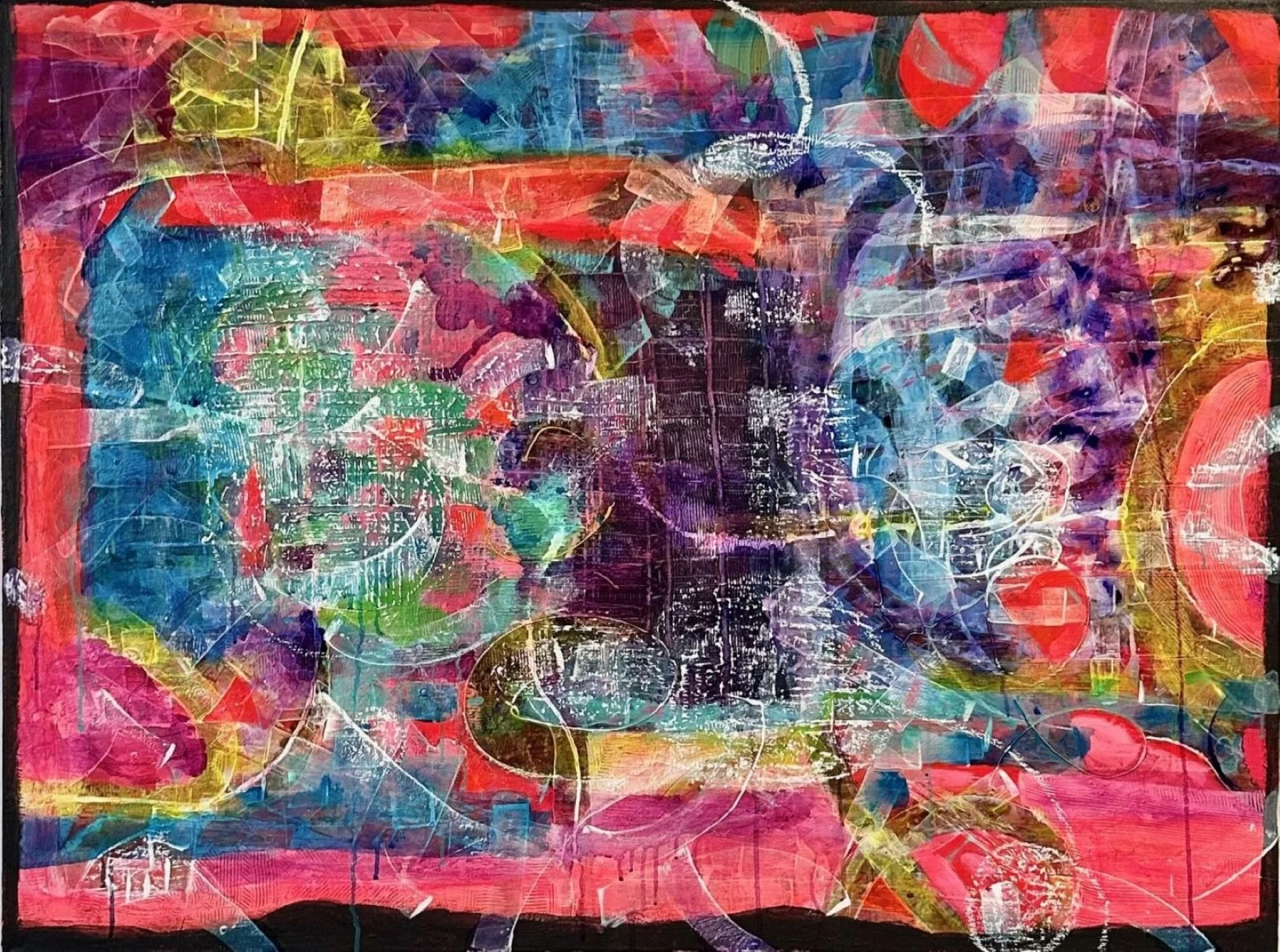
Chaos and Balance, 2025, acrylic on canvas, 90cm x 120cm
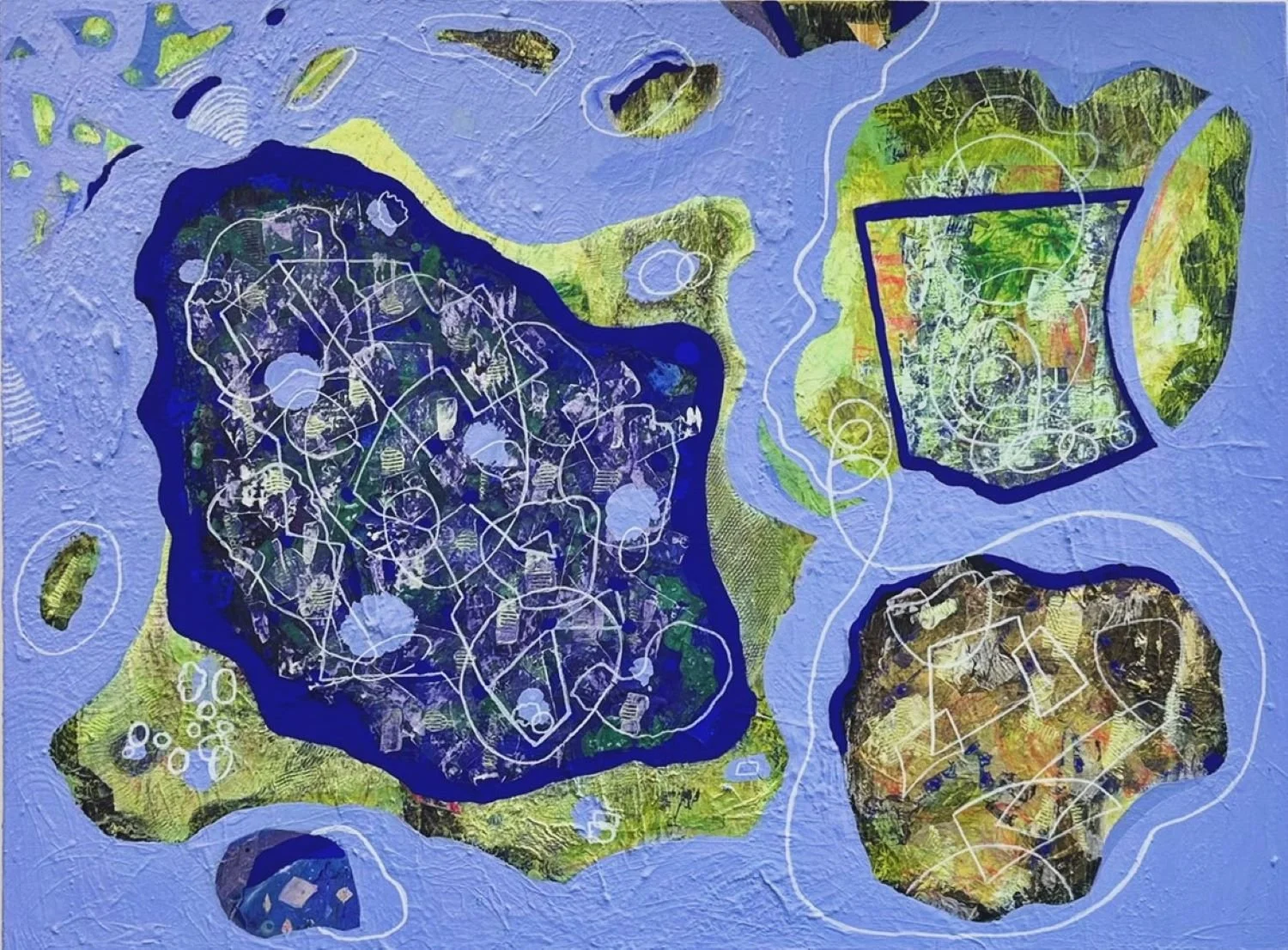
Fluttering Forms, 2024, acrylic, markers, papers on canvas, 90cm x 120cm
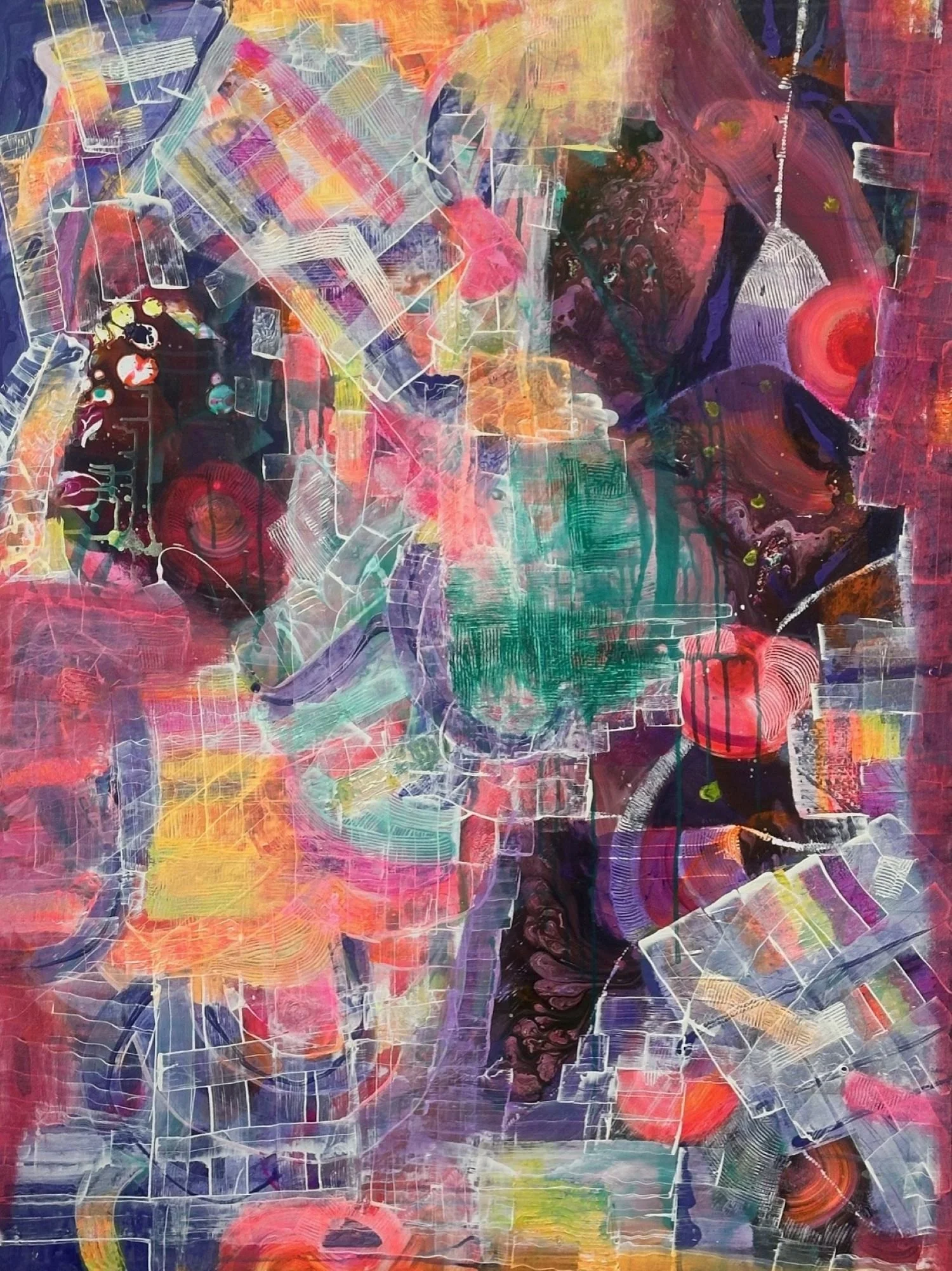
Flying flowers, 2025, acrylic on canvas, 90cm x 120cm
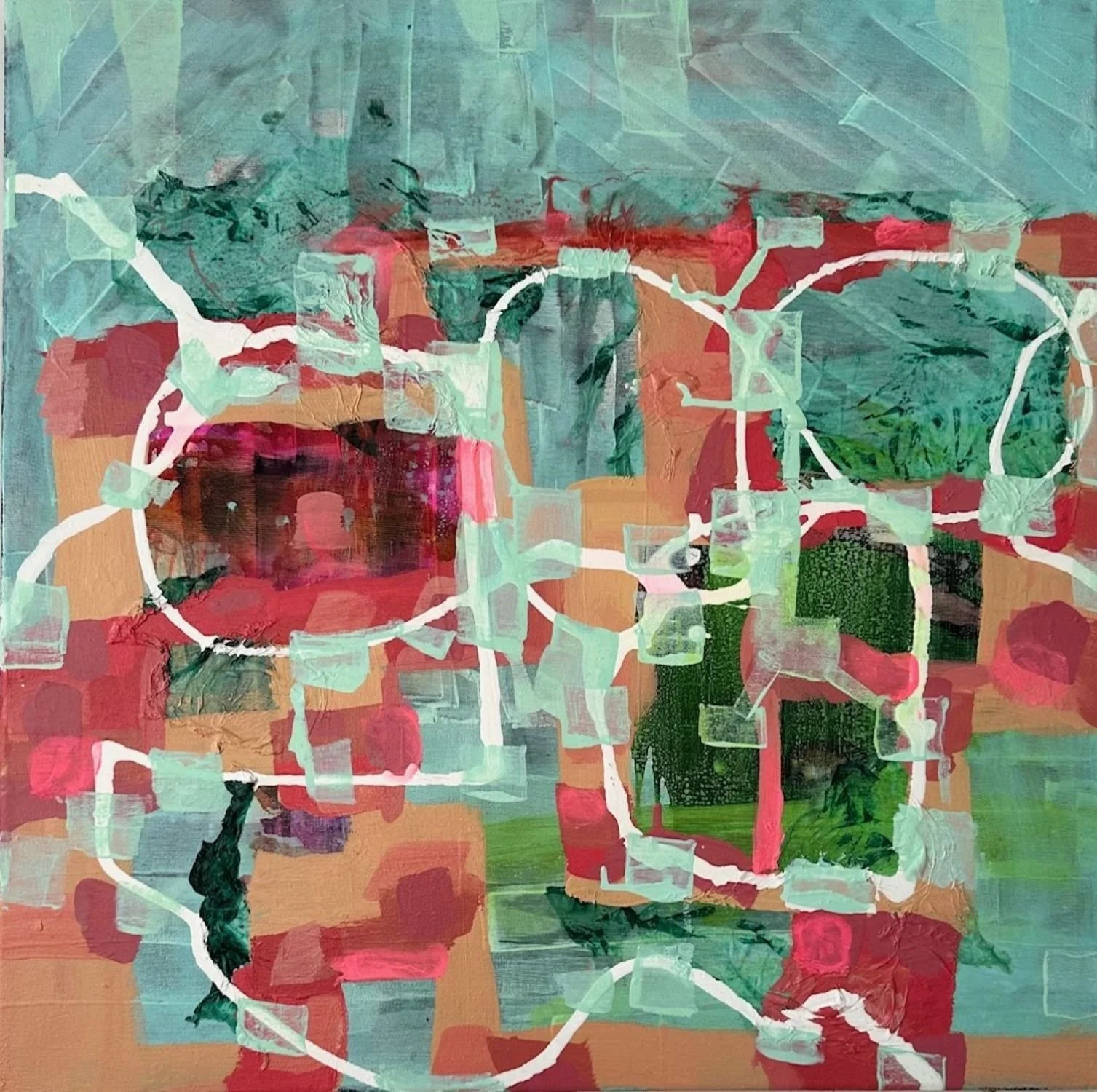
Sea-Foam Terrarium, 2025, acrylic on canvas, 60cm x 60cm
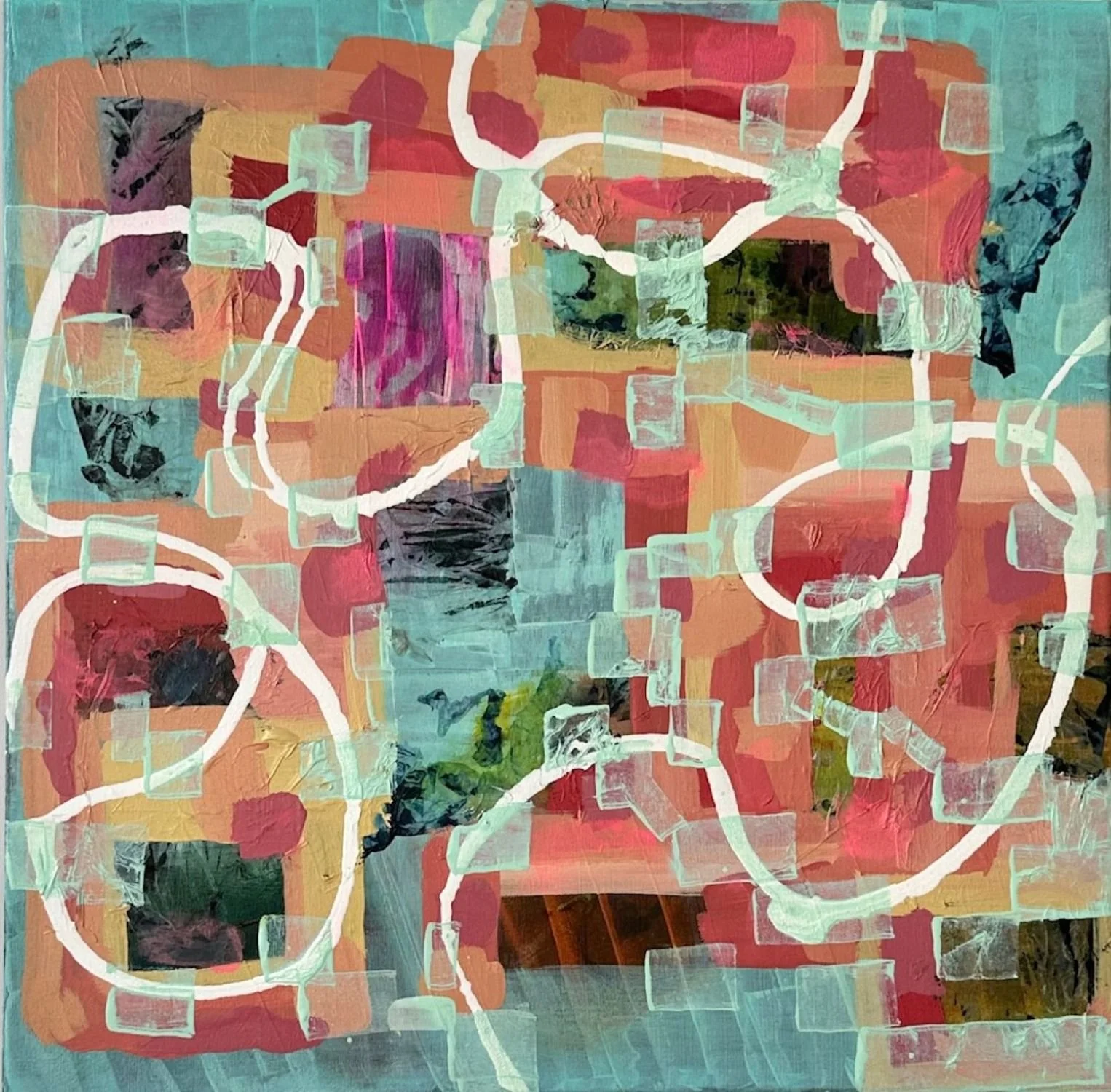
Terrarium Growth,2025, acrylic on canvas, 60cm x 60cm
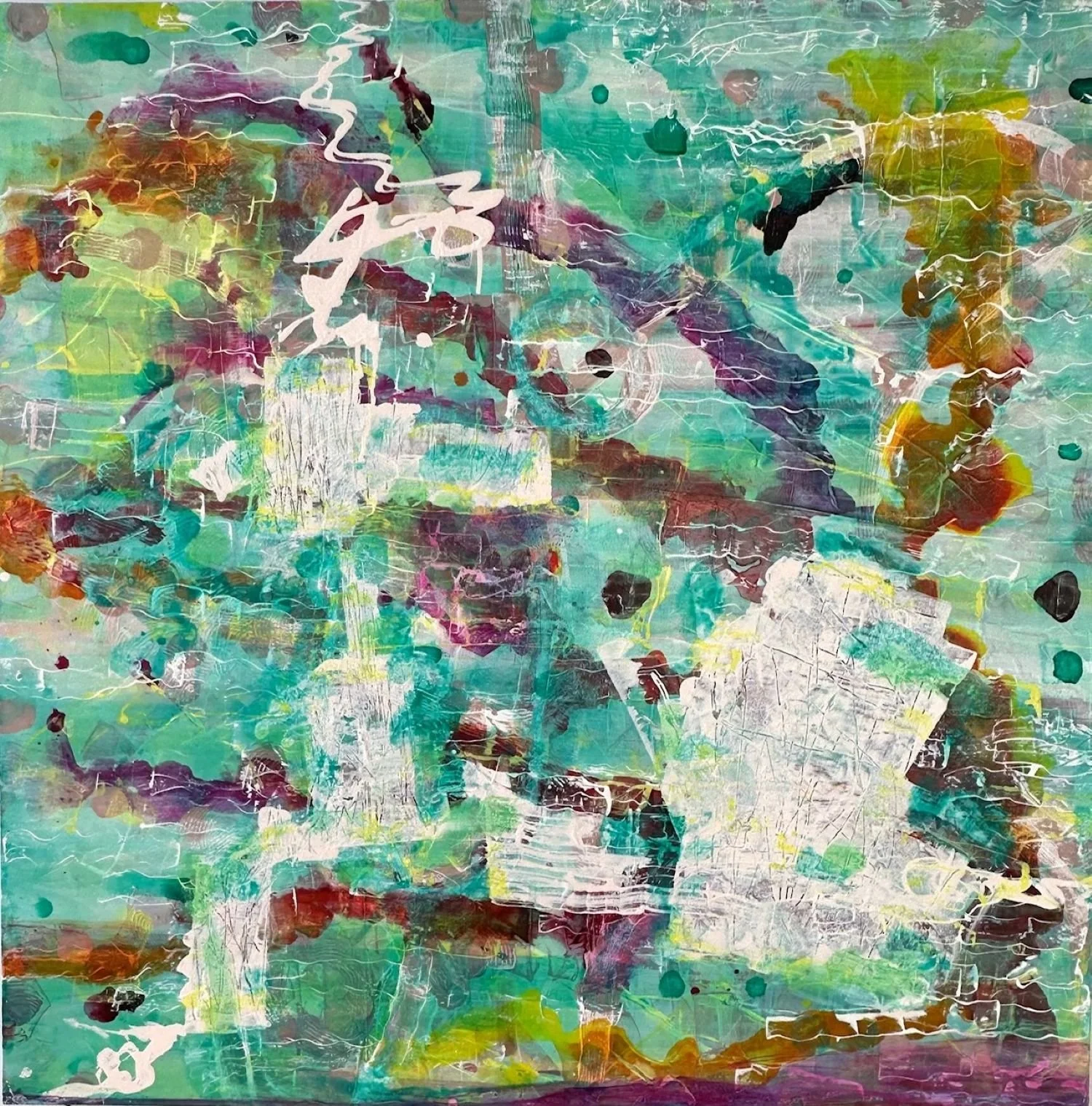
Underwater Terrarium, acrylic on canvas, 60cm x 60cm
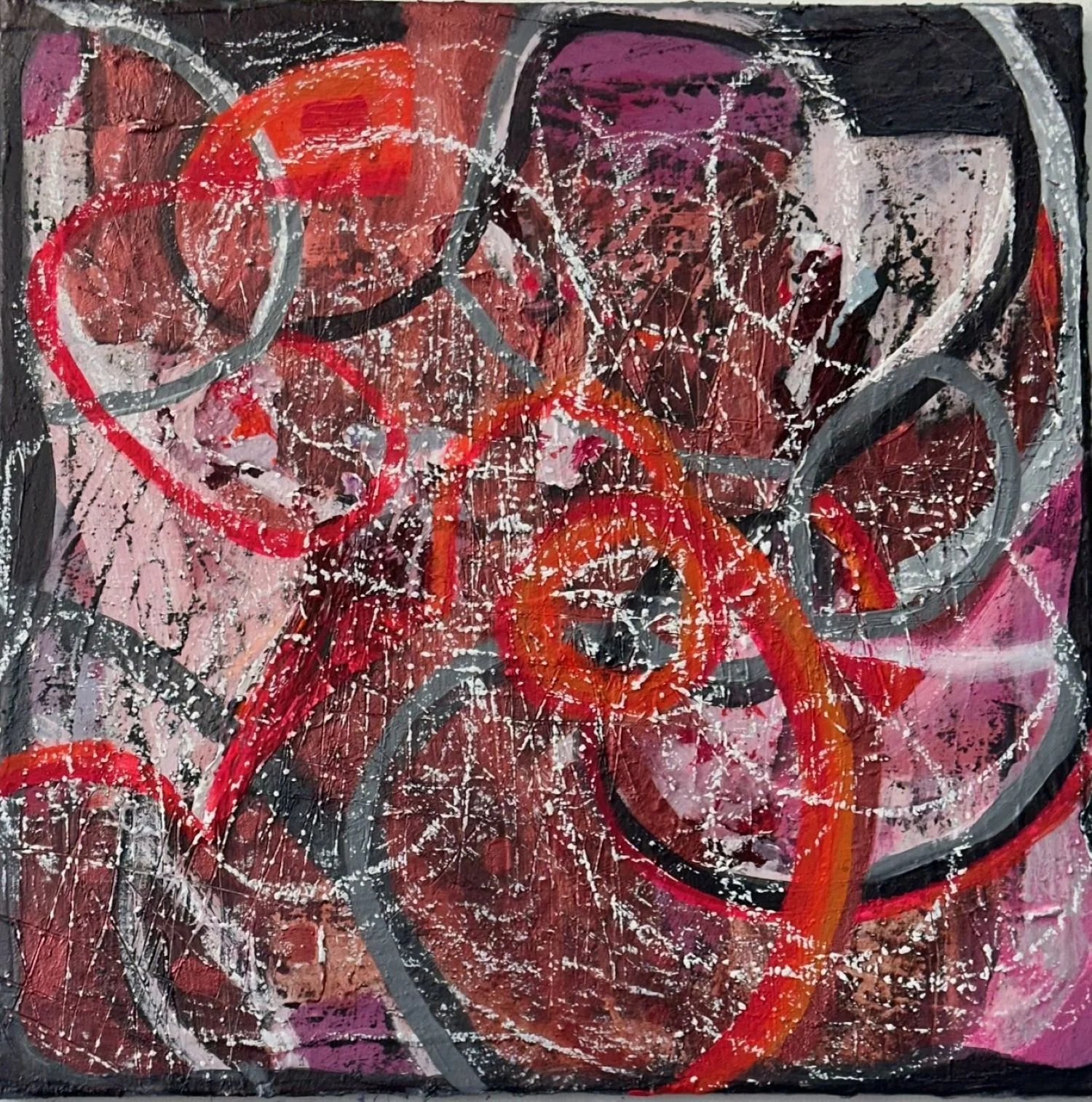
Tango Fandango,2024, acrylic on canvas, 60cm x 60cm
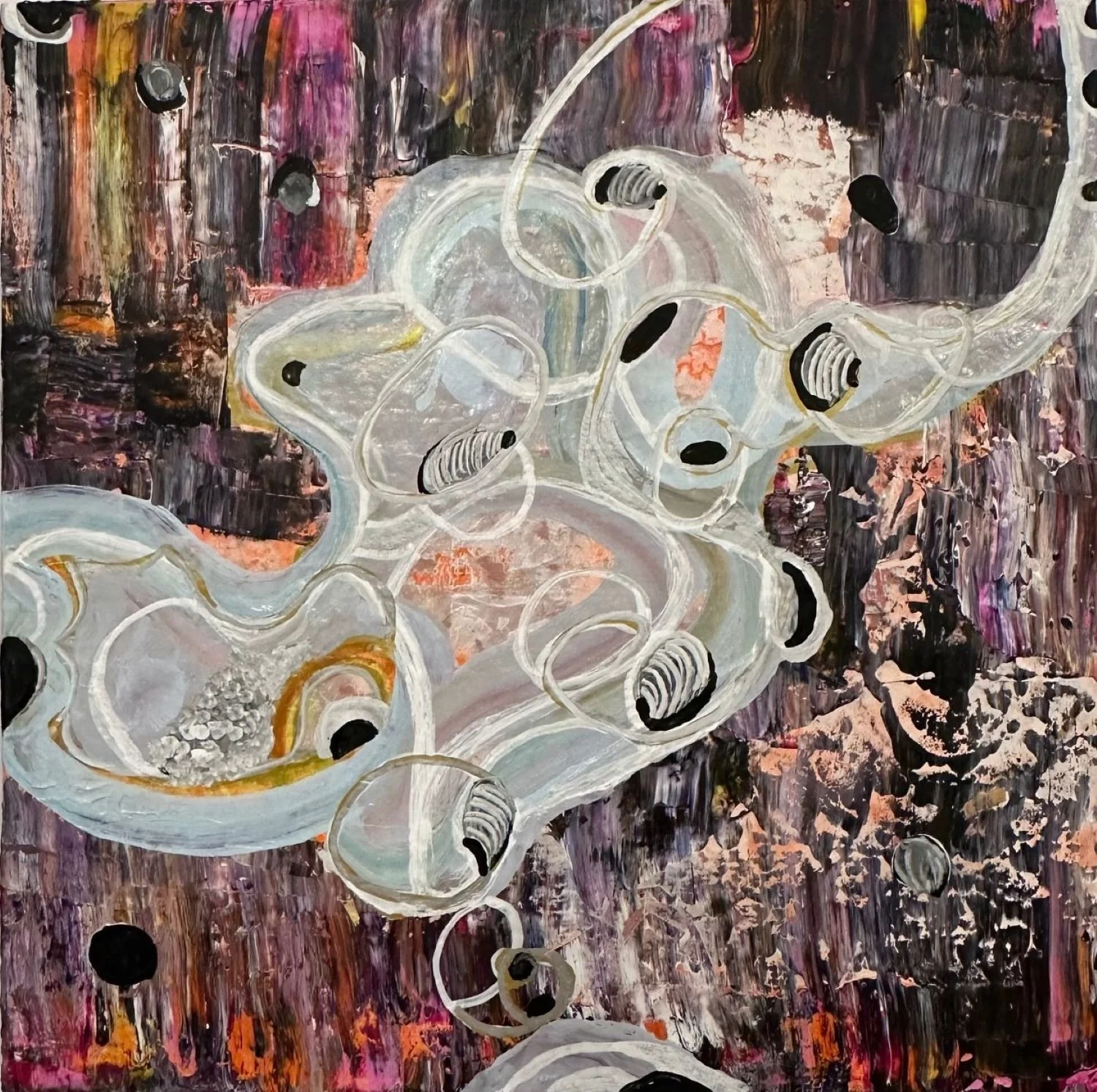
Flows of Bows, 2024, acrylic on board, 30cm x 30cm
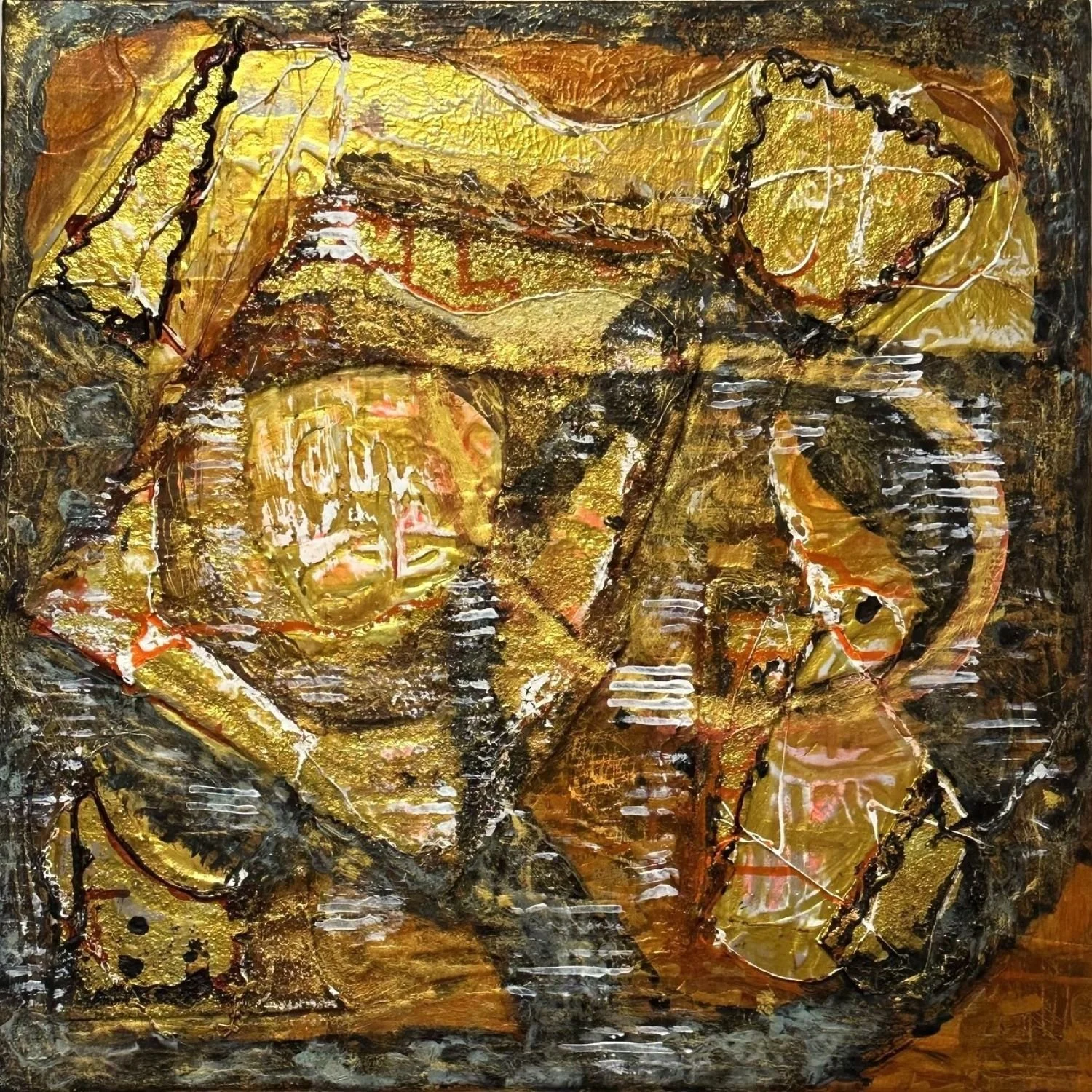
Erosive Rock Harmonics, 2025, acrylic on canvas, 60cm x 60cm
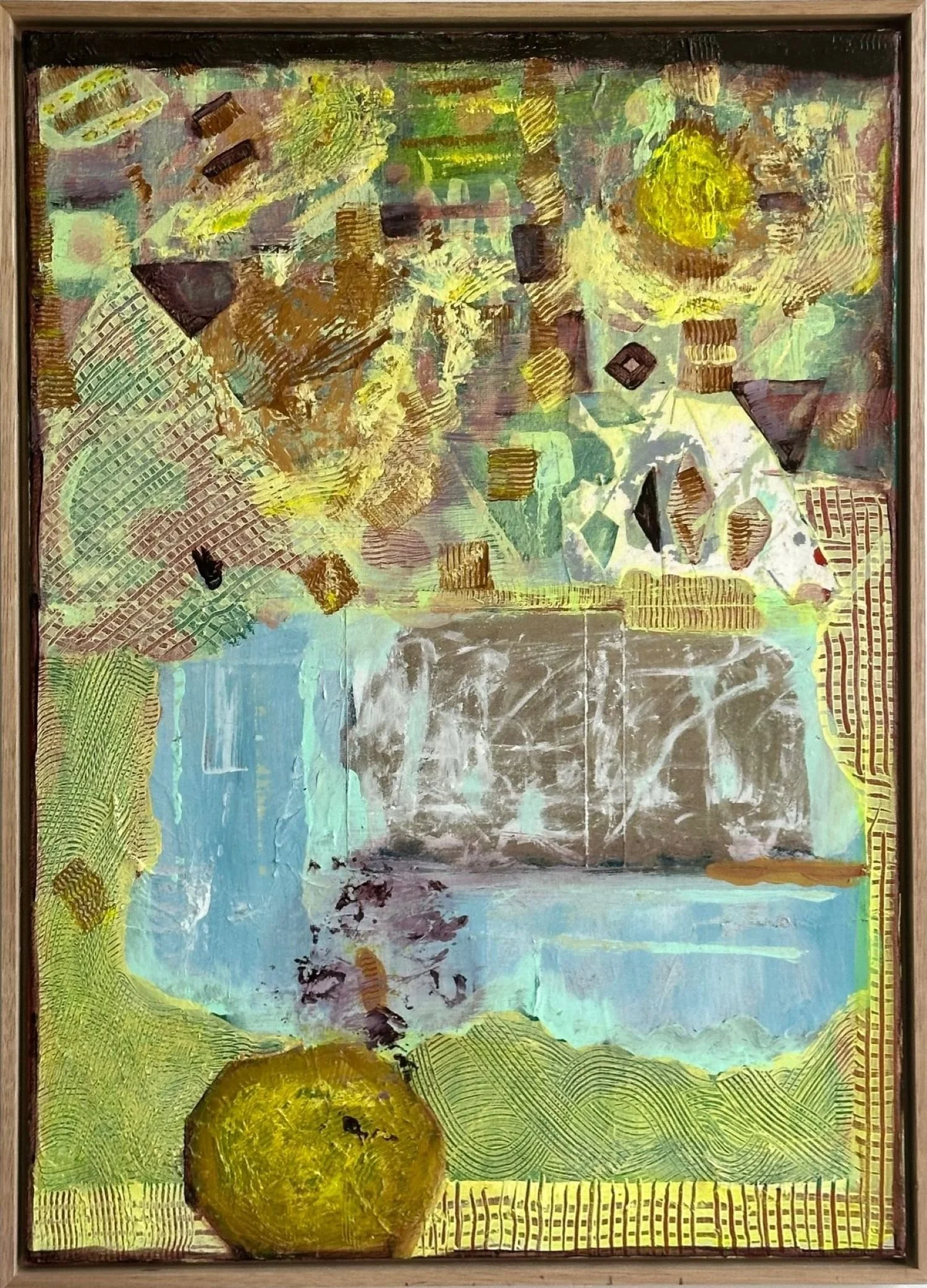
Zesty Sour Lemons, 2025, acrylic on canvas, 60cm x 80cm