Rose Masterpol
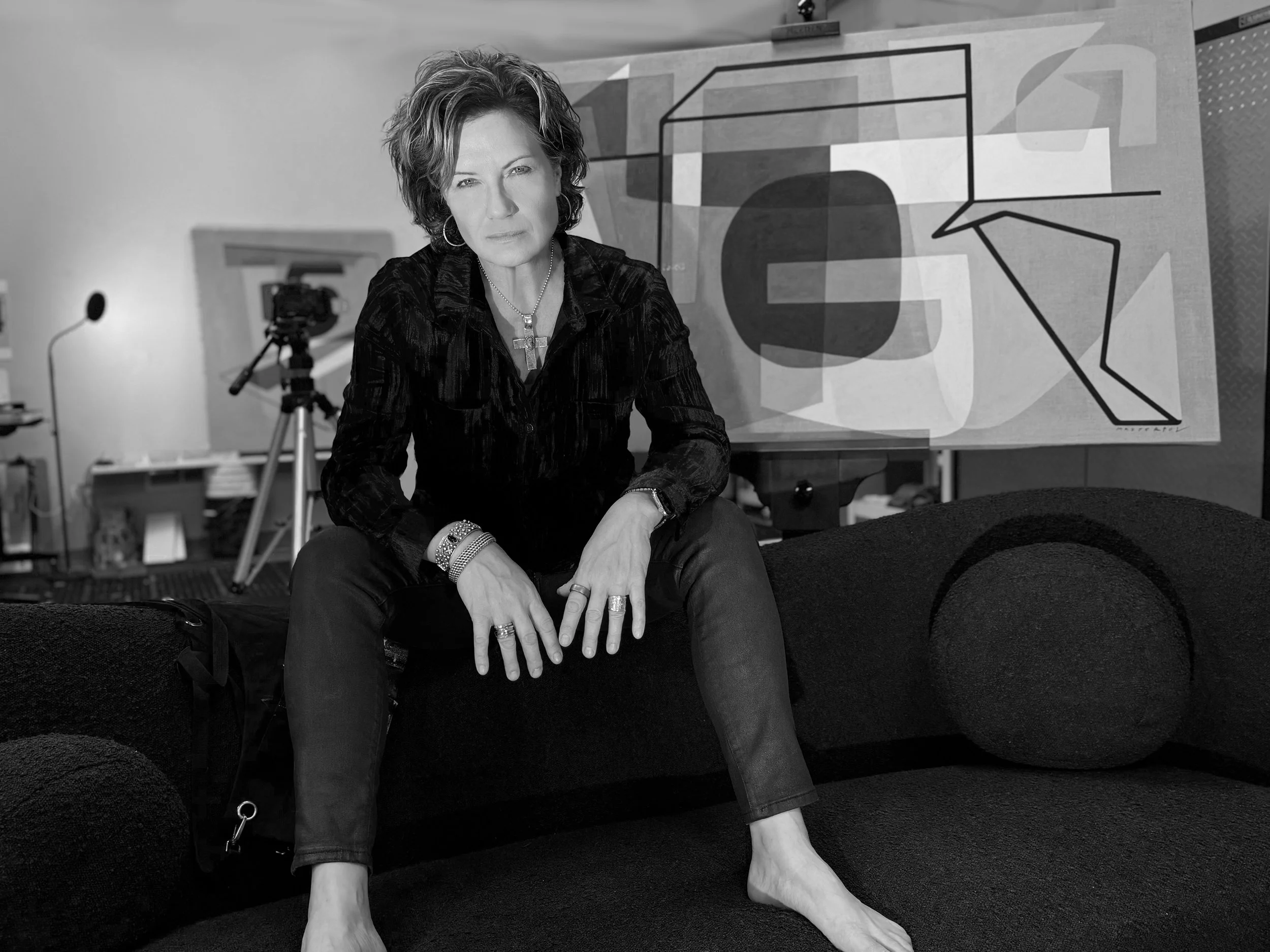
There is an unmistakable clarity that emerges when encountering the work of Rose Masterpol, a contemporary abstract painter whose visual intelligence has matured across more than thirty years of sustained and fearless inquiry. Her canvases do not simply appear. They arrive. They enter the field of perception with the conviction of forms that understand their own internal coherence. They occupy space the way a musical phrase occupies time, with rhythms that push and pull, with pauses that release tension, and with gestures that ask the viewer to follow the movement of thought as it unfolds along the painted surface. Masterpol is a painter of ideas as much as forms, a painter for whom abstraction is not aesthetic decoration but the grammar of an entirely distinct way of thinking.
The vitality of her practice comes from the unusual breadth of her creative life. She has moved through poetry, music, sculpture, landscape photography, and graphic design, and each field has left an imprint on her visual vocabulary. The result is not eclecticism but synthesis. Her paintings, especially those in The Geometrix Series, demonstrate a profound capacity to weave influences into a single visual language that is unmistakably her own. The precision of graphic design merges with the spontaneity of music. The attentiveness of photography merges with the visceral presence of sculpture. The inwardness of poetry merges with the expansive force of painting. Her canvases function as arenas of these convergences, works in which structure and improvisation, geometry and intuition, order and impulse coexist with an energetic harmony.
Her refusal to confine herself to one medium or one tradition has liberated her practice from rigidity. She learned early in her development that creativity is nourished by multiplicity. By working intuitively rather than doctrinally, she allowed her paintings to evolve according to their own internal needs. As a self taught painter, she approached abstraction without the weight of institutional habits. This absence of imposed constraint becomes visible in the work as a kind of freedom. The lines twist and coil with authority, the shapes interlock with choreographed grace, and the fields of color pulse with an emotional energy that feels both deliberate and spontaneous. The work is raw in its candor yet refined in its execution. It is this combination that gives her paintings their unmistakable voice.
Masterpol belongs to a lineage of American abstraction that includes the New York School painters who shaped her childhood imagination. Pollock, de Kooning, Kline, Motherwell. Their influence is present but never imitative. She absorbed their lessons in freedom and gesture, their commitment to abstraction as a form of existential declaration, and then transformed these lessons into a language oriented toward clarity rather than chaos. Her lines are not the explosive traces of Pollock but the incisive strokes of a mind mapping the movement of thought. Her forms do not dissolve into painterly whirlwind but instead move with sculptural deliberateness. Her sense of composition has affinities with De Stijl and the crisp rigor of mid twentieth century design. Yet everywhere within this clarity one feels the vulnerability and emotional depth of a painter who trusts intuition.
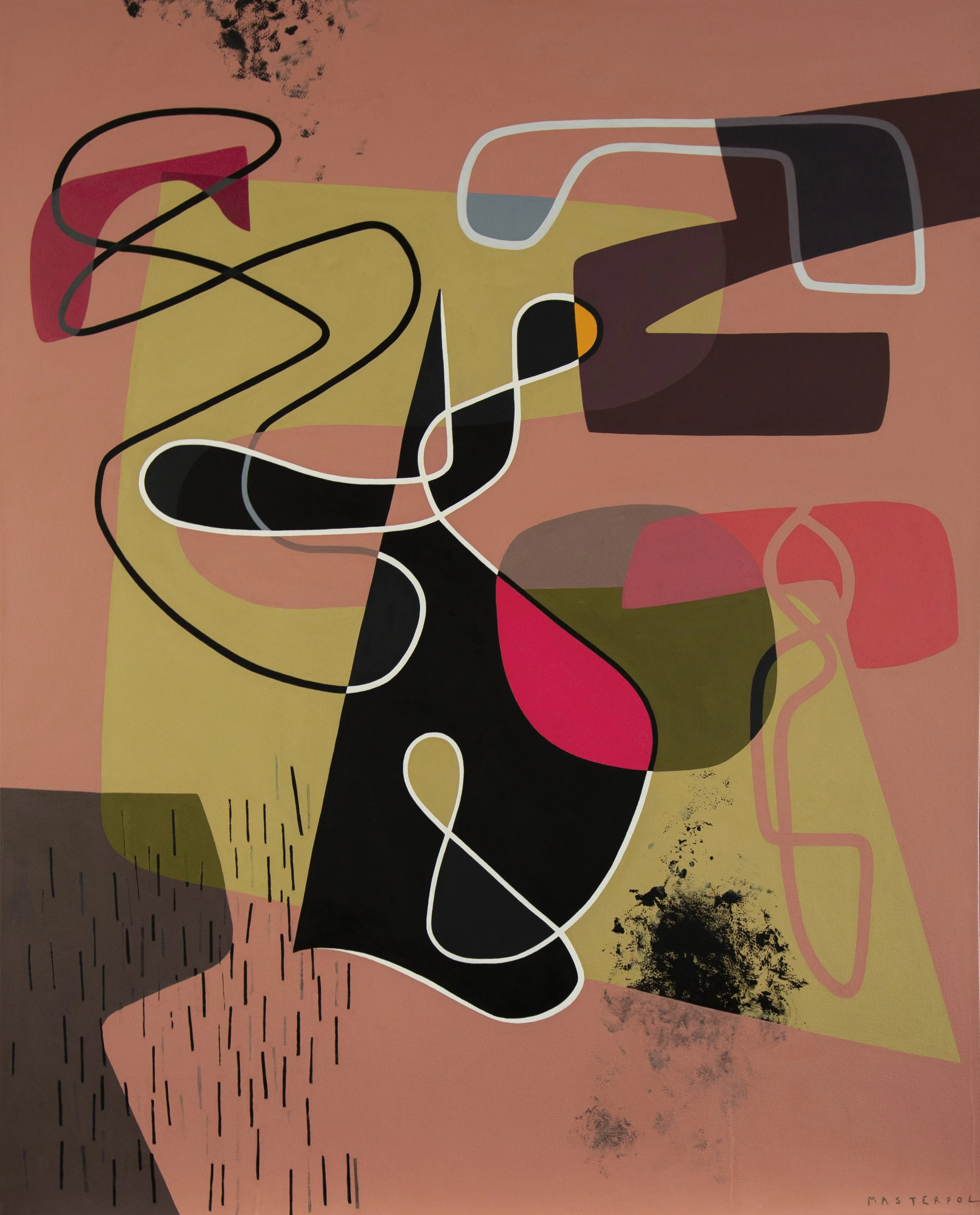
There is a singular coherence that runs through the acrylic paintings of Rose Masterpol, a sense that each work, regardless of its scale or palette, belongs to a larger language she has been refining for decades. Her canvases speak through the architecture of abstraction, through relationships of shape, contour, transparency, and rhythm that form a visual grammar entirely her own. The works exist not as static compositions but as living systems, sites where tension, balance, movement, and stillness negotiate their positions in real time. Masterpol’s art stands firmly within the lineage of modernist abstraction while extending it forward with unmistakable contemporary authority. Her paintings are not experiments. They are declarations.
The Geometrix Series, the body of work she continues to develop and refine, is one of the most compelling contributions to contemporary abstraction in recent years. In these paintings, Masterpol unites the spontaneous with the structural, creating compositions that operate like visual architectures. Shapes intersect, overlap, and hover like spatial propositions. Thin linear paths travel across the surface, tracing the ghost of movement. Blocks of saturated color collide with translucent veils, generating a sensation of shifting planes. There is an ongoing play between solidity and permeability, between containment and release. The forms occupy the canvas the way bodies occupy a stage, each with its own weight and rhythm, yet each participating in an overarching choreographic intelligence.
In the work titled Cathedral from the year two thousand twenty, the viewer is confronted with a monumental convergence of forms that seem to emerge from an architectural logic. Vertical shapes rise with a serene strength, while horizontal elements ground the composition. The unexpected yet harmonious shifts in hue introduce a quiet vibrational energy across the surface. The interaction of translucent layers suggests the spiritual serenity of stained glass while remaining entirely within the realm of pure abstraction. Nothing is depicted, yet everything is invoked. The work carries the gravitas of a sacred interior without relying on any representational device. Cathedral demonstrates Masterpol’s extraordinary ability to reveal structure as a form of emotional resonance.
Geocentric from the same period advances this exploration even further. Here, the composition revolves around a sense of gravitational pull, as if the shapes and lines were caught in an invisible orbit. The color fields interact with precision yet never feel mechanical. They breathe. They tremble with subtle currents of movement that ask the eye to follow. What emerges is a meditation on balance and orientation. In an era defined by ideological fragmentation and sensory overload, Masterpol offers a visual system in which disparate elements find cohesion. The work becomes a metaphor for a world in search of center.
The painting titled Balance demonstrates a related principle. Although its forms are abstract, they possess the clarity of organisms adapting to one another’s presence. The tension between the slender lines and the solid masses reveals the fragility of equilibrium. The viewer senses that every shape is aware of its neighbors, every gesture calibrating its position within the larger assemblage. Balance is not a static condition but a state of ongoing negotiation. This insight is at the core of Masterpol’s philosophical approach to painting. She understands that abstraction is not a retreat from the world but a way of articulating the fundamental structures that underlie human experience.
Corbusier, a work that pays homage to the architect whose influence on twentieth century design is immeasurable, stands as one of Masterpol’s most elegant meditations on structure. She distills the spirit of modernist architecture into a composition that feels both playful and monumental. The shapes recall the language of architectural plans, yet they float freely within the field, released from utility. The painting occupies the threshold between design and poetry. Here, Masterpol’s background in graphic design becomes especially visible. She brings the discipline of clean spatial arrangement into dialogue with the spontaneity of painterly impulse, creating a composition that is as precise as it is expressive.
Elevate, from the year two thousand twenty one, expands this architectural sensibility into a more dynamic configuration. The forms seem to rise and descend across the surface, creating a sensation of vertical movement. The work embodies ascent as both a physical and psychological condition. It suggests the striving of the human spirit, the upward movement toward clarity, purpose, and self understanding. The delicate interplay of opacity and translucency produces a rhythm of concealment and revelation. Elevate demonstrates Masterpol’s mastery of visual tension. Every form feels necessary, every shape responds to an internal pulse.
Aria from the same period explores a different register. The title suggests song, and the painting indeed behaves like a melodic composition. Lines drift like musical phrases, curving and intertwining with lyrical elegance. The color harmonies unfold with the subtlety of shifting tonal keys. Nothing about the painting is didactic. Instead, it invites the viewer to feel its movement, to inhabit the cadence of its transitions. Aria reveals Masterpol at her most poetic. The painting becomes an atmosphere, a space where sound seems to translate itself into form.
In Avant Garde, the energy sharpens. Shapes collide with more force, lines accelerate, and the composition pulses with a vibrant impatience that recalls the forward thrust of early twentieth century experimentalism. Yet none of this aggression overwhelms the work. Masterpol maintains an underlying clarity. Even at its most dynamic, her painting never loses coherence. It is here that her long commitment to formal integrity becomes visible. She can push the composition to its emotional limits because she understands its structural foundation.
Humanitarium from the year two thousand twenty four deepens the philosophical scope of her practice. The shapes feel almost anthropomorphic, as if the abstract forms were engaged in subtle acts of communication. There is an emotional charge that permeates the canvas, a sense of collective presence. The work seems to contemplate the human condition through non representational means. It gestures toward connection, community, and empathy without relying on figurative imagery. Humanitarium captures the heart of Masterpol’s contribution to contemporary art. She demonstrates that abstraction can communicate human experience with a depth that representation often cannot. Her forms speak with a clarity that bypasses narrative and moves directly toward perception.
Rubicon, a monumental canvas completed in the year two thousand twenty five, marks a significant point in her development. The work carries an unusual intensity, as if the shapes were crossing a threshold from familiarity into transformation. The title suggests a moment of irrevocable passage, and the composition mirrors this psychological weight. The forms shift with determination, and the lines carve through the field with assertive precision. The painting asserts itself with a commanding presence. Rubicon embodies the moment when an artist reaches a new level of conceptual maturity. In this canvas, Masterpol reveals an extraordinary ability to merge emotional force with structural clarity.
Throughout these works, the viewer becomes aware of the profound philosophy embedded in Masterpol’s practice. She approaches abstraction not as a retreat from the world but as a method for revealing the hidden architectures of experience. Her paintings are not symbolic representations but phenomenological encounters. They ask the viewer to participate in the act of seeing, to become aware of the processes that shape perception. This philosophical depth positions her work within an important tradition of abstract art, yet she brings a distinctly contemporary relevance.
The reason her art matters for society today is not merely aesthetic. It is perceptual. Masterpol’s paintings train the viewer to perceive complexity with clarity. They model a way of navigating a world overloaded with information and visual noise. By stripping away the representational content that often distracts rather than reveals, she gives the viewer the chance to dwell in relationships of line, color, form, movement, and tension. Her work cultivates patience, attentiveness, and sensitivity. At a time when these qualities are increasingly fragile, her paintings serve as visual reminders of their necessity.
Her practice also offers a counterpoint to a culture dominated by algorithms and automation. Although she uses digital design as part of her process, she refuses to allow the digital to dominate the final work. Instead, she describes the relationship as a marriage between virtual planning and material execution. The digital sketch becomes a conceptual partner, not a substitute for the tactile presence of paint. Her process honors both technological possibility and the irreplaceable intimacy of the human hand. In this sense, her work participates in a broader cultural conversation about the value of human creativity in an increasingly automated world.
Masterpol’s place within the contemporary art scene is secured by her unmistakable visual language and her commitment to evolving abstraction without abandoning its historical grounding. She extends the legacies of the New York School and the geometrical clarity of mid century design into a new century that demands fresh forms of expression. Her exhibitions across major cities and her international collectors affirm the resonance of her vision. Yet what matters most is not the market success but the intellectual and emotional clarity her work brings to viewers.
She demonstrates that abstraction remains one of the most vital practices in contemporary art. Her paintings are not evasions but confrontations. They confront the viewer with clarity, structure, and the possibility of renewed perception. In an era marked by fragmentation, her work offers coherence. In a culture dominated by spectacle, her work offers depth. In a world struggling to articulate meaning, her work offers presence.
Rose Masterpol is an artist of considerable importance. Her paintings do not imitate the world. They reorganize it. They reveal the underlying patterns that shape experience. They invite the viewer to slow down, to recalibrate attention, and to discover the richness that exists beneath the surface of perception. Her three decades of creative exploration have culminated in a body of work that speaks with remarkable authority and poetic intelligence.
Her art will continue to matter because it continues to see. And in seeing, it teaches us to see as well. What ultimately emerges with the greatest clarity in Masterpol’s practice is the unmistakable feeling that each canvas belongs to a wider, ongoing conversation within her art, a dialogue that evolves quietly but with unwavering purpose. Her paintings never exist in isolation. Even when they stand boldly on their own, their visual logic loops back into the overarching trajectory of her career. They speak to one another across years, across series, across shifting palettes, as if the entire body of work were a single extended meditation articulated through many dialects of form. This continuity is not imposed; it arises naturally from the force of Masterpol’s sensibility, from the instinctive coherence of an artist who listens attentively to the inner architecture of her imagination.
This is what gives her practice such resonance in the contemporary art landscape. In a cultural moment defined by acceleration, fragmentation, and relentless distraction, Masterpol’s work insists on the value of depth. It refuses to privilege novelty over coherence or stylistic spectacle over internal necessity. Her paintings are declarations of belief in abstraction as a living language, a way of thinking visually about structure, balance, movement, and the complex negotiations between chaos and intention. They remind society that abstraction is not an escape from reality but an expansion of it. In her work, abstraction becomes a method for understanding the conditions of the present: the velocity of information, the instability of identity, the tension between digital and physical worlds, the longing for clarity within overwhelming multiplicity.
Masterpol’s contribution lies not only in her aesthetic achievements but also in her philosophical position. She reaffirms that abstraction matters because it bypasses the literal and travels directly to the structural. It summons attention, imagination, memory, and sensation all at once, creating a space where viewers can encounter something unguarded within themselves. Her paintings ask us to see differently, to feel the rhythm beneath appearances, to perceive how systems breathe, how shapes behave, how color can function as an emotional engine.
In doing so, her work extends far beyond the canvas. It cultivates awareness. It restores, quietly but decisively, the contemplative dimension of looking. And in a world increasingly starved for meaning beneath noise, that gift is not merely valuable. It is essential.
By Marta Puig
Editor Contemporary Art Curator Magazine
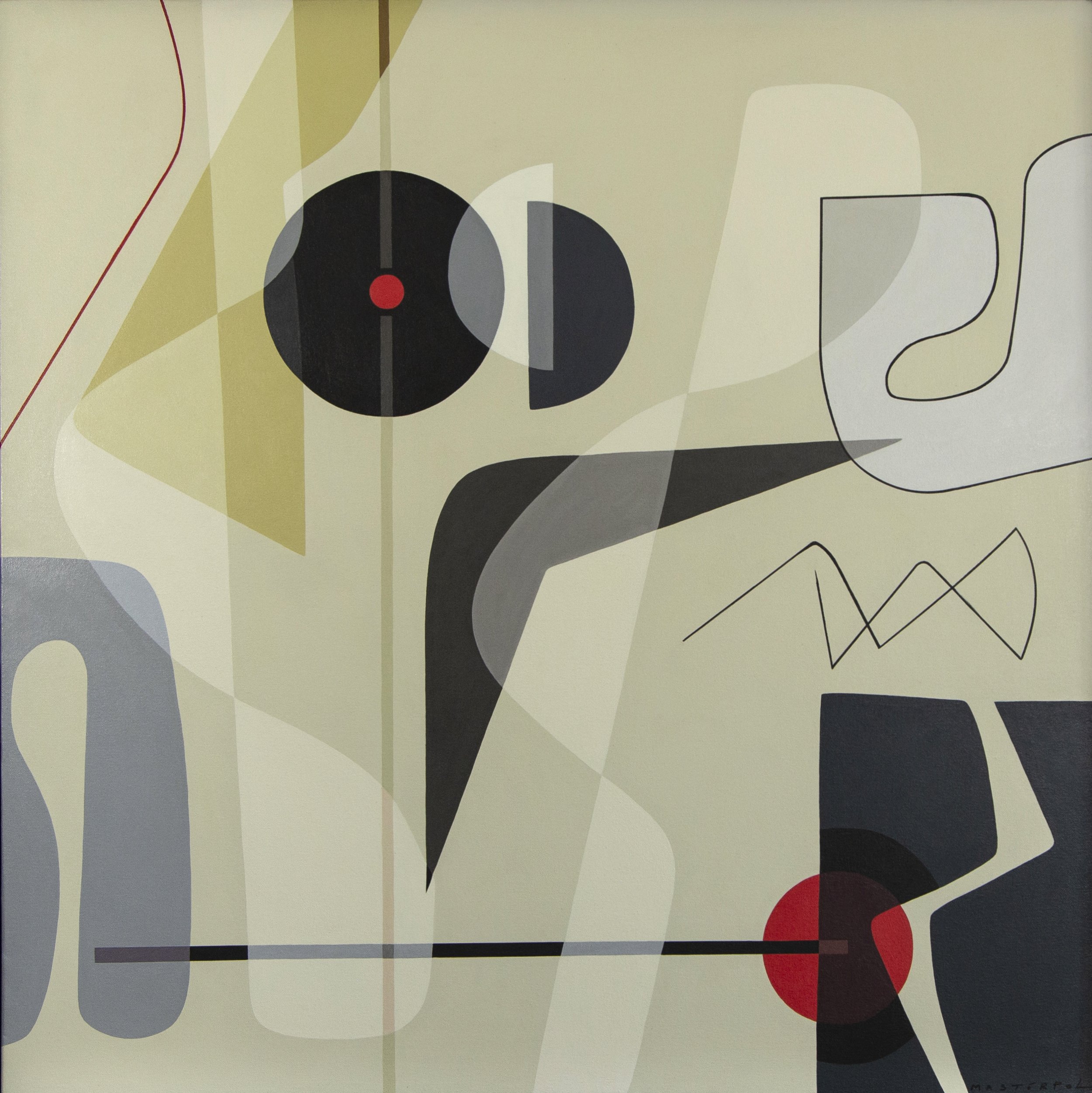
AVANT GARDE 2021 acylic 76.2x76.2
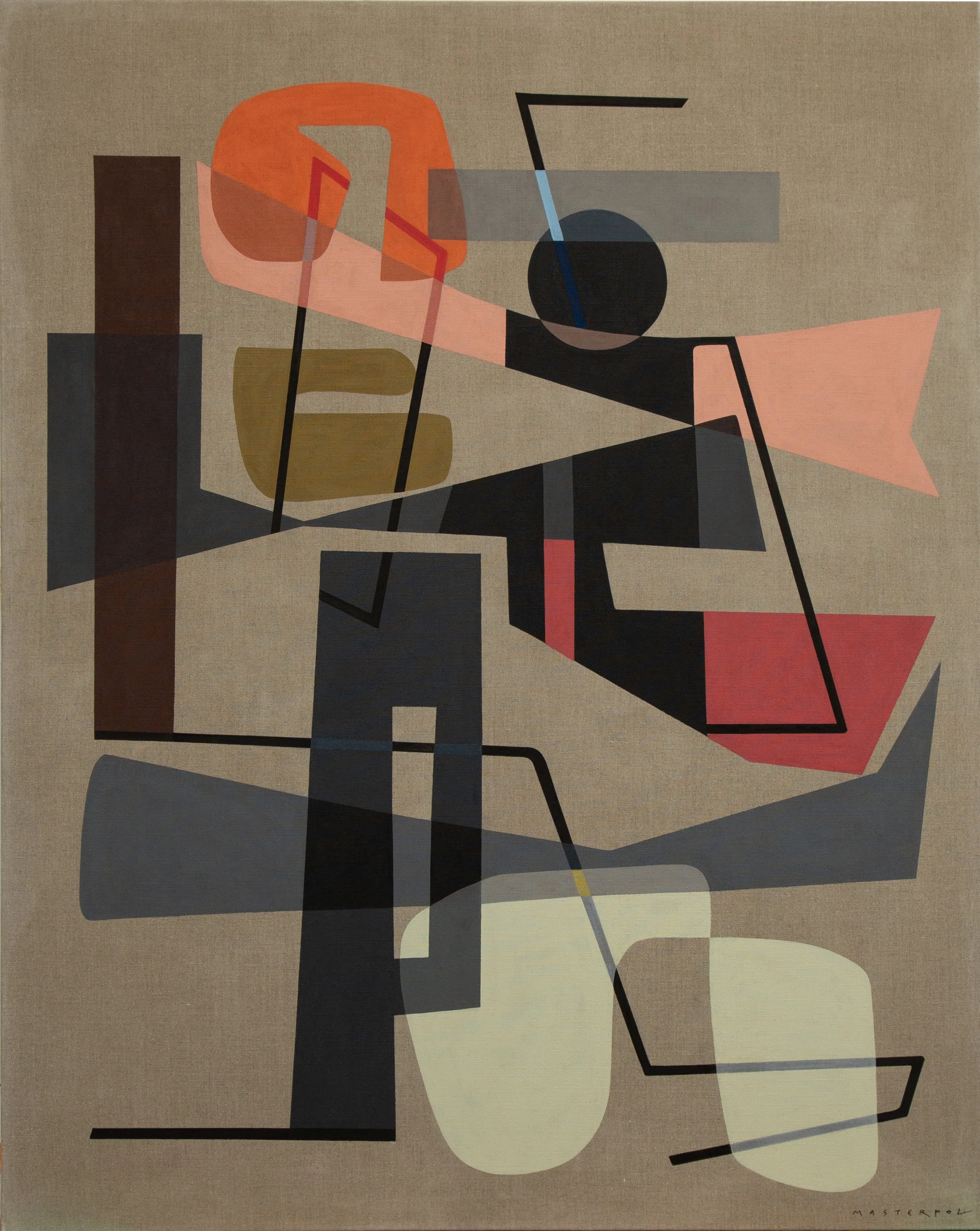
HUMANATARIUM 2024 acrylic 152.4x121.92HELIUM
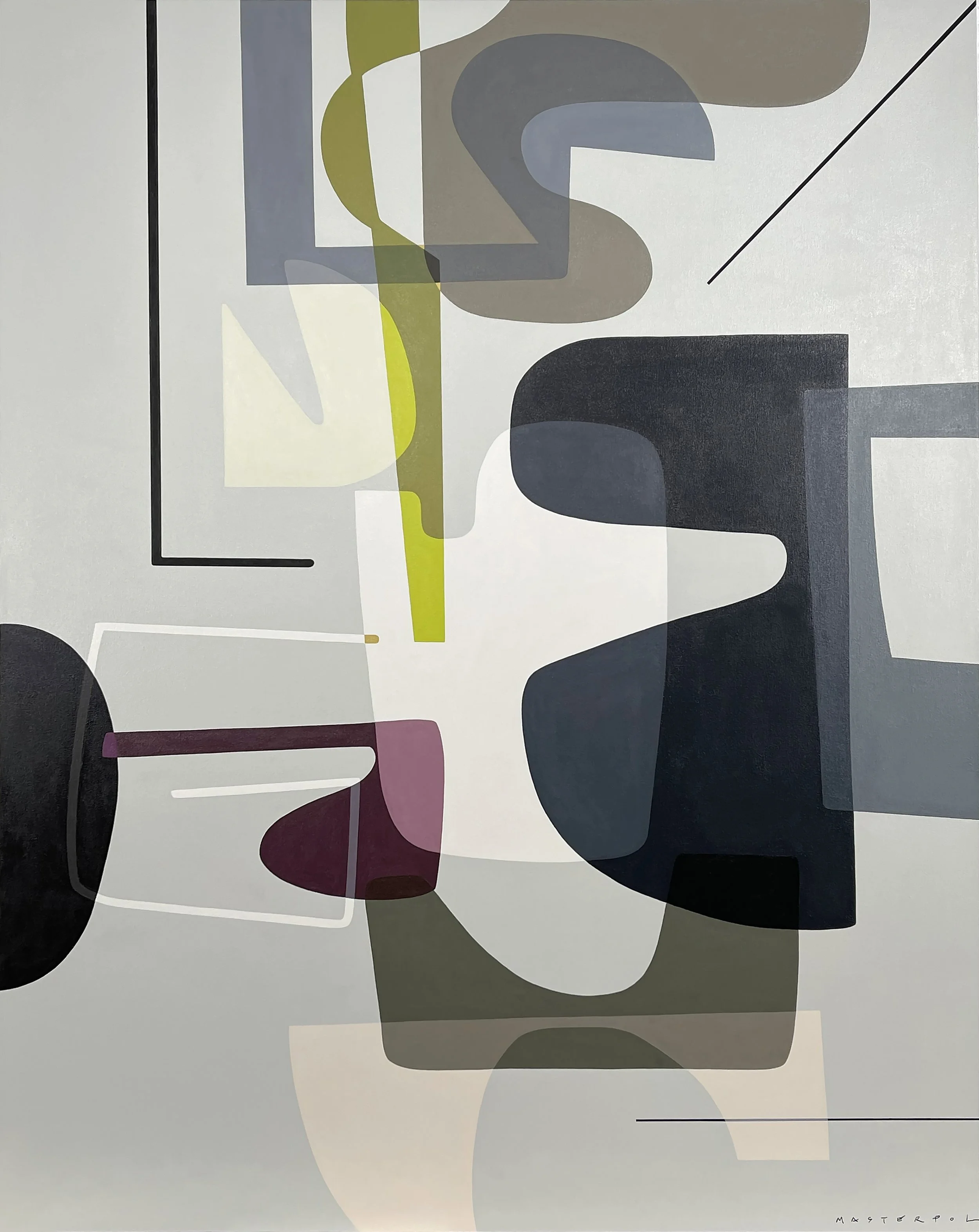
ELEVATE 2021 acrylic 152.4x121.92
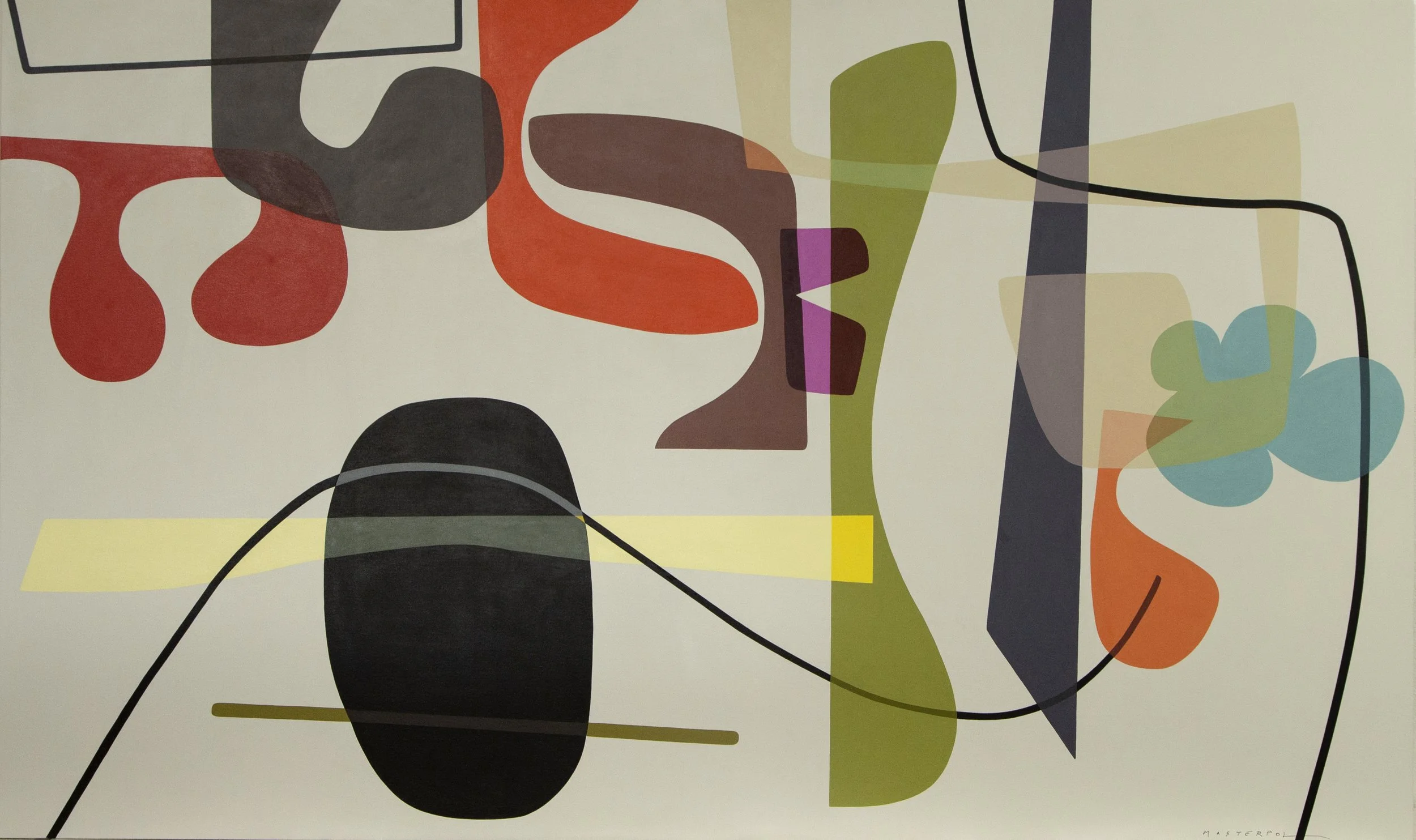
ARIA 2021 acrylic 127x213.36CORBUSIER 2021
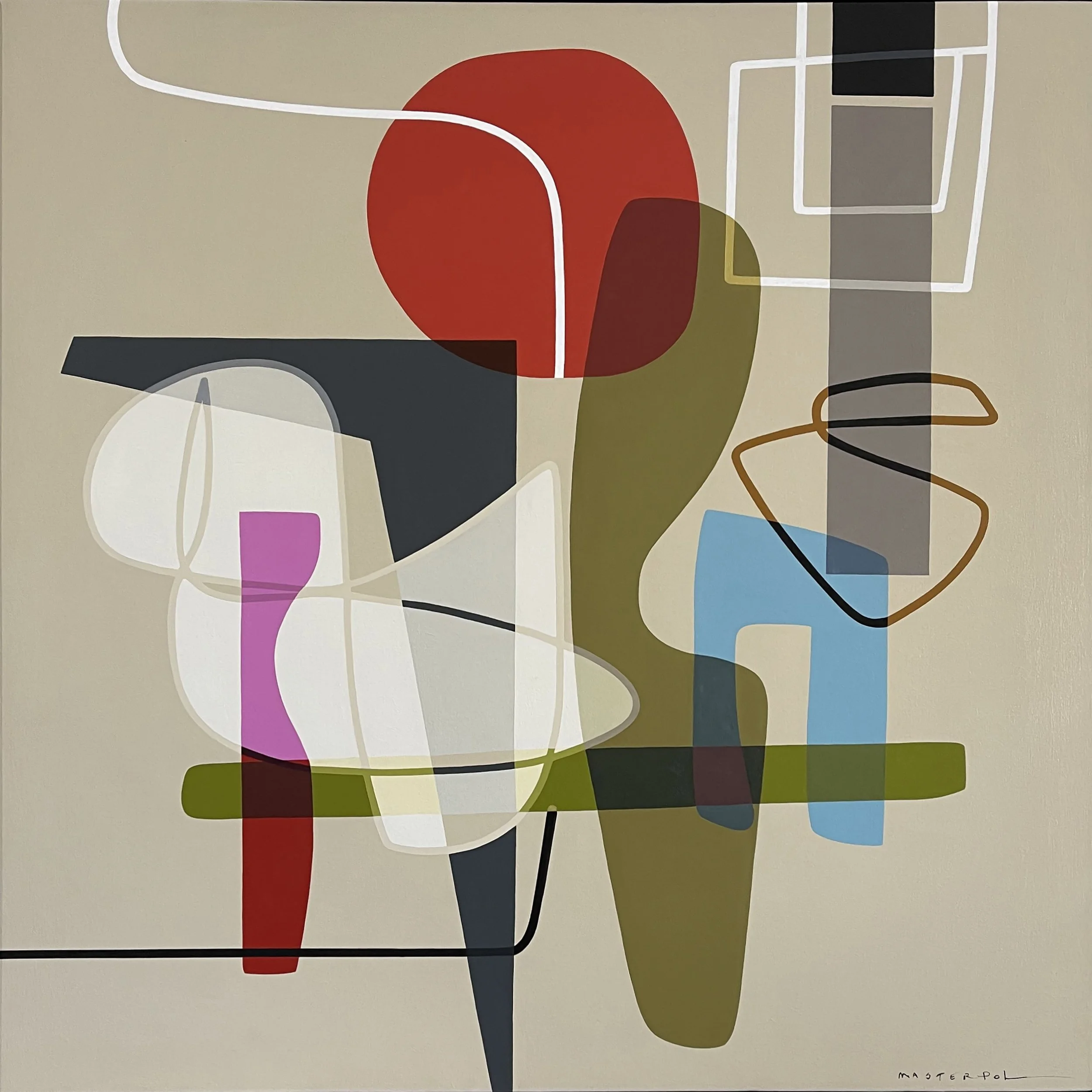
Corbusier 2021 acrylic 99.06x99.06
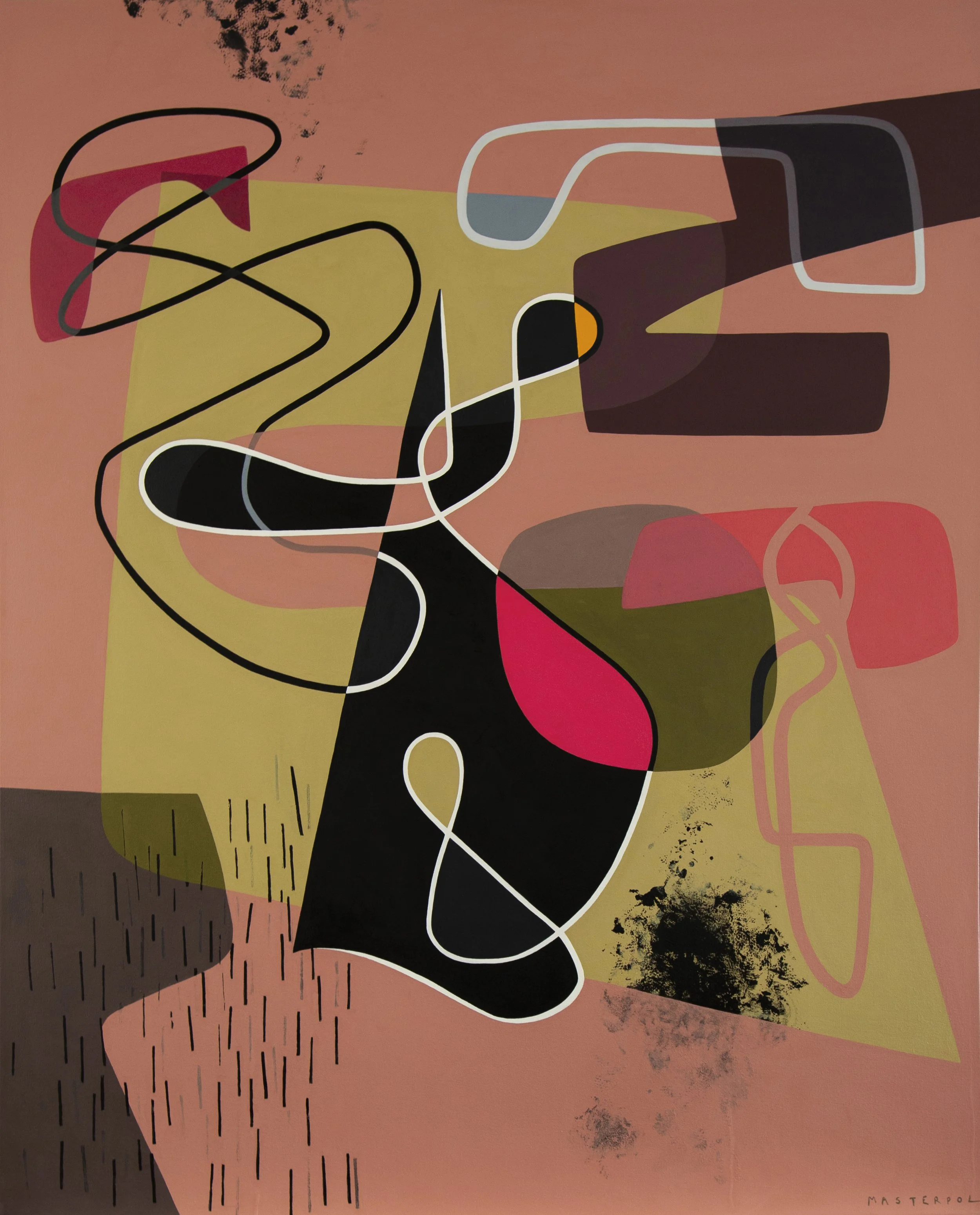
GEOCENTRIC 2020 acrylic 152.4x121.9
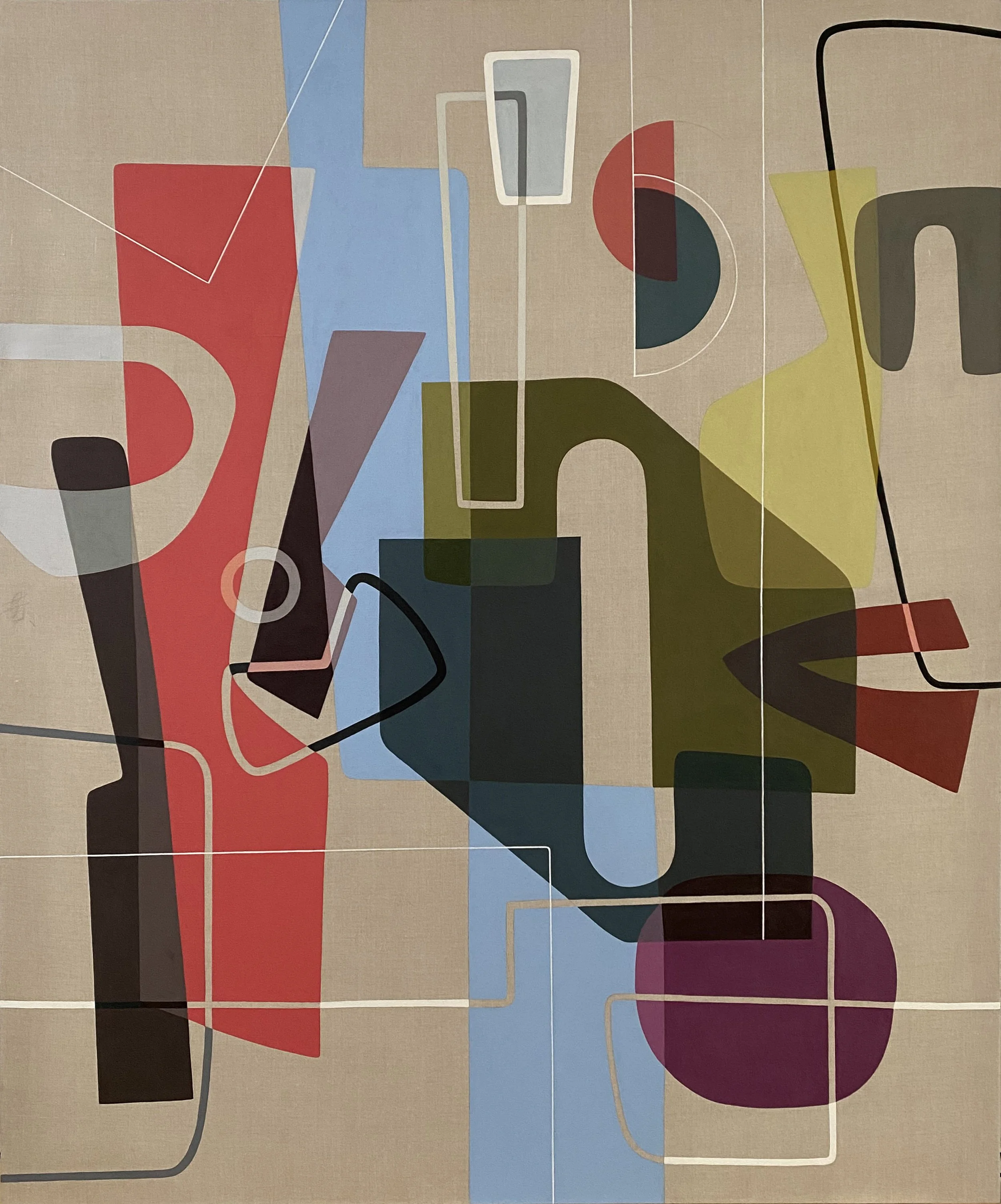
CATHEDRAL 2020 acrylic on linen 182.88x152.4BALANCE
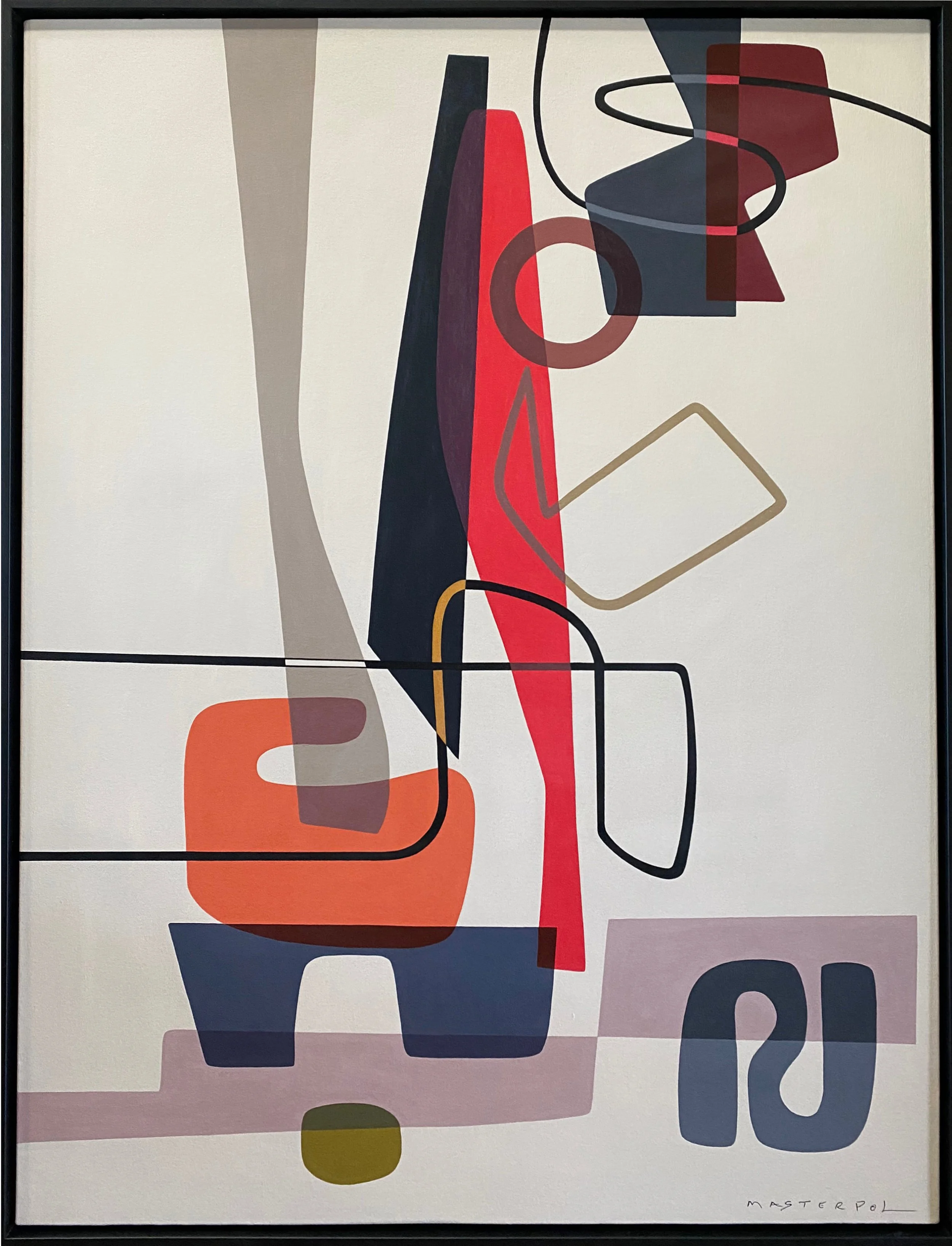
BALANCE 2021 acrylic 121.92x91.44
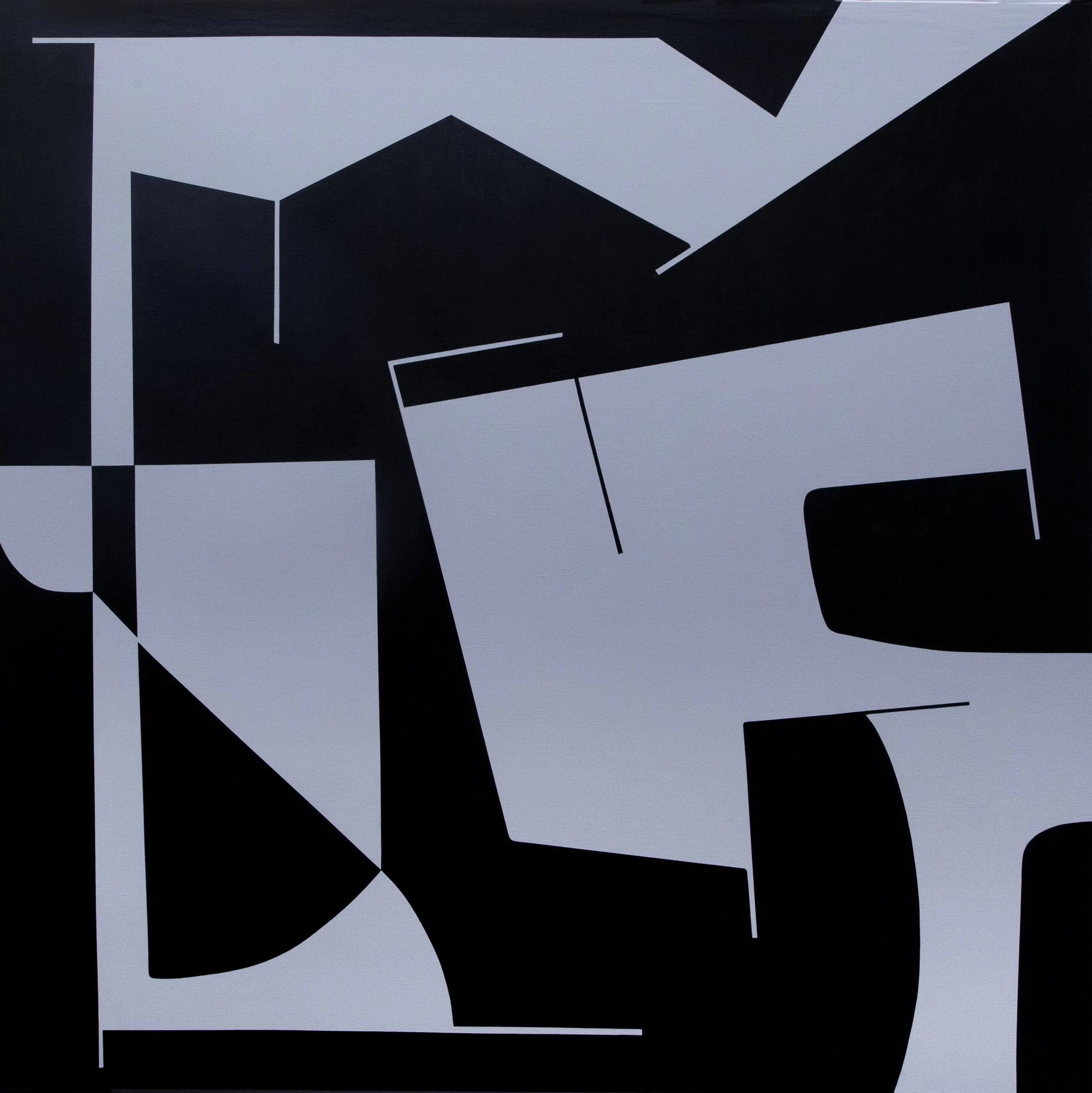
RUBICON 2025 acrylic 182.88x182.88