Majo Portilla
There are artists whose work is animated by style, and there are artists whose work is compelled by necessity. Majo Portilla belongs unmistakably to the latter. Her paintings do not arise from the mere pleasure of chromatic orchestration or formal invention, though both are present in abundance. They are driven instead by an insistence that art function as a connective tissue: between continents, between memory and migration, between the solitary body and the collective horizon. Based in Hilversum yet shaped by a life that has unfolded across continents, Portilla was born in El Salvador and raised in Guatemala before eventually making the Netherlands her home. This trajectory, spanning cultures and geographies, forms the underlying matrix through which her visual language unfolds. Her Dutch, Salvadorian and Guatemalan heritage situates her within a transnational condition that is not merely biographical but structural, informing the emotional and cultural architecture of her work.
Her oeuvre, spanning over two decades and exhibited in more than twenty countries, has been featured in publications such as Vogue, Vanity Fair, Tatler, and World of Interiors UK. Yet beyond the cultural glamour of such platforms lies a practice deeply anchored in philosophical reflection and social engagement. As Art Ambassador for ZeeArts and United Nations’ SDGs Through Arts and Ambassador for Elephant Parade International, Portilla articulates a position in which the artwork exceeds the confines of aesthetic contemplation. It becomes an ethical proposition. Her own statement, that art is connection, identity, and purpose, is not rhetoric. It is a conceptual armature underpinning every canvas.
Portilla’s practice synthesizes abstraction, figuration, and contemporary expressionist strategies into a singular pictorial vocabulary. Thick impasto, gestural swaths of pigment, and a chromatic register oscillating between tropical vibrancy and muted introspection define her surfaces. These are not neutral formal choices. They resonate with the broader cultural strata of Latin America, from the chromatic vitality of Central American festivities to the symbolic density of pre Columbian visual traditions and the ritualistic power of color as both ornament and invocation. In her hands, color is not decorative. It is ontological.
If one were to situate her within a historical lineage, one might look to Frida Kahlo, not for biographical parallel, but for the manner in which personal and cultural identity become inseparable from pictorial form. Like Kahlo, Portilla does not paint the body as a passive subject. The body becomes the site where history, trauma, love, and transformation are inscribed. Yet where Kahlo’s surfaces are meticulous and iconographically dense, Portilla’s are fractured, layered, and gestural. She translates identity into a field of painterly sediment, where meaning accumulates through texture.
The earliest work presented here, Bruno from 2010, reveals the seeds of her ongoing preoccupation with the human figure as existential emblem. The canvas is dominated by a red suffusion, a chromatic atmosphere that engulfs the seated figure in a womb like enclosure. The body is simplified, the face erased, its anonymity heightening the universality of the posture. Knees drawn inward, arms folded in quiet containment, the figure becomes less an individual than an archetype of vulnerability. The red ground, neither violent nor purely sensual, functions as an emotional temperature. It oscillates between interiority and exposure. The painting situates the human subject within an environment that is both sheltering and oppressive, suggesting the ambivalence of belonging.
In Love from the same year, Portilla approaches figuration through a more graphic abstraction. The canvas is saturated in blue, lines delineating a face and folded arms with economy. The blue is not simply melancholic; it is contemplative. Here, abstraction becomes a language of distillation. The human form is reduced to essential geometry, evoking the legacy of early modernist simplification. Yet the emotional charge remains. The closed eyes and inclined head signal introspection, an inward turning that resists spectacle. In this early pairing of works, one witnesses Portilla navigating between expressive saturation and minimal linear articulation. The dialectic between these approaches becomes a constant in her later practice.
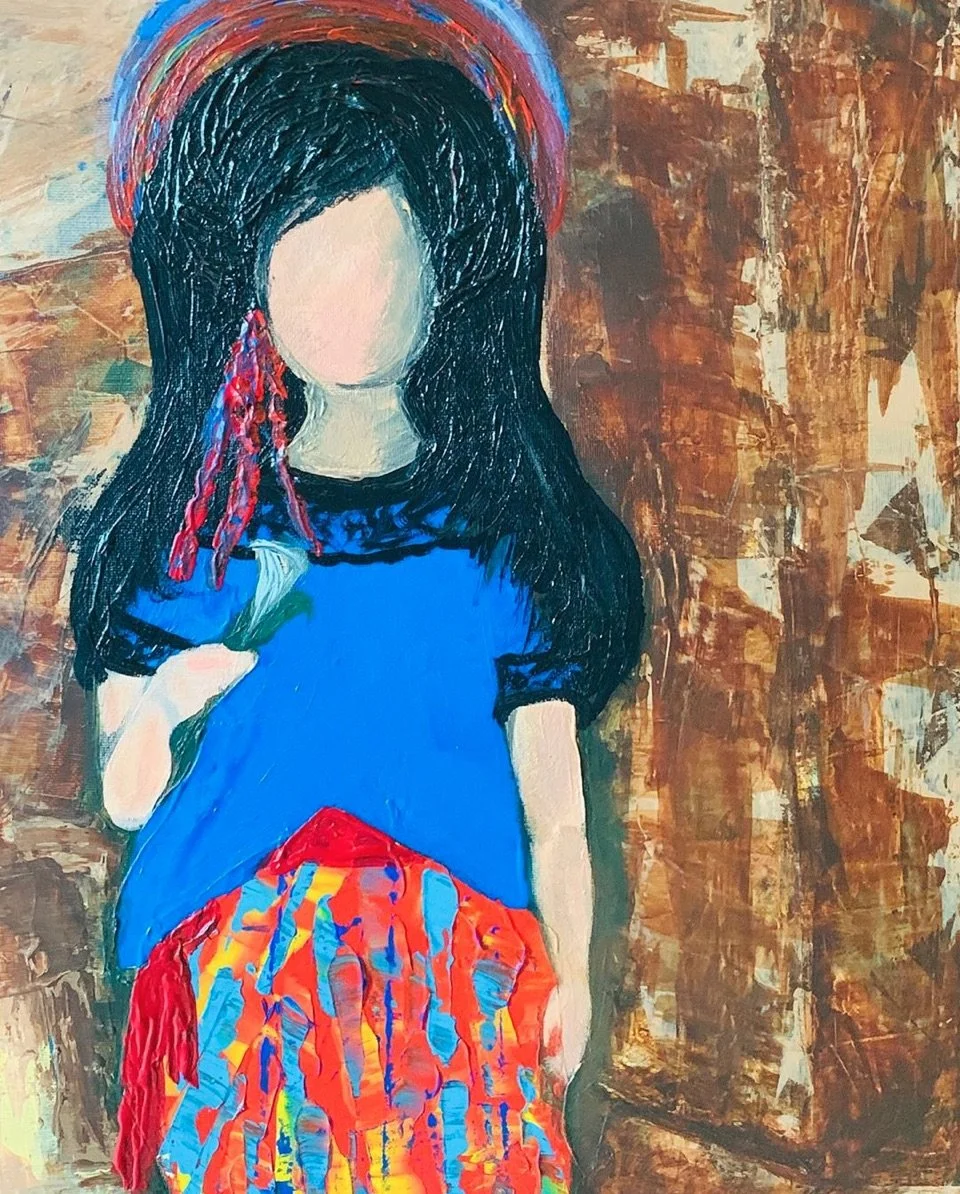
With Plantation from 2019, her painterly language shifts toward a more overtly narrative figuration. A faceless female figure stands against a textured ground of ochres and earth tones. Her blue blouse and multicolored skirt introduce a chromatic contrast that evokes both festivity and resilience. The absence of facial features is striking. It displaces identity from physiognomy to posture, attire, and context. The red flower held delicately becomes an emblem, at once fragile and assertive. The title invites a reading entangled with histories of land, labor, and colonial inheritance. Yet Portilla resists literalization. Instead, she offers a figure who stands in quiet dignity, her facelessness transforming her into a vessel for collective memory. The painting becomes a meditation on heritage, on the invisible histories carried within the female body.
The theme of interiority intensifies in In between Words and Silence from 2025. A seated figure occupies the canvas, arms drawn close, the surrounding space rendered in muted neutrals. The body is articulated with subdued tonal gradations, emphasizing contour and weight. There is an almost sculptural stillness. The title suggests the liminal space between articulation and repression, between speech and quietude. Portilla captures this tension through compositional restraint. The negative space surrounding the figure becomes as significant as the figure itself. Silence is not emptiness; it is potential. The painting resonates with contemporary concerns about voice, agency, and the emotional labor of containment.
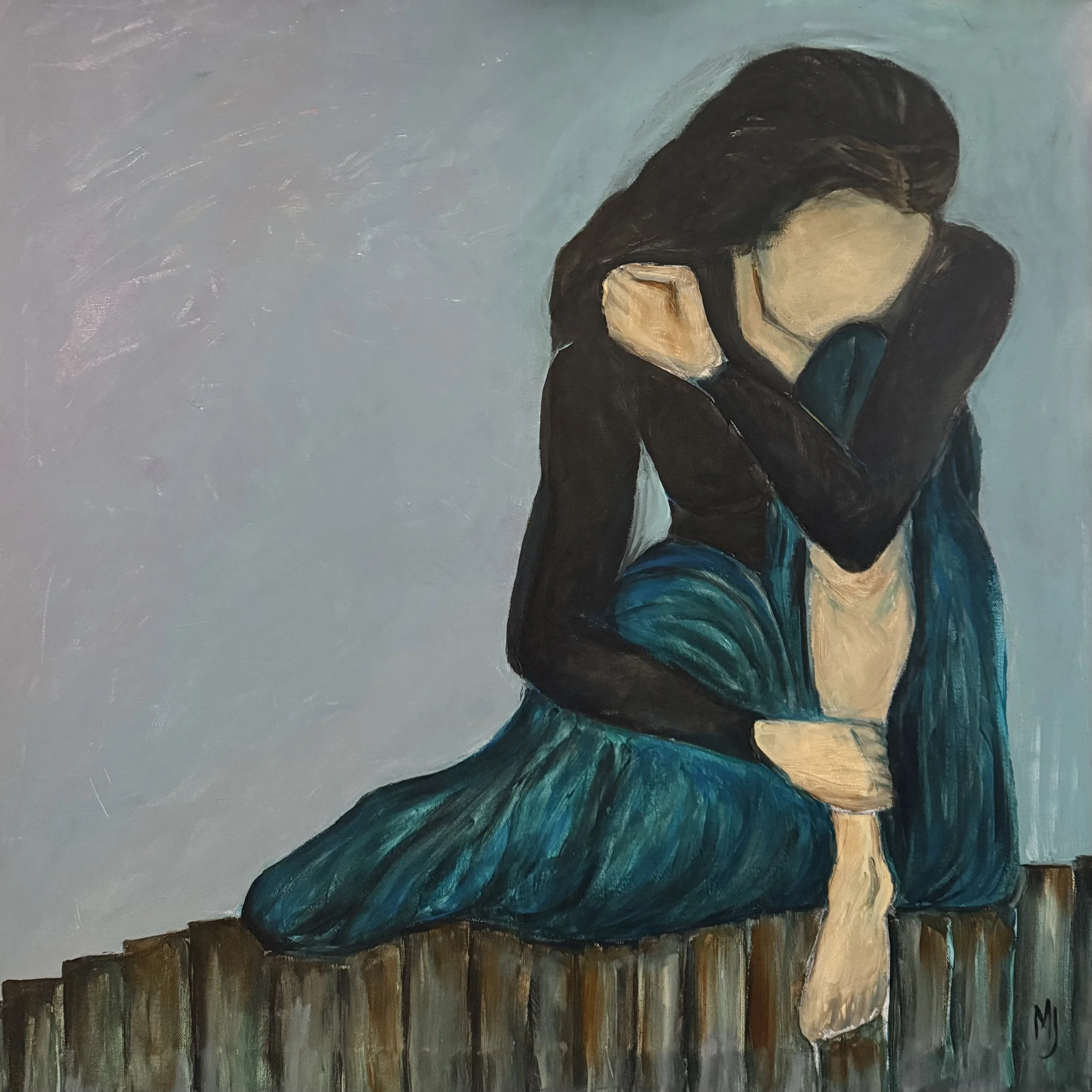
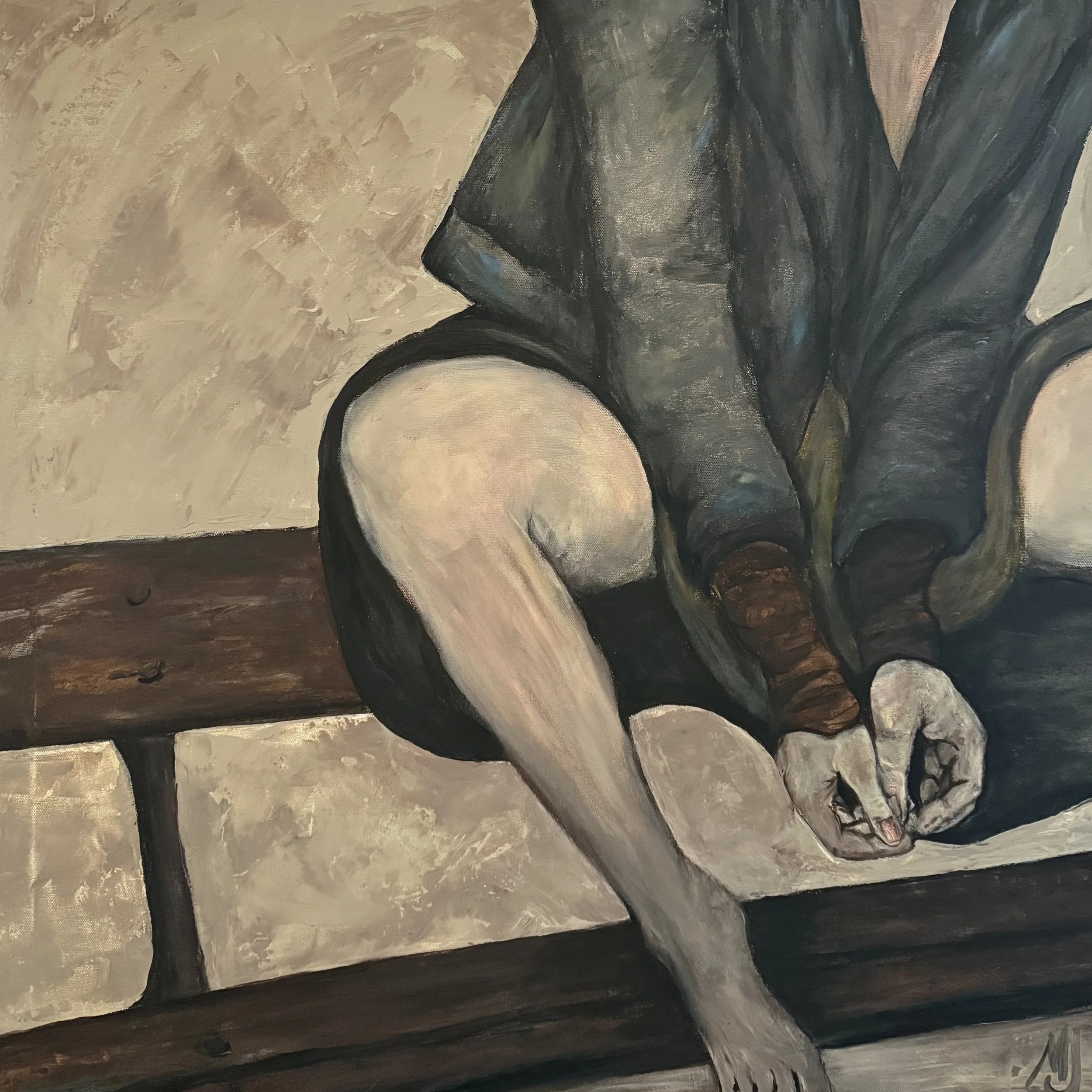
In She from 2024, a similar motif of self embrace appears, yet the chromatic atmosphere shifts toward cooler blues and greens. The figure perches upon a wooden surface, her teal dress cascading in gentle folds. The facelessness persists, but here it reads less as anonymity and more as introspective withdrawal. The dark sleeves envelop the torso, creating a visual echo of protection. The painting is suffused with a melancholic tenderness. Portilla renders the body as a site of self consolation, suggesting that resilience often begins in acts of self holding. The cool palette underscores an emotional climate of quiet endurance rather than despair.
Thinking of You from 2024 reintroduces abstraction as structural principle. Two forms, leaning into one another, are rendered with vigorous impasto in oranges, whites, and deep blues. Their surfaces are fractured, layered, almost geological. The faces are suggested rather than defined, dissolving into painterly sediment. Here, love or memory is not illustrated; it is enacted through the merging of forms. The paint itself becomes the medium of intimacy. The thickness of application conveys emotional density. Portilla’s brushwork oscillates between control and abandon, as though the act of remembering were itself a layering process.
A related yet distinct exploration unfolds in You from 2024. Two figures stand closely, one slightly behind the other, their bodies defined by a vibrant interplay of yellows, reds, and whites. The gesture of embrace is implicit in their proximity. The lack of facial detail directs attention to the chromatic vitality of their forms. This is not romanticism in a sentimental sense. It is an assertion that relationality is foundational. The figures are not isolated entities but interdependent structures. In the context of a globalized and often fragmented society, such imagery assumes ethical weight. Portilla proposes intimacy as resistance to alienation.
The monumental canvas Dare to Dream from 2024 marks a significant expansion in scale and ambition. The central figure, adorned with heart like motifs suspended above her head, releases birds into a white expanse. The composition juxtaposes linear verticality with the diagonal flight of avian forms. The birds, rendered in dynamic strokes of blue and orange, embody aspiration and transcendence. The faceless head becomes a conduit for imagination. The painting operates allegorically. Dreaming is not passive reverie; it is a structural act of projection. In the context of Portilla’s engagement with social initiatives, the work reads as a manifesto. It asserts that imagination is a prerequisite for transformation. The white ground, far from empty, becomes a field of possibility.
Dance from 2023 returns to a more gestural abstraction. The canvas is a tumult of browns, creams, and flashes of pink, the forms interweaving in rhythmic motion. If earlier works present the body as figure, here the body dissolves into movement. The painting enacts the kinetic energy of dance through sweeping strokes and textural density. It recalls the gestural freedom of abstract expressionism, yet the chromatic palette remains tethered to earthy and corporeal tones. Dance becomes metaphor for cultural continuity. It is an embodied memory transmitted across generations. The canvas itself seems to pulse.
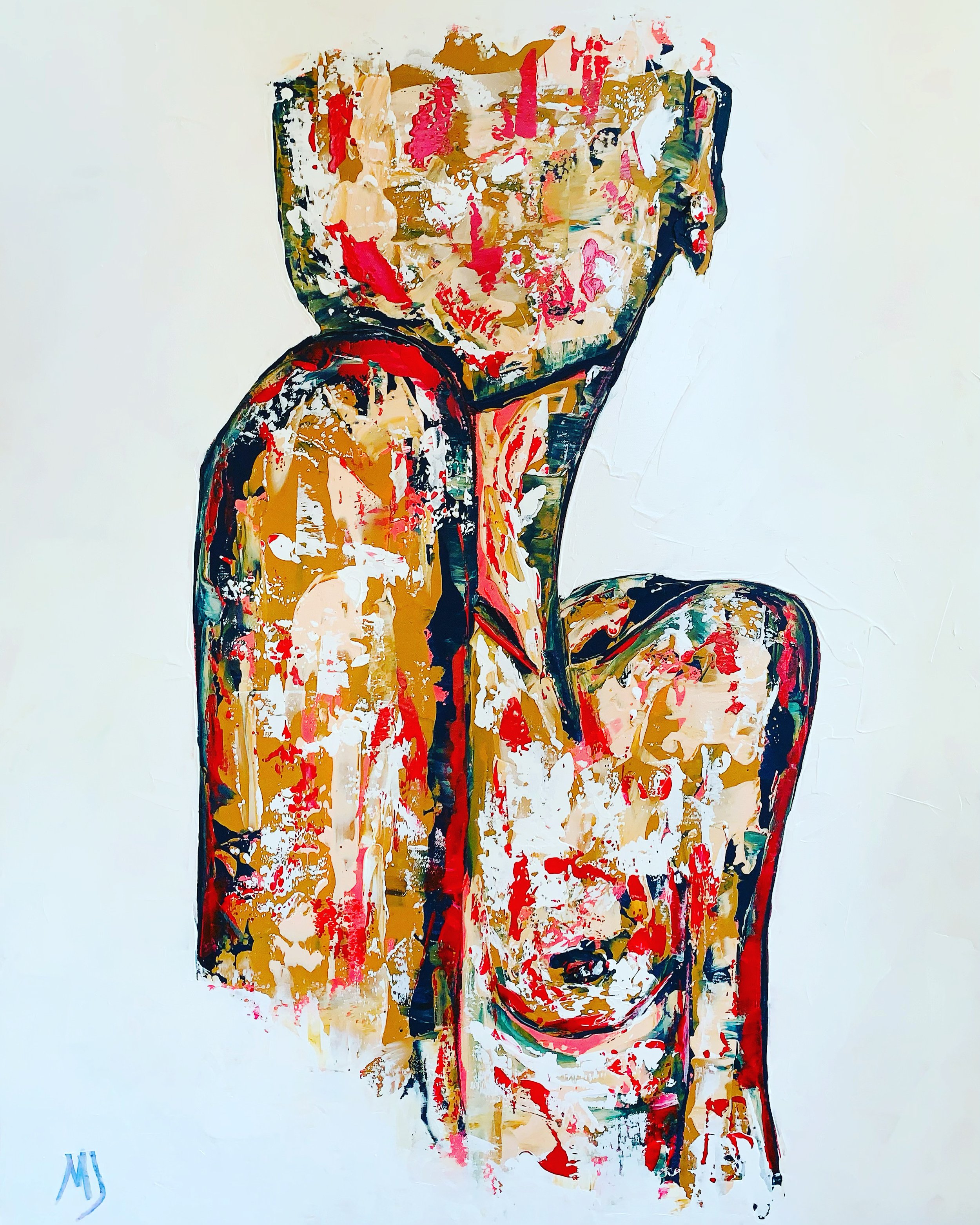
Finally, Love Can Never Be Taken from 2025 crystallizes Portilla’s philosophy into a succinct visual statement. Two abstracted figures lean against one another, their surfaces layered with warm yellows, reds, and whites. The composition is spare, set against a white ground that isolates the forms. The title frames the work as assertion. Love, in this formulation, is not contingent upon external circumstance. It is intrinsic. The figures’ proximity suggests mutual support. The paint application, though textured, is less chaotic than in Dance. There is a sense of consolidation, of maturity. Portilla arrives at a visual economy that carries emotional clarity without excess.
Across these works, several thematic threads emerge. The faceless figure recurs, functioning as both universal archetype and critique of identity politics. By withholding facial specificity, Portilla resists the commodification of the individual image. Instead, she foregrounds posture, color, and relational dynamics. Identity becomes relational rather than fixed. This strategy aligns with contemporary philosophical discourse that conceives of the self as constructed through interaction.
Equally central is her chromatic philosophy. The saturated reds and oranges evoke warmth, passion, and ancestral vitality. The blues introduce introspection and contemplation. Earth tones anchor the compositions in materiality, recalling soil and terrain. Color in Portilla’s practice is never neutral. It is symbolic without becoming didactic. It carries cultural memory while remaining open to interpretation.
Her engagement with initiatives such as ZeeArts and United Nations’ SDGs Through Arts and Elephant Parade International situates her practice within a broader socio ecological framework. Yet the paintings do not devolve into propaganda. Instead, they operate on a subtler register. By foregrounding connection, resilience, and relationality, Portilla contributes to a visual discourse that counters fragmentation. In a world increasingly defined by displacement, polarization, and environmental precarity, her insistence on belonging assumes urgency.
Within the contemporary art scene, Portilla occupies a space that bridges the commercial and the conceptual. Her visibility in international publications reflects her aesthetic accessibility. Yet accessibility should not be conflated with superficiality. Beneath the vibrant surfaces lies a sustained inquiry into the conditions of identity in a transnational era.
Her Central American roots, refracted through her European base, create a productive tension that animates her canvases with both warmth and introspection.
To encounter her work is to witness a painter navigating the space between continents and consciousness. The canvases hold within them the density of memory and the lightness of aspiration. They insist that art, when tethered to purpose, transcends decoration. It becomes an instrument of cultural continuity and social imagination.
Majo Portilla’s place in contemporary art history will likely be defined not solely by her stylistic synthesis, nor by her international acclaim, but by her unwavering commitment to connection. In her hands, the canvas is not a boundary. It is a bridge. Through layered pigment and faceless forms, she charts the emotional topography of a world in search of belonging.
By Marta Puig
Editor Contemporary Art Curator Magazine
Love Can Never Be Taken, 2025, Acrylic on Canvas 80cm x 80cm
In between Words & Silence, 2025, Acrylic on Canvas 80cm x 80cm
She, 2024, Acrylic on Canvas 80cm x 120cm
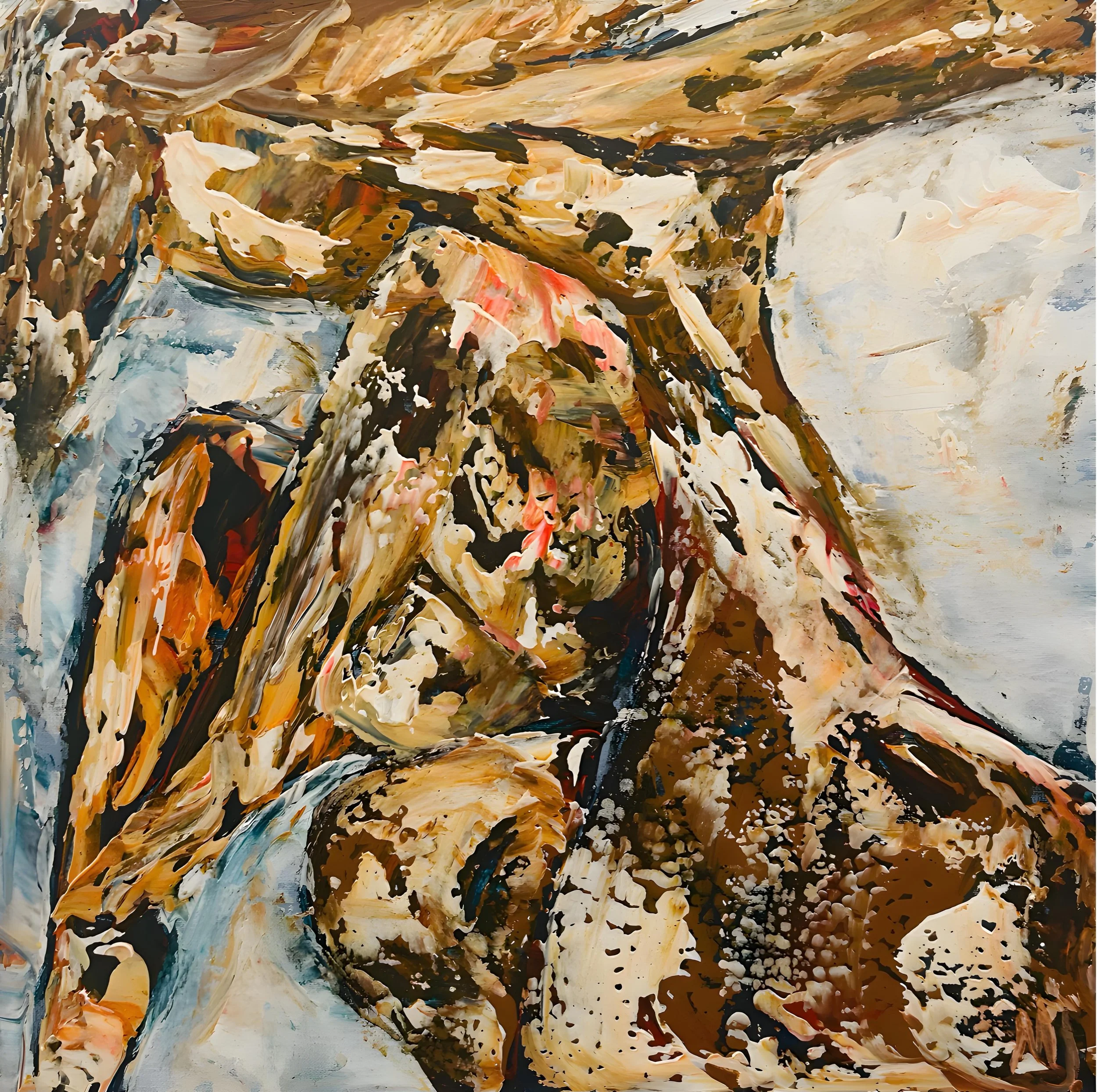
Dance, 2023, Acrylic on Canvas 50cm x 50cm
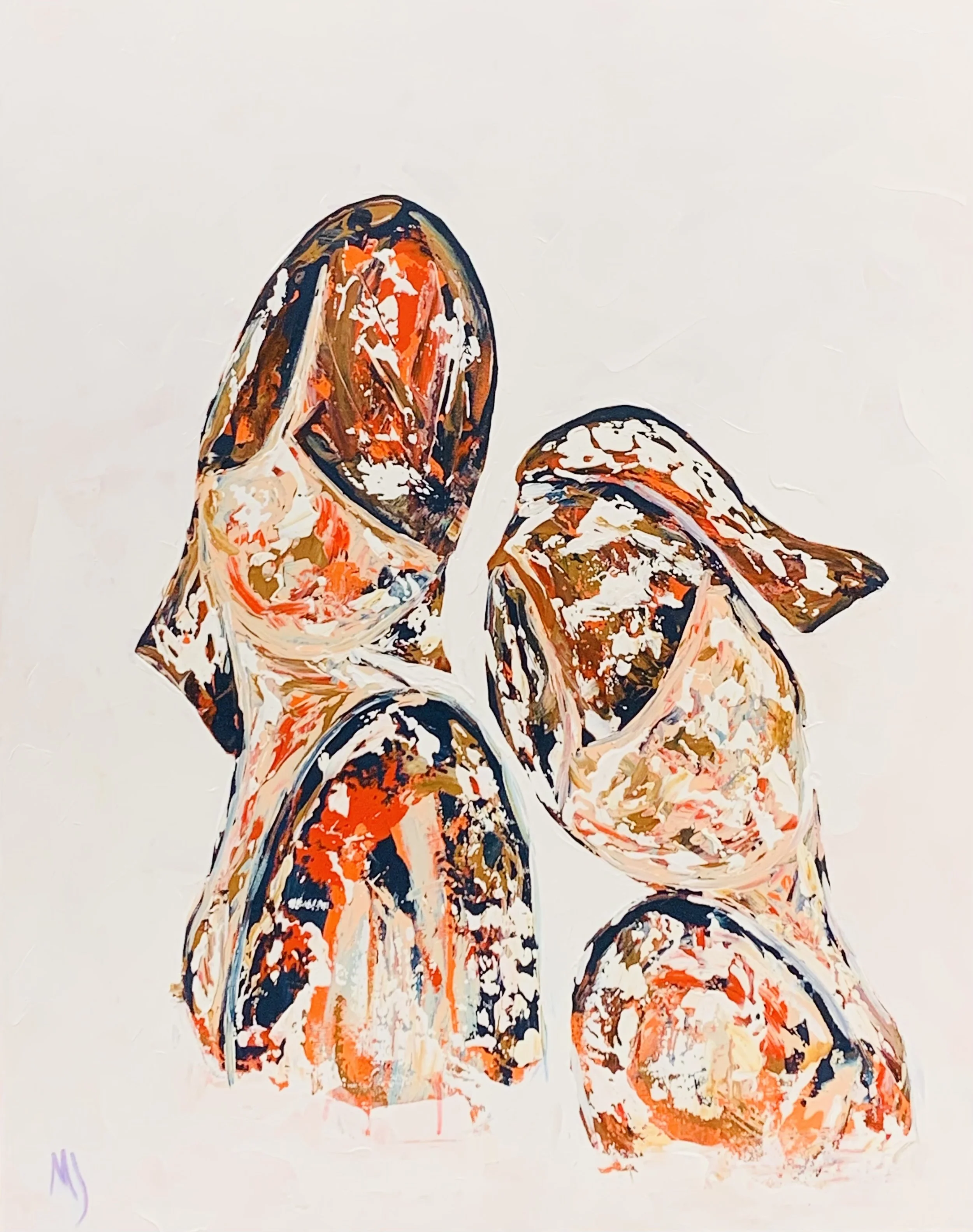
Thinking of You, 2024, Acrylic on Canvas 80cm x 120cm
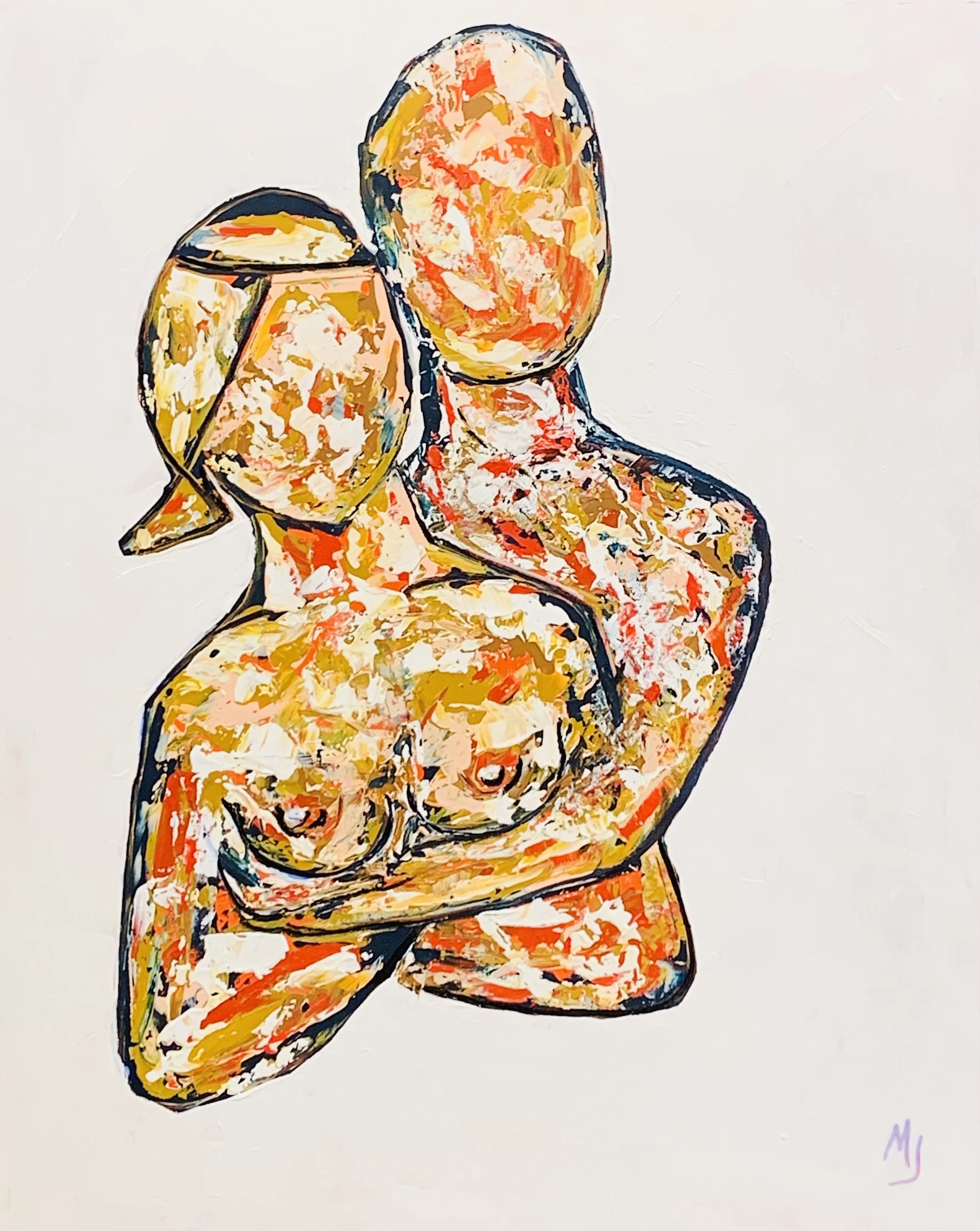
You, 2024, Acrylic on Canvas 80cm x 120cm
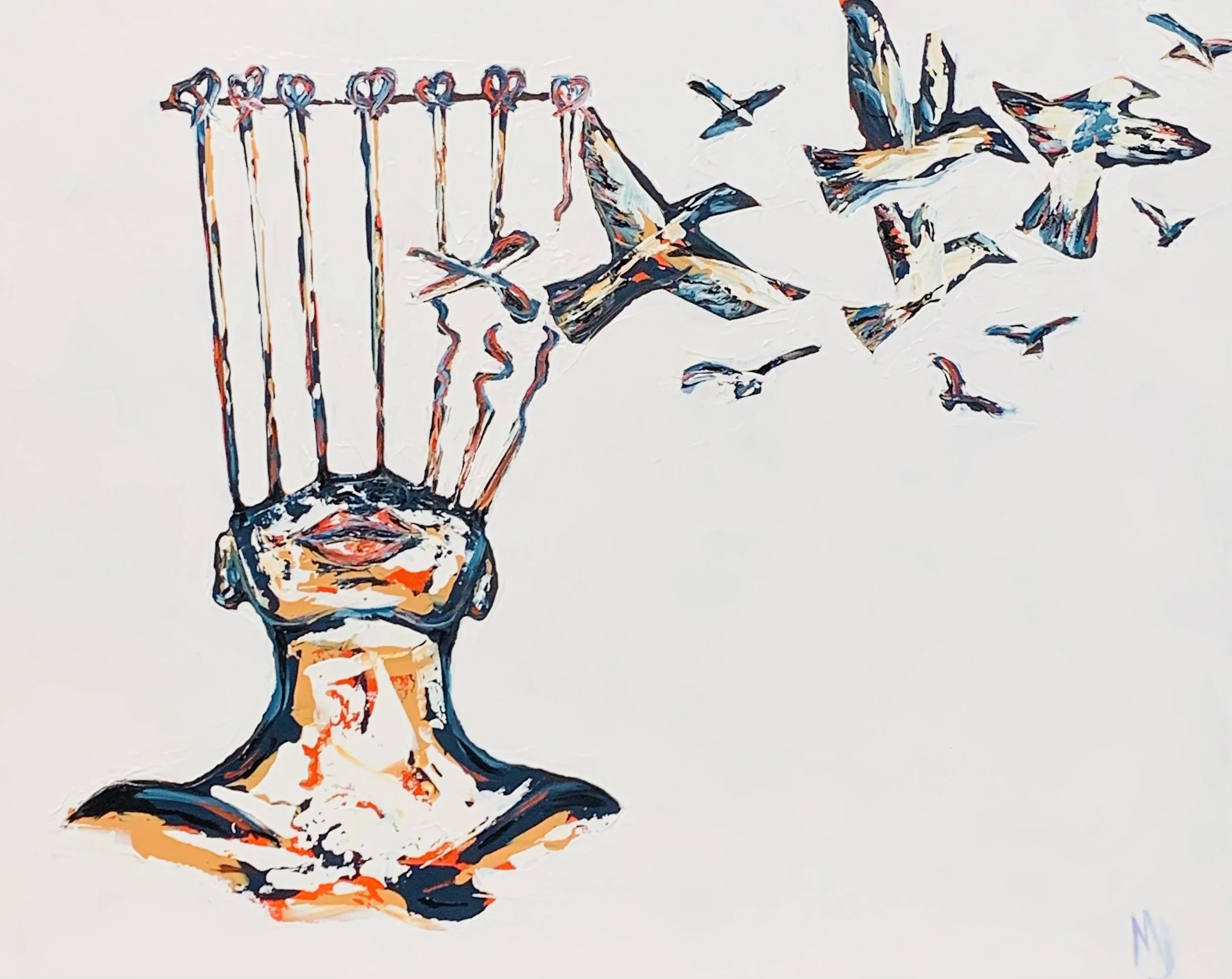
Dare to Dream, 2024, Acrylic on Canvas 120cm x 80cm
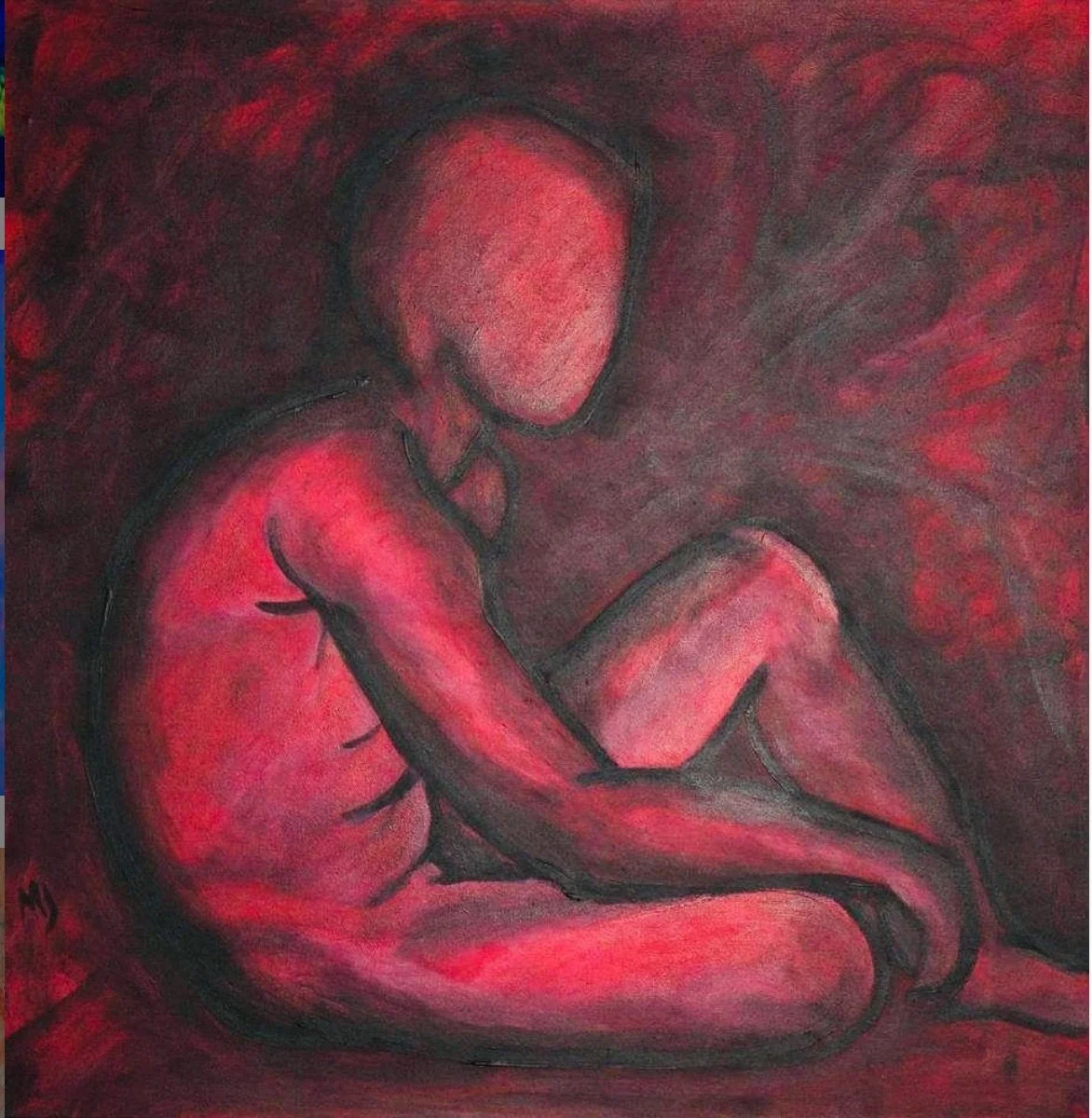
Bruno, 2010, Acrylic on Canvas 100cm x 100cm
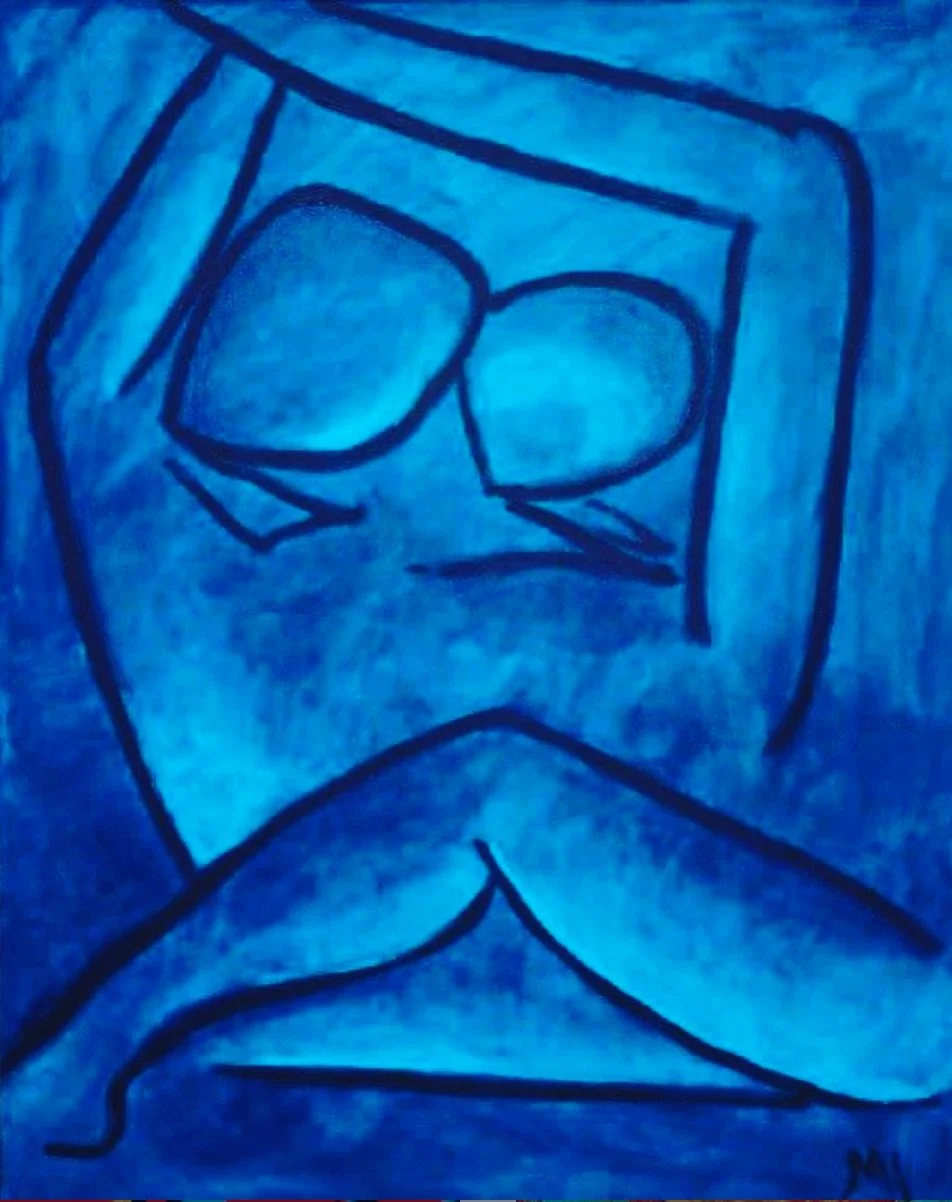
Love, 2010, Acrylic on Canvas 100cm x 100cm
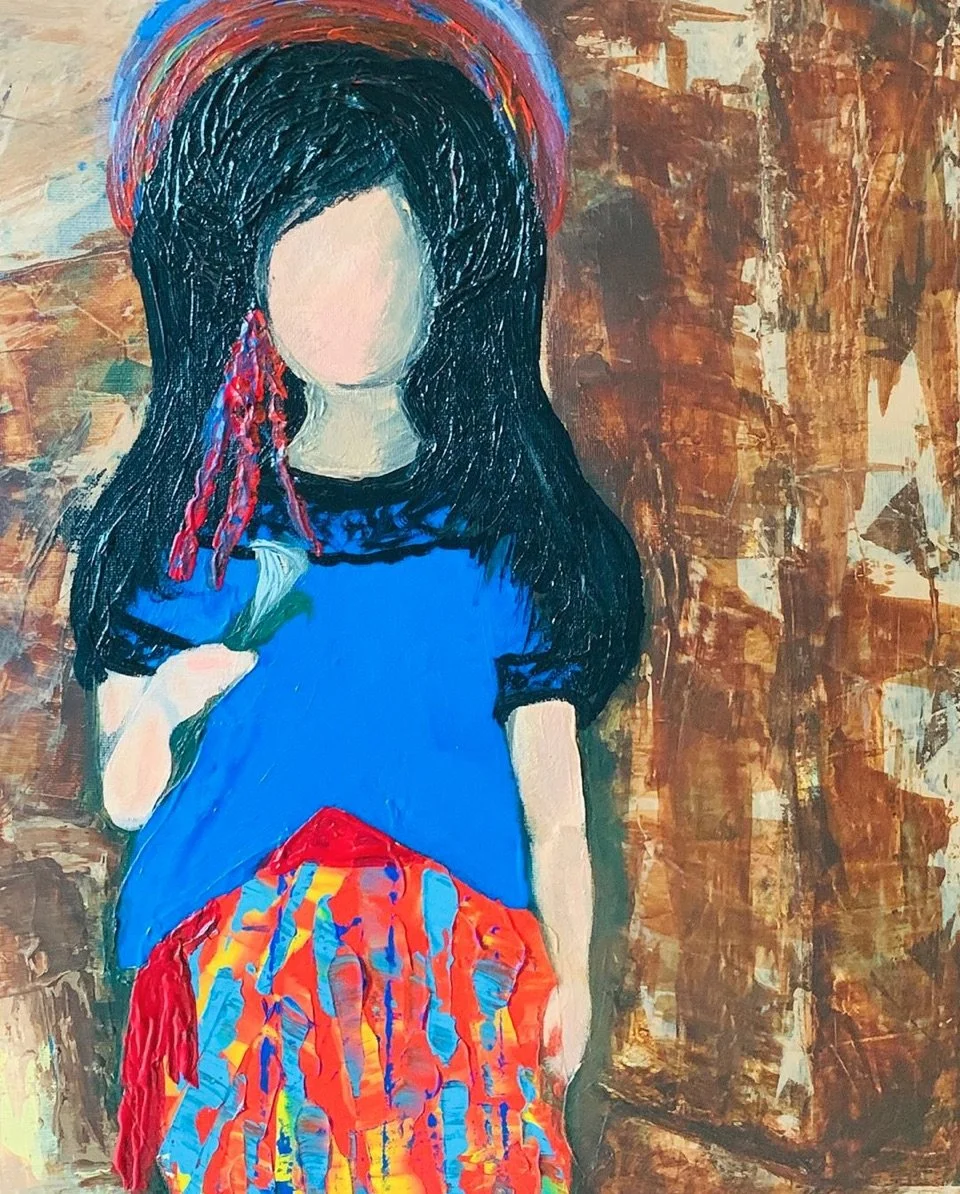
Plantation, 2019, Acrylic on Canvas 80cm x 60cm