Interview with Karima Al-shomely
www.karima-uae.com
Instagram: @karima.uae
Short Biography:
Dr. Al-Shomely is an artist, visual researcher, and educator. Her prints, photographs, paintings, and installations have been featured in many important exhibitions both in the UAE and internationally. Recent exhibitions include “Their Stories” at ECC, Venice, Italy (2024) and “Sahhara Hidden Adornments” at Maraya Art Centre, Sharjah (2022). Al-Shomely has exhibited in numerous international venues, including Expo 2020-Dubai, Saudi Arabia, Paris, Berlin, Houston, London, New York, Seoul, and Bonn. Awards include First Place in Sultan Al-Owais Award (2018, 2005, 2002), Prize from the 5th Egyptian International Print Triennial, Cairo (2006), and Second Prize in the Sharjah International Art Biennial, Installation Category (2001). Her research focuses on Islamic geometry and the heritage iconography of Emirati women. Dr. Al-Shomely is an Assistant Professor of Fine Arts and Coordinator of the Year One Program.
Education:
2016, PhD Fine Arts, Kingston University, UK.
2009, Master Fine Arts, University of Arts London, Chelsea College of Arts and Design, London, UK.
2007, Bachelor of Fine Arts, Sharjah University, Sharjah, UAE.
1986, Bachelor of Accounting, Economics, UAE University, Al-Ain, UAE.
Publications:
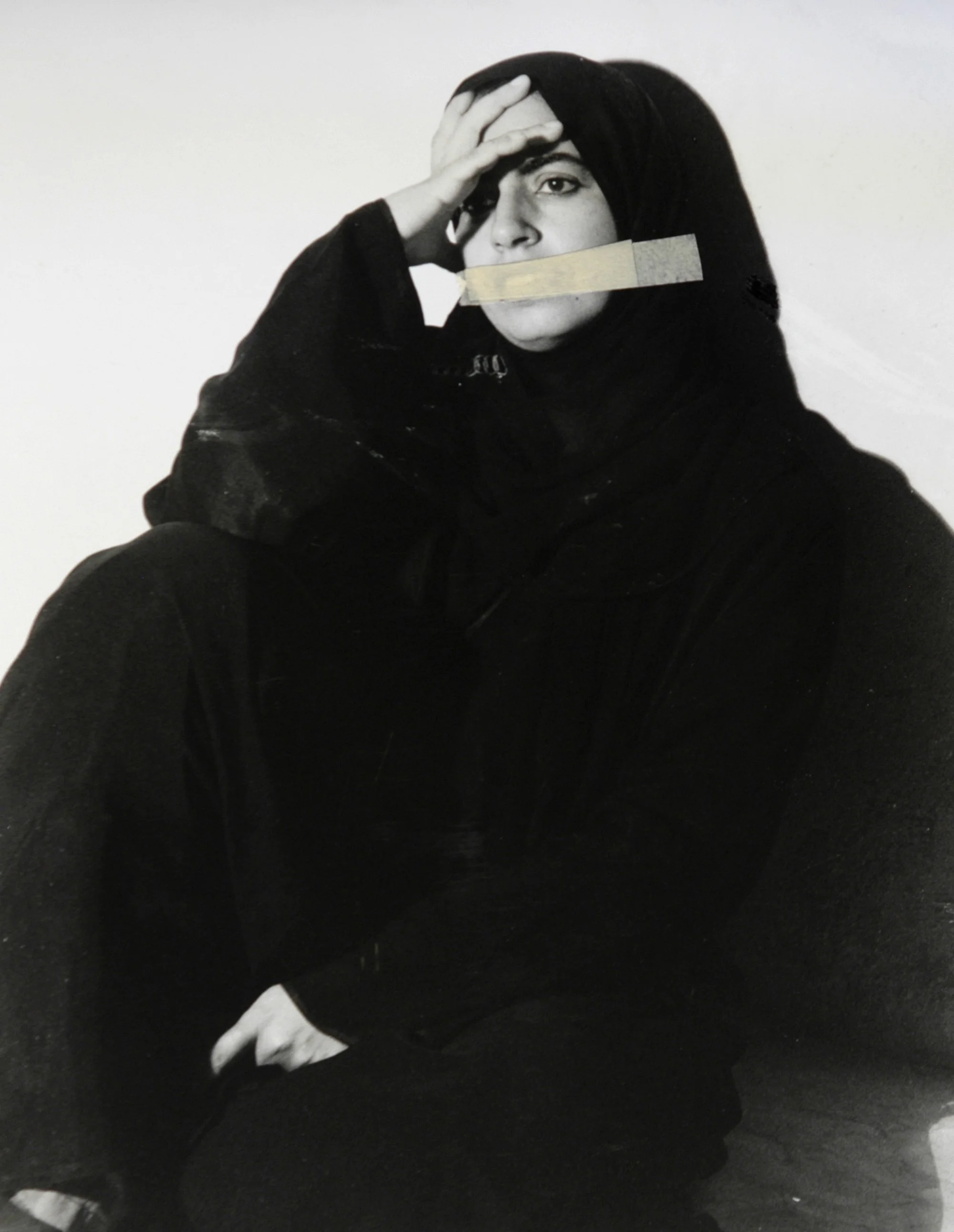
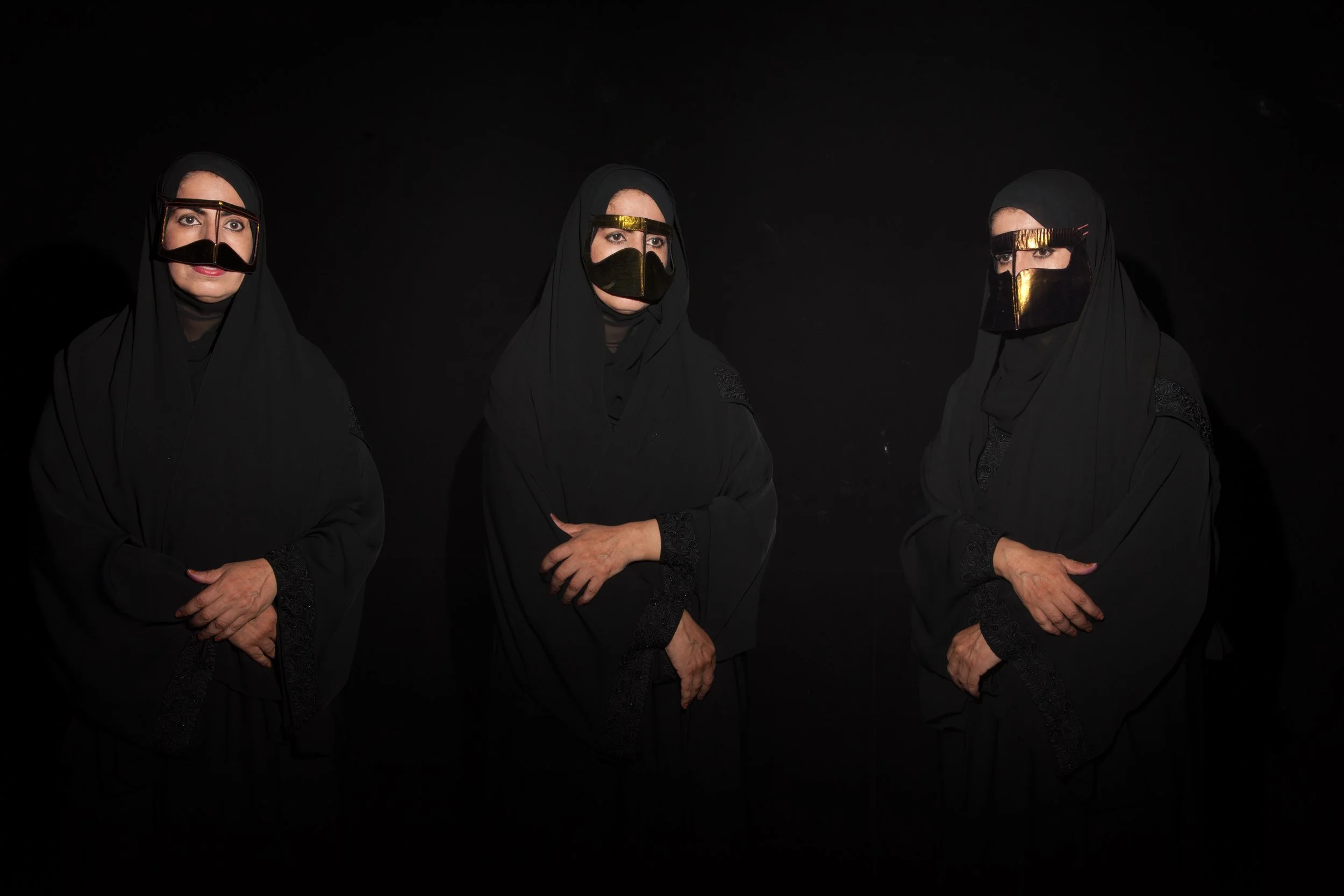
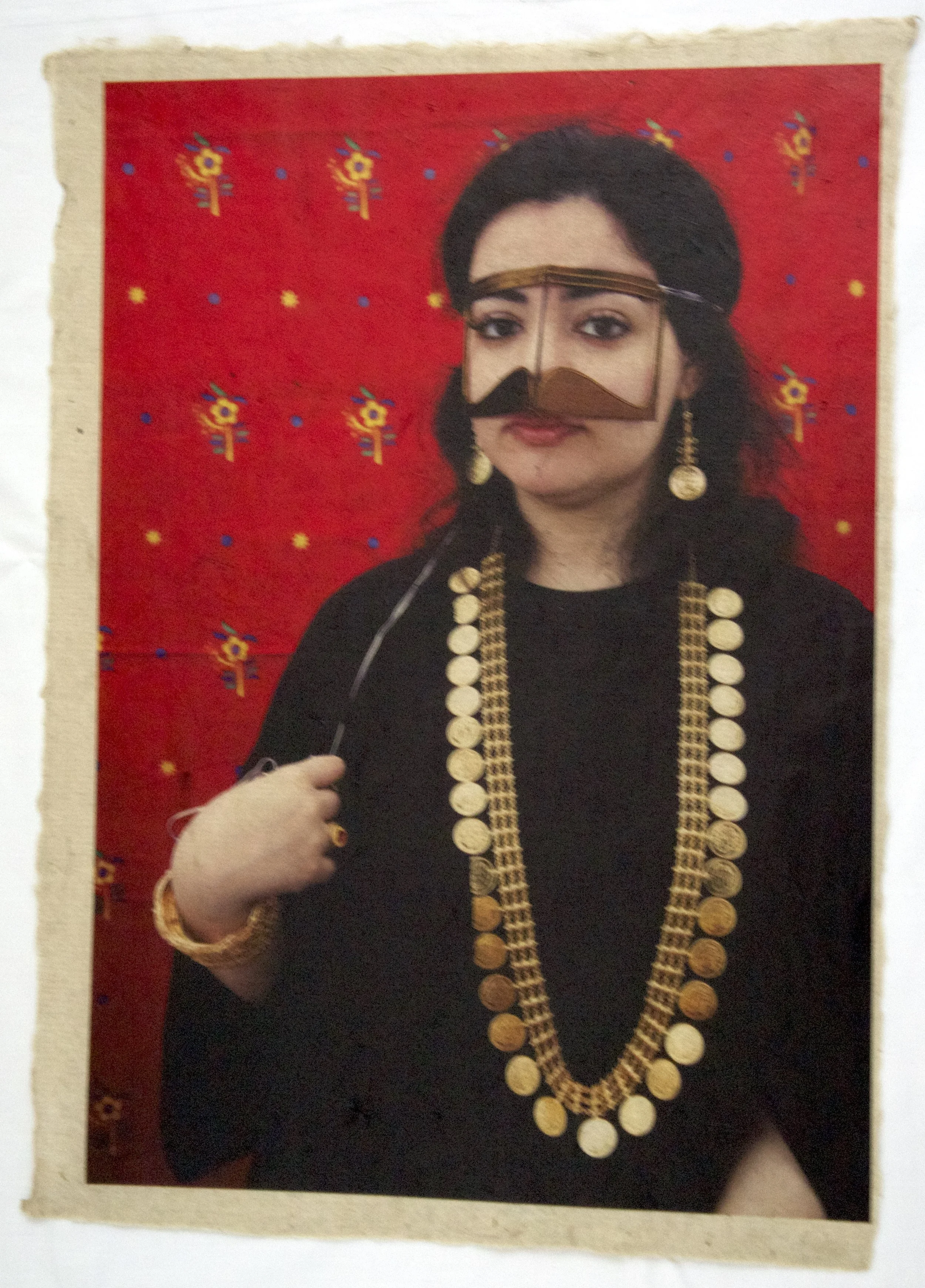
Chapter in book: Fashion Performance & Performativity, The Emirati Burqa: "An Intimate Object" from Culture, Historical, and Contemporary Art Perspective, UK, 2022, ISBN: HB: 978-1-3501-0619-2.
“Building Assessment Tool for Contemporary Applications in Art and Architecture Inspired by Islamic Geometric Patterns”, Civil Engineering and Architecture, Scopus Indexed – DOI: 10.13189/cea.2024.120133.
Systematic Review Sustainability Implications of Utilizing Islamic Geometric Patterns in Contemporary Designs, a Systematic Analysis, 2023, 13, 2434. https://doi.org/10.3390/buildings13102434.
البرقع الإماراتي من منظور ثقافي وتاريخي وفني معاصر, Journal Article, 2023, https://drive.google.com/file/d/1clYJq5GNdkb53GDGEXKGGhf2FiexiTaS/view.
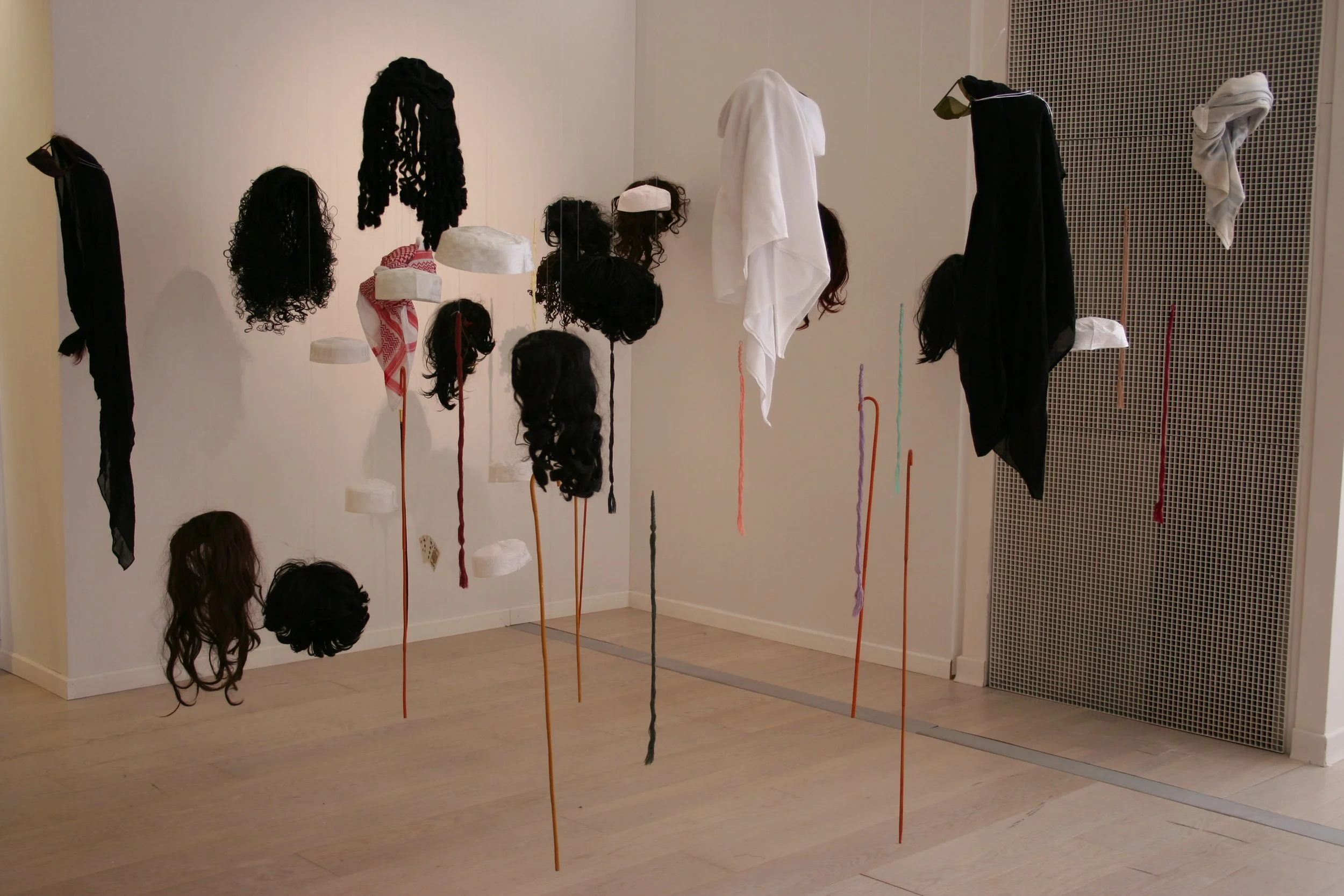
Sahhara, Hidden Adornments, solo exhibition catalogue, ISBN: 978-9948-804-2205.
The Emirati Burqa: An Intimate Object, solo exhibition catalogue.
Buqshe’, solo exhibition catalogue.
Conferences & Workshops:
Conference:
2025, Integrating Biomimicry and Sustainable Materials in Design, Nineteenth International Conference on Design Principles & Practices, LASALLE College of the Arts, Singapore.
6th International Conference on Contemporary Affairs in Architecture and Urbanism, Istanbul, Turkey, 14-16 June 2023.
2021, The Emirati Burqa from a Cultural, Historical, and Contemporary Art Perspective, 12th Annual International Conference on Visual and Performing Arts, Virtual Online Conference, Athens, Greece.
2020, Contemporary Perspective of Emirati Burqa, Ninth Arab Contemporary Art Festival Conference and National Identity Art, Virtual Online Conference, Yarmouk University, Jordan.
2017, Fashion, Performance, and Performativity, Loughborough University, London.
Workshop:
2024, Lino Print Workshop, group of Zimbabwean students and teacher from Girls' College Bulawayo, Fine Arts College and Design, Sharjah.
2024, Burqa Making, Sharjah Entrepreneurship, Sharjah.
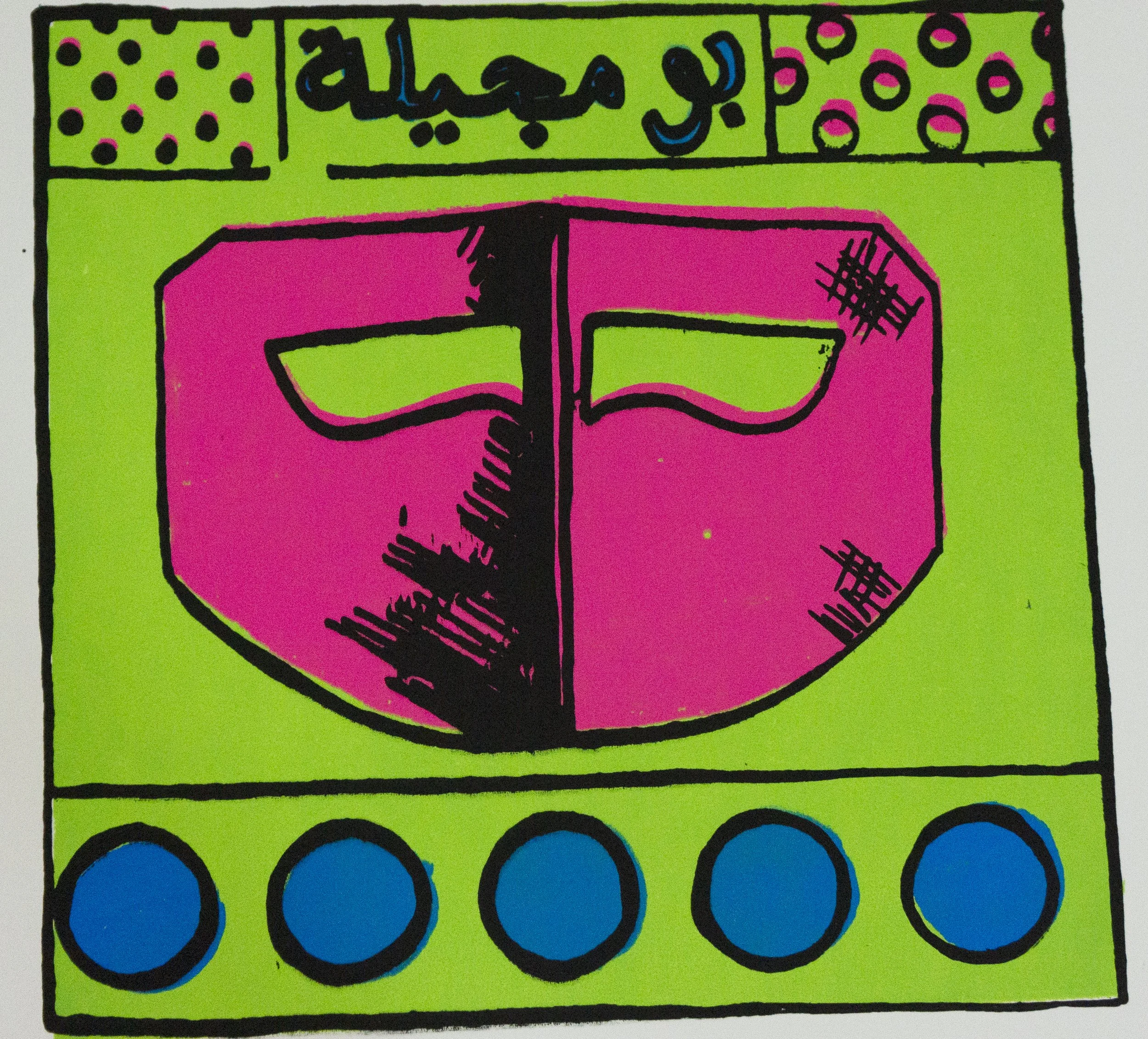
2022, Lino Print Workshop, Maraya Center Public, Sharjah.
2022, Lino Print Workshop, Art Jameel, Dubai.
2022, Lino Print Workshop, Fine Art Society, Sharjah.
2017, Making Emirati Burqa, Me Collectors Room, Berlin, Germany.
2017, Cutting and Making Burqa, Heritage Museum of Sharjah, Sharjah, UAE.
2013, Making Burqa, Fine Art Students, Sharjah University, Sharjah.
2013, Making Burqa, Fashion Students, Kingston University, UK.
2011, Painting, Children’s Workshop, Dubai.
2011, Drawing, Painting Technique, Al-Argem School, Sharjah.
2010, Painting Technique, Orient Meets Occident, Armed Forces Officers Club, Abu Dhabi.
2008, Teach Art, Ministry of Social Affairs, Sharjah.
2008, Workshop, Picasso Art Scape, Abu Dhabi.
2007, Collage, Summer Comp, Dubai.
2007, Found Material, Fine Arts College, Sharjah University, and British Council.
2007, Painting, Al-Khor Garden, Dubai Shopping Festival, Dubai.
2007, Mixed Media, Heritage Village, Sharjah.
2006, Collage, Dubai Police Officers, Dubai.
2005, 2006, 2007, Drawing, Social Society, Ajman.
2002, Art Technique, Arabic Protection Society, Sharjah.
Training Courses:
19/7-13/8/2004, Large Scale Drawing with Color, Life Drawing with Anatomy, Portrait Painting, Life Drawing, Edinburgh College of Art, Scotland, UK.
26/1-6/2/2002, Museum Management, Exhibition, Education, Department of Culture and Information, US Embassy, Abu Dhabi.
1/6-30/6/1998, Watercolors and Pastel Painting, Fine Arts Society, Sharjah.
4/10-31/4/1998, Fine Arts, Sharjah Arts Institute, Sharjah.
30/1/1994, Computer (DOS+Lotus), National Cultural Institute.
3/10/1993, Introduction to Computer, General Information Authority, Dubai.
May 1987, Introduction to Computer Programming, Center for Computer Studies, London.
Attending Training/Workshops:
2024, Faculty AI Tools: Magic School AI Workshop, UOS.
2024, Your Guide to Scopus Journals, Workshop, UOS.
2023, The Role of Continuing Education, UOS.
2023, Preparing the Self-Study Document Workshop, CAA.
2023, Preparing External Reviewers and the Onsite Visit Workshop, CAA.
2023, Participated in “Students Attendance System,” UOS.
2023, Workshop on "Program Evaluation and Continuous Improvement: You Cannot Improve What You Cannot Measure," UOS.
2022, Workshop Learning Outcome and Course Learning Outcome, UOS.
2022, How to Make Education Better Through Emotional Intelligence, UOS.
2022, The Effective Educational Design for Hiring Workshop, UOS.
2022, Introduction to Blackboard ULTRA, organized by IT Center at UOS.
2022, Attended ProQuest One Academic Training.
2022, Innovation and Entrepreneurship Workshop: Moving Ideas from Concept to Impact.
2021, Champion Advising Training, Global Community for Academic Advising.
2021, Interactive Learning Using Poll Everywhere.
2021, Creating Interactive Presentations Using Nearpod to Increase Student Engagement and Motivation.
2021, Emerging Trends in Hybrid & Flexible Student Learning.
2018, Critical Dialogue, Tashkeel Gallery, Dubai.
2018, Friends of Kidney Patients, Workshop, Sharjah.
2018, Islamic Arts Festival, Workshop, Sharjah.
2018, Participate in “Developing Academic Teaching Skills According to Modern Methods and Techniques,” Centre for Continuing Education, Sharjah.
2018, Training Workshop, “Setting Expectations for Learning in a Course,” Institute of Leadership in Higher Education, Sharjah.
2017-2018, Attending the IT Orientation Day, University of Sharjah, Sharjah.
2017, Participate in the “Anniversary of the First Aircraft Landing in UAE (Sharjah 1932),” Al Mahatta Museum, Sharjah.
2017, Participate in “University Instructions in Granting Promotions to Faculty Members,” Centre for Continuing Education, Sharjah.
Coordinator:
2022, Art Exhibition “Taebiruha” (Her Expression) where 10 pioneer female artists participated.
Lecture:
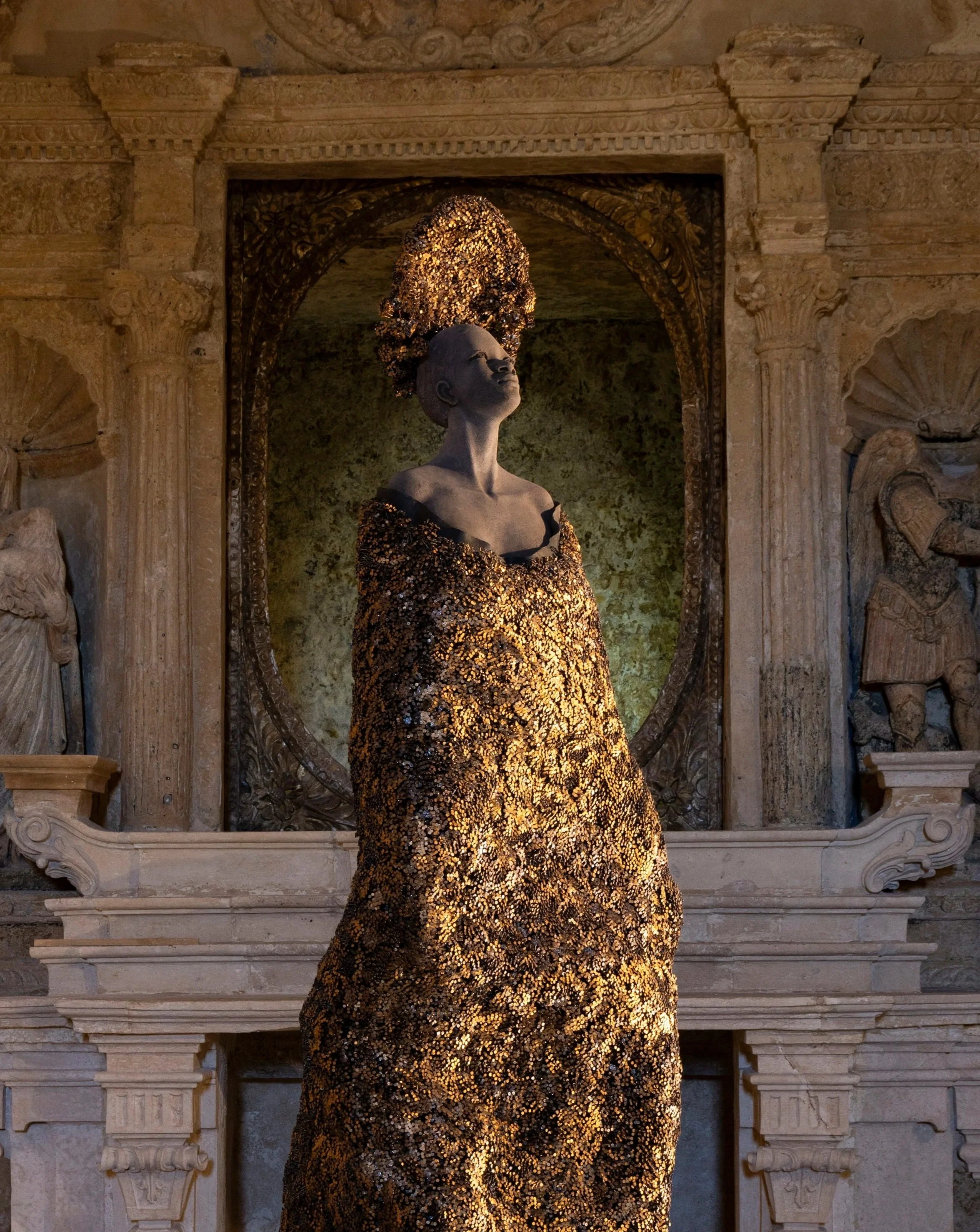
2024, Their Stories: Unveiling the Soul of Burqa, Palazzo Bembo, Biennale Venice, Italy.
2024, Breaking Barriers, Building Bridges, Women in Creativity and Financial Inclusion, Alliance Française, Dubai.
2023, Discussion About Artist Practice, Arts World, Dubai.
2023, Taking Inspiration from Art Works, Bait Bin Nabodah, Sharjah.
2022, Modernity in Fine Arts, Alain Museum, Alain.
2022, Woman & Art, The Woman from the Earth to the Moon, organized by College of Sharjah and Islamic Studies (UOS).
2022, Zayed Higher Organization for People of Determination (طفل شخبطة التوحد), Virtual, Abu Dhabi.
2021, The Emirati Burqa from a Cultural, Historical, and Contemporary Art Perspective, 12th Annual International Conference on Visual and Performing Arts, Virtual Online Conference, Athens, Greece.
Contemporary Perspective of Emirati Burqa, The Ninth Arab Contemporary Art Festival Conference and National Identity Art, Virtual Online Conference, Yarmouk University, Jordan.
New Vision of Emirati Burqa and Its Ritual, APTEES, Egypt+Paris.
2021, The Profession and Creativity Between Duty and Your Inspiration, Supreme Council for Family Affairs, Sharjah.
2020, Performance Art, Webinar, MA Fashion Students, New School Parsons, Paris.
2018, Young Media Leader’s Forum, Higher Colleges of Technology, Abu Dhabi Women’s Campus.
2018, Emirati Female Artists During the Sheikh Zayed Period, Dubai Health Authority, Dubai.
2018, Emirati Burqa, WIAB (Women in Abu Dhabi), Abu Dhabi.
2017, Emirati Burqa, Me Collectors Room, Berlin, Germany.
2017, Emirati Burqa, Heritage Museum of Sharjah, UAE.
2017, Road Show, Fine Art & Design College, University of Sharjah, Abu Dhabi Higher College Technology, UAE.
2017, Abu Dhabi International Book Fair, Almoltaqa Lecture Salon, UAE.
2017, Fashion, Performance, and Performativity, Loughborough University, London.
2017, Fatimah Zahra High School, Sharjah, UAE.
2017, PhD Journey, Fine Arts Society, Sharjah, UAE.
2017, Emirati Burqa, Abu Dhabi Art Fair, Abu Dhabi, UAE.
2016, New Thinking in Design History, Brighton University, UK.
2015, PhD Symposium in the Creative Arts, Nottingham Trent University, UK.
2011, My Artworks (Technique), Al-Argem School, Sharjah.
2010, My Journey in the Art World, National Museum, Copenhagen, Denmark.
2009, What Art Means, Fine Arts College, Sharjah University.
2009, Women and Creativity, UAE University, Al-Ain.
2008, My Art, Sharjah Museum Department, Sharjah.
2008, Personal Experiment in Art, Mahre’s, Tunisia.
2006, Move Wind Presentation, Artist Gallery, Sharjah.
2006, Conference (Al-Islam in Media), Kunst Museum, Bonn, Germany.
2006, The Style of Some Emirates Artists, Kalba, Sharjah.
2005, Female Artist Movement in Emirates, Hamburg, Germany.
2005, Art in UAE, Kunst Museum, Bonn, Germany.
Resident:
Sculpture Camp, Sculpture from Marble, Oman, 2023.
Public Art, Westfield Mall + Emirates Foundation + Delfina Foundation, London, 2011.
Workshop and Exhibition (Q Gallery), Royal Danish Academy of Fine Arts, Copenhagen, Denmark, 2003.
Judging:
2024, Inspire Inclusion, 7th Edition, Dubai.
2022, 2nd Cairo International Biennale of Children’s Art, Egypt.
2022, Emirates Environmental Group Competition, Dubai.
2018, Sheikha Latifa Bint Mohammed Award for Childhood Creativity.
2017, Noon Ward, Sharjah Ladies Club, Sharjah, UAE.
2010, Art Competition, Watani, Dubai.
2006, Art Competition, Dubai.
2004, Flower Competition, Dubai Shopping Festival, Dubai.
2002, 2004, 2007, 2010, Sheikha Latifa Bint Mohammed Award for Child Creativity.
Awards:
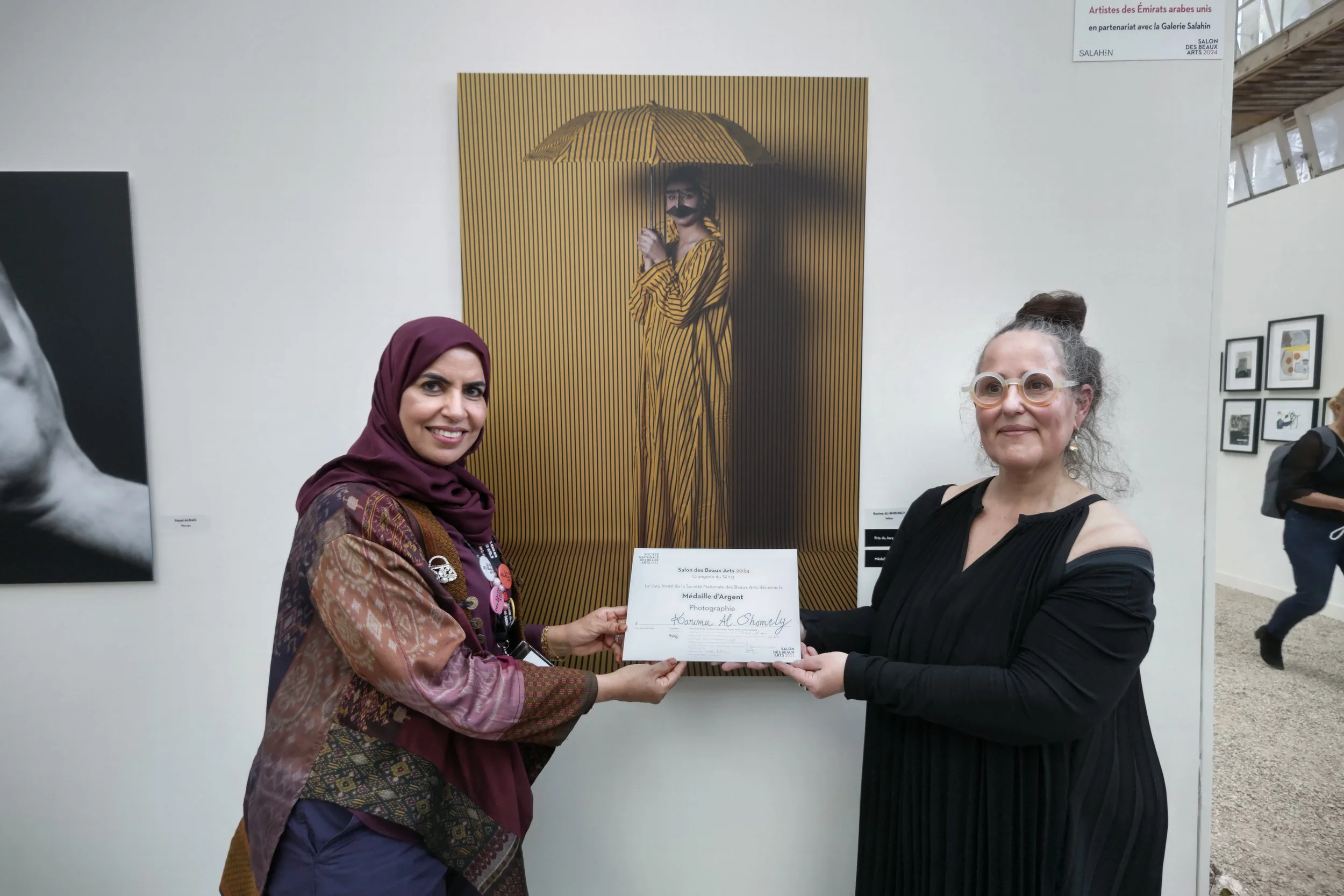
2024, Silver Medal Prize, Salon Dex Beaux Arts 2024, Paris, France.
2018, First place, Sultan Al-Owais Award.
2006, Prize from 5th Egyptian International Print Triennial, Cairo.
2005, Prize from Sultan Al-Owais.
2002, Prize from Sultan Al-Owais.
2001, Second prize, Sharjah International Art Biennial, Installation Category.
2001, Sharjah Prize for Excellence in Education.
Exhibitions:
Solo Exhibitions:
13/6-10/9/2025, Photos, installation, paintings, videos, Emirati burqa, sculpture, metal tens, Centre for Islamic Archaeology, Exeter University.
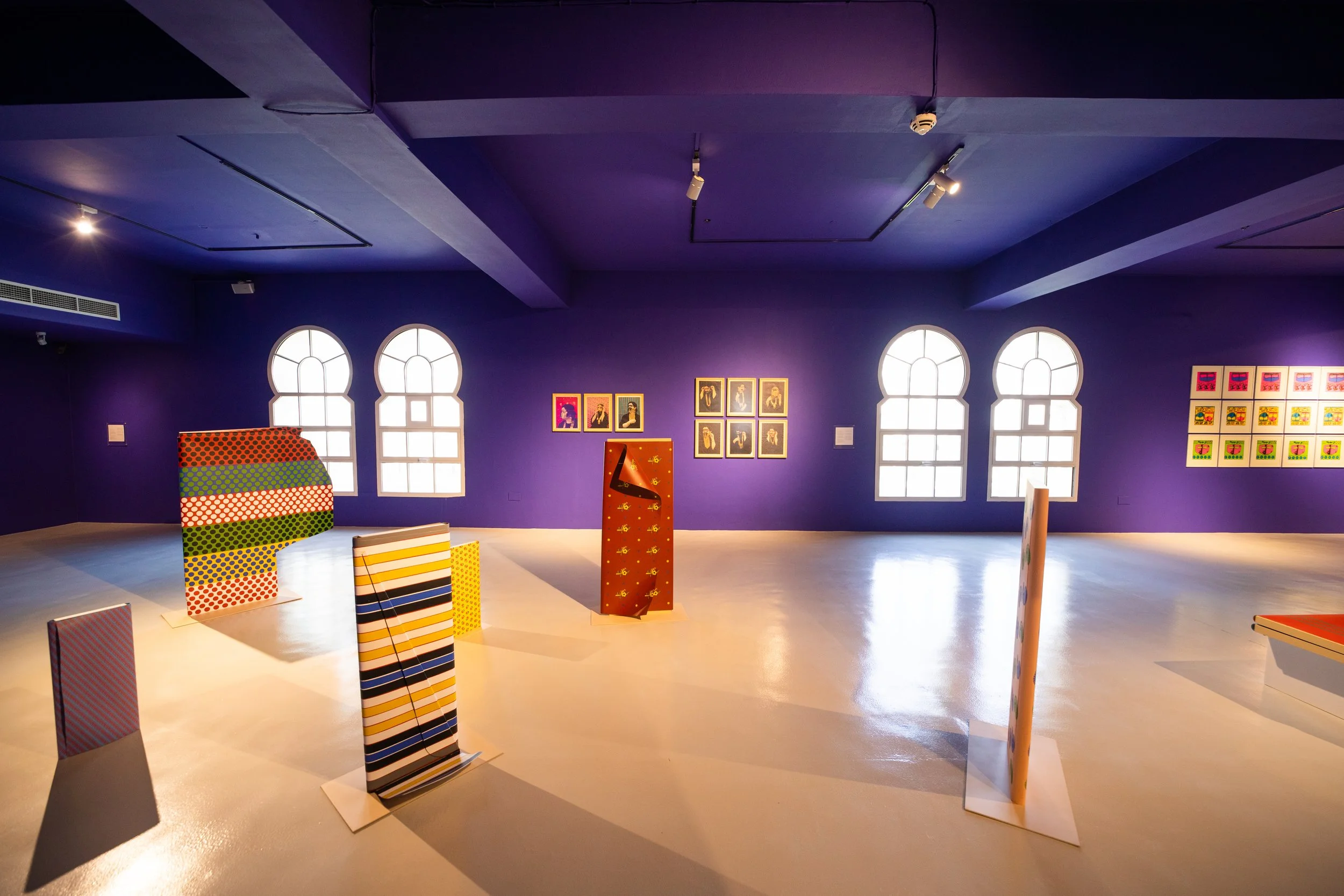
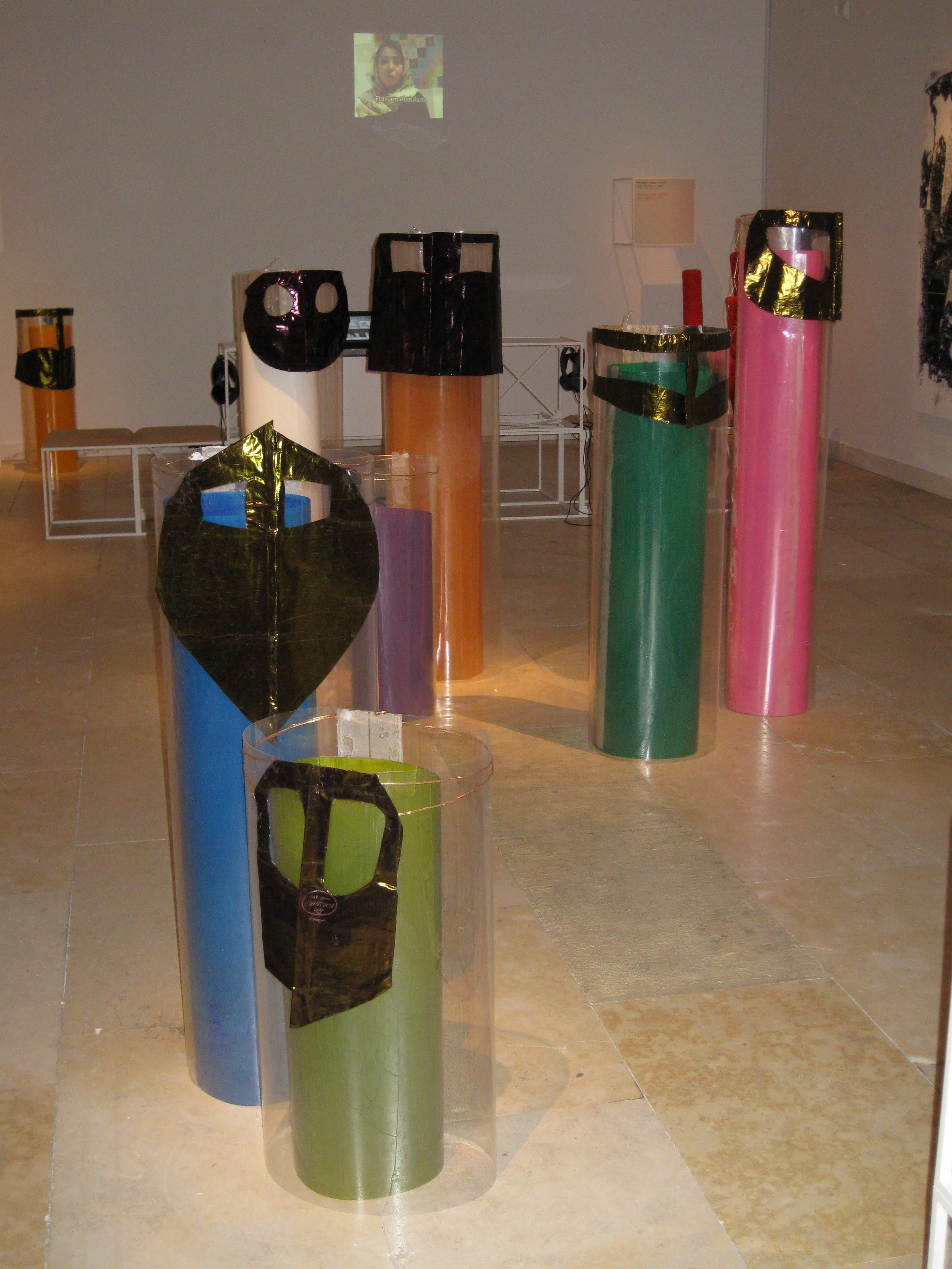
17/10/2022-11/2/2023, Photos, installation, paintings, videos, Emirati burqa, sculpture, metal tens, Mraya Centre, Sharjah.
15/11/2017-4/6/2018, Photos, installation, paintings, videos, Emirati burqa: An Intimate Object, Heritage Museum of Sharjah, UAE.
14/11-17/11/2014, Painting, photos, videos, installation, the Emirati Burqa: An Intimate Object, Edge of Arabia Gallery, London.
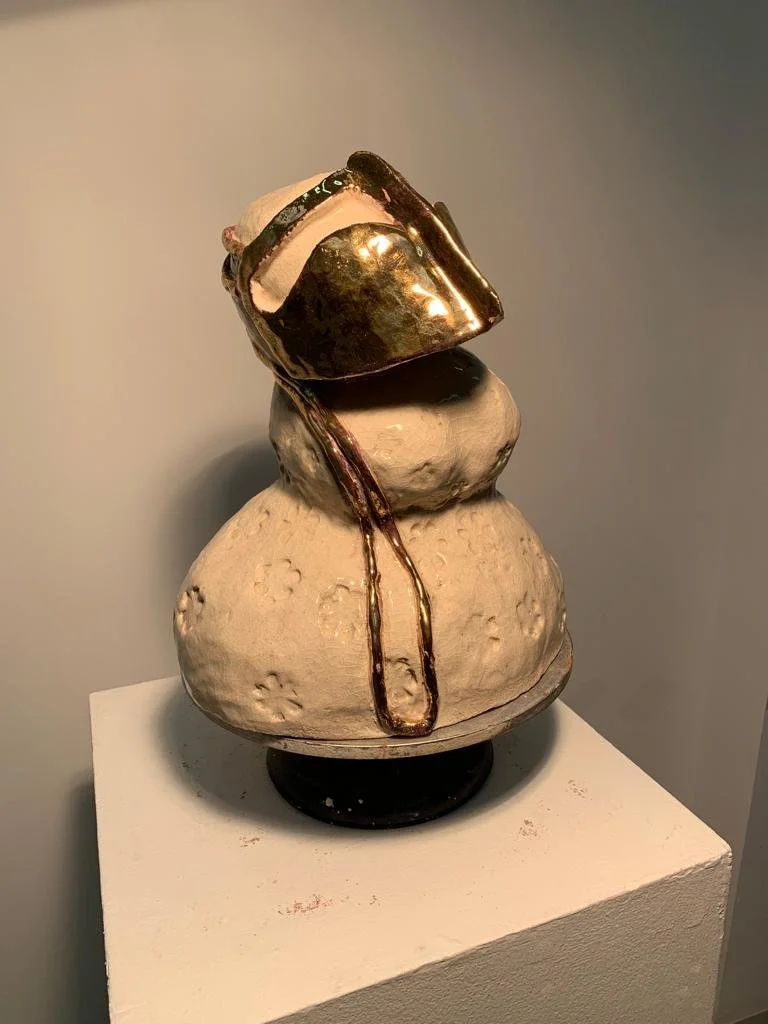
8/2-23/2/2012, Painting, photos, sculpture, ceramic, “Mask,” Fine Art Society, Sharjah.
9/5-19/5/2005, Printmaking, Silence, Cultural Palace, Sharjah.
12/4-1/5/2005, Photography + Film Video, "Inner Dialogue," Artists Gallery, Sharjah.
2003, Painting, Parallel to 22nd Annual Exhibition of Emirates Fine Art Society, Sharjah Art Museum, Sharjah.
Performance:
2017, Abu Dhabi Art Fair, Manarat Al Saadiyat, Abu Dhabi, UAE.
2017, Me Collectors Room, Berlin, Germany.
Group Exhibitions:
2024:
Photos, Salon Dex Beaux Arts 2024, Paris, France.
Photos, installation, videos, Emirati burqa, sculpture, metal tens, Personal Structures Painting, Palazzo Bembo, Biennale Venice, Italy.
Under Shade, University of Sharjah.
3D painting/ceramic, Kandoura Gowen, Al Etihad Gallery, Abu Dhabi, UAE.
Photograph, dyed himself, 39th Annual Exhibition of Emirates Fine Arts Society, Foresight, Sharjah Arts Museum, Sharjah.
3D sculpture, Co-Existence, Sharjah Islamic Civilizations Museum.
2023:
Drawing, 38th Annual Exhibition of Emirates Fine Arts Society, Contemporary Art Museum, Sharjah.
Sculpture, Spaces and Blocks, Culture and Science Symposium, Dubai.
Installation, Al Malwiyya, Islamic Arts Festival, Manifestations, Khorfakkan.
Sculpture Camp, Sohar, Oman.
2022:
“Taebiruha” (Her Expression), Painting, Fine Arts and Design College Gallery, UOS, Sharjah.
UAE to Mexico, Printmaking, Embassy of Mexico, Abu Dhabi.
TASTEER AL HAYAT, Installation, Islamic Arts Festival, Sharjah Arts Museum, Sharjah.
The Golden Exhibition of Emirates Artists (Year of Fifteen), Sculpture, Sultan Bin Ali Al Owais Culture Foundation, Dubai.
Sculpture, Dubai EXPO 2020.
Women Colors & Shine, K Gallery, District Design, Dubai.
Art Dialogue, Ain Gallery, Dubai.
2021:
Fusion - A Joint Exhibit “Virtual Opening” (International Connections), Sculpture, Maraya Centre, Sharjah.
Interconnection, Sculpture, 37th Annual Exhibition Emirates Fine Arts Society, Sharjah Art Museum, Sharjah.
Made in Tashkeel, Sculpture, Tashkeel Gallery, Dubai.
2020:
Shade Extended, Shade Extended, Islamic Festival Exhibition, College of Fine Arts and Design, Sharjah.
2019:
The Tribute, Painting, Cultural Foundation, Abu Dhabi.
Convergence, Installation, Contemporary Art Museum, Sharjah.
Hatta Cultural Nights, (Awning) Burqas Umbrella, Public Art, Wadi Hatta Park, Dubai.
Mara'ina", Photograph, Ithra Museum, Dhahran, Saudi Arabia.
2018:
Contemporary Visions, Video Installation, University of Sharjah.
Sculpture Network Exhibition (Start 18), Sculpture, University of Sharjah.
UN CEIL OUVERT, Painting, Institut du Monde Arabe, Paris.
Portrait of a Nation, Videos, Me Collectors Room, Berlin, Germany.
Faculty Show, Fine Art & Design College, University of Sharjah, UAE.
Abu Dhabi Art Fair, Abu Dhabi, UAE.
2014:
Fotofest Biennial, Houston, Texas, USA, March.
Cleveland Clinic USA, February & March.
Installation, 32nd Annual Exhibition of Emirates Fine Arts Society, Contemporary Art Museum, Sharjah, February & March.
2013:
Sotheby's Contemporary Emirati Artists: 22 July - 9 August 2013.
Photograph, 31st Annual Exhibition of Emirates Fine Arts Society, Contemporary Art Museum, Sharjah, April.
2012:
Photograph + Video, 30th Annual Exhibition of Emirates Fine Arts Society, Sharjah Art Museum, Sharjah.
2011:
Painting, Al-Qattara Arts Center, Alain.
Painting, Color the Novel, Abu Dhabi Book Fair, Abu Dhabi.
Painting, Sikka Art Fair, Jamjar Gallery, Dubai.
Installation, Sikka Art Fair, House (9), Fine Arts Society, Dubai.
Installation, Video, 29th Annual Exhibition of Emirates Fine Arts Society (Exit), Sharjah Art Museum, Sharjah.
Installation, Painting, Sculpture, Art from Emirates, National Museum, Copenhagen, Denmark.
2010:
Painting, Photograph, Installation, Sculpture, The Arab Artists Exhibition, Visual Art Center, Doha, Qatar.
Installation, Photos, Paintings, Orient Meets Occident, Armed Forces Officers Club, Abu Dhabi.
Installation, Mirror Reflection, United Nations, New York.
Photos, Face Me and You, Seoul, Korea.
2009:
Photos, The Arabian Culture from Sharjah, Japan.
Painting, Across the Gulf, Brisbane Biennial, Australia.
Printmaking, Your Planet Needs You, World Environment Day, Al Qasba Gallery, Sharjah.
Photos, Post Card, Plastic Sheet, 28th Annual Exhibition of Emirates Fine Arts Society, Sharjah Art Museum, Sharjah.
Photos, 1st International Exhibition of Photography, Wagdih, Morocco.
MA Degree Show, Chelsea College of Art & Design, London.
Painting with Mixed Media, Collision, Gallery 77, London.
Photos, Emirates Expressionism, Emirates Palace, Abu Dhabi.
Photos, Emirates Palace, Art Paris Abu Dhabi, Abu Dhabi.
Painting, Kaleidoscope, The Art Center, Dubai Ladies Club, Dubai.
2008:
Printmaking, Representations, The European Parliament, Brussels, London.
Photo, Art Connection Gallery, Dubai.
Installation, 27th Annual Exhibition of Emirates Fine Arts Society (Memory), Bait Al-Serkal, Sharjah.
Painting, Festival International des Arts Plastiques de Mahres, Tunisia.
Photos, Installation, International Museum Day, Sharjah Art Museum, Sharjah.
Photos, Traverses, Pavilion, Grand Palais, Paris.
Printmaking, DUCTAC, New Faces-New Visions, Dubai.
Painting, Tashkeel Gallery, Vibrations within Echoing the Energy of Change, Dubai.
Installation, Modern Art Museum, Algeria.
2007:
Painting, Al-Gibab Gallery, Abu Dhabi.
Installation, Language of the Desert, Al Nakheel Hall, Culture Foundation, Abu Dhabi.
Installation, Musee du Louvre, Paris, France.
Printmaking, Nerawan Gallery, Tehran, Iran.
Installation, Vienna, Austria.
Printmaking, Al-Juman Group, Opera House, Cairo, Egypt.
Installation, 26th Annual Exhibition of Emirates Fine Arts Society, Art Museum, Sharjah.
Photography, Dubai, UAE.
2006:
Printmaking, Dubai, UAE.
Installation, Language of the Desert, Institut du Monde Arabe, Paris, France.
Photography, Regards des Photographes Arabes Contemporains, Copenhagen, GL Strand Museum, Denmark.
Photography, 25th Annual Exhibition of Emirates Fine Arts Society, Art Museum, Sharjah.
Printmaking, Espace Le Scribe-l'Harmattan, Paris, France.
Photography, Andalusia Contemporary Art Centre, Seville, Spain.
Printmaking, 5th Egyptian International Print Triennial, Cairo, Egypt.
Photography, Regards des Photographes Arabes Contemporains, Institut du Monde Arabe, Paris, France.
Photography, Regards des Photographes Arabes Contemporains, Institut du Monde Arabe, Paris, France
Installation, Moved Wind Exhibition, Schoenberg, Germany.
Painting, The Third Exhibition of the Graduates, United Arab Emirates University, Ibn Battuta, Dubai.
2005:
Photography, Arab Union of Photographers, Hamburg, Germany.
Installation, Language of the Desert, Kunst Museum, Bonn, Germany.
Installation, Moved Wind Exhibition, Schoenberg, Germany.
Installation, 24th Annual Exhibition of Emirates Fine Art Society, Art Museum, Sharjah.
Painting, Art Exhibition, Armed Forces Officers Club, Dubai.
Photography, Al-Bahh Competition of Art, Saudi Arabia.
2004:
Installation, 11th Asia Art Biennale, Bangladesh Shilpakala Academy, Bangladesh.
Installation, 23rd Annual Exhibition of Emirates Fine Art Society, Art Museum, Sharjah.
Painting, Emirates Cultural Festival, Cultural and Science Symposium, Dubai.
2003:
Installation, Sharjah International Art Biennial Exhibition, Sharjah.
Painting, Ajman Festival, Ajman.
2002:
Installation, Emirates Arts, Bahrain.
Installation, 21st Annual Exhibition of Emirates Fine Art Society, Art Museum, Sharjah.
Installation, Women and Art: A Global Perspective, Lady Club, Sharjah.
Painting, Ripe Harvest, Special Arts Group, Sharjah.
2001:
Installation, Emirates Arts, Contemporary Art Exhibition, Jordan.
Installation, 20th Annual Exhibition of Emirates Fine Art Society, Art Museum, Sharjah.
Installation, Sharjah International Art Biennial Exhibition, Sharjah.
2000:
Installation, 19th Annual Exhibition of Emirates Fine Art Society, Art Museum, Sharjah.
1999:
Installation, 18th Annual Exhibition of Emirates Fine Art Society, Art Museum, Sharjah.
Installation, Sharjah International Art Biennial Exhibition, Sharjah.
1997:
Installation, Sharjah International Art Biennial Exhibition, Sharjah.
Teaching Areas:
Fine Art: Painting, Installation, Color Theory, Printmaking
Grants & Sponsorships:
2021, University of Sharjah, Research Grant (AED 80,000).
2022, Solo Exhibition, Maraya Centre, Sharjah (41,000 DH).
2022, Sharjah Islamic Arts Festival, Taster Althat, Department of Culture (90,000 DH).
2020, Sharjah Islamic Arts Festival, Shade, Shade, Department of Culture (20,000 DH).
2019, Sharjah Islamic Arts Festival, Islamic Garden, Department of Culture, Sharjah (20,000 DH).
Research Areas:
Creativity: Passionate about Culture, Contemporary Art, Art Theory, Visual Ethnography
Projects & Installations:
17/10/2022-11/2/2023, Photos, Installation, Paintings, Videos, Emirati Burqa, Sculpture, Metal Tens, Maraya Centre, Sharjah.
15/11/2017-4/6/2018, Photos, Installation, Paintings, Videos, Emirati Burqa: An Intimate Object, Heritage Museum of Sharjah, UAE.
14/11-17/11/2014, Painting, Photos, Videos, Installation, The Emirati Burqa: An Intimate Object, Edge of Arabia Gallery, London.
8/2-23/2/2012, Painting, Photos, Sculpture, Ceramic, “Mask,” Fine Art Society, Sharjah.
9/5-19/5/2005, Printmaking, Silence, Cultural Palace, Sharjah.
12/4-1/5/2005, Photography + Film Video, "Inner Dialogue," Artists Gallery, Sharjah.
2003, Painting, Parallel to 22nd Annual Exhibition of Emirates Fine Art Society, Sharjah Art Museum, Sharjah.
Employment History:
Assistant Professor, University of Sharjah, 2017–Present.
Freelance Artist, Workshop Organizer.
Memberships:
Emirates Fine Arts Society, since 1986.
Women Forum, 2022–2023.
2006–Present, Photography Club Emirates.
2006–2008, Al Juman Group.
2010–Present, Al Multaqa Literary Salon.
Academic Committee:
2022–2023, Part of Organizing Committee for the Fourth Forum for Women in Research.
2021–2022, Part of Organizing Committee for the Third Forum for Women in Research.
CFAD Leadership, since 2018.
2018–Present, College Council.
2022–2023, Faculty Affairs Committee.
2021–2022, Faculty Affairs Committee and Precautionary Measures for COVID-19 Prevention Committee.
2020–2022, Faculty Affairs Committee.
Collections:
Salon Dex Beaux Arts 2024, Paris, France.
Institut du Monde Arabe, Paris.
ADMA, Abu Dhabi.
Armed Forces Officers Club, Abu Dhabi.
Galerie Enrico Navarra, Art Paris Fair, Paris.
Private Collector, United States of America.
Rose Essa Gallery, London.
Private Collector, Germany.
Abu Dhabi Authority of Culture & Heritage, Abu Dhabi.
Contemporary Museum, Doha.
Karima, your work draws from both popular and traditional culture while reframing these references within a distinctly contemporary artistic vocabulary. How do you determine which cultural elements carry the conceptual weight necessary for your reinterpretations, and how do you prevent these forms from becoming static representations rather than evolving cultural narratives?
I identify cultural elements that carry conceptual weight by viewing them as living practices rather than merely formal symbols. What matters to me is their relationship to identity, society, and rituals. My concern is not so much the presence of an element in popular memory as it is its ability to reveal deeper relationships: its connection to identity, society, and everyday practices. Therefore, I always return to the context in which the element emerged how it was used, who used it, and how it changed over time before it becomes a basic of my artistic work.
As for preventing these forms from turning into rigid, static shapes, this is achieved by stripping them of their decorative function and subjecting them to a process of visual and conceptual rethinking. This is done by placing them in unfamiliar relationships with other elements, so that they are read as carriers of negotiable meaning. I also deliberately leave spaces of ambiguity and openness that allow the work to remain in a state of movement and continuous interpretation.
In this way, references to popular culture and heritage do not function as a form of nostalgia for the past, but rather as evolving cultural narratives that reflect the tension between continuity and change. For me, the artwork is a space for testing collective memory how it can be visually reformulated without losing its roots and without being confined within a fixed or final discourse.
You frequently explore the sustainability of heritage through new artistic frameworks. How do you envision the role of contemporary art in ensuring that heritage remains a living, adaptive entity rather than a preserved relic of the past?
The role of contemporary art in sustaining heritage lies in reactivating it rather than merely preserving it. Art does not ensure the survival of heritage by documenting it or protecting it from change, but by bringing it into an ongoing dialogue with the present and its questions. When heritage is reintroduced within new artistic frameworks, it shifts from being static historical material to a cultural practice open to rereading and reinterpretation.
Contemporary art acts as a critical mediator that allows the uncovering of the invisible layers of heritage: what has been transmitted, what has been marginalized or forgotten. Through experimentation with materials, techniques, and digital and installation-based media, heritage symbols can be reconfigured in ways that enable them to interact with social transformations, technology, and contemporary modes of living. In this sense, heritage becomes a living entity because it is continually tested within new contexts and recharged with contemporary meanings without losing its roots. The role of contemporary art is not to represent the past as it was, but to expand its future possibilities, so that heritage remains a renewable cultural resource rather than an artifact preserved behind a glass display.
Your practice incorporates a wide range of modern materials and technologies such as film, photography, 3D printing, sculptural forms, and installation strategies. How does each technological tool reshape the way you approach cultural memory, and what do these mediums allow you to articulate that more traditional mediums cannot?
I approach each technique as a distinct mode of visual thinking rather than merely a means of production. Choosing film, photography, 3D printing, or installation is connected to the nature of the cultural memory I am addressing: is it temporal, material, sensory, or collective?
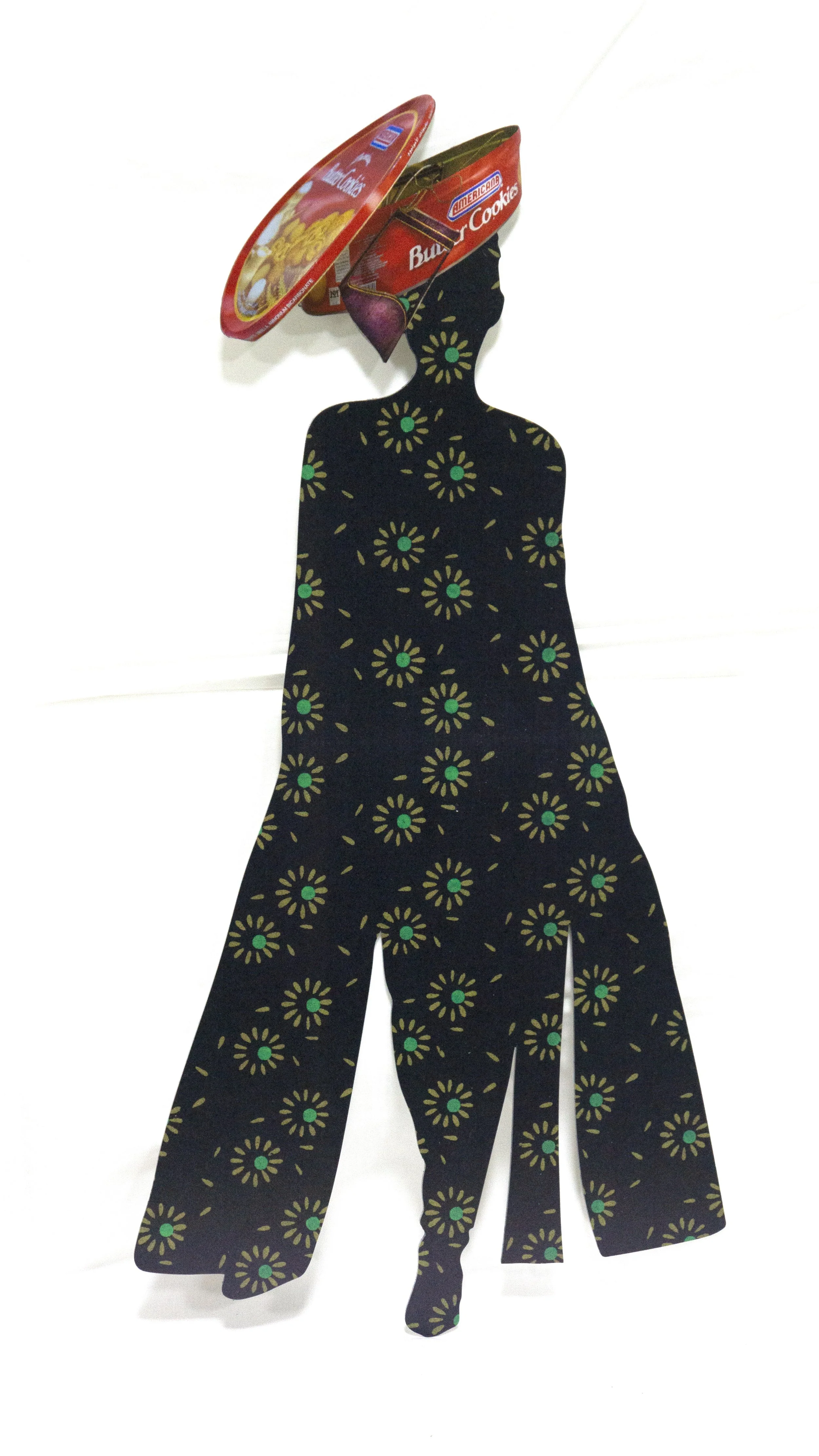
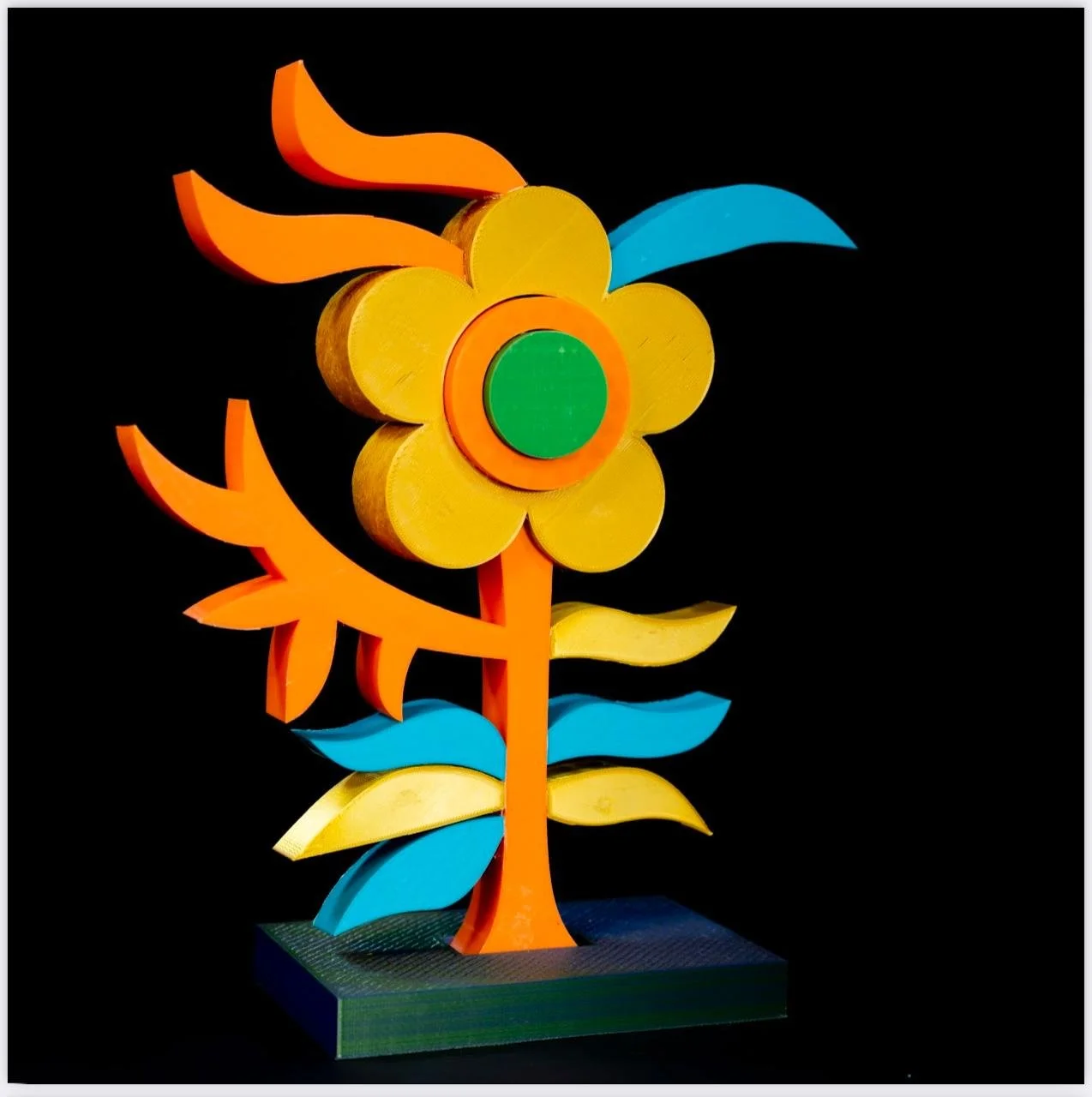
Film allows me to engage with memory as a moving temporal trajectory, where rhythm, repetition, and interruption become tools to evoke the act of remembering itself, not just its outcomes. Photography, on the other hand, I use as a visual trace that carries tension between documentation and loss: it fixes a moment, yet simultaneously alludes to what is absent from it. In contrast, 3D printing enables me to transform heritage or symbolic elements into contemporary objects, reopening questions of materiality, replication, and continuity, and initiating a discussion about the relationship between memory, archiving, and technology. As for sculptural forms and installation works, they allow me to create a spatial experience that engages the viewer’s body and sensory memory, so that memory is not received as an image alone, but as a space that can be entered and interacted with.
What these media offer beyond what traditional media can achieve is a multiplicity of levels of reception: time, movement, materiality, and bodily participation. They enable me to express cultural memory as a mutable, layered, and non-linear structure, reflecting the complexity of its relationship with the present and with technology. Through these tools, memory is not merely retrieved, but visually re-produced as a contemporary experience open to interpretation.
Your research-based methodology often draws on visual ethnography as a bridge between lived cultural experience and artistic interpretation. How do you negotiate the balance between documentation and abstraction when translating ethnographic observation into contemporary visual form?
I achieve a balance between documentation and abstraction by approaching visual ethnography as an interpretive process rather than a mere direct of reality. It helps me uncover what already exists as a foundation for the documentation phase, which forms the knowledge base of the work. In this phase, I am committed to prolonged observation, immersion in the cultural context, and the collection of images and visual materials as evidence of lived experience, while respecting the privacy of the place and the people and their symbolic meanings.
Abstraction comes later as a conscious artistic choice aimed at distilling the cultural essence rather than reproducing the scene as it is. At this stage, I deconstruct the documented elements such as space, movement, gesture, or visual patterns and recompose them visually through simplification, displacement, repetition, or formal transformation. This allows the work to move beyond the local and the immediate toward a broader, more contemplative reading.
The balance is achieved when the work retains its ethnographic reference without being reduced to a purely documentary function, while abstraction simultaneously opens a space for interpretation and dialogue with the viewer. In this sense, contemporary visual form becomes a mediator between lived cultural experience and critical artistic vision: it neither negates reality nor replicates it, but visually rearticulates it in order to reveal its unseen layers.
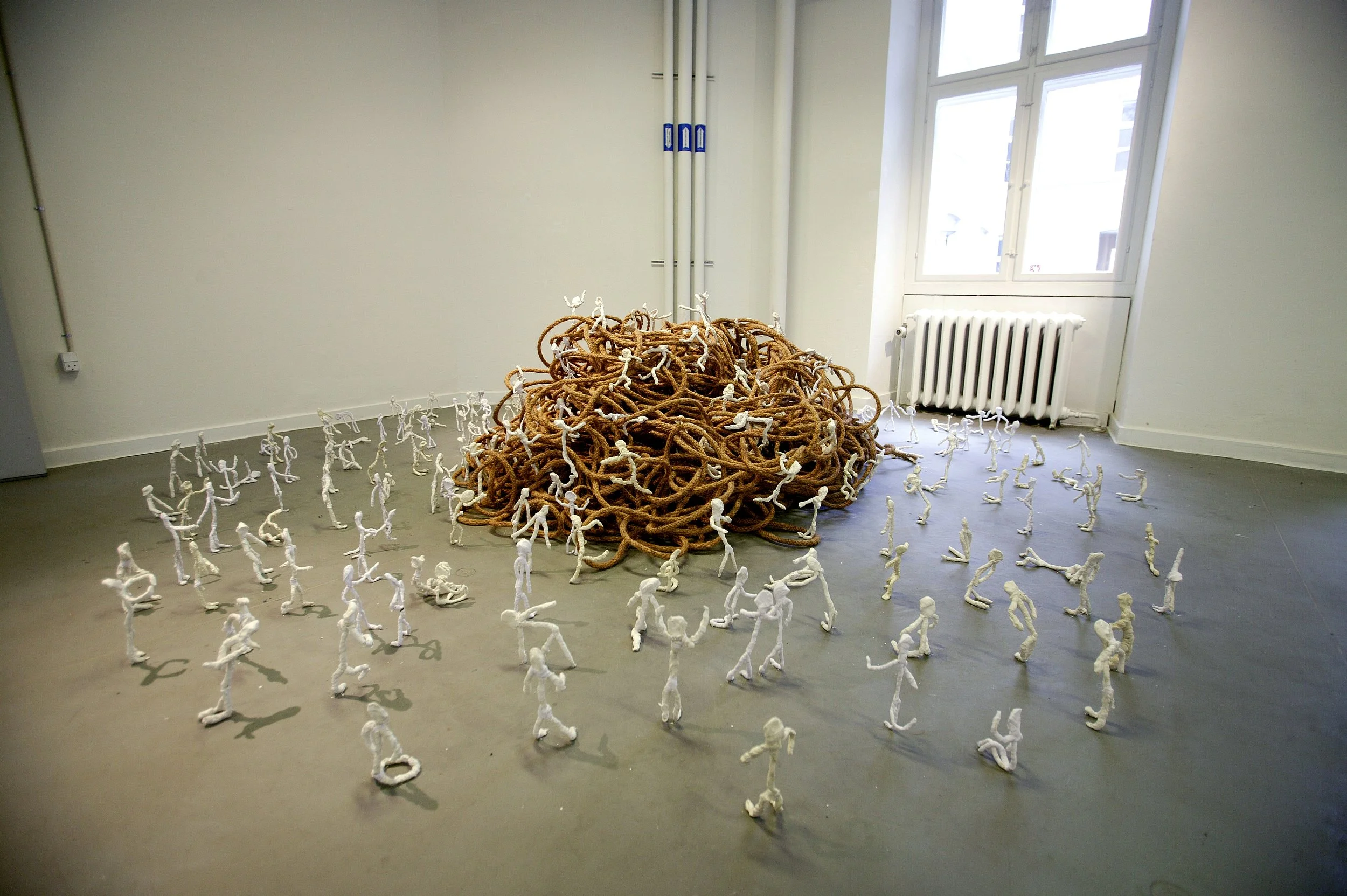
Many of your works examine the transformation of everyday cultural objects and rituals into contemporary art contexts. How do you conceptualize the movement of these artifacts from intimate social spaces to the formalized space of the gallery or museum, and what new meanings emerge from that shift?
I approach the movement of objects and everyday rituals from intimate social spaces into the exhibition space as a semantic transformation rather than merely a spatial one. When these elements are removed from their functional and daily contexts, they do not necessarily lose their meaning; instead, they enter a state of suspension that allows their symbolic and social value to be reconsidered.
Within intimate spaces, these objects operate as part of a system of invisible habits and repetitive practices that are rarely questioned. Inside the institutional space of the gallery or museum, however, they are reread as carriers of memory and identity, and attention is drawn to the relationships they conceal with time, economic and social life, and modes of living. This transformation opens up new meanings that emerge from the tension between original use and artistic display.
This shift also changes the viewer’s relationship to the exhibited element: rather than direct interaction or use, the viewer assumes a position of contemplation and inquiry. Here, the object or artwork becomes a narrative mediator, linking the private to the public and individual memory to collective memory. For me, this transformation does not aim to strip objects of their humanity, but to reactivate them within a contemporary context that allows them to speak in a new language and to generate meanings that extend beyond their original moment without becoming detached from it.
Your interdisciplinary training, spanning economics, fine art, and advanced academic research, positions you to dissect heritage through multiple analytical lenses. How has this broad intellectual foundation contributed to your ability to translate traditional culture into contemporary artistic strategies?
My multidisciplinary training has contributed to shaping my approach to heritage as a complex system of relationships rather than merely a visual or aesthetic inheritance. My background in economics has provided me with tools to understand heritage within its productive and social contexts, and in relation to values of labor, scarcity, exchange, and power. This makes me more aware of how traditional practices are formed and how they are affected by contemporary transformations. This analytical lens helps me read heritage as a dynamic structure that interacts with specific material and historical conditions.
My training in fine arts, on the other hand, has enabled me to develop a critical visual language capable of translating these theoretical readings into sensory and experimental forms. Through artistic practice, I test concepts rather than explain them, transforming complex ideas into visual and spatial experiences that open up possibilities for reception and interpretation. Advanced academic research has further contributed to grounding a methodology based on questioning and analysis, and on linking theory with practice, making the artwork an extension of research rather than a separate outcome.
This intersection of economics, art, and research allows me to approach traditional culture beyond romanticized or purely documentary perspectives, and to transform it into contemporary artistic strategies that engage heritage as a form of critical thinking. In this way, the artwork becomes a space where knowledge, analysis, and aesthetic sensibility intersect to produce a contemporary reading of culture that both respects its roots and questions them at the same time.
In your practice, heritage is not presented as a fixed historical construct but as something continually reshaped by time, technology, and societal change. How do you visualize this fluidity in your work, and what forms of temporality or transformation do you find most compelling?
I represent the flexibility of heritage in my artistic practice by engaging with it as an ongoing process rather than a finished product. For me, heritage is shaped through layers of use, forgetting, and reactivation, and I therefore seek to make these layers visually visible rather than concealing them. This is reflected in strategies such as layering, repetition with variation, and the use of materials or techniques that themselves bear traces of transformation, such as digital technologies or processes of printing and reproduction.
As for time, I approach it as non-linear a temporality in which the past overlaps with the present and imagines the future. I am particularly interested in the time of rituals and everyday practices, a repetitive, slow time that reproduces heritage through practice rather than through archiving.
Through these approaches, I do not present transformation as a loss of the original, but as a condition for keeping it alive. The flexibility I seek is one that allows heritage to respond to technology and social transformations without being reduced or frozen. Here, the artwork becomes a space for observing this ongoing negotiation between continuity and change, and between memory and transformation.
Your engagement with traditional Emirati culture, particularly elements tied to women’s lives, is central to your narrative. How do you approach the representation of these culturally specific elements in a way that opens them to global interpretation without losing the depth and nuance of their regional significance?
engage with elements connected to traditional Emirati culture particularly those related to women’s lives as deeply rooted human experiences within a local context, rather than as closed or fixed cultural symbols. My point of departure is a profound respect for cultural specificity, grounded in understanding the social and historical contexts of these practices, listening to women’s own voices, and approaching everyday details as carriers of layered meanings that extend beyond their local dimension.
To enable these elements to be read globally without stripping them of their regional significance, I work on transforming the particular into something communicable rather than generalizable. This is achieved by focusing on shared concepts such as memory, invisible labor, the body, ritual, and time concepts that audiences from diverse backgrounds can relate to, even if they are not specifically familiar with the Emirati context. At the same time, I remain attentive to preserving original material and visual references such as materials, rhythms, or forms that anchor the work within its cultural environment.
Through this balance, the representation of Emirati women is not presented as a folkloric case or a ready-made model, but as a multilayered narrative that retains its specificity while opening itself to cross-cultural readings. Here, the artwork does not explain the culture; rather, it invites the viewer into a dialogue with it, allowing them to encounter its human complexity without reduction or simplification.
Working as both an artist and an academic, you occupy a unique position within the evolving art ecosystem of the UAE. How do contemporary students and emerging artists influence your thinking about how heritage can be reimagined through current technologies and new cultural attitudes?
As an artist and academic, I view my engagement with students and emerging artists as an ongoing dialogue that reshapes my own understanding of heritage as much as it contributes to transferring experience to them. This generation approaches heritage with greater boldness: they do not see it solely as an inheritance that must be cautiously preserved, but as open material for experimentation, recomposition, and critical questioning. This, in turn, pushes me to rethink the boundaries of what can be considered “faithful” to heritage.
Their influence is especially evident in the ways they employ contemporary technologies such as digital media, artificial intelligence, and interactive platforms not merely as tools of display, but as new cultural environments in which meaning is formed. Through their questions and practices, I observe a shift in focus from form to experience, and from archiving to participation. This opens up new possibilities for imagining heritage as something that is lived and continually re-produced, rather than as material that is simply preserved.
Your work often proposes that heritage can be revisited through innovative approaches that merge the past with future-oriented techniques. Which conceptual strategies have proven most effective for you in transforming cultural history into contemporary artistic thought, and how do you see these strategies evolving as technology continues to advance?
In rethinking heritage, I rely on a set of conceptual strategies that approach the past as material for thought open to reformulation rather than a closed reference. One of the most effective of these strategies is the displacement of context, whereby a heritage element is moved from its original function into an unexpected artistic, technical, or spatial framework, revealing new latent meanings. Re-centering is another key strategy: I work to bring what was once marginal or invisible such as everyday labor or informal rituals into the center of artistic discourse.
Translation across media also plays a pivotal role. When a traditional element is transformed into a digital image, a visual artwork, a 3D-printed model, or an installation-based experience, not only does its form change, but so does the way it is perceived and understood. Likewise, deconstruction and recomposition allow heritage to be freed from a single reading and open it up to multiple narratives where memory intersects with technology and the present.
With ongoing technological advancement, I see these strategies evolving toward greater participation and adaptability. Emerging tools such as artificial intelligence, extended reality, and interactive systems offer the possibility for the viewer to become part of the process of reshaping heritage, rather than merely an observer. In this context, contemporary artistic thinking will not be based solely on representing cultural history, but on simulating its dynamism and capacity for transformation, reinforcing an understanding of heritage as a living entity that changes with each generation and each new tool.