Interview with Harry Salmi
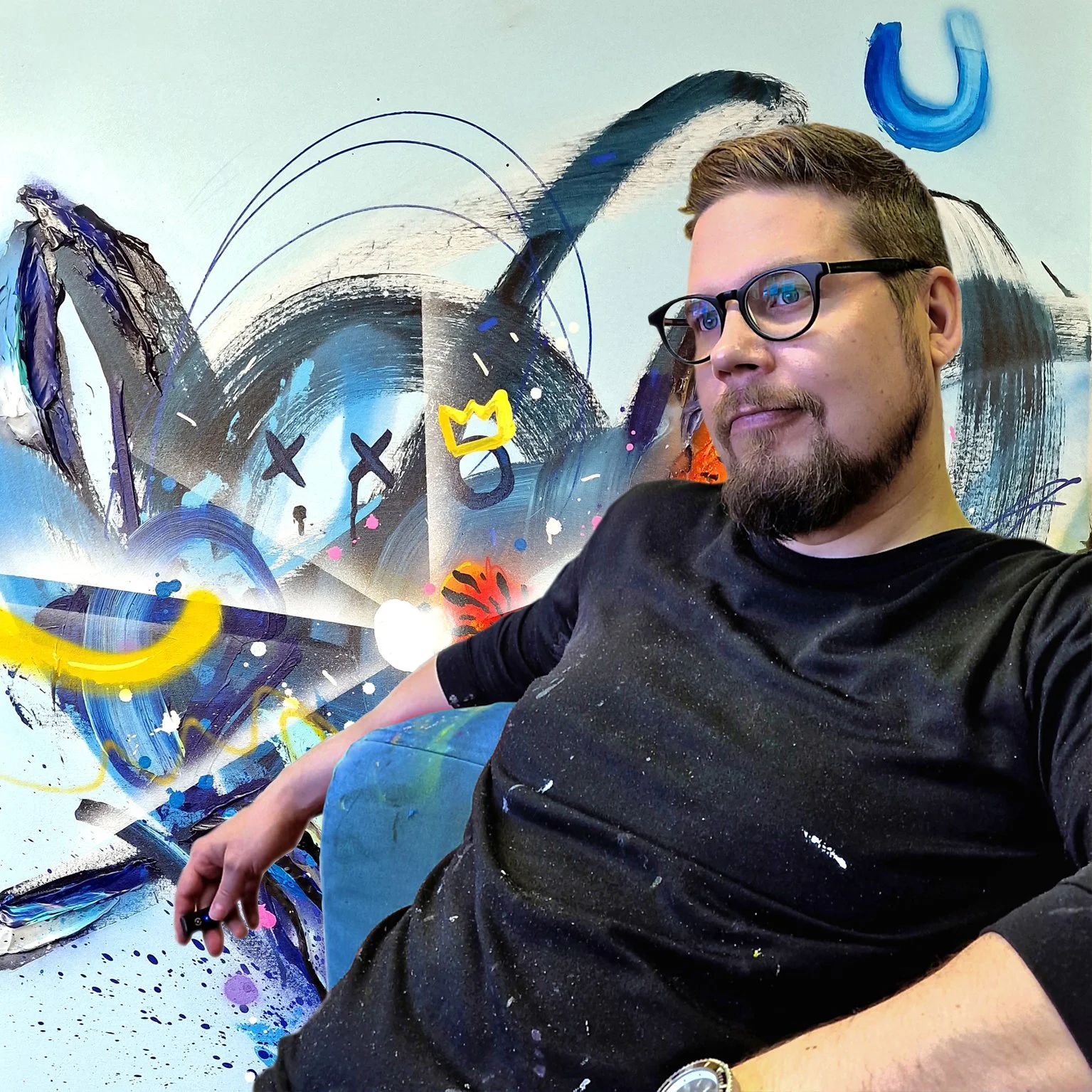
Harry, your practice moves fluidly between contemporary abstraction, street-born mark making, and surreal registers of image and sensation. How do you understand this hybridity not simply as a stylistic convergence but as a theoretical position, particularly in relation to how contemporary culture negotiates between institutional art histories and informal visual languages rooted in urban experience?
At the core of my work is a deep sense of feeling, big dreams, and bold expression shaped by the northern landscape and lived life. For me, this hybridity is not primarily a visual strategy but a way of thinking and being in the world. It reflects the tension in which we live.
The surreal dimension functions as an in-between space—a way of slipping between the conscious and the subconscious, the personal and the collective. It allows the institutional and the informal not to oppose each other, but to overlap as images and sensations that are felt more than explained.
Much of your work emphasizes reduction, the modulation of line, surface, color, and rhythm until an image arrives at a distilled intensity. How do you conceptualize reduction as an intellectual and philosophical act rather than a purely formal one, and what does this process allow you to say about perception, attention, and meaning in an overstimulated visual culture?
For me, reduction is above all a mode of thinking, not the cleaning up of aesthetics. It is a way of simplifying and listening to what the image truly needs, while also asking what I can let go of—or even remove—so that the image goes beneath the surface. Philosophically, it relates to aging: the skin grows thicker and the teeth sharper. It emphasizes resilience and survival in the midst of difficulty.
Your repeated analogy between painting and music, especially jazz, suggests an understanding of the canvas as a temporal and performative space. How does improvisation function within your studio practice, and where do you locate the boundary between intuitive freedom and conscious structural decision-making within this musical logic?
Improvisation happens in the moment, and it is never the same. Visual art and jazz are at their best when freedom is given to improvisation. I approach the canvas without a finished image, but I carry with me an internalized rhythm, experience, strong emotion, and historical knowledge that guide my movements.
Having moved from graffiti and street culture through graphic design and advertising into fine art, how do you reflect on authorship and agency within your work, particularly in light of how images circulate today across social media, commercial platforms, and institutional art contexts?
My graffiti background taught me courage and brought excitement into my life. Today, I feel that Instagram, as a social media platform, is very important for visual artists. The visibility it offers, as well as linking to online sales channels, is genuinely beneficial. It has also contributed to the fact that many art galleries have closed, as collectors can now acquire artworks directly from artists and online.
I am not particularly proud of my youth spent working as an advertising designer. Ultimately, it has very little to do with fine art and painting, although I have always valued typographic expertise.
You describe painting as a way of structuring the world and regulating the mind, framing art making as both cognitive and affective labor. How does this understanding of art as a tool for mental well-being intersect with broader debates in contemporary aesthetics about care, healing, and the social responsibility of art?
When I paint, I am braver than myself. I see painting as both a personal and a social tool: it organizes thoughts, regulates emotional states, and creates a space for presence. This connects more broadly to discussions of care and healing, because art can offer a space to reflect and build connections between the self and the surrounding world. Social responsibility manifests in the idea that a work is not merely an aesthetic object, but a participatory experience that invites the viewer to notice, feel, and be present in this moment.
Your material practice is marked by technical experimentation and the invention of tools, as well as by acts of layering and erasure. How do these gestures function conceptually in your work, and in what ways do they mirror broader cultural processes of accumulation, forgetting, and revision?
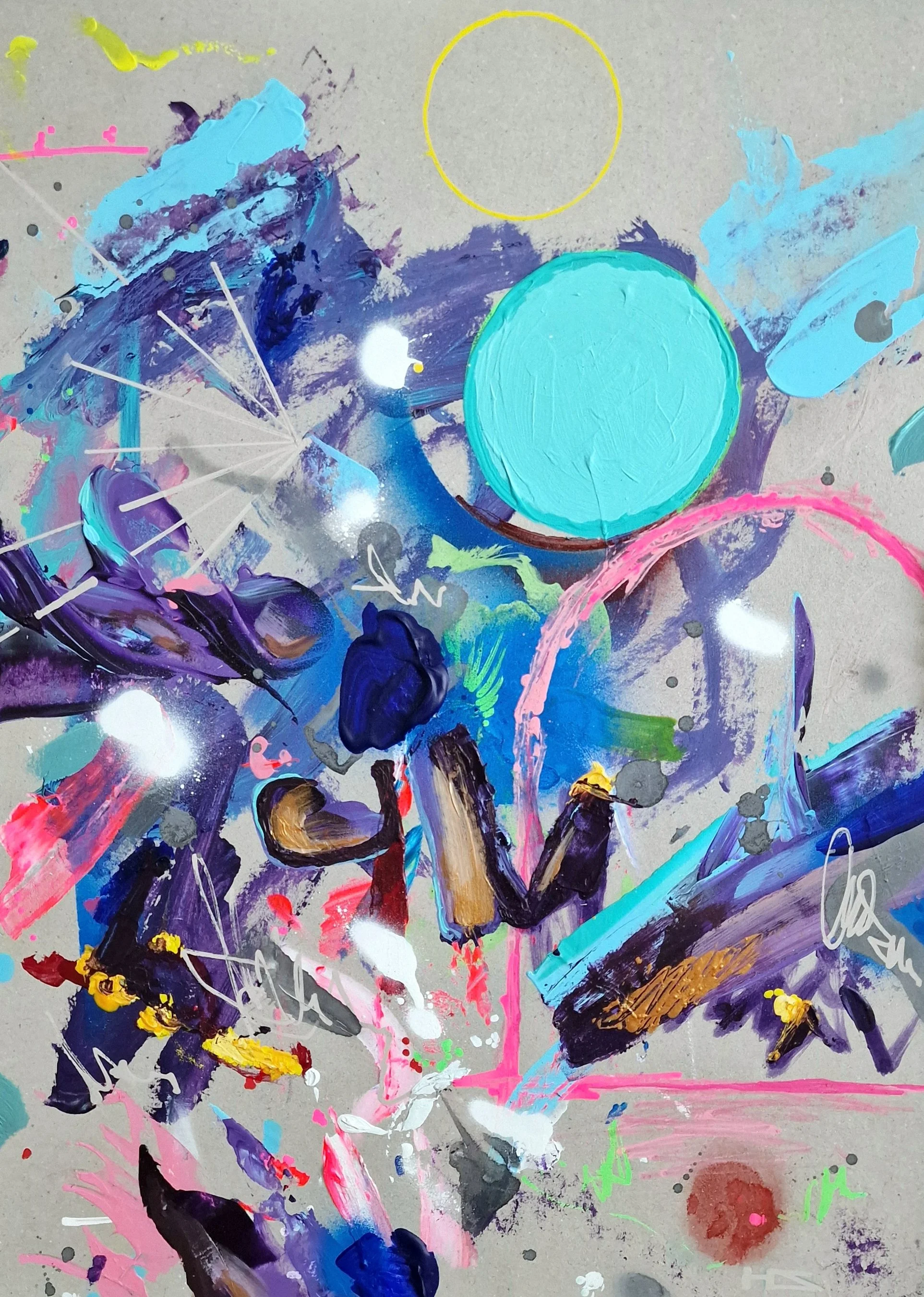
My acrylic painting technique originates in the graffiti culture of the 1990s. I use acrylic spray, markers, ink, gel, thinner, and basic tube paints—covering, wiping, splashing, and glazing. My paintings carry layers of moments, reshape meanings, and leave space for new interpretations.
Northern landscapes and the slow temporality of Isojärvi appear as quiet but persistent influences in your work. How do you translate place, climate, and lived geography into abstraction without resorting to representation, and how does this relationship to landscape shape your sense of cultural identity as a Nordic artist?
I spend my free time, especially in summer, at my family’s summer cottage on the shore of the lake Isojärvi in Central Finland. I feel that time spent there relaxes me, strengthens my creativity, and provides a contrast to busy urban life in Lahti. At the cottage, time slows down and the internal world of the works becomes clearer. My connection to Nordic nature is extremely important to me. Finnish nature is incredibly beautiful.
The phrase “I paint what I want” suggests a radical commitment to autonomy. In an era when artists are often asked to justify their work through politics, identity, or market logic, how do you negotiate freedom as an ethical stance rather than a retreat from critical engagement?
For a visual artist, autonomy is the possibility of creative freedom and independent expression, which is often a prerequisite for authenticity and personal meaning in art. For me, freedom does not mean withdrawing from the world, but consciously choosing a position from which to observe and engage with phenomena on my own terms. I paint what I want. Freedom is a way of remaining honest with myself while still being engaged with the world.
Your paintings often seek to transmit the emotional state of their making to the viewer. How do you think about empathy within abstraction, and what mechanisms do you believe allow non-representational forms to communicate shared affective experience across different viewers and cultural contexts?
Empathy means compassion and helping for me. “Rather heal than hurt.” Abstraction functions as sensitivity to relationships, rhythms, and tensions. It allows the viewer to find their own resonance with the work, and in that sense each viewing experience is both personal and shared. Empathy is a relationship to process, not to outcome.
You speak of courage as central to your artistic process. How do you define courage in painting today, and how does this notion relate to risk, failure, and vulnerability within a professionalized and highly visible contemporary art world?
I live inside my paintings, and when I paint, I am braver than myself—and that is enough. On the canvas, I dare to take up space, break boundaries, remain unfinished, and show cracks. Painting is not just doing something for me. It is a way of being visible. Courage is directly linked to risk—the fact that a work can also fail.
Street art and hip hop culture have historically operated as counter narratives to dominant cultural power structures. How do these influences continue to inform your work at a conceptual level, particularly as they are absorbed into the language of contemporary abstraction and institutional exhibition spaces?
Street art taught me to read the environment as a surface—one where a mark can be left without permission, and above all without a predefined frame. Hip-hop, in turn, taught me that borrowing, sampling, and reconfiguring are not deficiencies but a language in themselves. In both cases, the core question is who gets to speak, and under what conditions. This starting point stays with me even when my work moves within abstraction and institutional contexts. The intention in my paintings is to bring forth a strong—sometimes even affective—emotional charge, along with free energy and a sense of flow, through the means of contemporary abstract art.
I also explore visual representations of power, identity, and the social position of fine art, and their implications—such as whose voice is allowed to be heard. Contemporary abstraction does not ask what an image represents, but how meaning comes into being.
Your emphasis on mindset suggests that the artwork begins before any material gesture is made. How do you theorize the role of consciousness, discipline, and mental preparation in artistic production, and how might this challenge romantic myths of spontaneity or genius in art history?
I write down a lot of notes and ideas that I want to realize in my work as a visual artist. Ideas often arrive unexpectedly, even at night, and I am always ready to save them. I also engage in physical exercise and ice swimming. These practices help me endure, organize emotions, and clarify my thoughts. Finnish nature and time spent at the summer cottage are also places where my inner world and artistic clarity sharpen.
I do not use drugs, and I drink alcohol rarely—occasionally a cognac with a cigar, or a glass of white wine with good fish food (Finnish whitefish) in good company. I don’t believe that a contemporary artist needs to seek ideas through drugs or alcohol, as for example the art historical master Jean-Michel Basquiat did. It is better to focus on the art itself, and on one’s family and loved ones.
You describe your practice as a lifelong journey rather than a series of discrete projects. How does this long view affect the way you think about artistic development, legacy, and the temporal horizon of your work within both personal and historical frameworks?
I think of my practice as a lifelong journey that unfolds through the continuous layering of observations and experiences. I feel that I was born an artist, and I have always been conscious of artistic identity as part of who I am. Legacy takes shape as an open process rather than a finished outcome: the temporal horizon of my work extends beyond my own lifespan and enters into dialogue with both personal experience and broader historical continuities. My works are honest to their own time and open to future interpretations.
In your engagement with collectors and exhibition audiences, you express curiosity about how art is chosen, valued, and lived with. How do these encounters influence your thinking about the afterlife of the artwork beyond the studio, and what responsibilities, if any, do you feel toward the environments in which your paintings ultimately reside?
Encounters with collectors and audiences expand my understanding of a work’s life beyond the studio. I am curious about why a piece is chosen and what kind of life it will enter into, and I respect that deeply. The responsibility I feel is not so much directive as it is conscious. I see my task as creating works that can endure different environments and interpretations. I always congratulate collectors who acquire my work. “Congratulations on your new painting,” I say.
At its core, your work seeks to make the invisible visible, translating inner states into visual form. In philosophical terms, how do you understand abstraction as a mode of knowledge, and what can painting reveal about the mind, perception, and reality that language or theory alone cannot articulate?
My works move beneath the surface and also confront fractures and vulnerabilities. While painting, a certain kind of enchantment merges in my work. Colors, layers, and movements begin to take on a life of their own, and at some point the work ceases to be merely something I am making and becomes an encounter. The enchantment is a sign that the work is breathing. My strategy is simply to be myself.
What abstract painting reveals is not a single answer, but an open space in which the viewer can encounter something within themselves and experience a sense of wholeness through the visual art experience. Abstract painting is an experience of life.
In closing, I want to pose a question:
What if art ruled the world?
What would happen?
—Perhaps, in a world governed by art, the greatest masterpiece would be life itself.
–Harry Salmi
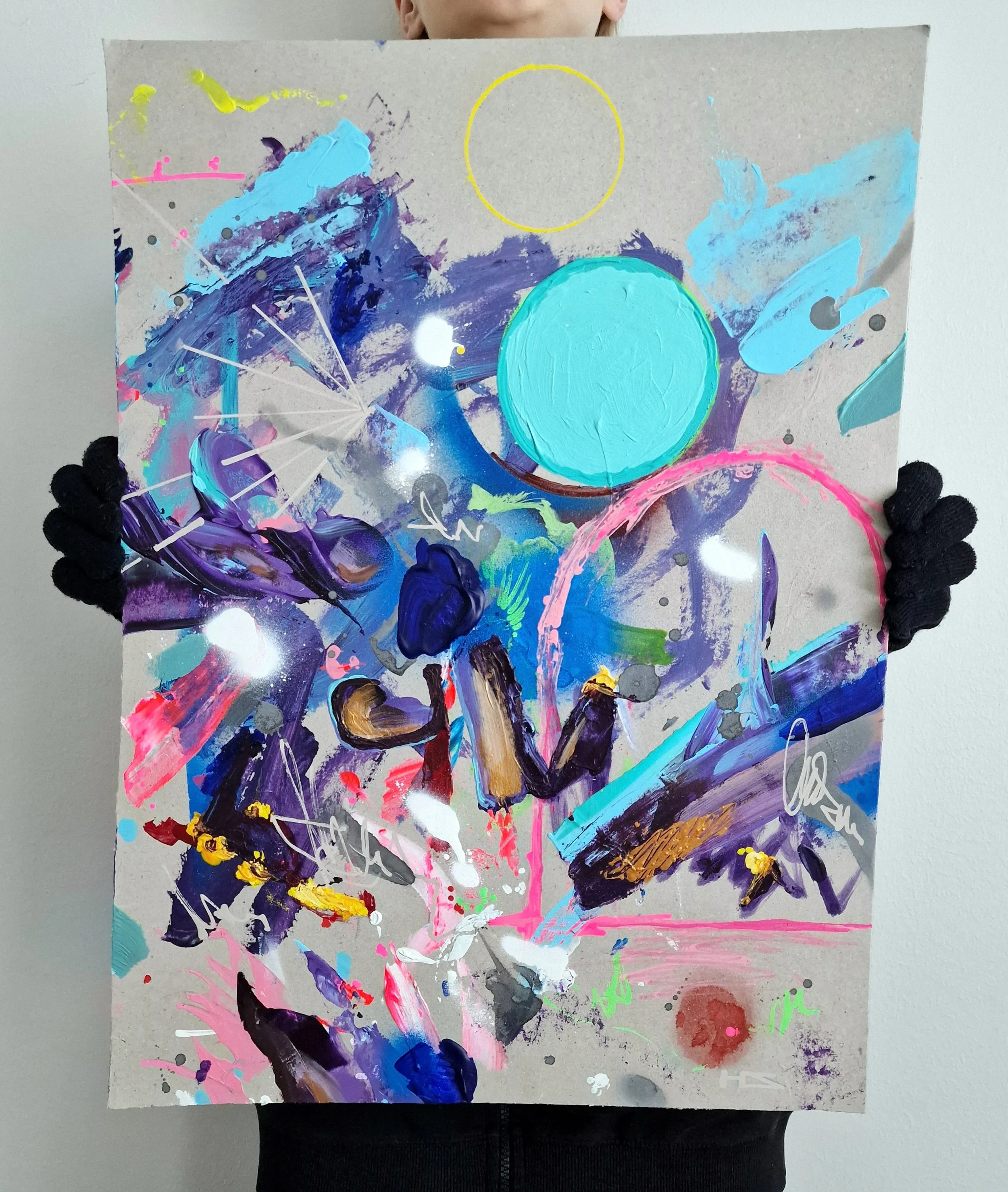
Freedom Fighter, 2026, acrylic on board
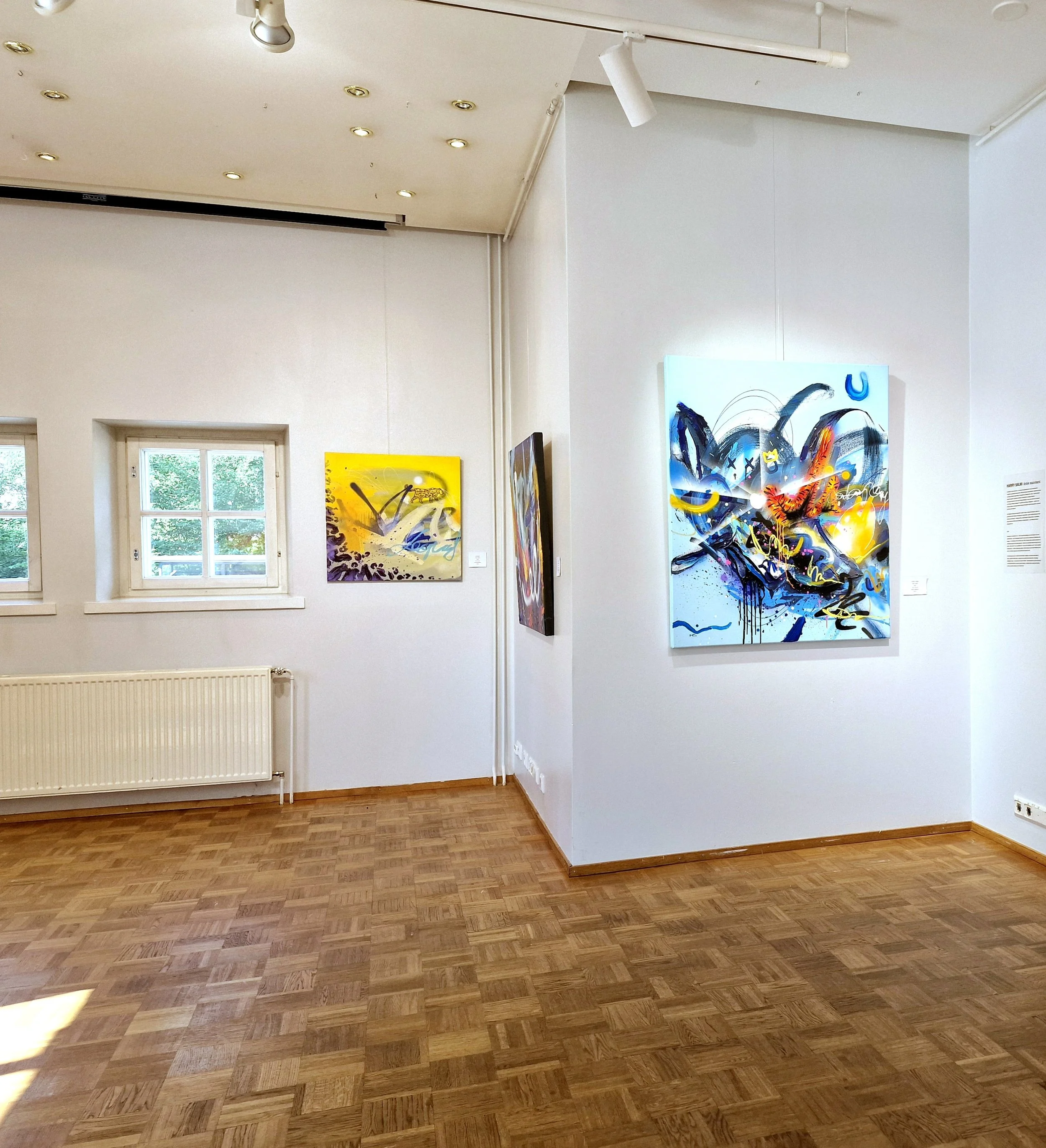
Gallery Kivipankki, 2025, solo exhibition
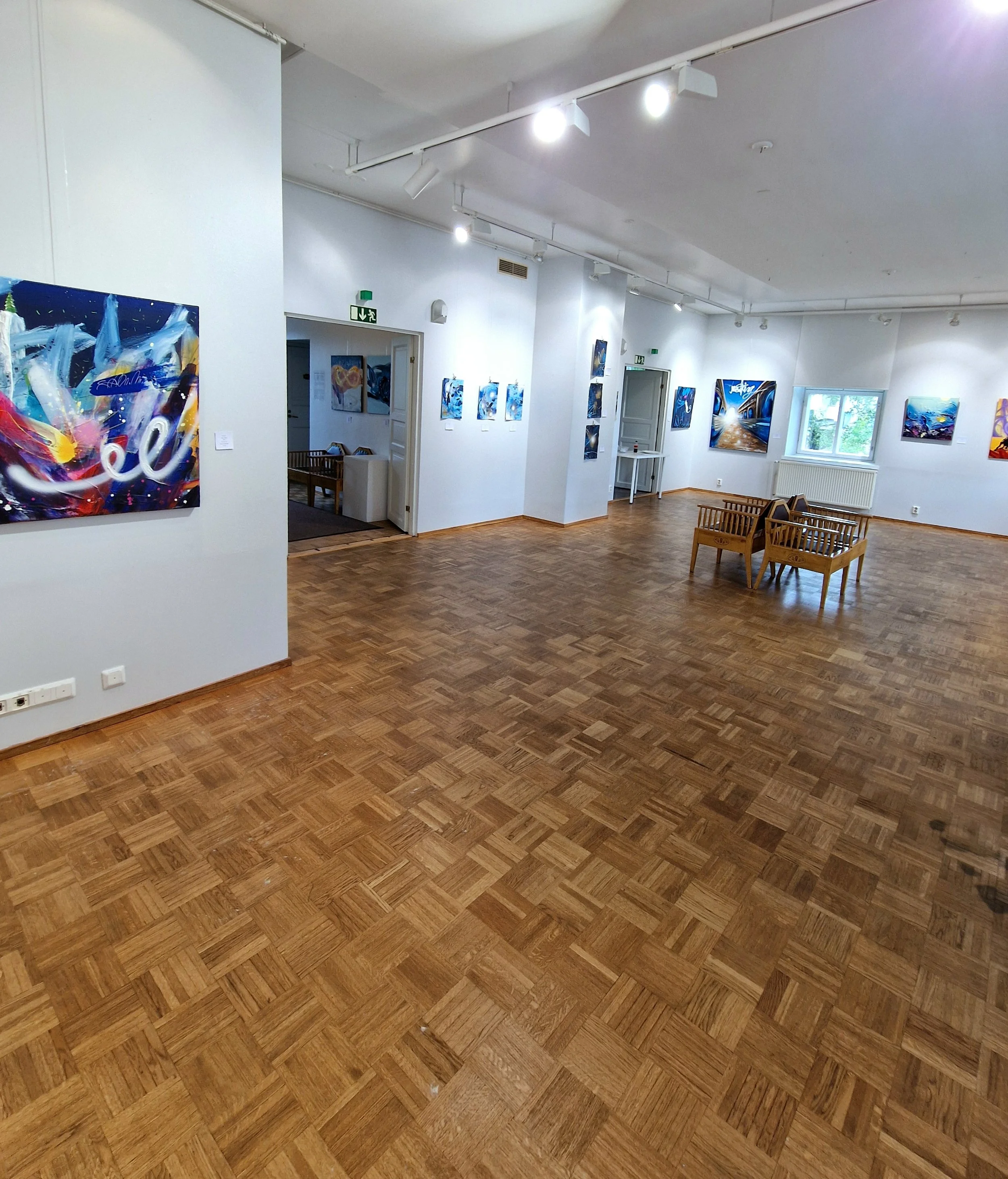
Gallery Kivipankki, 2025, solo exhibition
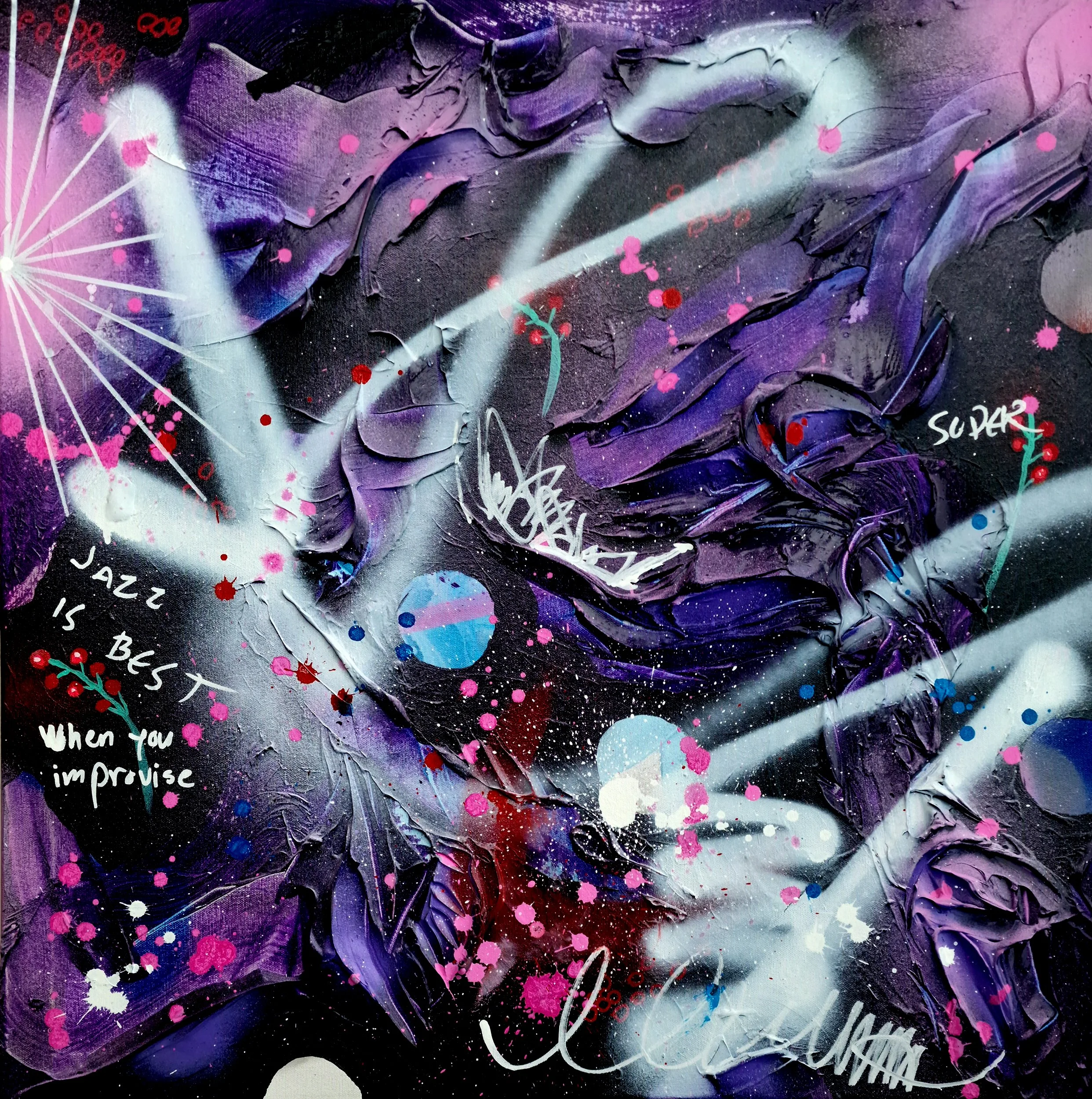
Tempo, 2024, 70 x70cm, acrylic on canvas
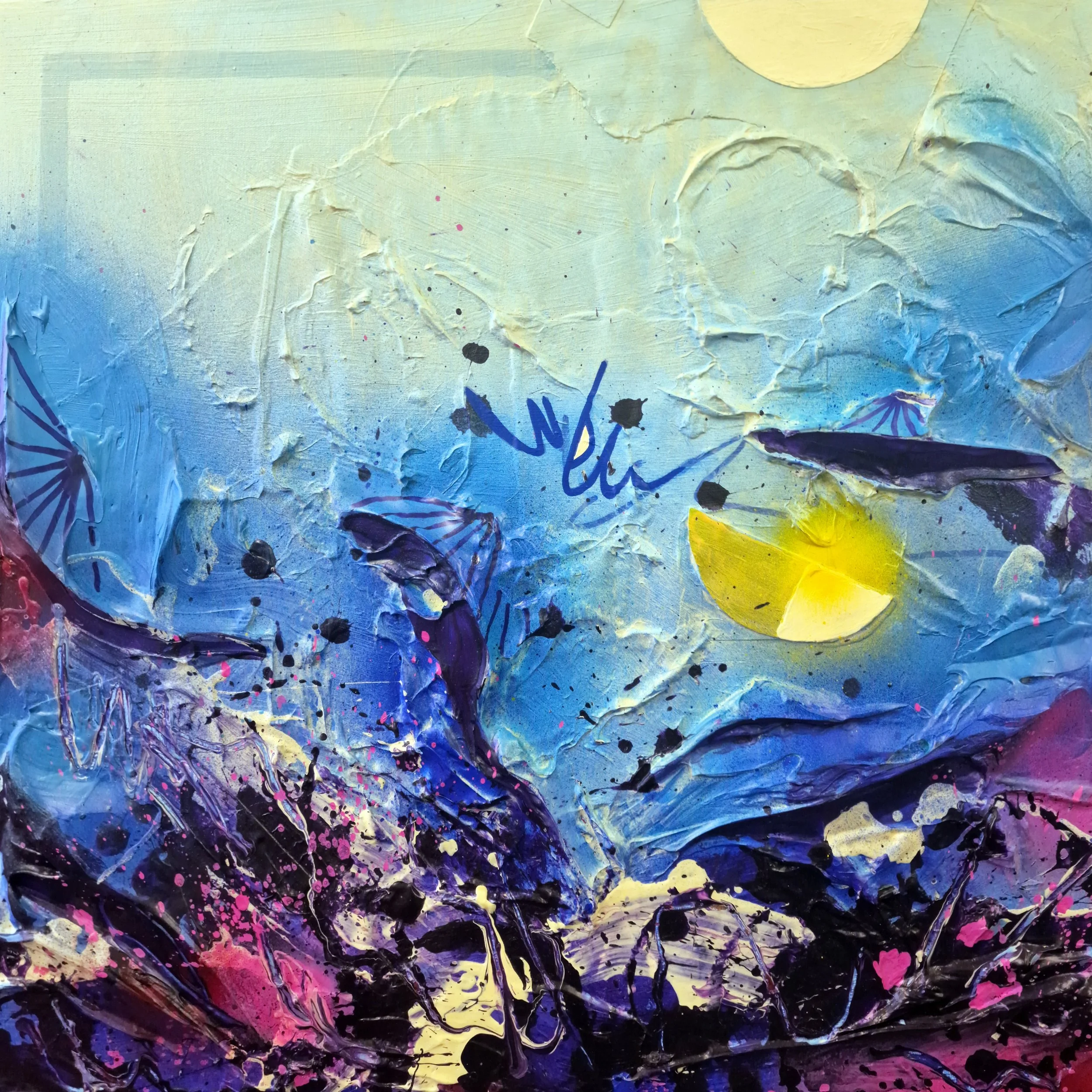
Slice, 2023, 60x60cm, acrylic & collage on canvas
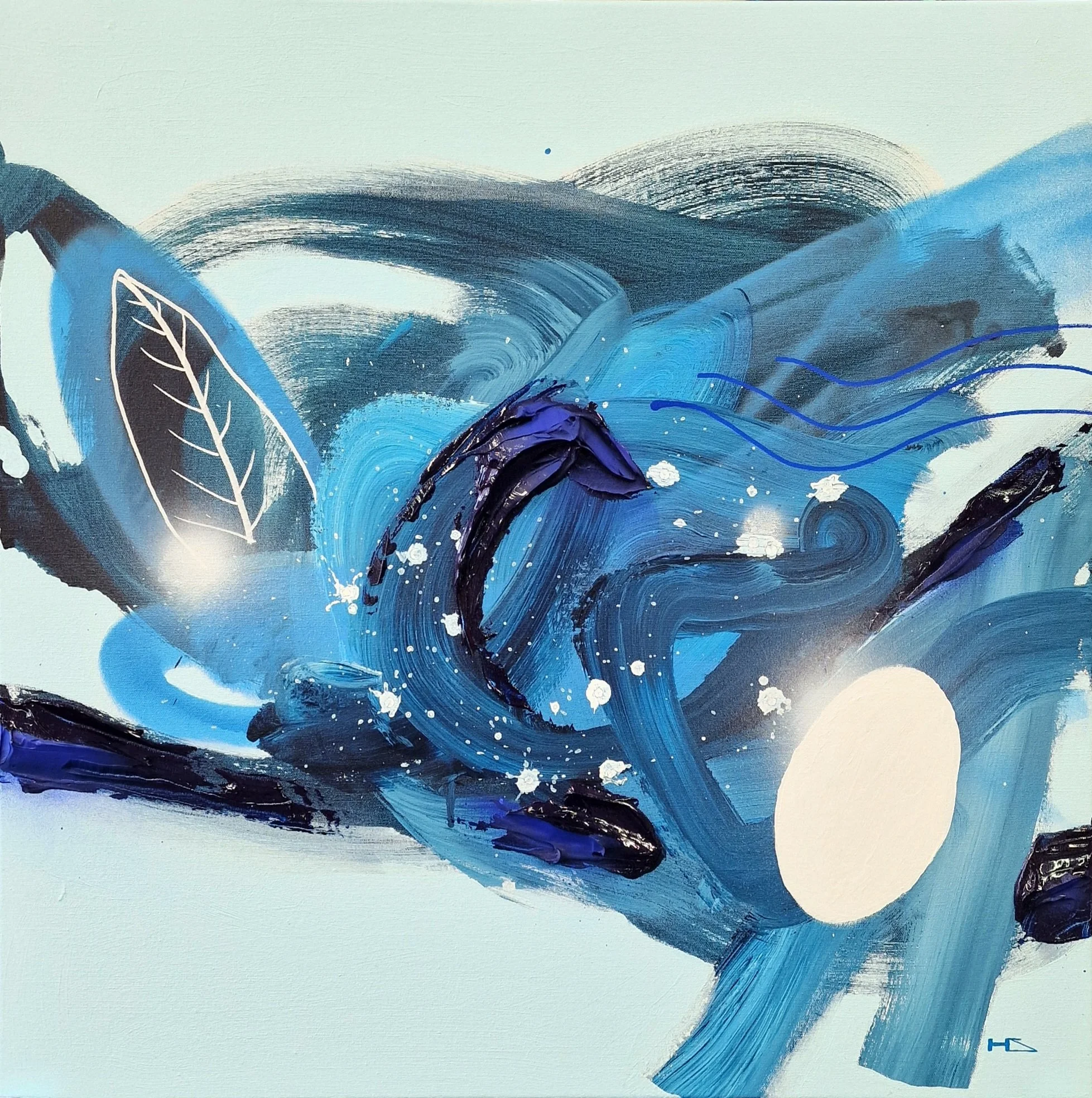
Pure Nordic, 2023, 70x70cm, acrylic on canvas
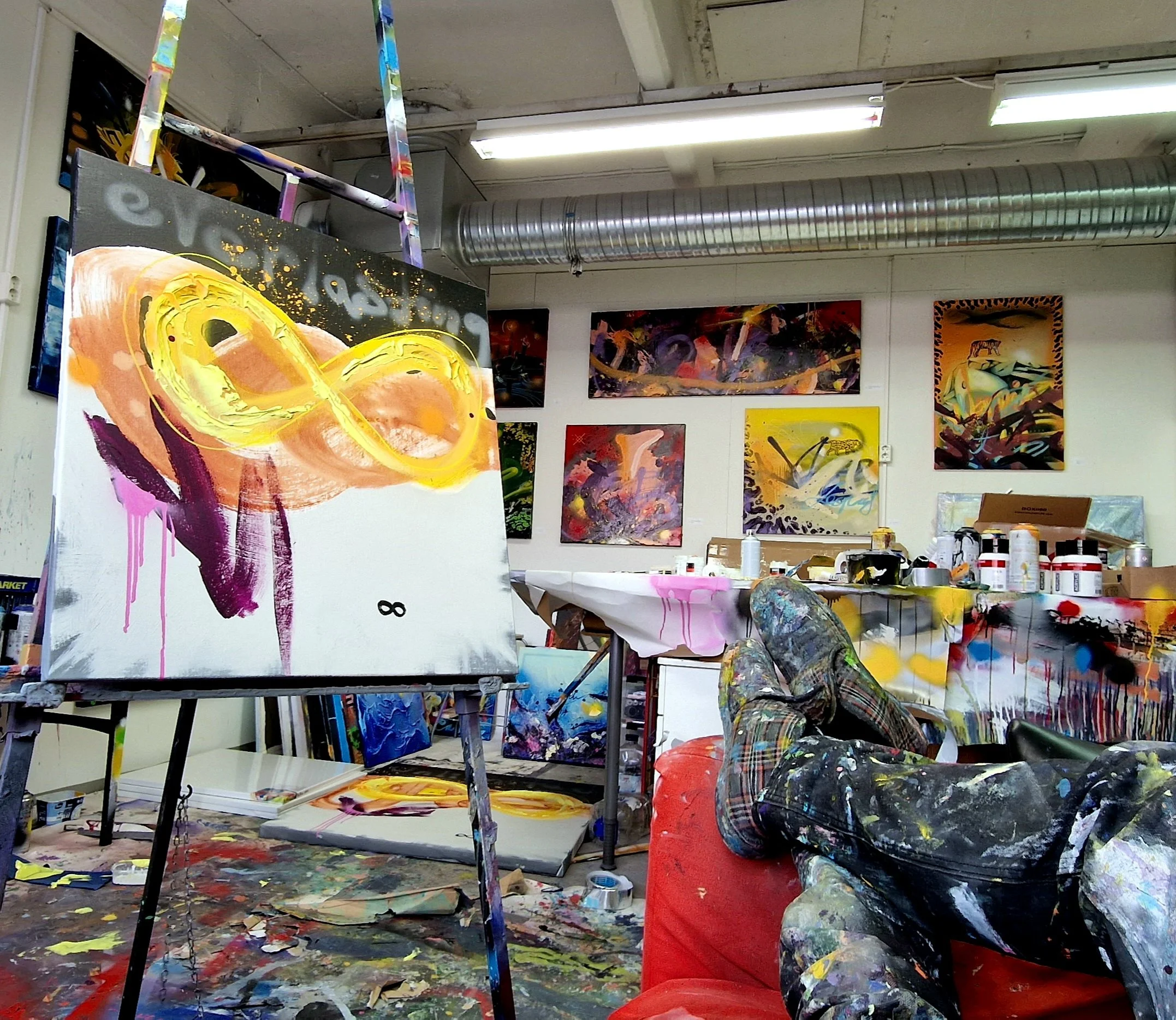
Studio view, 2023, Lahti Finland
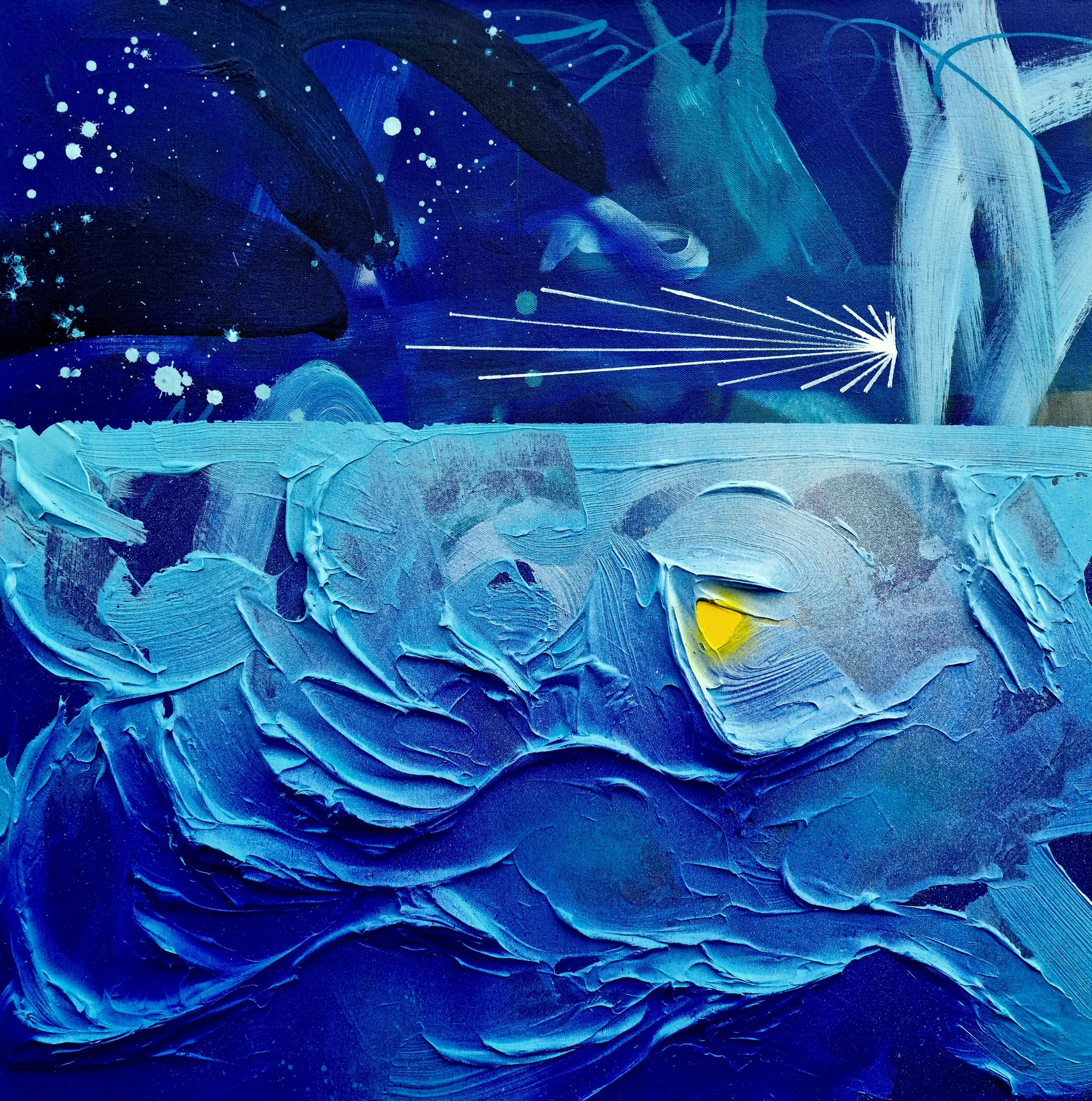
Nordic, 2023, 70x70cm, acrylic on canvas
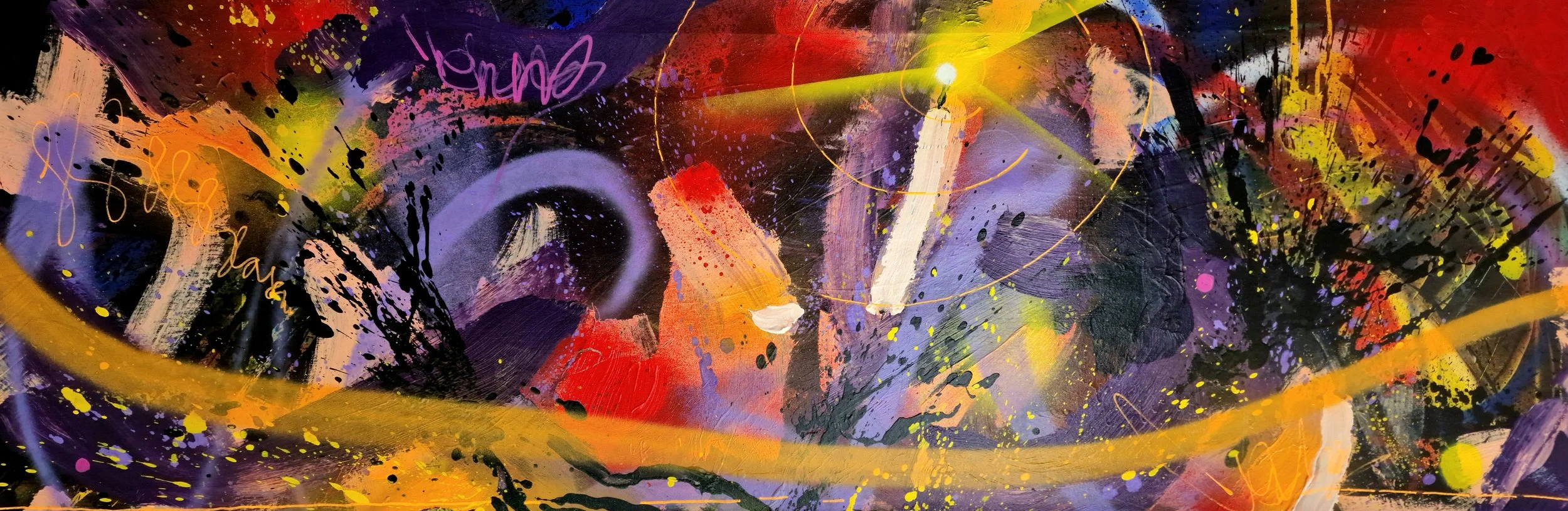
I Remember You Then, 2023, 50,5x150cm, acrylic on canvas
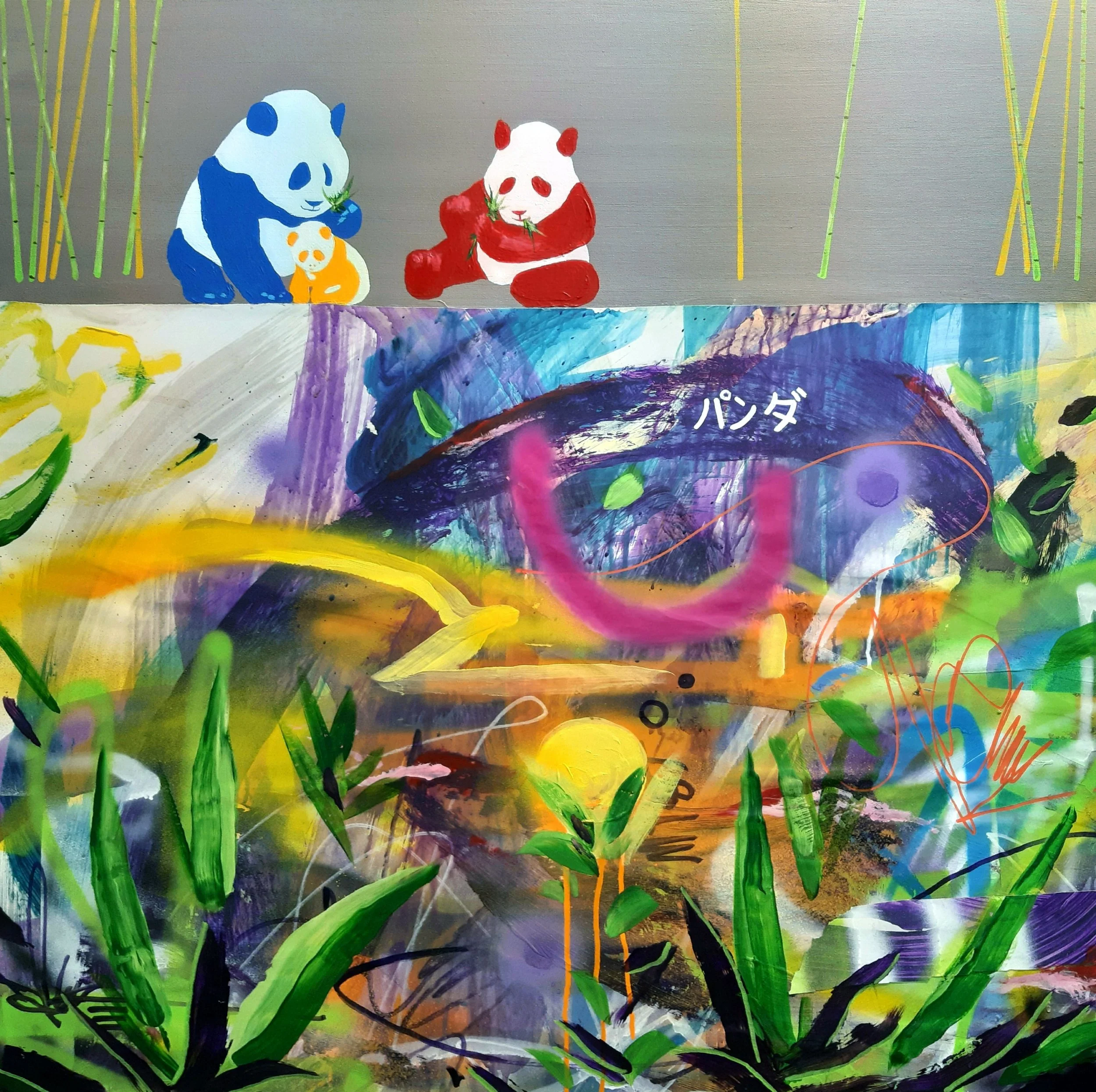
Get Together, 2022, 90x90cm, acrylic collage on canvas
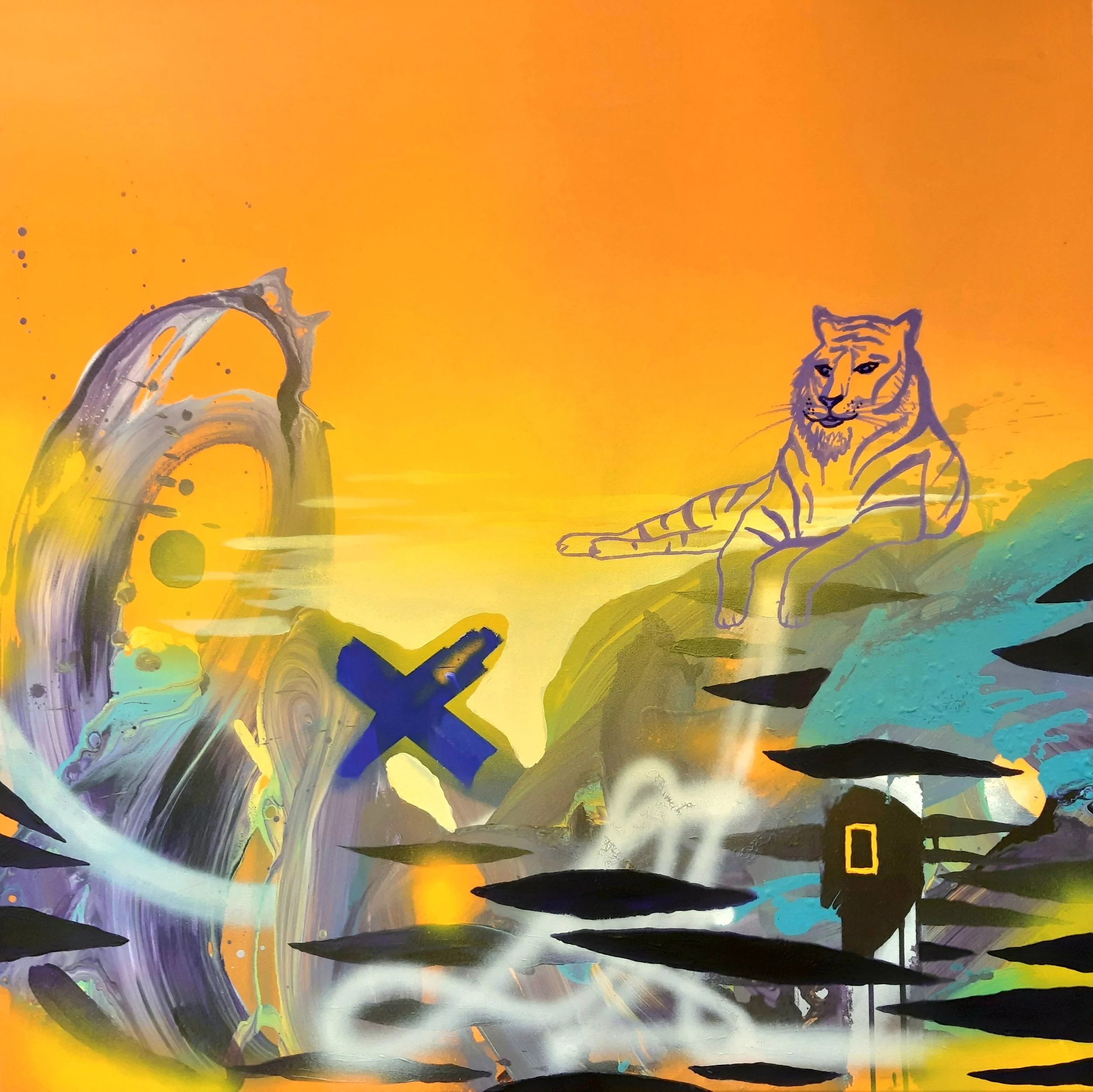
Territory, 2021, 90x90cm, acrylic on canvas

Salmi Family Isojärvi cottage, photo by Anna Ollila
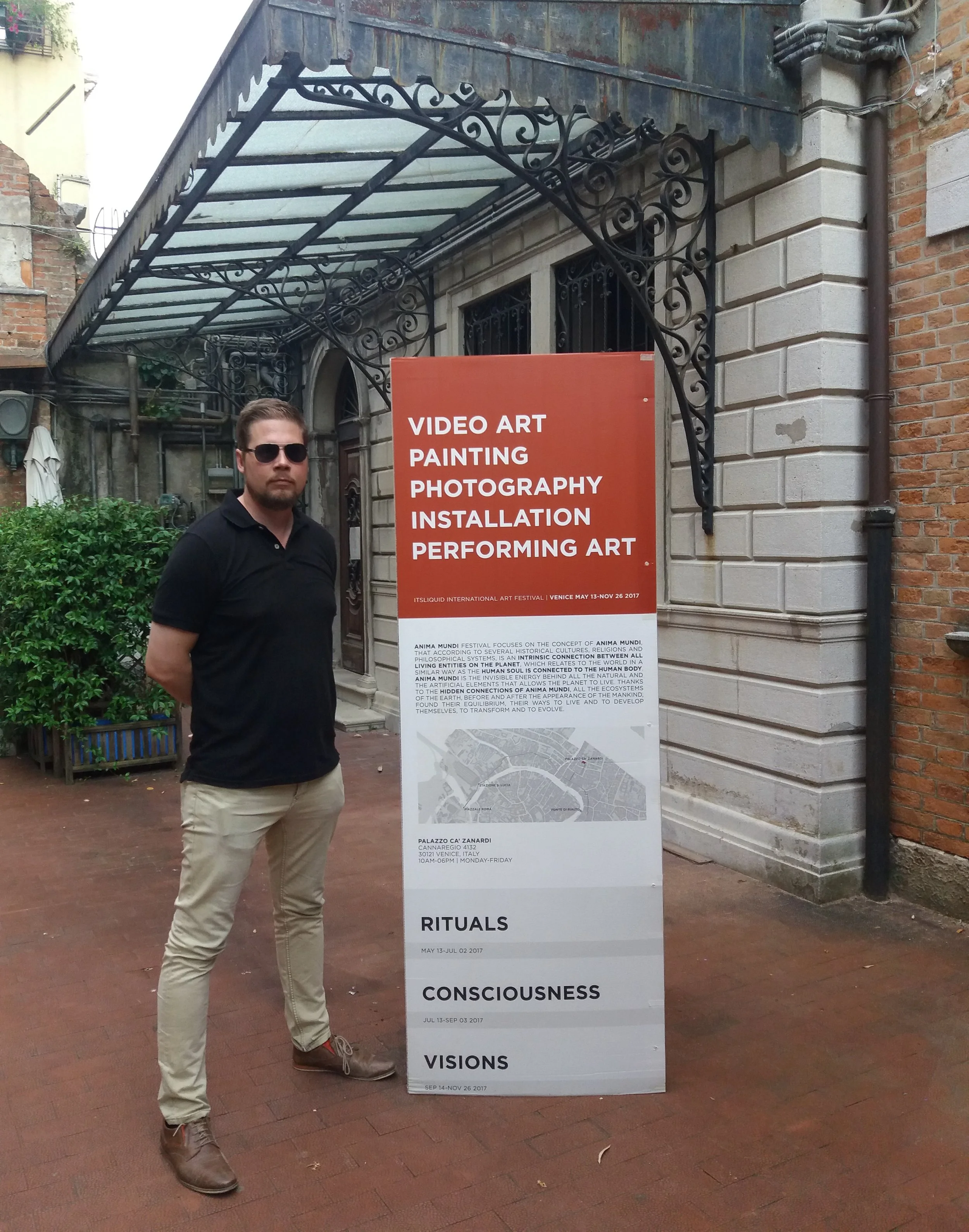
Venice Italy, 2017, ITSLIQUID Art Fair