Interview with Qingzhu Lin
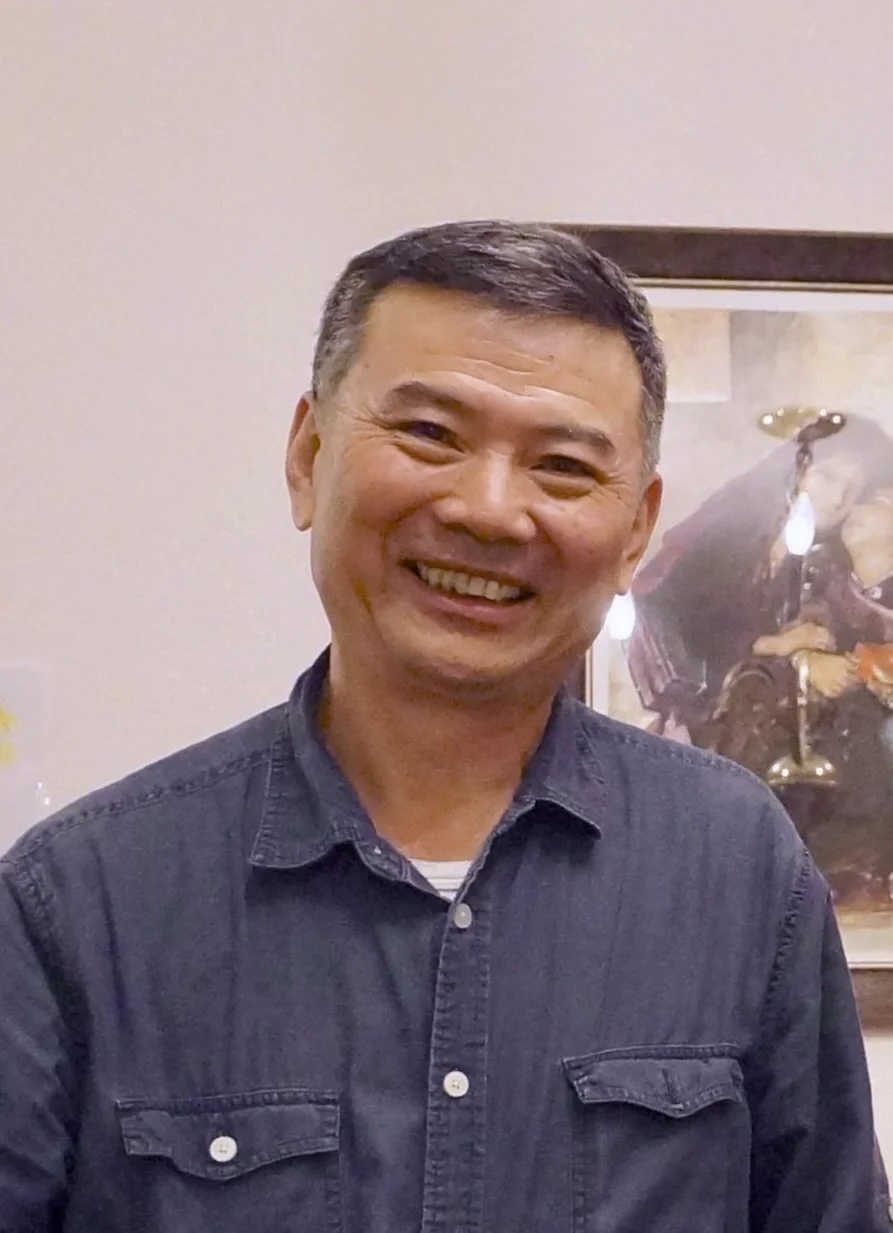
Qingzhu Lin, your work openly embraces the pursuit of beauty at a time when contemporary art often privileges rupture, critique, or negation. How do you philosophically situate beauty within your practice today, not as ornament or nostalgia, but as a serious epistemological and ethical position in relation to modern life?
I view the pursuit of beauty as a profound ethical responsibility—a radical act of restoration. In a world often characterized by fragmentation, my work seeks to return to a state of wholeness. Beauty is not mere decoration; it is a manifestation of “善” (Goodness) that provides a sanctuary for the human soul to heal and reconnect with its essential nature.
Your paintings draw deeply from the visual languages of the European Renaissance while remaining rooted in your lived experience as a Chinese-born artist working in the United States. How do you negotiate the historical weight of Renaissance humanism alongside Chinese cultural memory without allowing either tradition to collapse into quotation or stylistic homage?
My practice is a dialogue between two great civilizations. I utilize the structural logic and "Renaissance light" of the Western tradition to address the technical requirements of depth and anatomical precision; meanwhile, I maintain the Eastern spiritual consciousness, creating a synthesis where the "Highest Goodness" flows through classical forms.
In your figurative work, the human body appears as both an object of meticulous study and a carrier of interior states. How do you understand the relationship between anatomical precision and psychological presence, and where does authorship reside in this tension between observed reality and subjective interpretation?
I approach the human figure not merely as biological form, but as a vessel for the "Soul Trace." By applying the rigor of classical anatomy, I create a grounded reality that allows the "invisible" spirit of the subject to become visible. The body is the architecture; the soul is the light within.
Landscape in your practice often functions as more than a backdrop, operating instead as a philosophical extension of the human figure. How do you conceive of nature as a cultural construct shaped by memory, migration, and longing rather than as a neutral or purely aesthetic subject?
Growing up in a coastal city has deeply informed my palette and sense of space. The "misty" and filtered light of the coast taught me the value of ambiguity—the space between "shape and invisible." Even now, my work seeks to recreate that specific atmosphere where boundaries dissolve and the light feels internal rather than external.
Your early fascination with postage stamps and a treasured oil painting suggests an intimacy with small-scale imagery and private visual encounters. How do these formative experiences continue to inform your sense of composition, narrative density, and the emotional scale of your paintings?
My childhood fascination with postage stamps—which I call "Inches Arts"—is the foundation of my composition. Observing sets like "Peony" or "Huang Mountain" through a magnifying glass taught me that a tiny space can contain a vast universe. Today, even on a large canvas, I treat every inch with the same intimacy and focus on narrative density.
Trained in English Literature, you bring a literary consciousness to visual form. How does narrative operate in your paintings without becoming illustrative, and how do silence, ambiguity, and omission function as structural elements akin to those in literary texts?
My training in English Literature taught me that the most powerful stories are often found in what is left unsaid. I apply the philosophy of “此处无声胜有声” (Silence speaks louder than words) to my paintings. Like a literary text, my work utilizes silence and omission as structural elements, inviting the audience to complete the narrative in their own minds.
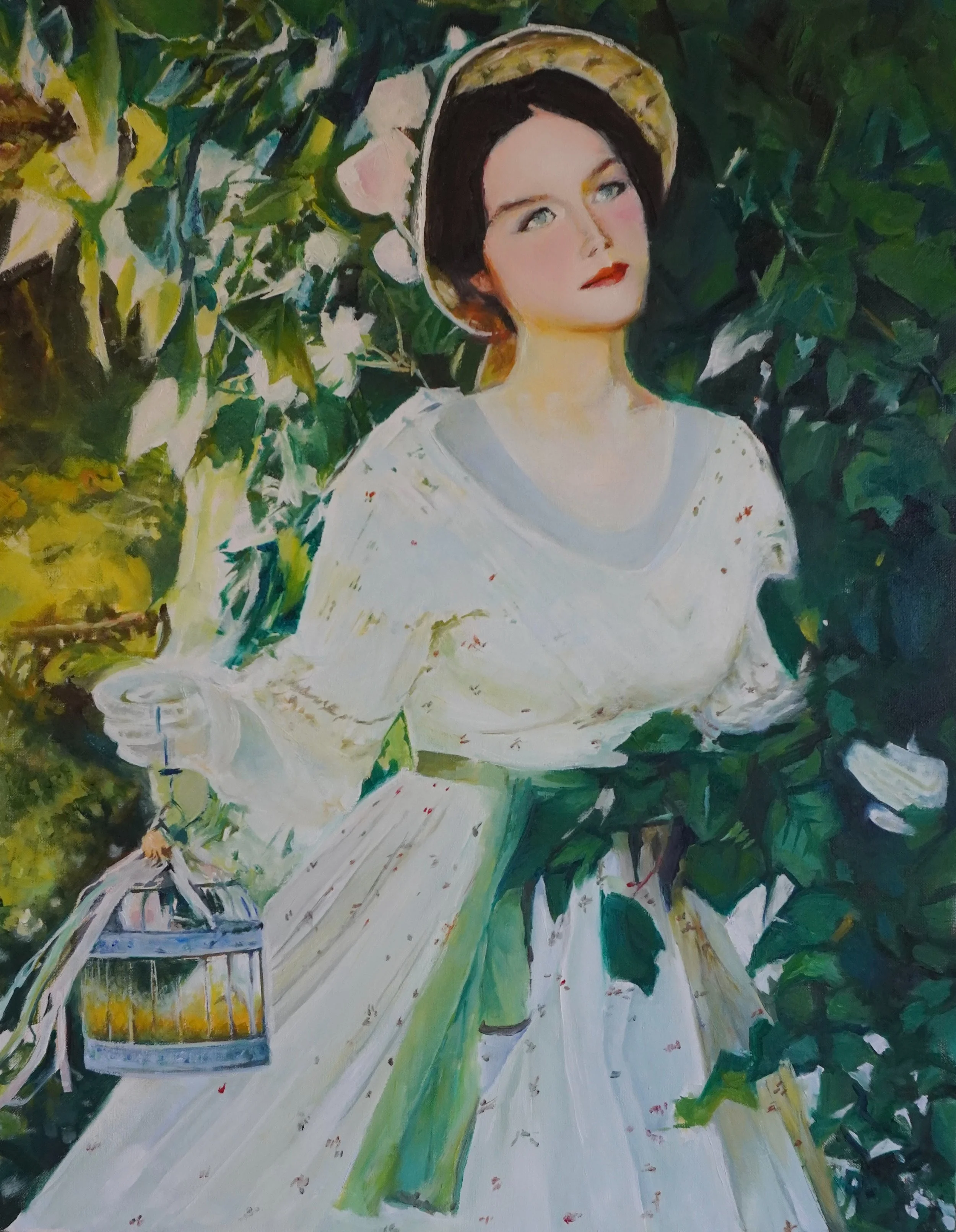
Works such as Elegance Lady employ symbolic elements that appear restrained rather than overtly allegorical. How do you approach symbolism as a quiet psychological device rather than a didactic tool, and how much interpretive responsibility do you intentionally leave to the viewer?
Symbolism in my work functions as a quiet psychological device, reflecting the subject’s compassion (爱心) and inner joy. However, I intentionally leave the interpretive responsibility to the viewer. To "let it be free" is an act of trust, allowing the audience to find their own resonance within the scene.
Your stated desire for your work to resonate with the aspirations of the audience raises questions about reception and intention. How do you reconcile personal artistic vision with collective desire without subordinating critical autonomy to aesthetic gratification?
I view art as a manifestation of “善” (Goodness). Sharing art is an act of mutual exchange—a "Good Behavior" that connects the artist’s vision with the audience's aspirations. Meeting the viewer's desire for peace is not a compromise, but the fulfillment of art’s highest purpose: the transmission of kindness.
The fusion of tradition and innovation is central to your practice, yet both terms risk becoming generalized rhetoric. In concrete material and conceptual terms, where does innovation manifest in your work when the visual language appears resolutely classical?
Innovation in my work manifests as a technical translation between media. I have spent years experimenting with how to make the richer expressiveness of oil paint mimic the ethereal, transparent qualities of traditional watercolor and ink. By merging these techniques, I renovate the classical language into a new, hybrid form that honors both traditions.
Your paintings often evoke stillness, contemplation, and temporal suspension. How do you think about time in your work, particularly in relation to contemporary acceleration, digital mediation, and the erosion of sustained looking?
I view the stillness in my work as a form of resistance against contemporary "digital acceleration." Guided by the philosophy of “上善若水” (Highest goodness is like water), my paintings create a sanctuary of temporal suspension. Between the "colored and colorless," I invite a "slow gaze" that allows the viewer to reconnect with the quiet truth of their own heart.
Having lived through profound historical, cultural, and geopolitical shifts, how does your generational perspective inform your understanding of continuity and rupture in artistic tradition, especially within a globalized contemporary art context?
Having lived through significant cultural and geopolitical shifts, I see myself as a bridge. While the world's surface may rupture, the human heart remains a point of continuity. My perspective allows me to preserve classical traditions while ensuring they flow into our modern life with sincerity and a universal heart.
In an era when authorship is frequently destabilized through appropriation, collaboration, or algorithmic production, how do you define the role of the individual hand, discipline, and mastery within your practice?
I define mastery as a form of discipline and reverence for the craft. In an age of AI, the individual hand remains the only way to leave a "Soul Trace." Mastery is not about showcasing skill, but about the sincerity of the effort—the hand acts as a bridge, pouring a human warmth into the oil that no algorithm can capture.
The emotional tone of your portraits often resists spectacle, favoring introspection and restraint. How do you understand emotional resonance as something cultivated through formal decisions rather than expressive excess?
The introspective tone of my work stems from a desire for restraint rather than spectacle. In practice, I strive for the ideal realm of “浓妆淡抹总相宜” (Thick and light colors are always suitable). This quiet approach ensures the technique remains secondary to the subject's soul, allowing the viewer to find their own resonance within a balanced, peaceful space.
Your work positions painting as a living, evolving medium rather than a historical artifact. What do you believe painting can still accomplish philosophically and culturally that other contemporary media cannot?
Painting possesses a physical honesty and a "Weight of Time" that digital media lacks. It is not a historical artifact but a contemporary sanctuary of stillness. It provides a tactile, enduring record of the human spirit’s "Good Intention," requiring the viewer to slow down and reconnect with an enduring truth.
Your practice proposes art as a bridge across cultures, histories, and inner lives. How do you envision the ethical responsibility of the artist in constructing such bridges without erasing difference, conflict, or complexity?
The responsibility of the artist is to construct bridges that honor complexity without erasing difference. By merging Renaissance form with Eastern spirit, I show that two worlds can exist in harmony. This is a bridge of compassion, where the individual soul finds its way to a universal peace.
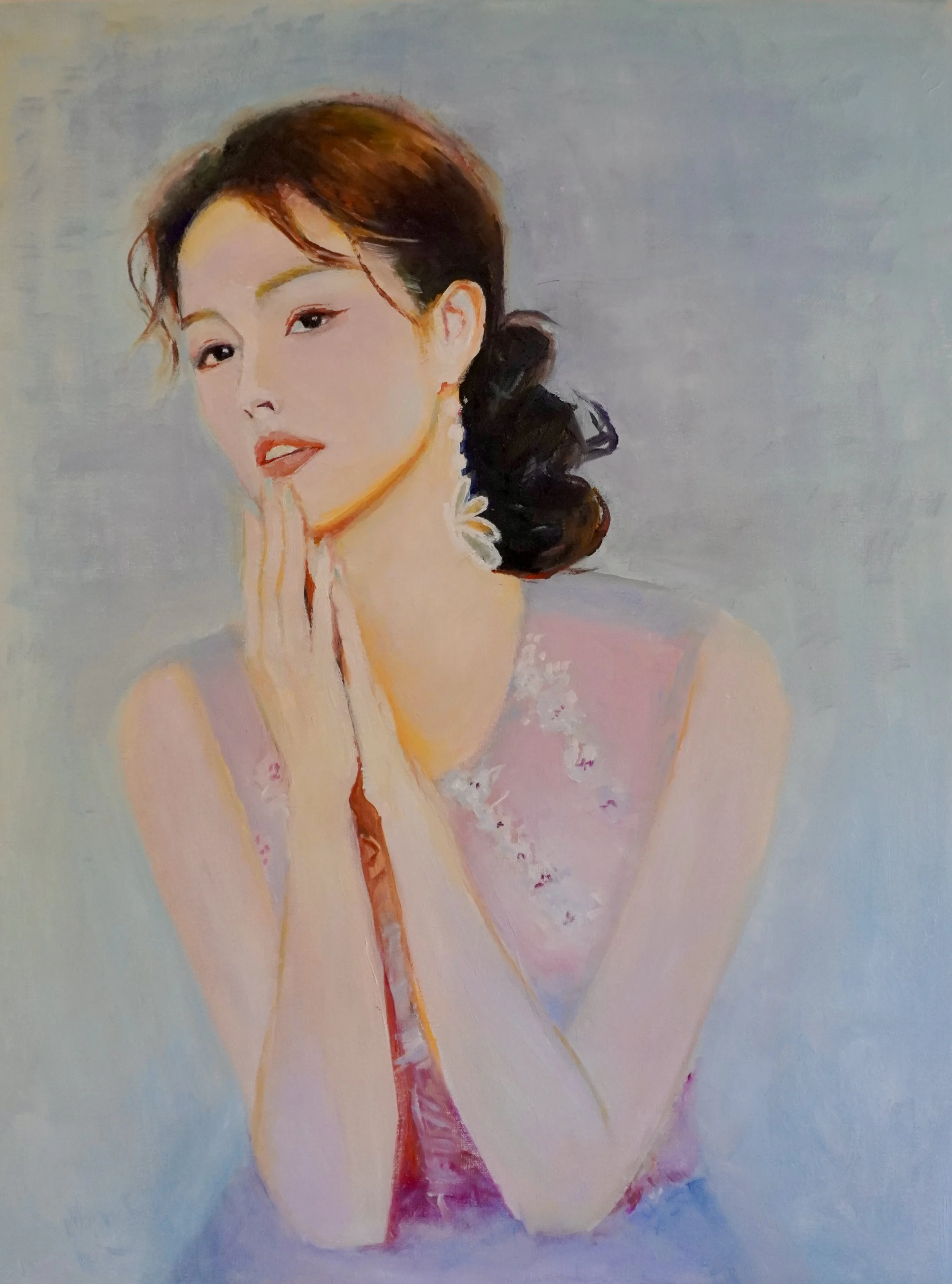
Gaze
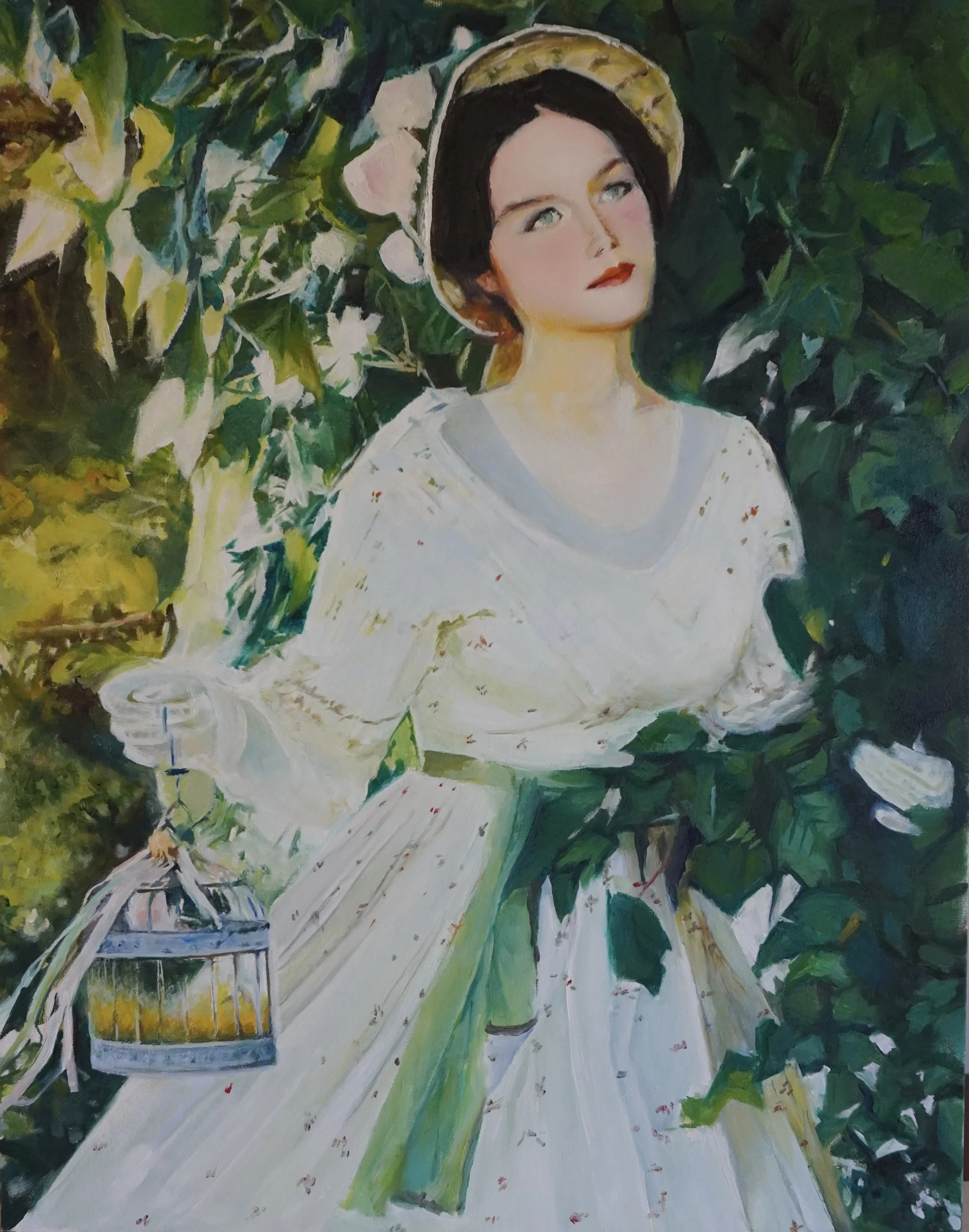
Elegance Lady-II
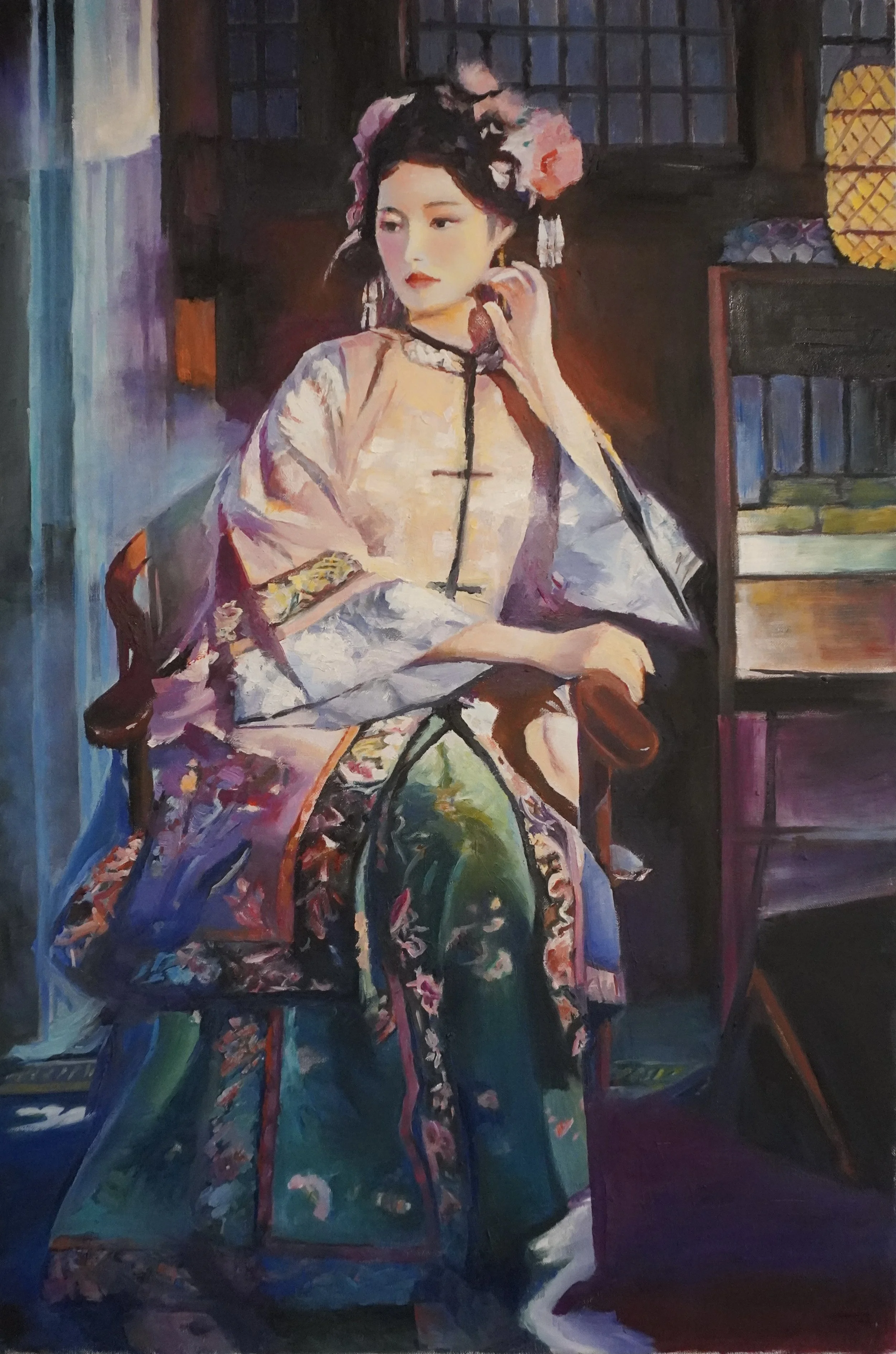
Grace Lady in Palace
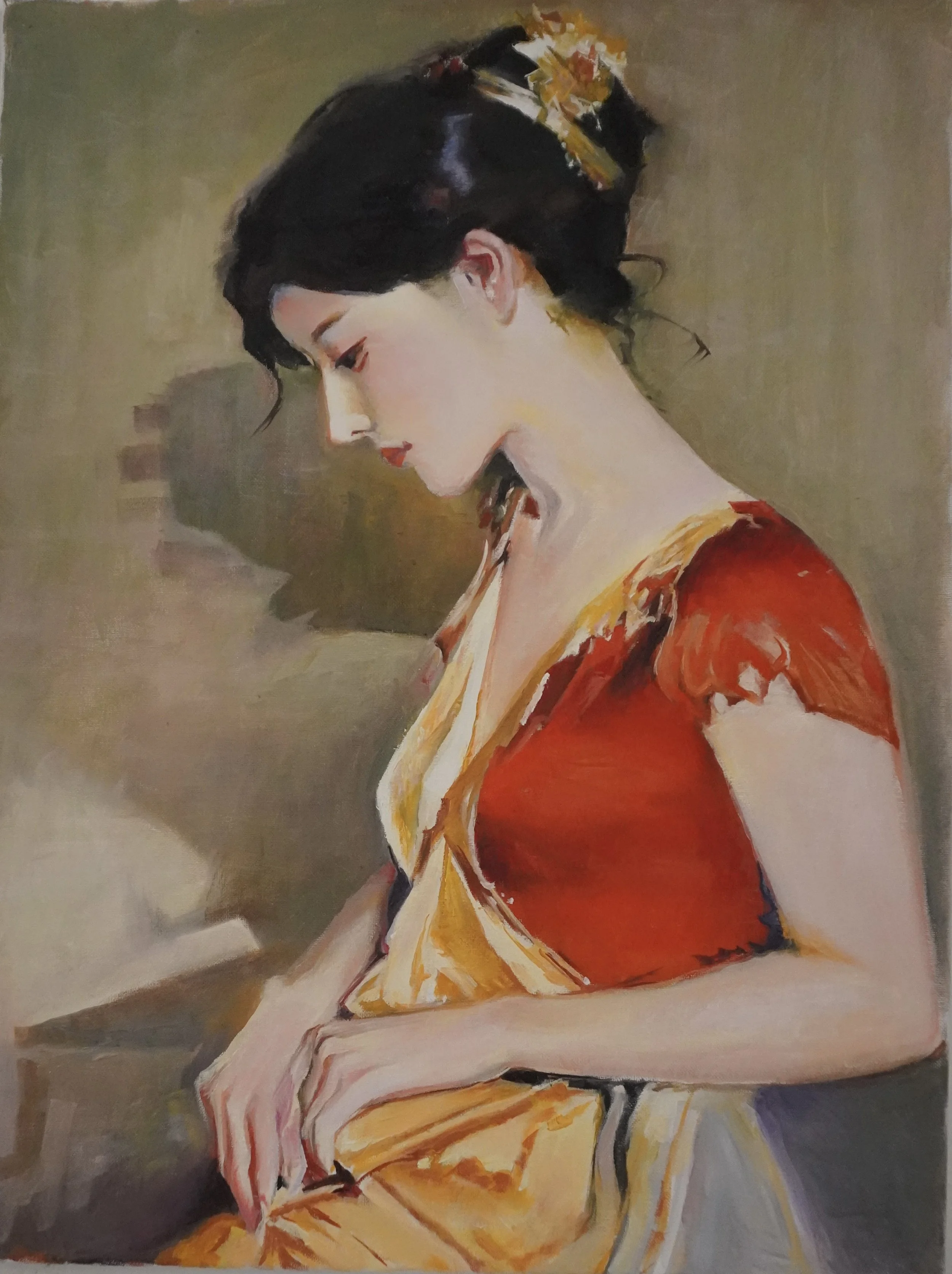
Before Performenting
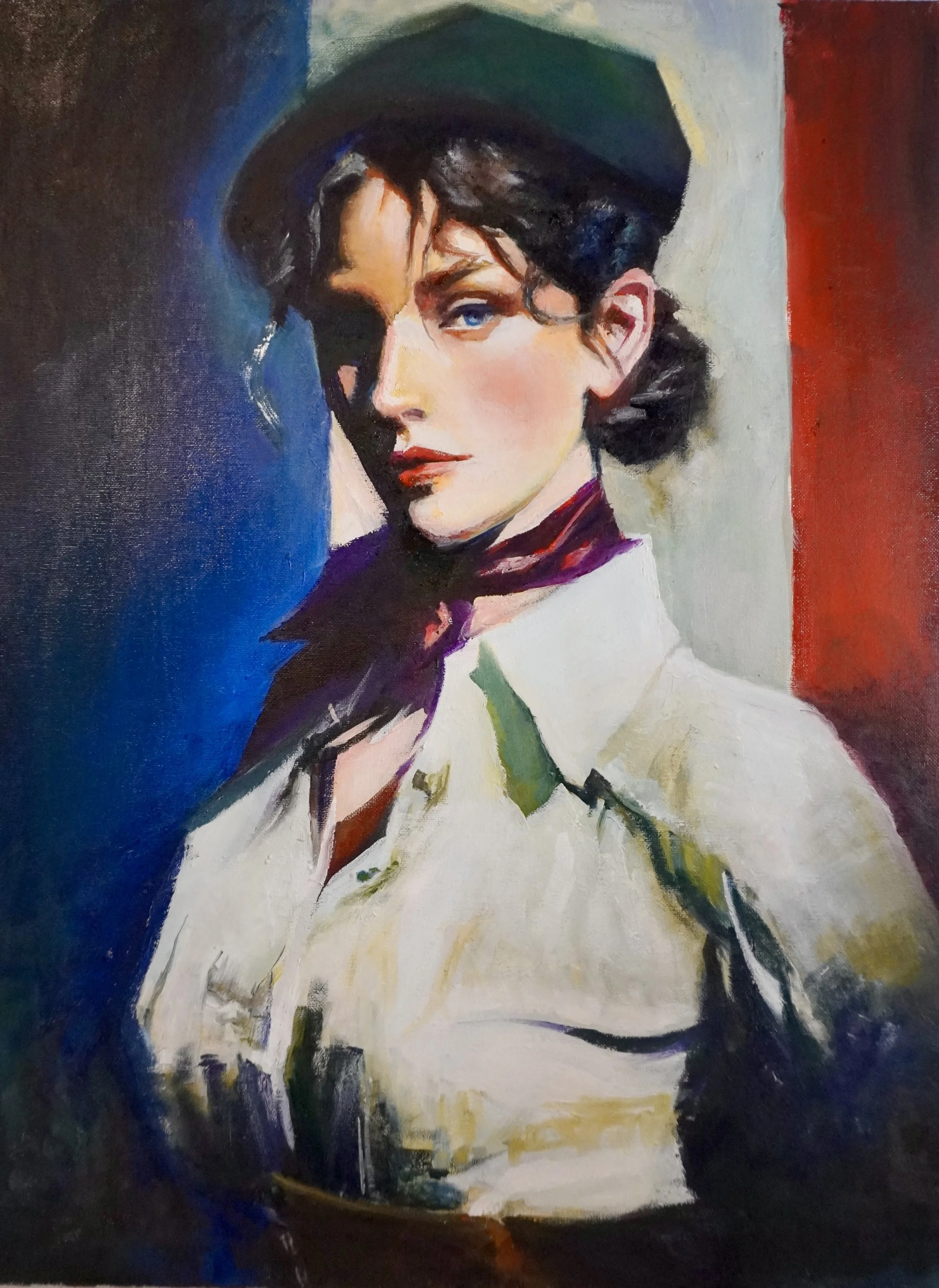
Charm of Ligh
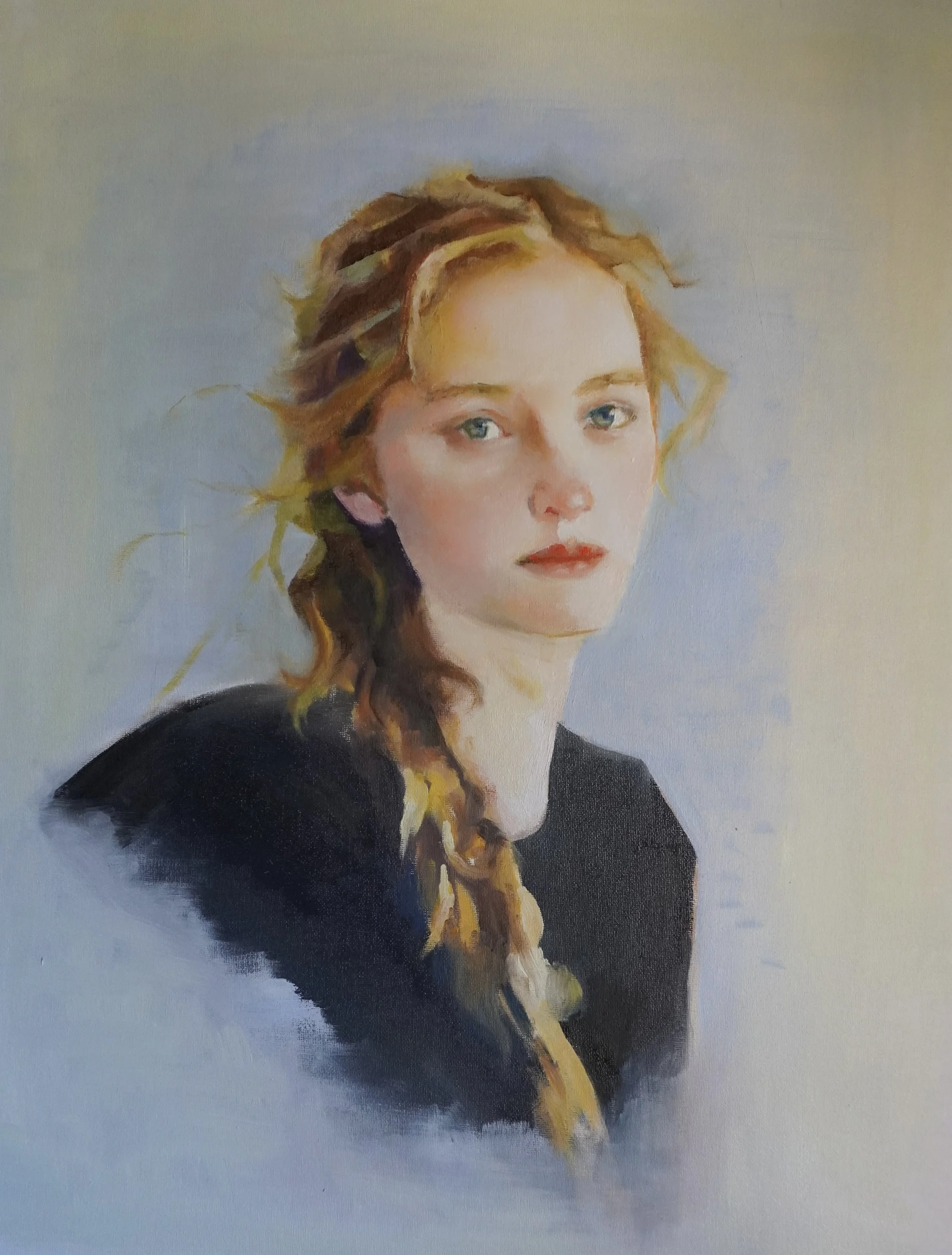
Refeshment
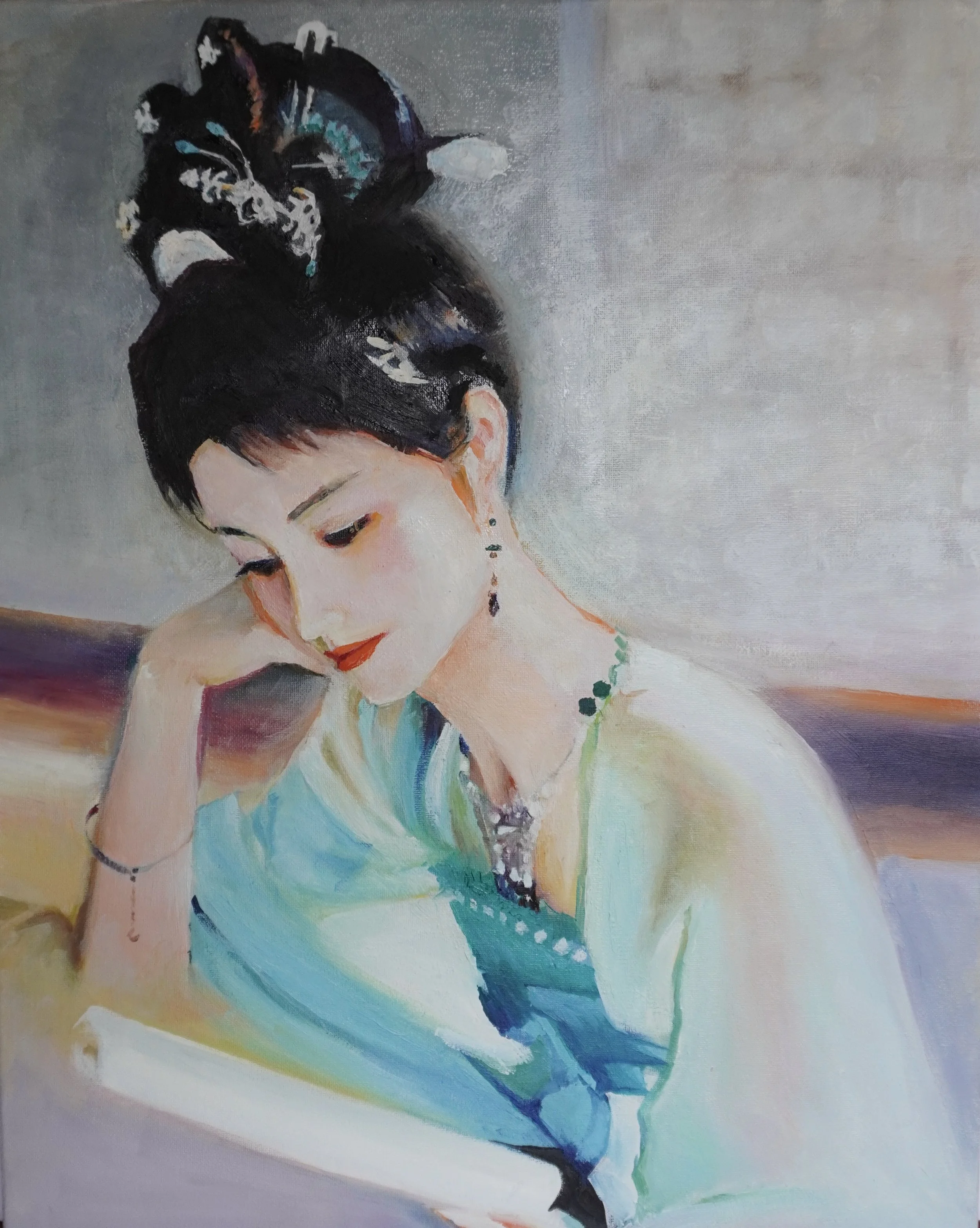
Reading
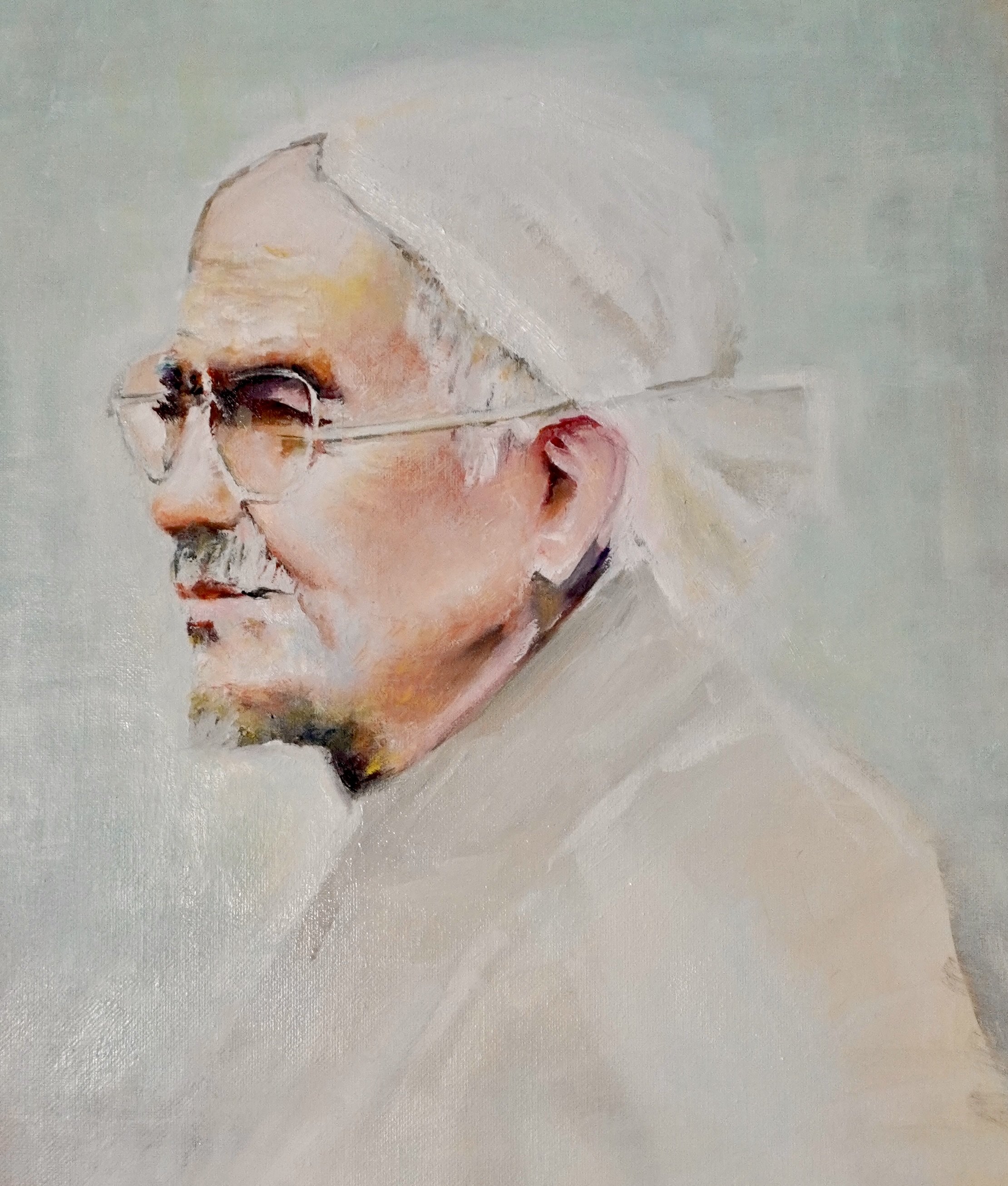
Old Man
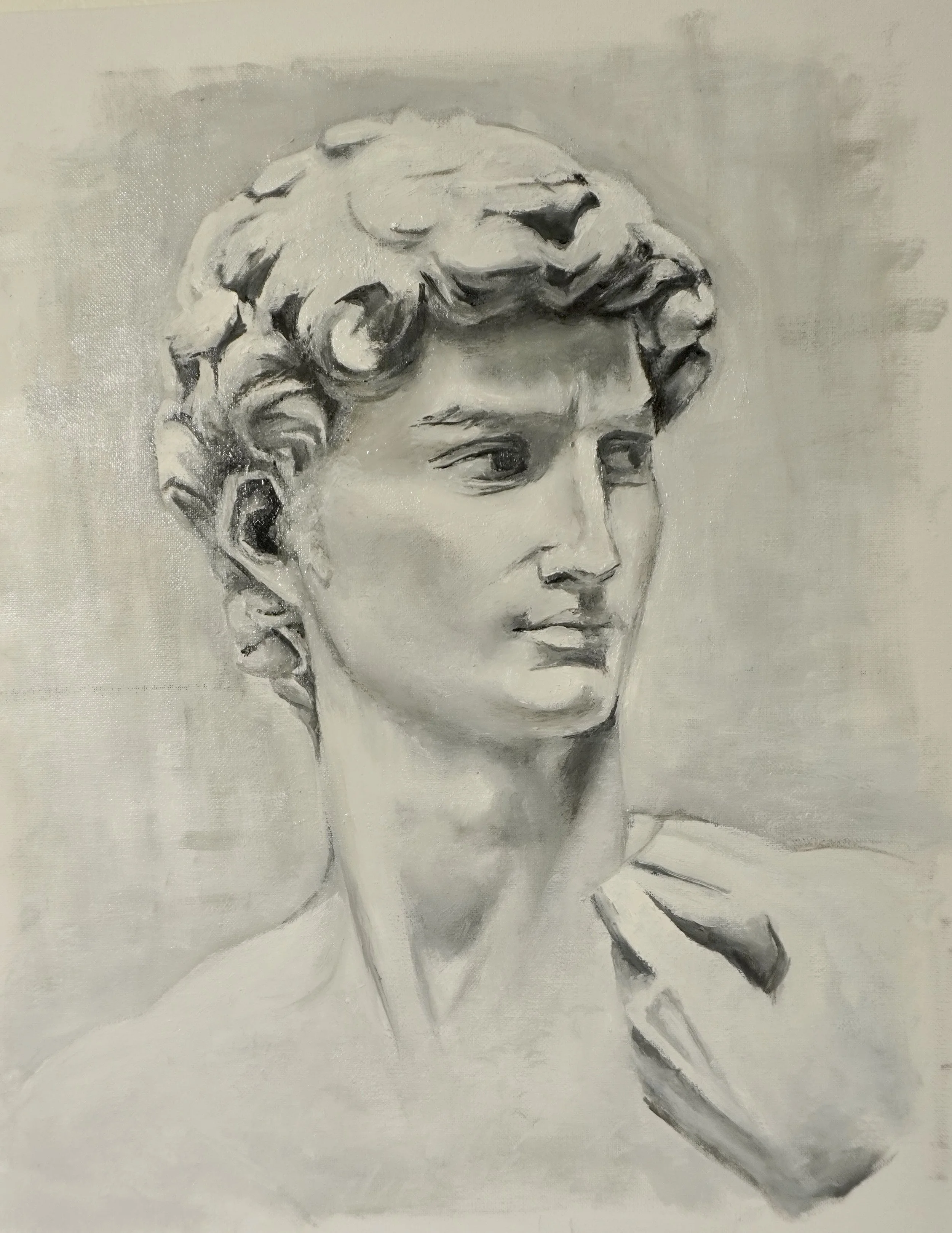
David
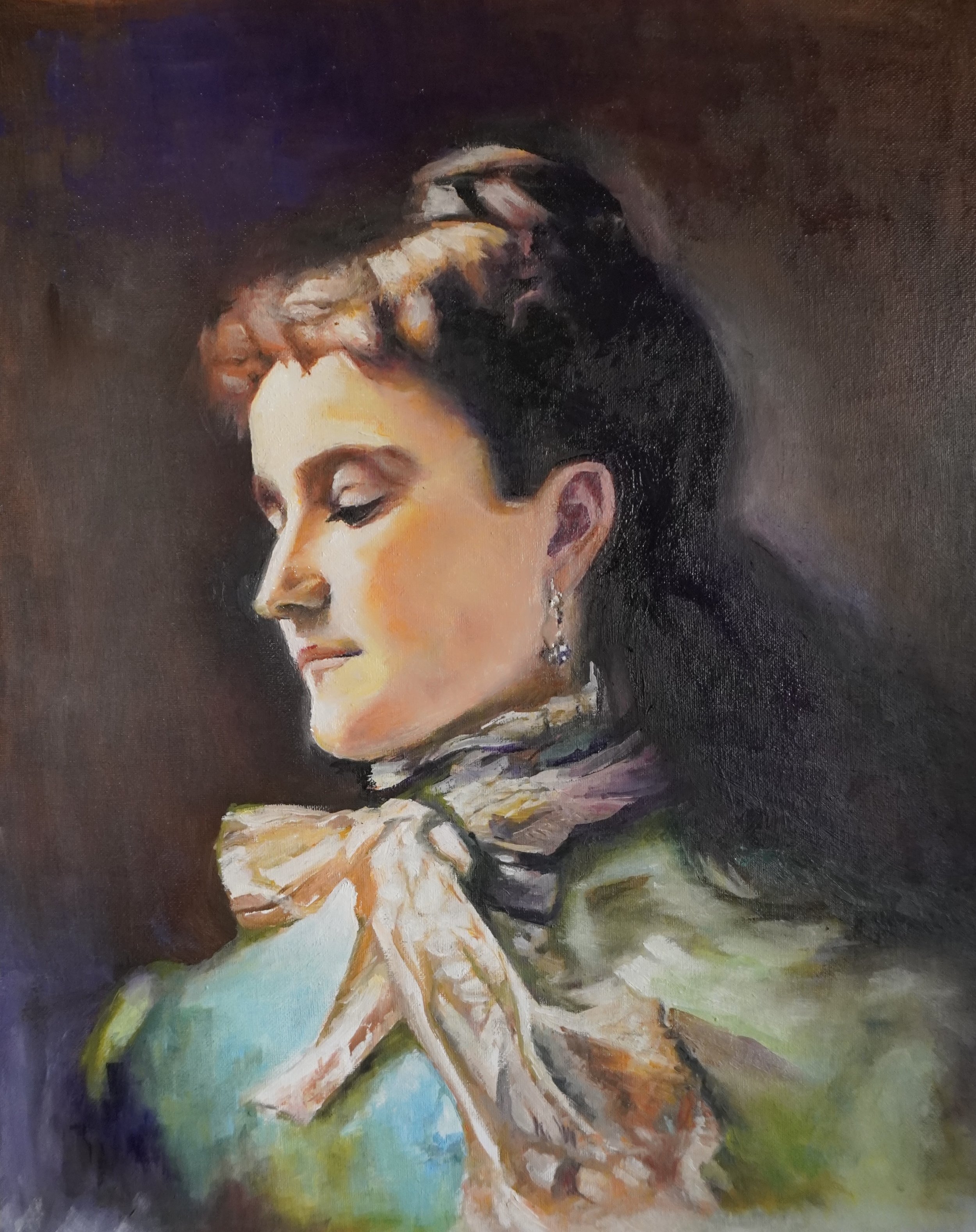
Emily
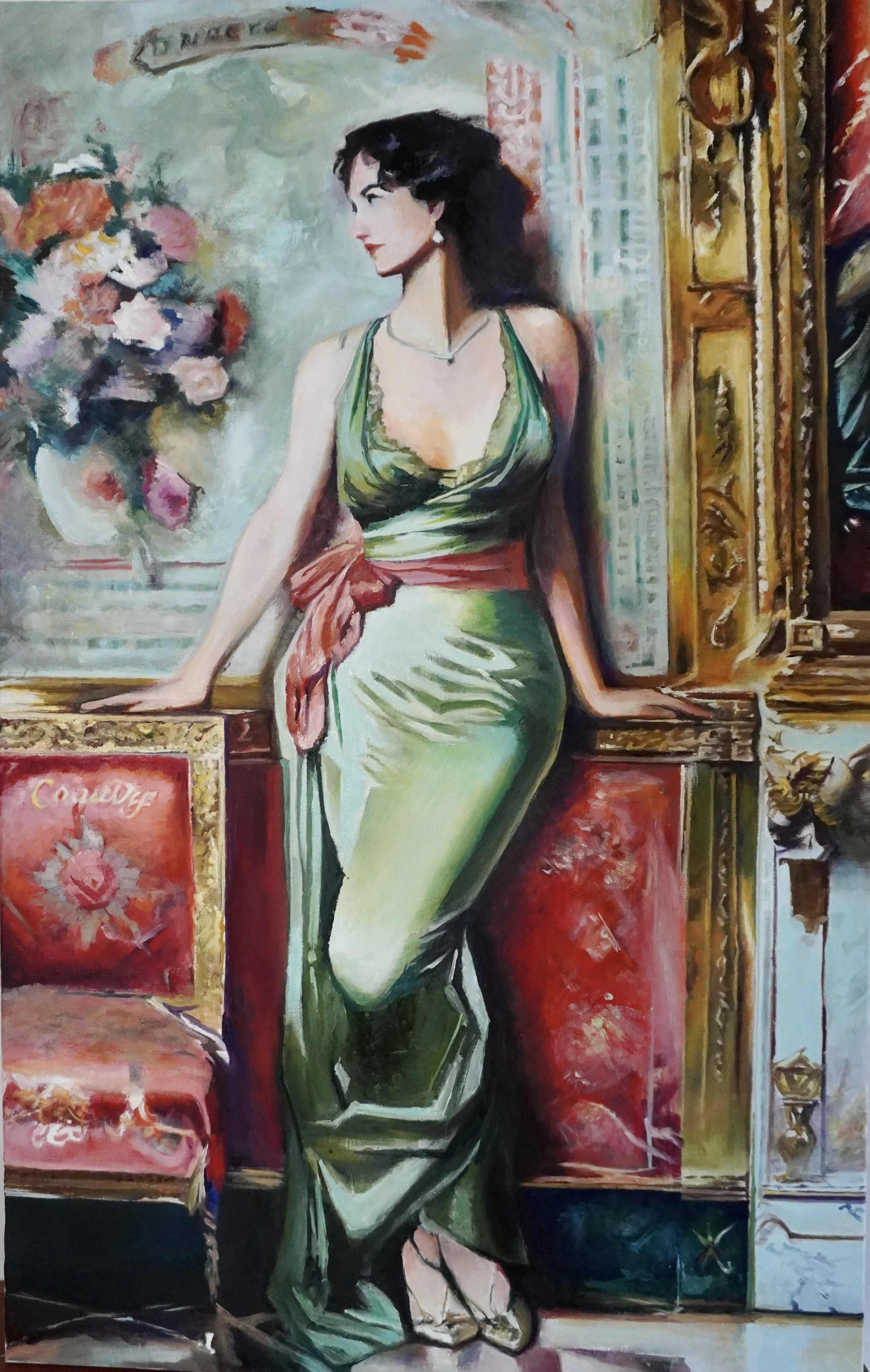
Fascinate
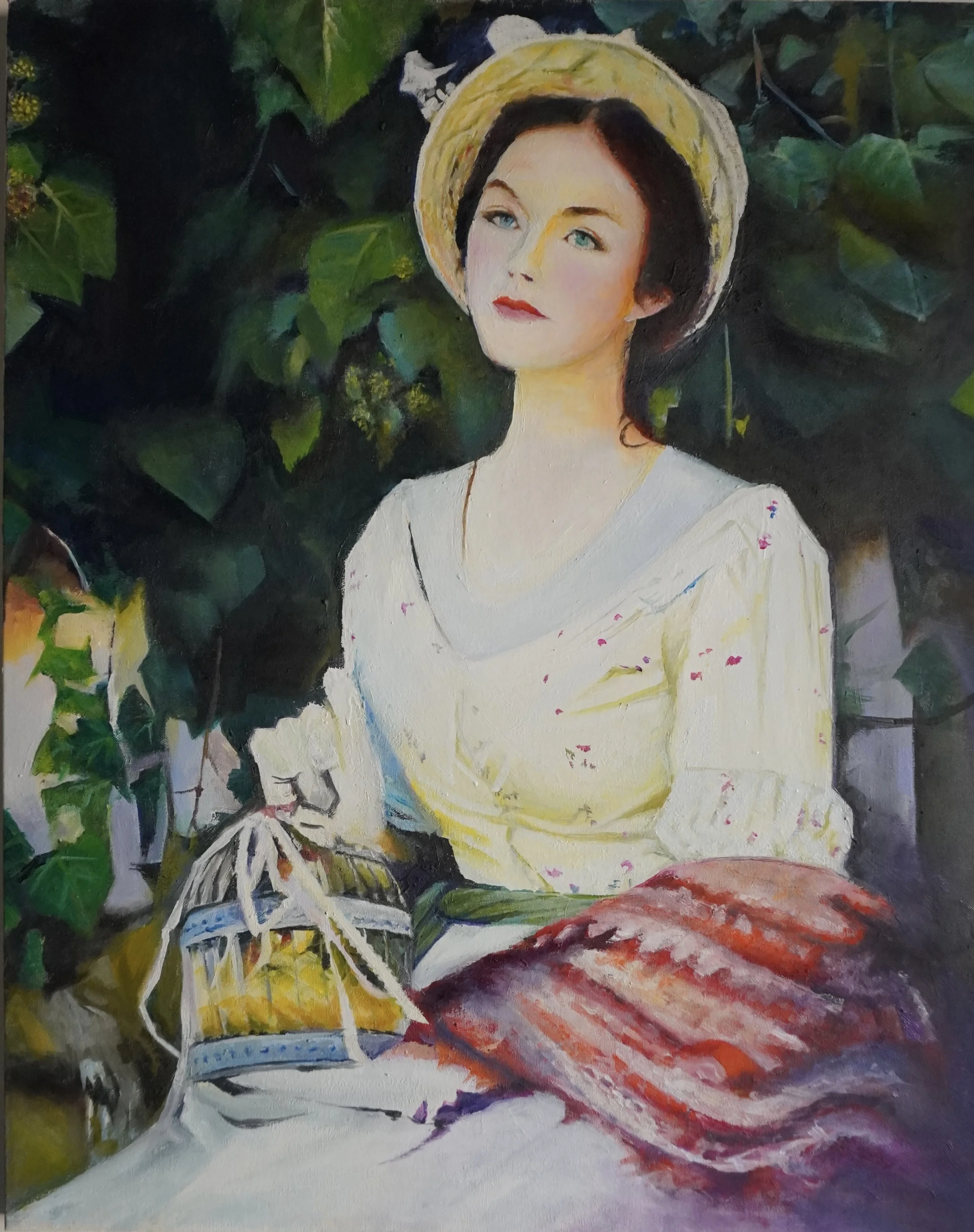
Under the Shade
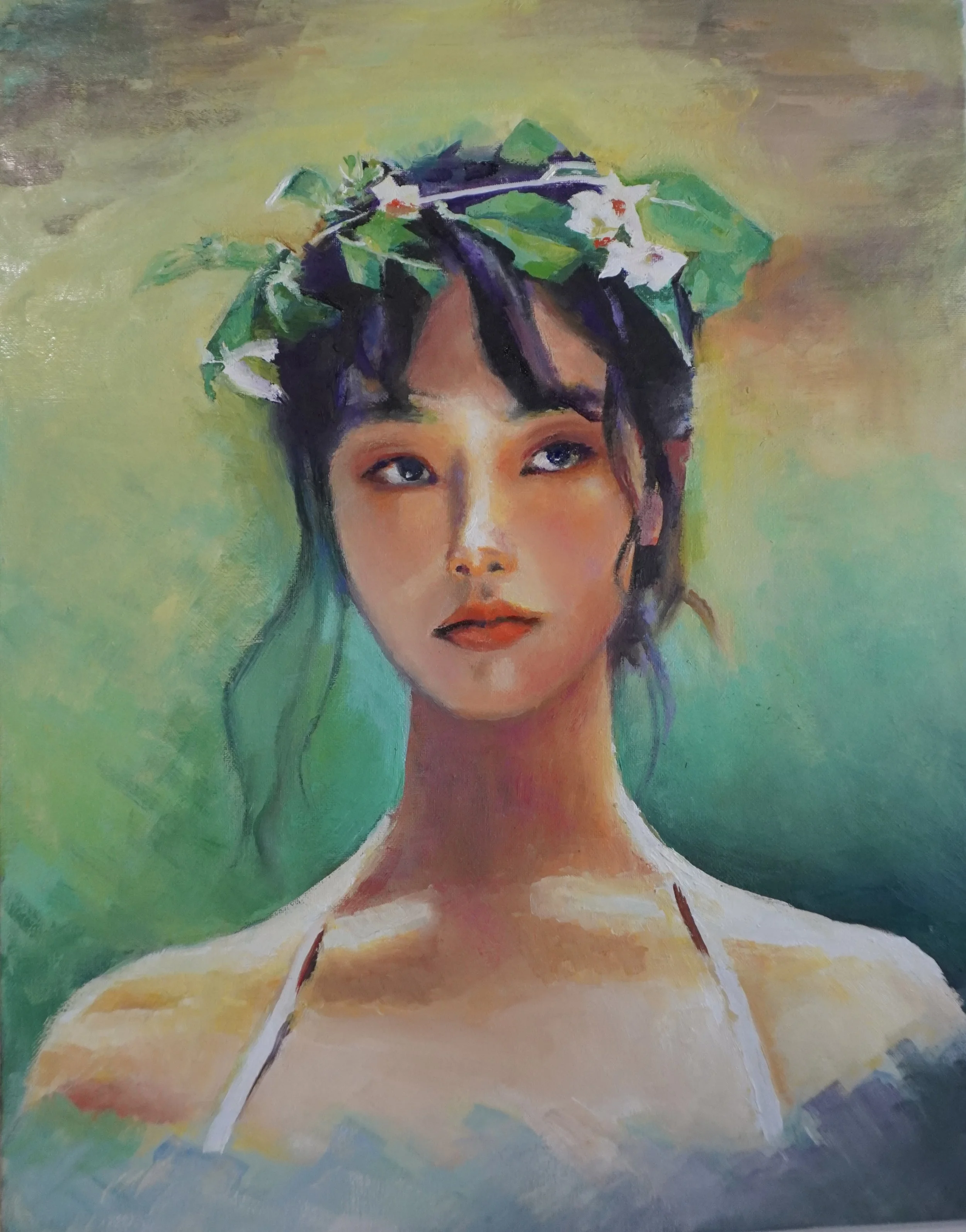
Exquisite with Nature
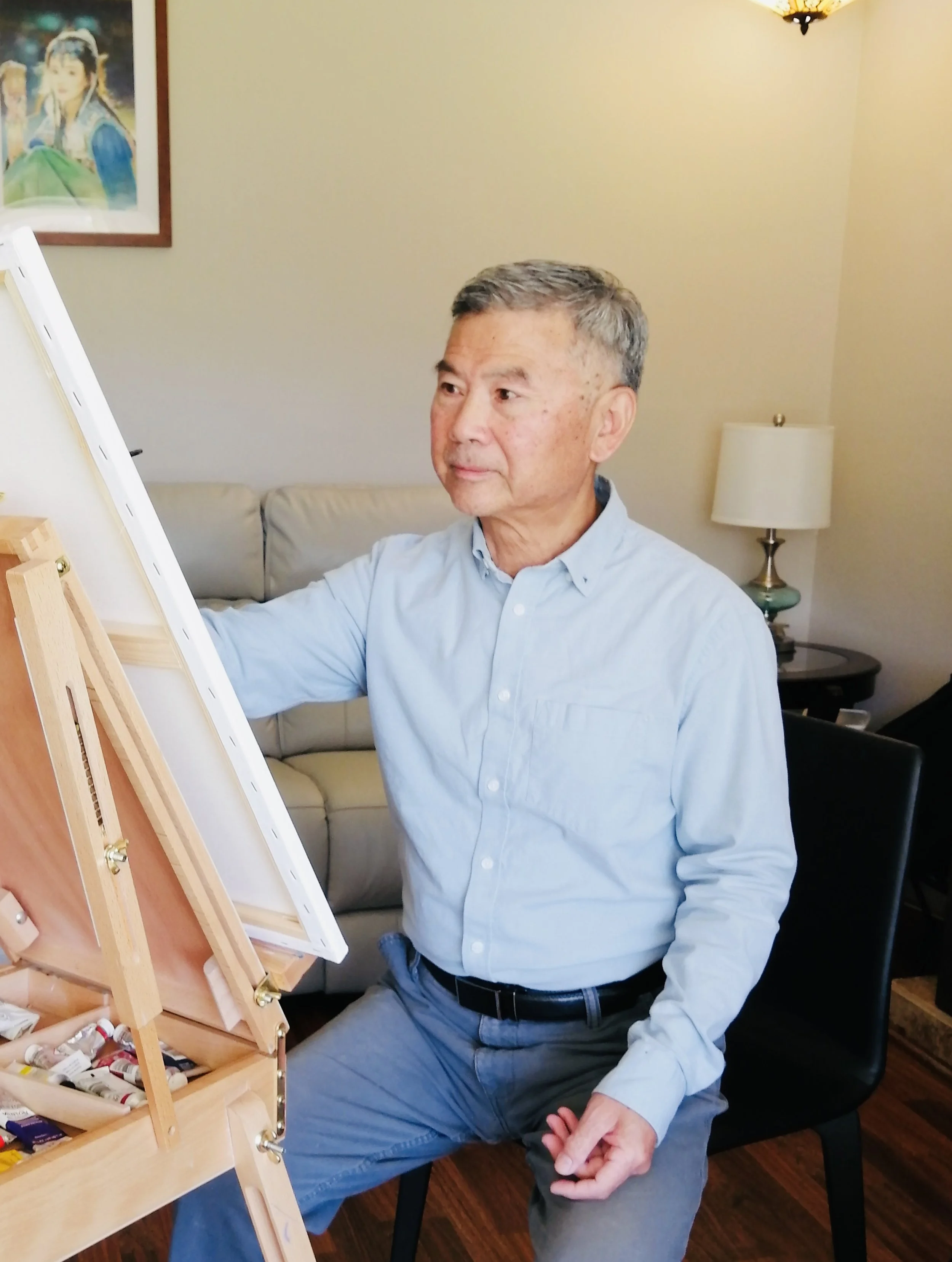
In my Studio