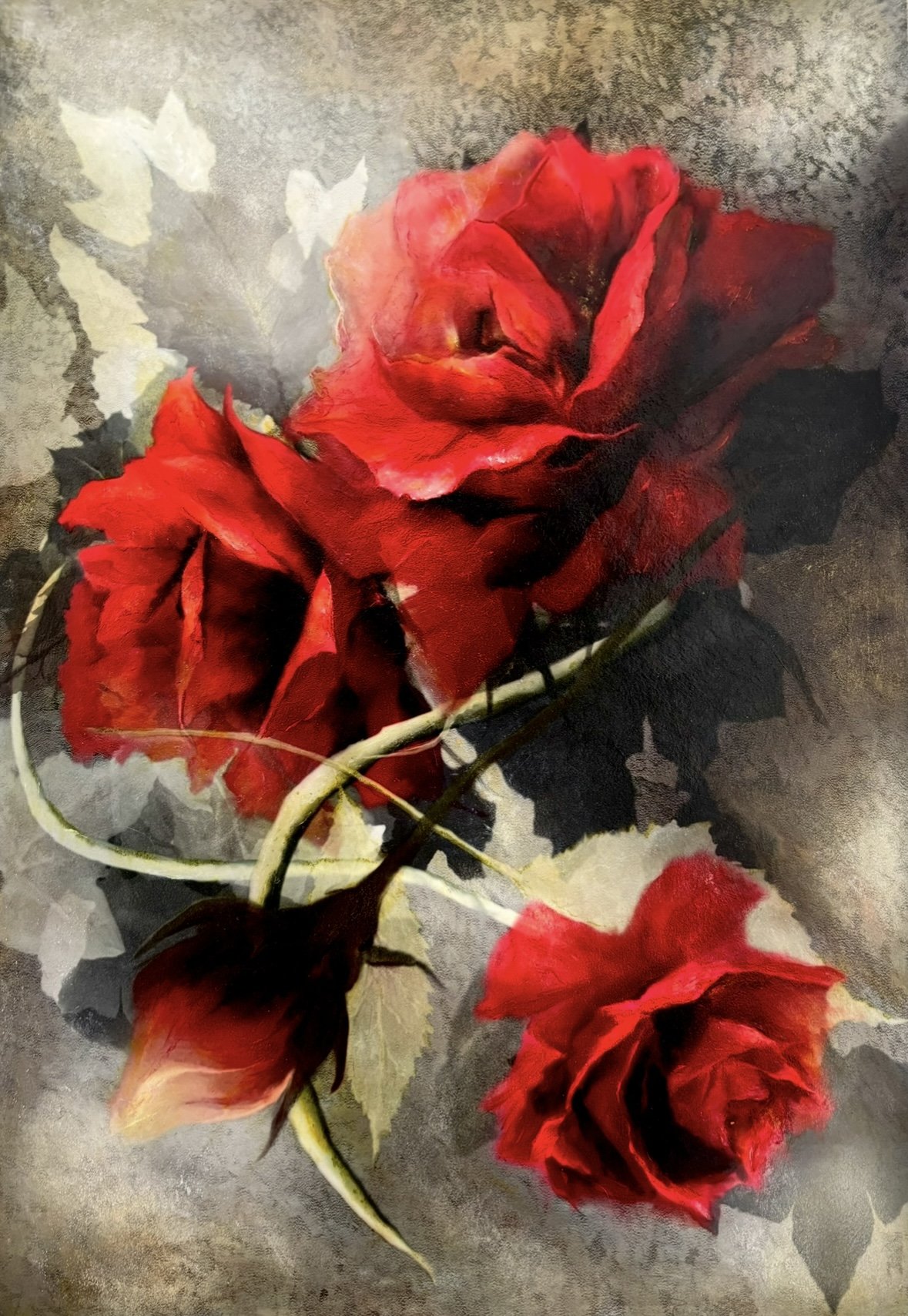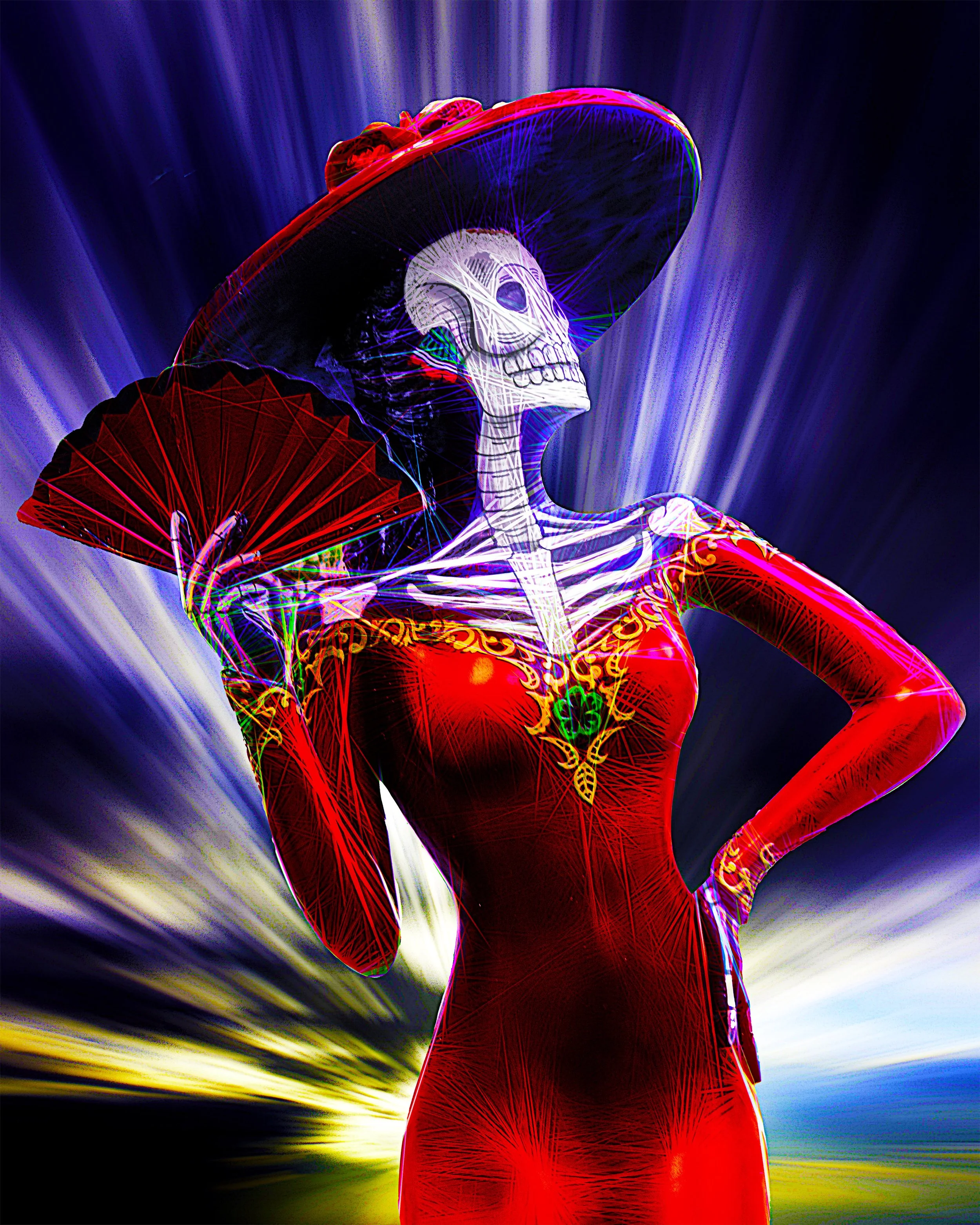
My practice is based on the premise that photography does not end at the final curtain, but rather begins there. By using post-production tools such as a palette and brush, I shift the focus from photographic representation to artistic creation.
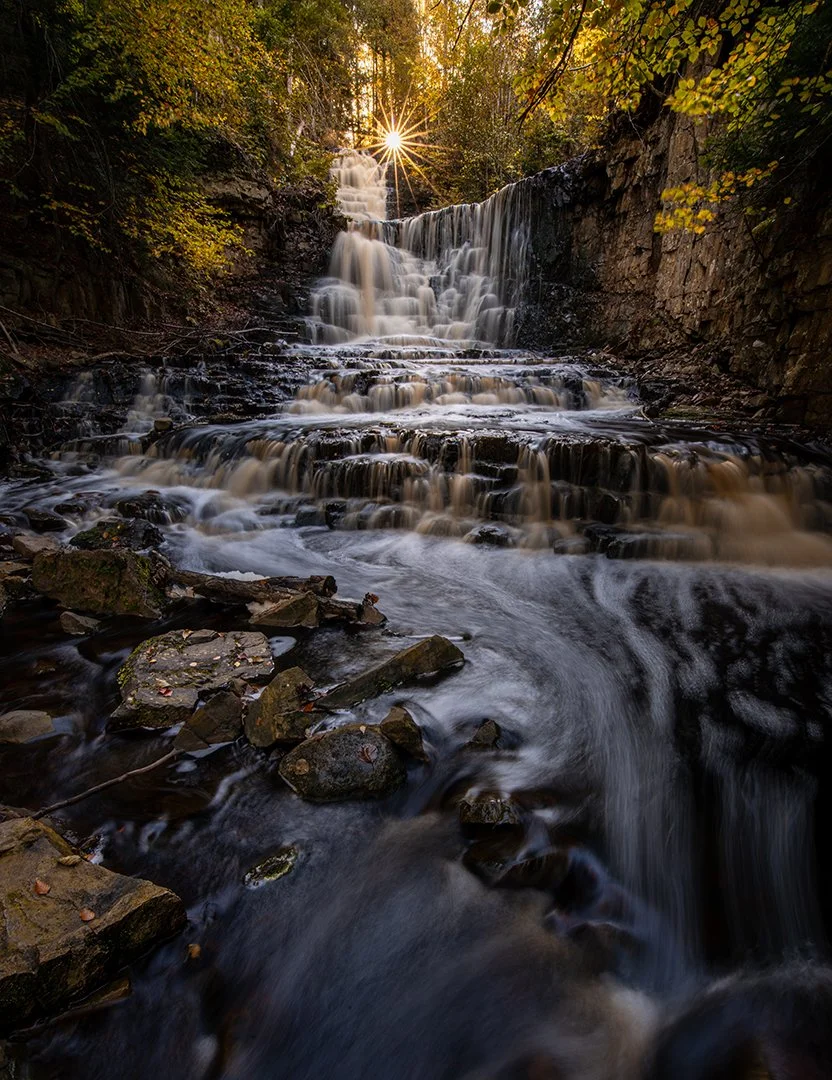
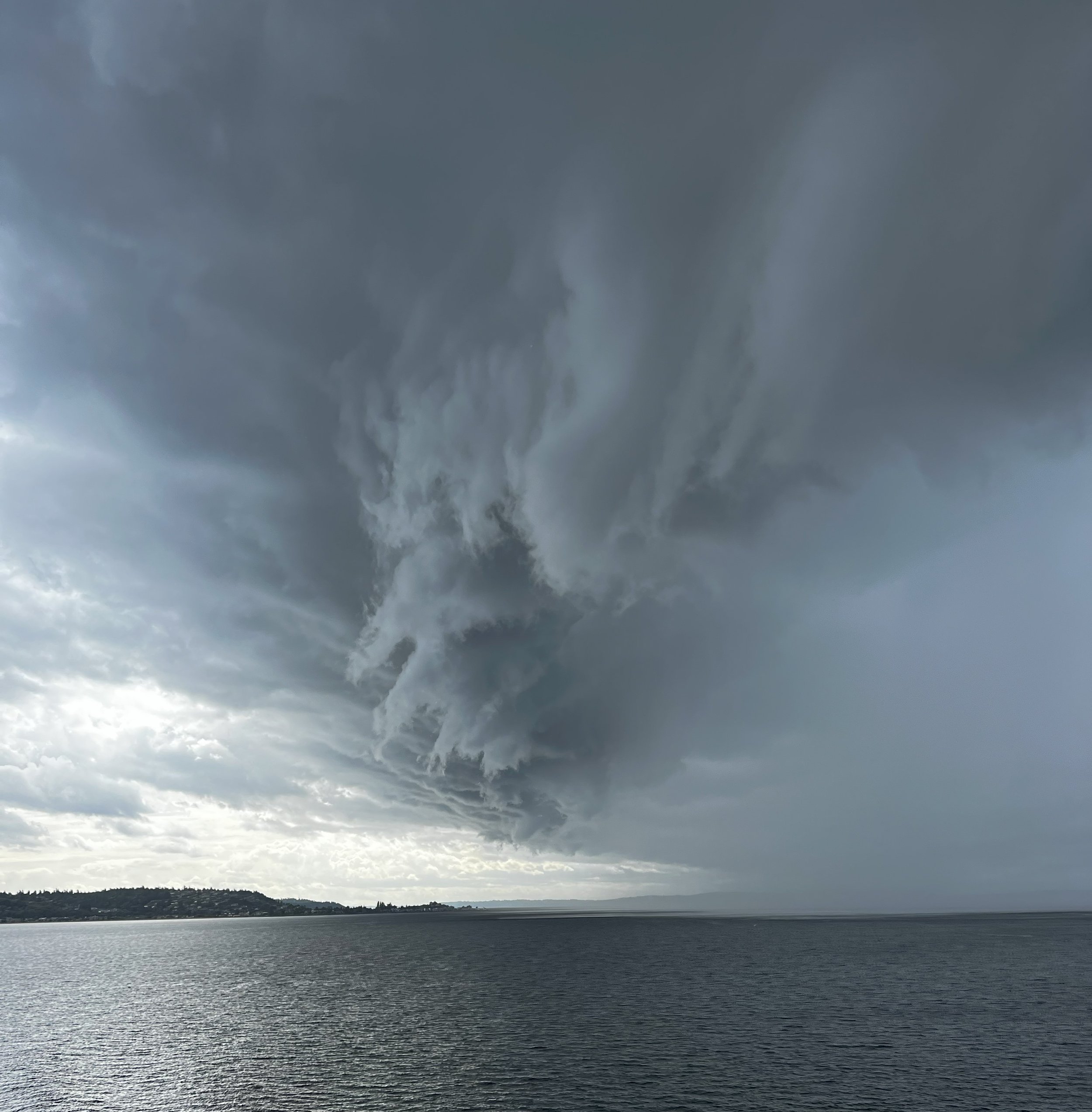
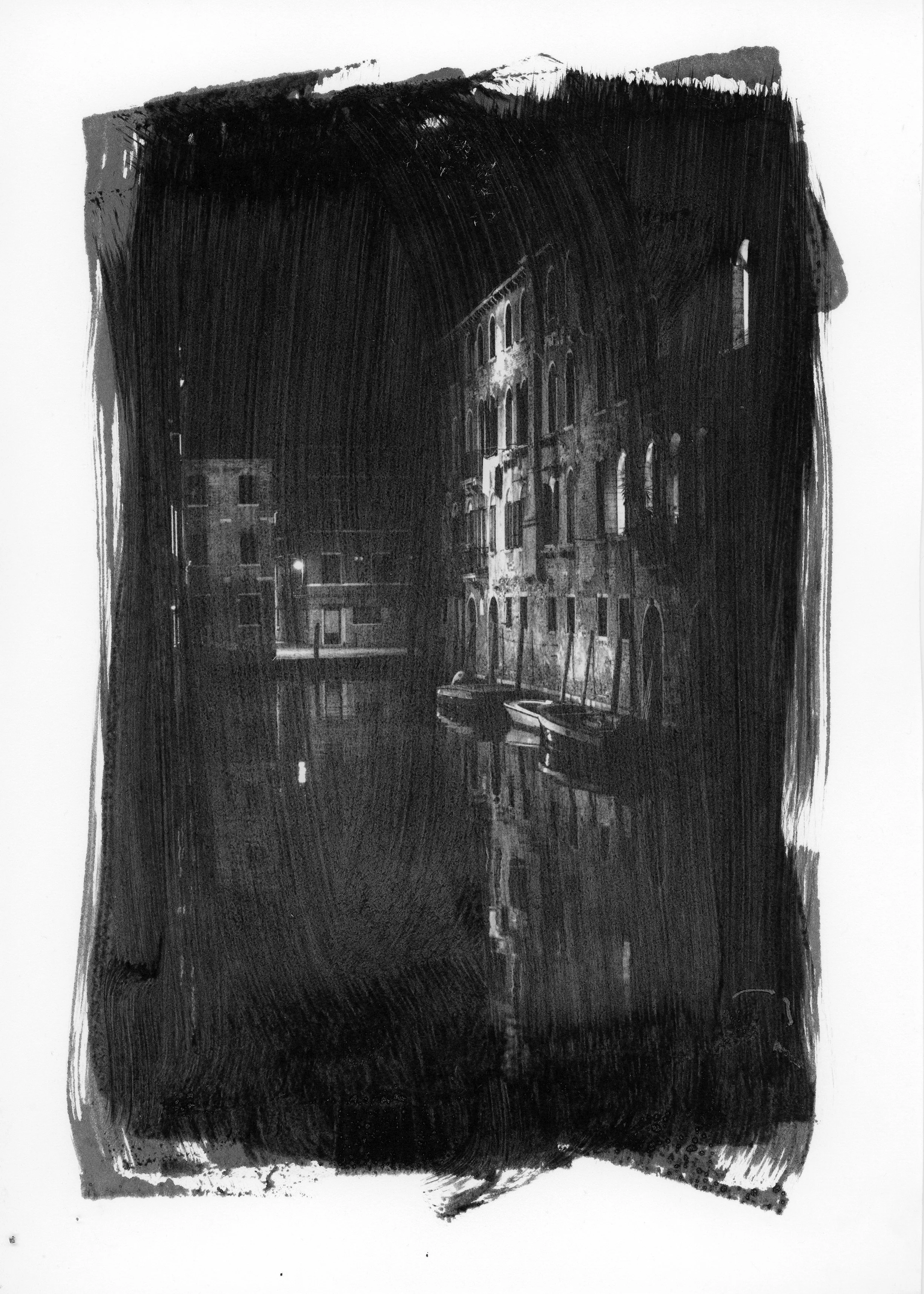
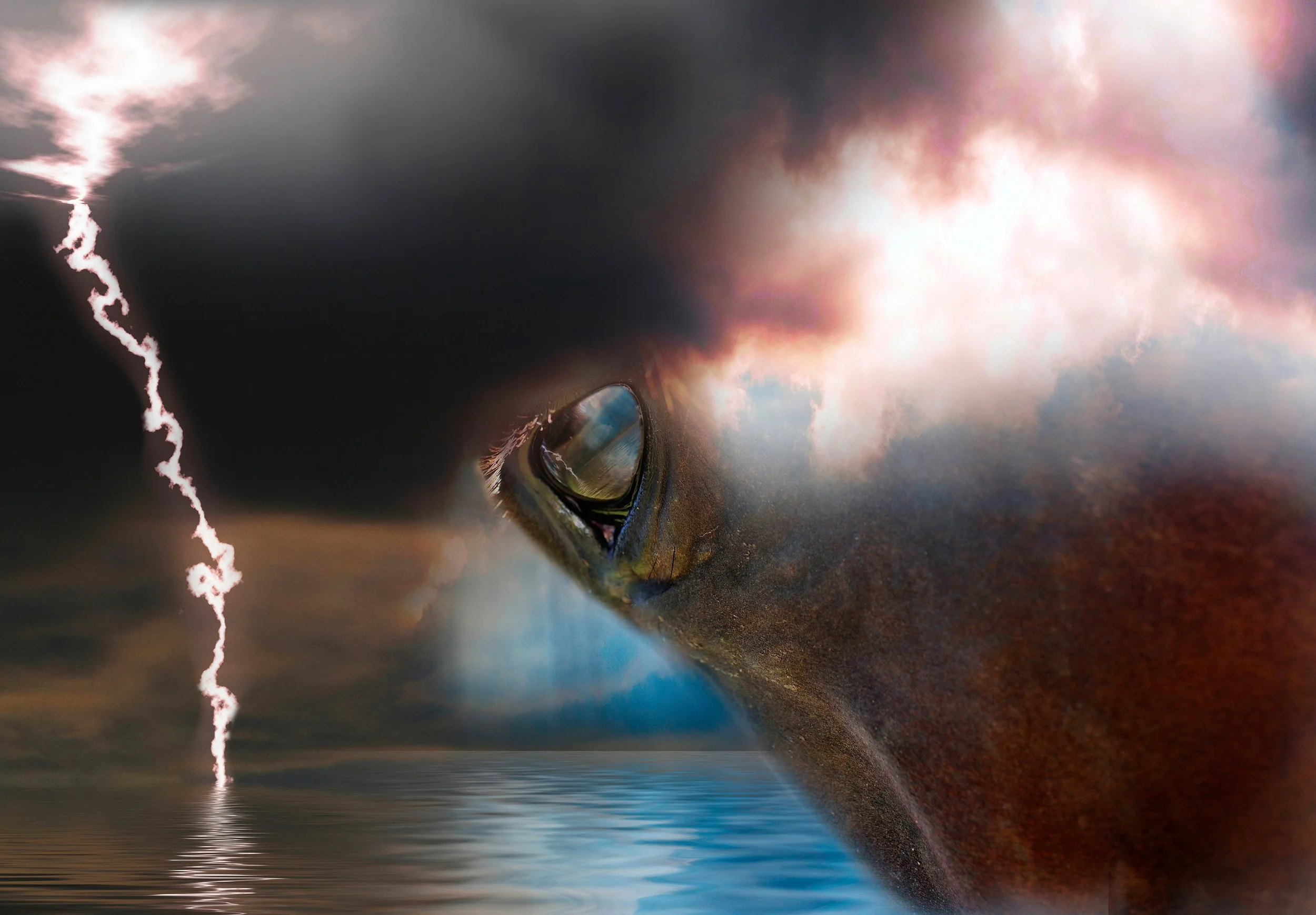
My practice is based on the premise that photography does not end at the final curtain, but rather begins there. By using post-production tools such as a palette and brush, I shift the focus from photographic representation to artistic creation.
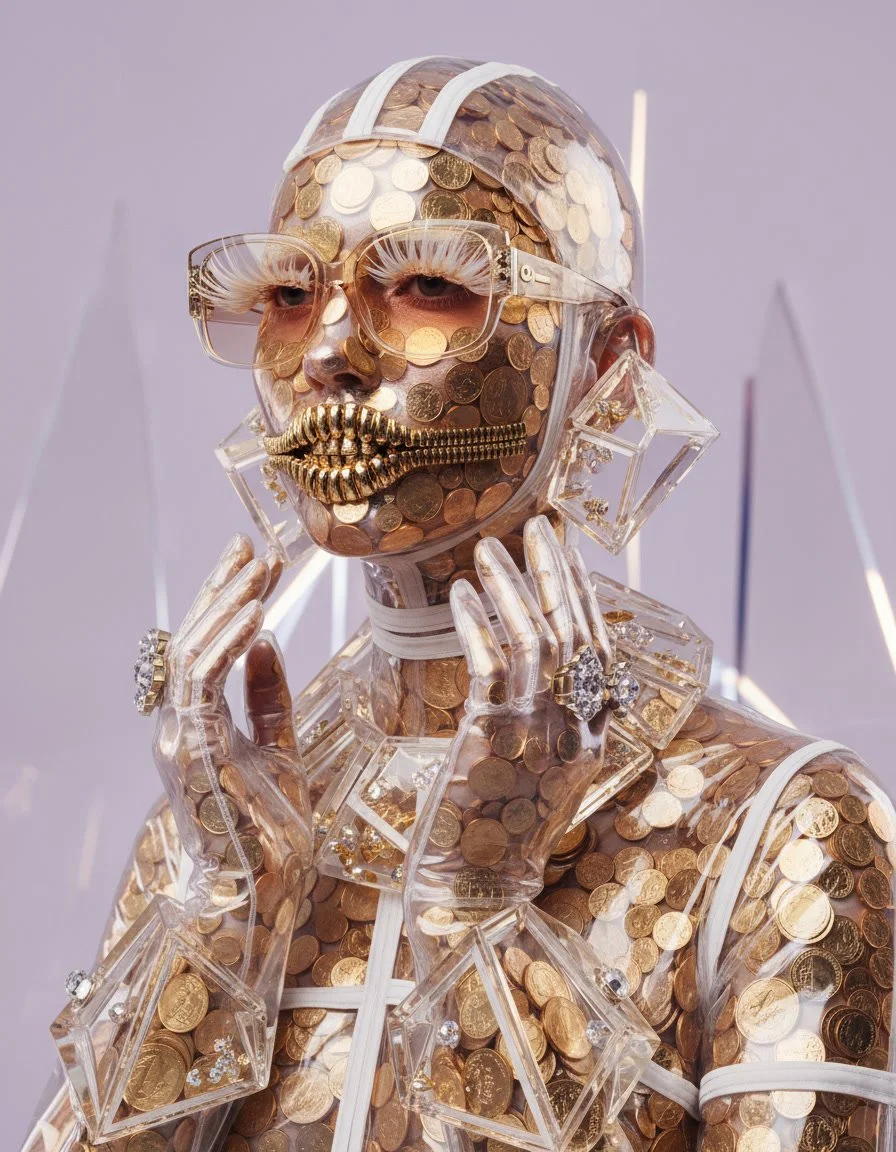
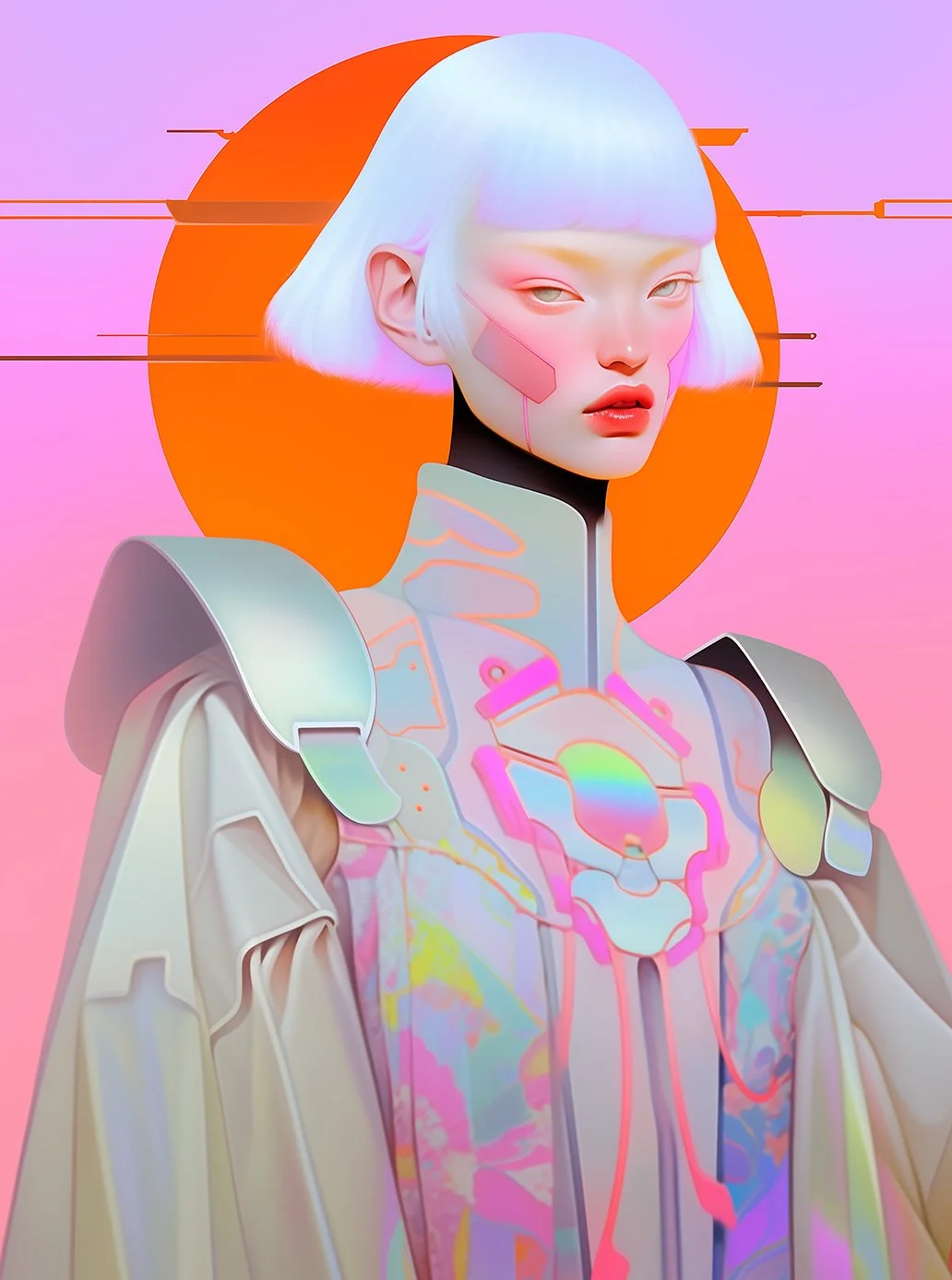
In her 2026 fine art series, Karine transcends the traditional boundaries of design, merging twenty years of high-jewelry expertise with the infinite possibilities of artificial intelligence. By reimagining the human form as a luminescent translucent vessel—where moss breathes through glass skin and internal storms are harnessed within one's soul—she has pioneered a new genre: Digital Haute Couture.
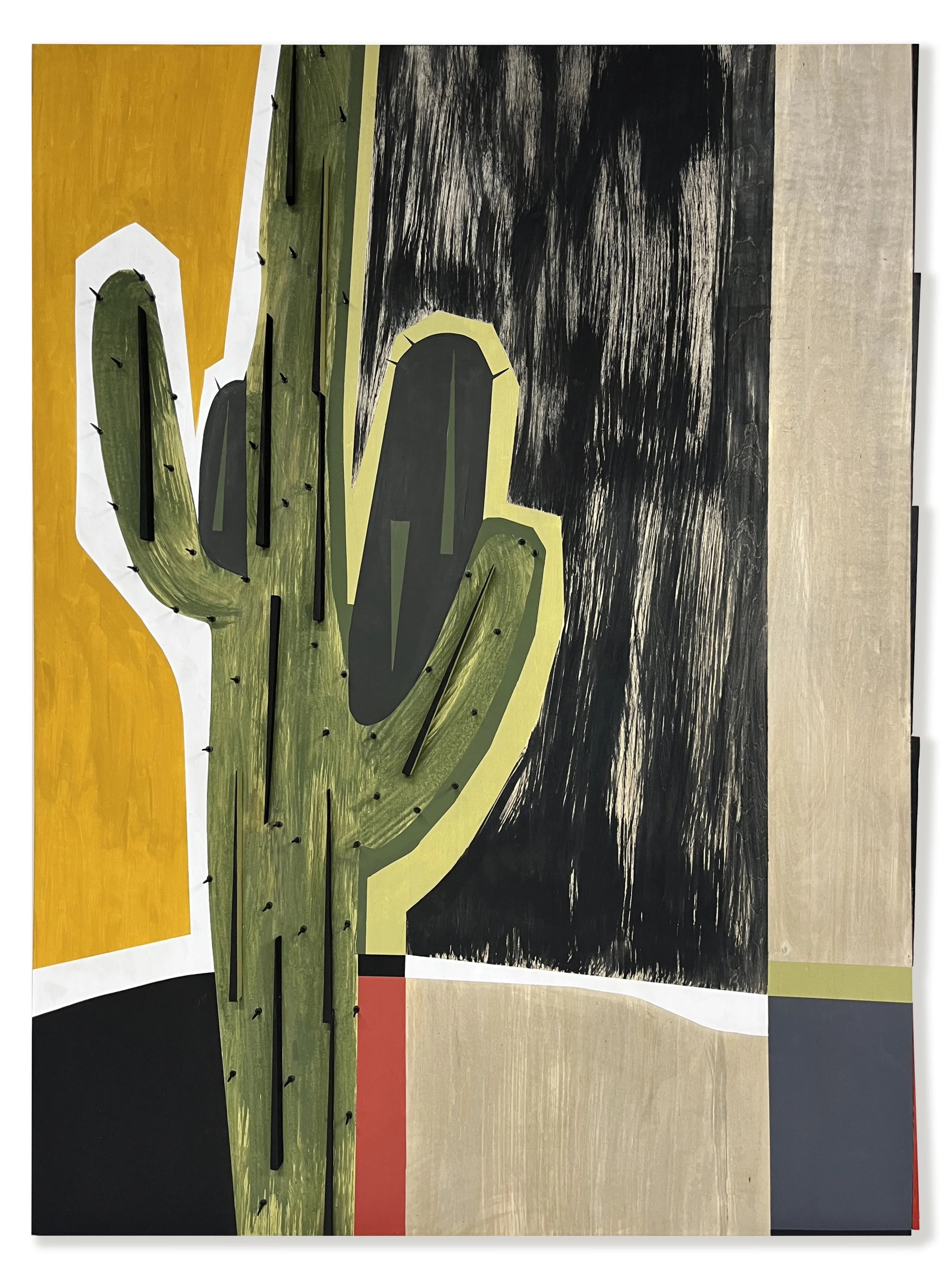
To encounter Côté’s dimensional paintings is to feel how the artwork refuses the quickness of contemporary image culture without resorting to nostalgia. The rigor of her hard-edged forms, the disciplined clarity of her color, and the insistence of her constructed extensions make a persuasive case for abstraction as a civic language, one capable of training new habits of seeing. Her contribution to the contemporary field lies precisely here: she restores to geometry its capacity for lived experience, and to painting its ability to be a site of encounter rather than a mere surface of display. In that restoration, the work offers something rare: a renewed confidence that looking can still be transformative.
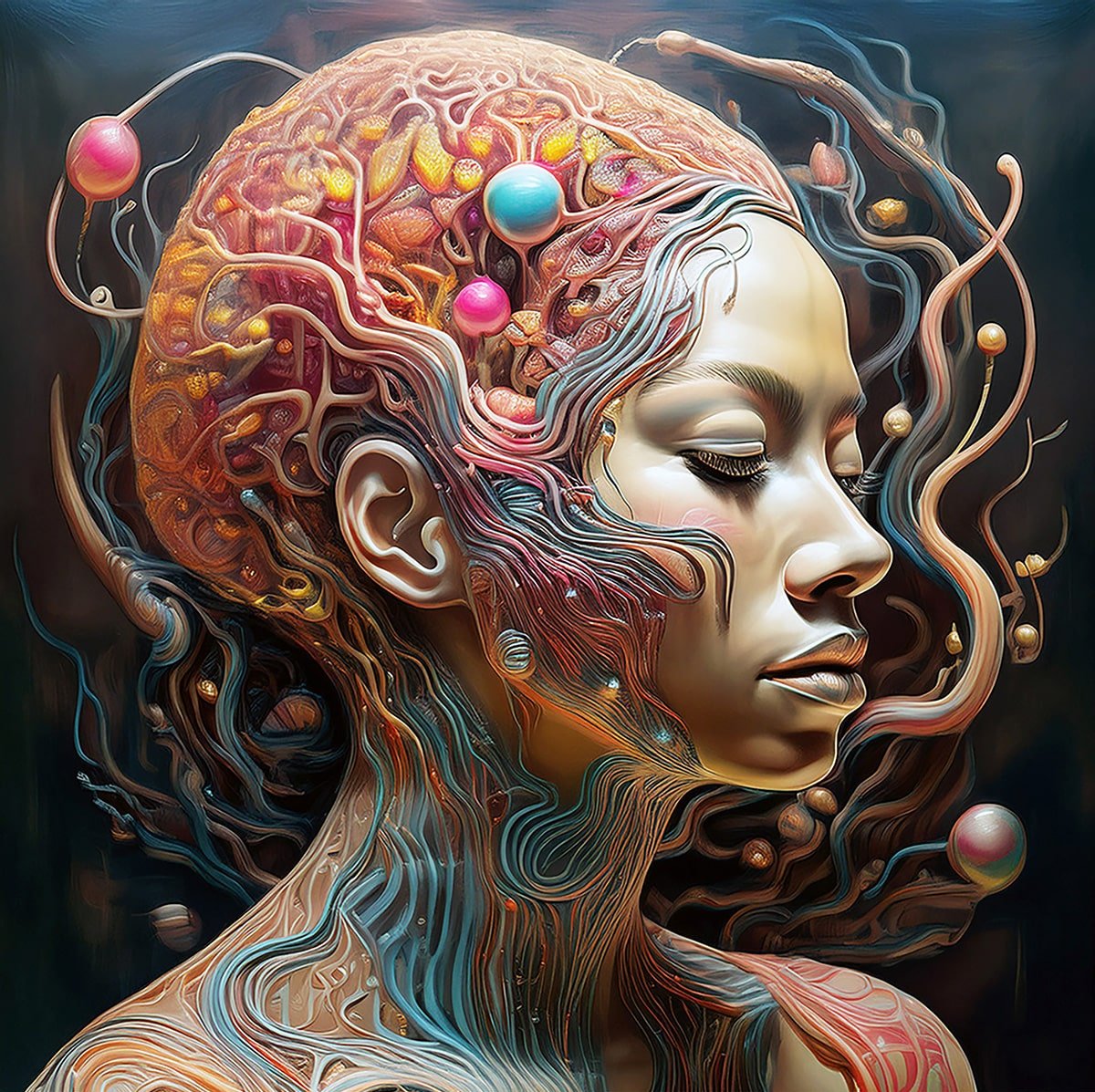
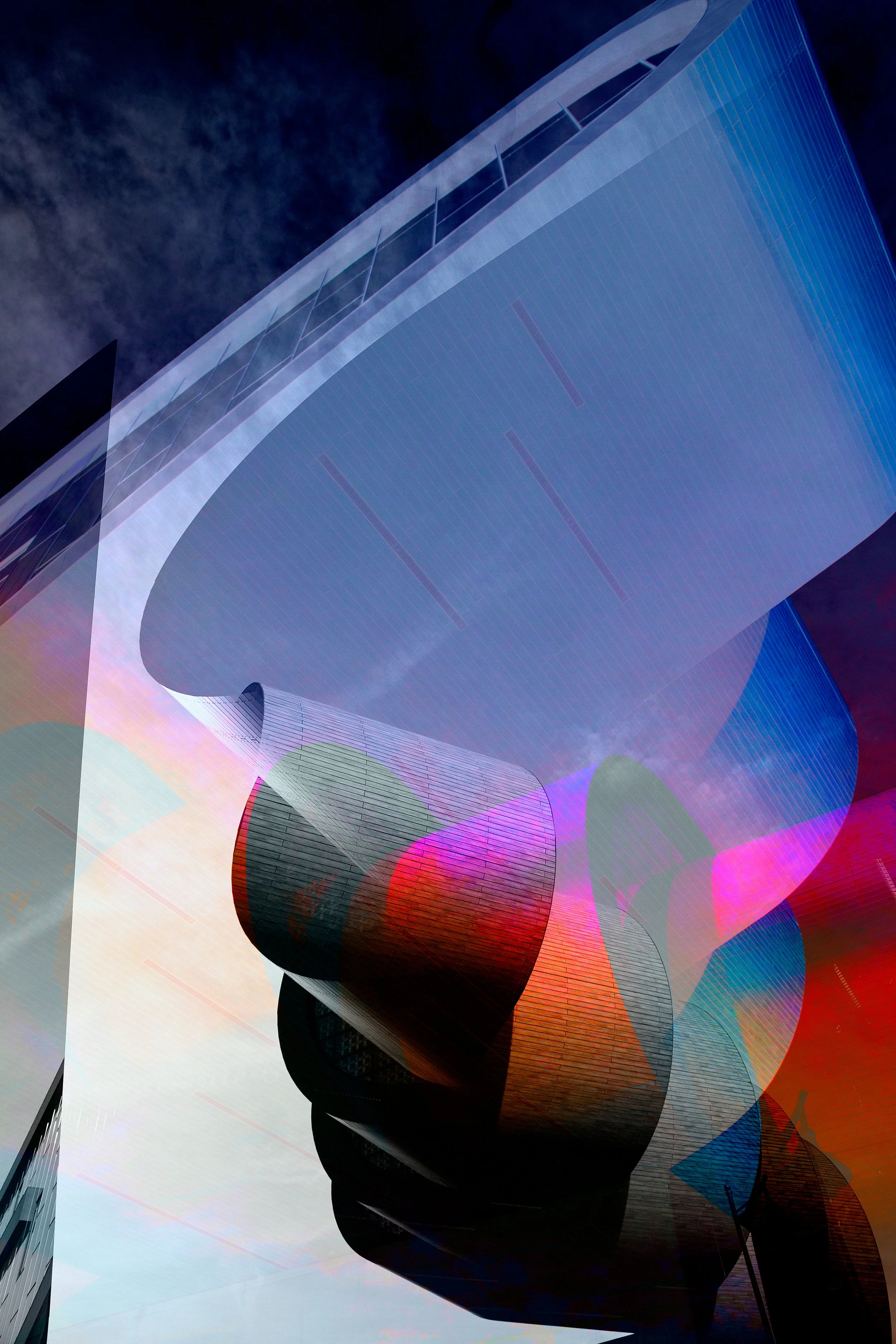
I experienced the computer less as a tool and more as an environment—one that behaved, responded, and occasionally resisted. It did not simply execute my intentions; it altered them. Meaning emerged through dialogue, iteration, and unpredictability, offering a way of knowing that could not be accessed through analog methods.
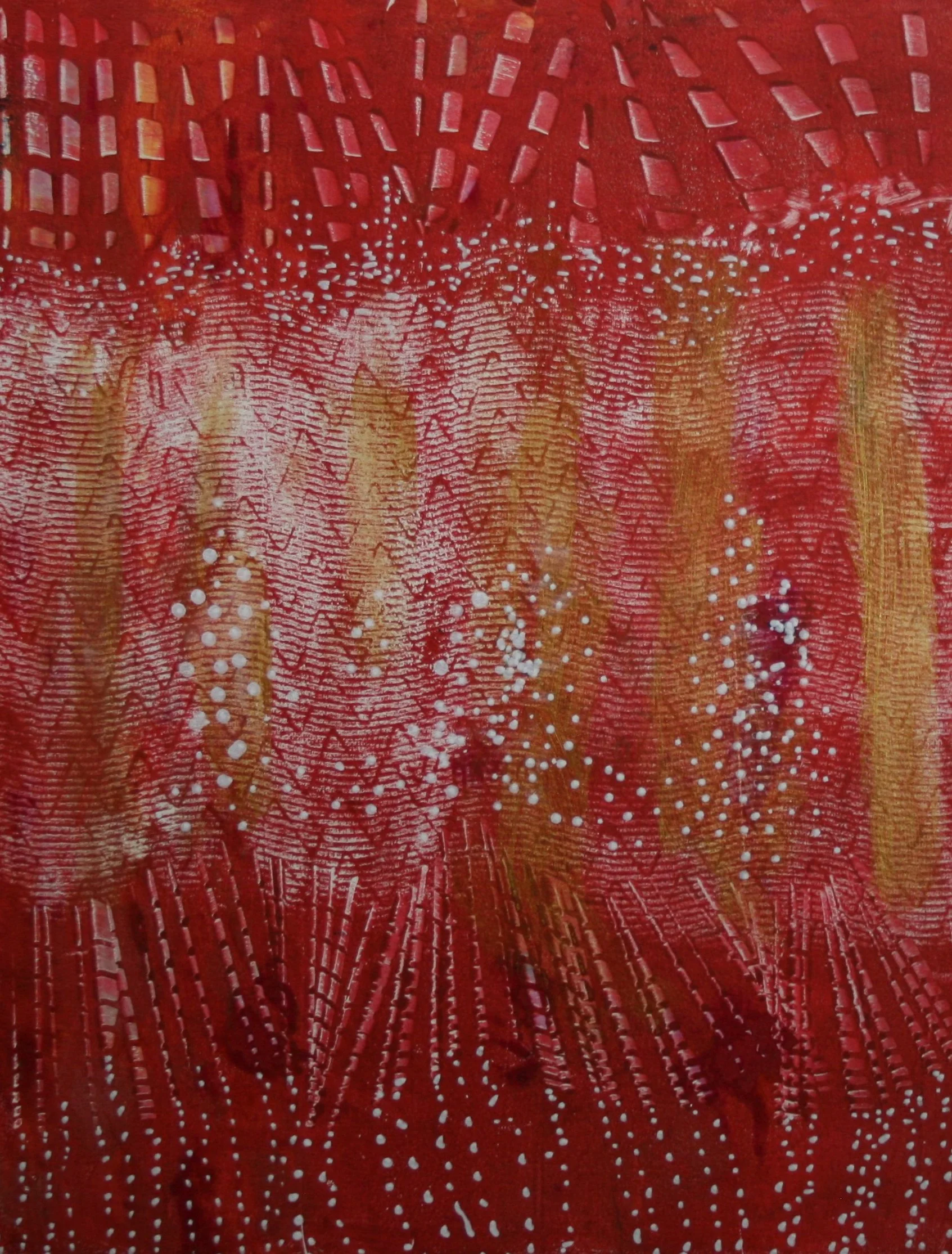
I create art as a means to understand and interpret the world around me. From a young age, I found solace in the interplay of colors, textures, and shapes—elements that could convey stories beyond the capacity of words. My artistic process is deeply intuitive, involving a continuous cycle of layering, erasing, and rebuilding. This approach reflects the way each of us navigates our own evolving identities. Through my work, I hope to evoke moments of recognition and connection, fostering a sense of shared experience with others.
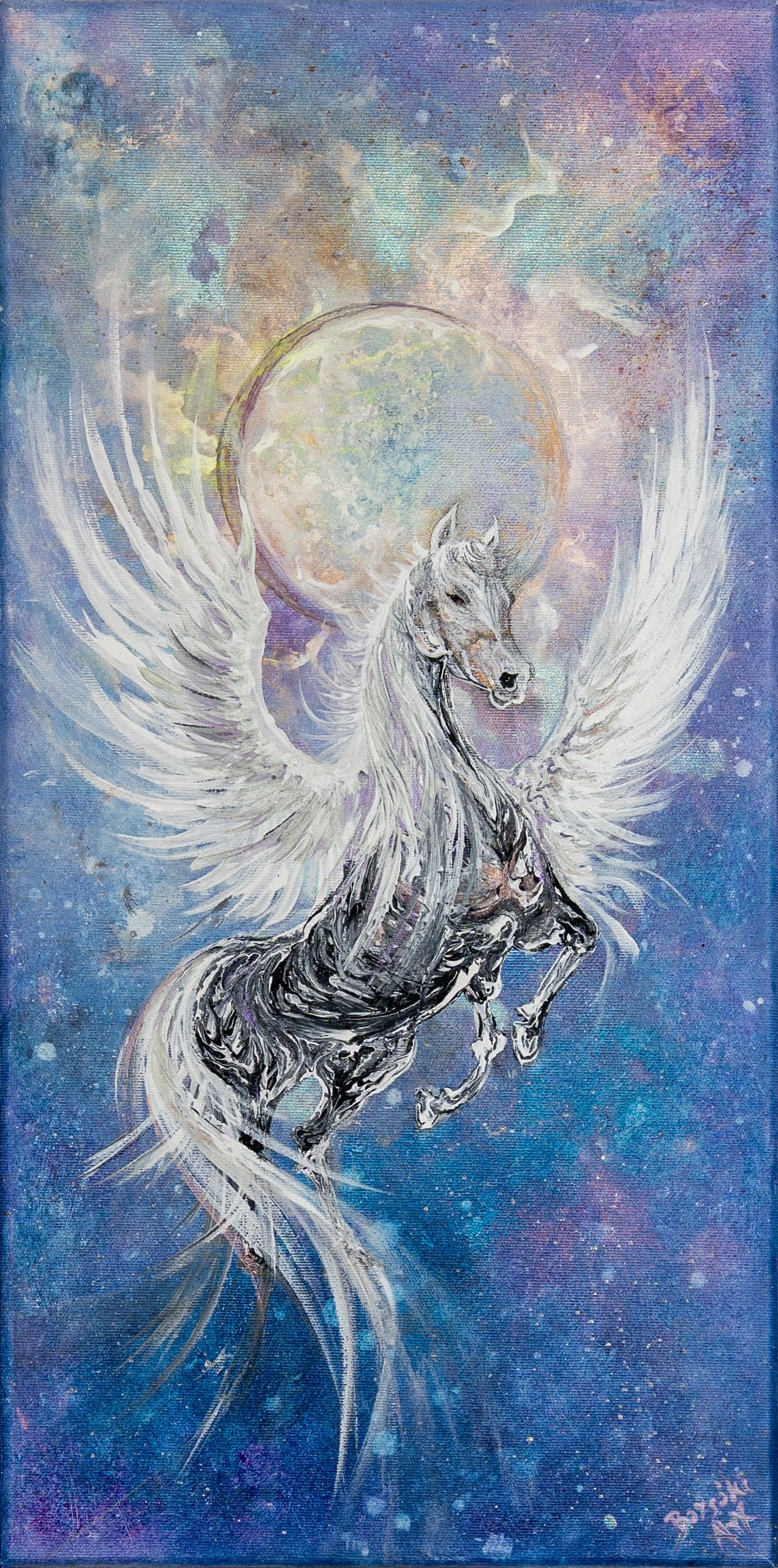
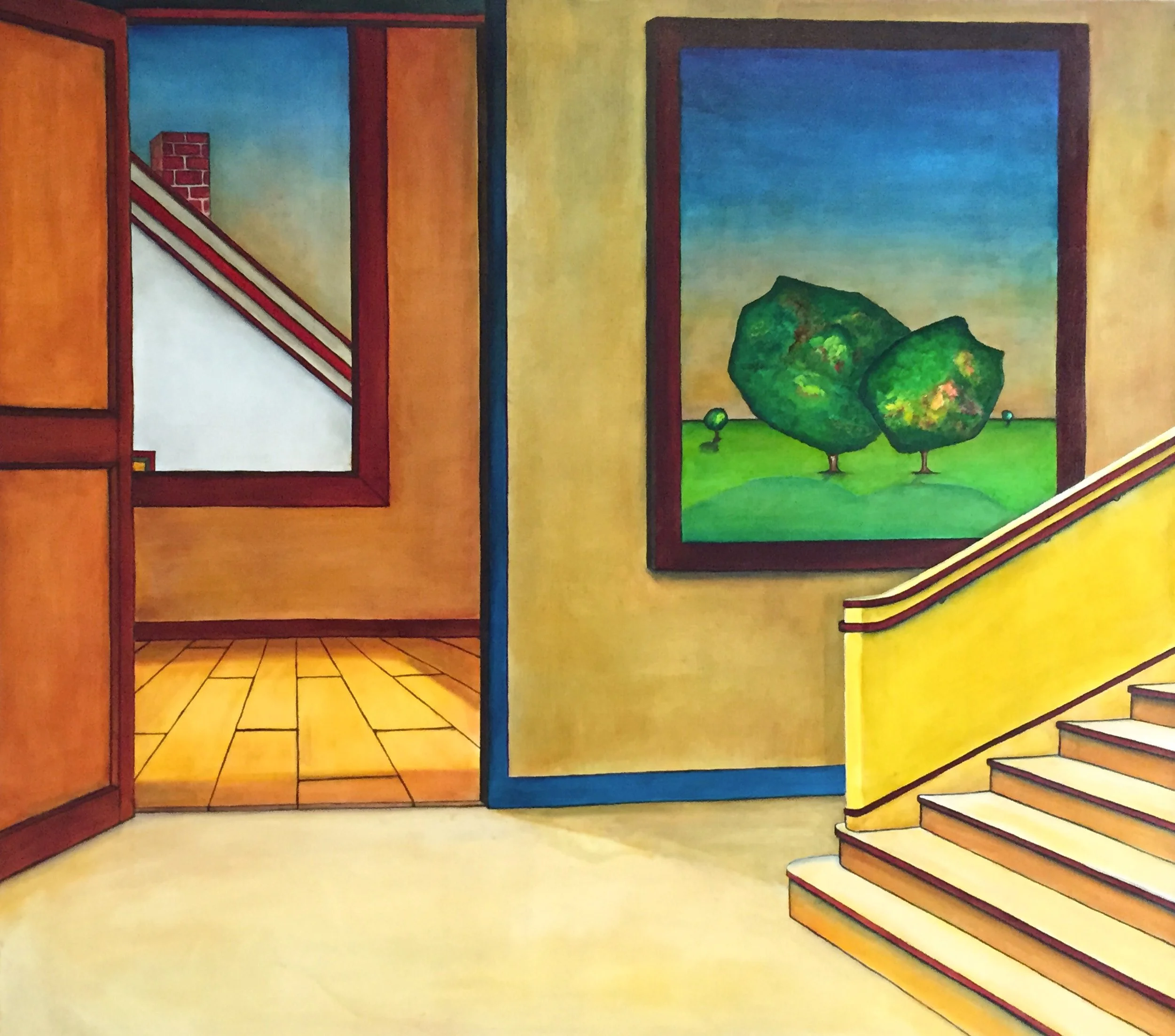
I am a Hungarian painter dedicated to creating unique, personalized artworks that transform spaces and evoke deep emotions. My artistic journey began with decorative wall painting, which gradually led me to the canvas, where I found my true passion. Each painting I create is not just a visual piece but a deeply personal expression—an artwork that tells a story, recalls memories, and becomes a meaningful part of its owner’s life.
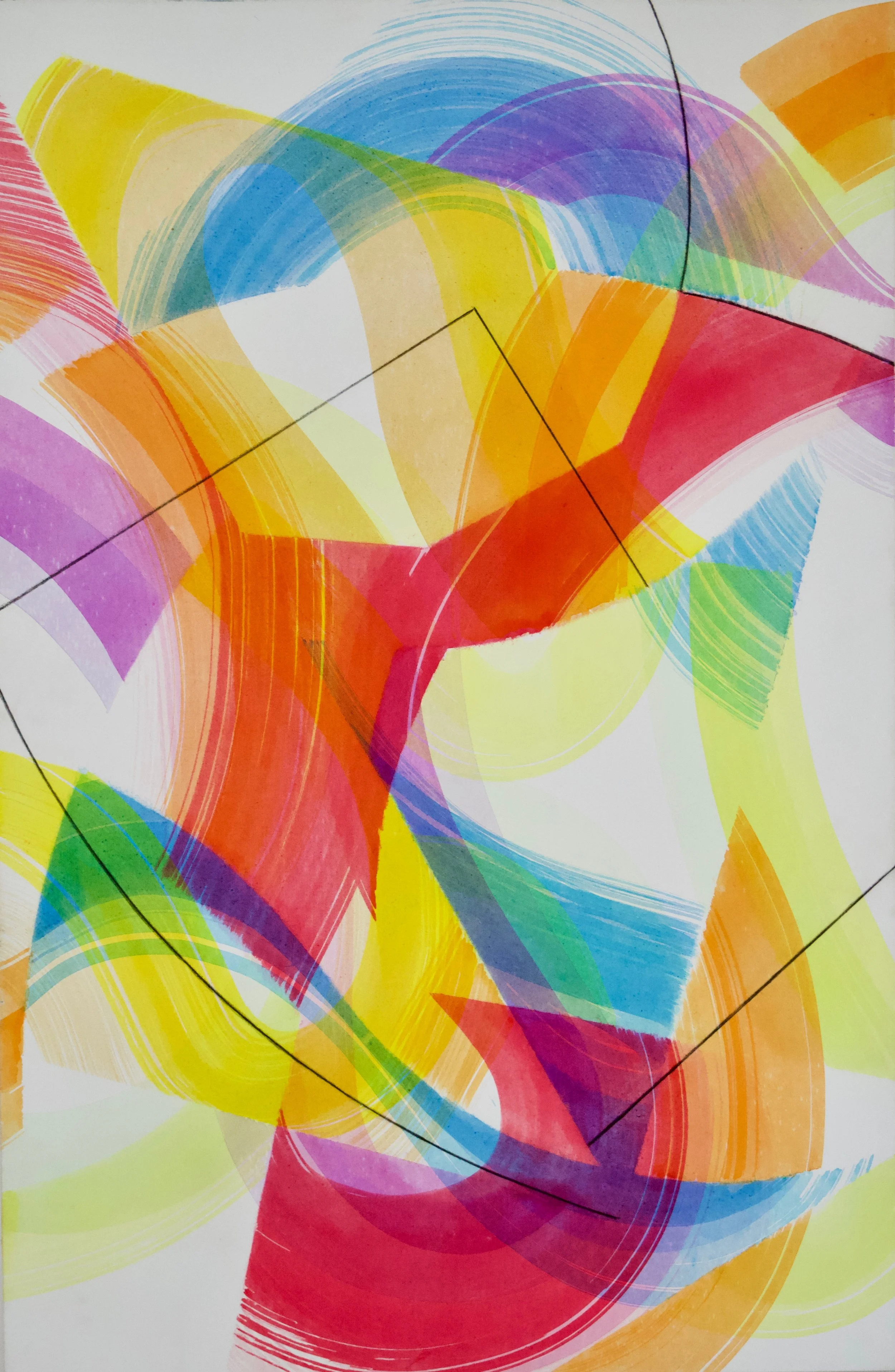
Everything starts randomly, like a sort of throw of the dice: placing geometric shapes on the stretched canvas or paper based on the principle of composition. Each shape carries within it the design of the six or seven others that compose it: lines and forms emerge from this intersection, which itself generates many more to come. Gestures, color fields, and lines, whether white, black, or colored, attach in turn to these generative forms in the unpredictability of a “free association” process.
Stefano Paradiso is a photographer and director of photography born in Rome in 1969. Graduated from the R. Rossellini School of Cinematography and Photography in 1988, he works as a director of photography and camera operator in cinema and advertising, boasting numerous collaborations with well-known Italian directors, French and American; for television he has made documentaries and reportages in various countries of the world.
For me, making marks is the initial objective. Finding images that speak to me in an intuitive and expressive manner remains the goal each time I work. I think of myself as a painter first with no constraints. However, I also find working in 3D to be just as satisfying as painting or drawing. After years of creating work, I still find the beginning of a piece to be as exciting as I remember my first efforts.
Regarding “existence” and “mind,” I hold a singular philosophy within my own worldview, one that rejects all preconceived notions. At the foundation of my creative practice lies the eternal resonance of painting, shaped through a spiritual dialogue inherent in “existence” itself. I perceive the complex dynamic and static patterns that permeate nature as manifestations of space and time, and I intuitively sense and render the soul and emotions dwelling within the subject.
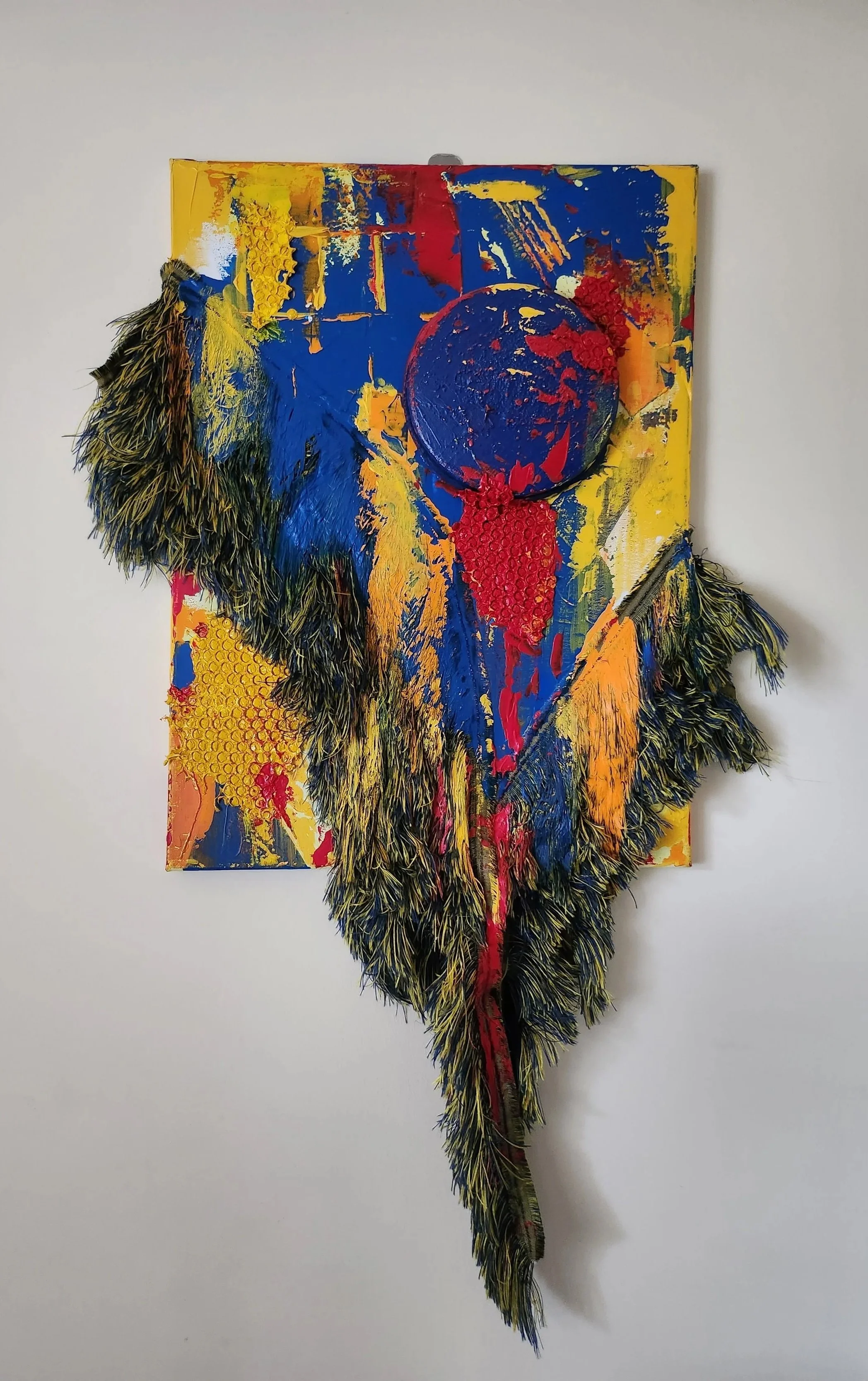
MJ Kasiarz is a London-based multimedia and textile artist whose practice explores abstraction, spirituality, and sustainability. A graduate of The Glasgow School of Art, MJ works primarily with recycled and discarded textile materials, transforming waste into richly textured, tactile artworks.
The purpose of my work is to transmit cosmic knowledge through color and visual beauty. Cosmic knowledge sought me to carry out this creative work. I have only let myself go. The evolution of technology is intimately related to my creative process. And technology is connected to cosmic beings. So there is a transmission of cosmic beings to the viewers of my photographic work. In reality, it is my duty as an artist to generate this transmission of data and emotions. And thus evolve.
What it means to me to call myself an artist. There is no greater feeling to start with nothing To begin a journey with no idea where it will take you To trust in yourself Not worrying about what others think Having the courage to tell the world This is who I am And this is my vision
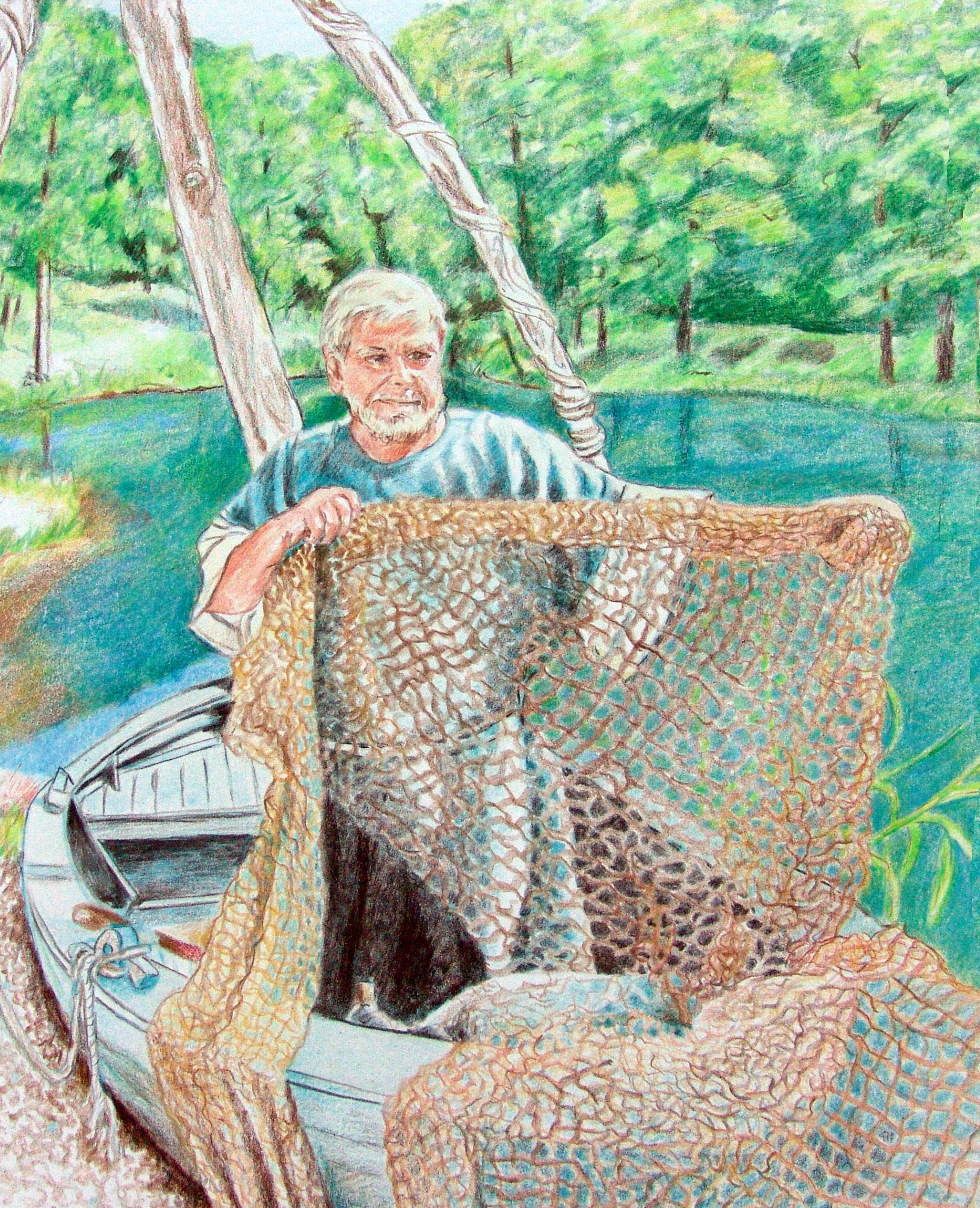
Jimmie’s paintings and drawings reflect photographic realism. He has taught Art, computers, & mathematics in colleges & high school for 48 years. He taught for Drury University for over 25 years, Southwest Baptist University for 30 years, Southwest Missouri State for 5 years and High School for 38 years. Jimmie donated over 2,000 artworks to charities. He likes to do religious drawings & paintings, because he feels he has received his multiple talents from God.
Jing Wu is a visual Artist and Creative Director whose practice explores the intersection of tradition, technology, and absurdism. With a background in art and creative industries across London, Berlin, and Shanghai, his work blends hand-drawn with digital art processing to create visually striking and conceptually layered pieces.
Andrej Babenko is a contemporary Belgian visual artist of Ukrainian descent whose influence extends beyond traditional gallery spaces into the digital and public sphere. He operates as a contemporary art influencer by combining expressive visual art with an active presence on social media platforms, where he shares his work, ideas and performances with an international audience. Babenko’s artistic language is instantly recognisable. He blends classical oil painting techniques with elements of punk, graffiti, street art, and Ukrainian folklore, creating monumental, emotionally charged works often described as a “volcano of emotion.” His themes address societal hypocrisy, alienation, existential struggle, and hope, making his work deeply relatable in the context of contemporary global challenges.
One image – one mission. What does my image have to do with Francis of Assisi (Francis of Assisi is considered the patron saint of animals, the environment, and ecology. In the prayer “Canticle of the Sun,” which the saint wrote in the 13th century, he described animals as brothers and sisters of humans and expressed gratitude to nature, its phenomena, and wonders.) with my picture or series of pictures? 800 years! On the 800th (this year-2026) anniversary of his death, my picture was chosen as the cover for a book entitled “Animal Worlds of Art.”
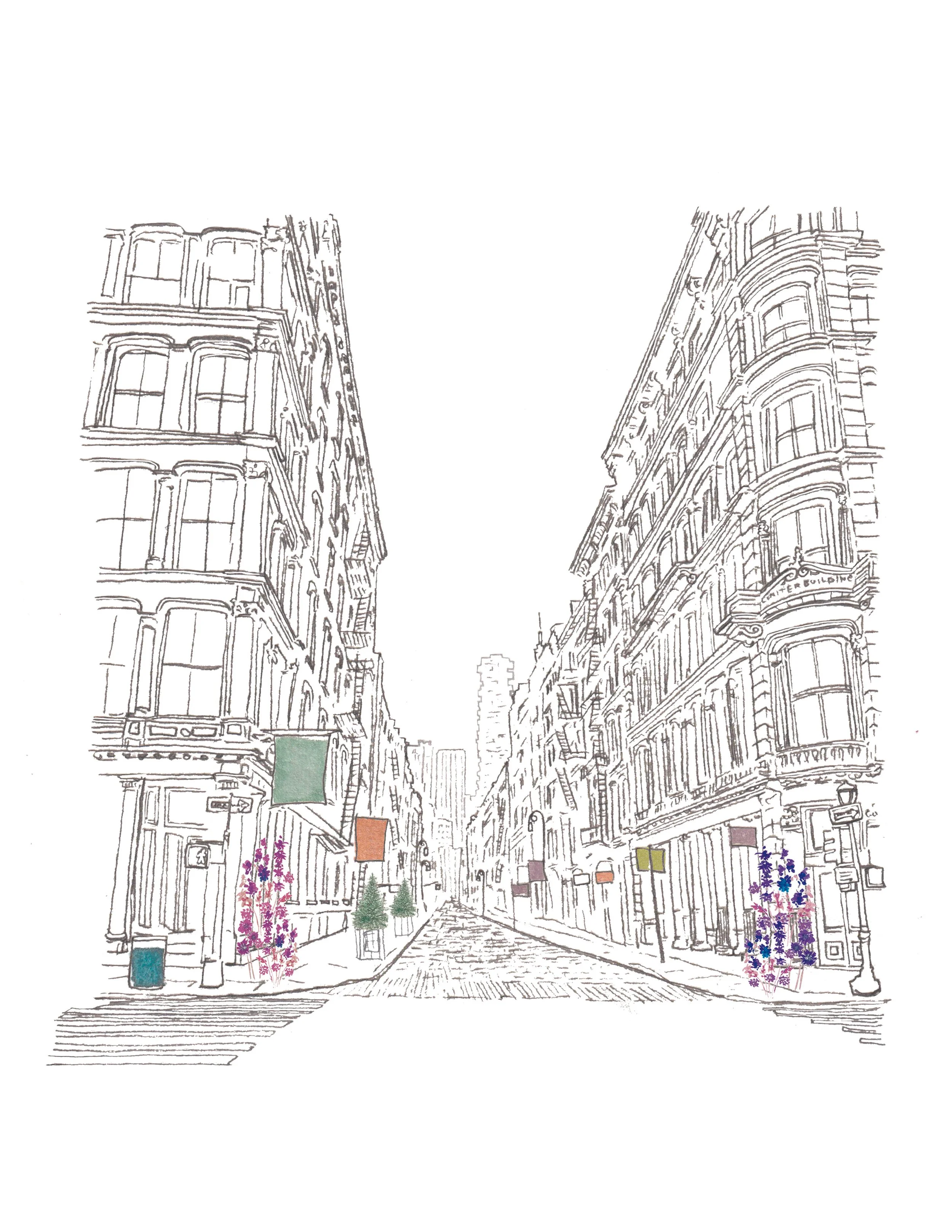
Mika Furuya is an illustrator whose practice centers on visual storytelling informed by culture, memory, and emotional resonance. Born in Tokyo and based in New York, her work reflects an ongoing dialogue between her Japanese roots and contemporary urban life, exploring themes of identity, connection, and quiet observation.
Howard Harris is a Techspressionist artist who has long been fascinated by visual perception and design. The Denver, Colorado, USA native earned a BFA from Kansas City Art Institute and a MID (Masters Industrial Design) from Pratt Institute in New York, studying with internationally renowned design theorist Rowena Reed Kostellow.
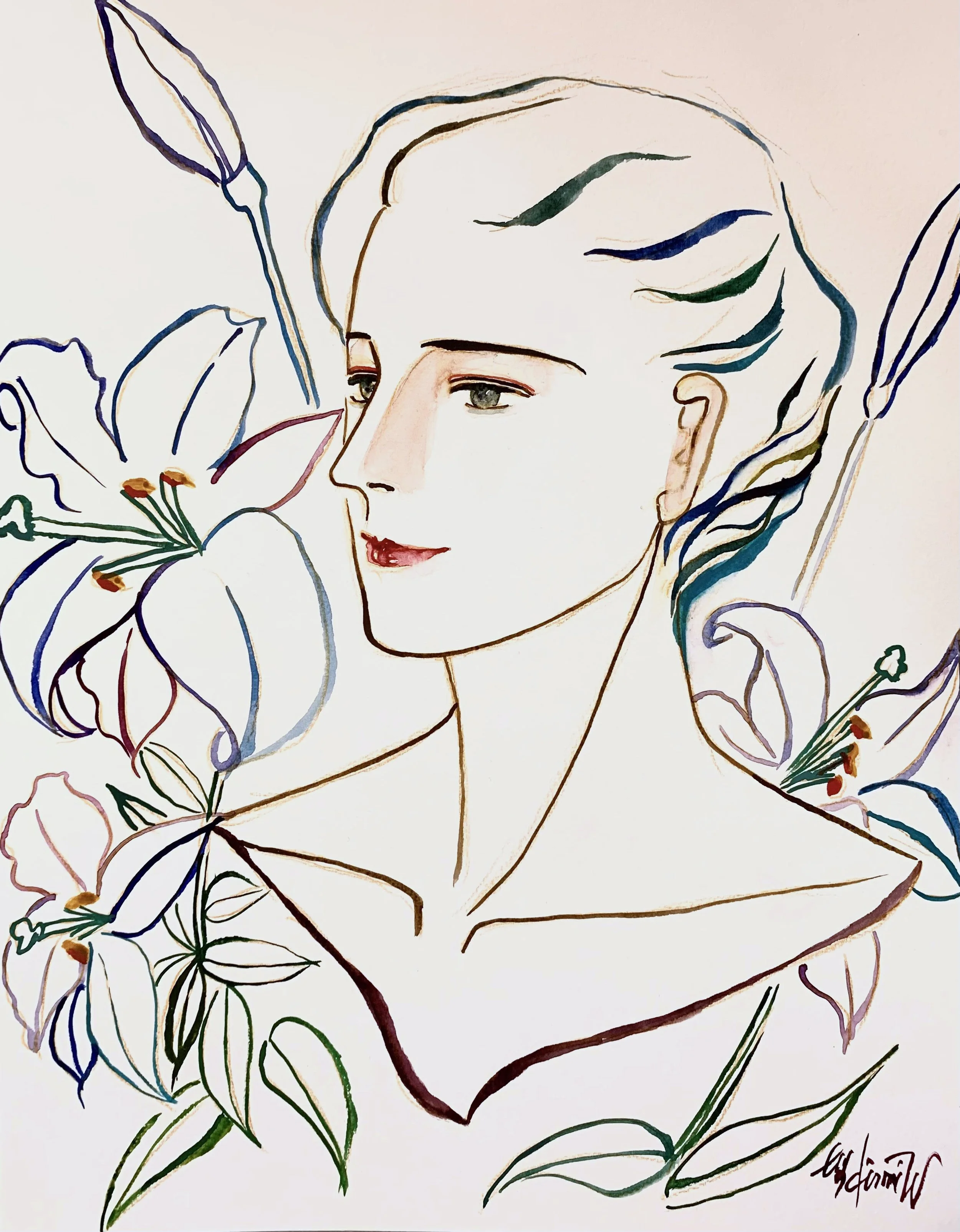
Hiromi Watanabe, also known as Yuriko, is a contemporary Japanese artist from Tokyo. She specializes in spontaneous watercolor paintings on paper, deeply and intimately expressing her inner emotions. Celebrated for her distinctive sense of color, she demonstrates exceptional skill in watercolor croquis. To date, she has held 18 solo exhibitions and participated in over 130 group shows, presenting her work internationally in four countries.