Interview with Romy Pfeifer
https://www.romy-pfeifer.com/
Instagram @romypfeifer_fineart
Romy Pfeifer, 1956, is a German photographer. After her degree in economics she worked for a publishing house specializing in technical magazines. Besides her work she deepened her photographic journey which is primarily self-taught. Later she run for about 10 years a sales agency which she eventually quit in order to devote herself entirely to photography. She embraces a diverse array of subjects, including nature, natural landscapes, animals, travel, and portraiture. However, what holds particular significance for her is the realm of experimental and abstract photography, where she employs various techniques and creative approaches.
Romy’s knowledge and photography expertise continually advance through her independent, self-directed learning. One of her ongoing projects is multi-exposure and ICM photography of nature and natural landscapes. This unique form of photography allows her to emphasize the vibrant colors, captivating light, atmospheric qualities, and the dynamic essence of nature. Throughout her work, she strives to elicit emotional responses from the audience while upholding the authenticity of her photographic creations.
Romy’s artwork is represented in exhibitions and art fairs in Germany and abroad.
Romy, your abstract landscape photography, especially your multi-exposure and gesture-based techniques, seems to position nature as both subject and collaborator, dissolving the boundary between the external world and the inner perceptual field. As a photographer, how do you negotiate this dynamic exchange, and in what ways do you see your work operating not as a representation of nature but as a photography that extends its phenomenological presence?
Nature is truly a wonder to me. It is the most precious gift we humans can ever receive. When I take a photograph of nature I feel a strong connection with what I focus on, may it be a tree, grass, a landscape or whatever. The scene or the subject arouses feelings within me, moving me to take a photograph, to express what I feel at that very moment. According to my mood, I play with light and color, movement of camera and multiple exposure. Through this method of photography, I have the ability to strongly emphasize, what I really want to express. The story I want to tell goes beyond visual elements. It is my very personal interpretation of the scene or the subject, and the feelings it triggers within me.
“Touch My Heart” and “I Will Always Remember You” may represent these types of photographs which causes the viewer look closer on a deep, emotional level, seeing the phenomenological presence of nature with all its movement, change, ephemerality and continuity. Using these methods to bridge the gap between literal and abstract photography, is a kind of poetry for me.
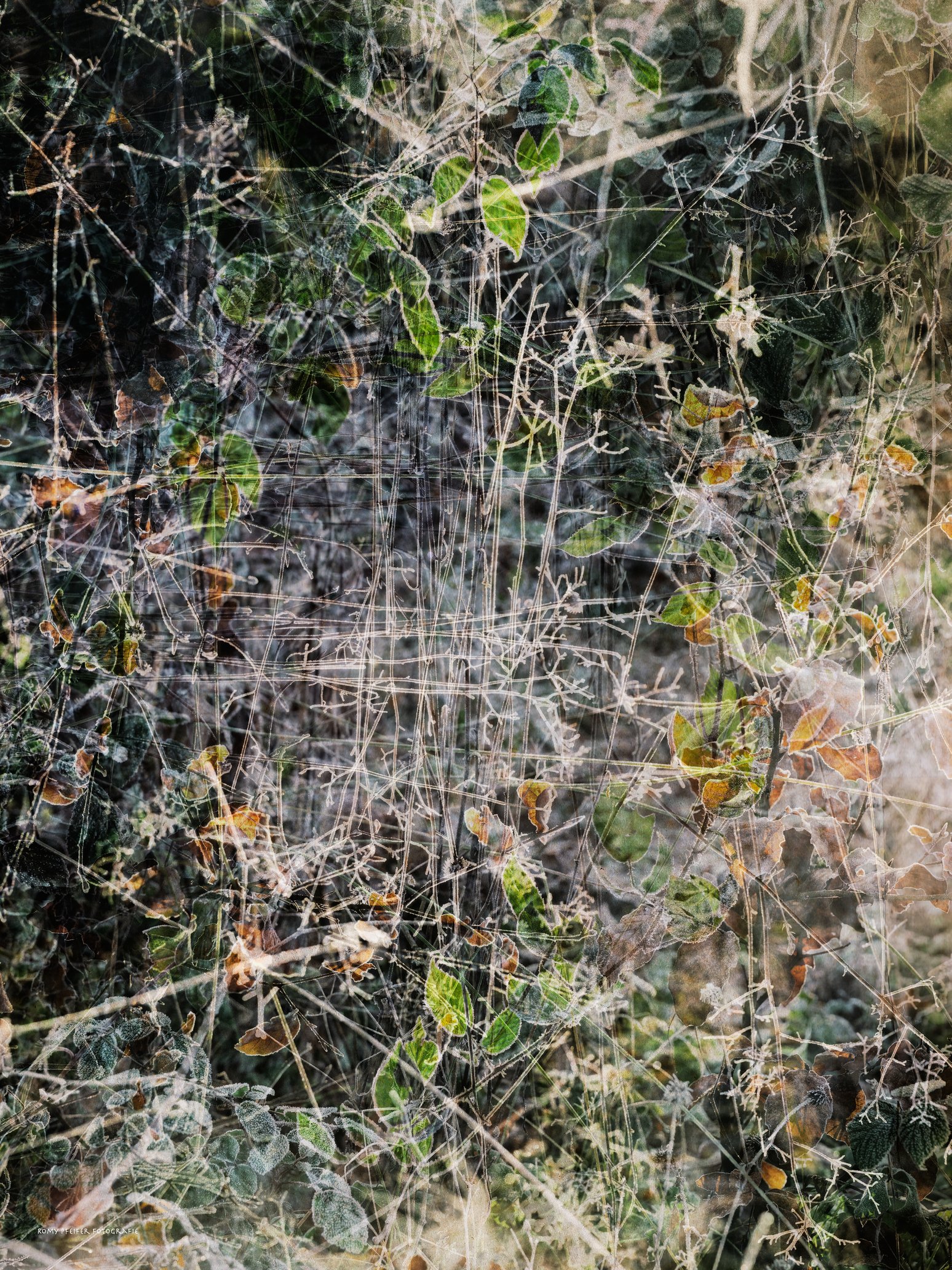
Touch My Heart
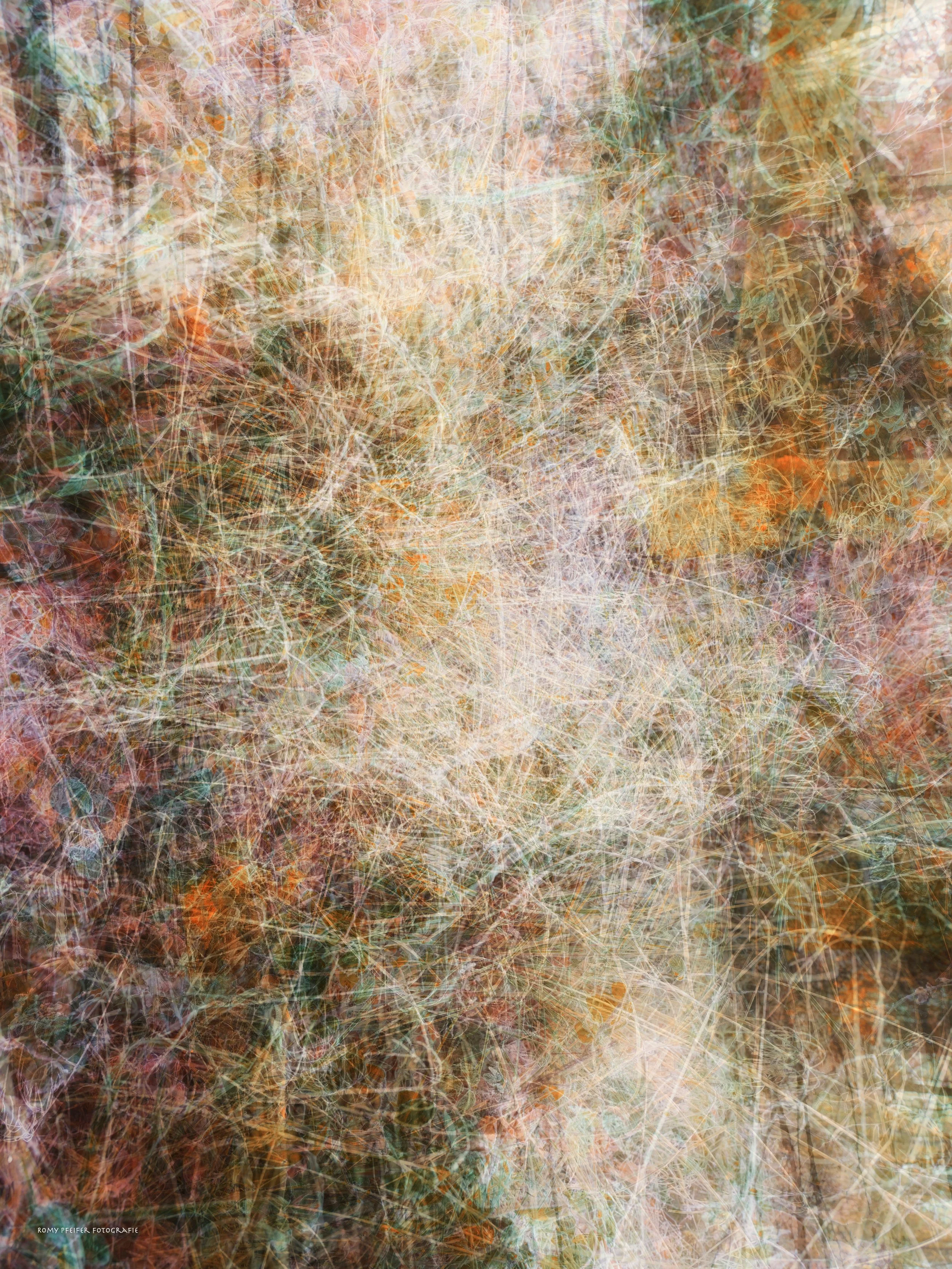
I Will Always Remember You
Much of your practice arises from intuitive almost improvisational encounters with color atmospheric conditions and fleeting light. Could you expand on how intuition functions as a central methodology in your artistic process and how you balance these instinctive moments with the more deliberate aesthetic and conceptual decisions that shape the final photography?
When taking photographs, my intuition for the most part, is combined with a strong sense of aesthetic. I think this has grown with practice and experience of my taking photographs for many decades.
I walk through a landscape with my camera and I am fully aware of what surrounds me. I decide to take photographs when something attracts my attention, might it just be a special light as in “As Time Floats By” when the evening sun reflects on a lake, might it be the shapes or beautiful colors as in “A New Day” when the morning light in Brittany bathes the sky, sea and landscape in an almost surreal pastel purple. I feel connected with what I focus on and try to get the most aesthetic composition out of it. It is just this one chance, this special moment. I work on capturing only the essence of this very moment.
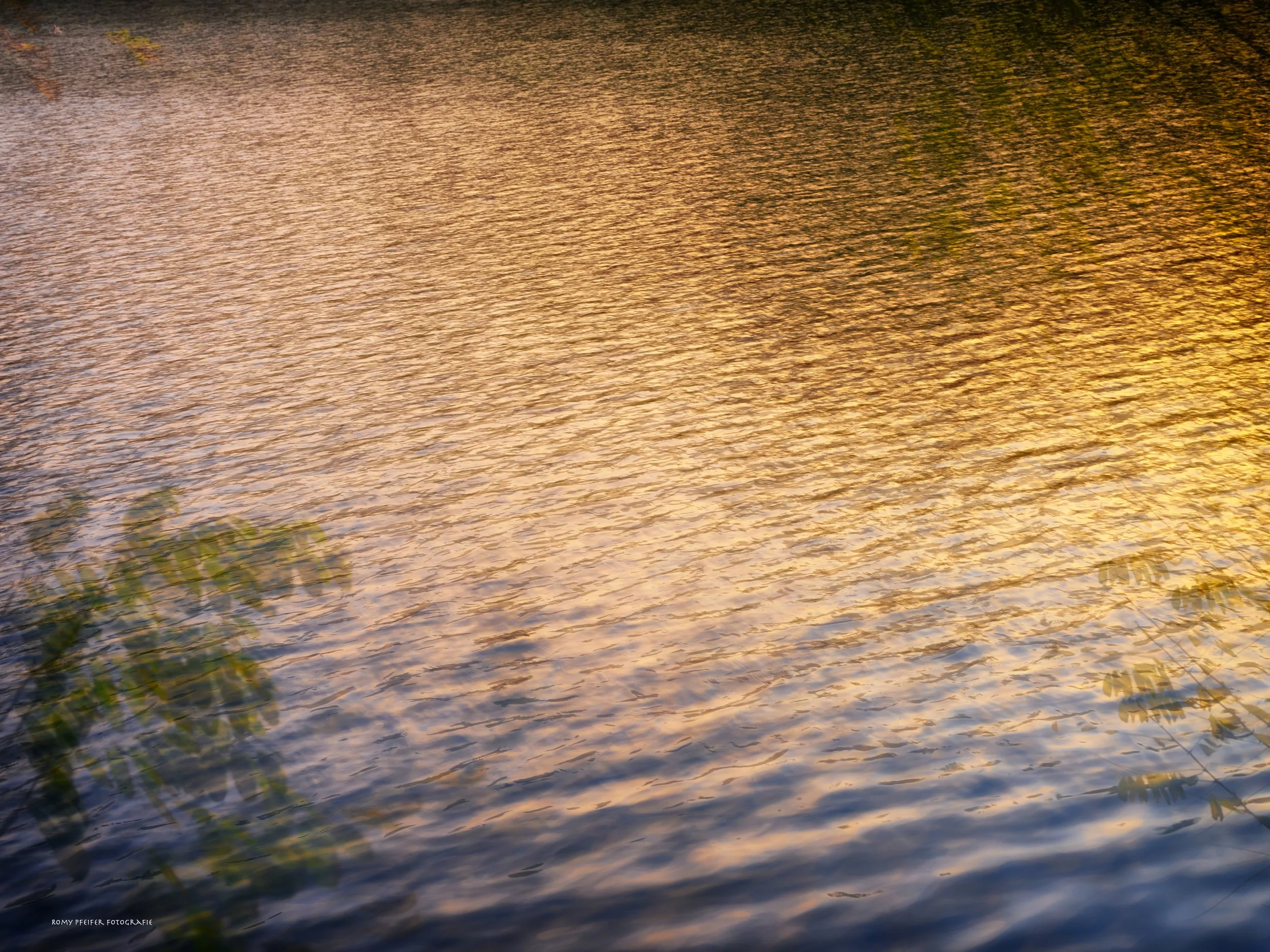
As Time Floats By
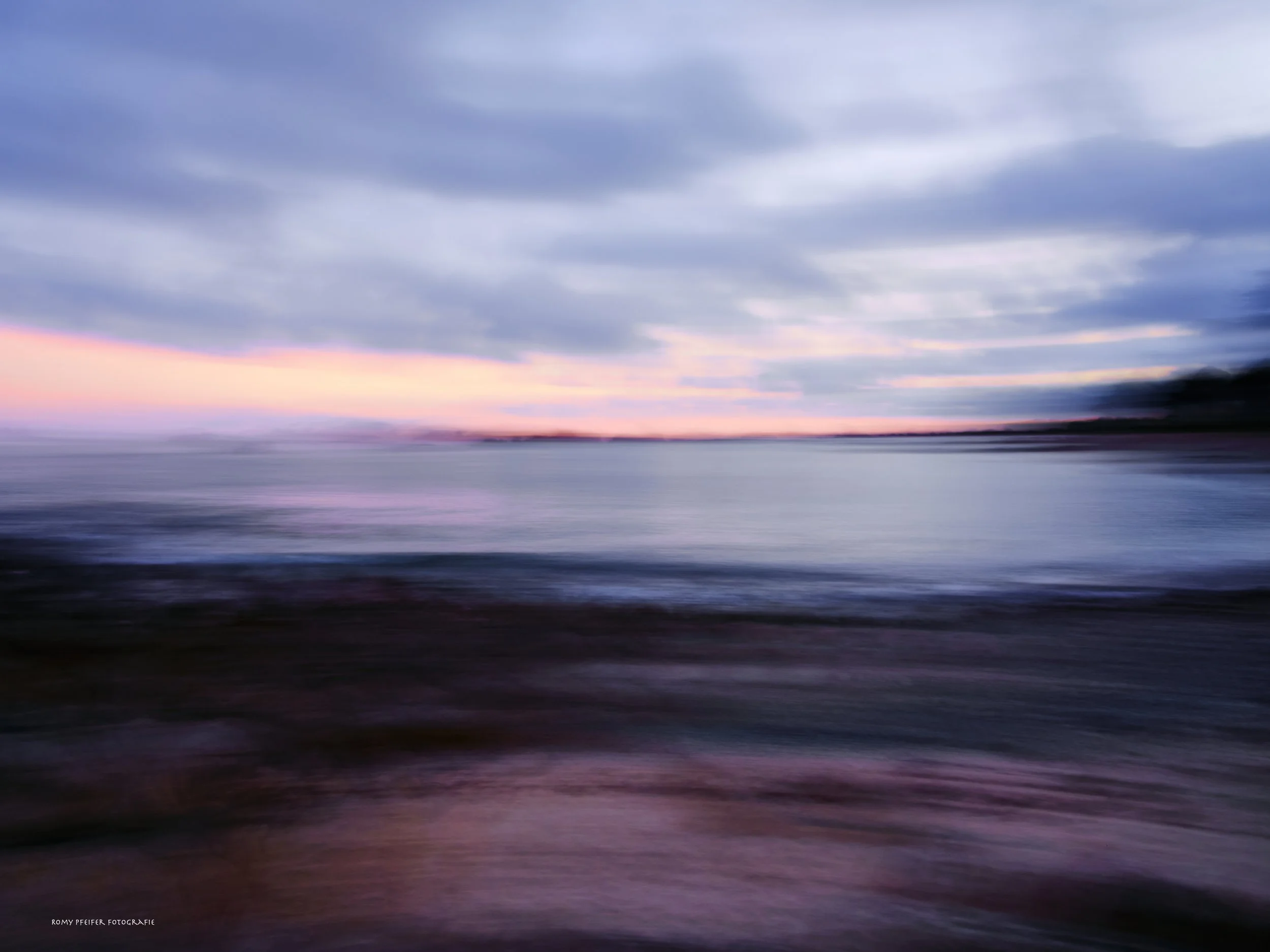
A New Day
Your images often suspend viewers between abstraction and the subtle trace of landscape creating.a state of perceptual ambiguity. As a photographer how intentionally do you play with this liminal zone where recognition begins to dissolve and what possibilities do you see emerging for emotional or contemplative engagement when the indexical certainty of photography becomes fluid?
Like a painter I put all my feelings into the picture. It is my very personal interpretation of what I want the photograph to express and show. Sometimes I decide to leave a subtle trace so the viewer might recognize what they are looking at. As in “Grace”, a multi-exposure photograph of trees with their colorful leaves in autumn. The viewer has to look closer, take their time to recognize trees, branches, leaves, colors which are all in motion, since their leaves will be gone soon. Or, if it is a very abstract
photograph such as “I’ve Got Your Number”, where the viewer might have a clue what is signifies. My intention is that the viewer feels a connection with what they are looking at, and that the photograph evokes emotions, connects them with their own mood, their own inner world. The photograph might change for them depending on their actual mood.
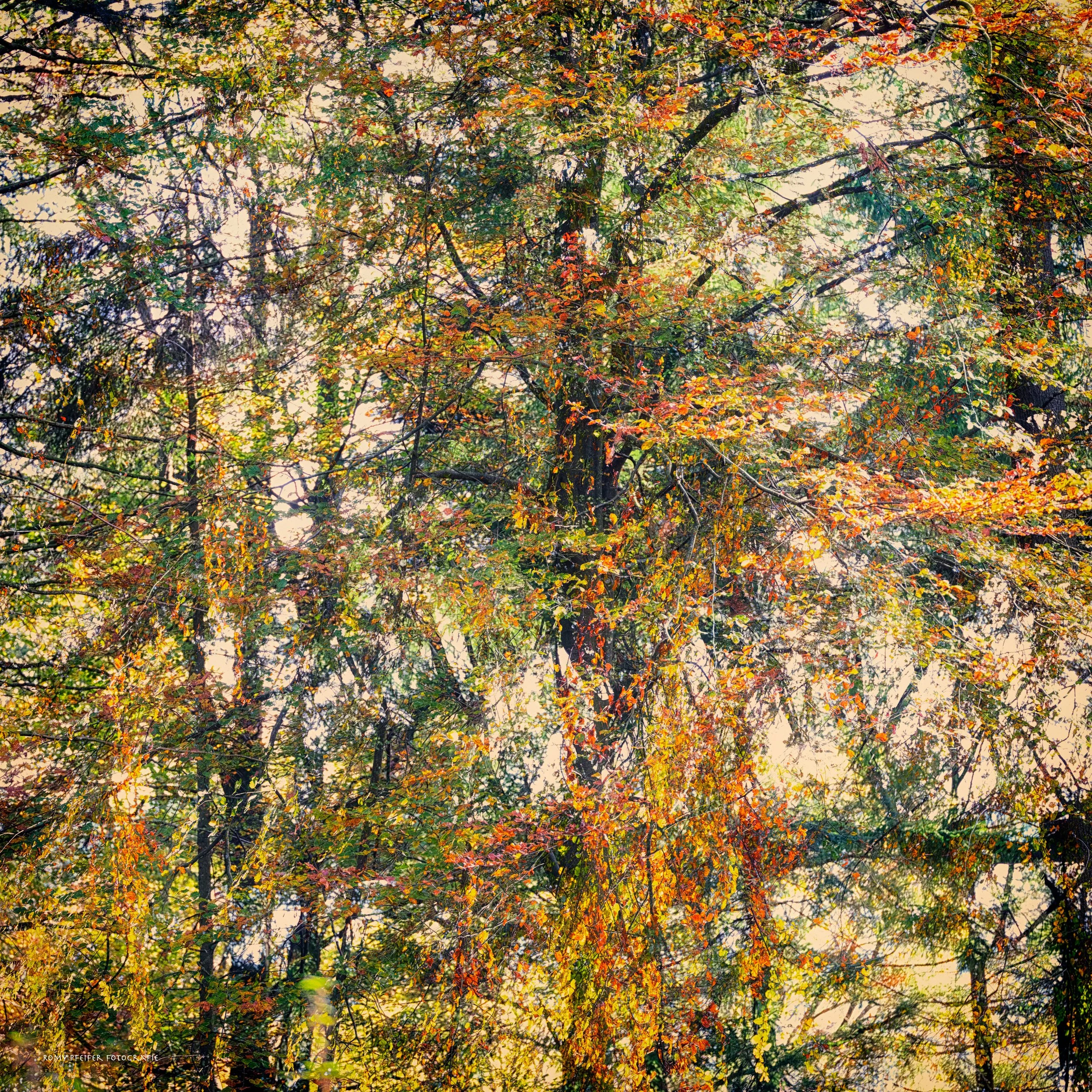
Grace
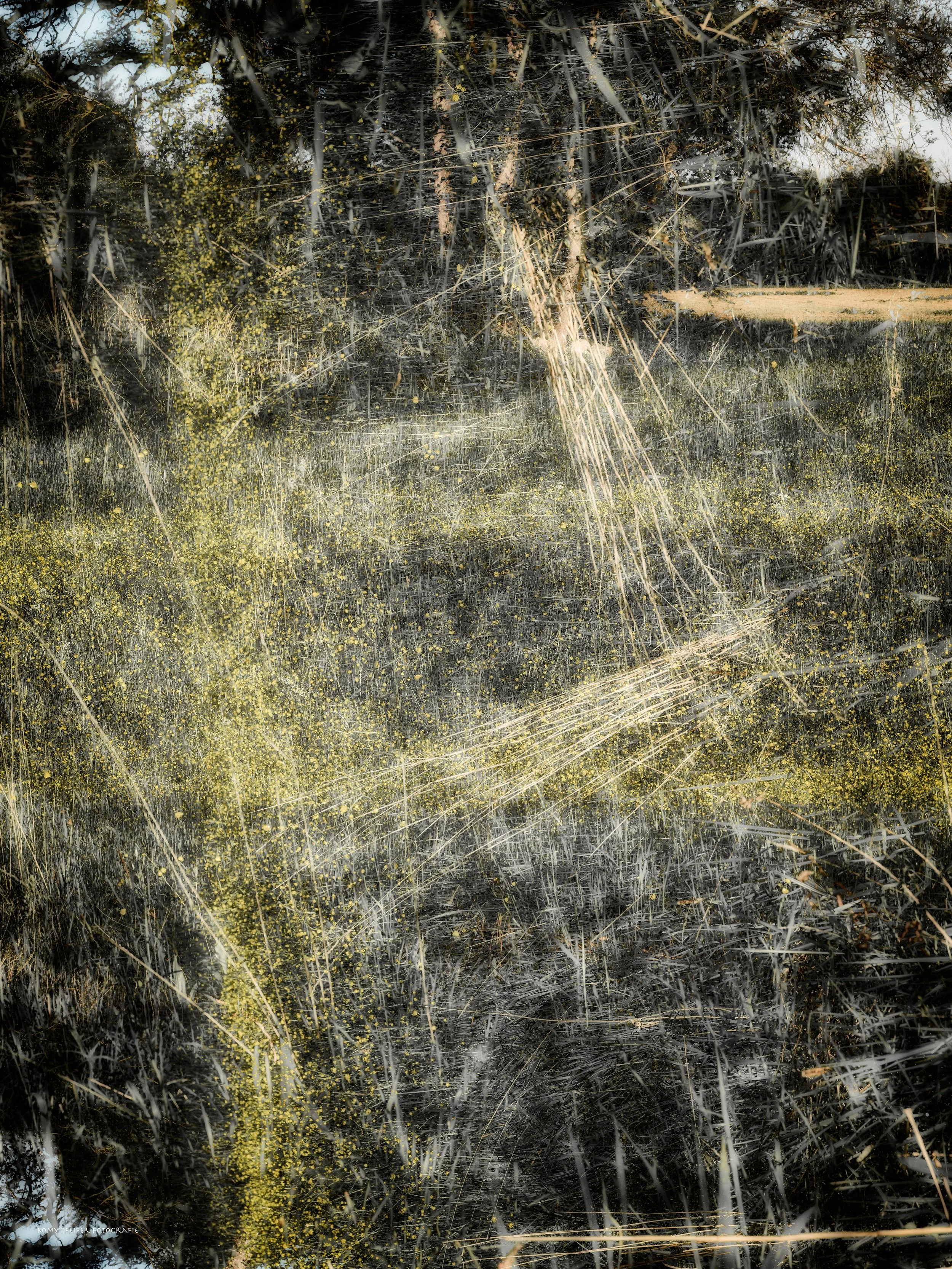
I’ve Got Your Number
Movement both literal and metaphorical appears fundamental to your current body of work. How do ideas of temporal flux environmental fragility and the impossibility of repeating a single moment inform your visual language and how do these ideas shape the way you understand your photography within today's shifting ecological context?
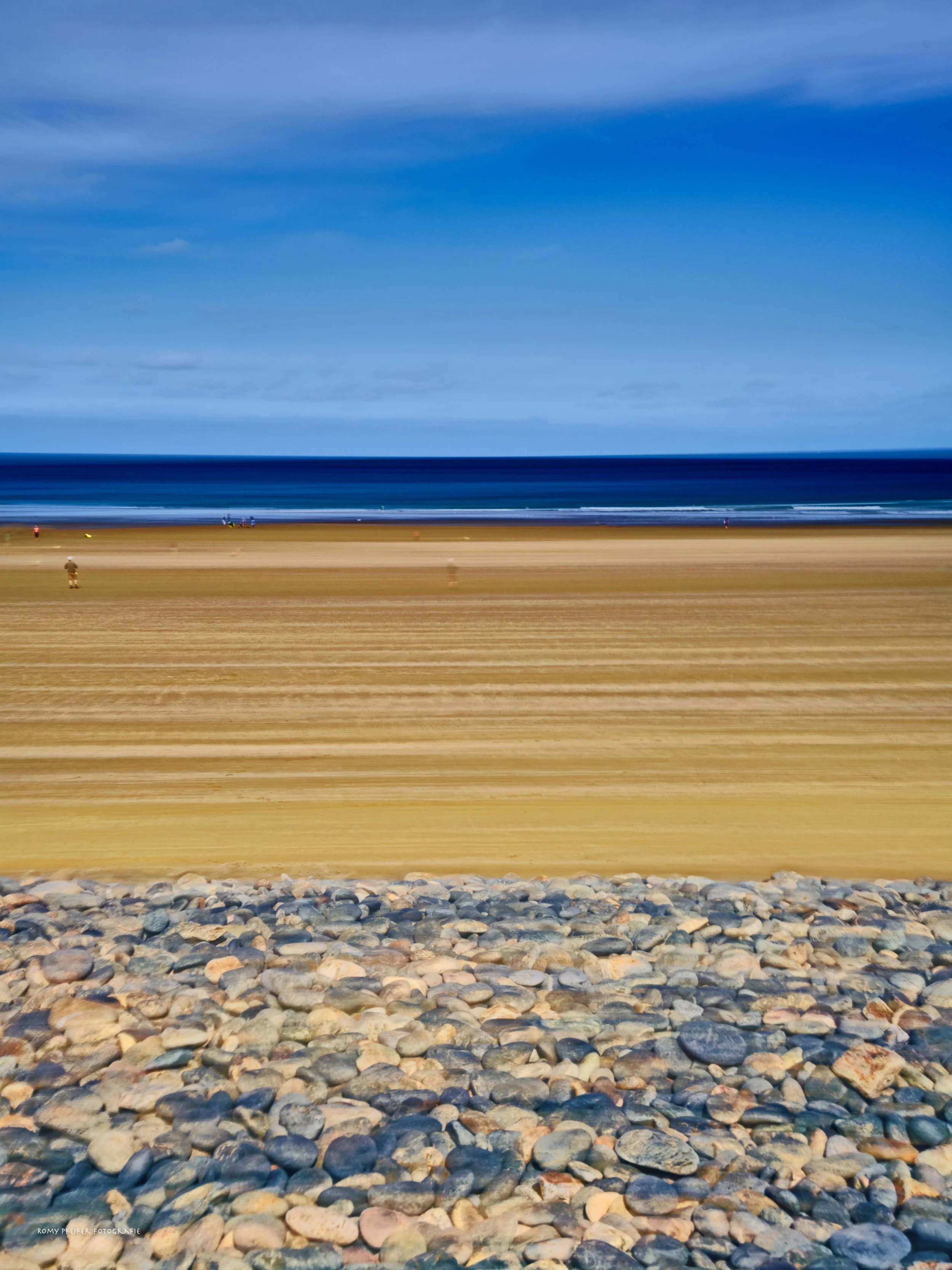
One of my experiences when starting with abstract photography was that everything, is in motion. The movement of the camera was the method which made it visual to me. It is a way of showing how fast nature is changing. I am out in nature every single day (thanks to my dog) and it is always different out there. The light, atmosphere, daytime, season – every moment is unique to me. Might it be the atmosphere at the seaside like “At the Beach” which I took with a longtime exposure and tripod, or might it be the special light shining on red tulips at a certain moment, such as in “Love”.
My visual language has been formed and developed by the changes of every day appearances. I know I have to take this picture right now, no chance to repeat it tomorrow or even an hour later.
I often have the feeling that I take the picture to remember how it looked before it is gone forever. We are about taking everything from this wonderful planet. So many plants, trees, animals are disappearing, ever so quietly.
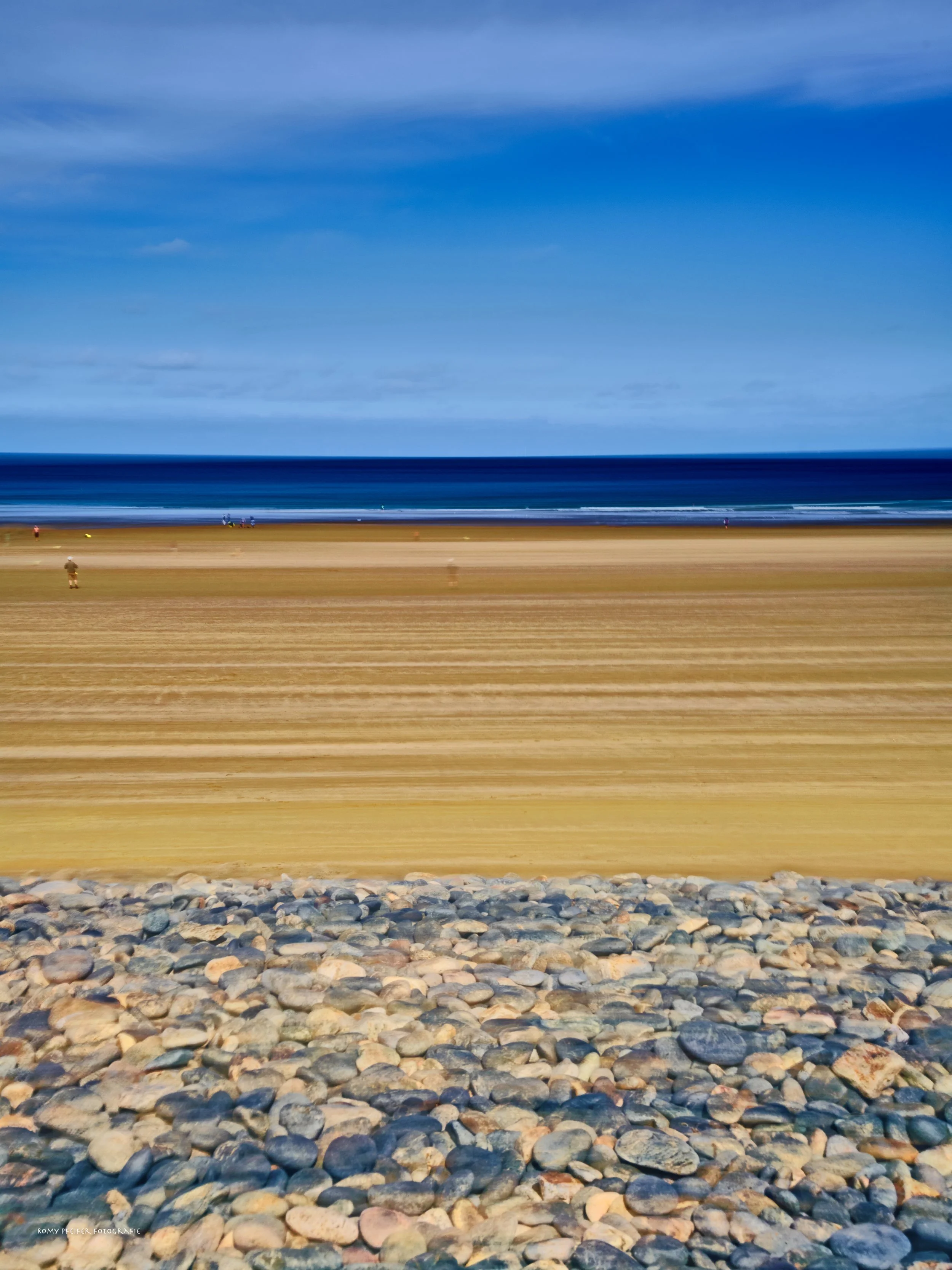
At the Beach
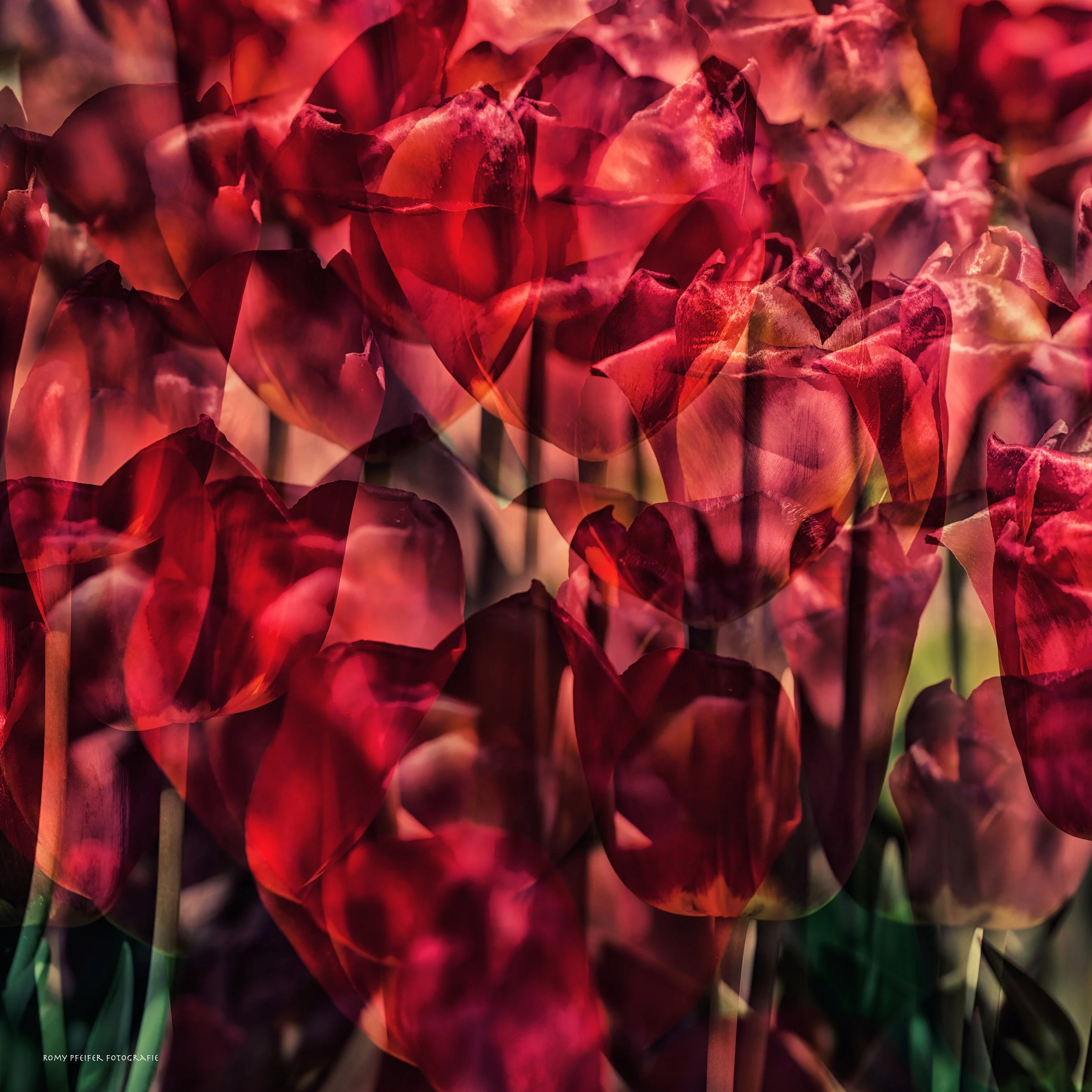
Love
Your practice is self-directed, yet the ambition and experimentation within your photography resonate strongly with contemporary photographic discourse. How has being a self taught photographer shaped your relationship to the history and tradition of photography and do you feel that working outside formal institutions provides a distinctive openness or responsibility in developing your own visual philosophy?
My absolutely strong relationship to the history and tradition of photography is due to the fact that I have been taking photographs since my childhood. I took photographs of all my friends, pets, parents, nature in a traditional manner, with analog cameras, developing black-and-white photographs in the darkroom. And I adore these pictures because of their special atmosphere as they are black and white and taken analog. Therefore I strongly feel attracted to the art of Anselm Adams, Sebastiao Salgado, Dorothea Lange or Nick Brandt. To me their many images are very authentic and will always be remembered by me.
As I am a self-taught photographer I have all the possibilities of self-development. To me it was very important to learn all the rules of taking a good photograph. The advantages of stepping away from formal institutions however, has freed me to explore new ways and experiment with different techniques. It also retained my authenticity throughout all my works, showing respect to all people, animals and nature I photograph. With my work “Wisdom” for example I honor three old white poplars standing close together, showing so much grace and beauty.
As I am very concerned about what is happening to our wonderful planet I think there is no other way than to remain in a continuous contemporary discourse.
In your abstract photography color operates not simply asa visual element but as an expressive force that conveys mood memory and embodied sensation. What role does chromatic intensity play in constructing the emotional architecture of your photographs and how do you conceptualize color as a conduit for translating the atmosphere and subtle movements of nature?
In my abstract photographs, color is an essential element. With color I express for example the joy of life and love as in “Liberty” or “Dance of Lilies” or the feeling of summer, sun, such as in “Quiet Summer”. When I intend to express ephemerality I choose light colors like blue and green as I used in “Summergrass” or “Reflection”.
As colors cause different emotions – cool colors to calm down, warm colors to lighten the spirit – I use colors to strengthen or underline what I intend to express with photography.
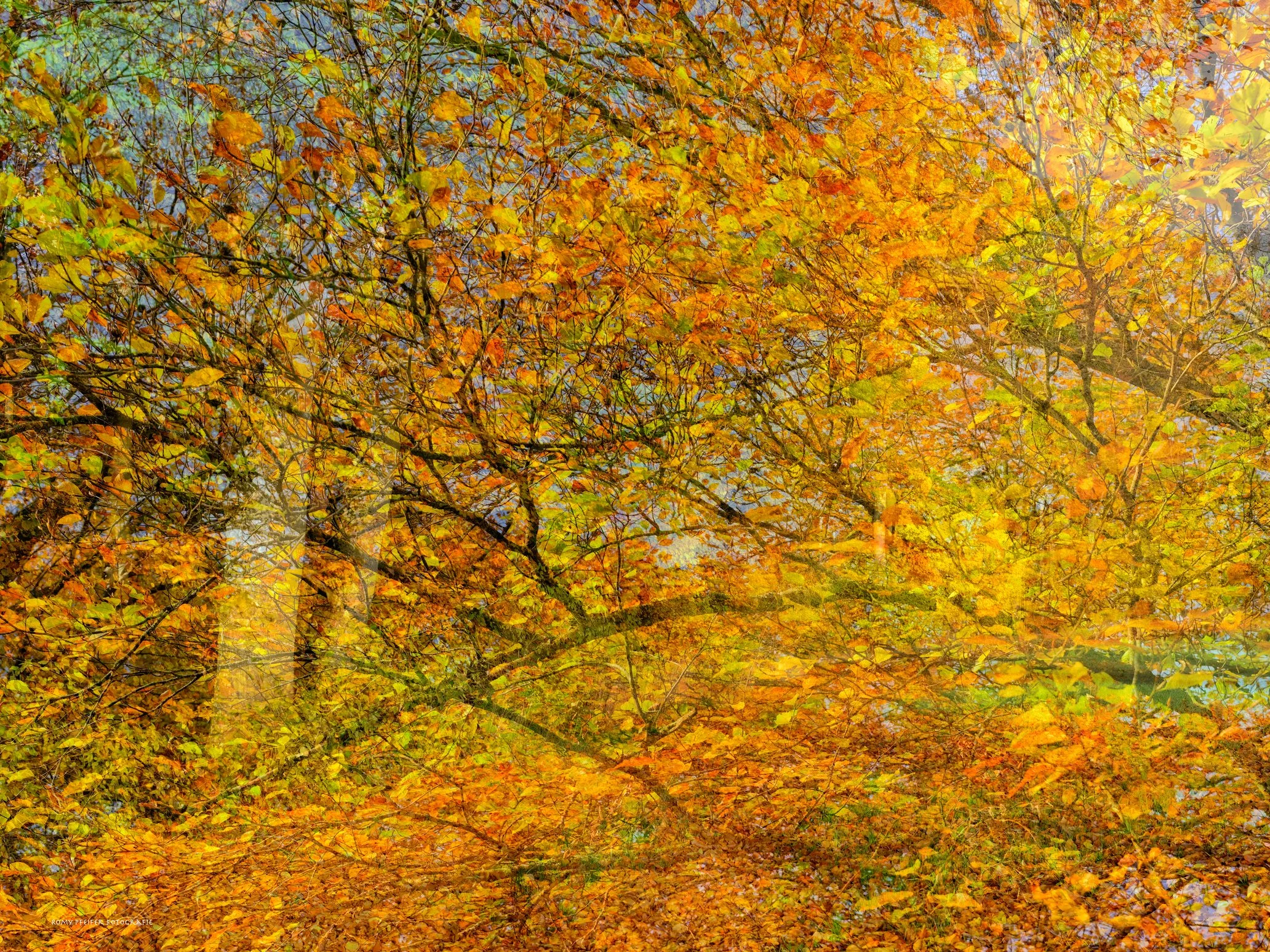
Liberty
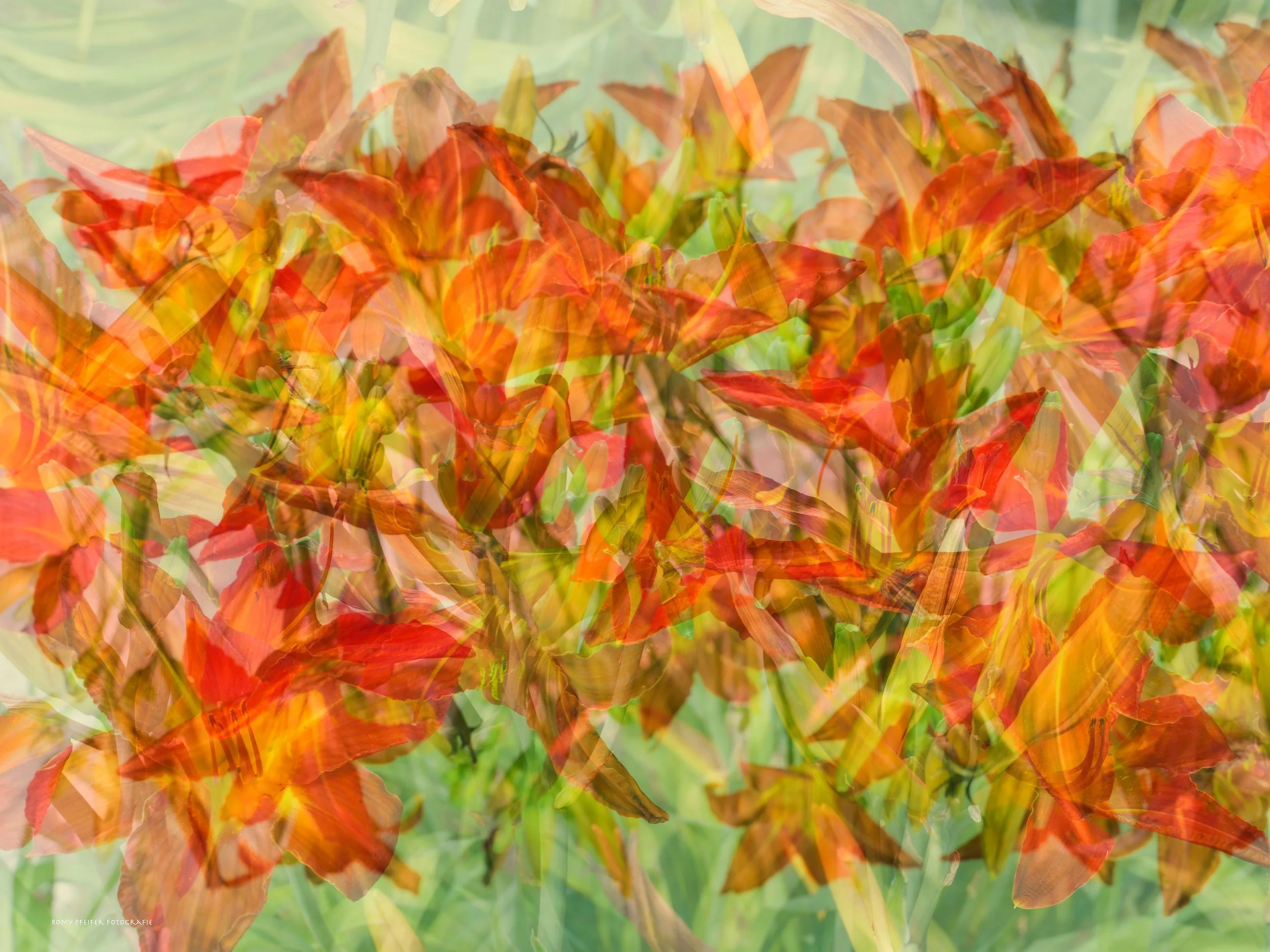
Dance of Lilies
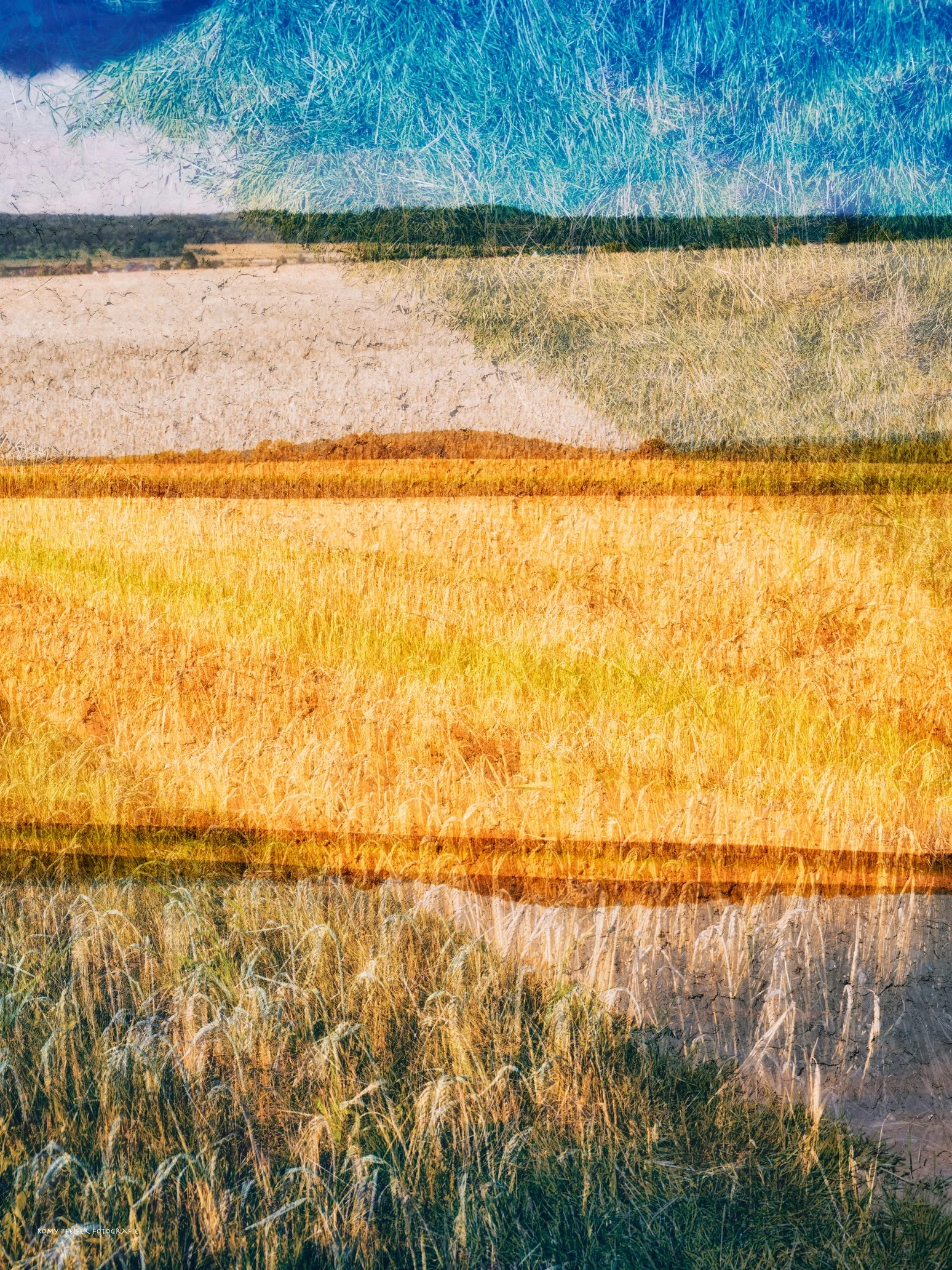
Quiet Summer
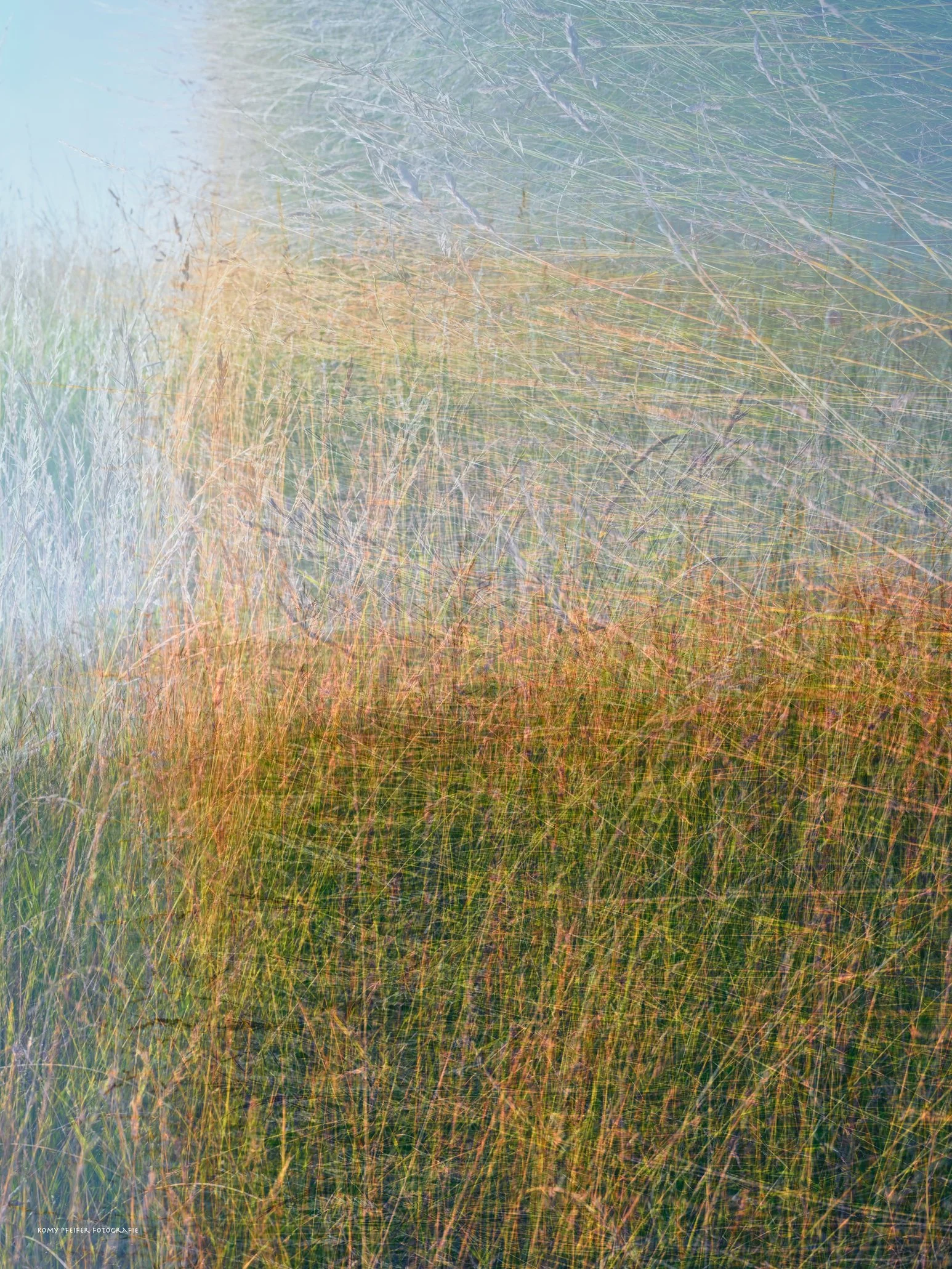
Summergrass
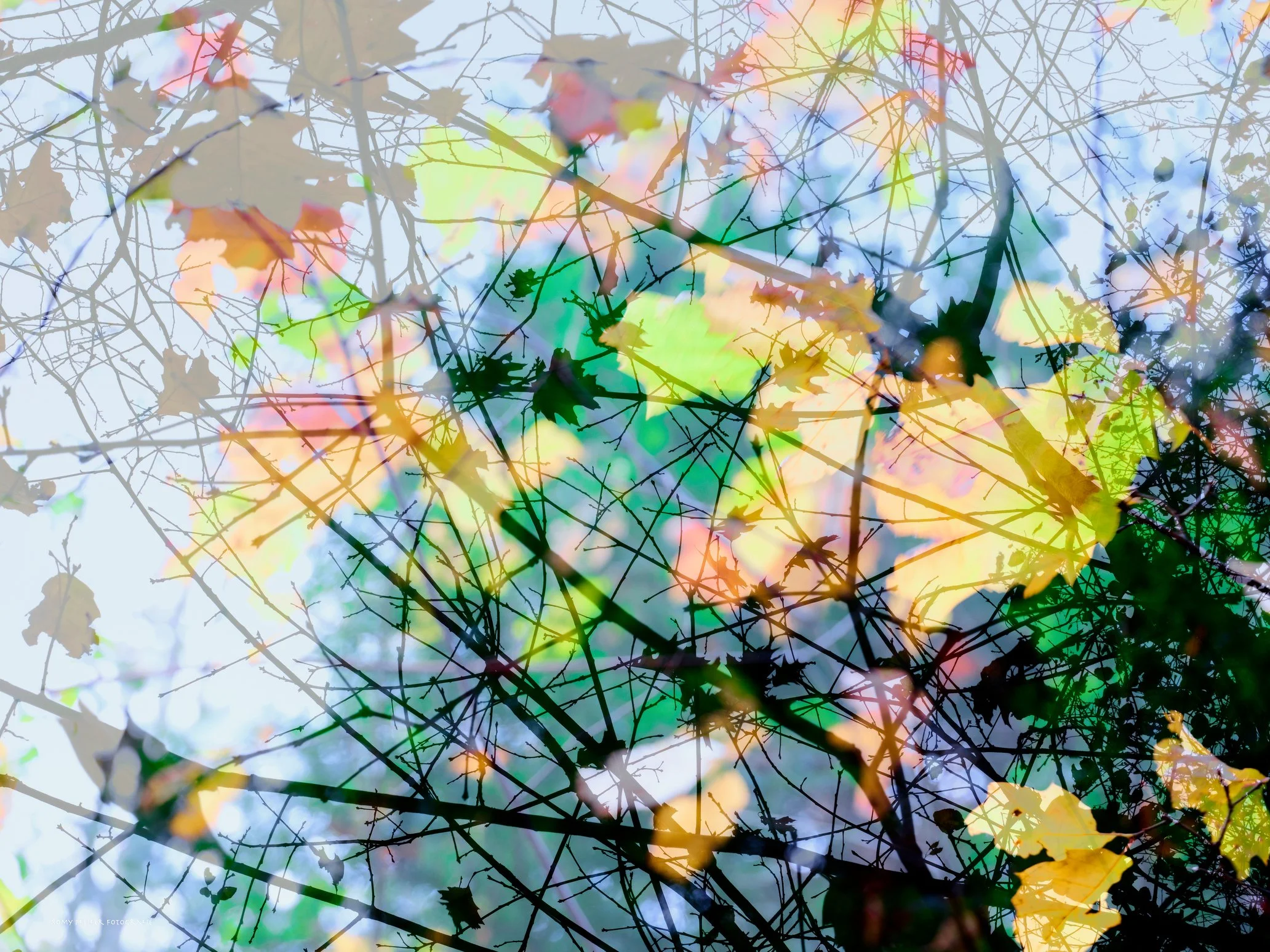
Reflection
Your portfolio spans portraiture animal photography travel photography and experimental abstraction. How do these diverse genres inform one another in your practice as a photographer? Do you perceive an underlying connective thread that unifies these modes or do you approach each genre asa separate conceptual field with its own distinct photographic questions?
Different subjects require different approaches. When I do portraiture I am focusing on the subject with all their emotions and mimics. Sometimes I talk quite a lot with the person I portraiture to get them to forget that it is a photo session. Here, I prefer using black and white photography. Animal photography is different, as is travel photography which covers everything – nature, humans, animals, architecture. What all my methods of photography have in common is the play with light, intensity, my respect and connection of whom or what I take pictures of. To me what is important for all genres, is to make the best decision in aesthetic and conceptual belongings.
The rural environment in the South of Stuttgart, where you live alongside your animals seems to permeate the sensibility of your photography. In what ways has this particular locality shaped the textures rhythms and emotional resonance of your work and do you see your surroundings not only as subject matter but as an atmospheric collaborator in your artistic evolution as a photographer?
My somewhat rural neighborhood is an absolutely atmospheric collaborator. I live on the border of Schönbuch, a nature reserve with different types of trees, lots of fields, forests, some lakes and rivers such as the Neckar. As I am out in nature every day with my dog and horse, I feel a strong connection to my surroundings. As it changes from day to day with plenty of variation in appearances and colors there is always something new to discover and to experiment on with photography. I also had to learn that nothing should be delayed. No winter or spring or day is like the last one.
Your abstract landscape photography creates a space where reality becomes porous inviting viewers toward imaginative and perceptual expansion. To what extent do you consider your photography an exploration of perception itself its limits its distortions and its poetic possibilities and how do you envision the role of the viewer in activating these perceptual experiments?
I think it depends on the image. Some abstract images show a tree or a beach quite clearly. Others are strong distorted images which invite the viewer to activate all of their perception possibilities. It is exciting to explore the extremely different perception of every single viewer depending on their own inner world.
I create a photograph because I feel connected with the subject, the light, the colors, and because I can express my emotions with just this image. Or I simply wish to capture the beauty of a moment.
If the image deeply moves the viewer, they may spend more time to explore the details, the atmosphere and structures. At exhibitions, viewers often come back several times to look at a photograph which has attracted their attention. Often they think it is a painting.
As you continue to explore experimental photographic techniques, especially multi exposure and abstract approaches, what conceptual or technical frontiers are you most drawn toward next? Are there emerging questions philosophical environmental, or personal that you foresee becoming catalysts for future photography projects?
There are some new ideas in the making. I just started working with analog and digital combination as in “Coucher du Soleil” or “Wide Open Country”. And I am thinking about experimenting with animal portraiture and returning to analog photography. Since I love our planet with all my heart one of my main focuses will always be how we humans treat nature.
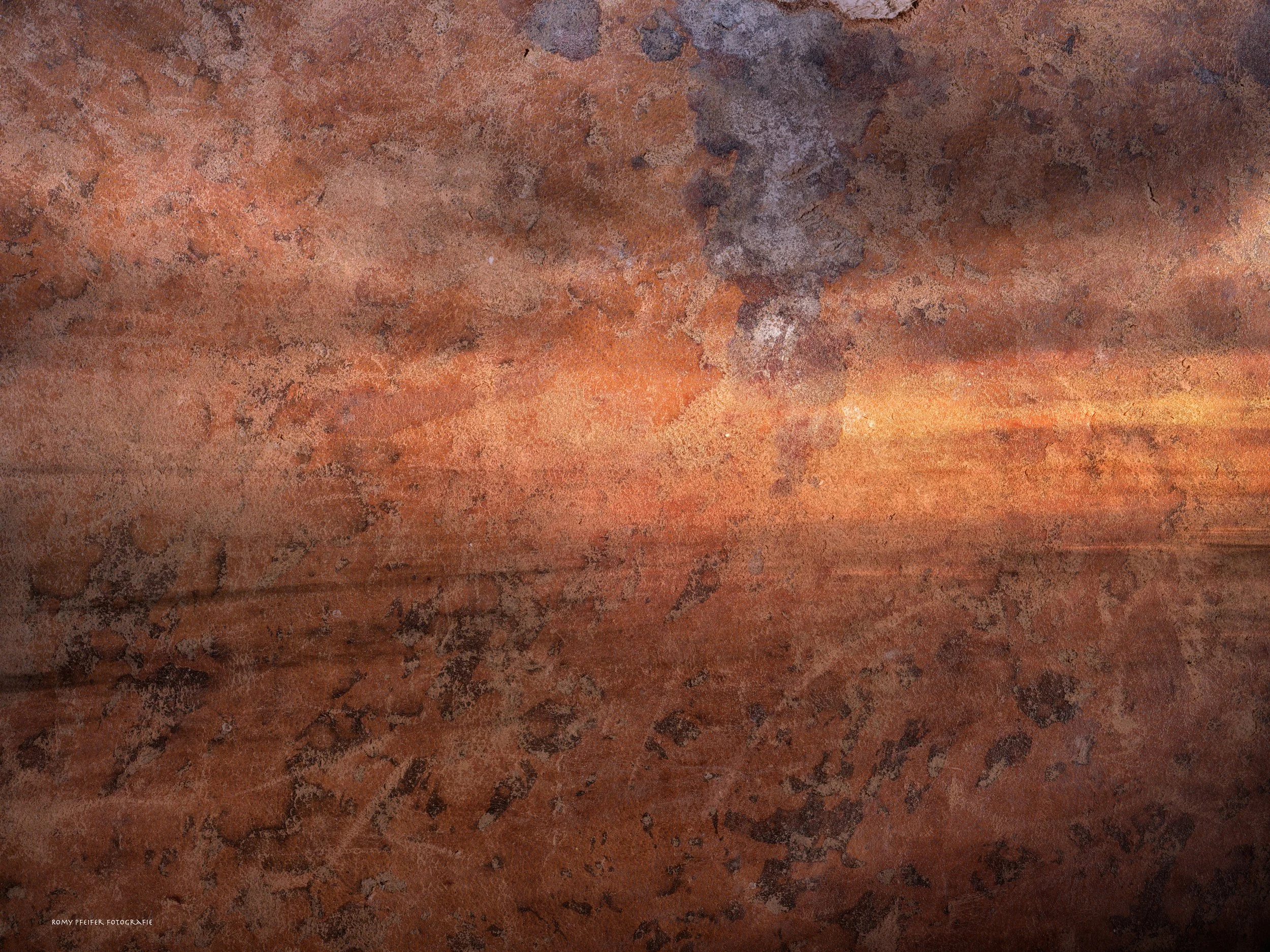
Coucher du Soleil
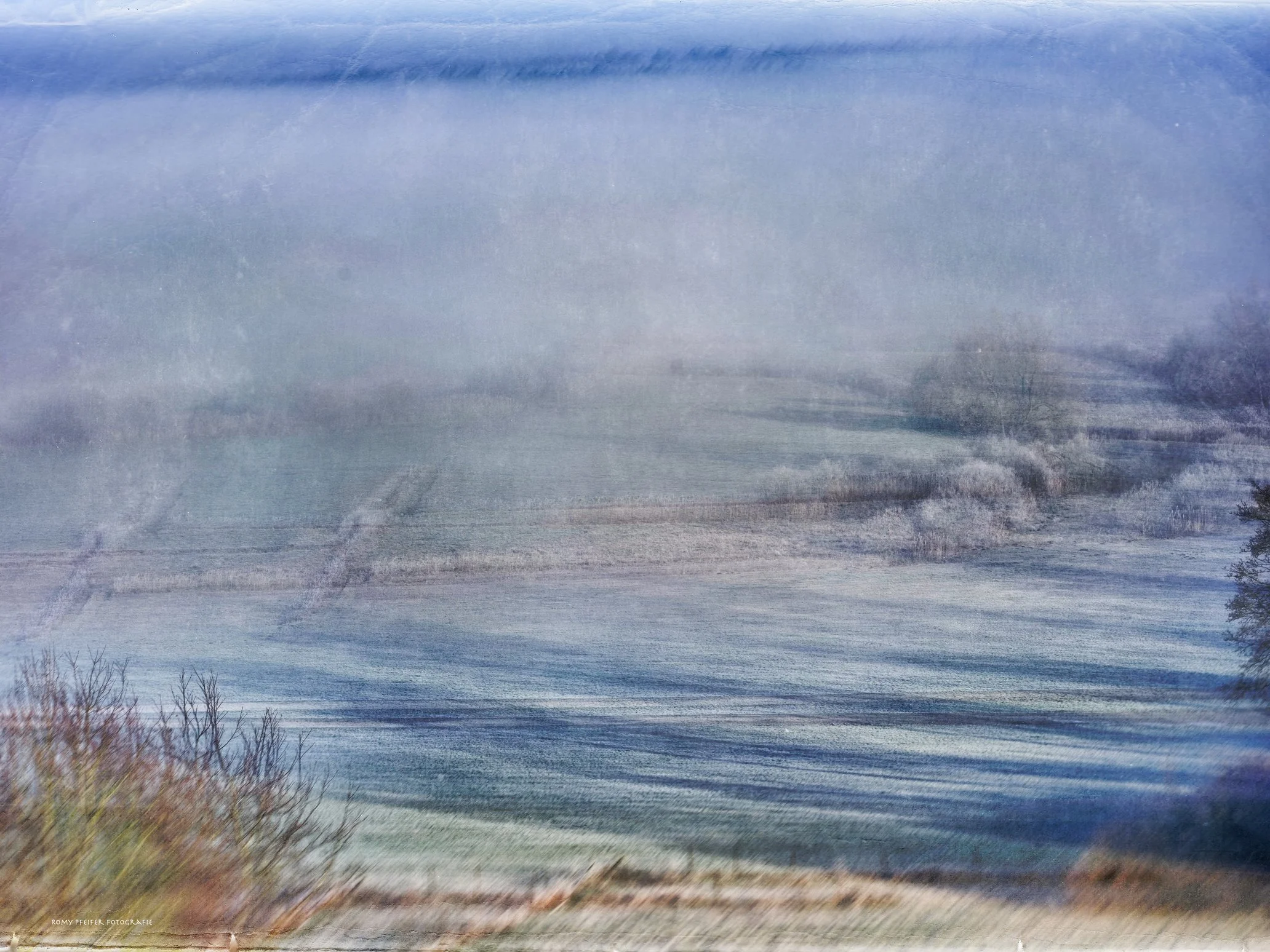
Wide Open Country