Interview with IRIS Fluidism
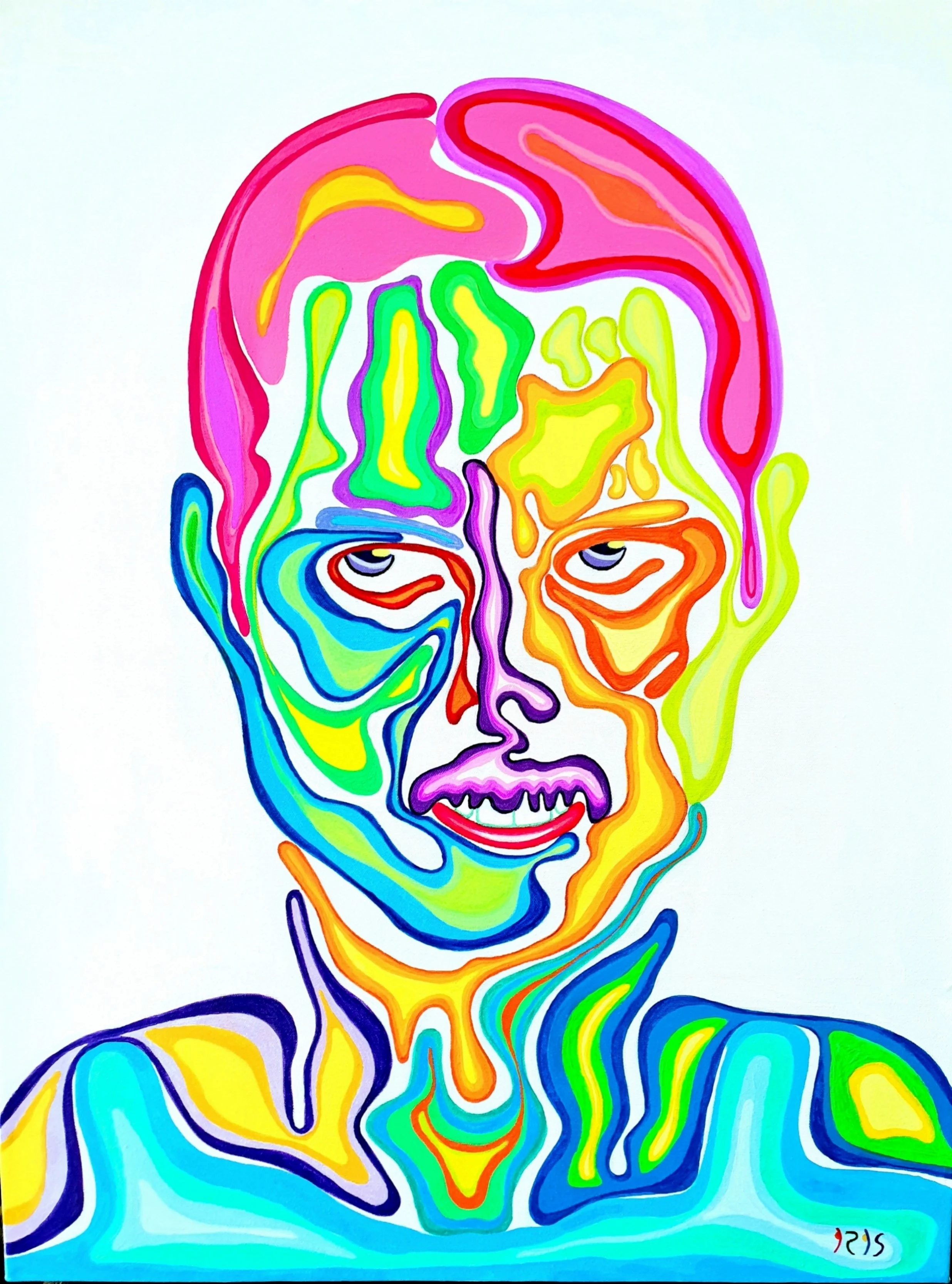
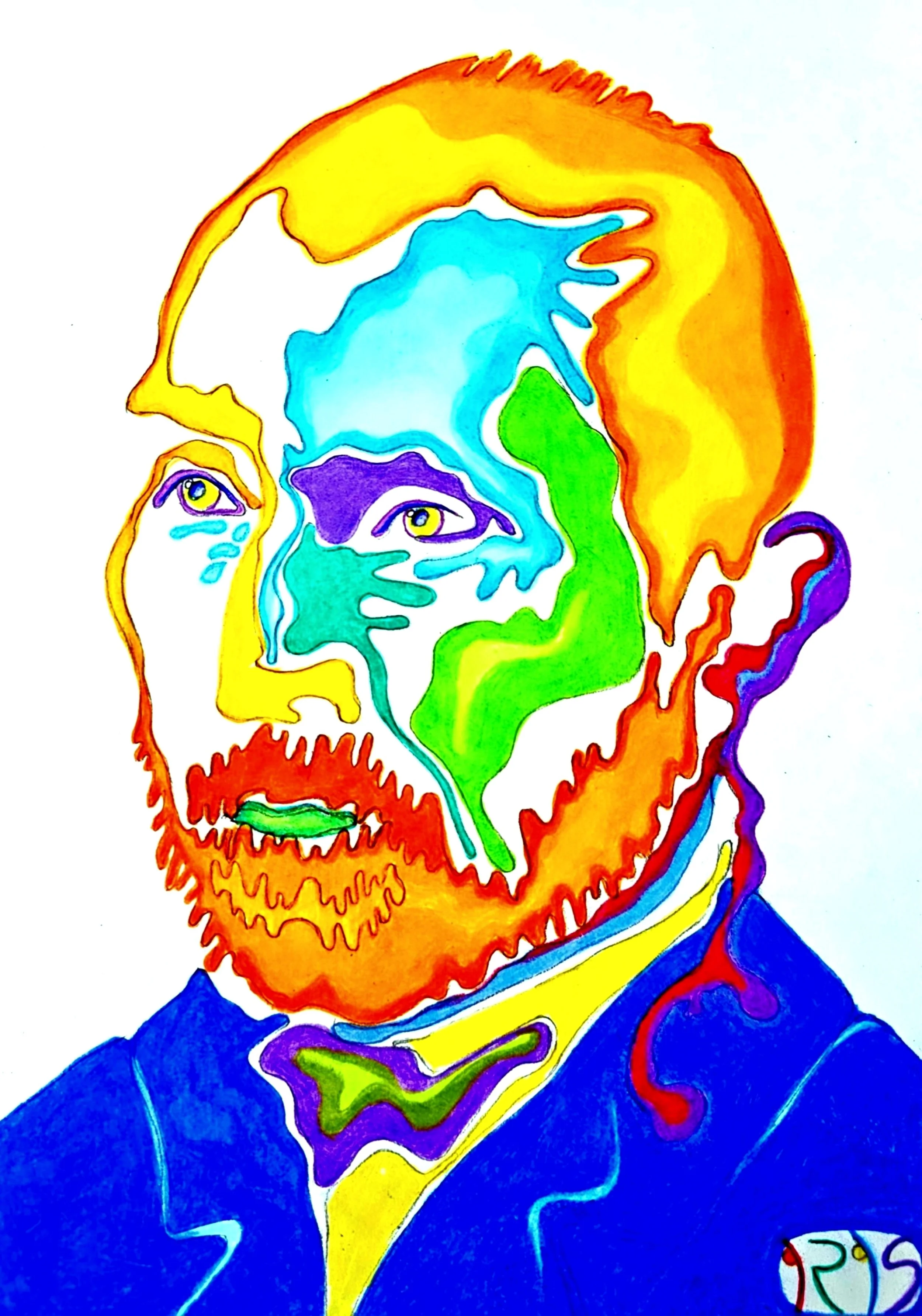
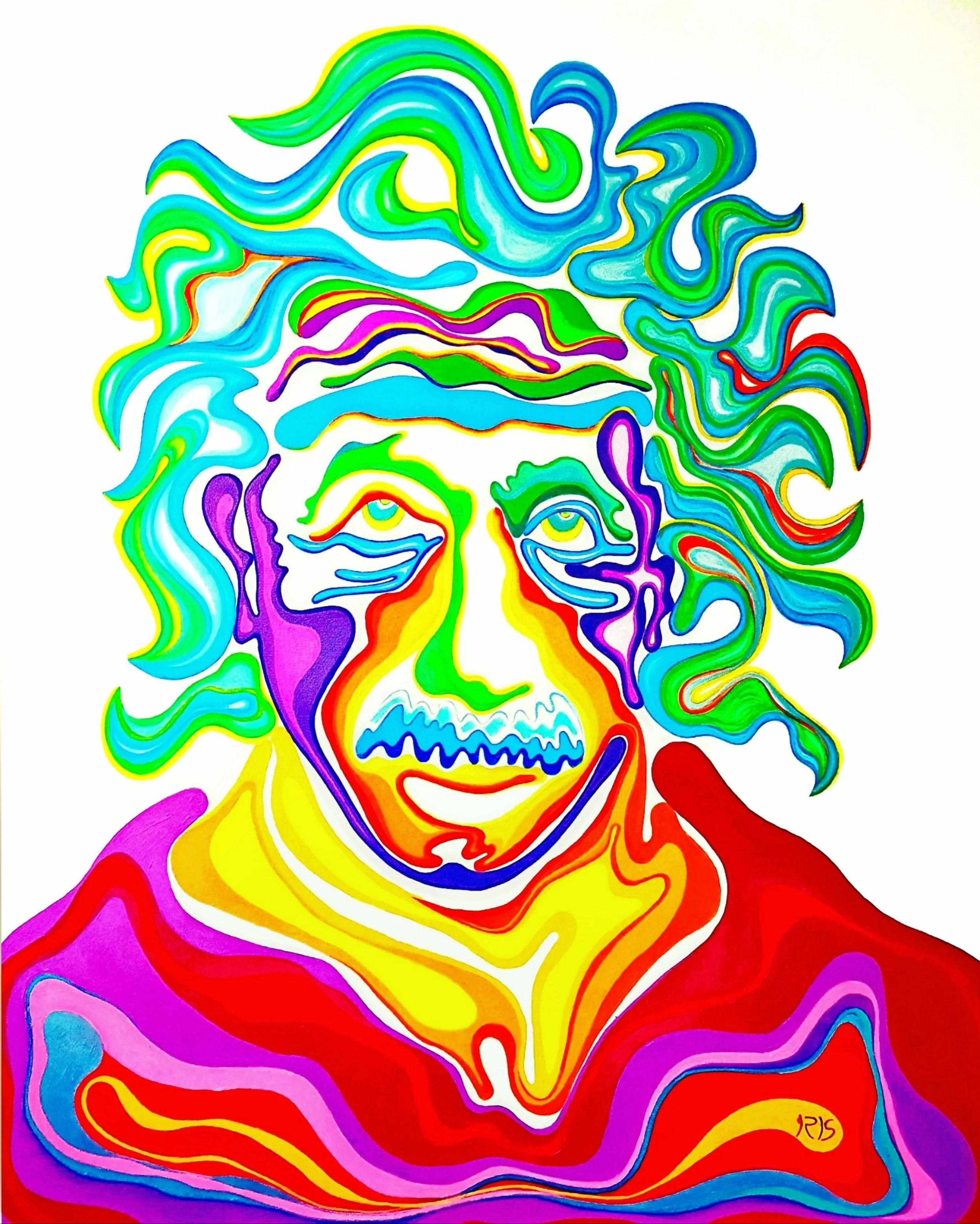
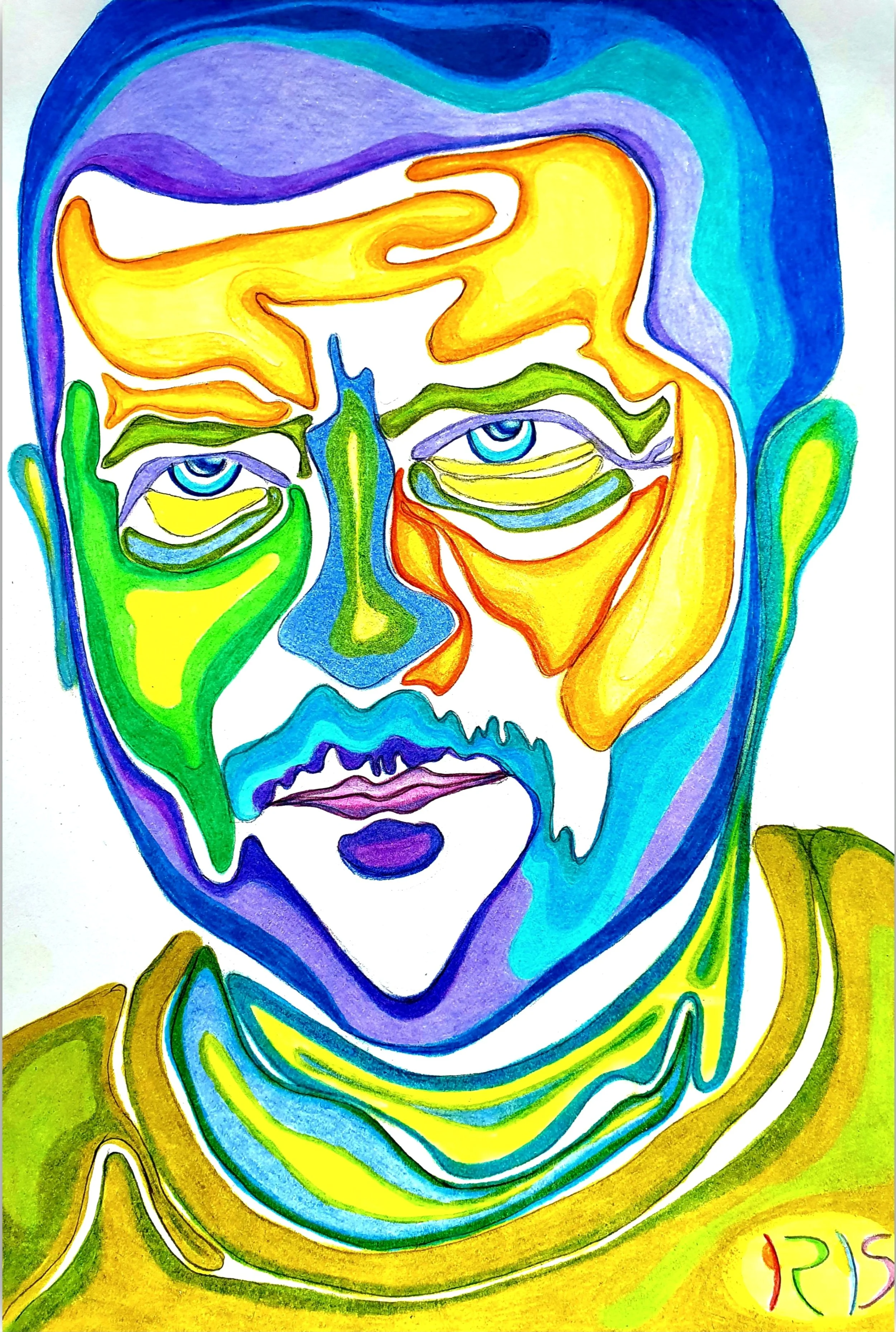
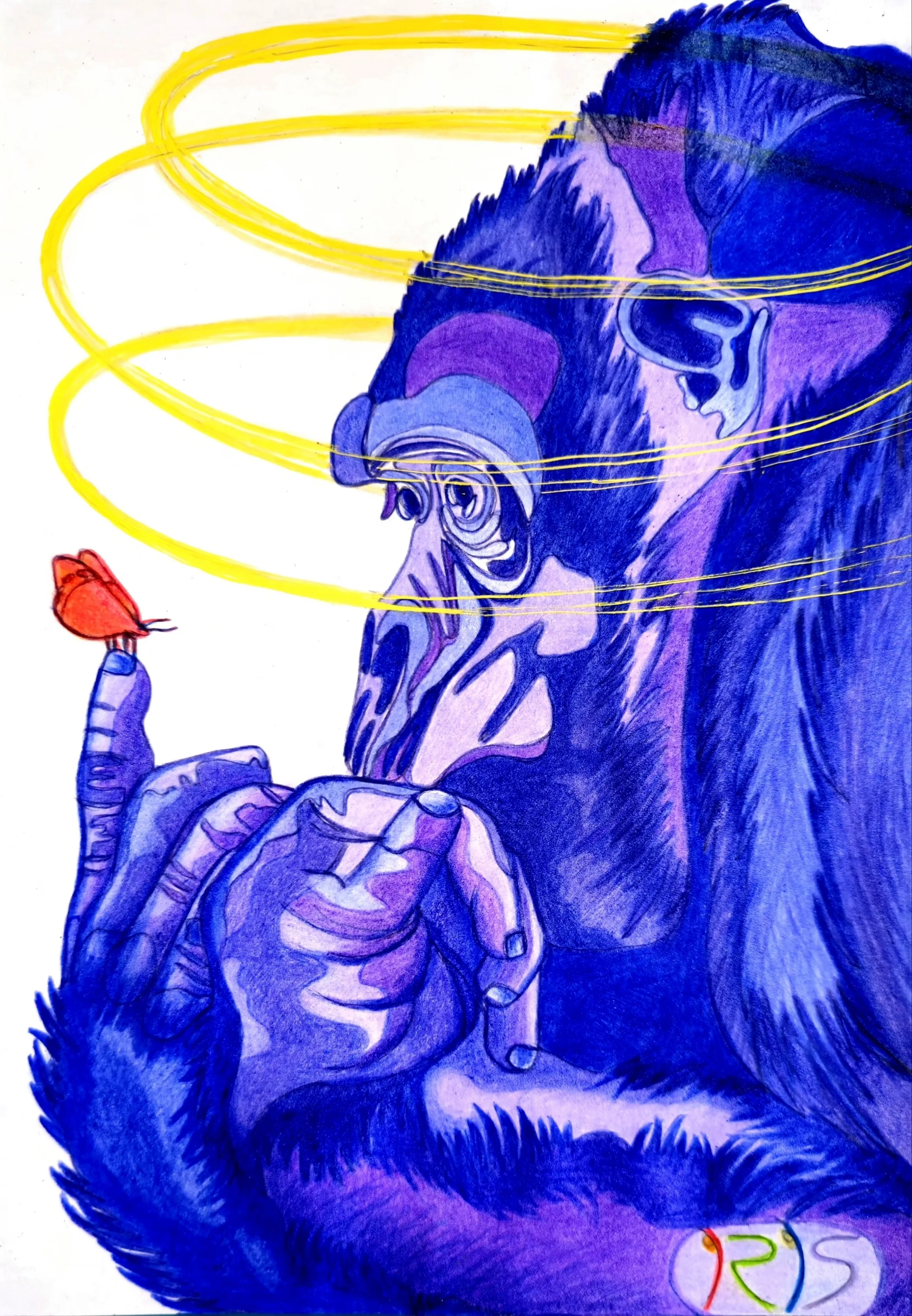
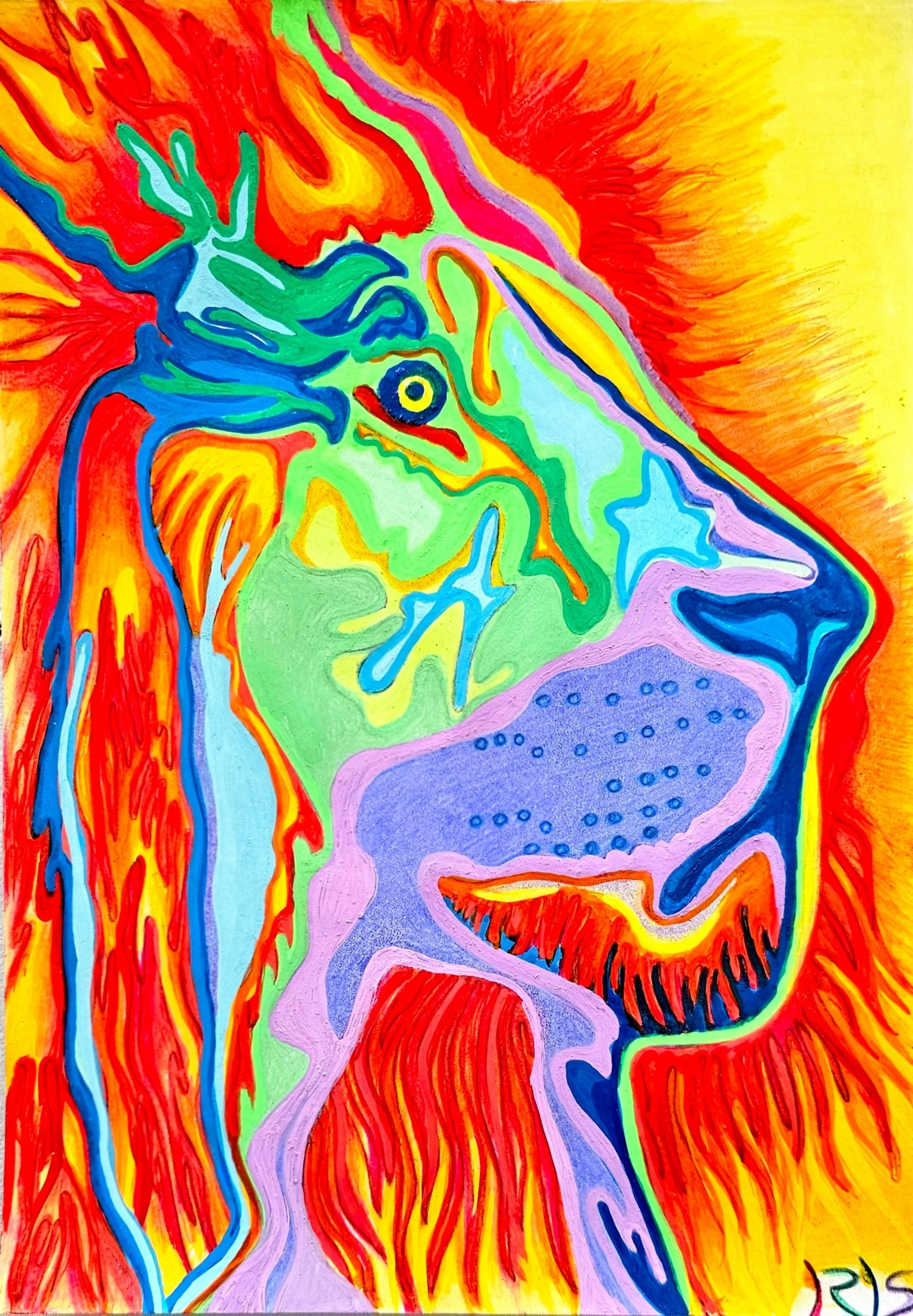
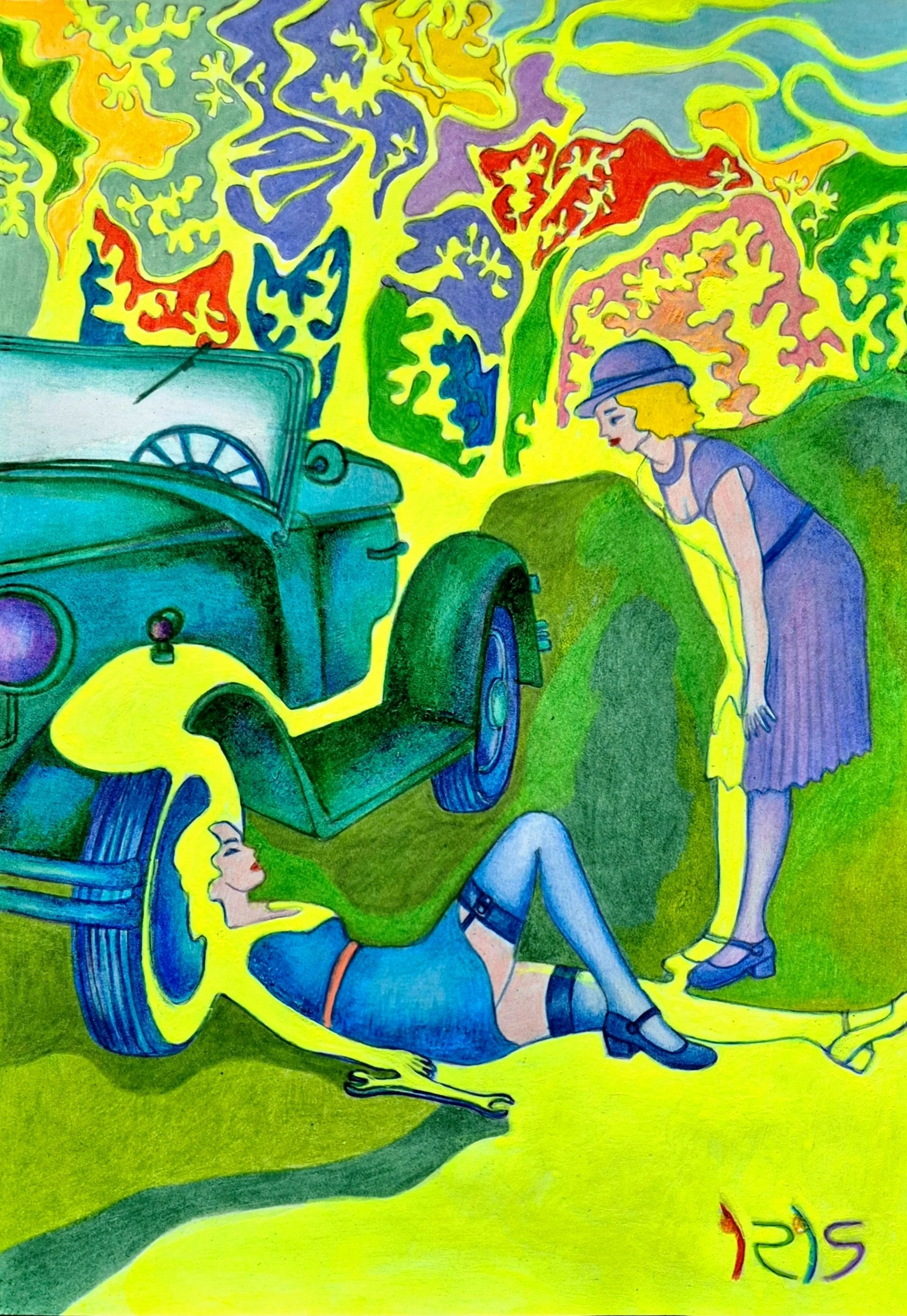
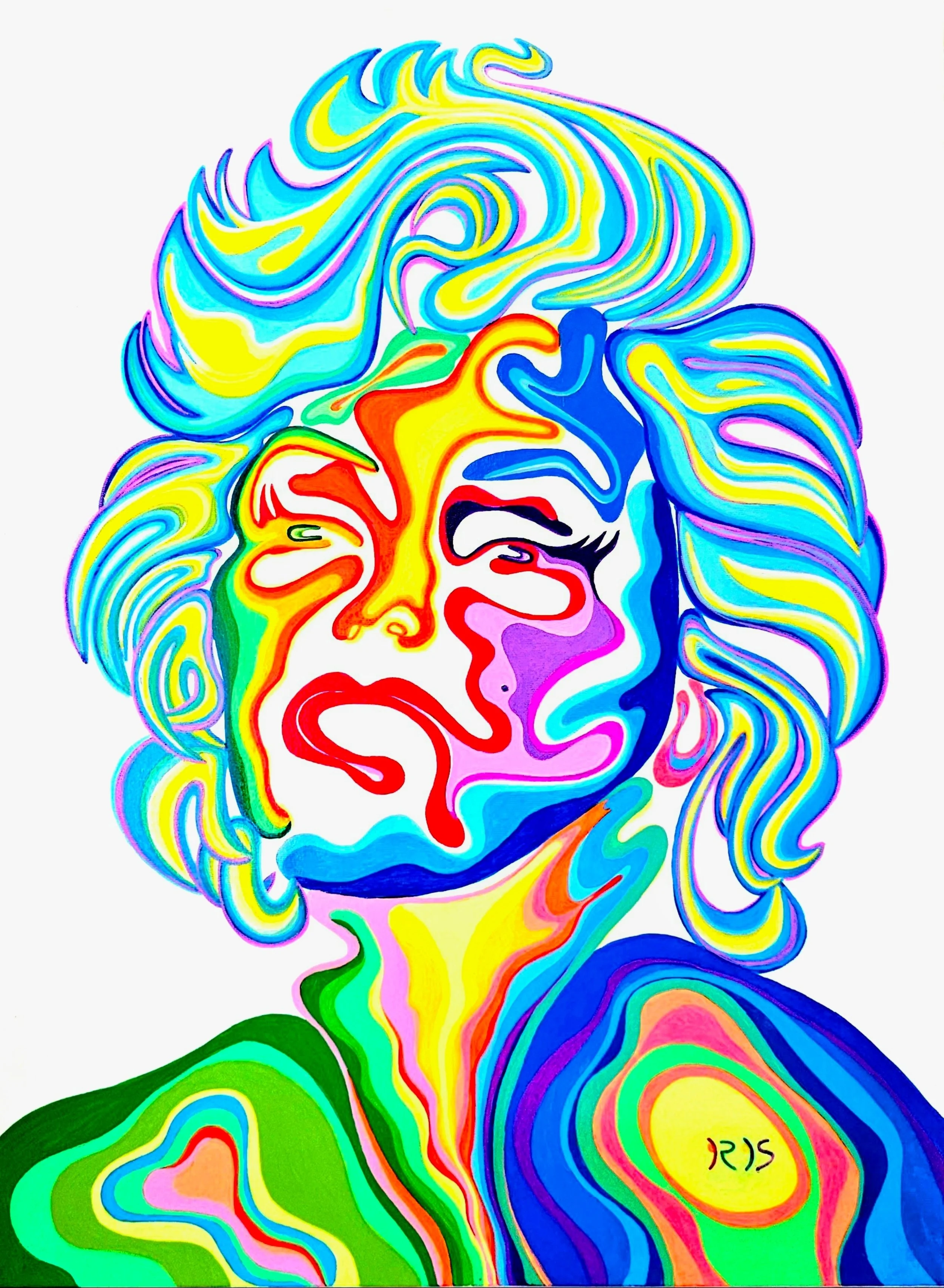
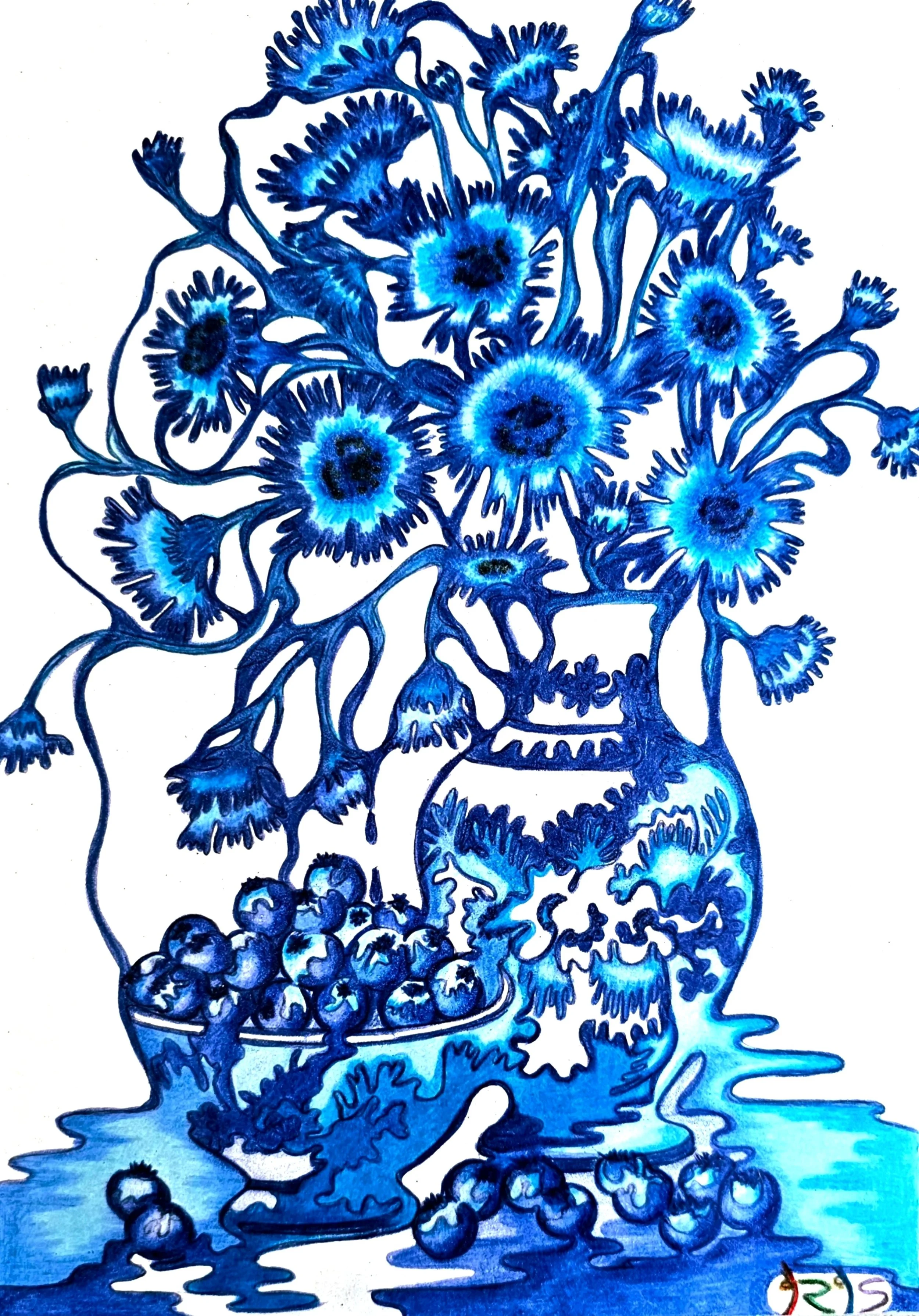
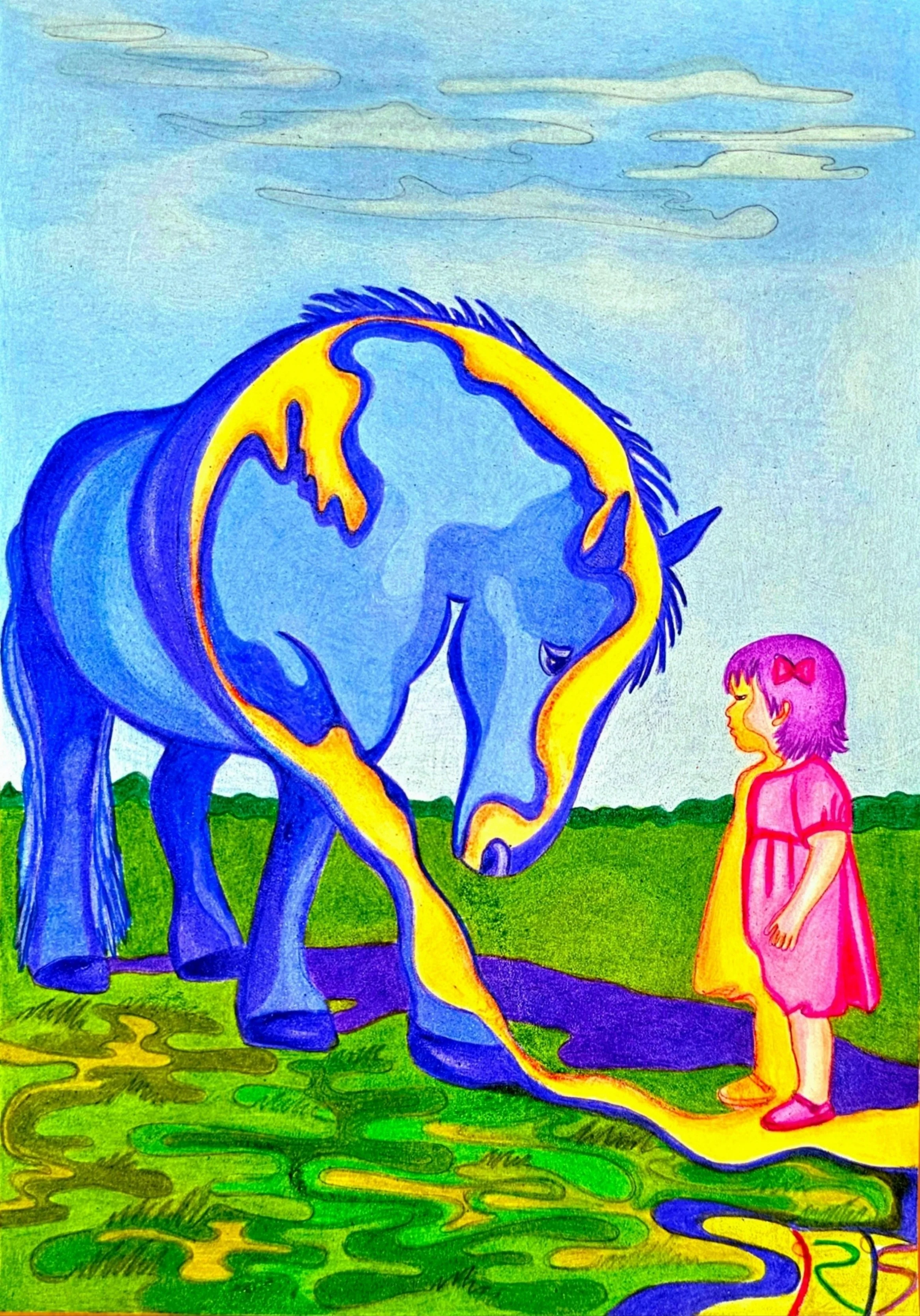
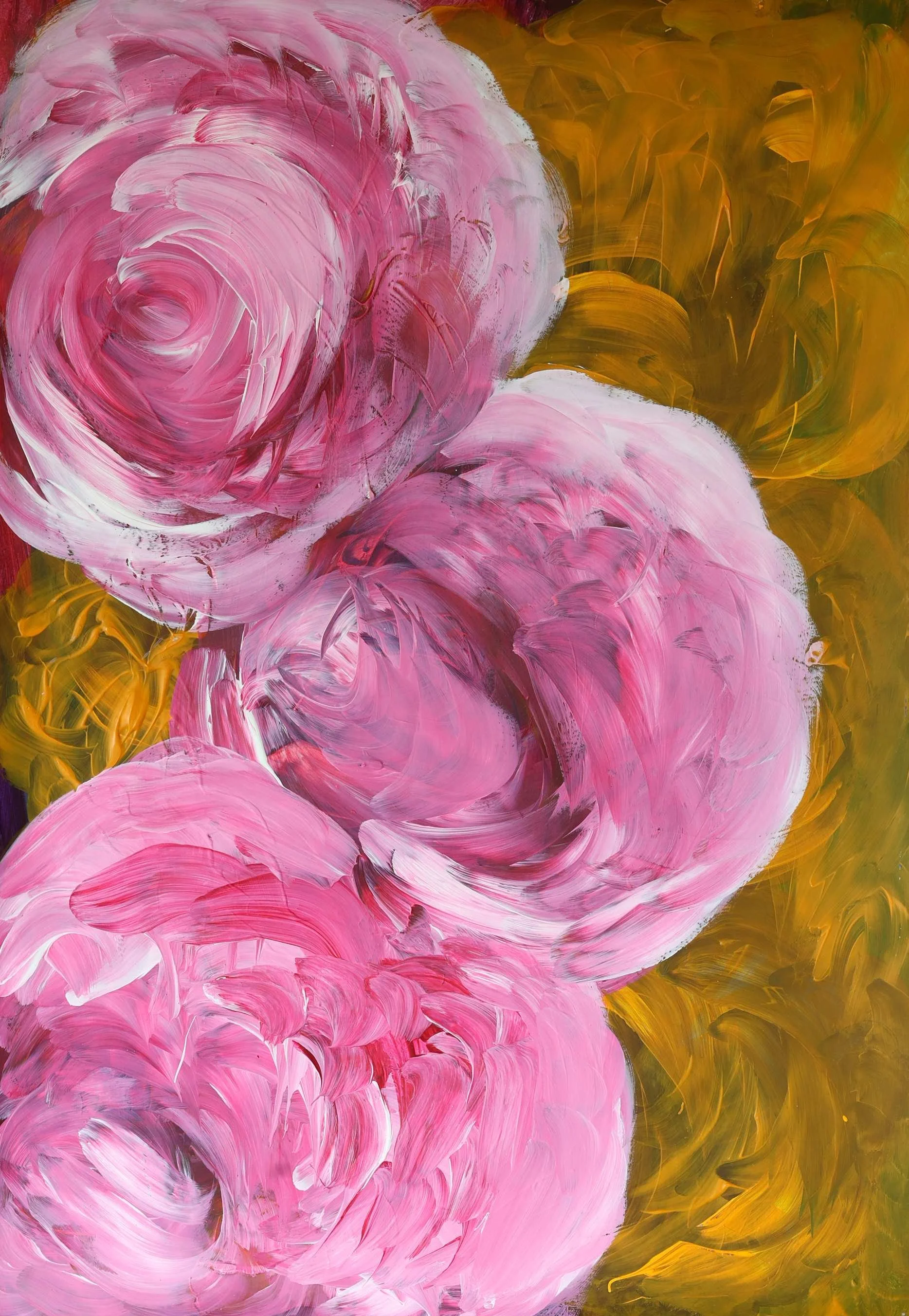
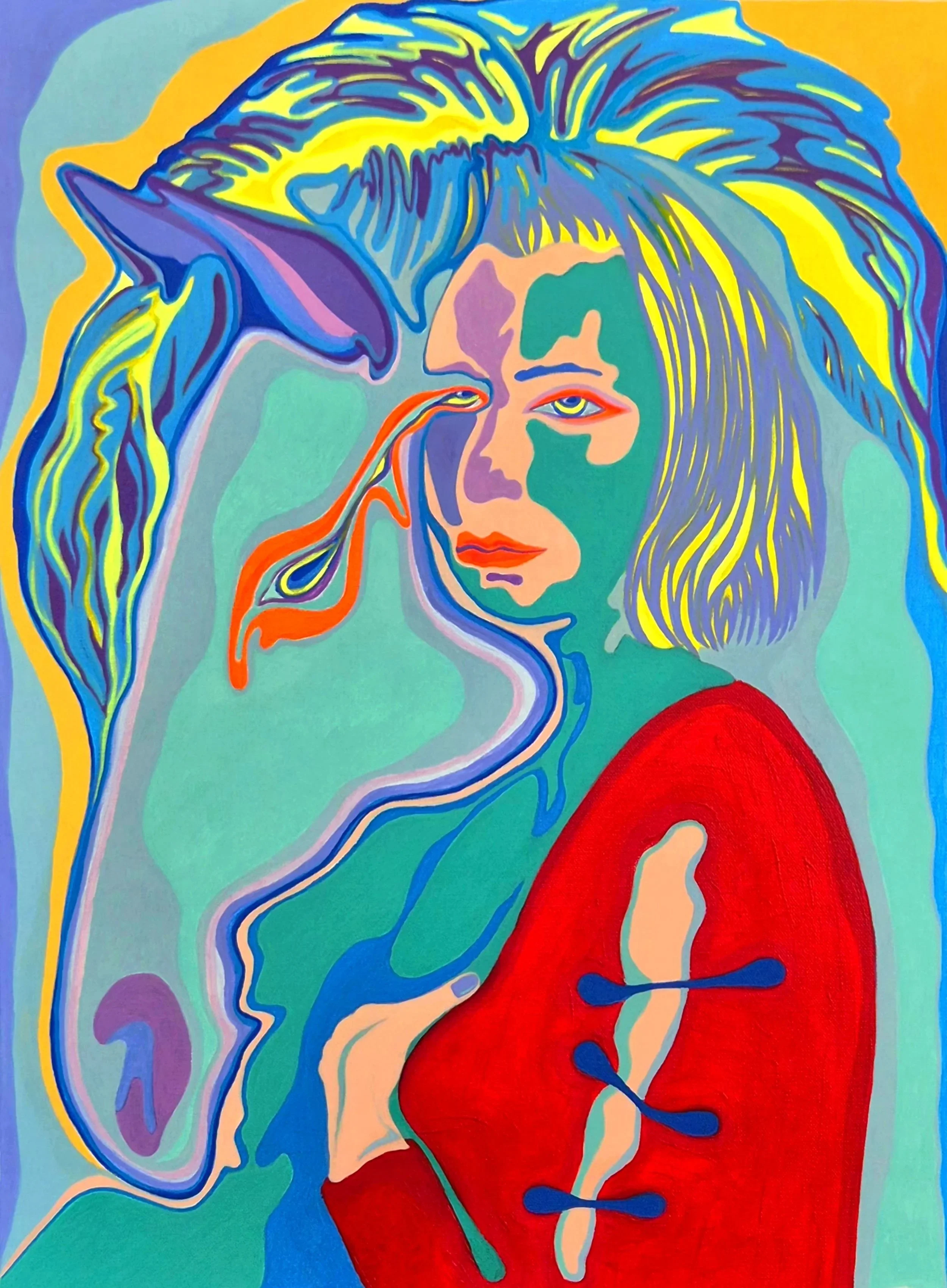
IRIS Fluidism marks the defining moment of my artistic practice. At its core, it celebrates fluidity—the principle that shapes life, perception, and society. Inspired by water, a substance of unparalleled regenerative and transformative properties, my work translates the essence of flow into visual language. Water symbolizes life, growth, healing, and continuous renewal; it is omnipresent in the world and within us.
In my artworks, I explore this liquid state through color, movement, and composition. I work with the seven colors of the rainbow and their combinations in all my artworks. Each piece embodies a dialogue between energy, matter, and perception, inviting the viewer to experience the flow and interconnectedness of existence.
By translating the essence of water into color, form, and motion, I create works that are not only visually vibrant but conceptually immersive, reflecting the fluid nature of life, society, and consciousness itself. Fluidism is therefore more than a style—it is a living system of thought, a meditation on transformation, and an ongoing exploration of the infinite ways in which life moves, regenerates, and expresses itself.
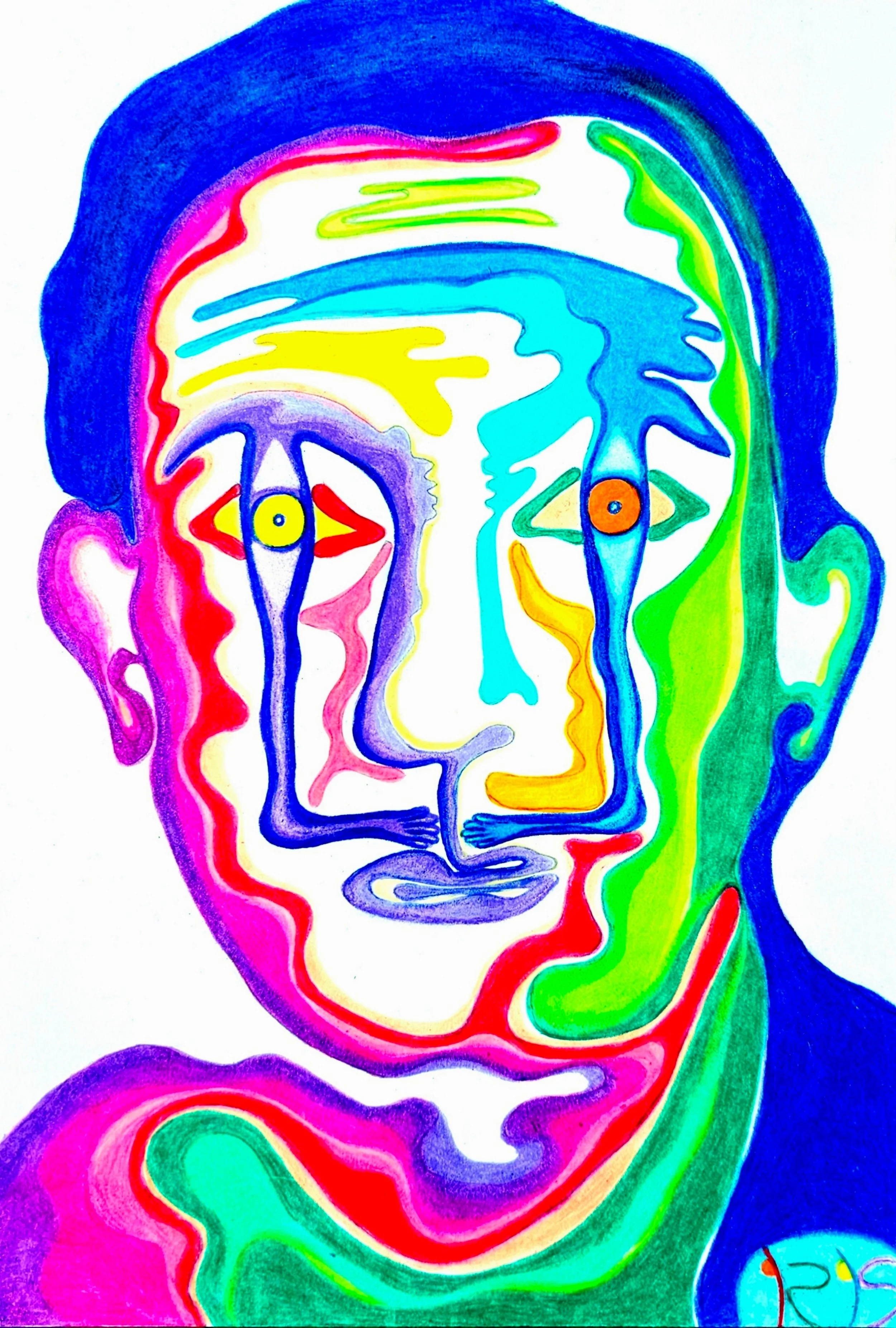
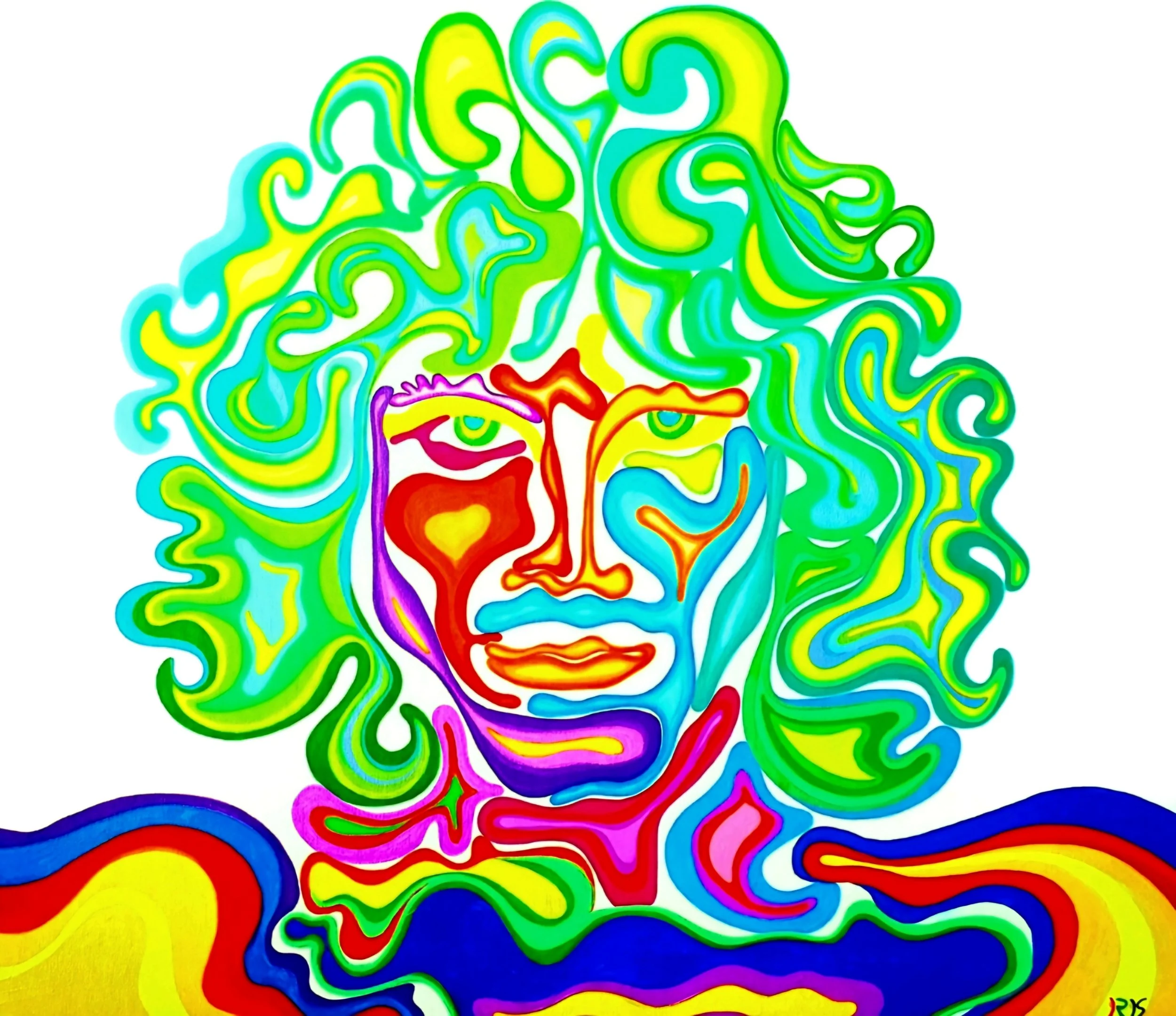
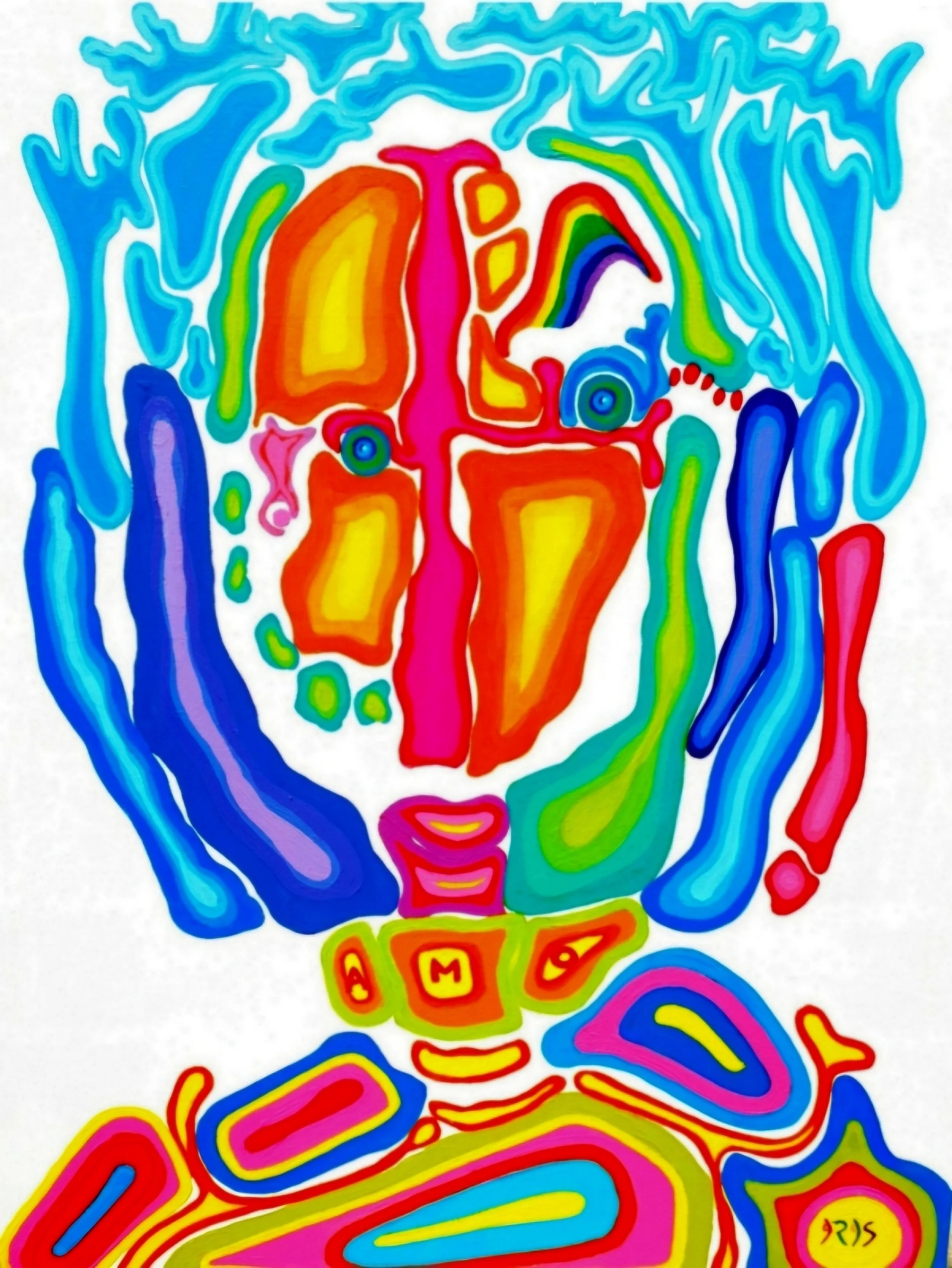
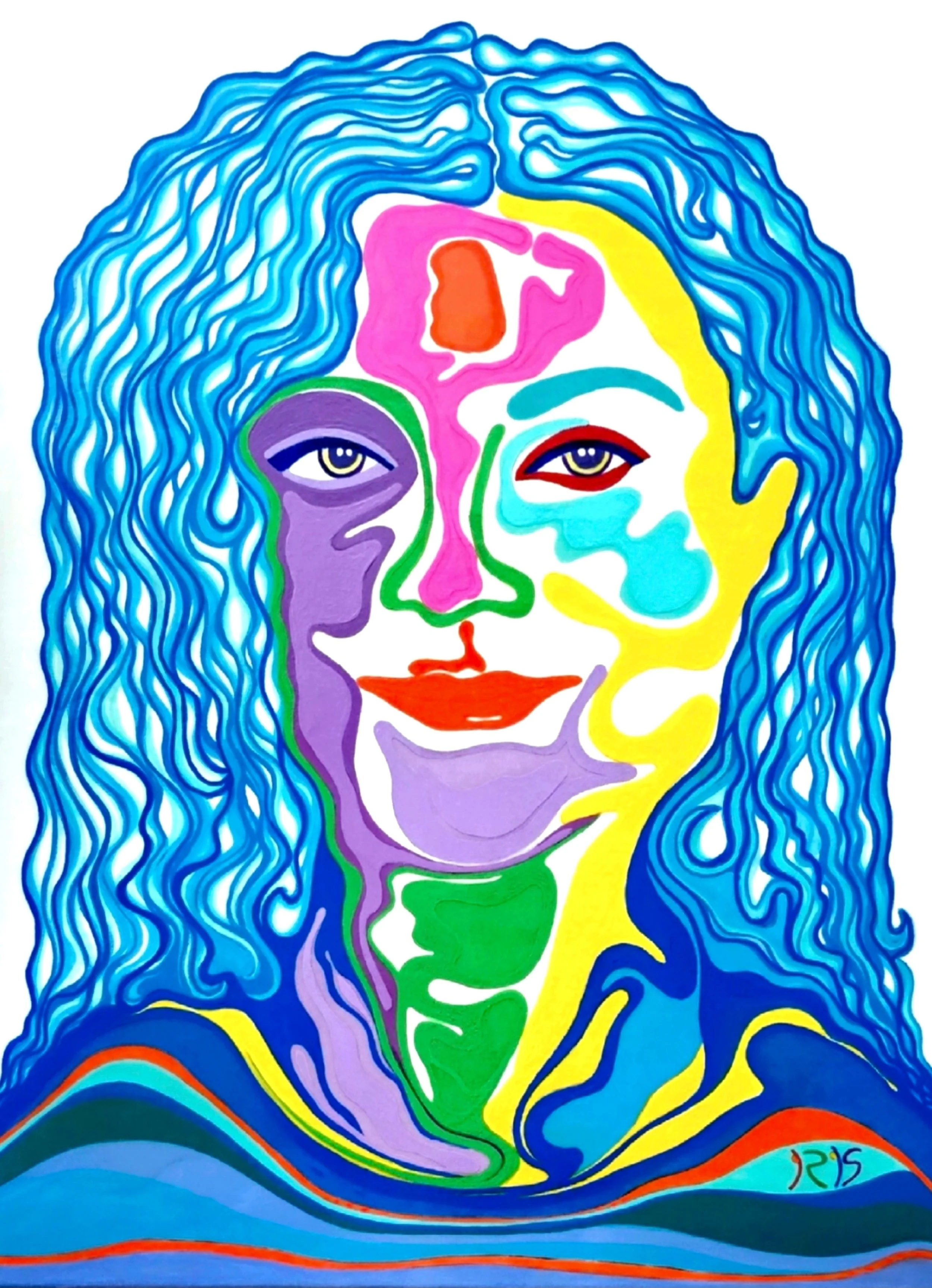
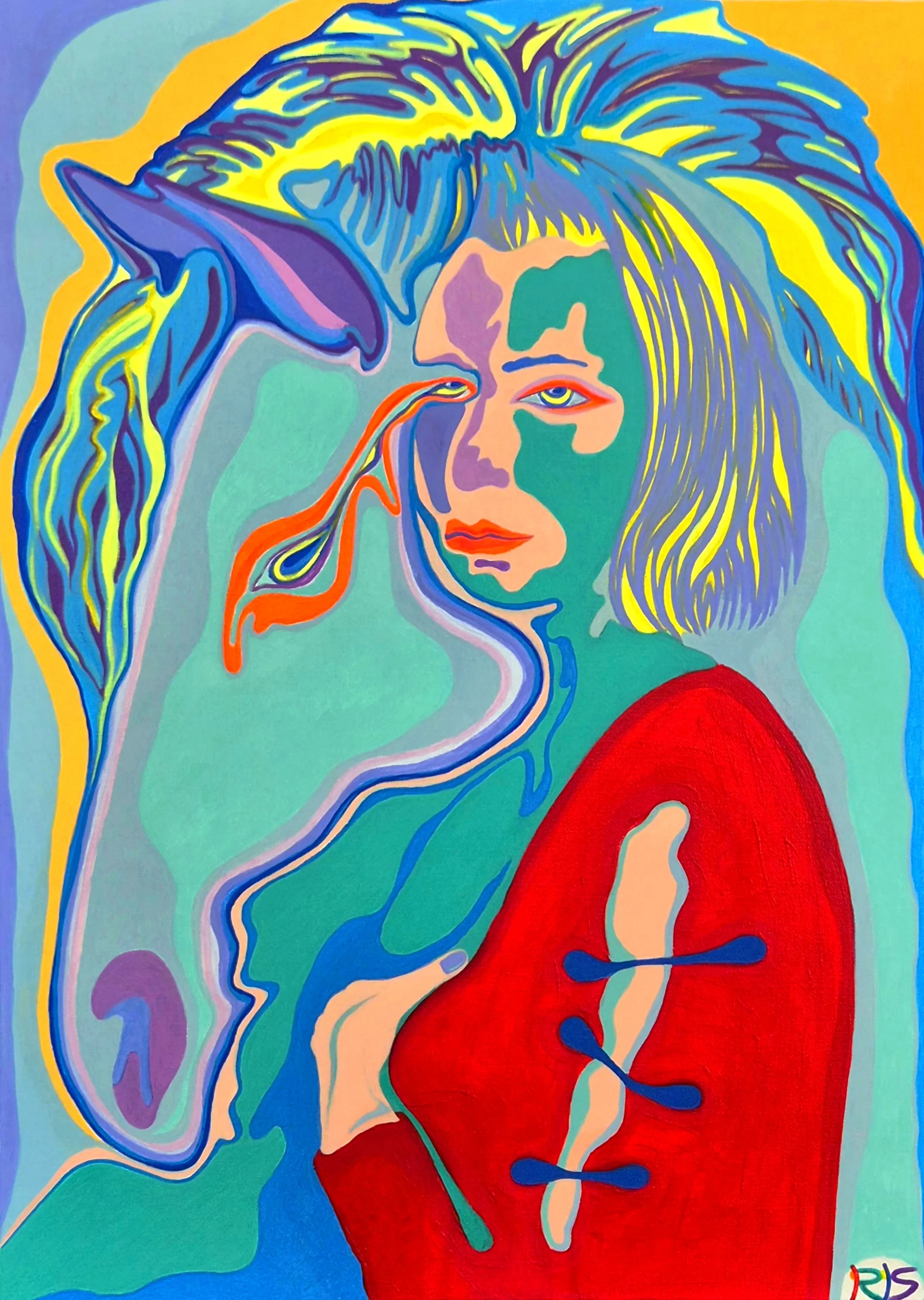
IRIS, your artistic language of IRIS-Fluidism proposes a fascinating inversion of traditional representation: rather than constructing the figure through contour and volume, the image seems to emerge from a system of flowing chromatic currents that gradually coalesce into human presence. How did this conceptual shift from drawing form to releasing form from movement transform the way you understand portraiture and the ontology of the image itself?
This inversion of traditional representation did not arise from a conscious decision, but from a dialogue with organic forms that began in my childhood. Water was my first play companion—an element I instinctively perceived as alive, almost magical. I have always been fascinated by its freedom: in constant motion, endlessly capable of reinventing itself into unexpected forms.
The hours spent observing it and allowing myself to be carried by its shapes gradually became more than a visual exercise. They marked the beginning of a dialogue that slowly moved inward and continues to this day in a silent form. There is a quiet ritual within this relationship—a gesture of gratitude and connection that I repeat every day.
This profound bond with Water, as a living presence and an unseen “master,” has fundamentally transformed the way I understand form. I no longer construct it—I allow it to reveal itself. The image thus emerges as a natural consequence of movement, carrying within it something of the freedom, fragility, and strength of this element. Thus, the portrait becomes not a representation, but an emergence.
You often describe water not merely as inspiration but as a philosophical foundation for your entire practice. In your view, water embodies regeneration, empathy, and interconnectedness. How do these qualities translate into the structural logic of your compositions and shape the emotional atmosphere you seek to create for the viewer?
Water is not just my inspiration; Water is a way of being. I am water, as are plants, animals, and all living beings—we are different expressions of the same fluid presence. In all that lives, Water pulses as a living memory, an unseen language that connects all life and preserves the history of the Earth. Everything flows, everything transforms, and this fluidity is the model that guides me in both art and life.
Water does not merely fill space; it defines it. It does not just follow paths; it creates them. This philosophy is reflected in the structure of my works: forms are interconnected, fluid, and constantly evolving, so that nothing exists in isolation.
In my creative process, when I work on the portrait of a pop star, for example, I enter a deep state of resonance with the energy of the person and the music they created. The portrait thus transforms into a complex structure of shapes and colors, faithfully conveying their character and emotion. Color plays a vital role; each shade carries a frequency and transmits emotion, shaping the overall atmosphere of the work.
I want the viewer to feel this vibration—not just to see the image, but to experience the portrait as a living presence, capable of communicating beyond form.
Your earlier career in industrial and furniture design suggests a rigorous engagement with proportion, structure, and spatial balance. In what ways does this design discipline continue to inform the internal architecture of your artworks, particularly within a visual language that appears fluid, organic, and almost improvisational?
I believe that nothing in life is accidental. Studying industrial design gave me a profound understanding of proportion, structure, and spatial balance, as well as how forms evolve and adapt to their function. To this I add careful observation of nature and my passion for philosophy—factors that have become integral to the way I perceive the world and create art.
Philosophy, my dialogue with Water, and my experience in industrial design merged, generating a creative metamorphosis. From this fusion arose my concept of fluidity, which transcends rigid rules and manifests in my works as an invisible internal architecture: every flow, every form, and every color follows a subtle structure, the result of an inner discipline cultivated over years of study and observation.
This harmony between rigor and freedom has helped me develop a unique artistic language, the signature of my IRIS Fluidism style, where fluidity appears spontaneous yet is sustained by a deep internal logic.
In your writings and reflections about your practice, you often refer to fluidity as a universal condition that exists not only in nature but also within human consciousness and society. How does this idea of perpetual flow influence the conceptual framework of your work and your understanding of identity in a constantly changing world?
For me, fluidity is not merely a feature of nature, but a universal condition of existence, present in human consciousness and in the structures of society. Everything is in constant change; everything flows, and identity itself is not fixed, but forms and reforms within the stream of life.
This vision underlies the conceptual framework of my art. In IRIS Fluidism, every form, line, and color moves and transforms within an internal architecture that reflects this continuity of becoming. My art is not static; it lives, breathes, and evolves, just as life itself does.
In this way, fluidity becomes a language through which I express the profound connection among all beings, as well as the way each identity is imbued with interconnection and continuous transformation. My works invite the viewer to feel this flow, to recognize their own flexibility within it, and to perceive the beauty of a world in perpetual change.
The decision to consistently employ the seven colors of the rainbow creates a distinctive chromatic signature across your entire oeuvre. Do you think of this palette primarily as a symbolic system related to harmony and unity, or does it function more as a structural device through which the fluid forms of your compositions achieve visual coherence?
For me, colors are states of joy that bring harmony, unity, and beauty through their frequencies. They ennoble form, lift it from anonymity, and give it power and identity—a true universal passport of expression.
I use the seven colors of the rainbow and all the shades created by their combinations throughout my body of work. The rainbow itself is born from the refraction of light in raindrops, and for me, it symbolizes connection: a bridge between sky and earth, between the divine and the human.
In this way, my chromatic palette functions both as a symbolic language and as a structural tool. Colors provide visual coherence to the fluid forms while conveying the unity, fluidity, and harmony of life. Through them, my works become a celebration of the invisible connections that bind us all and of the universal beauty that pulses through everything around us.
Many artists who explore organic forms embrace spontaneity, yet you have emphasized the meticulous planning behind each composition. Could you speak about the tension between control and fluidity in your process, and how you maintain structural precision while still allowing the image to evoke the natural movement of liquids?
In my work, the apparent spontaneity of fluidity is always supported by a carefully considered internal structure. Although the forms seem to flow freely and emerge from movement, every line, every curve, and every color combination is the result of subtle planning, inspired by the balance and harmony found in nature.
This tension between control and freedom mirrors the very nature of water: it follows a course, yet adapts, transforms, and reinvents itself continuously. In my works, I allow the forms to “breathe” and flow, while guiding them with an inner discipline inherited from my studies in industrial design, so that fluidity does not become chaotic, but achieves visual harmony and subtle coherence.
Thus, each work becomes a balance between rigor and spontaneity, between the invisible architecture of form and the freedom of expression, reflecting both the natural movement of water and the hidden order that sustains it.
In your philosophy, water appears almost as a collaborator rather than merely a subject. You have described it as an element capable of healing, understanding, and communicating. How does this spiritual relationship with water influence your emotional state during the act of creation, and how important is this inner condition for the success of a work?
Water is not merely a subject for me; it is a partner in creation, a silent and wise collaborator. I feel its presence as a living force that understands, heals, and communicates beyond words. When I work, this spiritual relationship guides my rhythm, focus, and energy; my inner state becomes a channel through which water pulses into form and color.
When I am connected with Water, my emotions become transparent and harmonious, and my mind finds calm. This concentration and state of presence are essential to the success of a work, allowing each line and each color to come alive and convey authenticity.
Without this connection, art would remain merely a technical representation; with Water as a guide, it becomes a living dialogue between form, color, and energy.
Your work suggests a unique dialogue between figuration and abstraction, where recognizable faces emerge from complex networks of color and organic shapes. Do you see Fluidism as a way of reconciling these historically opposed artistic languages, allowing the figure to exist simultaneously as structure and flow?
IRIS Fluidism is, for me, a bridge between the figurative and the abstract, a harmony between structure and flow. Recognizable figures and forms do not disappear; rather, they gradually emerge from a complex network of colors and organic shapes. This approach allows the essence and energy of the subject to be captured in motion, not merely through contour or volume.
In practice, Fluidism does not oppose the figurative; it transforms and liberates it, giving it a life of its own within the flow. Each form is simultaneously structure and movement, organized and free, clear and mysterious.
In this way, the visual language becomes a dialogue between what can be recognized and what remains to be discovered, reflecting the complexity of life and identity in constant transformation.
The concept of fluidity also carries profound social implications, particularly in a world where identities, cultures, and boundaries are increasingly in motion. Do you view your art as reflecting a broader cultural condition of transformation, and if so, how might Fluidism offer a visual metaphor for this evolving reality?
The fluidity I explore in my art reflects not only nature and individual consciousness but also the constantly shifting social and cultural reality. Identities, cultures, and boundaries are in perpetual motion, and art can become a visual language that captures this dynamic.
IRIS Fluidism offers a visual metaphor for this transformation: forms flow, merge, and separate, just as societies and relationships are constantly reconfigured. Each work becomes a microcosm of a changing world, where invisible connections between people, nature, and energy are made visible through color and form.
Through this approach, my art invites the viewer to perceive fluidity as a universal condition, to recognize beauty and harmony in transformation, and to open themselves to the interdependence of all beings.
Throughout your career you have spoken about the desire to bring beauty, hope, and love into the world through your art. In the context of contemporary art, which often favors critical distance or conceptual austerity, how do you position this affirmative vision within the broader discourse of today’s artistic landscape?
In a contemporary art world often marked by critical distance or conceptual austerity, I choose to bring beauty, hope, and love through my art. This affirmative vision does not ignore the complexity of reality; rather, it offers an empathetic and luminous response—a gentle invitation to contemplation and connection.
Through IRIS Fluidism, I create a visual language that celebrates life in all its forms, the hidden harmony within the flow of nature, and the interconnection of all beings. In this way, my works provide a counterpoint to cynicism or critical detachment: they propose an experience in which emotion, beauty, and sensitivity are central.
Through art, I offer the viewer a gateway to hope, joy, and love, reaffirming that sensitivity and optimism can be as profound and relevant as critical analysis.
You often describe art itself as a river carrying human emotions through time. Could you elaborate on this poetic metaphor and explain how it shapes your understanding of the artist’s role within the vast historical continuum of artistic creation?
I see art as a river — perhaps the most powerful force in human history — carrying emotion, memory, and consciousness across time. It is not passive; it transforms everything it touches, flowing through color, form, and sound. Each work is not simply an object, but a moment within this flow — a vibration, a trace of energy that continues to move beyond the artist.
From this perspective, the artist is not an origin, but a point of passage. Channeling this flow into form, color, and sound, the artist makes it visible so the viewer can connect. We do not create in isolation; we intercept, translate, and redirect a current that existed long before us and will continue after us.
Art, then, is not only a bridge between past, present, and future — it is the flow itself. Each IRIS Fluidism work exists as an active presence within this continuum, carrying forward a part of the emotional and energetic memory of humanity — a dialogue that never ceases.
The organic forms that structure your compositions resemble both natural processes and biological systems. To what extent are you consciously referencing the internal landscapes of the body such as circulation, growth, or cellular movement when constructing these intricate visual networks?
The organic forms I create are inspired not only by nature but also reflect the internal landscapes of the human body and all living beings. Circulation, growth, cellular movement, and the flow of internal fluids are subtly embedded in the visual architecture of my works.
This inspiration is not merely technical; it is part of a holistic vision of life: the body, water, and nature are interconnected through universal rhythms and movements. In the act of creation, I strive to translate this internal energy and these fluid patterns into form and color, so that the viewer can feel the invisible pulse of life, not just its external shape.
In this way, each work becomes a reflection of the internal microcosm and the macrocosm of nature, illustrating the harmony and interdependence of all levels of existence.
Many viewers experience your work as both visually dynamic and emotionally calming at the same time. Is this balance between energetic movement and inner harmony something you intentionally pursue, perhaps echoing the dual nature of water as both powerful and soothing?
Yes, the balance between energetic movement and inner harmony is intentional and lies at the heart of IRIS Fluidism. Water itself carries this duality: it can be powerful and tumultuous, yet at the same time calming and healing. Inspired by its nature, I strive to translate this polarity into my work.
Every flow of color, every organic form, is designed to pulse and vibrate while also offering a sense of tranquility and equilibrium. This subtle harmony allows the viewer to feel the dynamics and energy of life without being overwhelmed—to be carried by the flow while finding a space for reflection and inner calm.
In this way, my art becomes a dialogue between strength and gentleness, between energy and stillness, reflecting the complex and complete nature of water and of life itself.
Your artistic awakening in 2018, when Fluidism first emerged as a coherent language, appears almost as a moment of revelation. Looking back now, do you see that discovery as the culmination of experiences that had been quietly developing throughout your life, particularly your early fascination with water and nature?
Yes, discovering IRIS Fluidism in 2018 felt like a moment of revelation — as if a veil had been lifted, allowing something that had long existed within me to finally become visible. It was not something entirely new, but rather a sudden awareness of a process that had been unfolding quietly in the background for many years. In that sense, it was a moment of awakening — a recognition of what had always been there.
The discovery of IRIS Fluidism was the culmination of a lifetime of experiences, observations, and inner dialogues. My fascination with water and nature began in childhood and served as a daily “training” of both vision and imagination. For years, organic forms, the flow of water, and the play with colors prepared the ground for this artistic metamorphosis.
Everything I had experienced before — studying industrial design, careful observation of nature, my passion for philosophy, and my inner dialogue with water — merged at that moment, giving rise to my own coherent and profound language of IRIS Fluidism.
Thus, the revelation of 2018 was not a beginning, but rather the visible manifestation of a subtle and continuous evolution — a flow that had been moving within me for a long time.
If IRIS-Fluidism represents the essence of your artistic identity today, how do you imagine this language evolving in the coming years? Do you envision it expanding into new subjects, scales, or conceptual territories while still remaining faithful to its foundational philosophy of universal flow?
IRIS Fluidism represents today the essence of my artistic identity, yet its language is alive and continuously evolving. I envision that in the coming years it will explore new subjects, dimensions, and conceptual territories, without losing connection to its fundamental philosophy: everything flows, everything is interconnected, everything transforms.
This evolution will continue to be inspired by water, nature, and the energy of life, while also integrating new perspectives, experiences, and emotions, all the while preserving the harmony and fluidity that define my style. I want each future work to express transformation and interconnection, allowing the viewer to feel that everything flows, connects, and renews itself continuously.
In this way, IRIS Fluidism will remain true to its central principle, yet it will grow and diversify, like a river exploring new valleys and spilling its energy into unexpected territories, carrying with it the beauty and vitality of life, its sacred essence.