Interview with Angelė Šimoliūnienė
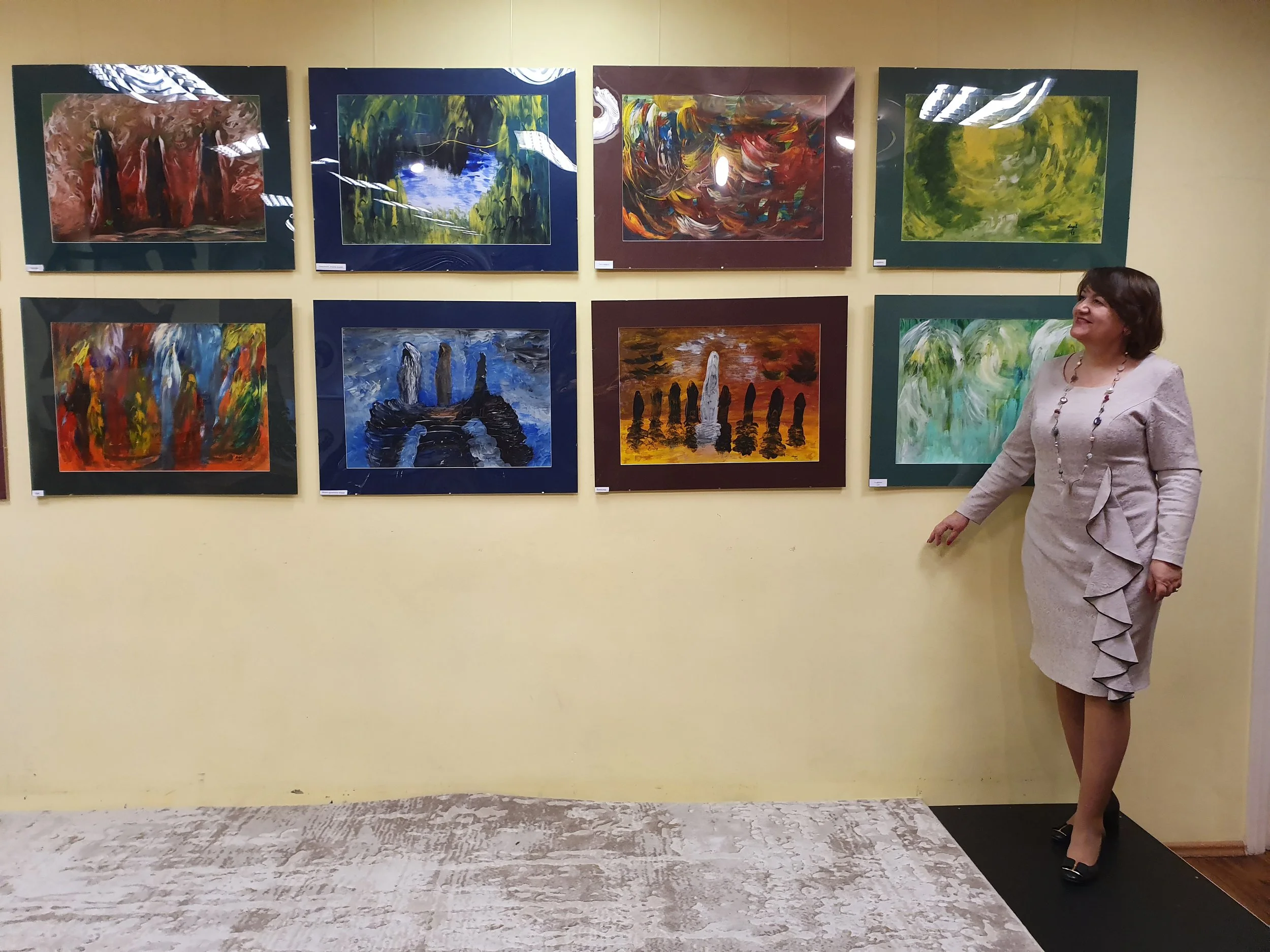
Exhibition photo
https://www.instagram.com/angelesimoliuniene/
https://www.facebook.com/angele.simoliuniene
Angelė, you have described your creative process as one guided by intuition rather than conscious planning, where the hand moves across the surface almost independently of deliberate control; could you reflect on how this surrender to subconscious movement shapes your understanding of authorship in art, and whether you see yourself as the maker of the work or more as a mediator through whom images arrive?
All life experiences, accumulated knowledge are stored in the subconscious and information comes from there. My subconscious controls my hand, it is a part of my organism, which means that I create reality. Sometimes information is received from further away, then I am like an intermediary, because information comes through me, which then is stored on paper. So I am both a creator and an intermediary.
Your biography reveals a rich synthesis of disciplines, including literature, directing, psychology, philosophy, and art history, each of which engages different modes of narrative and perception; in what ways have these intellectual frameworks influenced the way you approach creativity, intuition, and the broader philosophical questions that underlie your artistic practice?
The accumulated knowledge of literature, directing, psychology, Western and Eastern philosophy, medicine, neuroeducation, art therapy, art and art history merge into a unified visual language. In my work, they do not compete; through them, I explore human consciousness, emotions, and spiritual perception.
You often speak about the existence of an invisible world that surrounds human life, a realm where thoughts and actions carry energetic consequences; how did this spiritual worldview gradually become central to your understanding of creativity, and what role does art play in making such unseen dimensions perceptible to others?
I painted 600 paintings, noticed what connects them all and what is depicted in them. My works reflect the belief that the visible world is only one layer of existence. Through painting, I convey the understanding that a person is surrounded by invisible forces that constantly interact with our thoughts and actions. Positive intentions create a protective energy field, while negative thoughts attract destructive influences. With my paintings, I create conditions for reflection, inviting the viewer to an active dialogue with the image and with themselves. The motifs are symbolic in nature and open to various interpretations. They mainly concern human life, their feelings, thoughts, and essence on this earth.
Having spent many years teaching Lithuanian language and literature before fully returning to painting, how did your experience as an educator shape your sensitivity to meaning, symbolism, and communication, and do you feel that this background continues to influence the way you think about the role of the artist within society?
Teaching literature in the older grades has shaped sensitivity to beauty, understanding symbolism, interpretation of a work, and in-depth analysis. Maybe that's why I analyze my own works, trying to see depth, symbolism, and meaning in them.
Many artists describe creativity as a process of constructing images, yet you describe it as a process of receiving them; when inspiration arrives and you begin to paint, what does that moment feel like internally, and how do you recognize that the time to create has truly come?
I paint when inspiration strikes, when I feel energy in my hands. The stronger the energy, the deeper the works I paint.
Your studies in Third Millennium Psychology, as well as your engagement with both Western and Eastern philosophical traditions, suggest a sustained exploration of human consciousness; how have these intellectual investigations deepened your understanding of the relationship between thought, emotion, and creative expression?
Psychology studies, Western and Eastern philosophical traditions have indeed been studying human consciousness all along, and their intellectual research has greatly deepened our understanding of how thoughts, emotions, and creative expression are interconnected and function as a single system. Eastern philosophy emphasizes that thoughts and emotions are constantly changing. Consciousness is a process of observation and experience. And creativity arises from
inner harmony and mindfulness. Creativity occurs when a person is conscious of their experience. Many philosophers have examined how creativity is born: Aristotle spoke of the release of emotions through art, Carl Jung argued that creativity arises from subconscious symbols, William James emphasized the idea of consciousness as a constant flow. Their common discovery: creativity is a way of processing emotions and giving meaning to experience. Modern psychology has shown that thoughts affect emotions, emotions affect behavior and creativity, creativity can regulate emotions, help to understand oneself and change thoughts, and awareness connects all these processes. This means that human consciousness is a dynamic system where thought, emotion, and creativity constantly influence each other.
You have participated in a remarkable number of exhibitions both in Lithuania and internationally, presenting your work to audiences across Europe, North America, and the Middle East; how has this global exposure shaped your perception of how different cultures respond to spiritual and emotional themes within art?
Different cultures, but the people are the same. It all depends on a person's level of spirituality, attitude towards art, beauty, ability to think more deeply, analyze, find contact with the work and with oneself.
In your statements about your work, you suggest that thoughts themselves possess a kind of energetic power capable of attracting either constructive or destructive forces; how has this belief influenced not only your creative practice but also your understanding of the ethical responsibility of being an artist in the world?
Each painting emits its own vibrations, which the artist put into it at that time. If the artist has a strong energy field, the paintings will vibrate strongly, and if the artist put little energy into the work, the paintings will be silent, cold, although very beautiful. The viewer will be energetically drawn to that painting, which will positively resonate with the energy of that person. This means that it is very important what energy (positive or negative) the artist put into the work. This is the artist's responsibility. If you take a painting home with negative energy, it can negatively affect that person's life.
You have produced hundreds of paintings over the past decade, each emerging through a deeply intuitive process; looking back at this body of work, do you perceive certain recurring themes or questions that seem to appear again and again, almost as if your subconscious were continually returning to the same philosophical territory?
There are no recurring themes or going back in my work. I have noticed that my subconscious moves forward with my life and records new events, what is happening now.
Your career path has moved fluidly between education, directing, intellectual study, and visual art, suggesting a life guided by curiosity and continuous learning; when you reflect on this journey, do you see these different experiences as separate chapters, or as interconnected stages that gradually led you toward your present artistic voice?
I have been drawing since childhood, I participated in competitions, everyone said I had talent, even teachers from the capital came and talked me into studying art, but my dad strongly protested. But now I don't regret it at all, because along the way I've gained a lot of life experience, a lot of different knowledge. It seemed like someone was leading me by the hand and telling me to start studying there, then to enter there, to delve into the essence of life there, etc. And when I had accumulated a lot of knowledge, they brought me back to art. As if they were saying, now paint and show the world what you know.
You have described your artworks as being like children that come through you and are eventually released into the world; could you elaborate on this metaphor, and explain how it shapes your emotional relationship to the works once they leave your studio and begin their own lives within exhibitions and collections?
I raised 3 sons. And when they leave home, I feel such pain inside, as if a part of me is being torn away. In the same way, I feel when I send a picture, as if I am giving away a part of myself. I put my energy there, which remains in the picture.
Many artists speak about inspiration in abstract terms, yet you describe it almost as a physical signal within your body that tells you when it is time to begin working; could you speak more about this sensation and how it guides the rhythm of your creative life?
If I feel an inner desire to paint, but my hands are not warm, then I go to draw mandalas. I have over 200 of them. I also draw them intuitively, without thinking. And if I feel energy in my hands, then I go to paint. I usually paint in the evening, because I work with people during the day.
Your long engagement with psychology, medicine, genetics, and neuroeducation suggests an interest in the deeper mechanisms of human thought and perception; how have these fields influenced the way you understand creativity itself, particularly the mysterious relationship between the conscious and subconscious mind?
Today, psychology, medicine, genetics and neuroeducation have fundamentally changed our view of creativity - it is no longer considered solely as inspiration or talent, but is understood as an interaction between the brain, emotions, experience and biology. In psychology, creativity is often described as a process, as a dialogue between the conscious and the subconscious. The conscious analyzes and plans, and the subconscious generates ideas, associations and images. Therefore, in psychology, it is said that creativity is the transformation of subconscious material into a conscious product. In medicine and neuroscience, creativity is as a result of brain activity.
In genetics, creativity has a biological basis, but is not determined by genes alone. Genetics has shown that some people inherit greater sensitivity, imagination or curiosity, but environment and experience play a very important role. This is called the interaction of genes and environment. Genes provide opportunities, but experience unfolds them. Neuroeducation views creativity as a developable ability, not just an innate talent. In summary, creativity is a dialogue between the conscious and subconscious minds, shaped by the brain, experience, and environment.
The Lithuanian artist and composer M. K. Čiurlionis is often cited as a spiritual and artistic influence on your work; what aspects of his philosophy or artistic vision resonate most strongly with your own understanding of art as a bridge between visible reality and invisible experience?
M.K.Čiurlionis as an artist is very close to me spiritually. His works resonate very positively with my inner self. His artistic visions about the dual world: positive and negative energies also resonate in my works. There is a lot of symbolism in his works, just as my works are based on symbolism. The only difference is that my painting is based on the layering method.
In a world increasingly defined by speed, technology, and constant distraction, your work proposes a more contemplative relationship to intuition, spirituality, and inner awareness; what do you hope contemporary audiences might rediscover about themselves when they encounter your art?
Art is not just a form of self-expression, it reflects an era, emotions, that time. Each work carries a message or thought. You never know what impact a work can have on another person's life, whose world can be changed by one work of art. My paintings are designed to awaken intuition, encourage analysis and raise awareness, leading the viewer towards deeper self-knowledge, helping in spiritual and intellectual growth. I suggest you stop and turn to yourself, listen to your inner self, what your inner self is saying, what it wants, because otherwise we will distract ourselves in that rush, we will remain empty if we do not hear ourselves, disappointed, having lost the meaning of life.
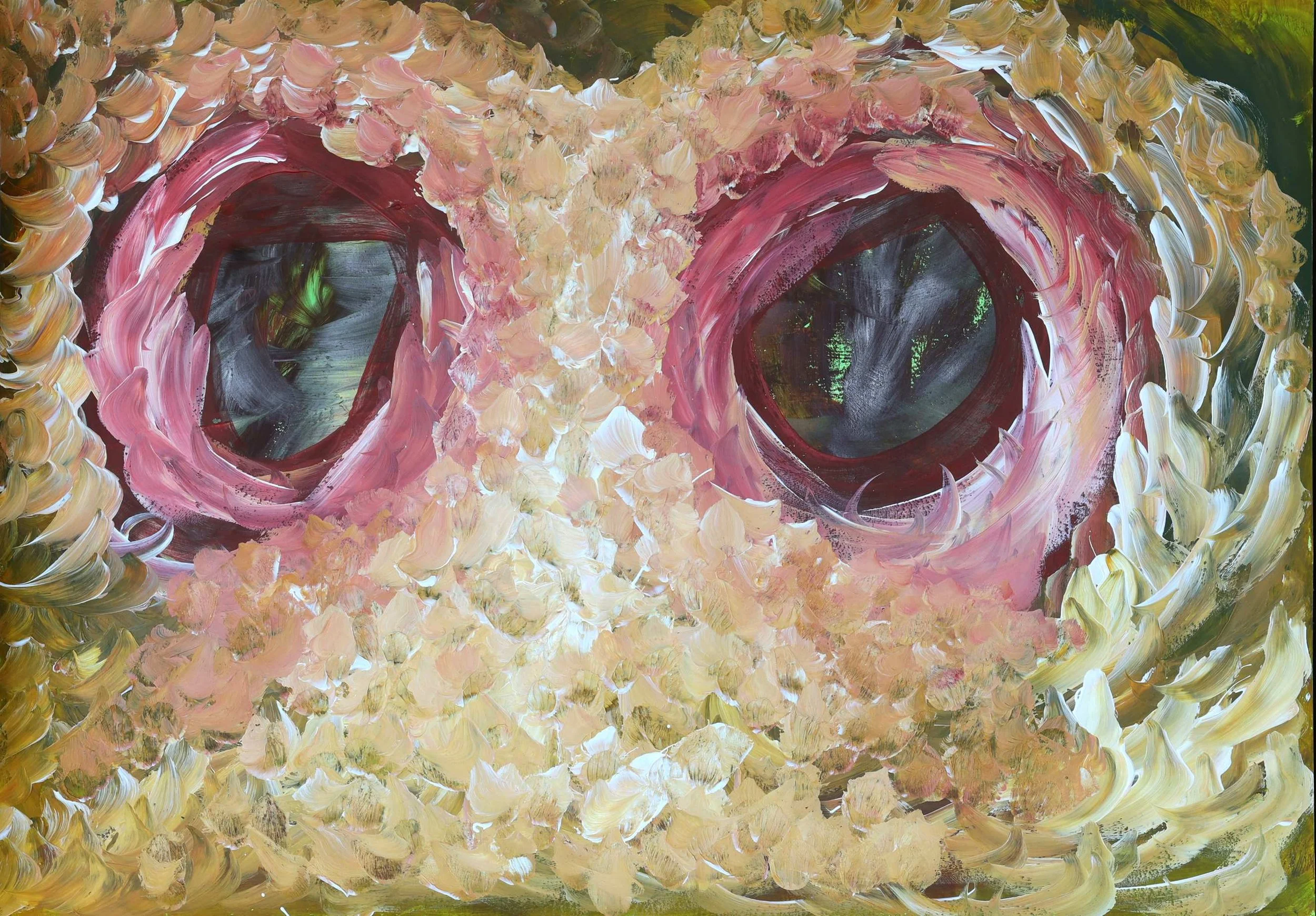
."Observation", acrylic on paper, 64x44 cm, 2025
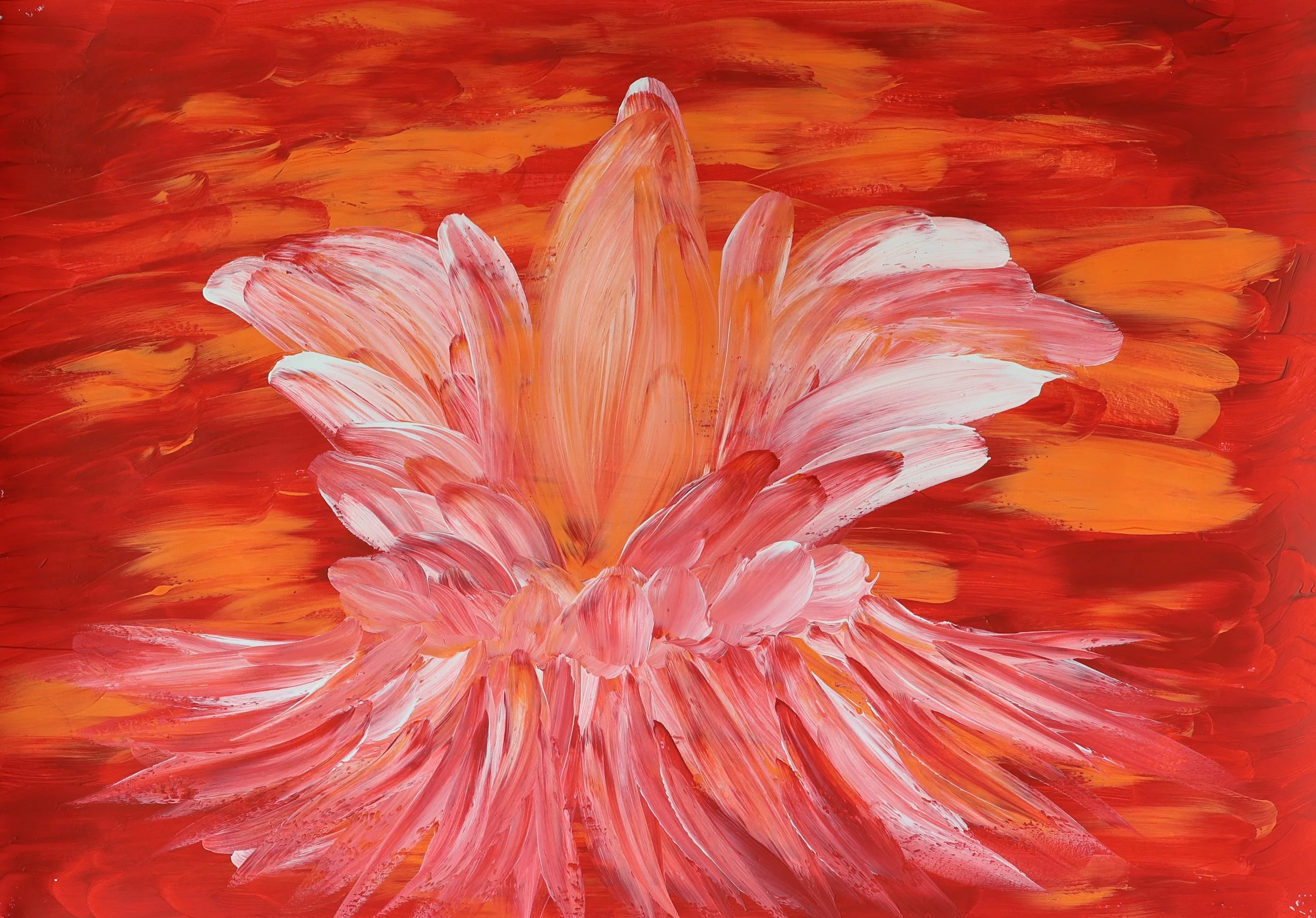
"Birth", acrylic on paper, 64x44 cm, 2024
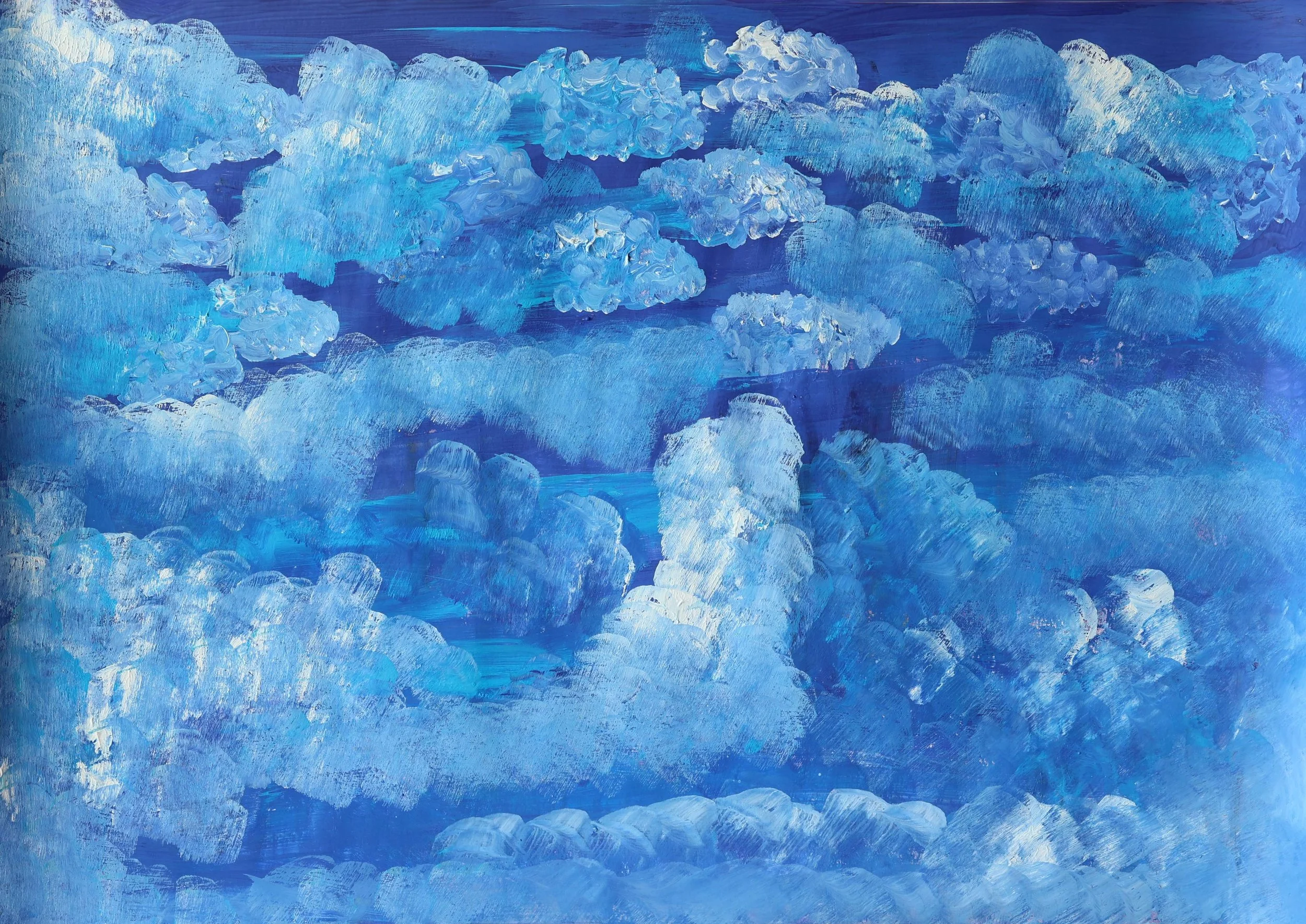
"For two", acrylic on paper, 64x44 cm, 2025
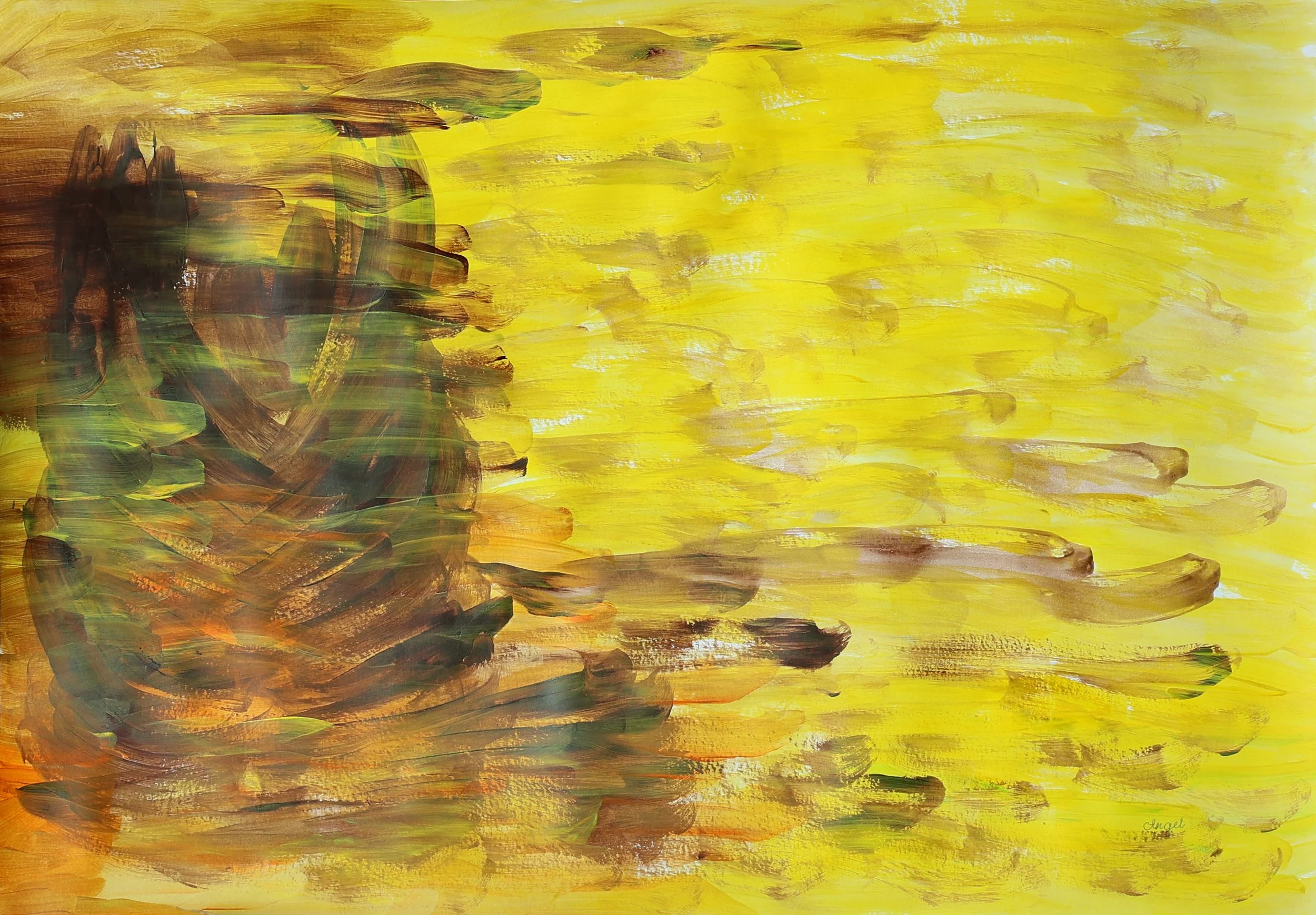
"Who rules the World", acrylic on paper, 64x44 cm, 2022
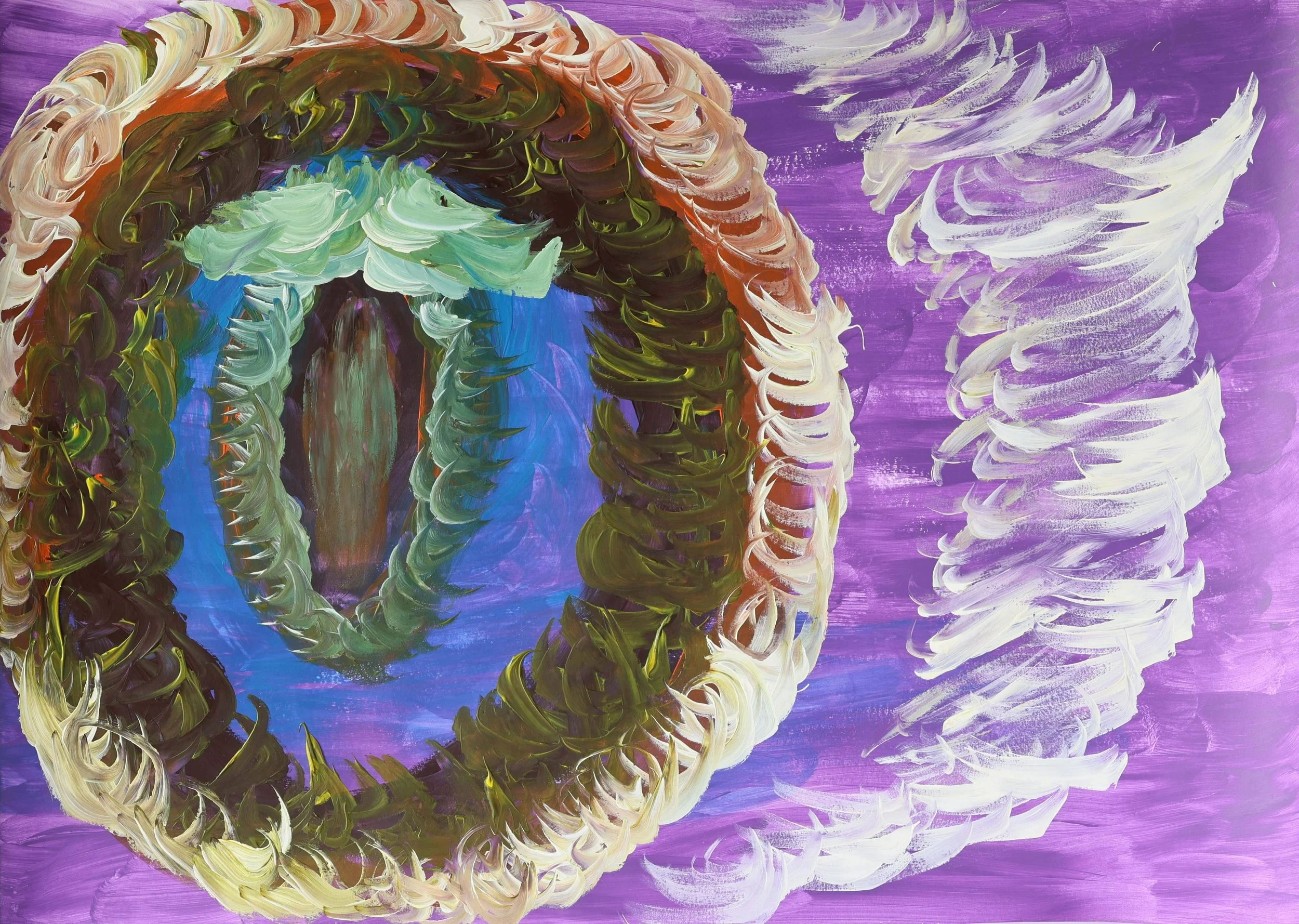
"Biofield", acrylic on paper, 64x44 cm, 2024

"A look at the cosmic World", acrylic on paper, 64x44 cm, 2025
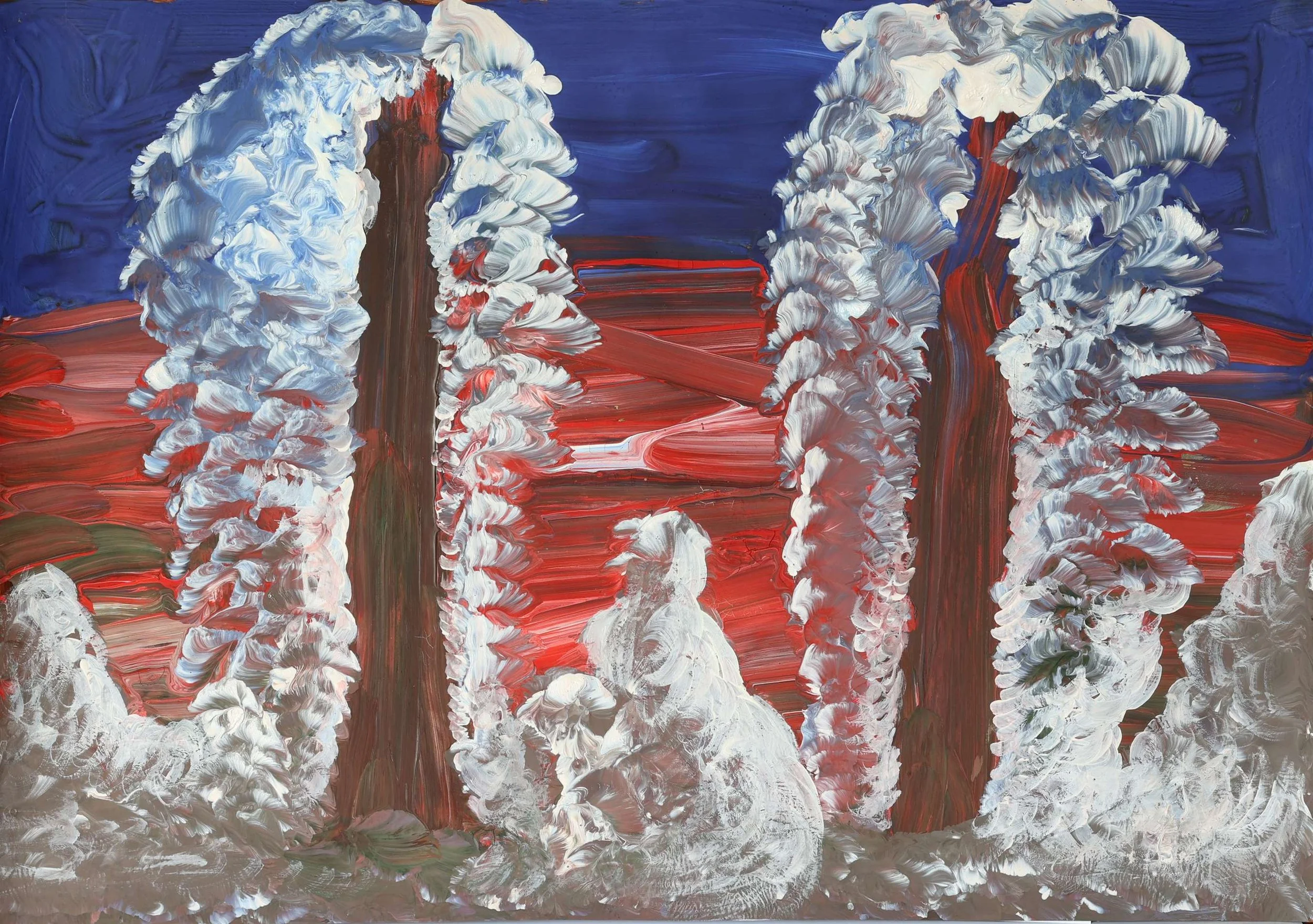
"Parallel World", acrylic on paper, 64x44 cm,2025
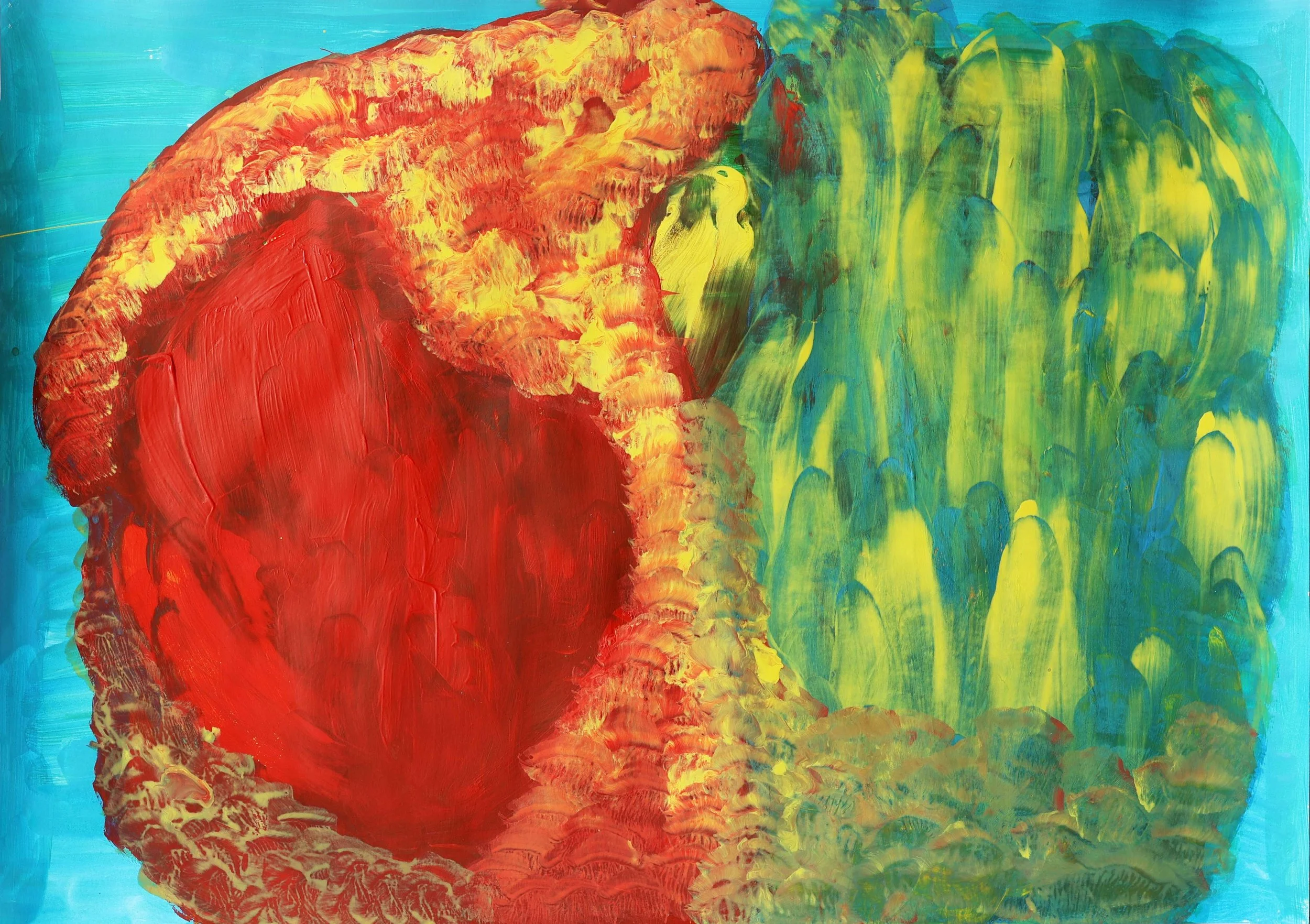
"Weight of life", acrylic on paper, 64x44 cm, 2025
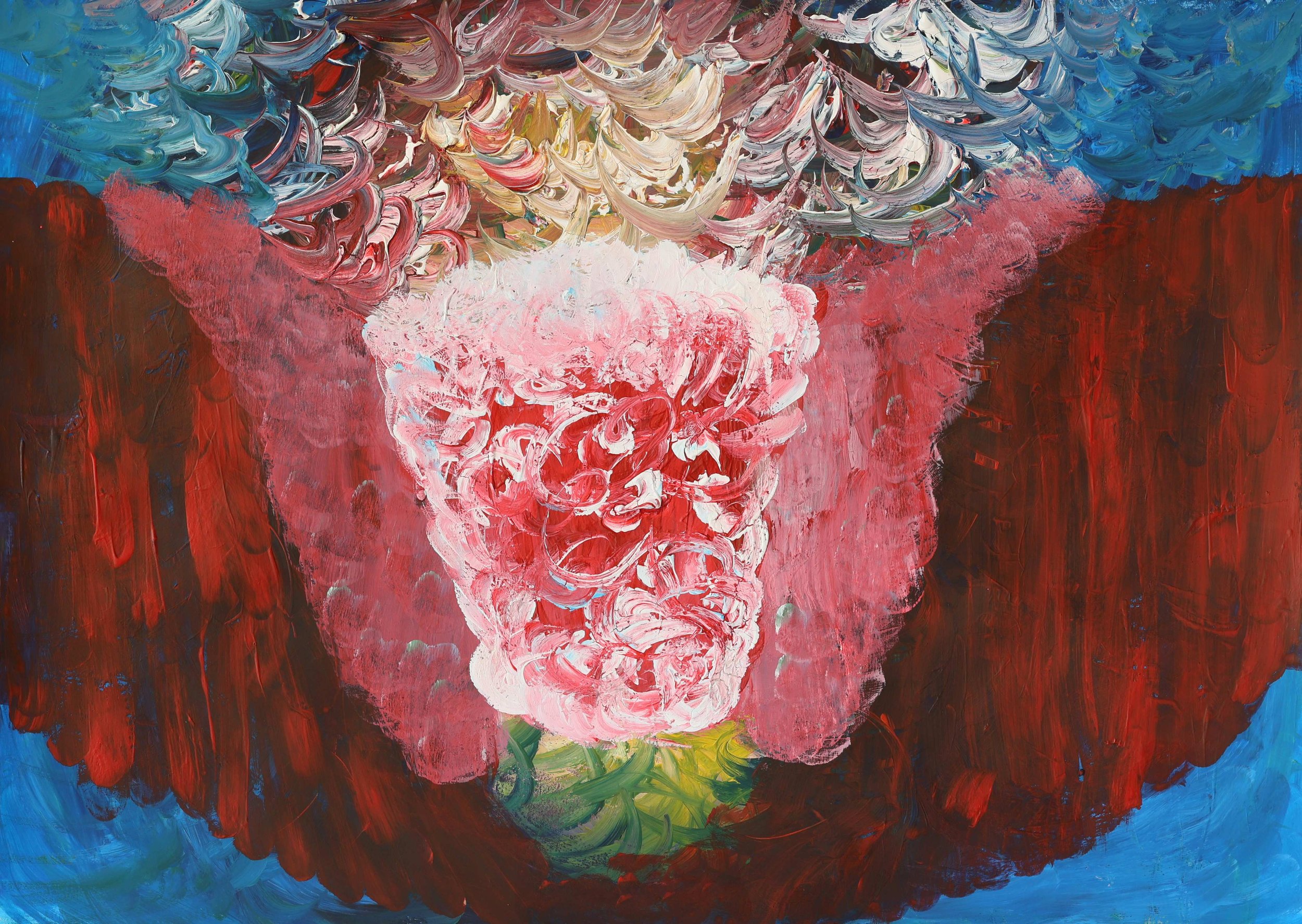
"Heart expansion", acrylic on paper, 64x44 cm, 2026
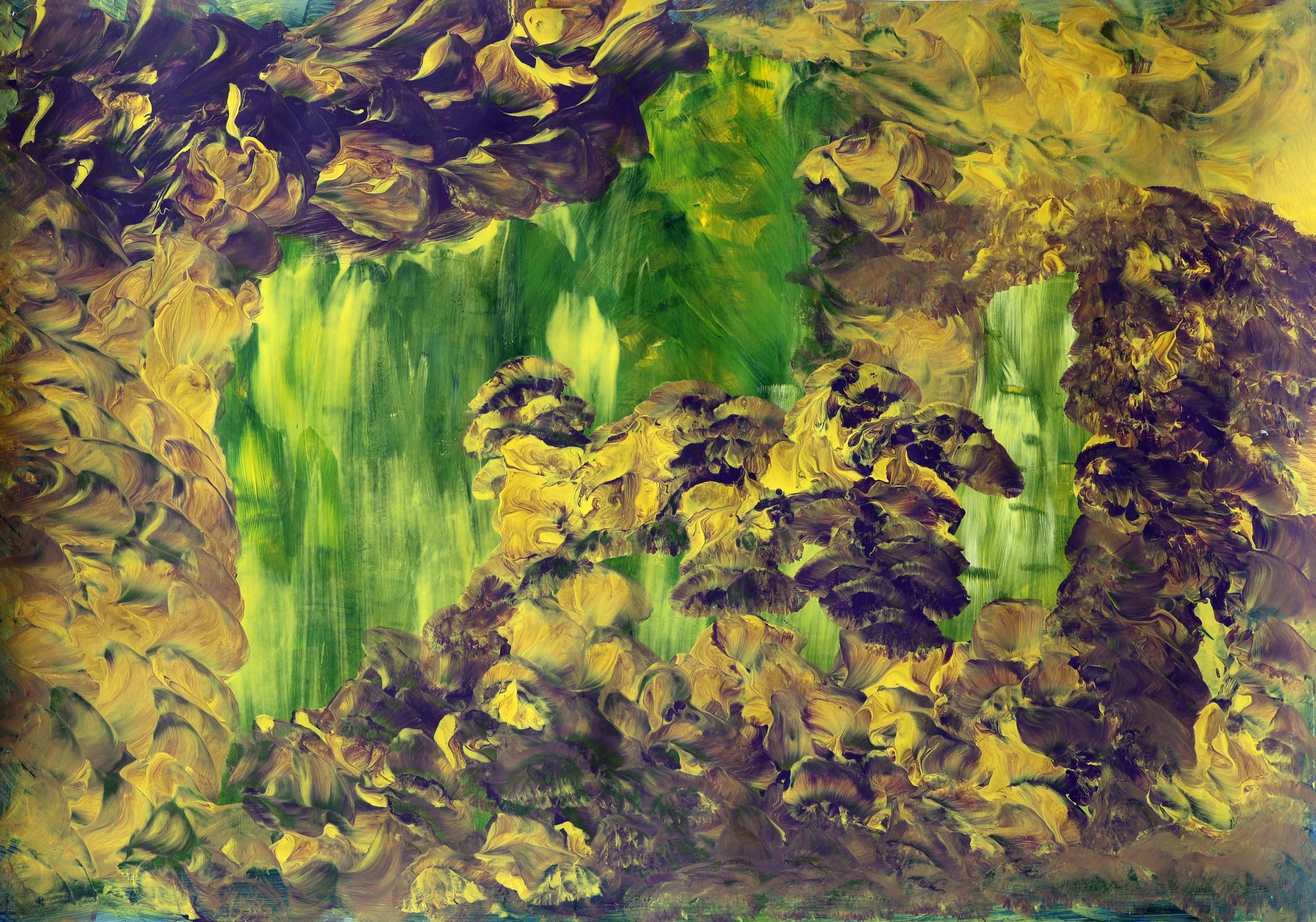
"In the mountains", acrylic on paper, 64x44 cm, 2025
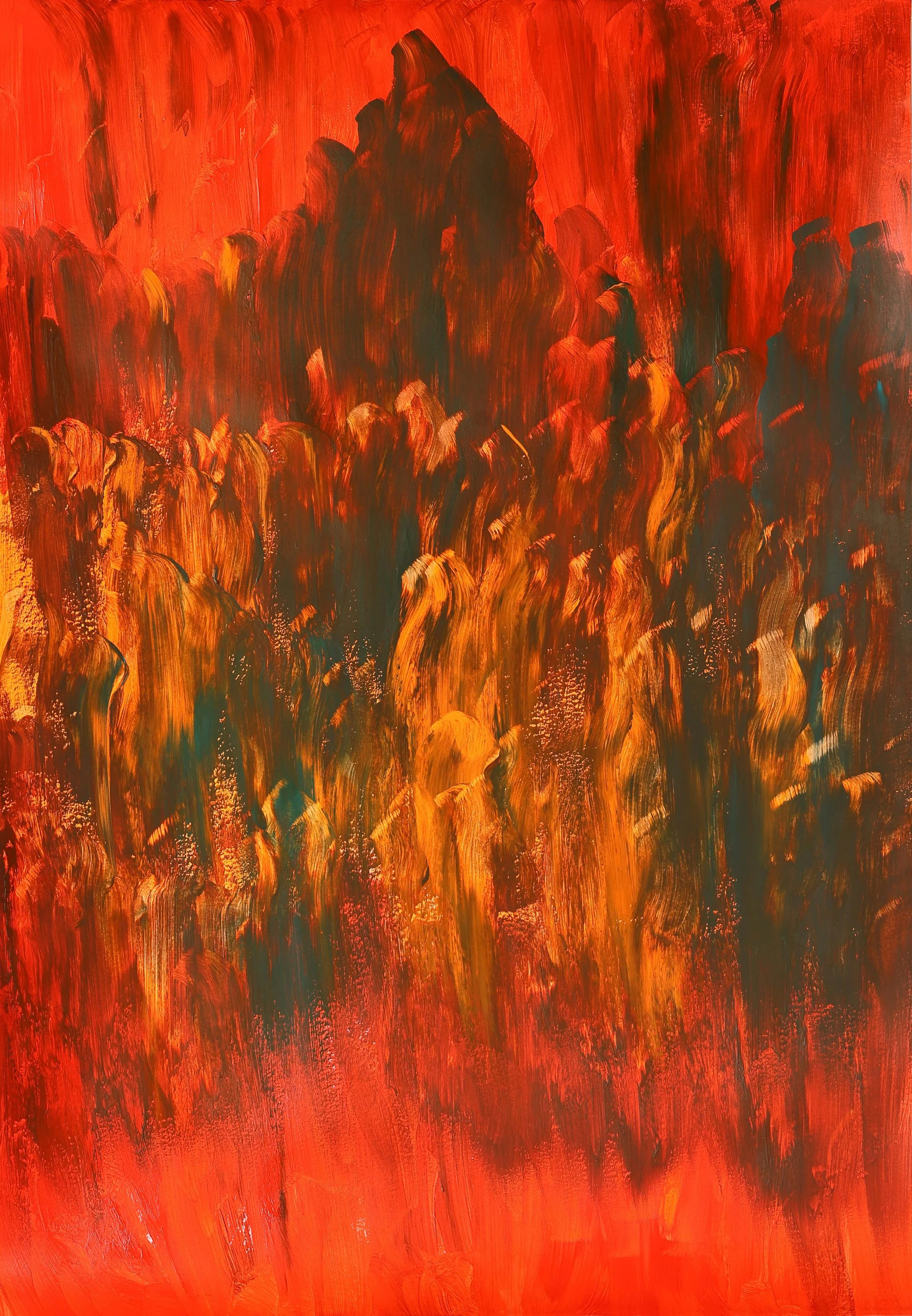
"Gathering of people", acrylic on paper, 44x64 cm, 202
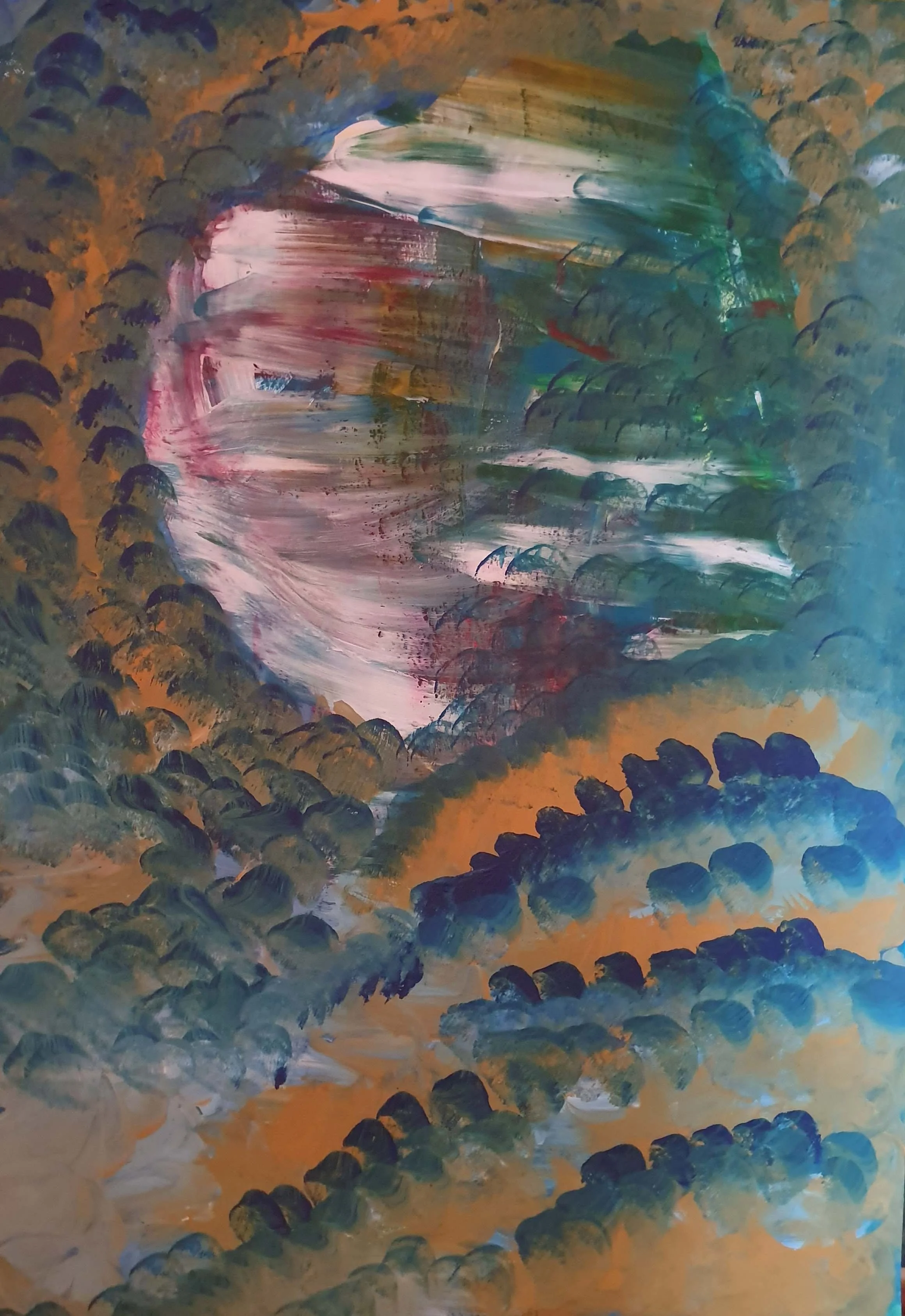
"Cosmic serpent protection", acrylic on paper, 44x64 cm, 2025
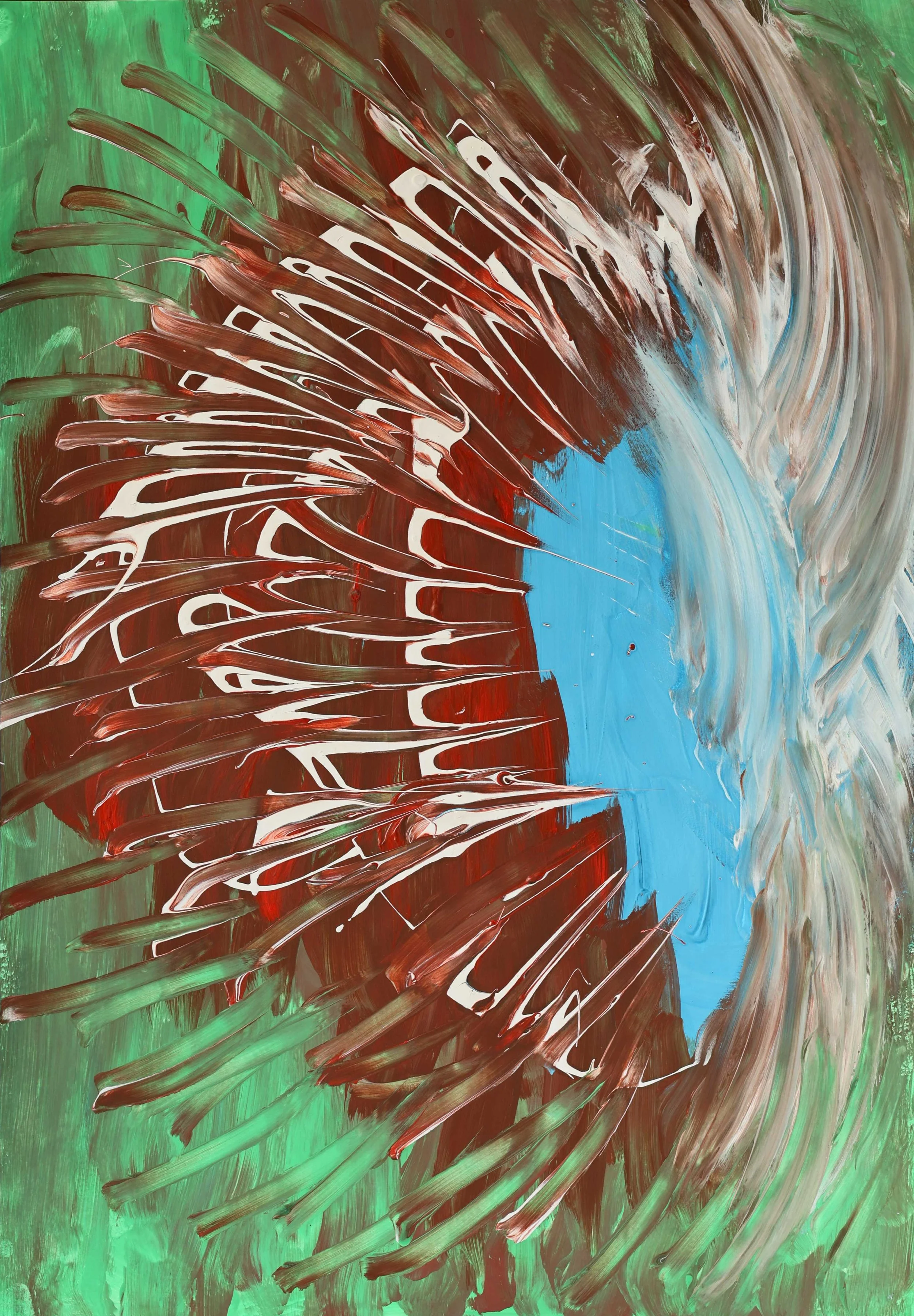
"Gentle kiss", acrylic on paper, 44x64 cm, 2023
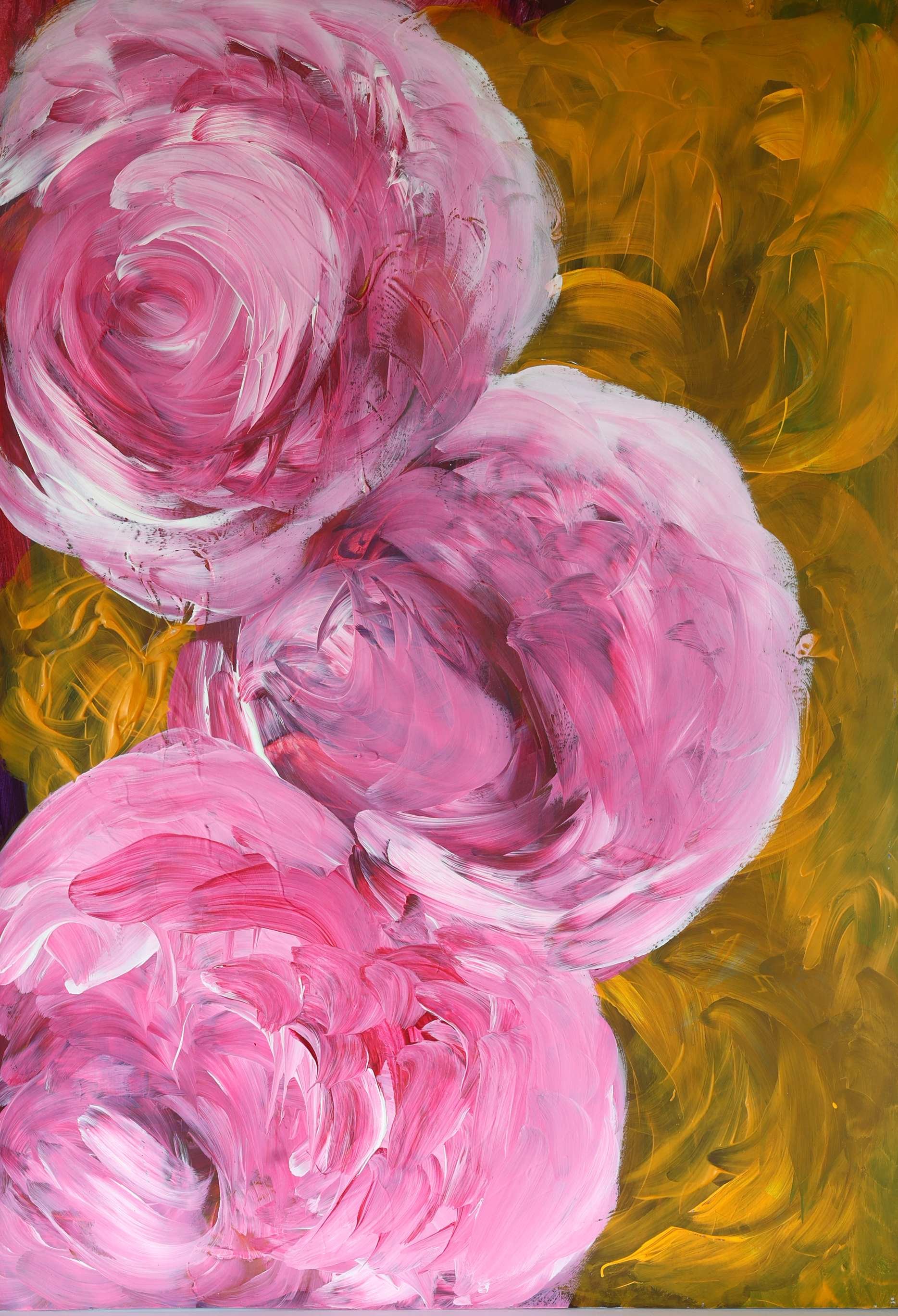
"Winding", acrylic on paper, 44x64 cm, 2025