Interview with Carmen De Alba
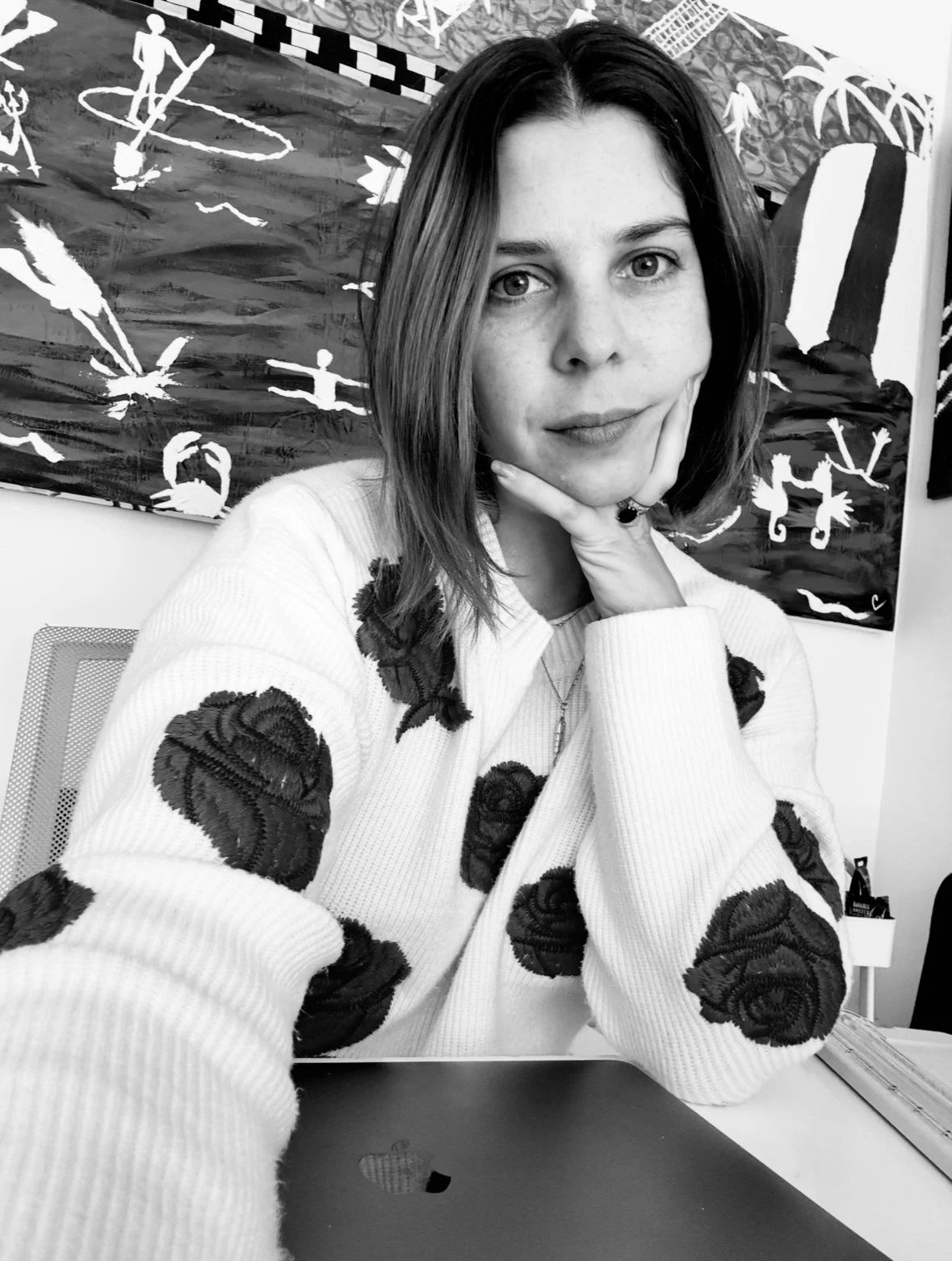
Carmen, your work repeatedly suggests that emotion precedes articulation, that feeling arrives before form or concept. How did emotions become your first language as an artist, and in what ways does this primacy of sensation resist the historical privileging of intellect, structure, and theory within figurative painting?
Emotions are the tool through which I understand the world. Its sensations and its affective weight. I can say that emotions became my first language because it is my purest form of expression.
In my work feeling is not secondary to form or theory, it's a form of knowledge in itself. It reconfigures the logic of figurative painting, where feeling is no longer subordinate to form.
Imperfection in your paintings does not read as an accident but as an intention, almost as an ethical position. How do you understand imperfection as a form of honesty, and how does this stance challenge dominant expectations of refinement, mastery, and finish within contemporary exhibition contexts?
Imperfection, for me, is a form of honesty. It reflects the way we actually exist—fragile, inconsistent, unresolved. By allowing imperfection to remain visible, the work becomes more human and more accessible, creating a space of recognition between the painting and the viewer.
You speak of the soul not as a metaphor but as a structural element within your work. How does the notion of the soul function as an internal architecture for your compositions, and how does it guide decisions of scale, distortion, fragmentation, and symbolic density?
For me, soul is not a metaphor; it is life itself. It functions as an internal architecture that determines how a painting breathes, expands, or fractures rather than how it is designed.
Symbolism in your practice feels intuitive rather than illustrative, emerging from lived experience rather than predefined systems. How do symbols appear in your work, and how do you negotiate the tension between personal meaning and the viewer’s freedom to construct their own symbolic readings?
I use symbolism to give form to ideas, thoughts, and theories that I cannot fully paint or explain. That openness is essential; it allows the painting to become a shared terrain where personal experience can meet transformation.
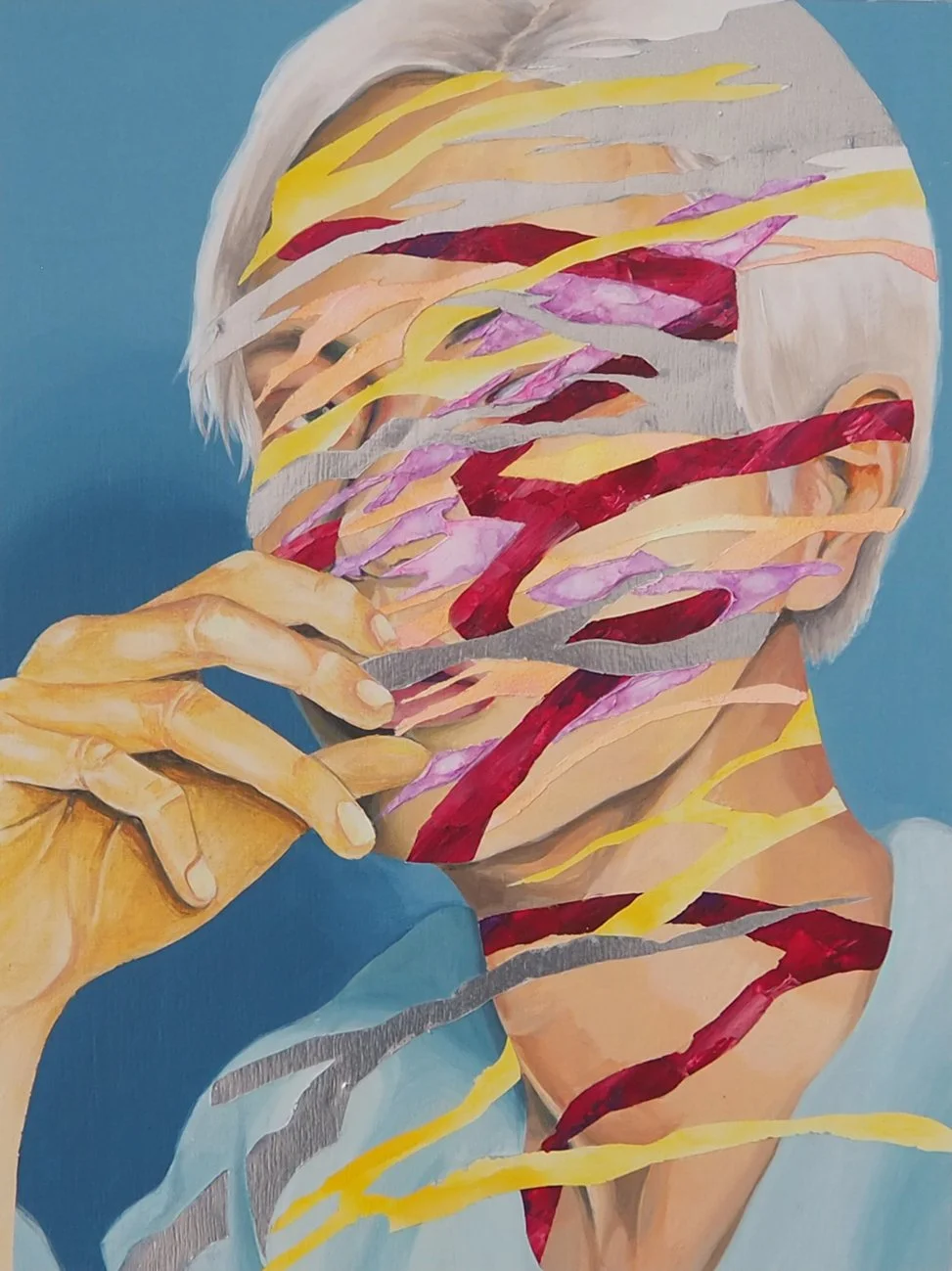
Your process suggests an ongoing negotiation between accumulation and erasure, presence and disappearance. How does intuition decide what remains visible and what must dissolve, and how do you recognize the moment when a painting has reached its emotional equilibrium?
I am guided almost entirely by intuition, an inner voice that speaks through the process. When something is missing, the painting carries a sense of visual emptiness; it has not yet found its soul. The moment of equilibrium arrives when that inner voice becomes clear. A sense of fullness rather than excess. That is when I know the painting has reached its emotional balance, and that nothing more needs to be added or taken away.
You describe creating without expectations or rules, a position that implies both liberation and risk. How do you sustain freedom within a professional art world structured by categories, markets, and institutional frameworks, and what does it cost you, emotionally and conceptually, to remain uncontained?
The art world is full of rules, many of them self-imposed by artists themselves. Technique, market success, and categorization are often mistaken for value. I try to work outside those expectations by returning to what art is, at its core: the ability to transmit feeling.
For me, freedom lies in prioritizing emotion over mastery or recognition. The cost is uncertainty, but the reward is honesty; allowing something tangible as a painting, or sculpture, to generate something intangible in the viewer: a feeling, a response, a moment of connection.
There is a persistent attraction in your work to the strange, the naïf, and the unexpected, elements that resist rational containment. What does beauty mean to you within this territory of instability, and how do you see strangeness operating as a critical rather than decorative force?
Beauty, for me, exists in imperfection and sincerity. In a world obsessed with perfection, we often forget to be present, the act of truly living a moment. Strangeness and the unexpected interrupt that pursuit, creating cracks where something real can occur. What appears unstable or naïve is not decorative; it has the power to shift perception, to alter the course of how we feel and understand ourselves.
Vulnerability in your paintings feels exposed rather than performed. How do you understand vulnerability as material, and how does allowing yourself to be seen without protection transform both the act of making and the ethical relationship between artist and viewer?
Allowing myself to be seen without protection changes the act of making because it shifts my role from author to witness. Rather than controlling how the work will be read, I stay present with what is happening emotionally and physically as I work. This kind of openness requires trust, not only in painting itself, but in my ability to regulate my own ego when exposed to both praise and criticism, so that the work can meet the viewer as an open presence, inviting an ethical encounter rather than a position of judgment or control.
Your work privileges connection over perfection, suggesting that resonance matters more than resolution. How do you imagine the viewer’s experience as an extension of the work itself, and what kind of emotional or psychological participation do you hope your paintings invite rather than dictate?
I see the viewer’s experience as part of the work’s life, where meaning continues to unfold through encounter. By prioritizing connection over resolution, the painting remains open to response rather than closed by certainty.
Instead of dictating emotion or interpretation, I hope the work invites a quiet psychological participation, one based on presence, recognition, and resonance, where the viewer meets the painting on their own terms.
To be truly seen is often described as both freedom and fear, a duality that seems central to your practice. As your work circulates internationally across galleries, fairs, and biennales, how do you protect the intimacy of your inner dialogue while allowing your most private sensibilities to enter the public realm?
Letting private sensibilities enter the public realm means accepting interpretation without performing intimacy for visibility. Freedom and fear coexist in that space: freedom in trusting the work to stand on its own, and fear as a necessary reminder to remain honest, inwardly accountable, and attentive to what first motivated the work.
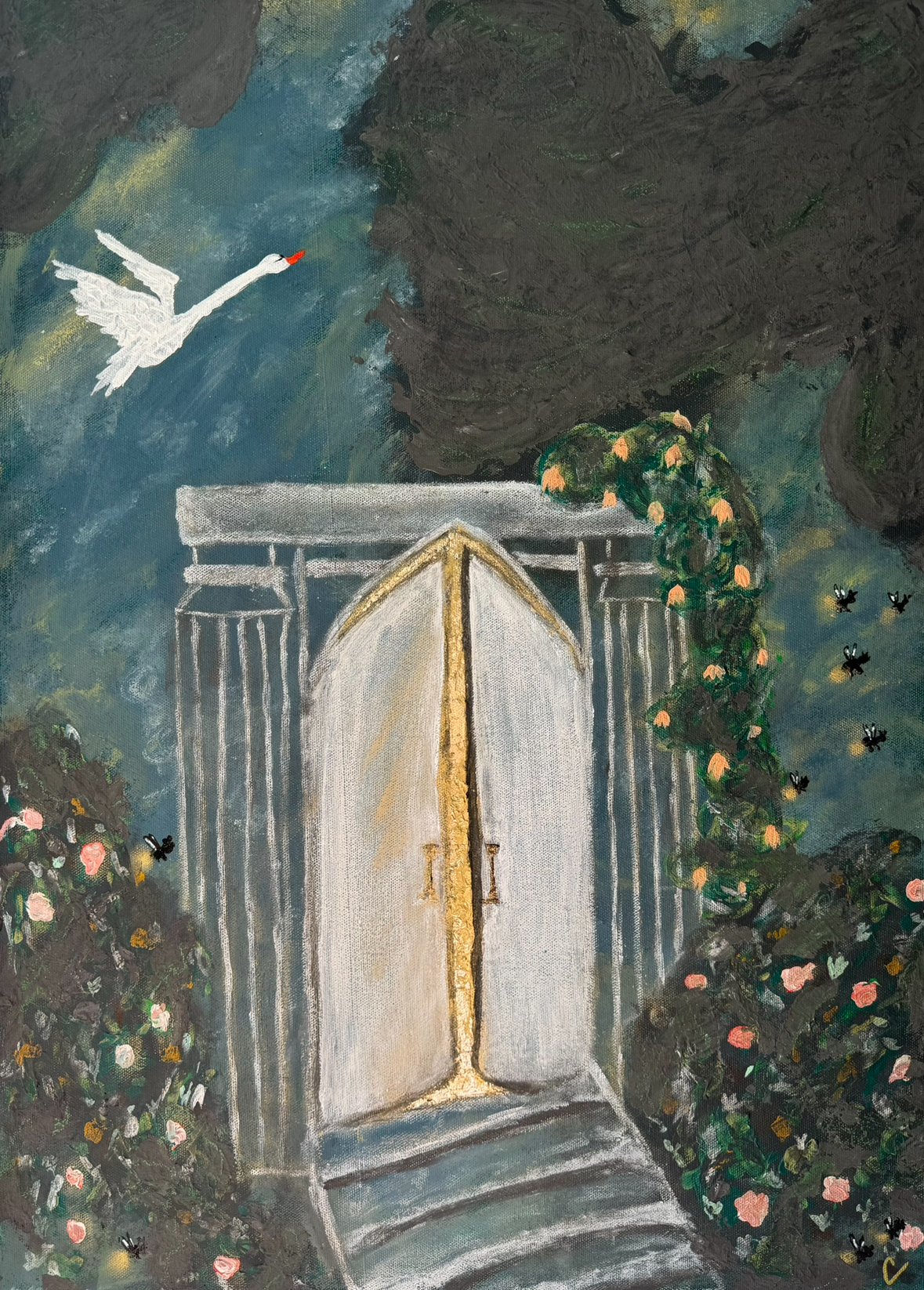
Secret garden
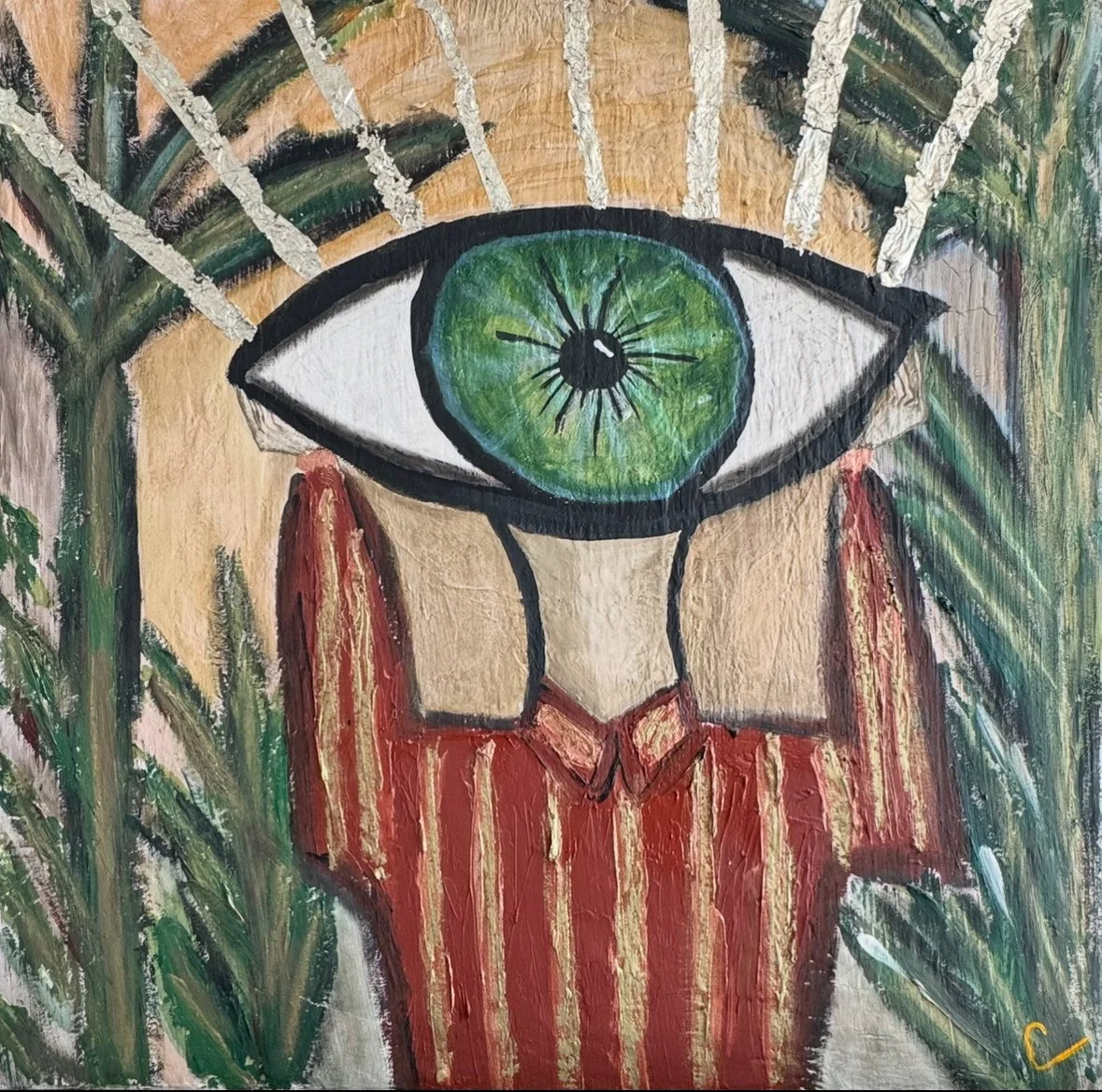
Impostor
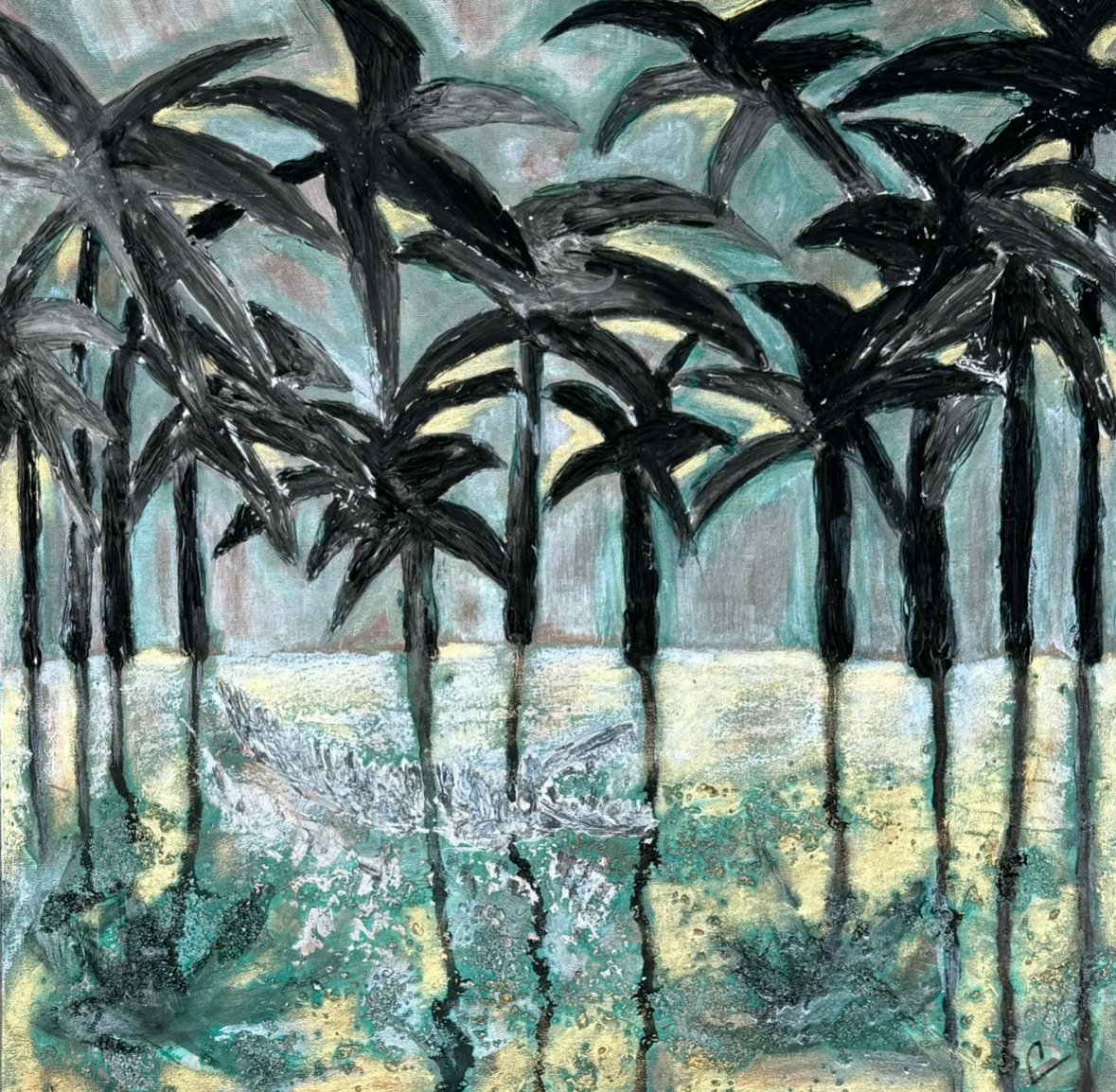
Florida sunsets
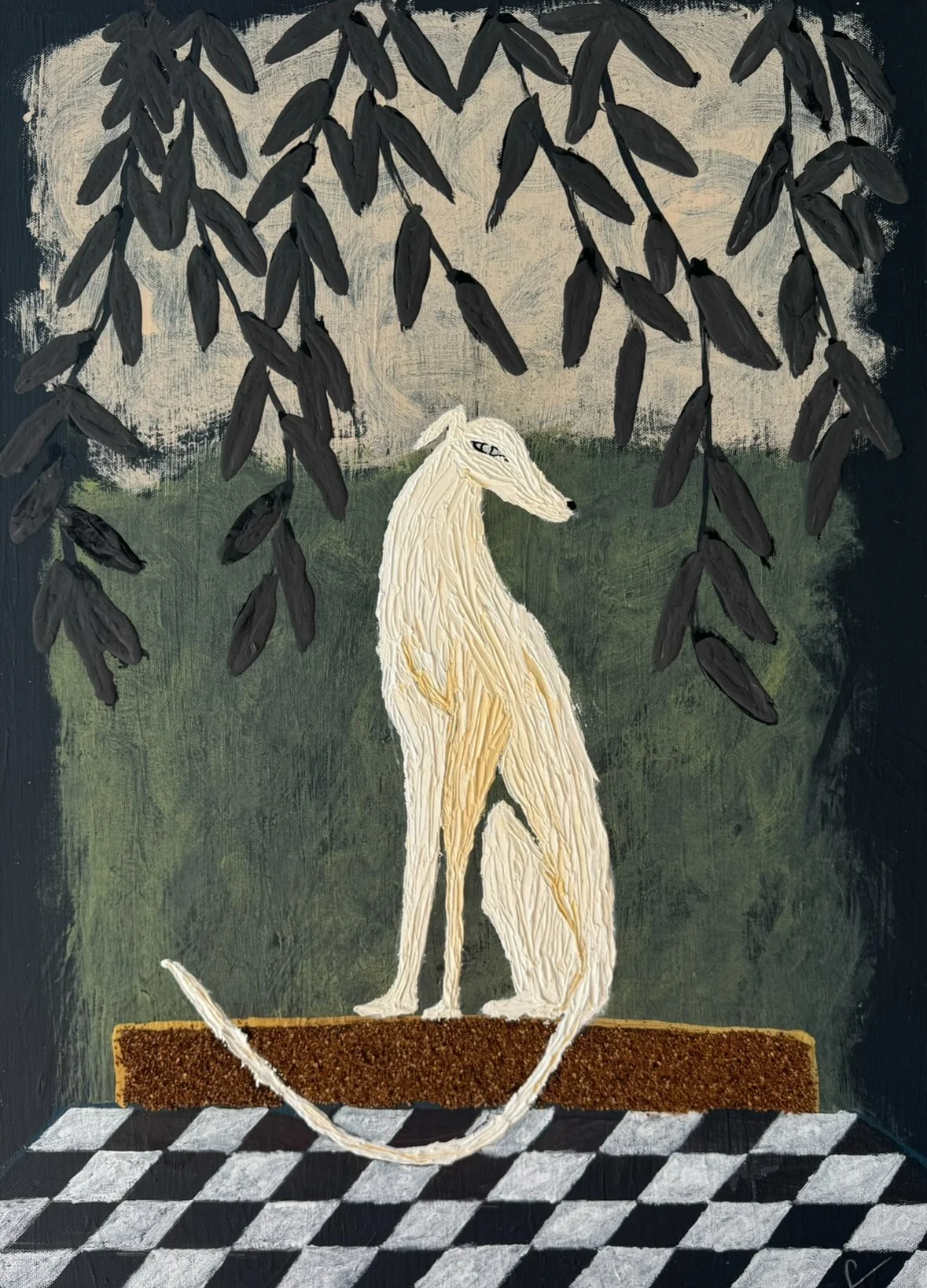
Dog 2
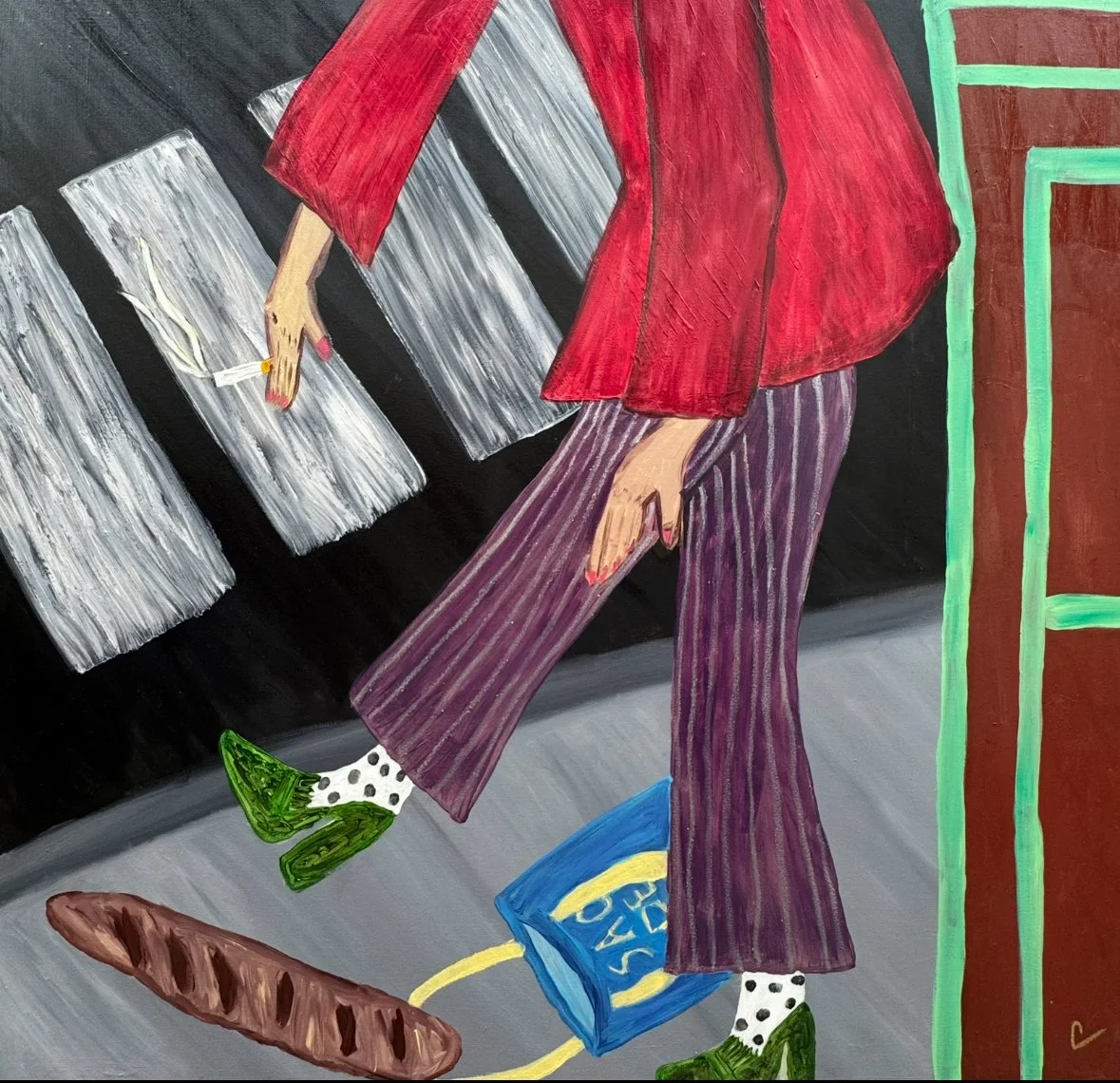
Rp
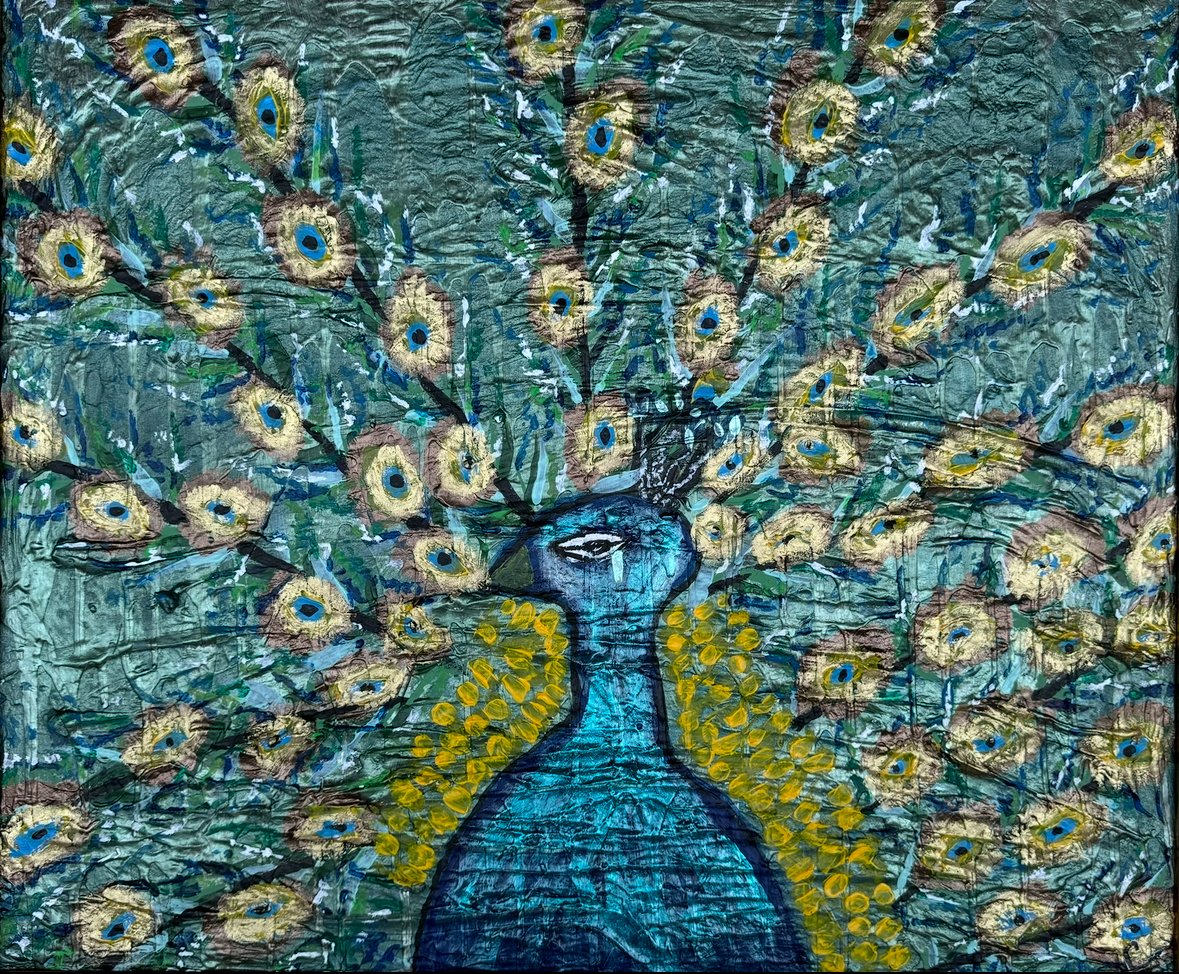
Indian memories
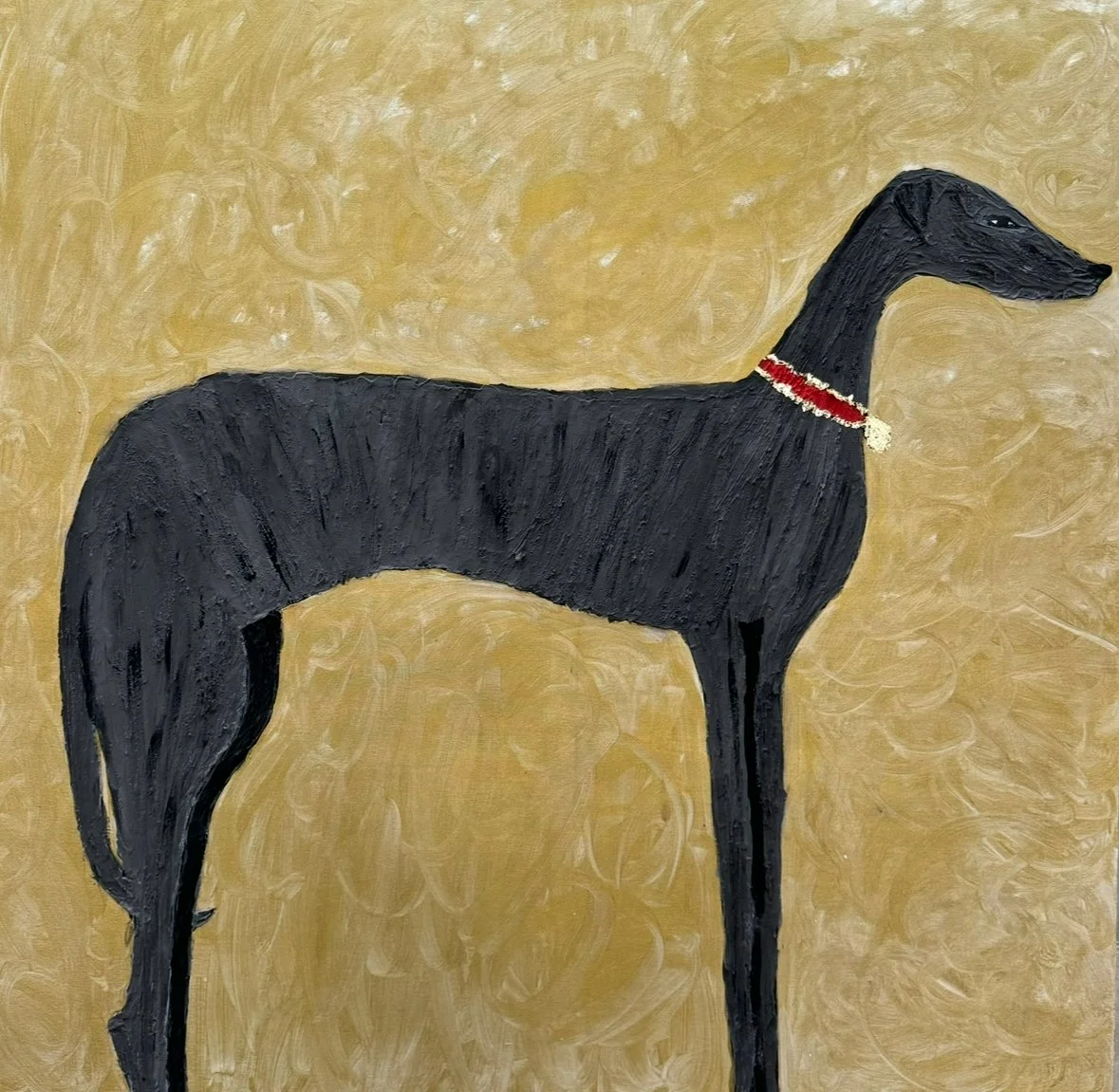
Dogs
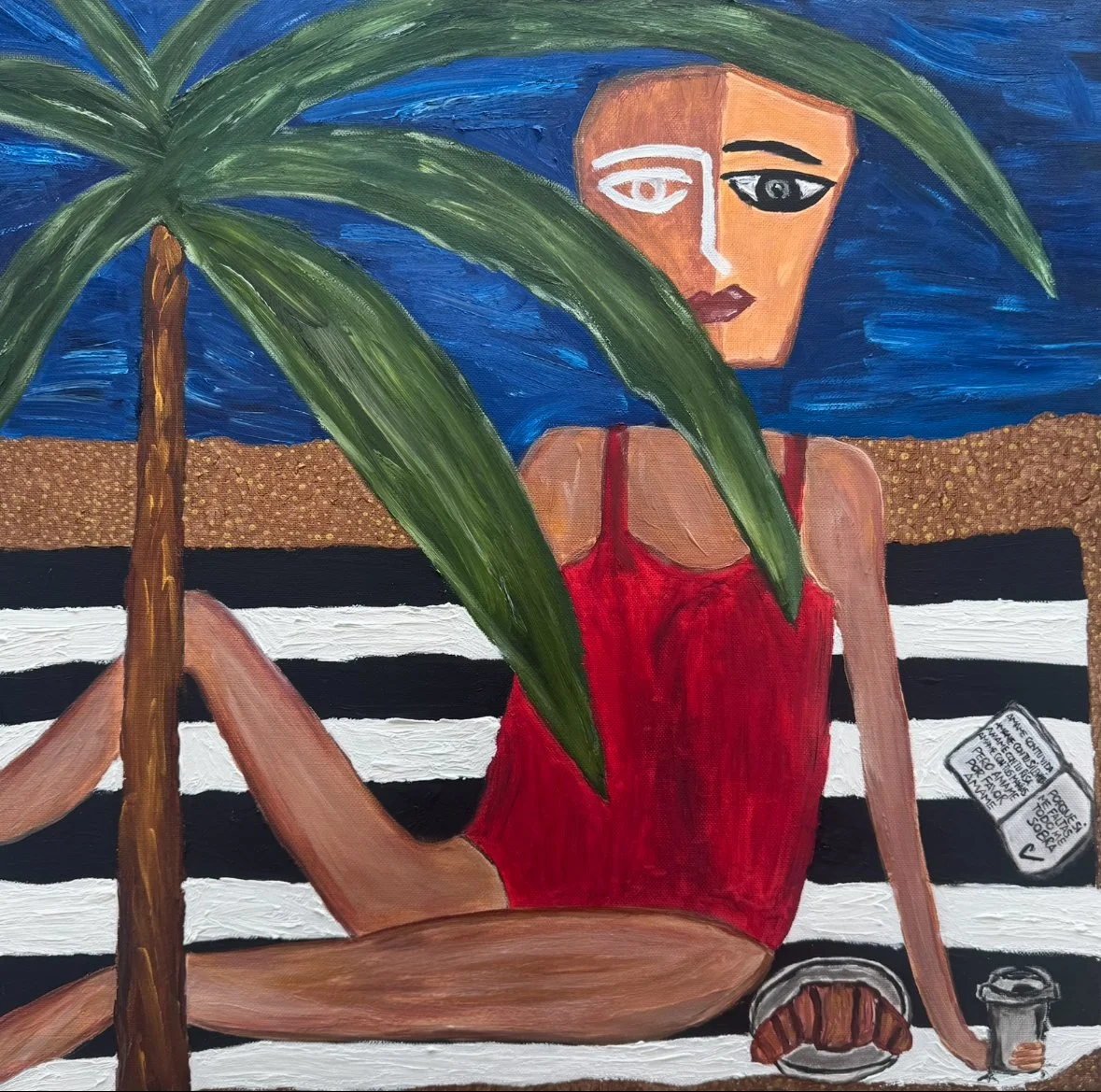
Desayuno sobre la arena
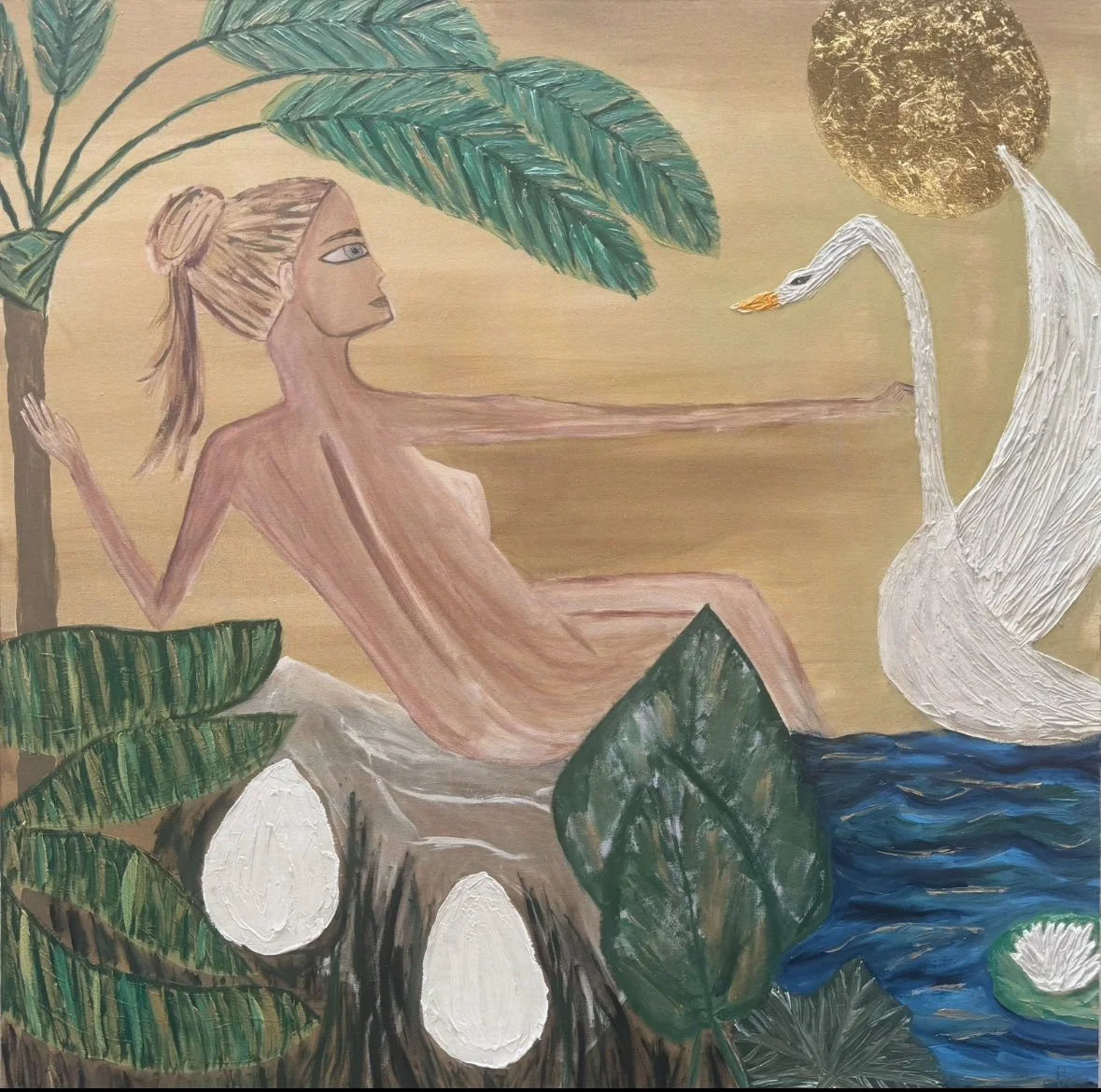
Leda
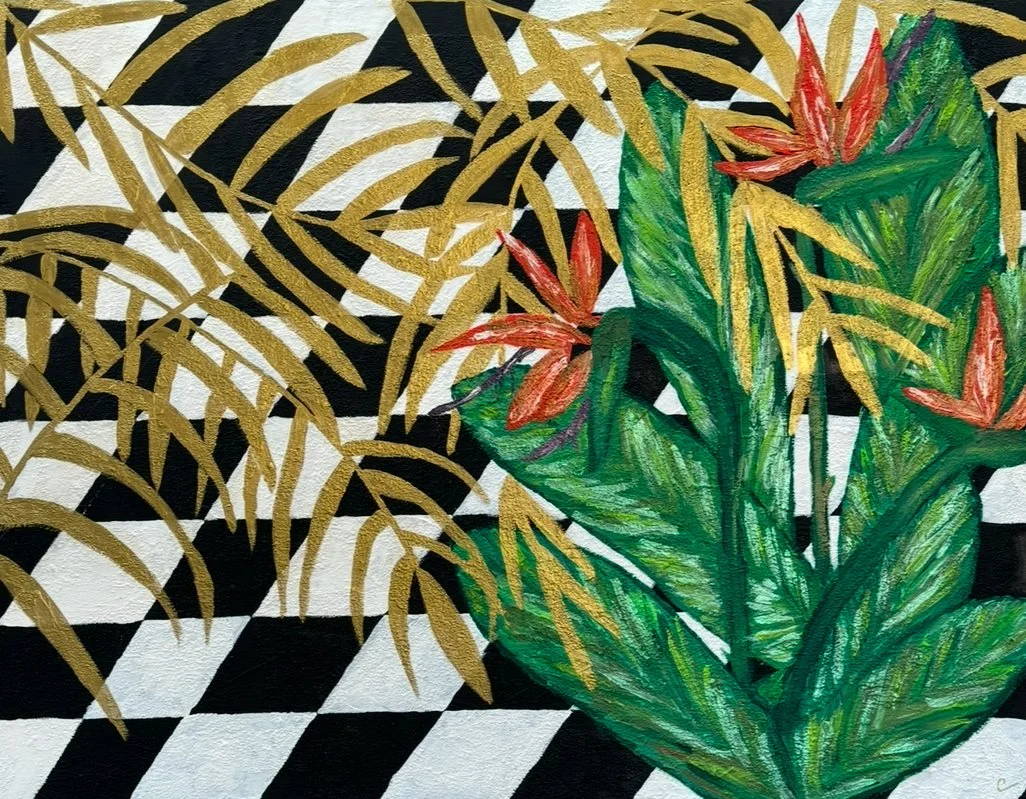
Bird of paradise
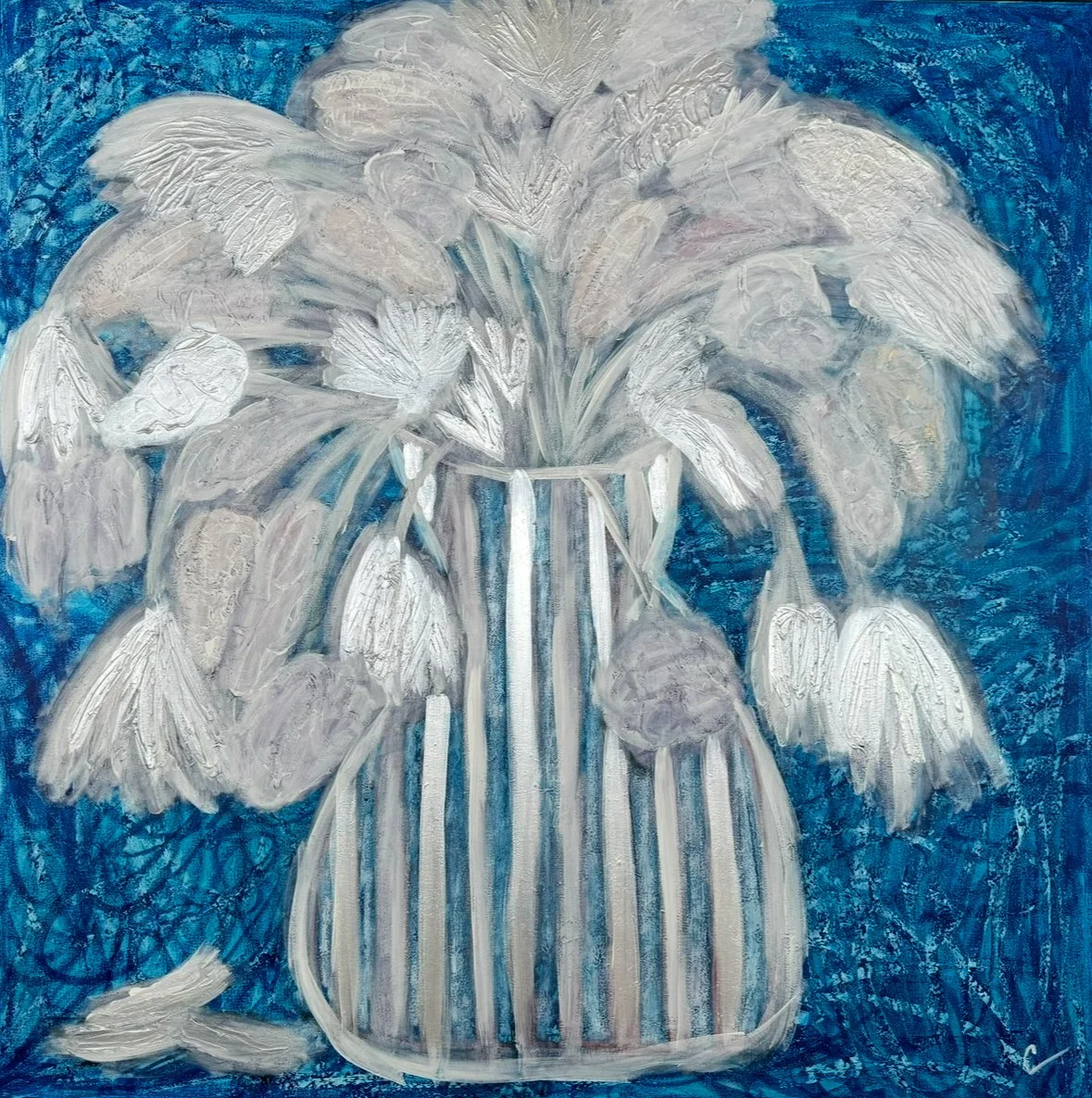
Intensement blanc
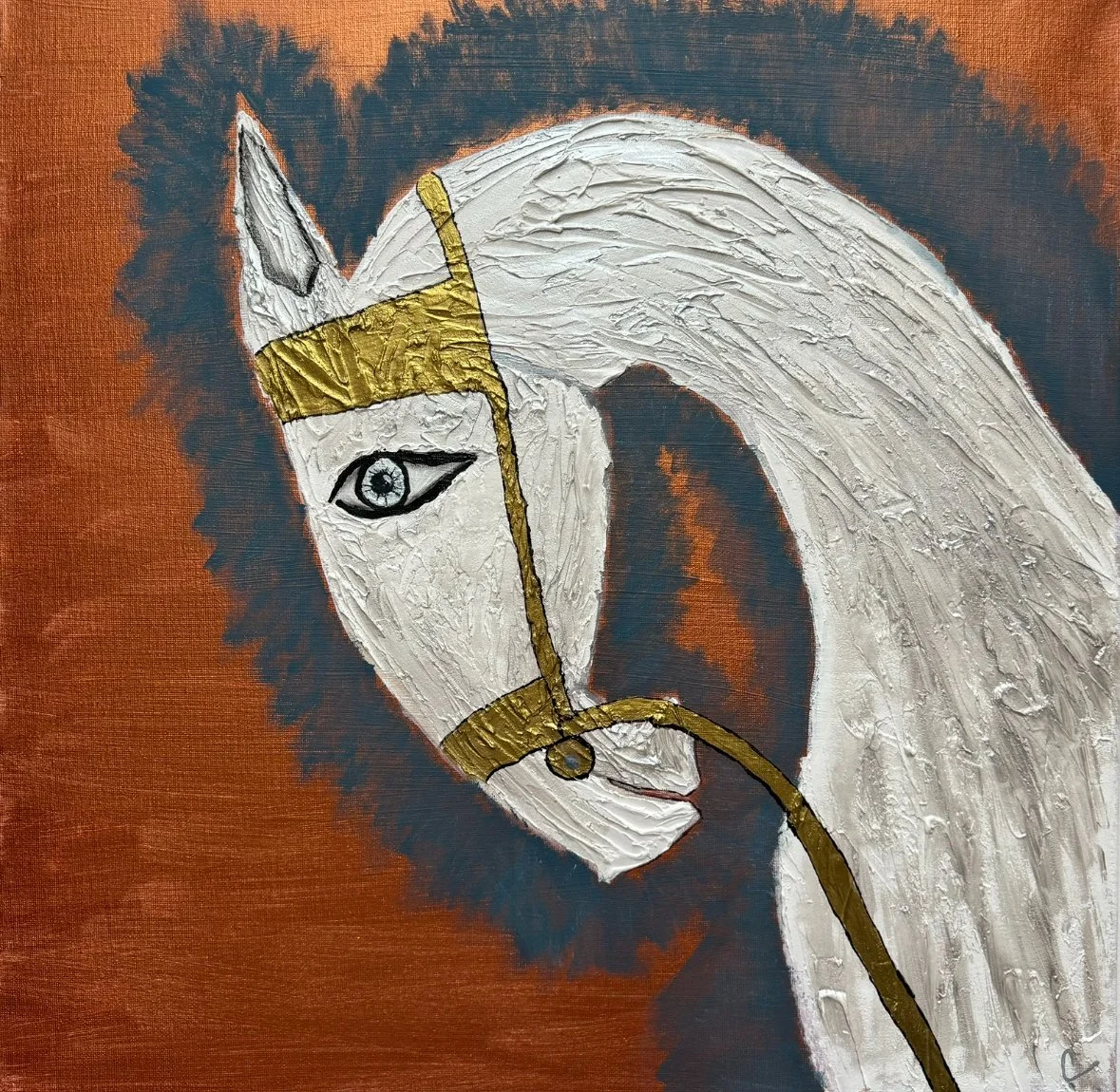
No name
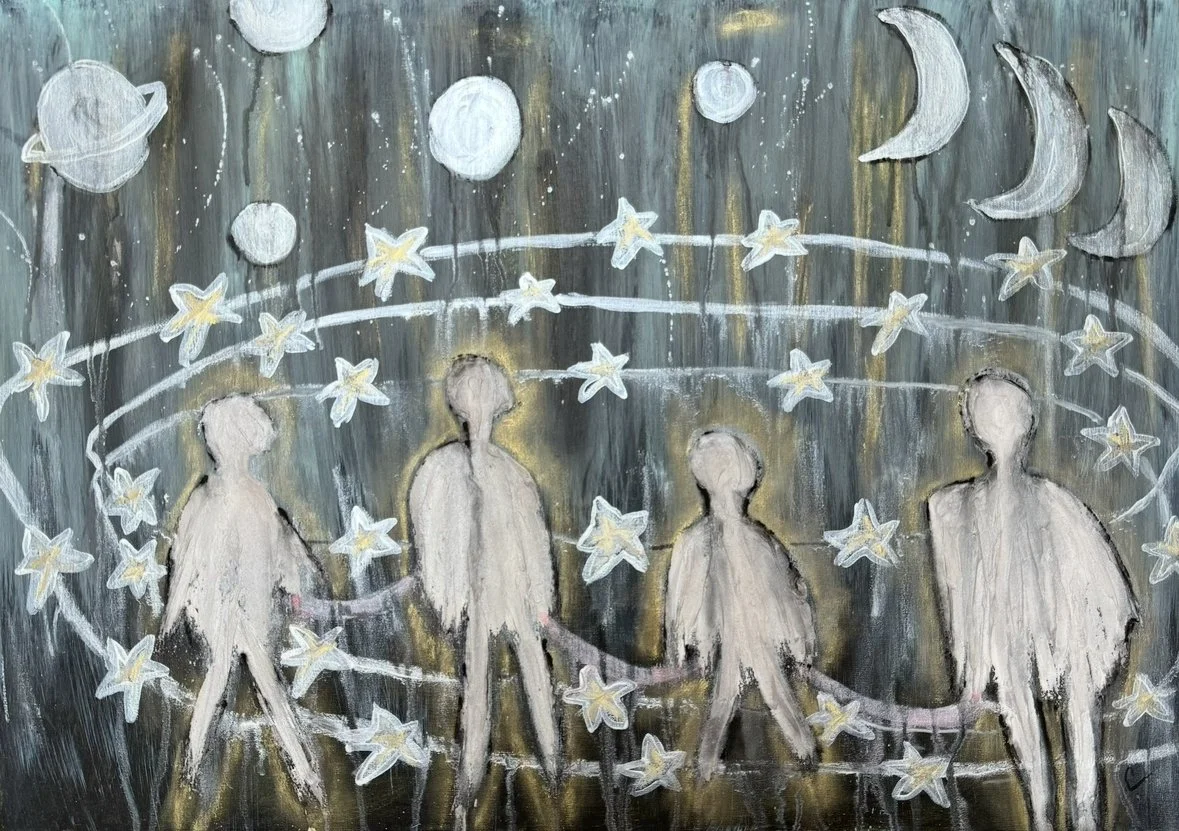
Souls covenant
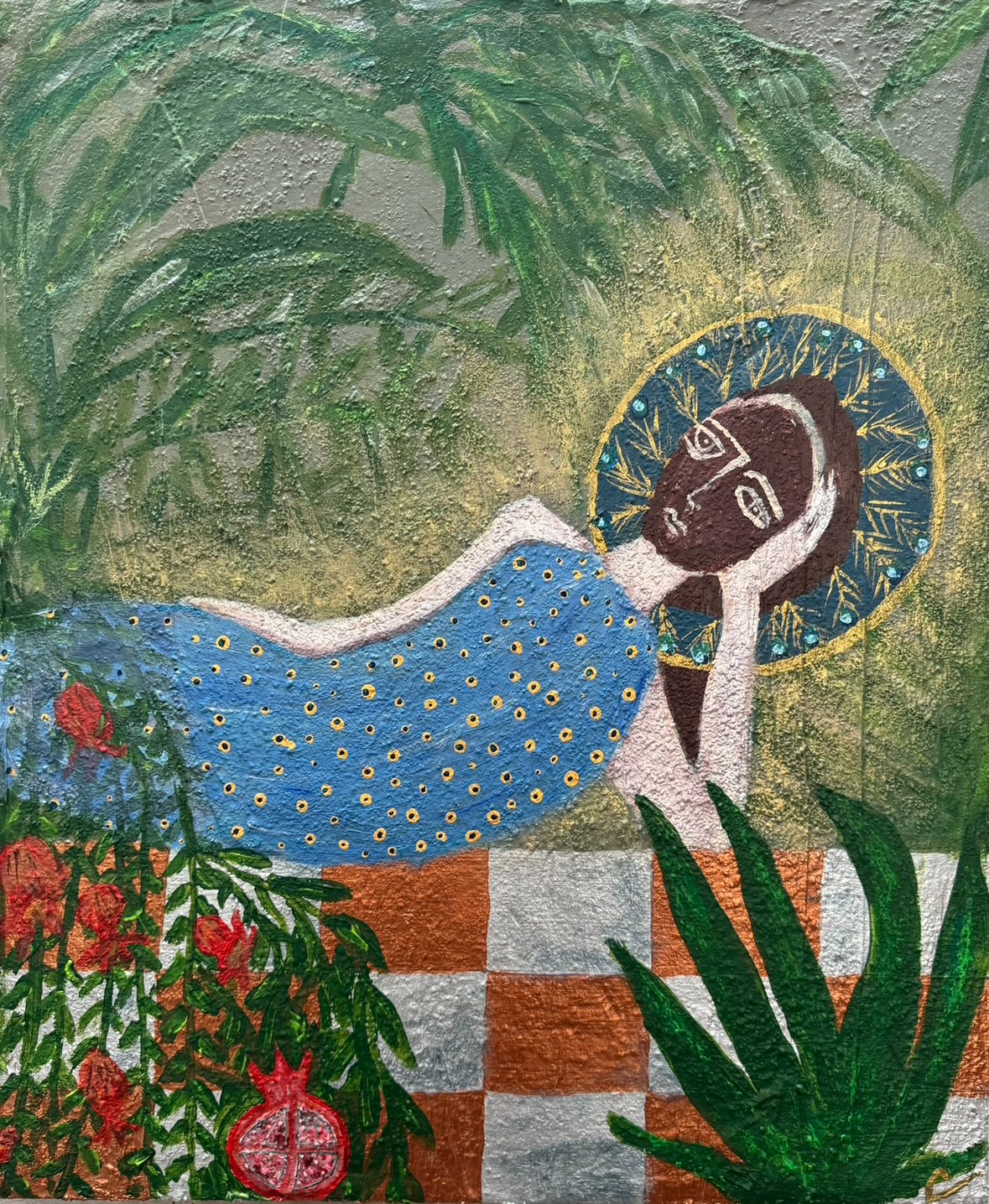
Hera
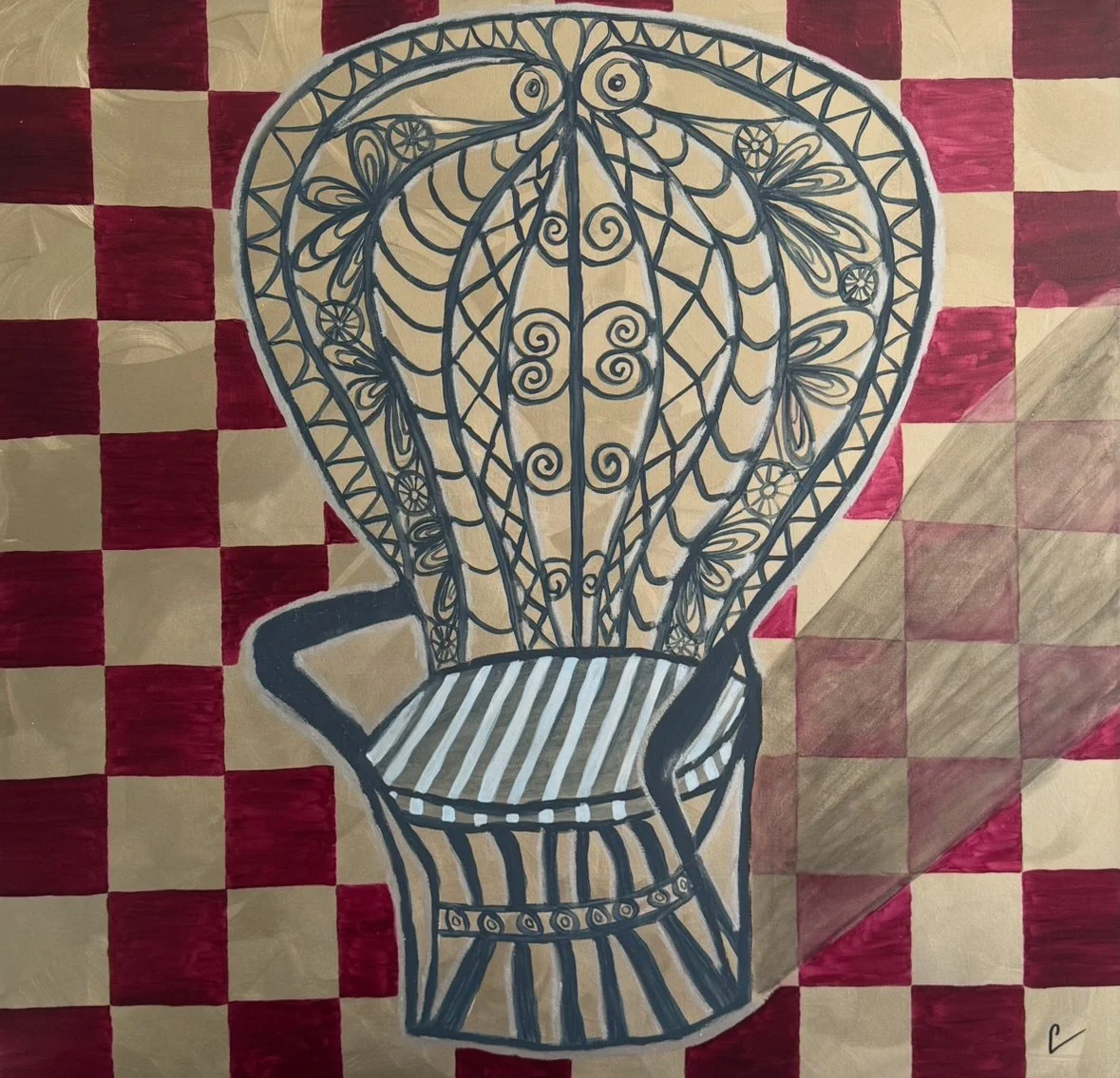
Despues del sol