All in Interview

Interview with Fari Ali

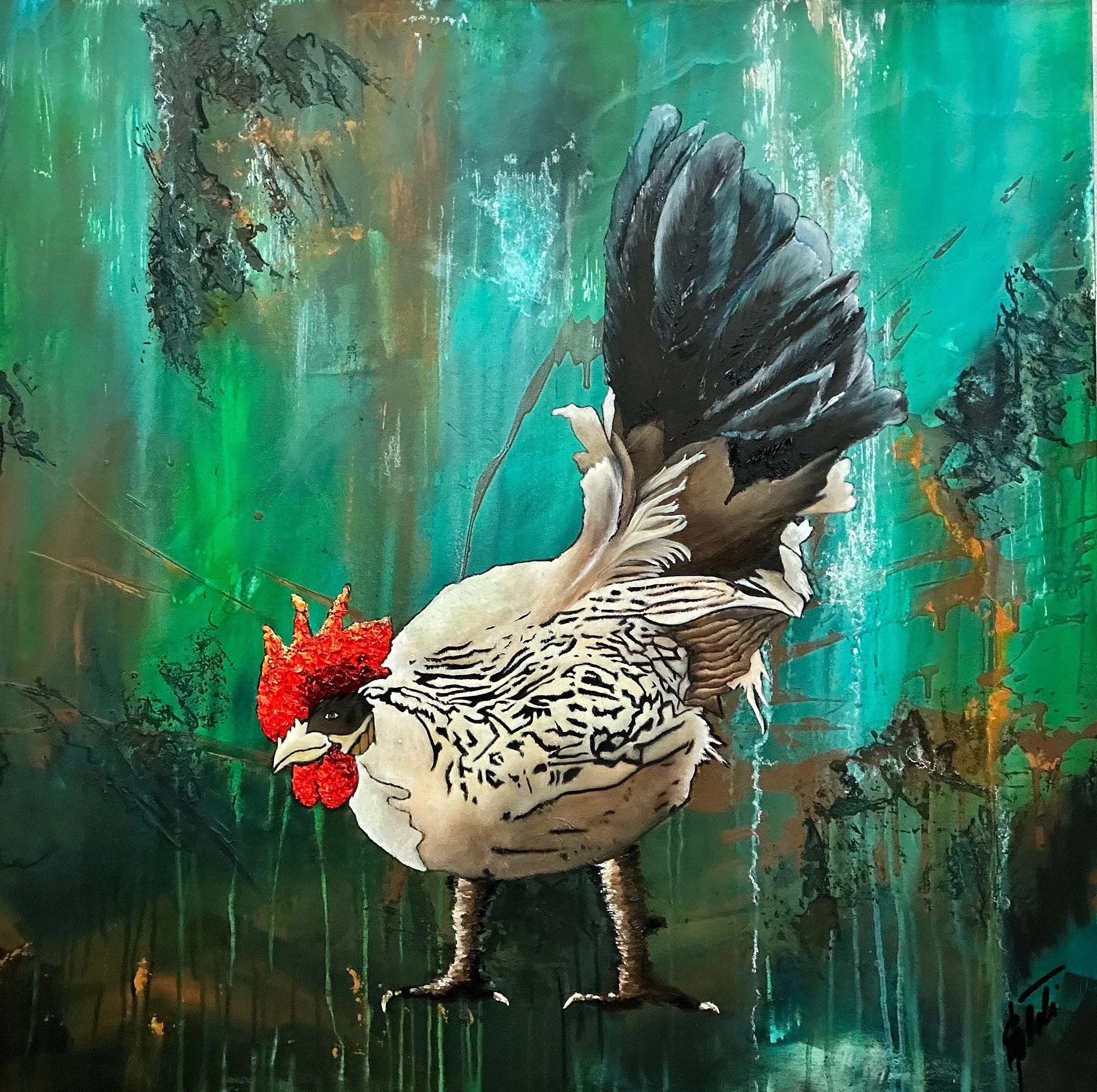
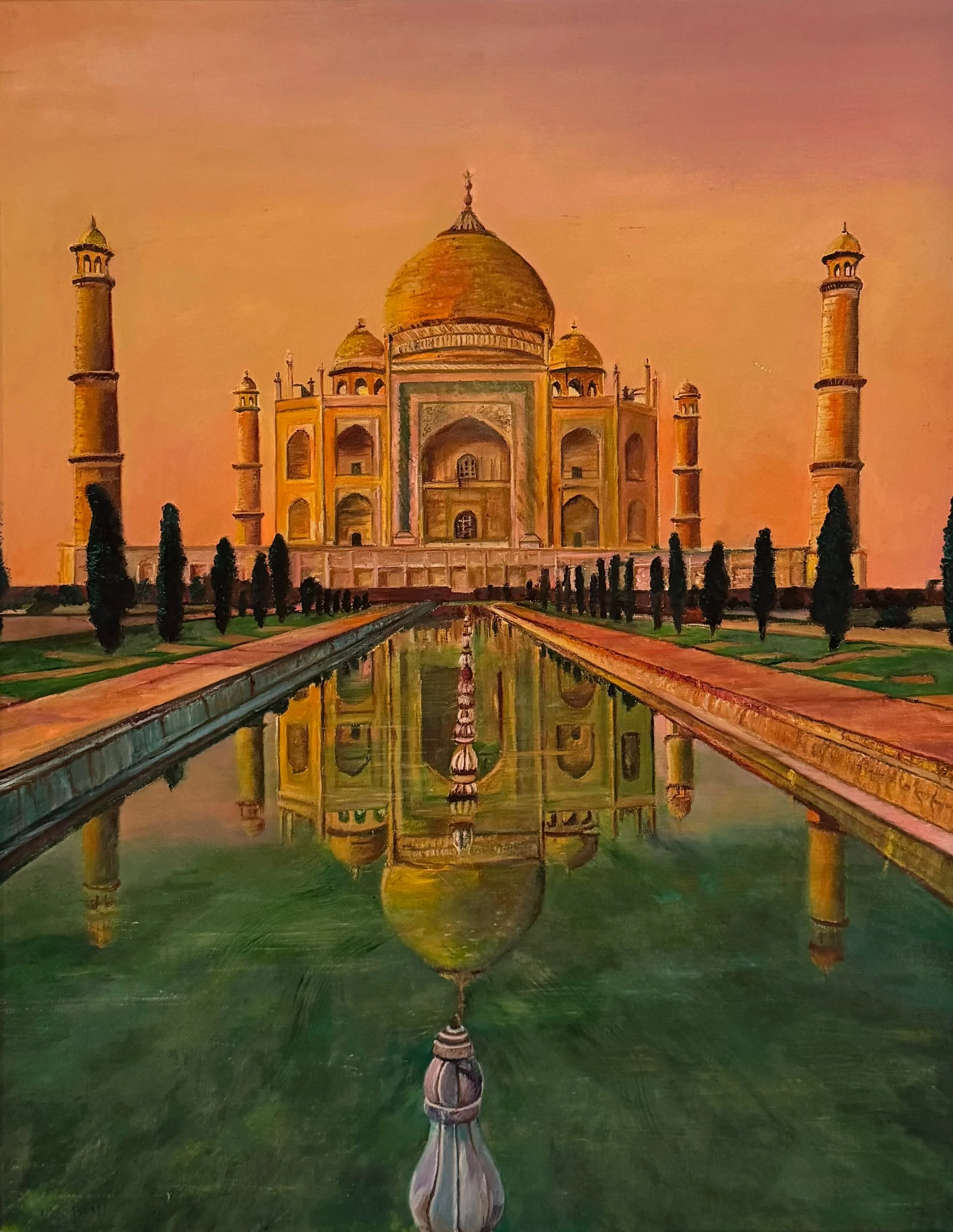
Painting to me has been a spiritual journey for over 50 years. I have to my credit more than 300 paintings of oils on canvas. My genre of art is photo-realism, expressionism and hyper-realism. I am particularly passionate about preserving Nature and my intention and purpose is to bring awareness to the beauty of the environment we live in so that we as human beings take action to preserve and appreciate all aspects of it: Through portraits of people, birds and animals - I bring out the true essence of their personalities and immortalize their moments.
Interview with Frasquito Raymond-Gil Urquijo

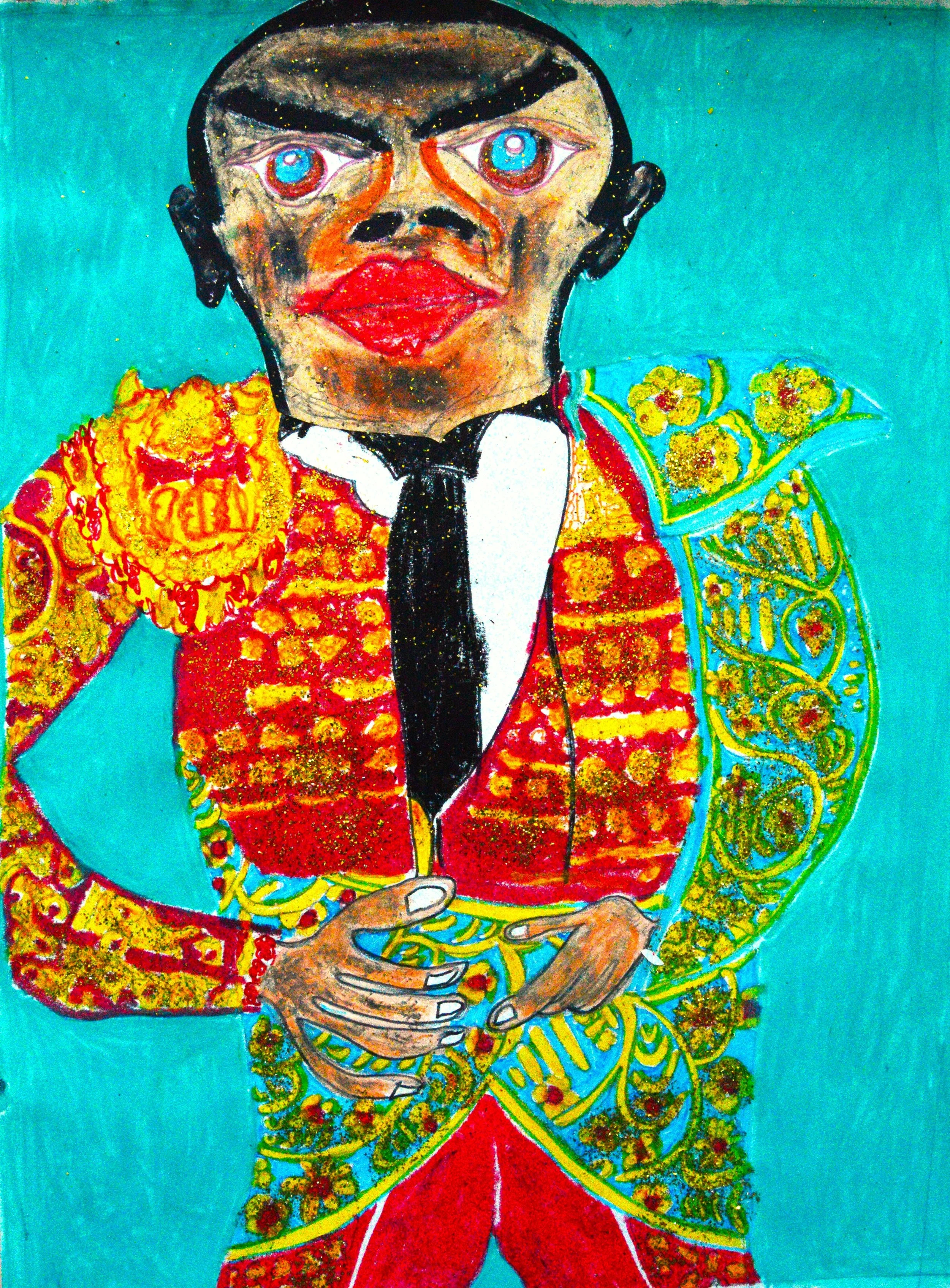
Frasquito Raymond-Gil Urquijo, born in Jerez de la Frontera, is a grotesque, tragicomic, and unapologetically absurd alter ego of his creator—a surreal mix of Andalusian roots, cosmopolitan wanderlust, and obsessive curiosity. His art is naïve, conceptual, and intentionally imperfect: flat perspectives, rudimentary techniques, and unpredictable outcomes give each piece kitsch, personality, and grotesque charm. Inspired by eccentric people, peculiar anecdotes, and the absurdities of life—from Holy Week processions with freshmen balanced on doors, to goat-bleating classmates, to the chaos of global cities.

Interview with Ursa Schoepper

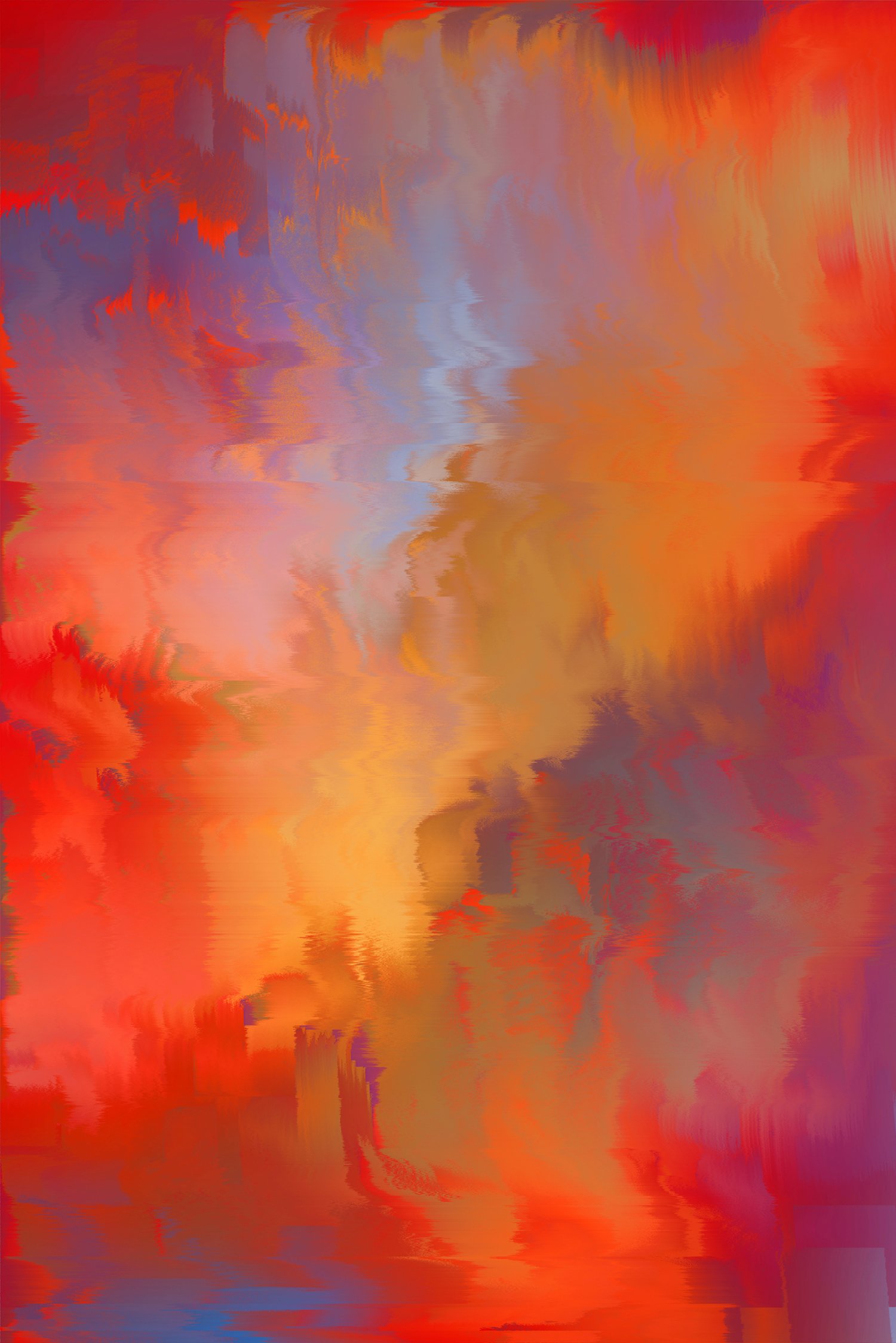
The beauty of experimental art lies in the fact that the value of an idea cannot be mathematically calculated. Digital resources operate according to the code of "either/or." However, playing with an artistic idea is not computable. Creativity and innovation follow a both/and principle. The photographic artist as constructor is a creator, not a draftsman, not a graphic artist, not a copyist. As a phantom of light, photography becomes the bearers for an artistic vision. Image skin, artificial skin, forms the blueprint for another possibility.

Interview with David Poyant

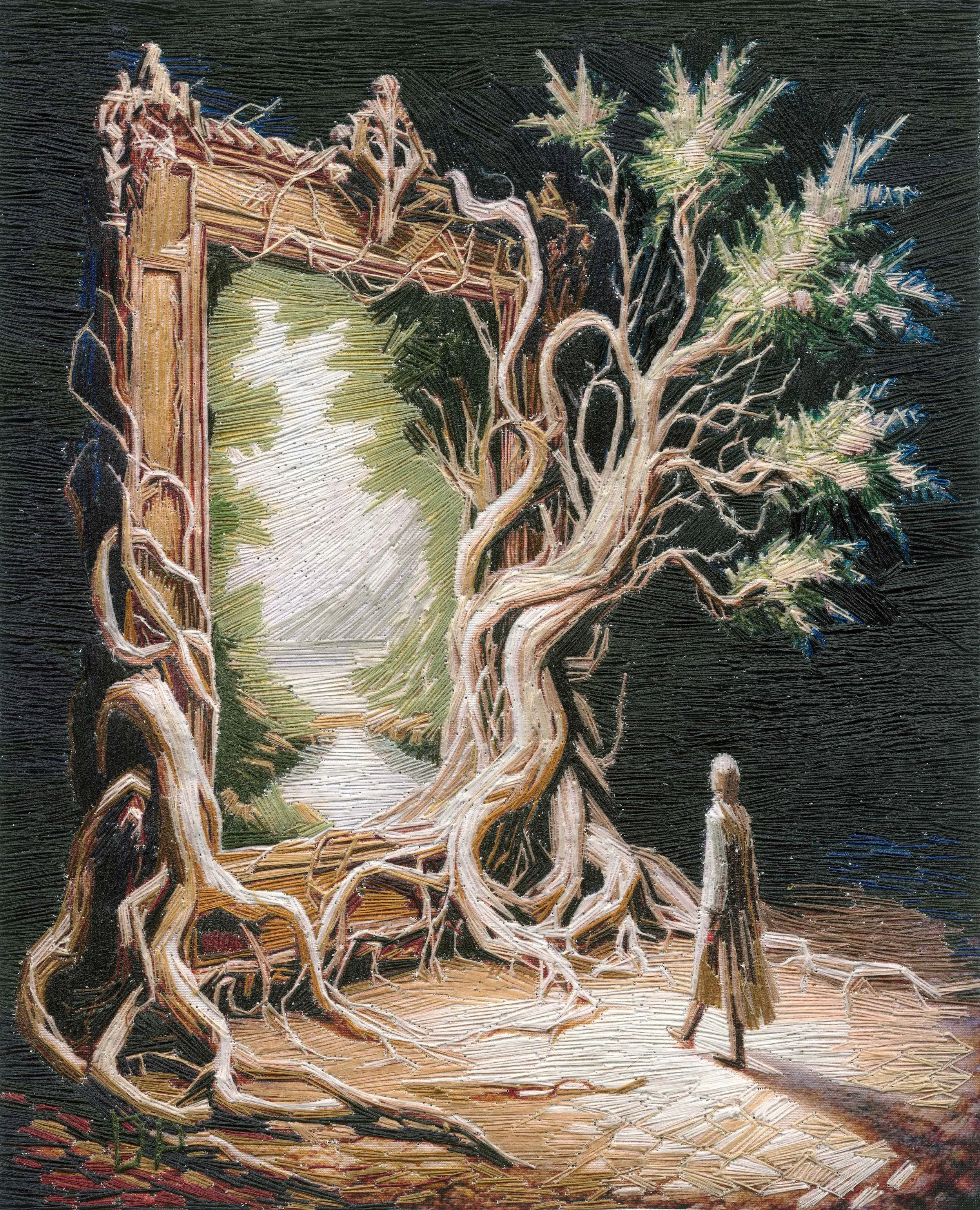
David Poyant is a contemporary embroidery artist whose work transforms the traditional craft of needlework into a powerful form of visual storytelling. Entirely hand-sewn, his pieces merge fine-art composition with the intimacy of textiles, creating richly textured worlds one stitch at a time. Beginning his artistic life later in adulthood, Poyant brings to his practice a deep sense of reinvention, memory, and lived experience. His decades as a cobbler and craftsman inform the patience, precision, and tactile sensitivity that define his work today.

Interview with Lon Levin

My work pokes at that uneasy space between structure and entropy — what I like to call “controlled chaos,” because frankly, that’s what life looks like when you take the training wheels off. Every piece is its own little ecosystem, humming along with its own rules, moods, and mischief. I’m fascinated by how order crawls out of disorder, how meaning sneaks in through the cracks when forms, colors, and movements collide like they’ve had too much coffee.

A Space Oddity: In Conversation with Artist Will Wilford

In Will Wilford’s ‘The 11th Hour’, the artist’s exploration of ‘human absence’ – a theme that remains a source of constant exploration –  is wholly realised. Long, tapered tree trunks eerily pierce the horizontality of the compositional space. Wilford beautifully renders the distinctive shapes and lines of a palm tree’s trunk in his subtle personification of their non-human form.

Interview with Aleksandra Ciążyńska

Aleksandra Ciążyńska is an artist who knew from a young age that art would be more than just a hobby for her. She was born in 1987 in Poland. Although she is an economist by profession, she found her true path in painting, which she sees as a way to communicate without words. She honed her skills under the tutelage of Professor Paweł Lewandowski-Palle, achieving success in national and international competitions.

Interview with Natalia Jezova

I see my art as a living conversation, enriched by diverse readings. The symbolic layers I employ function like a palimpsest: allowing erasure, rewriting, and re-vision. In each context, the work may evoke different myths, memories, or modes of seeing, and this variability is part of its vitality. I trust in the resilience of images to resonate across boundaries, and in the unpredictable dialogue between viewer, culture, and history that keeps the work alive and ever-evolving.

Interview with Gaya Chandrasekaran

Growing up in Chennai, I was surrounded by rhythm — not just of music or language, but of rituals, festivals, colours, and textures. It’s a city where the ancient coexists effortlessly with the contemporary, and that duality continues to influence my work. The vivid colours of temple architecture, the meditative geometry of kolam designs and the undulating sound of Carnatic music, found their way into my subconscious and now echo in my paintings.

Interview with Deborah Barr

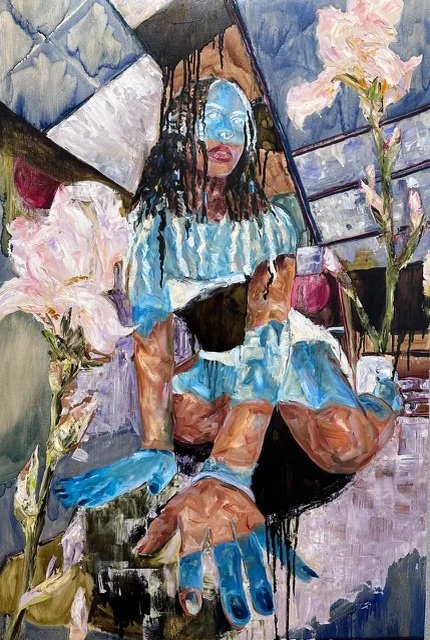
Art is the most profound expression of the human spirit. I am exploring the psychological disjunction in our contemporary life caused by its fast pace and rapid changes. The youth of today have too much information, they struggle to keep their personal and/or cultural identity and try to make sense of reality. Their world has become filtered. The Iris suggests natures beauty, in it’s original form and is a symbol for hope.

Interview with Paola Salomè

My art is instinctive, unplanned, and gathers some characteristics from each of these artistic movements, but the message I want to convey with it is the element of primary importance to me. In each canvas, I focus on a specific theme, without adding superfluous elements that could confuse the observer. So, I let myself go to creativity, trying to communicate positive messages and true emotions.

Interview with Liao WanNing

As a visual artist, my works are not intended for personal enjoyment alone but to explore complex issues of international politics, economics, war and peace, and state and international relations through the language of art. These works are not only part of the international political landscape but also an objective reflection of the current realities of people's lives.

Interview with Eveline Göldi

Can you tell us when you decided to pursue a career as an artist? 

I had the enthusiasm for art since I was a child, but when I started painting with acrylics in the mid-90s, I grew the desire to put my messages into pictures and make happy faces. When I was able to sell the first paintings, I wanted to refine my technique and so the next steps came naturally.

Interview with Mieshiel Murray

I sometimes refer to my artwork and my life as a whole as walking ‘Between Worlds’ I draw and paint what some people can not see in this 3D reality; the dreams, visions and imagination of realities and dimensions beyond this one. The Light Codes are universal symbols, lines and patterns that resonate positive frequencies with the viewer on a cellular level and are directly transmitted in the presence of the painting