Interview with Fari Ali
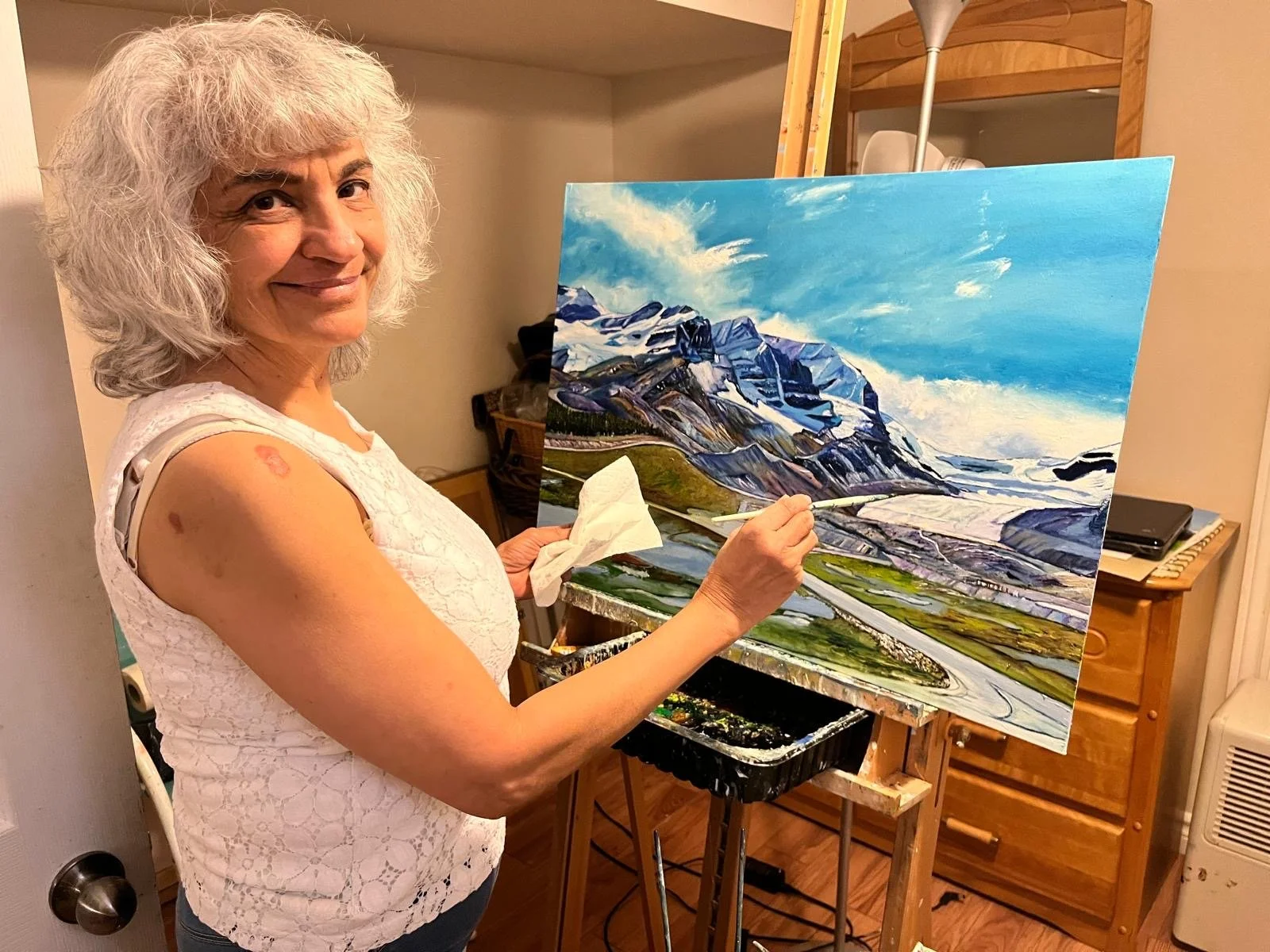
Painting to me has been a spiritual journey for over 50 years. I have to my credit more than 300 paintings of oils on canvas. My genre of art is photo-realism, expressionism and hyper-realism. I am particularly passionate about preserving Nature and my intention and purpose is to bring awareness to the beauty of the environment we live in so that we as human beings take action to preserve and appreciate all aspects of it:
Through portraits of people, birds and animals - I bring out the true essence of their personalities and immortalize their moments.
I express the beauty of the world through painting landscapes and monuments unaffected by the impurities of the environment we live in.
Florals and still life are a means for people to notice their intrinsic beauty. I see art as a medium to experience a communion with the Divine.
Fari, your artistic background unfolds across fifty years of practice during which painting became both a discipline and a spiritual inquiry. In the framework of modern and postmodern artistic discourse, how do you situate your trajectory as a self-taught artist whose formation arises not from institutional systems but from a sustained interior search for meaning and presence?
I am a self taught artist by choice. True expression should come from within without external influences. What is within the Self cannot be ‘taught’ it can only be recognized through divine guidance. A sustained and interior search for meaning and presence itself arises from a belief system one has developed within one’s inner self. For any genuine art and artist that is a basic foundation to build upon.
I say a ‘ developed’ belief system because one should base their beliefs according to how advantageously those beliefs are aligned with their inner Being, without being influenced by other persons or institutionalized systems. In fact this is a very great challenge to overcome and which determines how unique and extraordinary you eventually make yourself to be in any area of life. The more you stay away from organized systems the more unique your work is likely to be.
Your artistic statement asserts that reality belongs to Spirit and that art functions as the miracle that discloses this truth within the material world. How does this metaphysical position intersect with contemporary theories of representation in which the visible and the invisible are entangled, and how does your vision respond to the long-standing question of what an image is meant to reveal?
Most people think ‘reality’ is what their two eyes see. In fact it’s just the opposite. I believe ‘reality’ is what is inbuilt inside of you—only you can know your true self if you dive deep enough. In this context no two persons’ reality can be the same. The outside material world is only an illusion as it is impermanent and changes quickly. Also it is contaminated with external factors which are man made.
I will reveal my image of a particular situation according to my mind set and belief which may be the opposite of another given the same situation. In the metaphysical world only what is nudged to me by Spirit is real to me and I believe that is the most beautiful expression a person can bring forth into the material world if he trains himself to pay attention to it. To bring forth a miracle in the form of artistic expression one must have a miracle mindset. I am able to express ‘my’ reality, truth and inner beauty through art.
You often describe an epiphany moment that redirected your path toward painting as a form of revelation. Rather than a narrative of personal inspiration, can you describe this moment as a structural rupture, a point at which your understanding of vision, perception, and authorship shifted, allowing you to enter what you call the sacred dimension of creation?
The epiphany moment I experienced (without going into details of that story) revealed to me that there is a very beautiful existence beyond the veil and beyond what our physical eyes perceive. Our material world is contaminated and polluted by our own actions and deeds. The epiphany took me to a higher frequency and vibration which though instinctual at the time, I have now learnt to acknowledge and guide me in my journey of life. It indicated to me that to be honest and focused in my work I have to be ‘in the zone.’ It was as if I was looking through a crack in the veil into the other world of pure creation—a world which is not limited by rules and regulations, should and Should-nots.
Your process begins with meditation and visualization, an internal rehearsal in which the subject becomes what it should be rather than what it empirically is. In light of theories that challenge the neutrality of the image, how do you understand this act of prefiguration as a strategy that destabilizes the boundary between observation and invention?
What I observe I preserve and then build upon it according to my truth and perception. When you bring yourself to a quiet space and remove all distractions your imagination brings to you the ‘reality’ of how beautiful something is meant to be whether it is a person, nature ( particularly trees, birds and animals) and even man made monuments free of pollution and environmental exigencies. I am able to express the essence of their souls. That to me is spiritual reality as compared to materialistic and physical reality. No amount of skillful invention can replace the power of imagination.
Your genre of work occupies an intriguing position between photorealism, expressionism, and hyperrealism, refusing to fully submit to any single category. How do you negotiate the tension between indexical fidelity and expressive transformation, and what does this hybridization reveal about your conceptual understanding of realism in the twenty-first century?
My greatest challenge is to maintain balance between photo realism, expressionism and hyper realism. It is like working through a conflict resolution to convey and convince the viewer that what they are seeing with their two eyes is not the real one; what is real is the one which is being presented to them through my work in its beautiful essence by my Spirit. Spirituality is ‘science made profound’. It is recognition of the same subject from a higher perspective and beauty. My divine duty is to express myself irrespective of what is the trend or the ‘in thing’ to do for the market. Talent is a gift from the Universe and to make use of it is your gift back to it. I am paying my rent for the life given to me on this planet.
Detail in your work is not merely descriptive but becomes a site where meaning accumulates. In your attempt to render the soul essence of your subjects, how do you theorize the function of detail as an instrument of revelation rather than of documentation, and how do you determine which details become portals into a deeper truth?
Details in my work are instinctual—this may sound contradictory but the details which first come out of my brush strokes are the instinctual and genuine ones. With too much refining, artificiality creeps in. That’s why I work with my bare hands and the traditional brush on the canvass devoid of any ‘techniques’ or technology or prior knowledge of the ‘how’. Technology, techniques, knowledge, experience are merely tools.
I believe that true creation arises when the artist is ‘possessed’ by the creative force and lets the inner self flow out. It is a union with the Divine, with the mystical and the unknowable. Only then it can be a blessing to others and a contribution to the world. This inner belief in me infuses a unique voice and honours my journey into hyper-realism.
I describe this as my ‘Spiritual Nature Essence.’
As an advocate for the timeless nature of art, I proclaim, “All passes, only art endures,” a belief deeply embedded in my vibrant creations.
Through each brush stroke, I manifest ‘the miracle’ that connects our material existence to the spiritual world. The key is to abandon oneself to the energy that fuels the birth of all things. This energy has no form or structure, yet all the forms and structures come out of it.
Your use of vibrant colour has the effect of releasing the subject from its literal condition and placing it in an intensified perceptual field. How do you conceptualize colour as an agent of spiritual charge, and in what way does colour function as a structural counterpoint to the photographic precision of your forms?
I have an inner calling and urge to beautify the already beautiful world. The purpose is to get people to notice even what appears ‘ordinary’ to the common man and provide him the extraordinary vision and perception to see the same subject in a new light. This gives me the inspiration to use vibrant colours and intricate textures on my canvases which can never go unnoticed and at the same time retain the photographic precision of my forms.
Birds, animals, and natural environments occupy a central position within your practice. When you approach these subjects, do you see them as extensions of your own spiritual journey, or as independent presences that require you to shift your mode of looking? How does this relationship inform the ethical and ecological dimension of your work?
My creations are an attempt to explore the beauty, sensitivity and more importantly the need to reflect on and take care of Mother Nature.
I invite people to recognize and embrace themselves as an honoured member of the family of life. The flow, power, grace and wisdom you see in the natural world, is a great reflection of qualities carried within your own Self. They may be interpreted and appreciated based on your own perceptions but if through the process of creation I can touch your heart then I am sufficiently rewarded.
Your commitment to preserving the environment is inseparable from your artistic vision. Within the broader conversation about ecological aesthetics, how do you imagine the role of the painter who seeks not merely to represent nature but to activate consciousness and responsibility in the viewer? What form does this agency take on the canvas?
I think all artists should not work only with the goal of ‘making money’ off of their art. Of course as artists we deserve to be rewarded financially for our work and to be able to make a living out of it. It is every human being’s birthright. However it is very important to maintain a balance by contributing part of the proceeds towards environmental change and preservation of beauty. As a matter of policy a percentage of my proceeds go towards charities working for the cause of preserving nature, specially trees, birds and animals. My canvasses have raised thousands of dollars for various charities across the globe. I believe all art must have a purpose; only then it’s an activation of the consciousness and responsibility in the viewer.
After decades of artistic labor, you continue to work with unwavering spiritual intent. As you reflect on the motivations that sustain your practice, what challenges do you encounter in reconciling the contemplative demands of your process with the accelerated tempo of contemporary life? How do you envision your work evolving as both an artistic and a spiritual practice in the years ahead?
Spiritually I see my work continue to evolve with unwavering resolve as Spirit is not restricted to time and space. My belief gives me the courage to continue irrespective of whether I receive rewards from the world. If you chase something, how do you expect it to follow you?
Generally for all artists the biggest challenge I foresee is the advent of AI. It is bringing artificiality into the very core and soul of our existence. Not only painters, but writers and other genuine creators are struggling to be ‘recognized’ for their uniqueness and becoming a victim of ‘sameness’.
Remember when you are viewing art you are viewing something more than an object.
You're appreciating hundreds of hours of errors and experimentation.
You're recognizing years of frustration and moments of pure joy.
You're not just contemplating one thing; you’re understanding a piece of a heart, a piece of a soul... a small piece of someone else's life.
However the good side of this is that pure and genuine hand painted works like mine are likely to become scarce and the rarer it becomes the more demand there will be for it by art collectors and appreciators in the world as well as those looking for art as a transformative therapy. Art can bring many blessings and transformative evolution by appreciating it and encouraging artists to give and share of themselves with the world.
And to all artists:
Remember, your talent is not just for you but a gift to the world. You are opening doors to a creative journey that will not merely explore your talent but also give it a tangible form, producing works that are unique to you. Your creation is whole in itself and cannot be compared to or in competition with another.
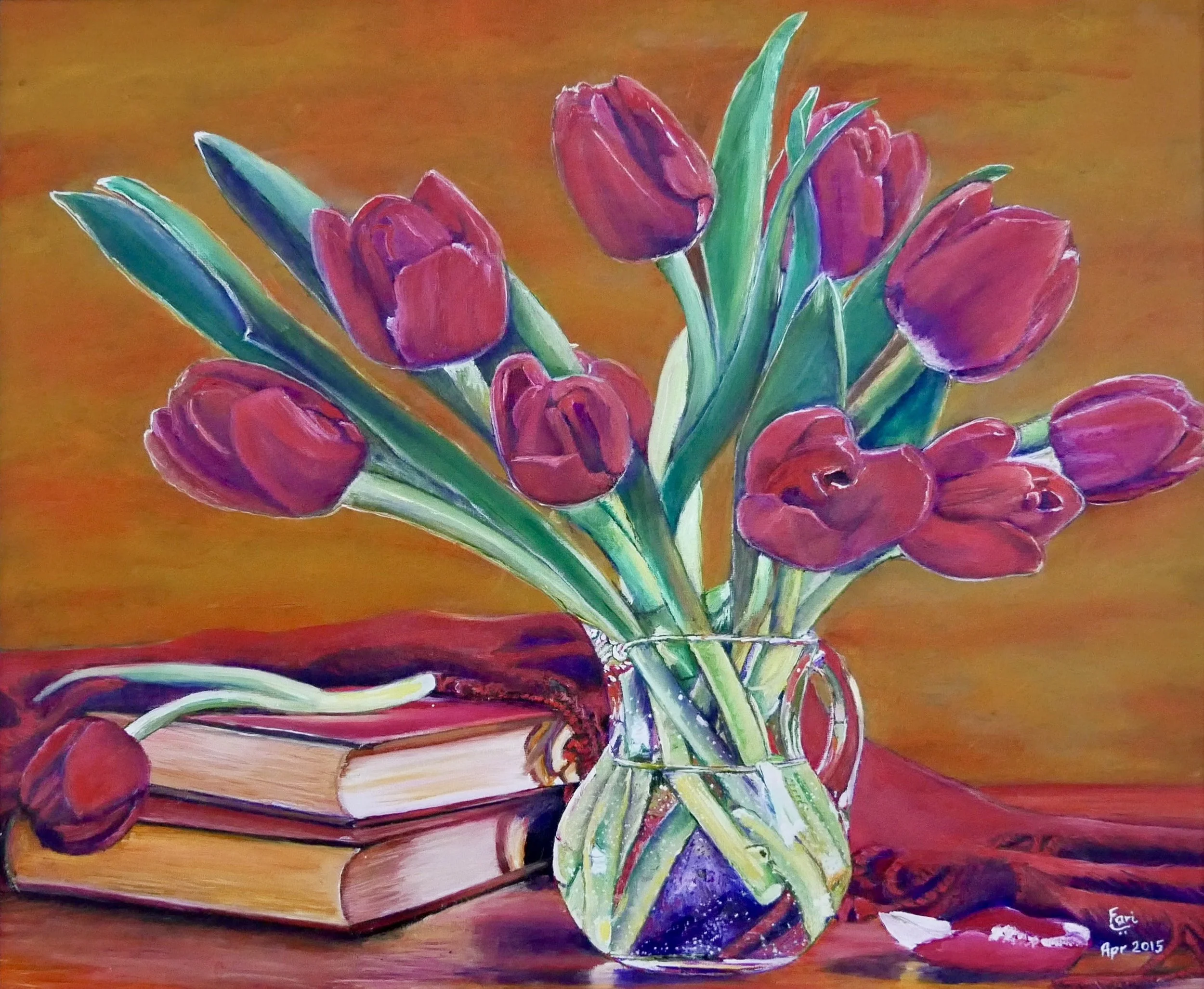
Booming Red Tulips
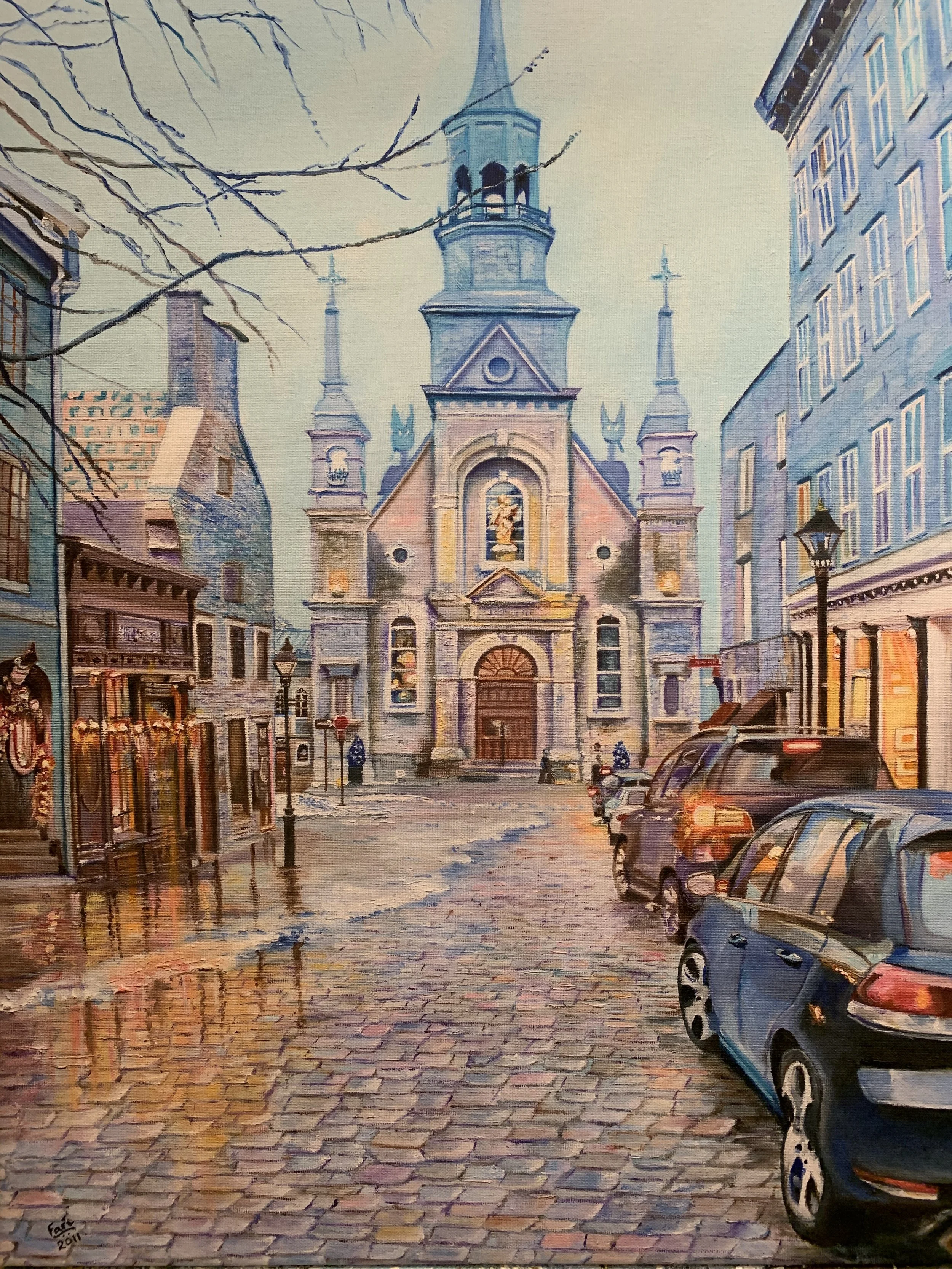
Chapel in Montreal
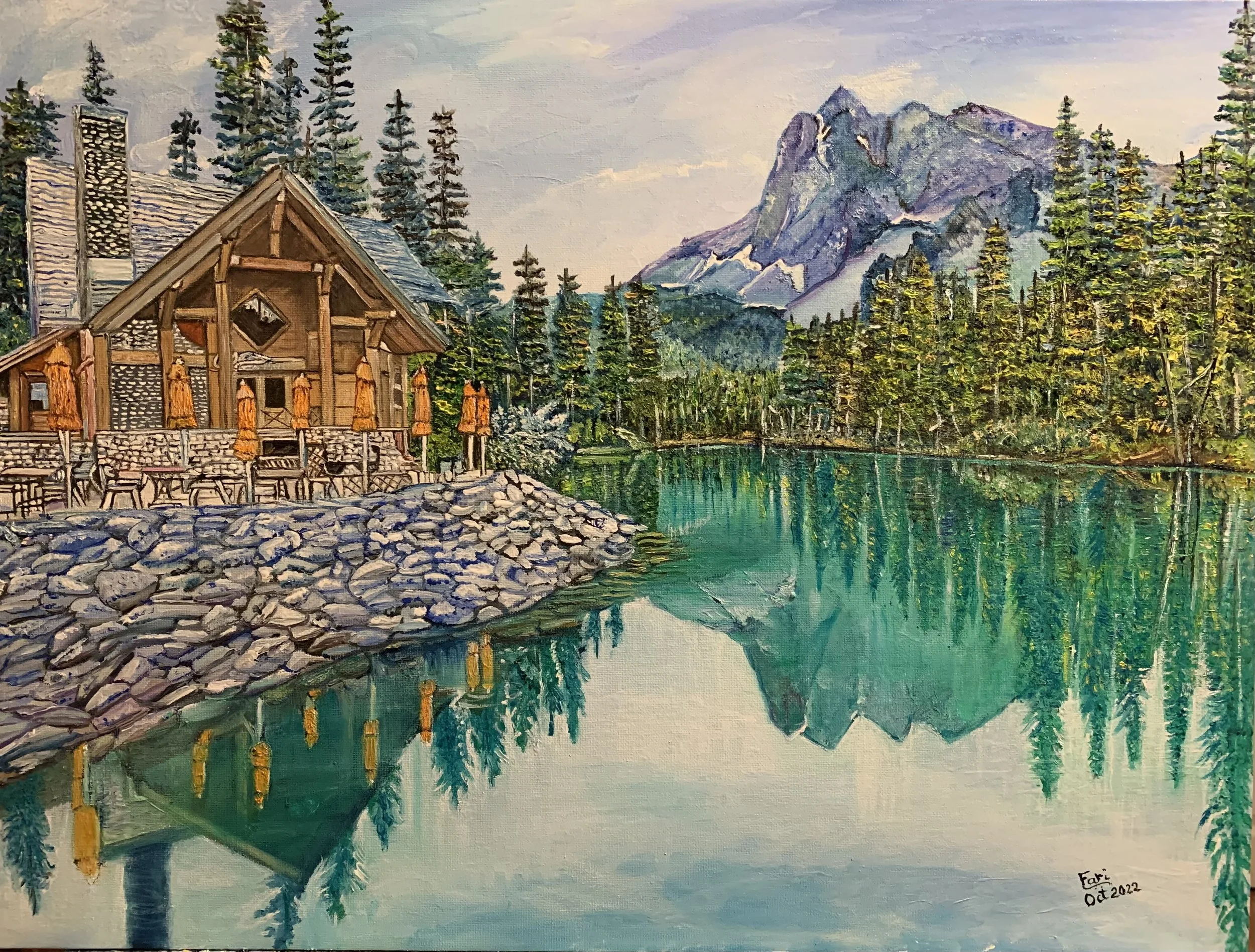
Emerald Lake
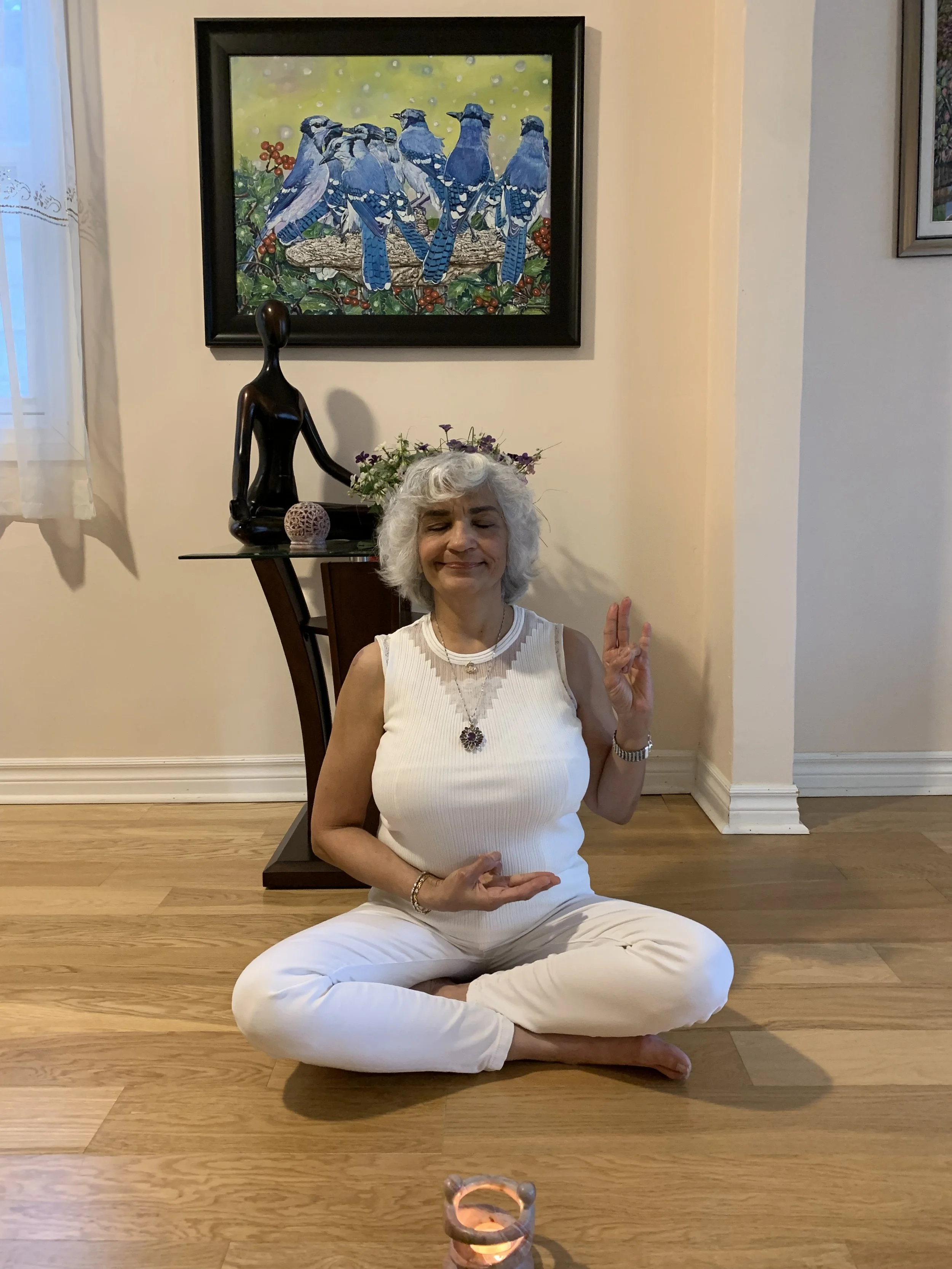
Fari in Studio
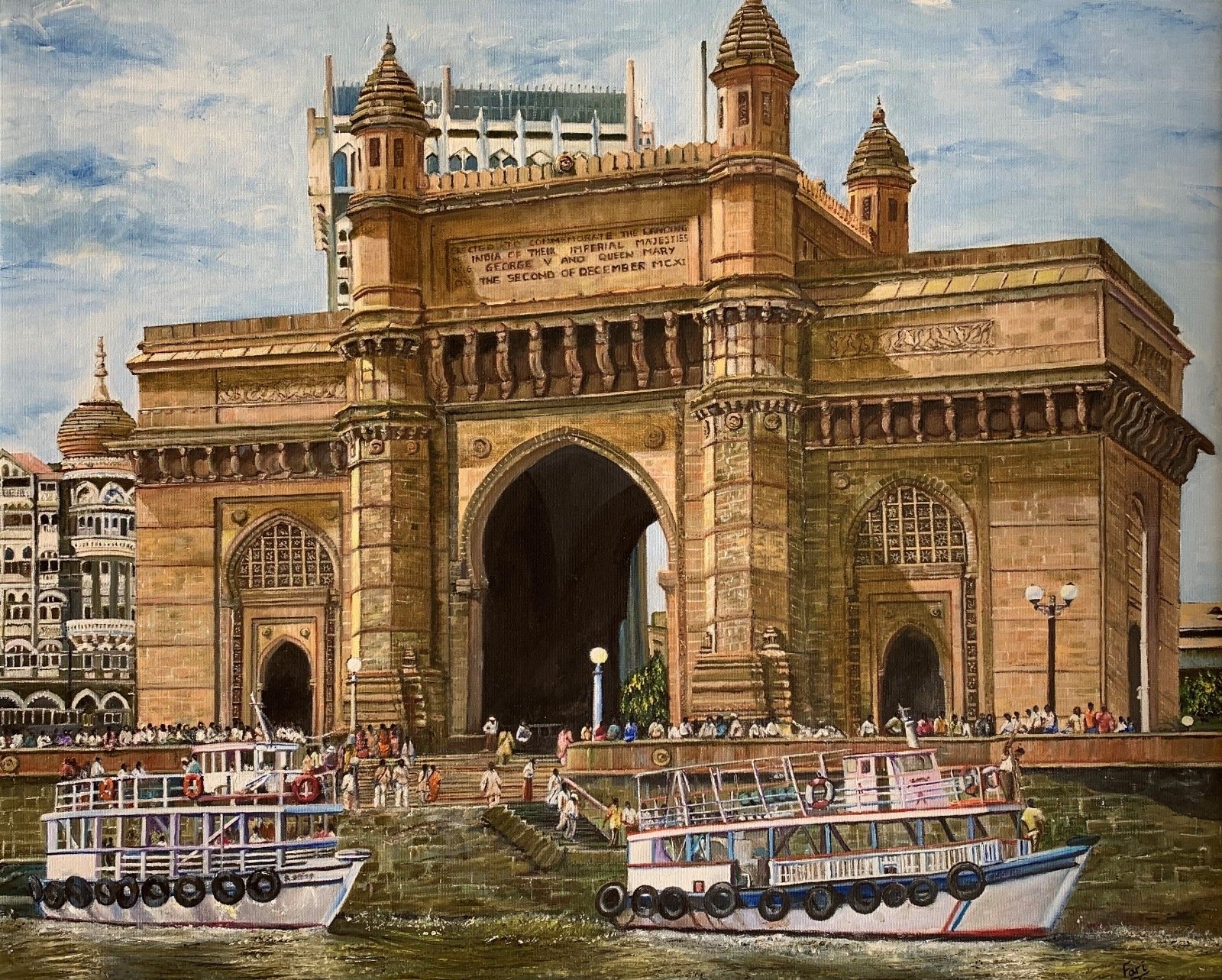
Gateway of India - Mumbai

Hyper realism
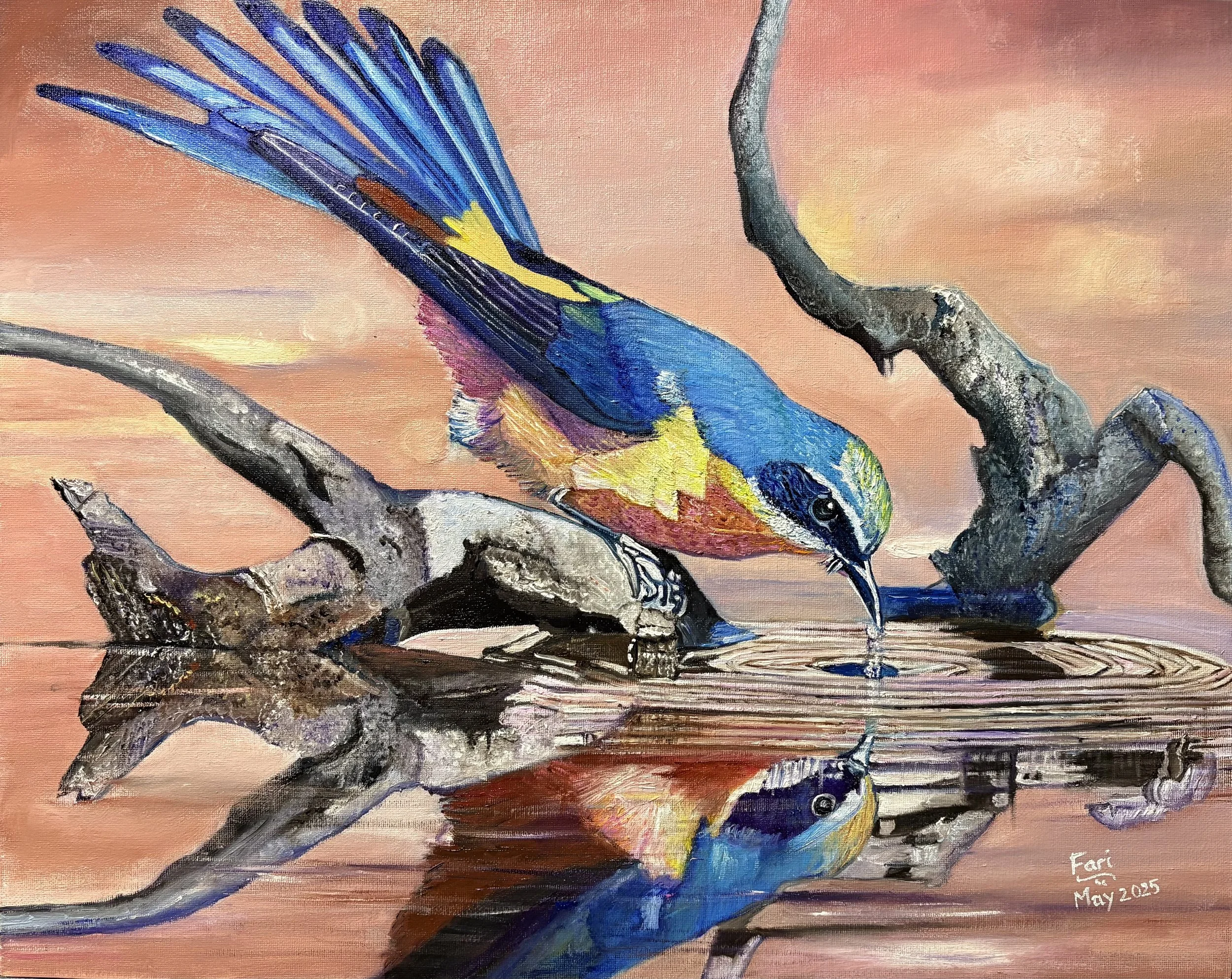
Little Bee Eater
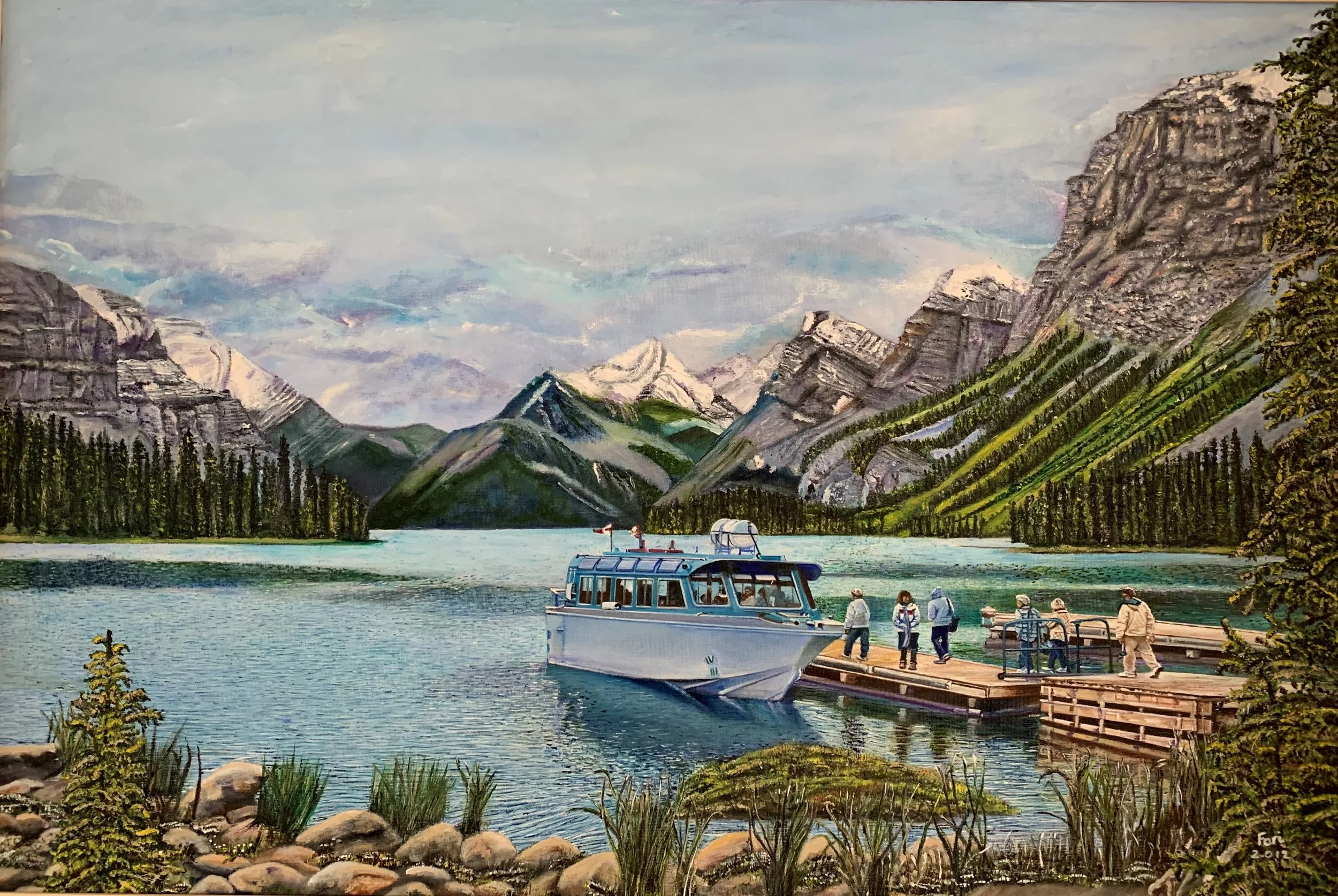
Maligne Lake - Alberta
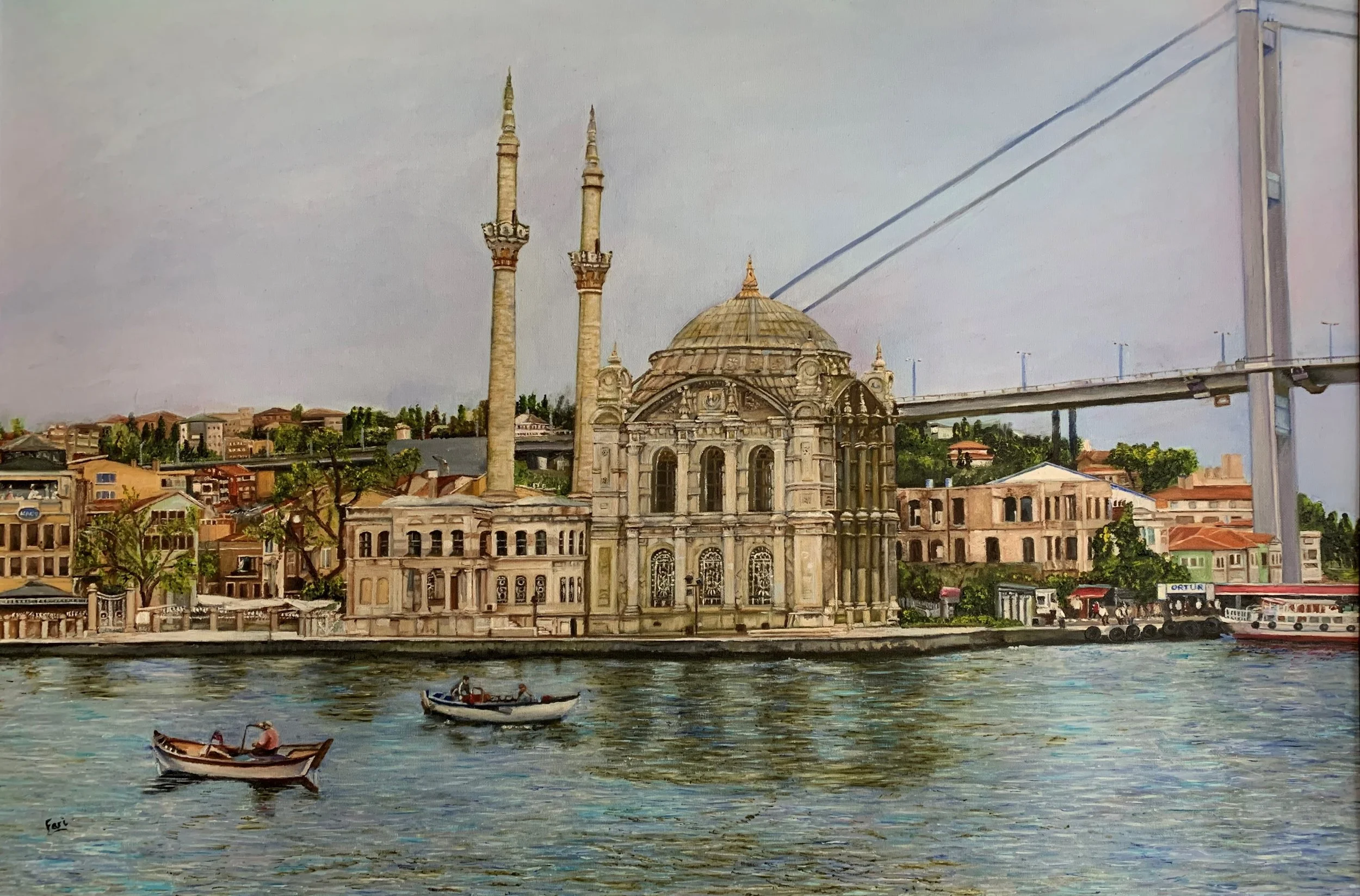
Mosque in Turkey
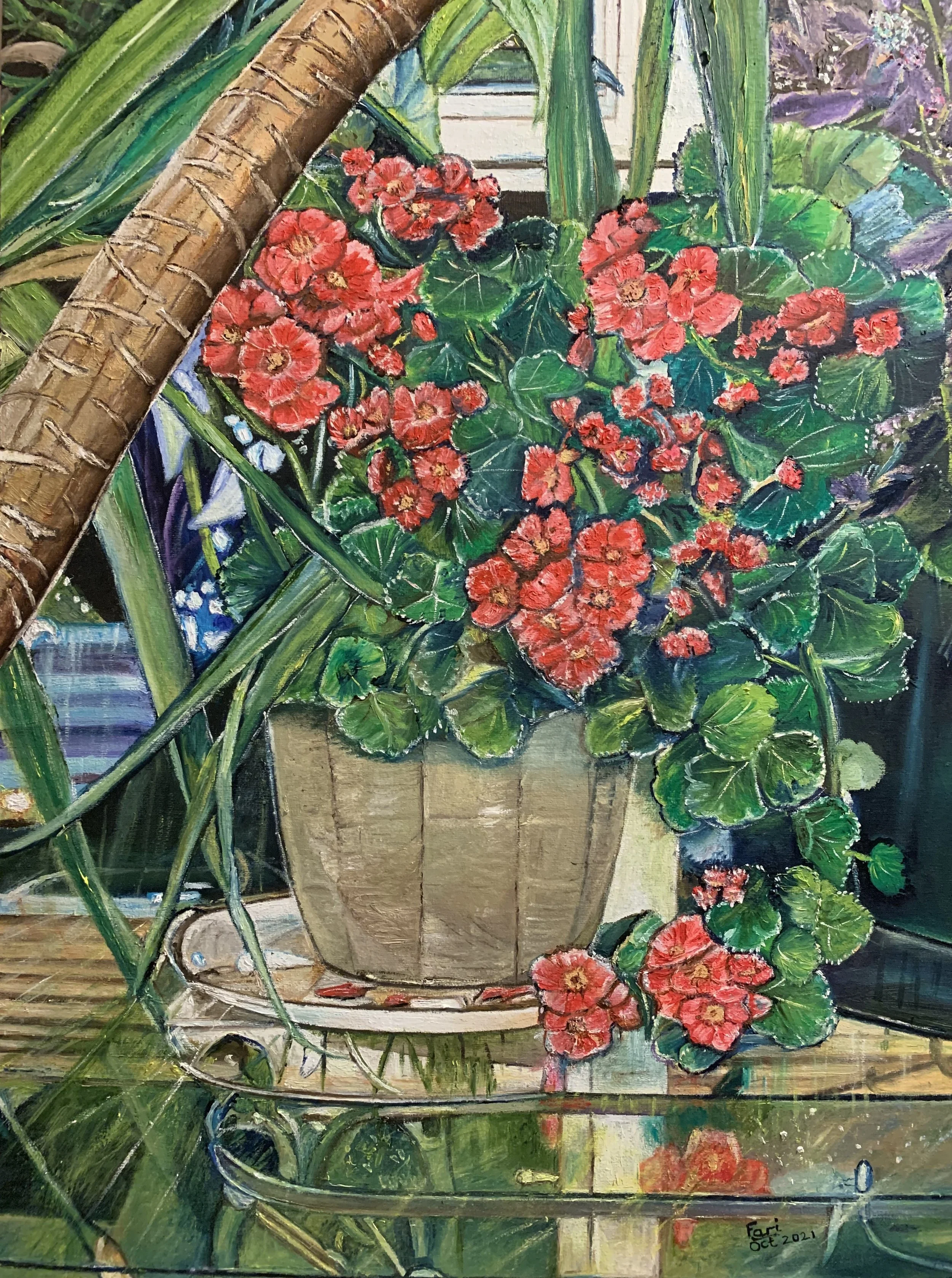
Red Floral Reflected
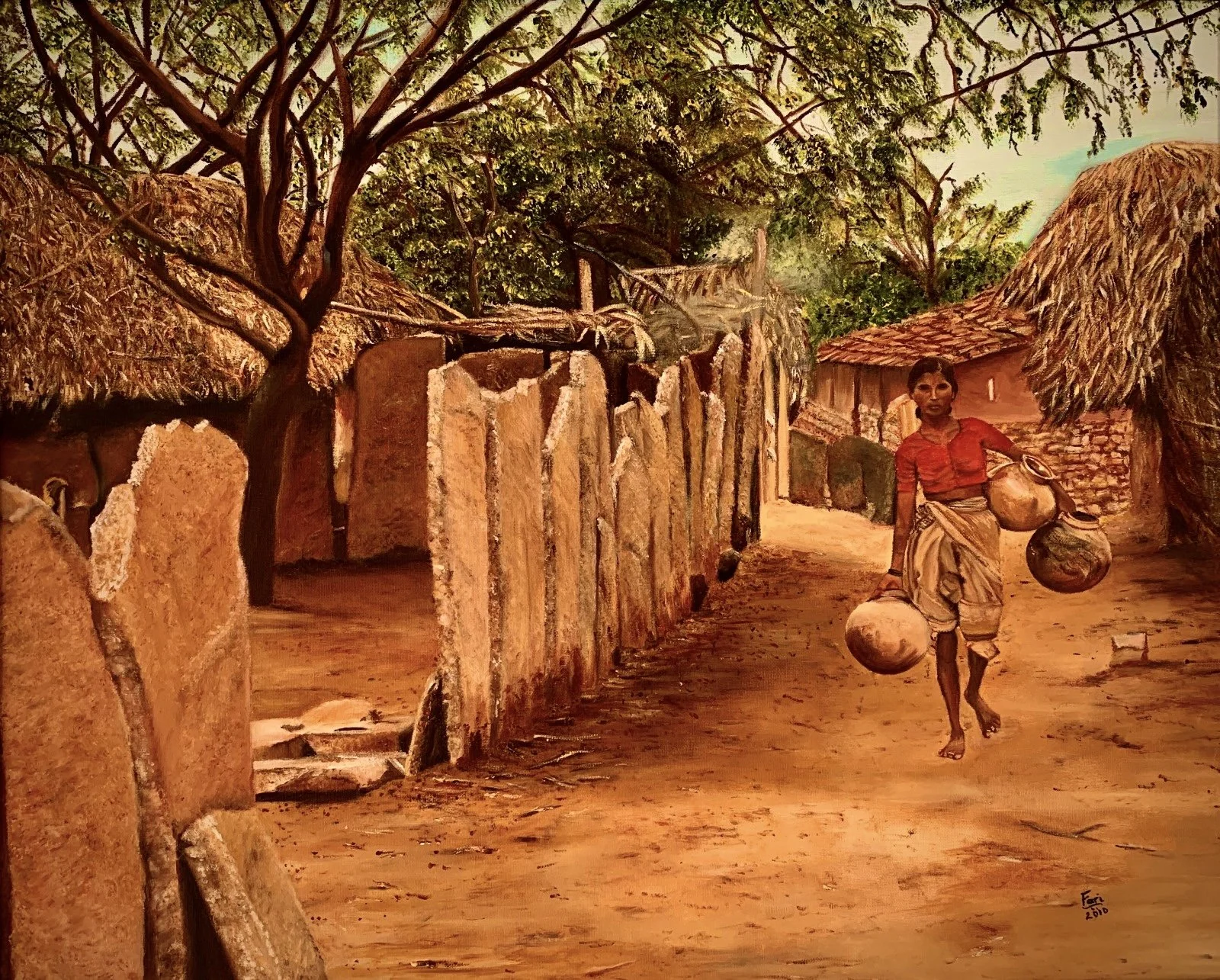
Simplicity - Rural India
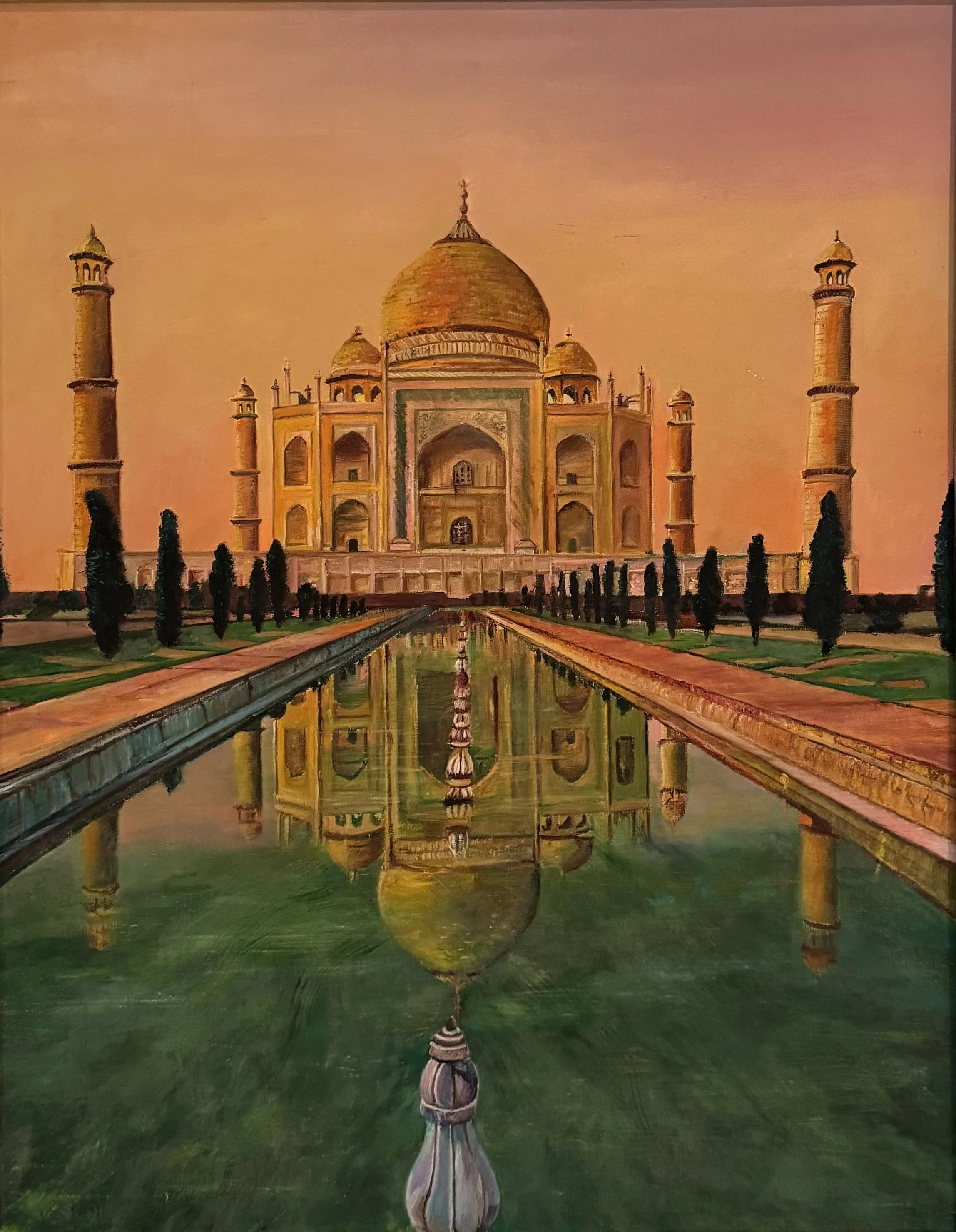
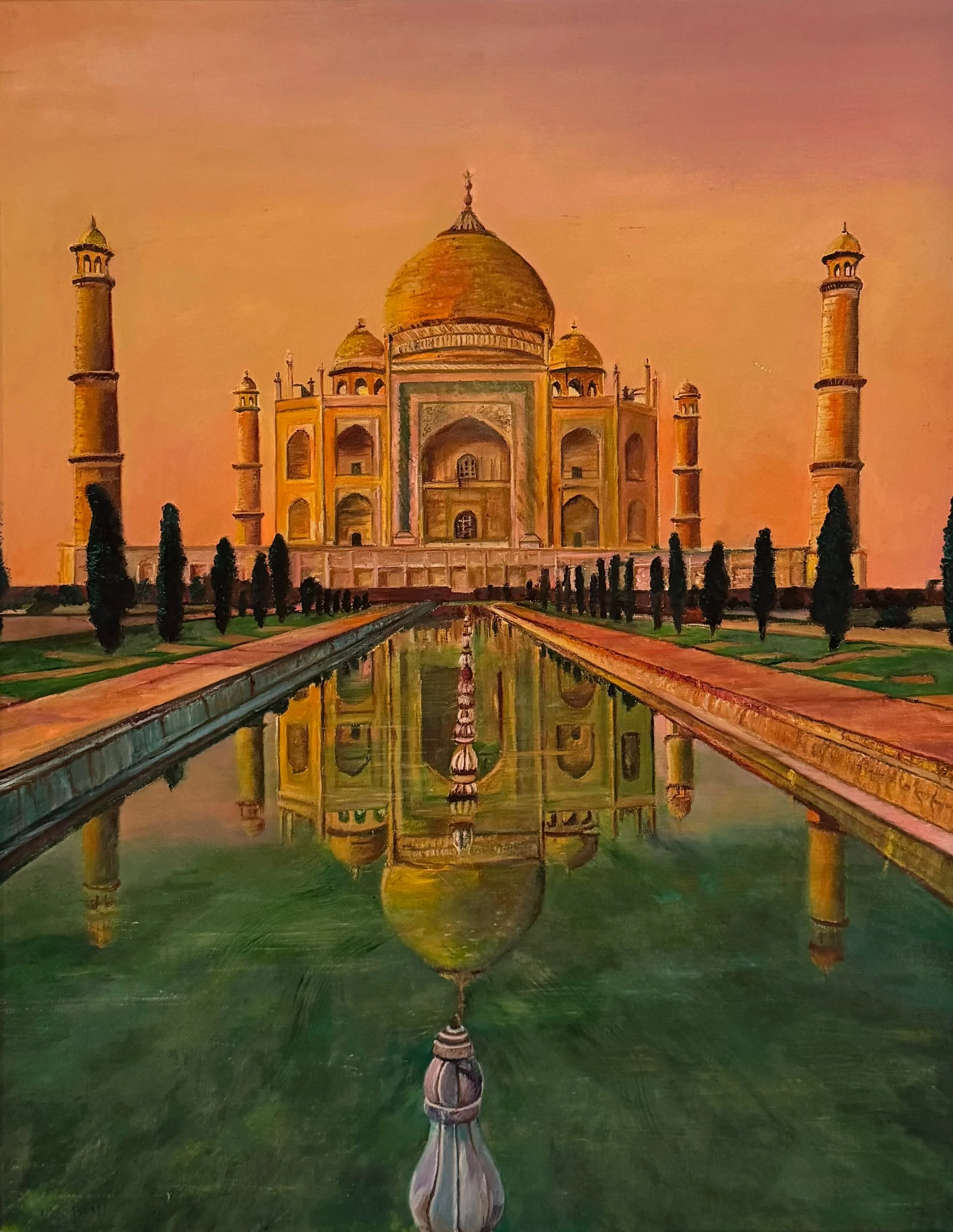
Taj Mahal in evening glow - India
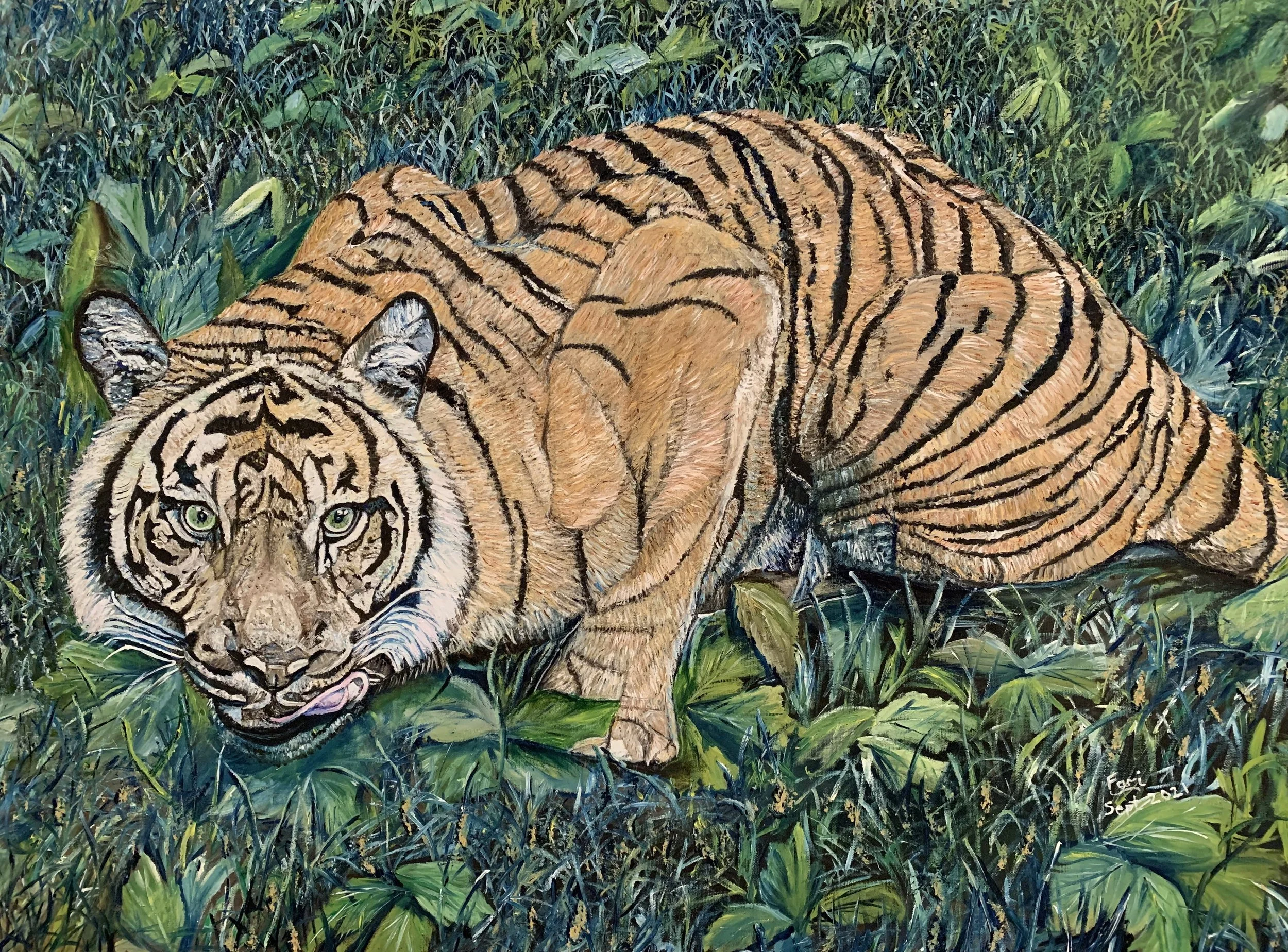
Tiger in Toronto Zoo
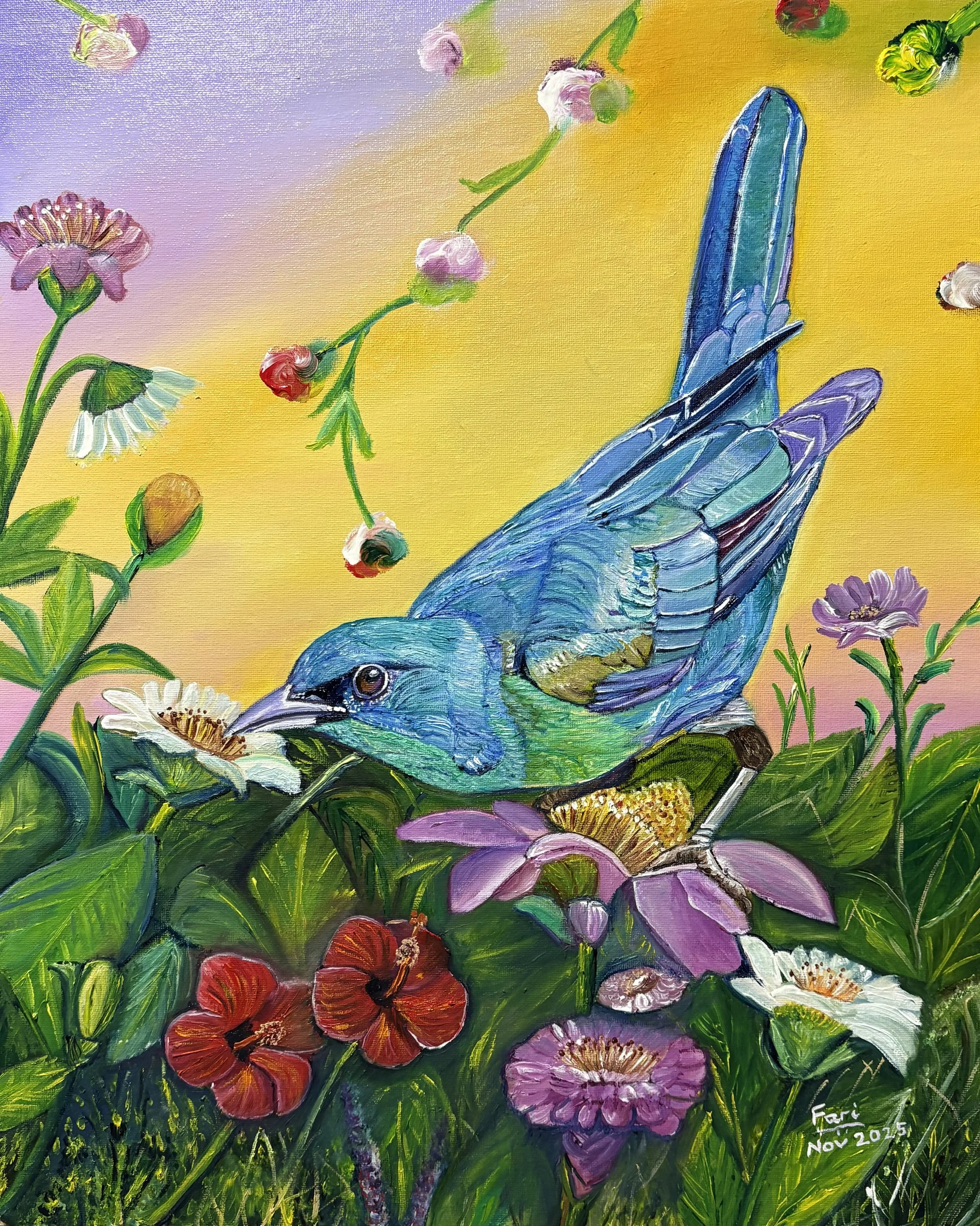
Turquoise Honey Creeper