Interview with Simone von Anhalt
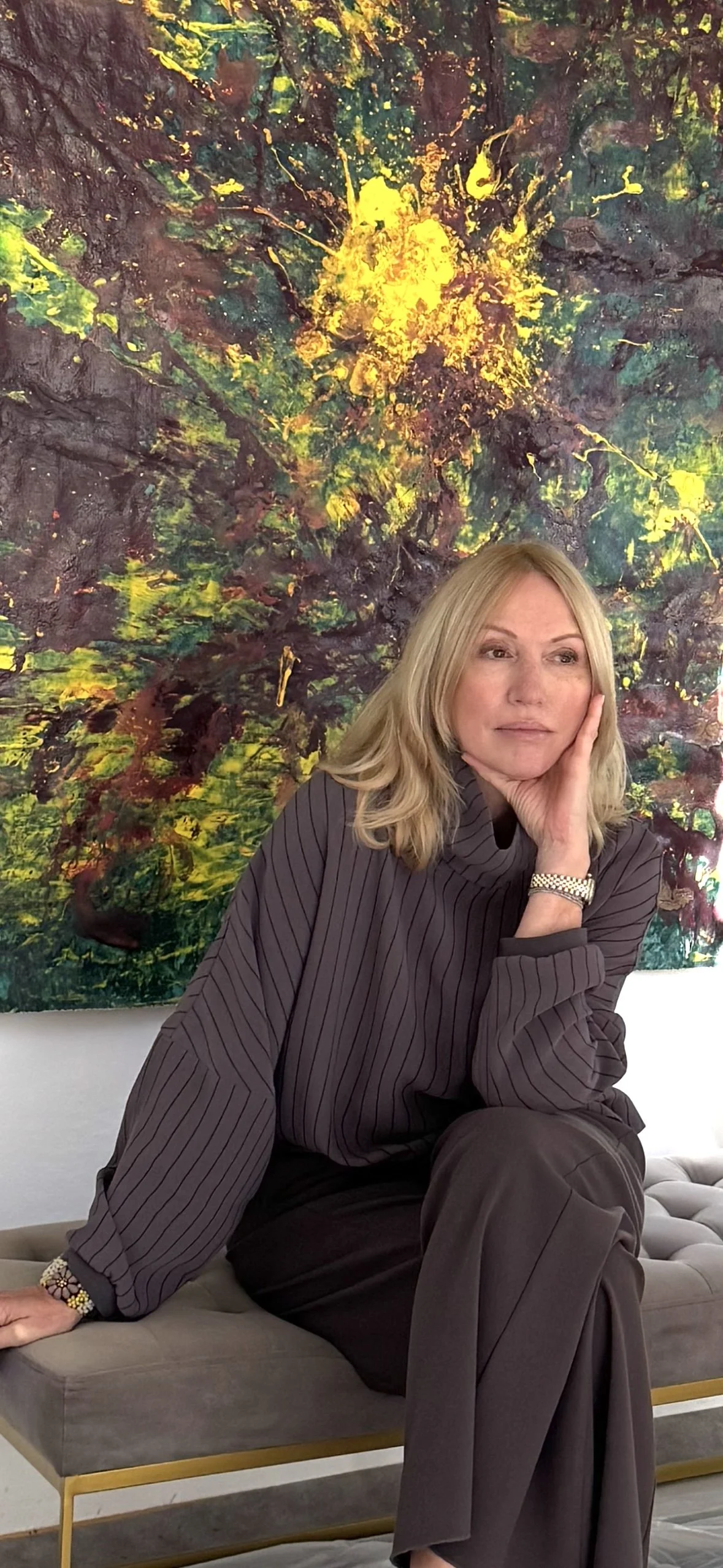
Hello, my name is Simone von Anhalt.
I believe art represents the highest form of human expression. It captures what words alone cannot hold: the essence of our experiences, dreams, and emotions. Art challenges perception, sparks inspiration, fosters connection - and reveals how fundamentally intertwined we are.
Simone, your practice articulates art as a source of well-being, balance, and affirmative energy at a historical moment when contemporary art often defines itself through critique, rupture, or destabilization. How do you theorize affirmation as an intellectually serious position rather than a retreat from complexity, and what risks does such a position entail within contemporary discourse?
Art does not always have to destabilize to be effective. It can also stabilize, and precisely therein initiate transformative processes. For me, affirmation is therefore not a retreat from complexity, but a different, perhaps quieter, yet no less reflected way of engaging with it. It takes the psychic and social conditions of our present seriously - overstimulation, acceleration, anxiety - and responds not with further escalation, but with stillness, clarity, and resonance. In this sense, I understand my work as a practice of conscious deceleration and an engagement with the depth of perception.
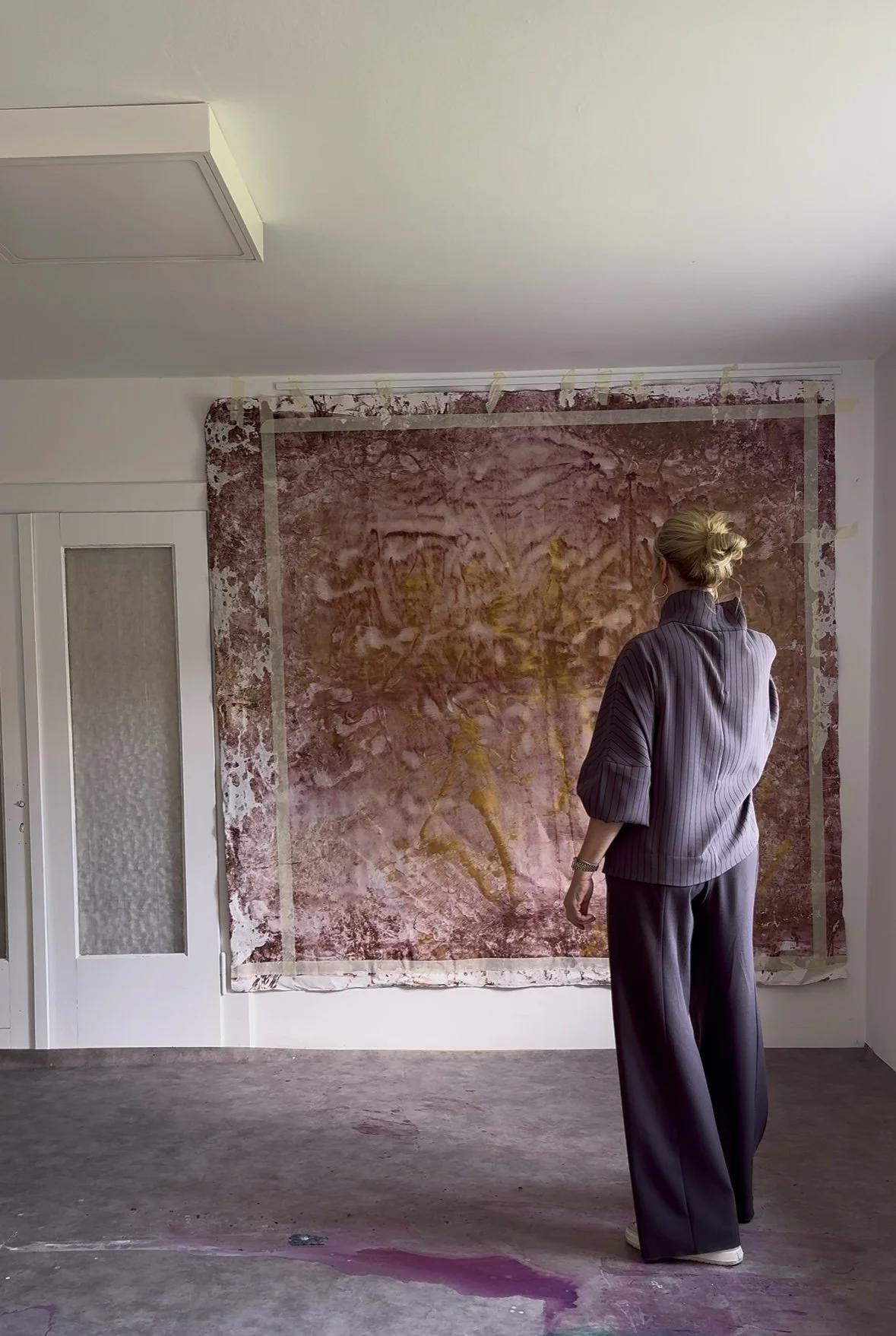
You describe your creative process as unfolding in deep solitude, yet your works are ultimately intended to inhabit lived environments such as private homes and intimate interiors. How do you conceptualize the transition from an inward, private act of making to a public or semi-public condition of presence, and how does authorship shift once the work begins to shape another person’s daily emotional landscape?
My paintings do not explain or claim anything. They do not operate through discourse or unambiguous meaning, but through presence. In this respect, their status shifts when they transition into a private home. A work that is initially an expression of my inner perception becomes a resonant realm for the subjective experiences of others. Authorship does not dissolve in this process; rather, it becomes relativized. The work enters into a relationship; it becomes part of an everyday emotional landscape in which it integrates and is allowed to take effect.
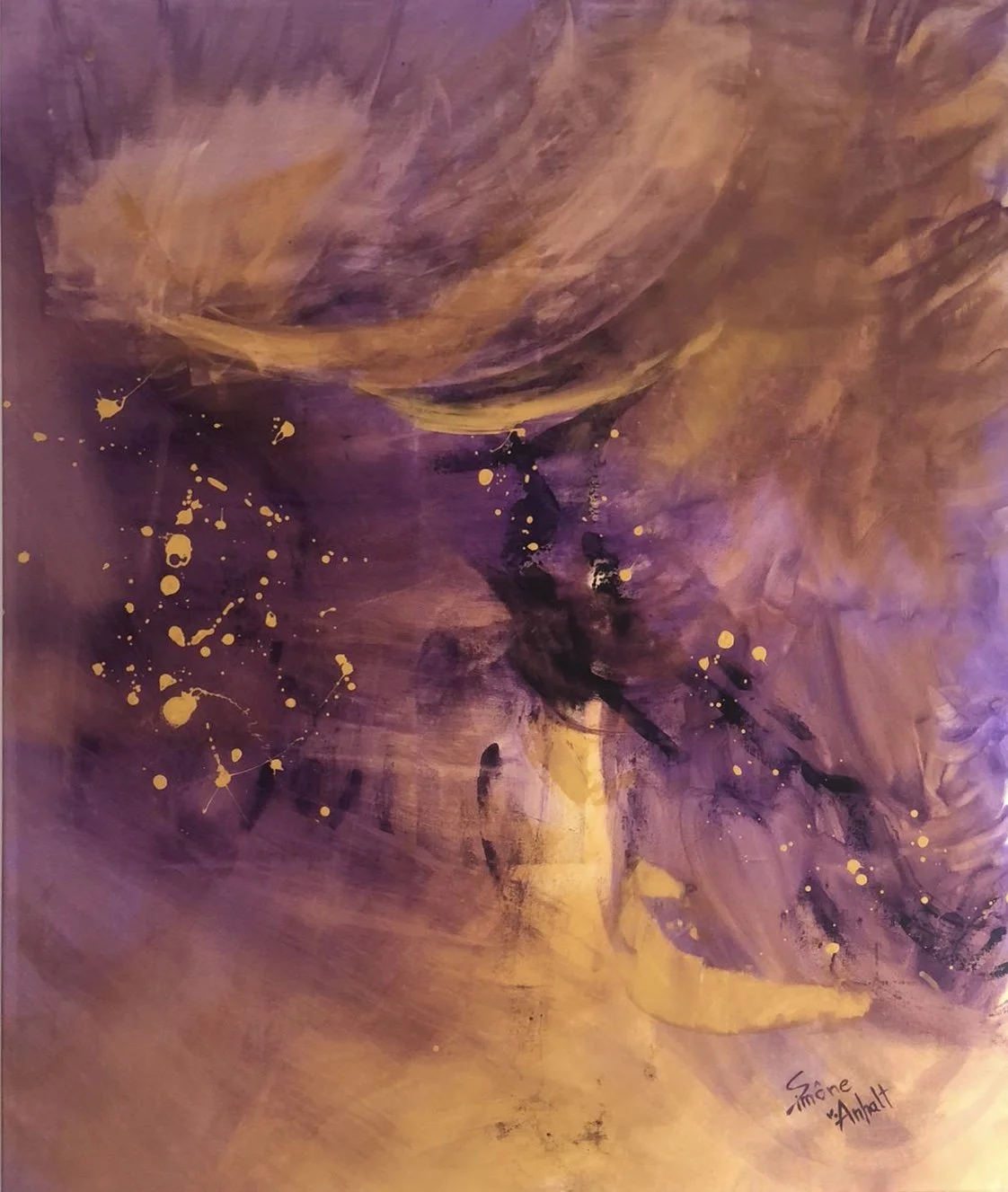
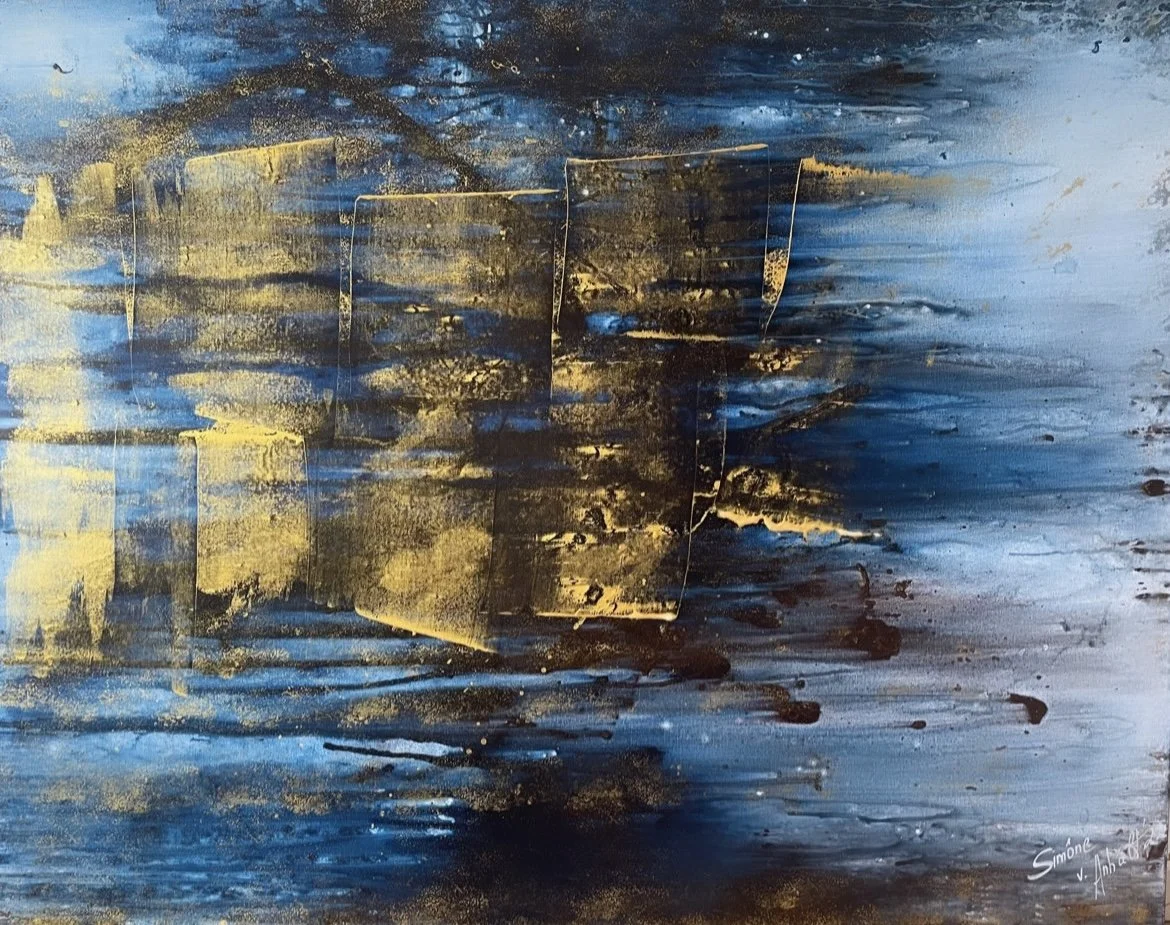
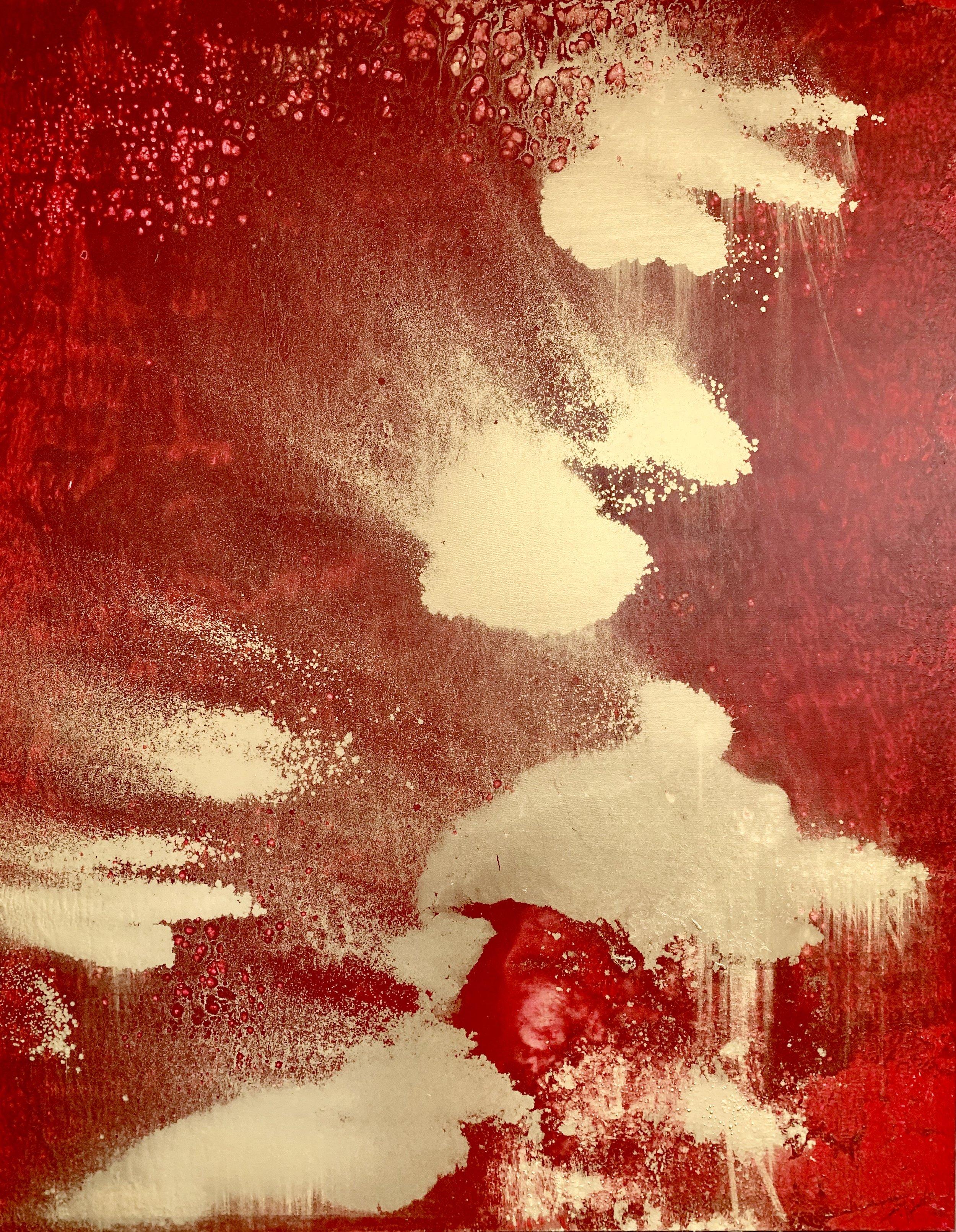
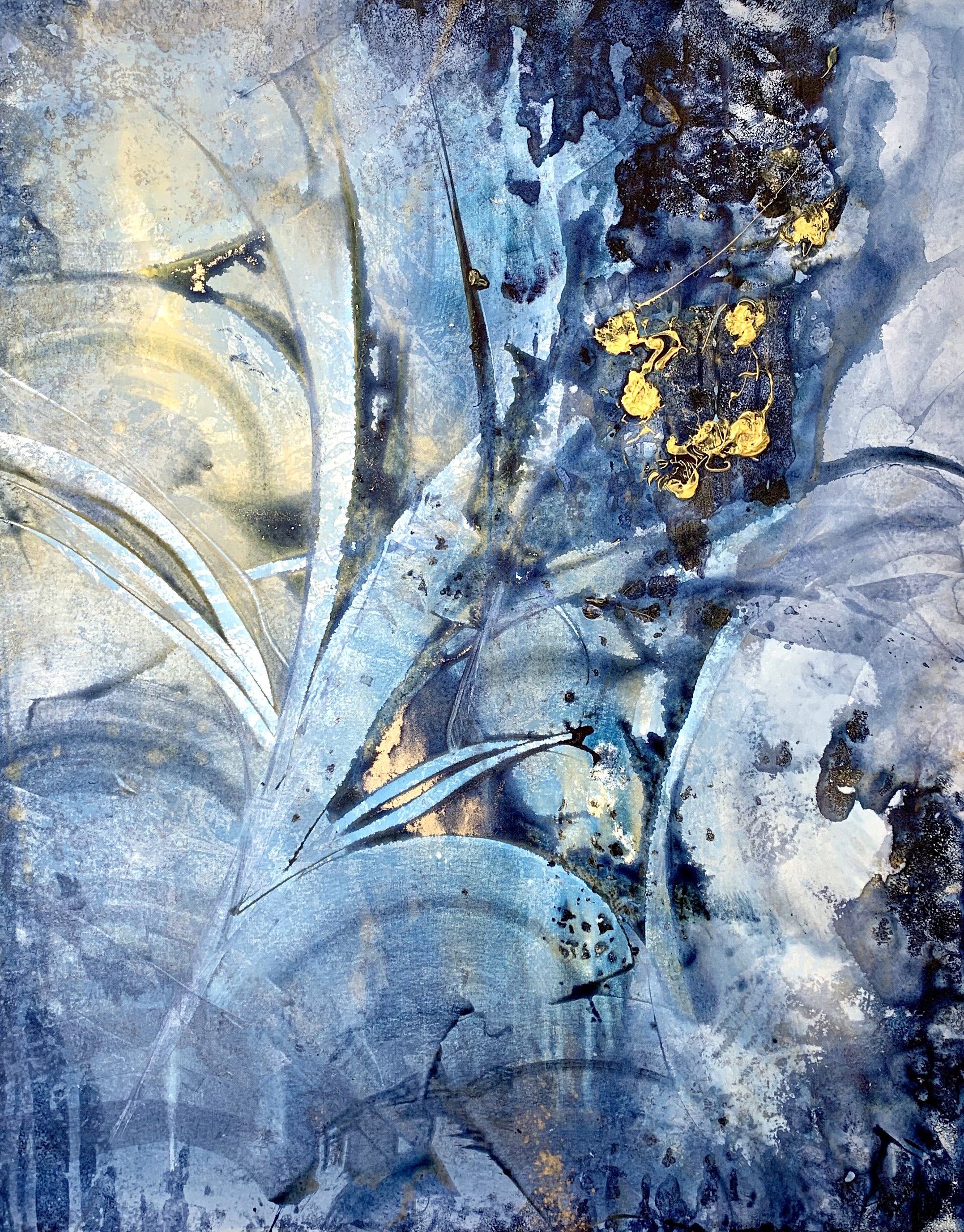
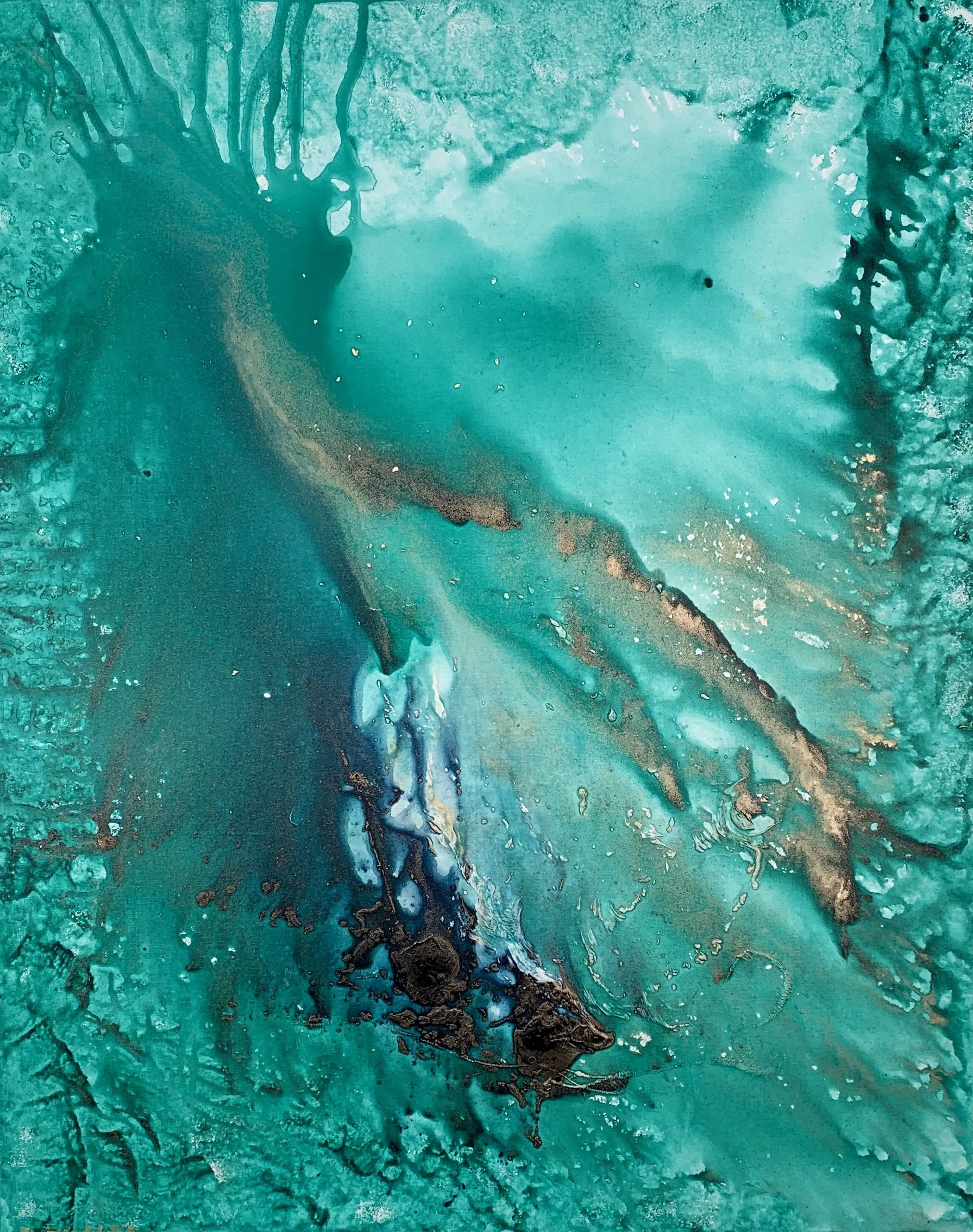
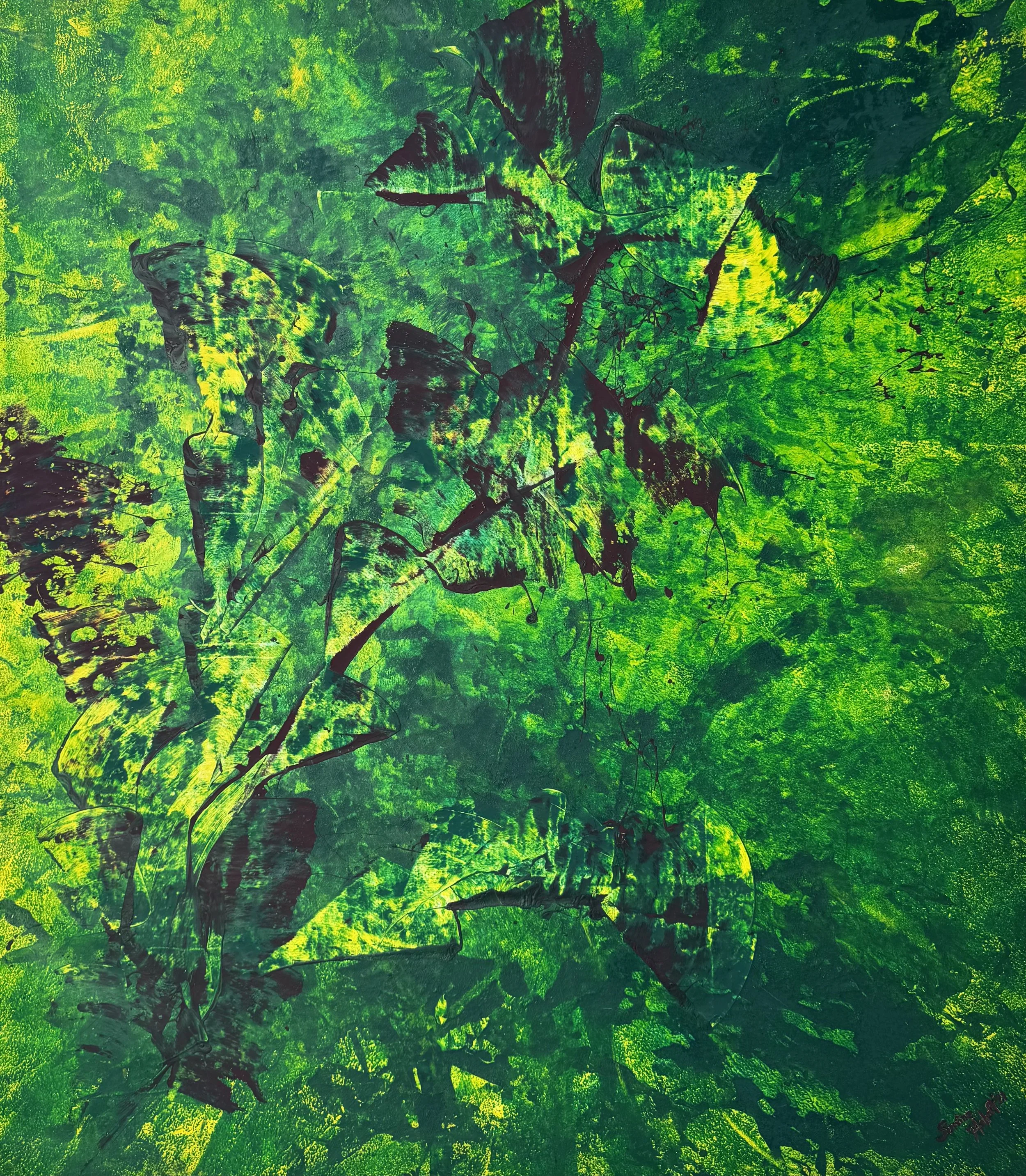
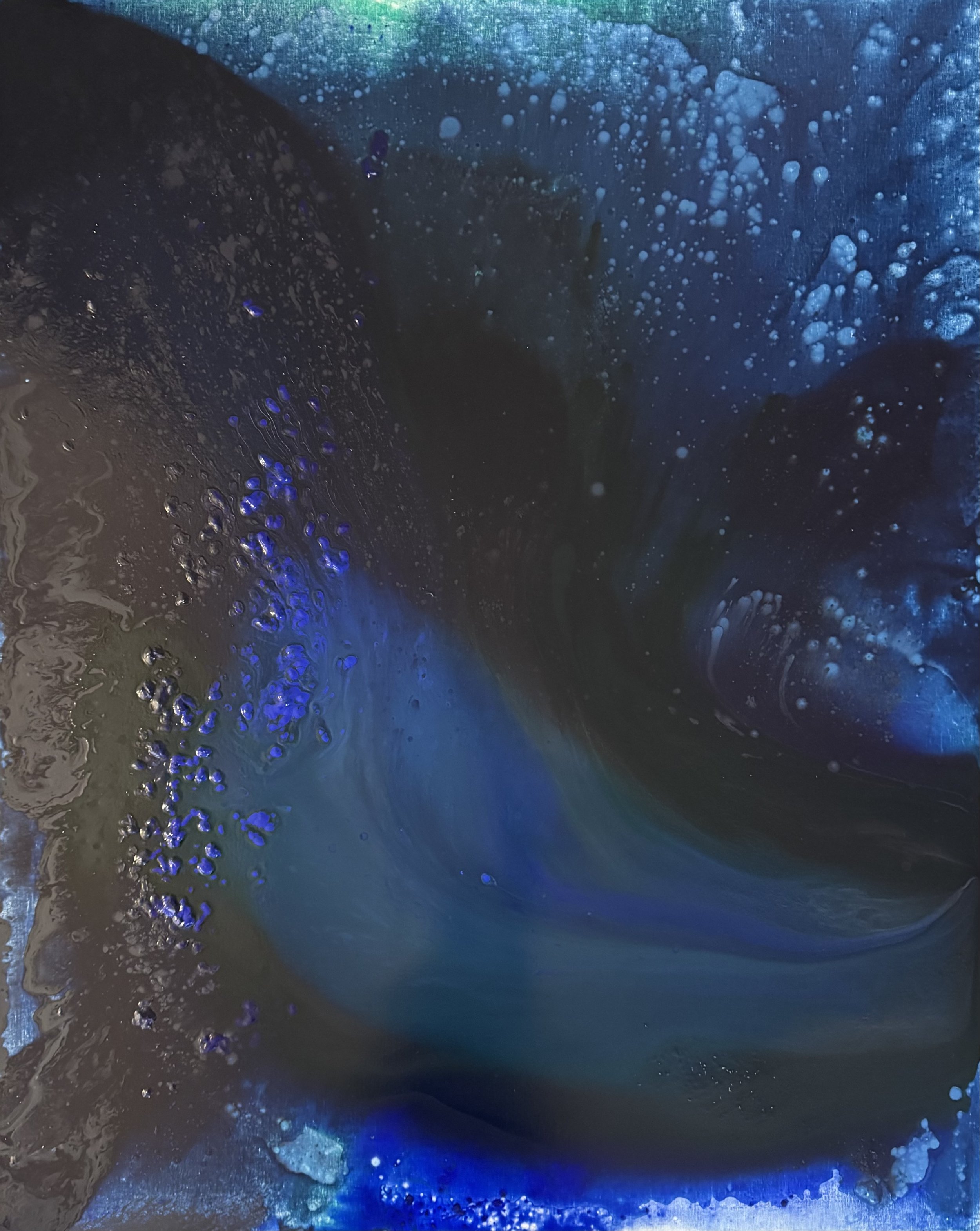
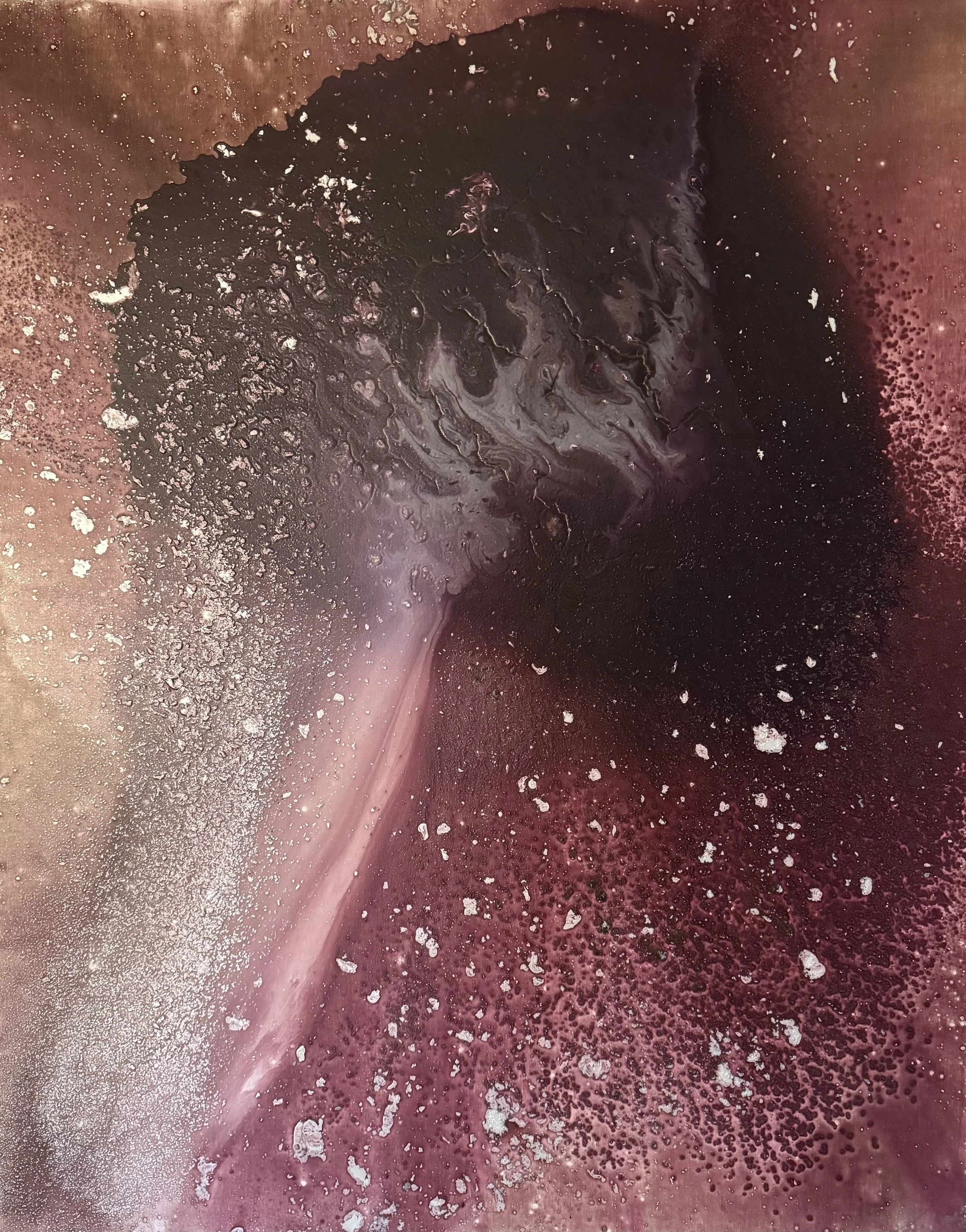
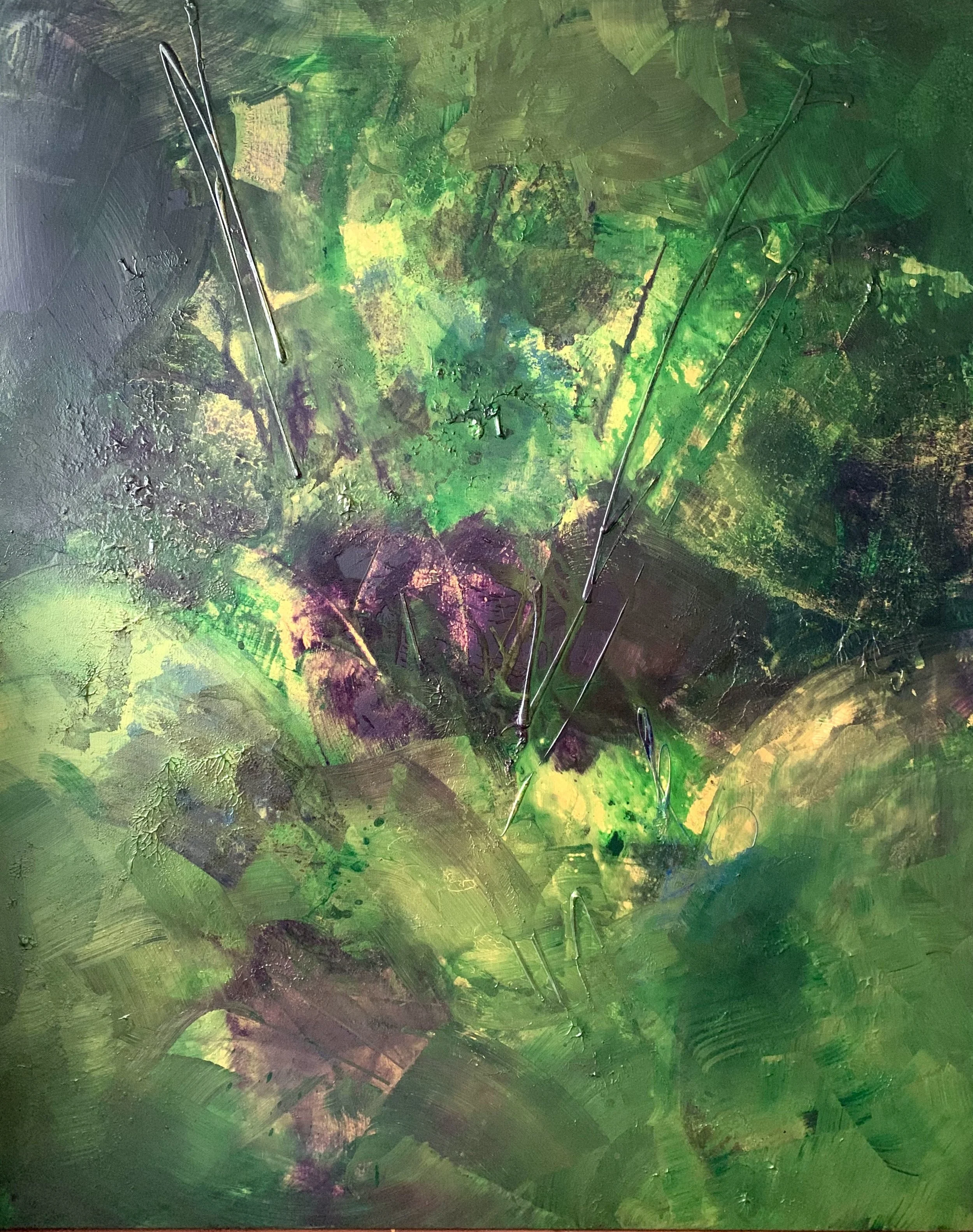
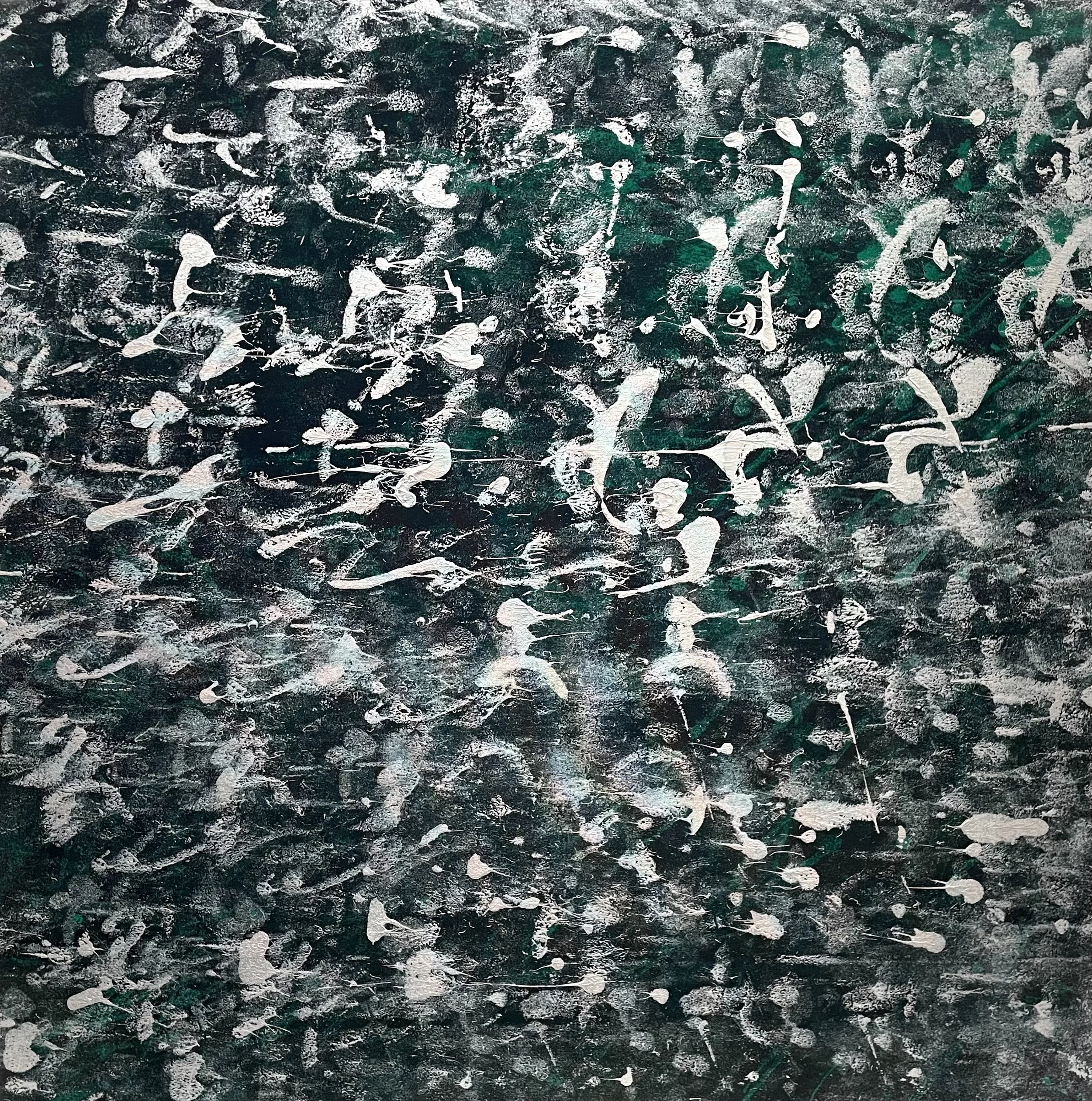
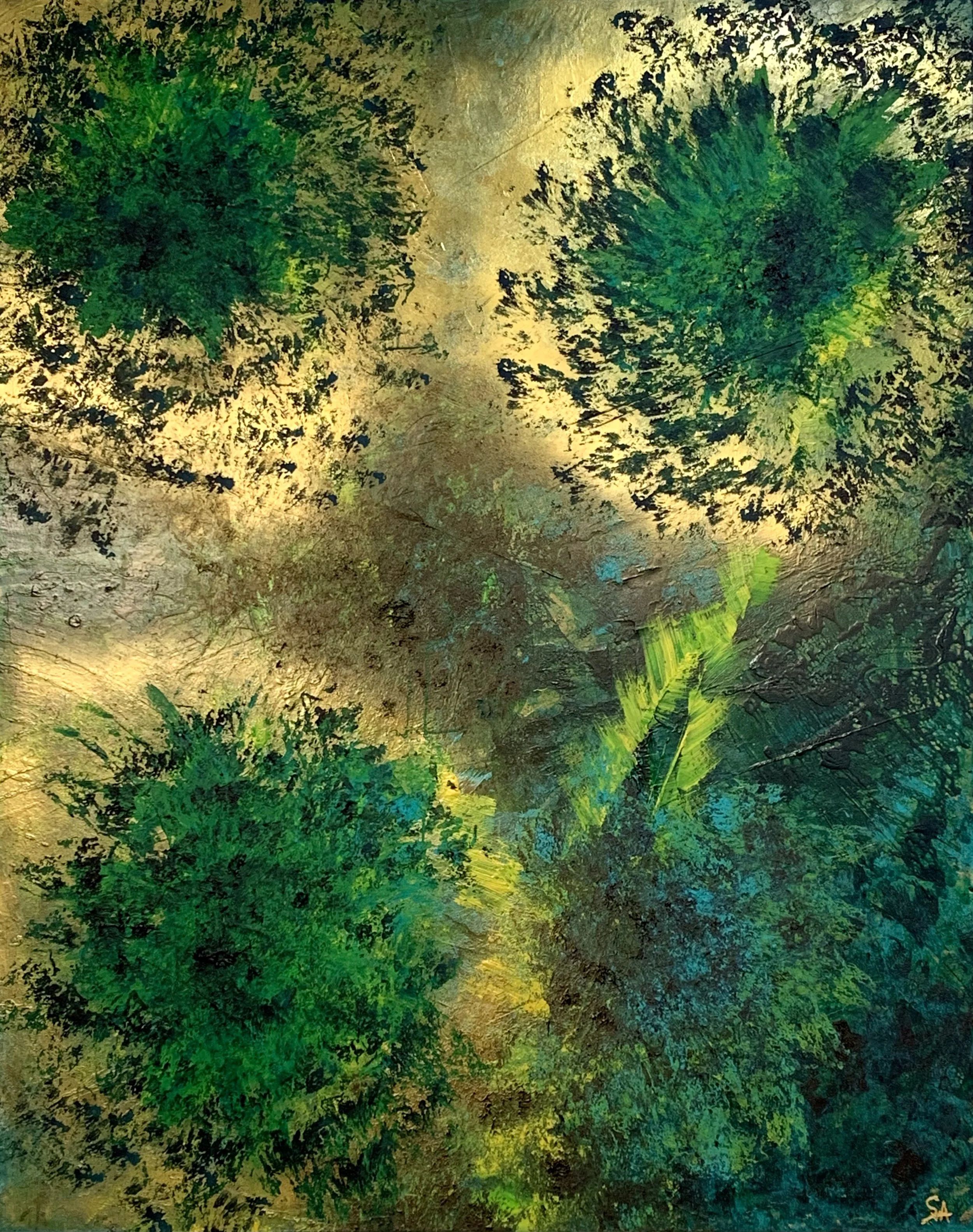
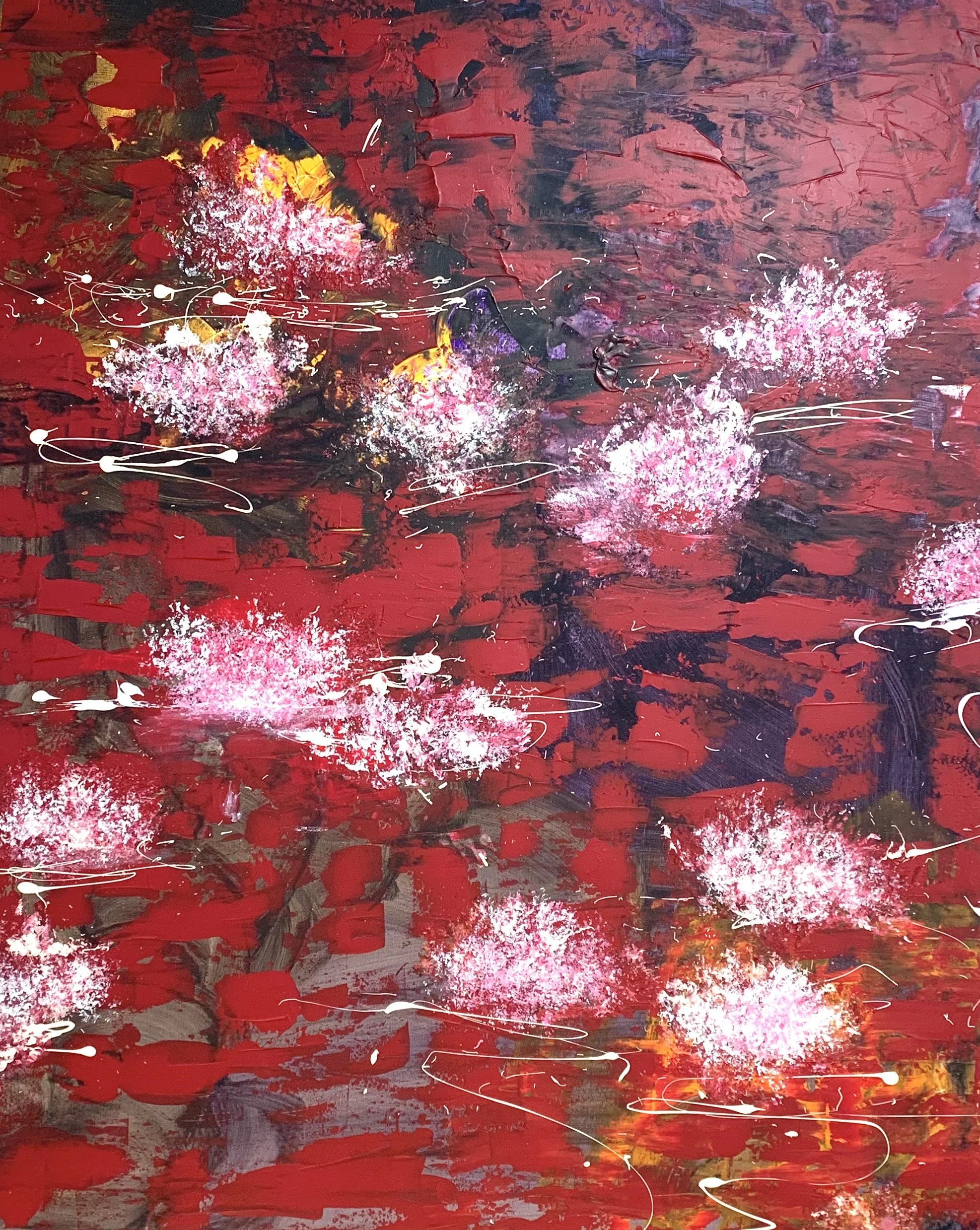
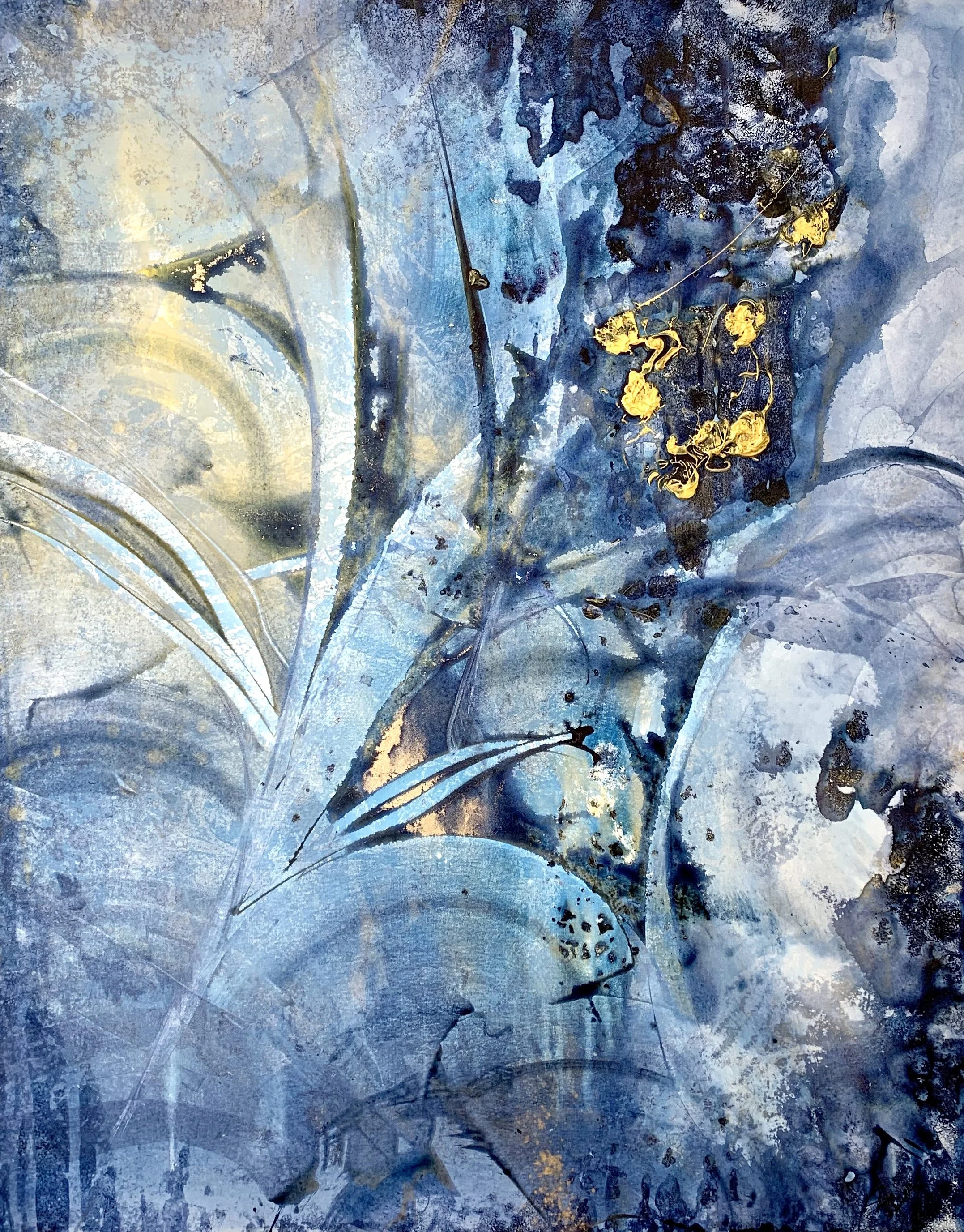
Your paintings rely on color fields, material density, and atmospheric gradation rather than figuration or explicit narrative. How do you understand perception in this context as an embodied and temporal experience, and what role does duration play in how meaning gradually emerges through sustained looking?
By moving away from figuration and explicit narration, my work invites the viewer to focus on more subtle nuances: the transitions of color, the density of material, and the minimal shifts in light and depth. The gaze probes, lingers, and empathizes. Meaning does not emerge as an immediate message, but as a gradual process. I would describe the perception that arises through this prolonged, deepened viewing as a state of heightened sensitivity.
You often speak of art as both an anchor and a challenge. How do you negotiate this apparent paradox, and in what ways can a work remain grounding and stabilizing while still resisting closure, certainty, or purely decorative assimilation?
The apparent paradox of art as both an anchor and a challenge dissolves for me when stability is not confused with simplification. A work can have a grounding effect by taking a clear stance - through reduction, balance, rhythmic structure, or color. This clarity creates orientation and allows the gaze to collect itself. In this sense, the painting functions as an anchor. It offers internal support within a world of visual and emotional overstimulation.
The idea of feeling at home recurs throughout your thinking and practice. Given your transnational biography and formative years across different cultural contexts, how has displacement informed your understanding of home not as a fixed place but as an affective condition that art can momentarily produce?
For me, "being at home" does not exclusively mean a fixed place, but an internal arrival. After living in Brazil for years and traveling through diverse cultural landscapes, I realized that familiarity does not depend on language or surroundings alone, but on whether I feel connected to myself. Art possesses the power to convey this feeling by opening a silent space where one can feel safe and secure. A painting can be like an internal place to which one returns again and again to feel at home - regardless of where one happens to be living.
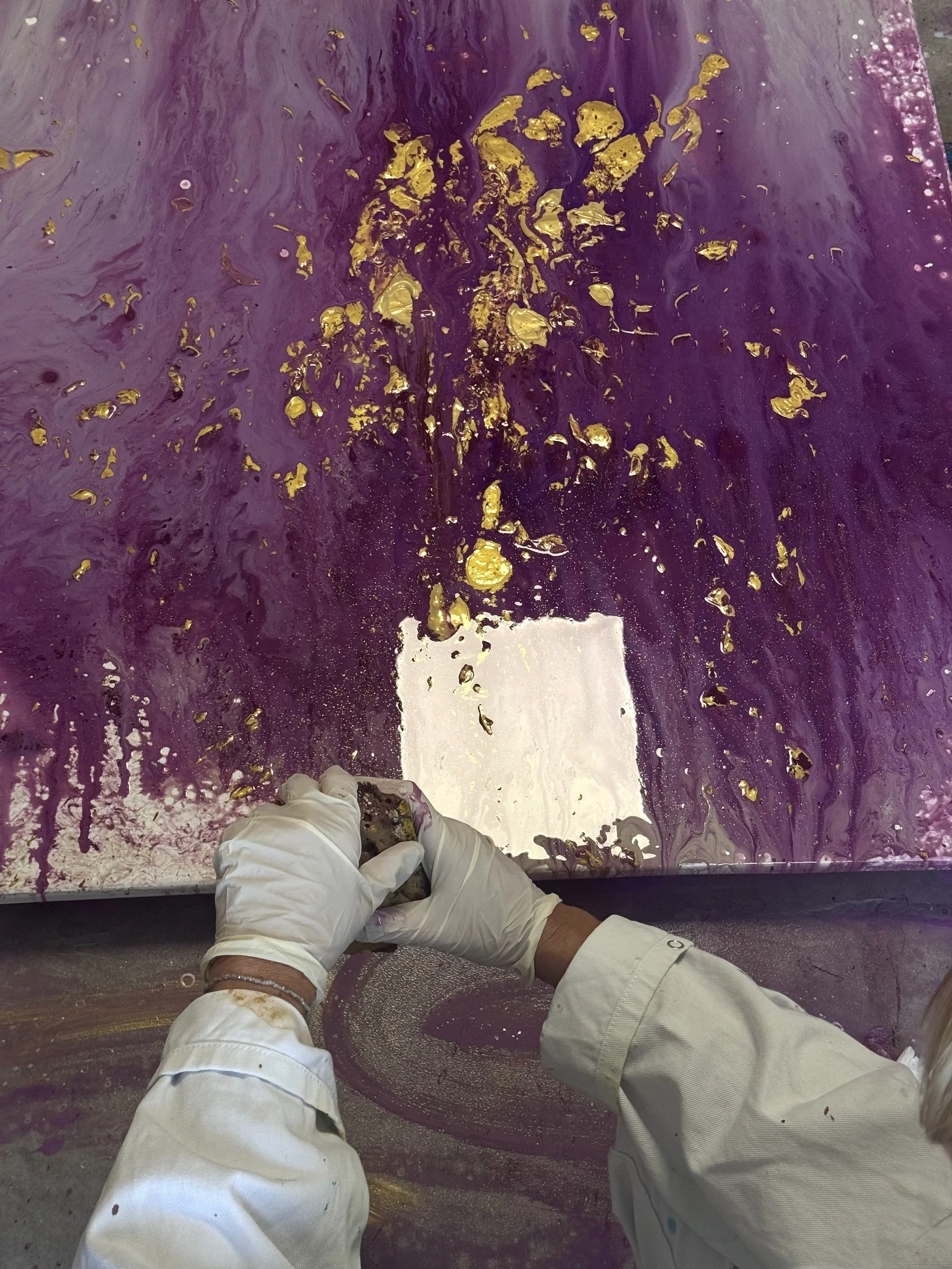
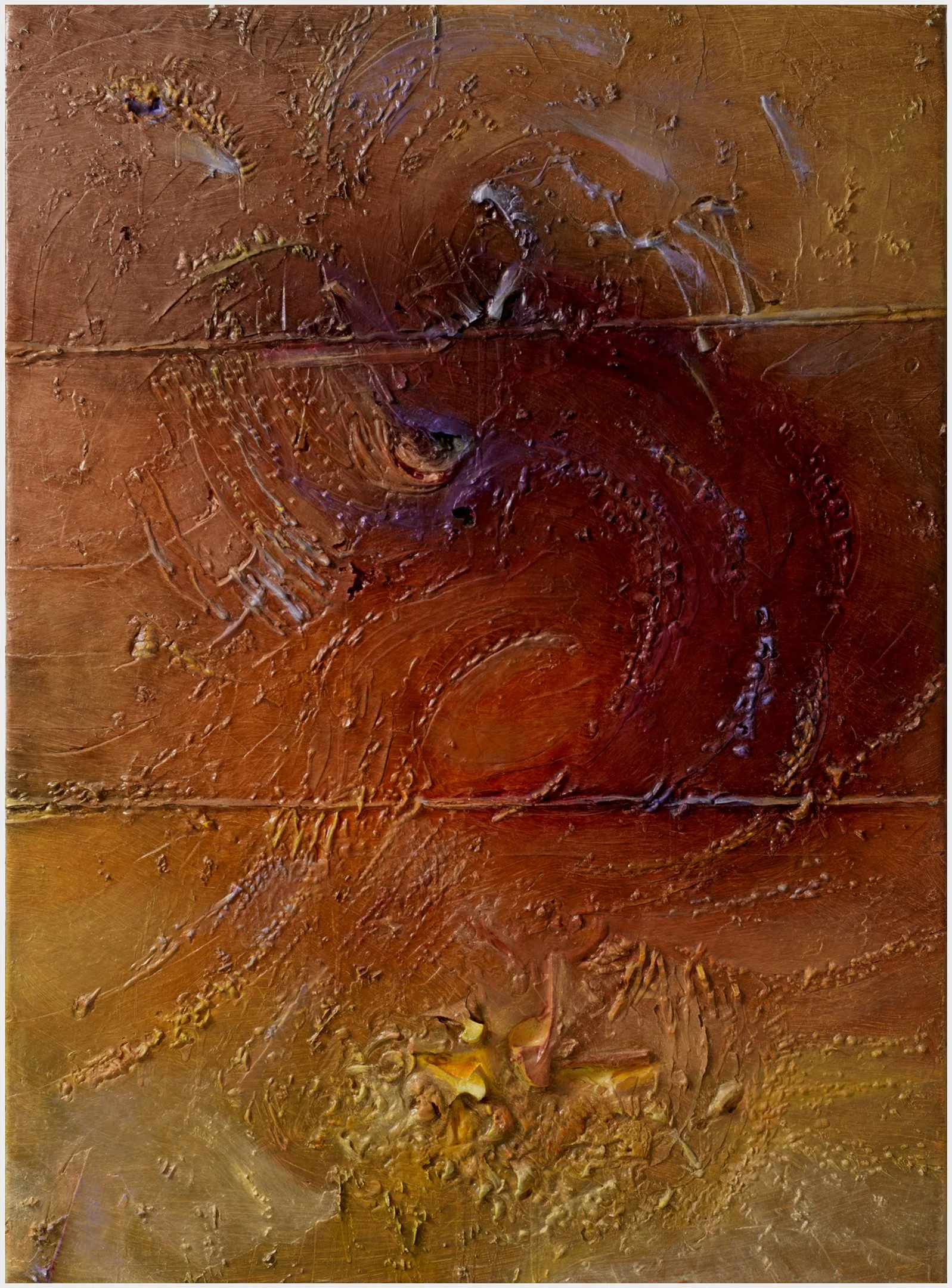
Your material language incorporates acrylic, pigment, gold, sponges, and palette knives in ways that foreground both intention and contingency. How do you think about material agency in your work, and at what point does matter cease to be a vehicle for expression and become an active participant in decision-making?
The material "co-decides" as soon as it leaves its own traces - when paint flows, gold settles, or structures emerge. In these moments, I pause, let myself be guided, and work with what reveals itself. It is precisely this interplay of control and letting go that makes the paintings vibrant and unique to me. In this sense, painting is not a one-sided act of control, but a dialogue between the material and inner perception.
You frequently describe the painting process as a living dialogue between yourself and the work. How does this dialogic structure complicate traditional ideas of artistic intention, and how do you recognize when resistance from the painting itself becomes a productive force rather than an obstacle?
This challenges the classical notion that an artist has a clear intention that is then implemented step by step. In my experience, the original intention changes during the process. Colors behave differently than planned, forms develop their own dynamics, and certain areas suddenly appear too dense or too empty. The painting begins to make demands. Thus, during the creative process, I must repeatedly listen and make new decisions to do justice to this evolving encounter.
Your works are often described as energetic or restorative rather than confrontational. How do you conceptualize energy within the visual field in non-metaphorical terms, and to what extent is this energy embedded through gesture and material versus activated through the viewer’s perceptual and imaginative engagement?
When I speak of "energy" within the pictorial sphere, I mean a living presence that can be felt. It arises in the moment of painting - through devotion and the inner posture with which I work. Every gesture carries a mood, and every layer of color preserves perception and attention. In this way, an inner state inscribes itself into the work.
This energy is initially anchored in the act of doing - in the rhythm of movement, in the decision to leave something as it is or to paint over it. The material reacts to this: it absorbs, it resists, it condenses, or it opens up. A dynamic exchange emerges between the painting and me, which settles into the work as tension or tranquility. The entire process of creation acts upon the viewer, who interprets it through their own perception.
In commissioned works, you compare the painting to a tailor-made suit that responds to specific spaces and personalities. How do you preserve artistic autonomy within such relational conditions, and what ethical responsibilities arise when a work is designed to inhabit another person’s intimate environment?
In commissioned works, I see my role as a form of attentive listening and sensing. The spatiality, the personality - all these are quiet voices that I perceive before the first brushstroke is made. In conversations, we clarify colors, size, and format. What guides me in the painting process is the internal resonance that develops from this.
I preserve my artistic autonomy by not simply fulfilling these impulses, but by transforming them through my own visual language. I do not follow an external wish directly; instead, I translate it into my painterly truth. Thus, the signature remains unmistakably mine, even as it enters into a relationship. For me, autonomy does not mean detachment, but awareness: the freedom to decide how deeply I allow something to flow into my work. In this sense, a commissioned work is not a product for me, but a space for dialogue. It connects my inner world with that of another person - and demands integrity, mindfulness, and respect.
The absence of explicit imagery or narrative invites projection and introspection from the viewer. How do you think about storytelling in your abstraction, not as linear narration but as an open structure that allows viewers to encounter their own inner histories and emotional states?
The painting itself does not dictate a plot; instead, through rhythm, contrasts, voids, or layering, it creates a kind of movement that directs the eye and the attention. This creates an open dialogue: every person perceives something different, discovers different associations, and experiences their own emotional reactions. In my abstraction, it is not about telling a finished story, but about creating a space where viewers can encounter their own inner stories.
Your international exhibition history places your work within global circuits of visibility and recognition. How do you reflect on the tension between the quiet, introspective nature of your studio practice and the institutional, market-driven contexts in which the work ultimately circulates?
I do not see this tension as a problem, but as part of the artistic process. My works are created in the isolation of my studio, and they unfold their individual meaning in exchange with others. Like a chef who cooks alone - the enjoyment becomes more intense when shared with others. Then, the joy multiplies. It is particularly important to me that my inner posture in the studio remains independent. When a work arises from a genuine artistic necessity, it can exist within institutional or market-oriented contexts without losing its integrity or losing sight of its purpose.
Color functions in your work not merely as an aesthetic choice but as a psychological and atmospheric force. How do you understand color as a carrier of emotion, memory, and cultural resonance, particularly in relation to your experiences in Brazil and their lasting imprint on your sensibility?
Color is by no means just a decorative element for me. It is energy, mood, and posture. Before a form becomes clearer or an inner impulse makes a motif legible, color is already acting directly and unconsciously. In Brazil, I learned to experience color as mood and expression - not as an accent, but as a state of being. There, colors do not seem "placed"; they are self-evident, a natural part of the whole. This experience has permanently changed my perception. Since then, I have understood color as something essential and powerful, and I consciously integrate it into my life.
You often frame your practice as a life’s work rather than a sequence of discrete projects. How does this long view shape your understanding of repetition, continuity, and transformation, and how do you test the boundaries between consistency and stagnation?
I don’t see my work as a sequence of finished chapters, but rather as a continuous flow of creation and experience. Repetition, for me, isn’t about going backward - it’s about going deeper. Certain forms and themes return, yet they do so under new conditions, shaped by new knowledge and a different sensitivity. Continuity, then, isn’t standing still; it’s the inner thread that makes growth visible.
Stagnation starts when certainty takes over and curiosity ends. This is why I consciously dive into moments where the outcome is uncertain. This openness keeps my work and my spirit in motion, allowing me to be surprised with joy over and over again.
Your emphasis on art’s capacity to do good in the world raises complex questions about responsibility, intention, and effect. How do you think about the ethical dimension of your work without instrumentalizing it, and where do you draw the line between genuine transformation and aspirational projection?
For me, the line between true transformation and projection is found in dialogue. Transformation manifests when a work moves people in diverse ways or opens up new perspectives without me forcing a specific outcome.
It becomes aspirational projection when I try to dictate the effect too much; at that point, the work is just a vessel for good intentions rather than its own experience. In my practice, I leave rooms open - for uncertainty and for different readings. I view art as an invitation, not a formula. This allows it to hold ethical weight without being preachy, and to have an impact without being manipulative.
In a contemporary condition marked by acceleration, fragmentation, and sensory overload, your work appears to advocate for presence, inner balance, and attentiveness. Do you see your practice as a quiet form of resistance, or as an alternative mode of engagement that repositions art not as commentary on life but as an experiential condition within it?
I see my work as an invitation to reflect upon oneself - a practice that cultivates attention rather than providing answers. In a world characterized by speed, fragmentation, and sensory overload, my aim is to use my art to create spaces where one can pause, observe, and feel. These moments of presence are, for me, a quiet form of resistance - not against the world itself, but against the habit of perceiving it only superficially.