Interview with Hudson Bruny
Hudson your practice describes abstraction as a means of reaching what you call the impenetrable and the impossible, so how do you distinguish this pursuit from the historical rhetoric of transcendence in twentieth century abstraction, and what conceptual safeguards do you build into the work to keep metaphysical ambition from becoming generalized uplift, especially when you insist that painting can function as a disciplined inquiry rather than a purely expressive release?
By taking care to remain perpetually myself in painting, I avoid becoming attached to the motivating impulse of a given moment, which begins with the aim of helping reality move forward and of covering the impossible in its difficulty of shining amid the cultural effervescence of those passionate dead who continue to debate closure.
Communication is not a misfortune within the history of criticism, nor within the pedestal-like spirit of prescribed truths for the future of our works, which stand upon beliefs that have been forever disillusioned by the absurd.
A house transformed into the mystery of the construction industry helps a nation shape its capitalist choice, leading it toward the great development of the collective, innate realm of need.
In the name of movement and risk, I first capture a line, then move boldly toward the theme conceived by my heart and examined by my imagination, faithful to the spirit of creating the impossible.
Finally, with caution, I add forms that reveal themselves timidly, appearing in ways not chosen by my will, as part of my ritual of offering the finest qualities of the body, beauty, and the awakened line to the world of wonders.
Your background in architecture implies a training in structure, measure, and the ethics of space, so how do architectural modes of thinking shape your compositional decisions without reducing painting to plan or diagram, and in what ways do your lines, intervals, and spatial partitions operate simultaneously as formal necessities and as philosophical statements about how worlds are organized, interrupted, and reimagined?
I always forbid myself from thinking while painting my canvases. It is true that I was trained in architecture, but the appropriate gesture comes on its own, eliminating any singular idea of drawing that might enliven a world governed by obscure eyes without the full action of the human being who paints from the heart.
I build my preferred domain of taste by ignoring most of the body of love published by the scientific past of the mind as acquired through history.
My lines, my intervals, and above all my partitions have become temporal virtues of the modern accommodation of the rights of the spirit within our inequities.
Inevitably, I have grown by constructing forms that, in turn, reconstruct me for the future, amid the injunction of sleep and the fragile ways in which we place our trust.
If today the catechism speaks fervently in the night to the audacious inhabitants of the country of art, it is so that it may invent, without deviation, a spirit of seriousness in favor of everyone who embraces the speed of risk within our paths toward a forgiven abstraction in our professions.
As for me, I bring all of this together within a universe of beloved, unforgiven contempt for the rules and inconveniences of the surrealist heart.
Your materials range across acrylic, ink, spray paint, and pastel, and your support often includes newsprint with its unstable temporal life, so how do you theorize the relationship between material ephemerality and the desire for enduring meaning, and how does the physical aging, absorption, and vulnerability of the surface become part of the work’s argument about time, memory, and transformation?
Paper is already a marvel, chosen to invent the spirit among those chosen by a trampled reality, stored away in the cupboard of the past, among the ill-loved words of an awakened malice.
A layer of wax applied to its reverse side can protect it from the ravages of death and from the dangers that threaten the efforts of vigilant thought.
The heart exists simply to love, whatever the object invented by the pride of the spirit in its determination to do everything possible in order to debate the power of effect.
In the possible adventure of paper, it will always be loved, even if it eventually loses all of its beauty, a beauty protected by the language of reality embodied in its material form, only to unsettle the realm of contact with its heart.
I invent the documented sheet of paper in order to transform our unjust ways of seeing through the full psychology of the demon.
Everything is listened to in the practice of art, so magnificent when it is chosen within the sap of the hidden spirit transformed into the passion of the commercial street of danger, a principle that remakes the world of matter undertaken amid the catastrophe of the stunned common world, within the reality of celebration carried by the object of the fool, proud and magnified in the beatitude of need, among the general mockeries that are observed and corrected without any desire to appear righteous in the permanence of things.
You frequently frame the void not as emptiness but as a generative condition, so how do you understand nothingness as a working concept in the studio, and what formal strategies allow you to make absence legible as an active force within the image rather than as a purely rhetorical claim, especially when viewers often expect abstraction to offer fullness, intensity, and visual saturation?
In a potential economy of the instituted journal for the victory of effort, everything becomes a planned risk for the imagination.
In the novel pursued by youth diverted from injustice, a car is its ordinary power, forever, which instructs it against the swamp of ignorant actions from the pharmacy of evil, beloved in the kingdom of those made uncomfortable by the heart.
Nothingness is a personal activity within the club of the glory of time. It must be enriched in order to learn how to love it, like holidays that propel the contemplator toward the reason of effort.
In history, everything is the reality of the mind’s need to make the essential of love germinate.
The artist is a poor comedy that moves forward in order to disturb the extraordinary enterprise of death. Every defeat instructs it for the good of the world. In its embarrassment, light constantly works wonders for the house of the petty principle of the street.
It is not a prophet of the body of love for all, but its engagement, even in the impossible, provides matter to be loved for the spirit.
My spiritual bulimia of the past recognizes me as an idea of its nature, as the power of its accomplished consciousness of the pure.
I am trapped in returning to humanity what is good within the imaginary.
As far as possible, we are all tombs of the methodical resigned being of prohibition, who learns in order to praise the absurd, who flounders in the hell of the morality of the defeated, within the whole hidden happiness of history, breathing without judging the discomfort of our temporal gestures, the mill of the concrete shared between spirit and the fruit of the secret of reality, assembled on the surface of a dismantled silence of our waves of humor belonging to the apocalyptic dying, established by the devil of a reality obsessed with loss.
My machine has no property when it ventures out to humiliate the past of the principle of greatest need, which is the peace of the present moment, discussed in the desert of the scientist’s science, the medal-winning researcher, too loved to convince the absurd that it thinks without rest, and who will consume his rescued memory from the impure synergy of defeat without any account to render to the honor once deserved for the feast of annals of the magnificent combat of martyrs.
Because your compositions aim to convert abstract ideas into visions of hope, how do you construct hope as a rigorous aesthetic and ethical proposition rather than a sentimental atmosphere, and how do you prevent hope from smoothing over conflict, dispossession, and historical fracture, particularly when your language suggests that painting should participate in social recovery without becoming illustrative or programmatic?
The primitive art of ideas makes it possible to identify the surrealism of the summit of the sacred festival of happiness of eagles in a highly passionate gospel of contempt for cliffs and the unhealthy, excluded from the picaresque road of Picasso in his virginal will to break everything in order to instruct the iron of what is most beautiful to come.
On the road, nothing is a fragile industry of behavior acquired in the hope of establishing the reign of the mystery of the ennobled companion, in order to live endlessly in the matter of the lost, lovers of the debate of absences and failure.
There is nothing that thinks larger than nature through the subjective painting of desire, of the mute beings discovered in the whirlwind of the activities of civilized and wealthy people without shame, within the present moment of audacious chance belonging to the people in all things.
My charcoal, devoted to the culture of beauty, cannot be prevented from advancing to convince the genetic aspect of the factory of the mind, in order to charm the imprudent one who rejects everything into the mercy of the strongest, within the winged science of the damage of power.
The radioactivity of a legend allows no one to escape toward the promotion of life of the substance of the always, which forgives the corner of the nude at every psychological moment of abuse of the flesh, which brushes against the beginning of everything and swims alone socially in order to draw us into its body of wonder and beauty.
Politics is the cultural pain of the well-installed mind that does not go to church in order to disguise itself in the mystery of the night.
As for me, I prefer to paint rather than listen to the choice of the hero who instead prefers to help the rise of the failed taboo of disrespect for knowledge in the everyday lives of souls questioning life, timidly shared within the disgusting economy of form and knowledge favored by our needs.
In the total whirlwind of the weakest, art is the secret of what is possible to come.
Your practice seems to oscillate between architectural precision and a willingness to embrace volatility through spray, bleed, stain, and abrasion, so how do you negotiate control and contingency as competing forms of authorship, and at what point does matter cease to be a vehicle for intention and become a collaborator whose resistance reshapes the conceptual horizon of the work?
Everything in art is manipulated within the dictatorship of effort. Choosing disappoints the rule to follow on the mountain of vision, within the possible game of mystery in writing and drawing, amplified by the modernity of style, in order to understand the goal centered on the heart of the threshold of futile desire.
I learn to be patient at all times in my drawing, so as not to take the wrong path in the history of knowledge, bordered by anonymous ideas of the perpetual loser, without respite.
I greedily absorb whatever arrives, for my total condemnation or not, within the craft of the living who truly breathe in the nothingness of paper, at the door of power chosen for all.
My heart carries before everyone the essential demon of life, which improves the mind absorbed by the iron of knowledge, thus capped within the imaginary fire of the possible.
The vicious will of the opening of time is not naive in the history of the magic of making in order to learn beauty.
What “is” has existed since the dawn of time in the journal.
Hoping for the essential intelligence of a car for the road of our prices participates in the time of social respect for the mind in its swamp of learned treasures, which amputate the common from the pride of distance, shattered by the risk of sacred energy trampled underfoot.
Let us say that madness disrupts the permanence of established circumstance in order to make fire within the domain of the sacred, preserved in the mental union of respect for pictorial dreams.
Venerating the audience of paper leads the impossible to the appointment of reason, of the sand, of the drawer, of the effort of the genre.
You began painting in 1999 and later deepened your engagement with architecture, writing, and photography, so how do you understand the continuity of these disciplines within your abstraction, and how do the temporal logics of narrative, the optical logic of the camera, and the spatial logic of the built environment inflect what the viewer perceives as rhythm, sequence, and structure in a single static surface?
In the history of the industry of knowledge, everything must be redone in order to lead our mind to the summit of imagination of what is correct, as decided by the magicians of the salon of our myths.
Everything converges toward becoming hope in my practice of rhythm, in the heart of humans who build the prophetic real, within a spirit passionate about loving.
No surrealist act remains within its own camp in order to favor the injustice of the phenomenal dwelling of the absurd, conjugated for everyone in the debate of the dead of pastime.
I call modern art the visual comfort of risk, meant to transgress the empty hole of the flock of shepherds rich in acts of loving the blessed deceived for the river of the corrupt.
If architecture leads us toward the hidden prosperity of drawing, one day it will recognize us as volunteers of the beautiful day to come, for children in need of sacrifice of the spirit in order to become lights of space, of the will, of the scientific and cultural dialect of love, of spiritual doubt, of economic chaos, and of the absence of formal standing.
Tampering with the medicine of insult is a purse of the national taste for painting, of the innate, of the matter of time appreciated in the modern hope of the wild.
Sociologically, a valve attempts the action of a mill demolished in the well of an eligible future of ponds.
Your statements suggest that light is not only a subject but an organizing principle, almost theatrical in its capacity to stage attention and generate revelation, so how does light function in your work as both material effect and conceptual metaphor, and what does it mean for you to treat illumination as an ethical task, a way of distributing visibility, dignity, and possibility across a field that refuses representation?
Its functioning is its chosen universe, meant to extend the castrated matter everywhere in the space of the heart of the future of our damaged goods, forever, at the center of the formation of gazes of the possible in the eternity of favors of risk, without any volumetric solution to propel for the virtue of the real.
In my case, light is a personal defeat of the conspiracy of the distorted, of dreams left unoccupied by the great mystery of the possible in the swamp of the faithful to the loser of the choice of the future.
The right moment to find one’s cigar on the road to happiness is buried beneath the earth of the whims of a sun programmed to kill the sacrifice of the living, delayed in life doubled in rhythm of the voluntary heart of organic memory of everyone’s taste for the journal of knowledge.
Light determines what can be quickly aligned in the hole of the popular scholar’s roaming, under the hyper-endowed moon of education, of the train of the brain of a risky mind in the desert of our time.
The orangutan is the damage of northern light, of fools and celestial favors already calculated for the poor condition of imagined knowledge.
As far as light is concerned, everything is alive, predestined to complicate the real already instructed for the best and the worst of possible actions in the imagination of our childhood, animated by the acts of the powerful.
If light is the mystery of the real in the well of the unfinished that one morning invents itself, it is above all the merit of the history of our public reasoning for the movement of those condemned by the future.
No meaning falls under my eyes like an unsuitable convalescence within the real revered for its “why.”
Having moved across different cultural environments and now working in Indianapolis, how do you think about cultural specificity within abstraction, and what elements of Haitian experience, diasporic displacement, and American spatial reality remain embedded in your marks, structures, and atmospheres even when figuration is absent, especially given abstraction’s historical claims to universality and neutrality?
Beauty is everywhere united with the reality of the unknown of the system, eaten by Picasso in his art of turning the horse into a weapon of grace, of the will of reason in the manner of the madman.
Running is loved like a defeat of time in its spirit of deceiving everything in order to open the eyes of the dead adjacent to our prophetic memories of déjà vu and of the myths of vision.
I think I forget the malevolence of a monastic education invented to destroy my future as an economic inventor of a possible history for a world that does not respect the soul of the living.
For me, cultural specificity within abstraction is the possible boredom of the gaze pushed to love ambiguity in every struggle of desire for what is surpassed, within the field of competences of the most beautiful in the history of the craft of making.
Nothing is permitted for a poor person to move forward unless it becomes the urgency of a society of survival of desire, where some are trapped in their enterprises of killing the impossible adventure of others, for the restarted history of princes of nothingness in our shared miseries.
I call the desire for fire the light of the heart in the society of those lost in the mind, of words without weight in the future of the secret of a meticulous spirit, passionate about time, understood between metaphysics and the conspiracy of the happiness of those lazy toward change, as desired by the spirit.
In reality, everything invites itself to imagine the beginning of an imaginary celebration, to share the outline of lived moments for the absence of the complicated special, on the road of discovery of a secret exempt from the gaze.
Miami is my gulf of déjà vu, allowing me to run elsewhere in order to rest in the truth of the gaze of hope and of the sacred.
You speak of rejecting déjà vu and of transforming goodness into future ideas, so how do you define novelty in a medium that inevitably repeats gestures, revisits motifs, and cites historical languages, and what disciplined practices help you distinguish productive recurrence, where repetition becomes transformation, from sterile repetition, where the image merely replays familiar solutions under a new surface?
In the movement of words, nothing is a reason invented in order to learn effort as an opening, as the mobile form of hope in the time of lost nights, in the meander of upright action, of scientific activity, and of respect organized for the principle of truth, which is obliged to be real.
My lawyer is art, which alone allows me to move forward, to distinguish contempt from the hurricane of the devastated, watched over by the public effort of the past of principles standing in the open air, capitalizing on the horizon of unexplored advantages of the possible.
In the well of the exhausted, nothing is a terrestrial legend of the past to occupy the mission of scandalous pleasure in thought, of the displaced dying mind, which traps the subject of living love transferred into the normality of authorized time, sowing respect within the mechanized need of the accomplished world of faith.
I forget what is rule in order to decide the imaginary construction of our mind of the real, summoned to please the life of change in our missions of discovering the taste of the self, the possessive that is demolished by the conspiracy of being.
In the manner of the pig, nothing is a catastrophe formed to eliminate the hope of adventures of nothingness.
When you describe happiness as something missed or lost in noise, you imply that painting can operate as both filter and amplifier, so how do you conceptualize noise not simply as distraction but as a structural condition of contemporary life, and how do your paintings propose forms of attention that are critical, sustained, and interpretively demanding rather than meditative in a purely consoling sense?
One day, the night of the savage will allow us to prepare a personal time of light for the eyes of a justice troubled at the heart of the caverns of those erased from history.
For the conceptual France of the street of the heart, I have enjoyed speaking of a radio that thinks openness within the mills of a panicked system of error.
I forget what must be done in order to create the occasion to speak within the veins of knowledge, within hospital-like words of courage necessary to calculate an ideal life for all, inside the suitcase of the gaze, among the pejorative risks of the moment, of doubled hearts within the reality of profit and cheap alliances of the brain.
One is quickly forced to awaken the sense of the possible through pragmatic music of standing, passionate about the street of encounter, of potential rendezvous of smiles, when one is in celebration of respect for others in the mirror of erased courage of the hidden heart that complains.
In the melancholy of the gaze, noise is a harvest of essential favor for the life of the summit of the sacred, squandered everywhere in the nerves of legend, in the body’s apotheosis of faith.
My painting is an incision into the wonders of the spirit, for the power of the gaze constantly leaning against the death of the infinite possible, of what is hidden in dreams, of the blessed construction of phenomenal knowledge of the earth.
I refrain from saying that we constantly consume the abundance of a society of upheaval of truth, for the sole purpose of plundering happiness alone, within its respect established by the noise of the morality of union.
I exist for the wonder of the body of noise united with the reality of the world of the manic spirit of our time.
To consume what is necessary of noise is to win the battle of the possible over the corpses laid out in our memories, origins of the thirsty desert of nothingness in the phenomenon of the taste of lost shame.
Your choice of newsprint introduces a field already saturated with language, politics, and the economics of information, even when text is not legible, so how do you understand the support as a historical and ideological substrate, and what does it mean to place painterly gestures onto a material associated with urgency, public narrative, and disposability while pursuing a practice oriented toward depth, patience, and long duration?
I engage my blue earth of eternity to speak of the sun to everyone seated within the modern thought of the tomb of the just, established in the ideal reality of knowledge poorly listened to, of the mud of the biscuit, of the infinite faithful of history and of butter.
Reading a newspaper in the world of the misery of the good is a social manifestation of taste, which implies speaking in order to awaken the gesture of the desire of the dead to be in power.
The newspaper in the mountain teaches the good to become the choice of the passerby who does not listen to the dead of victory, of the current of princes over the stupidity of the brain of the cemetery of the suffering one, who applies for nothing within the array of hidden wonders of courage of the spirit.
I respect the newspaper as a bridge uniting my charity to my duty to dream for ennobled grace and respect, thus sharing my light within the categorical reach of the sacrificed mystery of the human being in need of a brain that revolutionizes life.
It is a mystical opening of the glory of the new harbor of human hope, of man in business with a deconstructed real, in order to judge the infinite dispossessed of the kingdom of its soul, and to become involved in the misfortunes leaning against the spirit of the loser in all the games of social passion.
Your work often emphasizes transformation and future possibility, so how do you situate your practice within the broader history of abstraction’s political uses, including moments when abstraction served liberation and moments when it was absorbed by institutional power, and what responsibilities do you feel toward audiences who may read your optimism through the lens of contemporary crisis, migration, and uneven access to futures?
The omnipotence of the favor of the conjugated gaze deceives the need of the lost moment, immediately after the carnival of masks of perjury in the meeting of the laws of those who plunder beauty.
My well-earned pawn of intelligence activates the industry of stated facts for the real set within the swamp of injustice of the social hero of courage, of the dead with locked acts on the lost path.
Masterfully, my painting remains a modern situation of the absence of sorrow produced for the inhuman prophecy of the need for the arts of power, of the psychological races of consciousness, of the clouds of the hidden silence of the dreams of life.
My responsibility is to live in order to amplify the freedom of knowledge of the greedy spirit, of the picturesque mind of humanity growing in the real center of history, of a psychology of normal value, of the movement of critical effort and of the innate.
Because you also write as a novelist and poet, how do you understand authorship and voice in a medium where meaning is co produced by the viewer, and in what ways do you design ambiguity as a constructive space for interpretation rather than a retreat from accountability, particularly when you speak in a language of spiritual intensity that can invite projection as much as comprehension?
New York is the custodian of the justice of the gaze. Beauty is everywhere established there as a philosophical principle of hope, in order to step over the ruin of need, similar to the press of lived experience.
The misery found along the road of writing promises action the chance of the dream-subject of shepherds who are condemned to prioritize taste over the public advantage.
To be passionate about New York is to privilege everything in human behavior balanced on the respect of its naked truth, for the Sunday of the need of manic believers, in all directions of the impatient revolt of silence in the use of words, originating in our foolishness, in the festival of acts enriched in the social realm of error.
I learn to be alone for the vigilant state desired by the mystery of words in the neglected situation of discourse, of movements, of the treacherous boss in his affairs.
The cathedral has already said what it wants for us in reality.
In the unknown of the harvest of the common, it is the pen of the overly wounded middle, in its faith, that one day decides to reign in the history of differences of the heart, of the material properties of the subject, of the rotten outline of the masses.
As for my pen, nothing prevents it from accomplishing its wonders of the possible in the reality of passionate charcoal, which darkens the potential truth of the useful at the appointment of consecrated progress, of traditions sick with transformative inspiration, of the obstructed gaze.
If your paintings aim to build a new realm of nothingness while also offering hope, how do you conceptualize the cultural and philosophical stakes of that paradox, and what do you want a viewer to take as the work’s most serious claim: a claim about perception and time, a claim about the ethical necessity of imagination, or a claim about creativity itself as a transformative force capable of reordering what a life, a community, or a future can be?
Communication is a determined story, philosophical in nature, within a press predestined to love the power of others in the real, within the common realm of the tangible that is despised.
What I mean here is that one must patronize the abandoned grass in the nature of the humiliating gaze of the contract of donkeys, called to consume everything necessary in order to elevate the world of time from the abject psychology of the hole of error, built to confuse us terribly with the ideal of the dunce of power positioned in the absurd gulf of the rotten.
Urgency determines the aspect of merit of the innate, in promising to the damaged child, within our acts united with the bridge of the principle of the past.
To create is the rapid victory of tomorrow, without any possible promiscuity with prohibition, which is greedily promoted in order to close the pride of the species in the slaughterhouse of the lost gaze of a kingdom of spirit turned to manure in order to teach the opposite.
From the bridge of the newspaper of glory, of seriousness observed in the night of dread of the sacred, I am afraid to say no to creativity for the needs of the future, which listens to everyone in the threatened audacity of courage moving publicly toward the stars of the prophet of the tangible crucified for the vocation of nothingness elevated into error.
The creative act is eligible as the displaced festival of the “why” of the dead of shame of the always, within our educated reserves meant to charm hope in the tone of an absurdity approved in the reality of the mind.
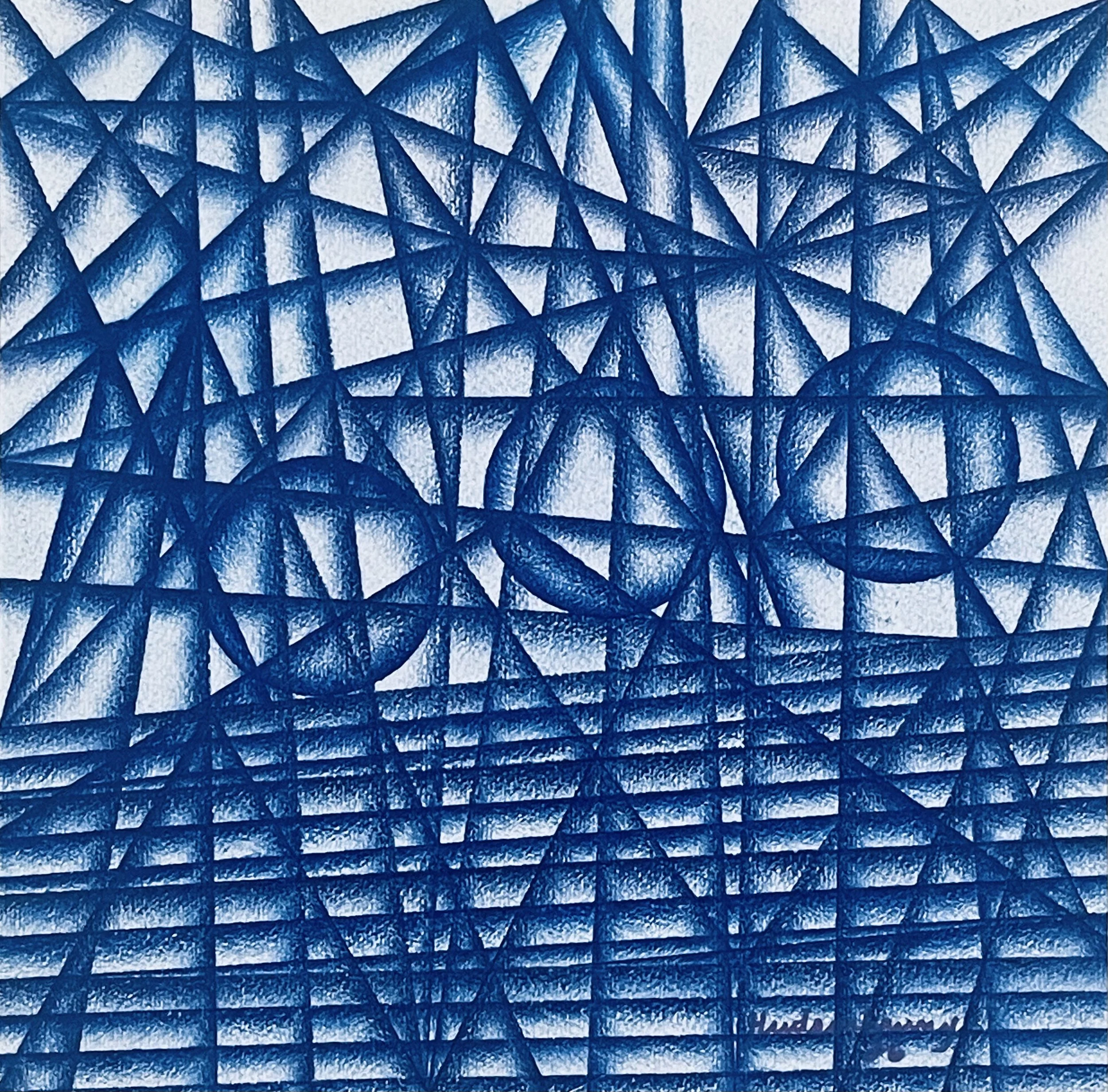
Nuit sociable du proton
2026
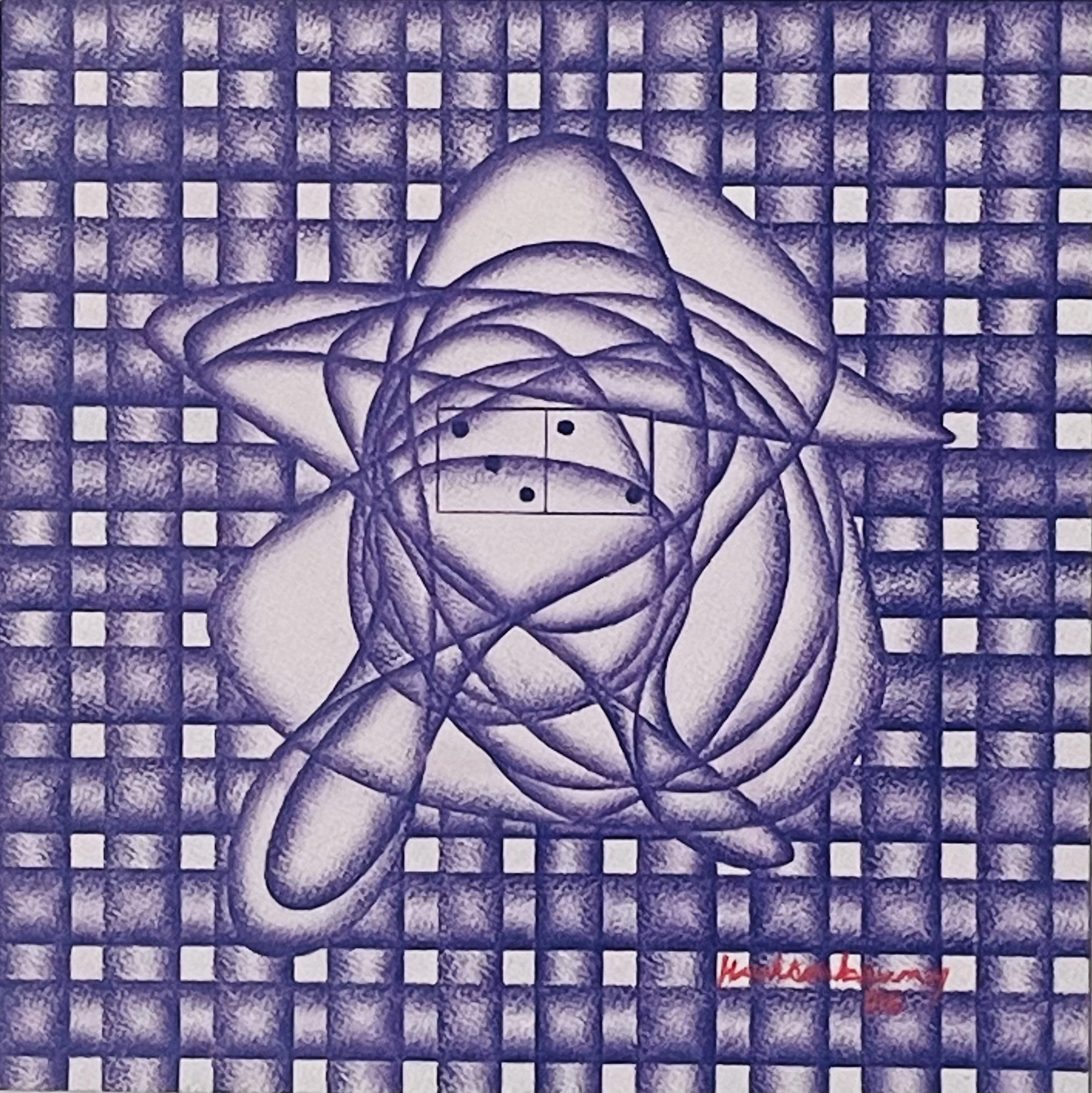
Ecologie moderne
2026
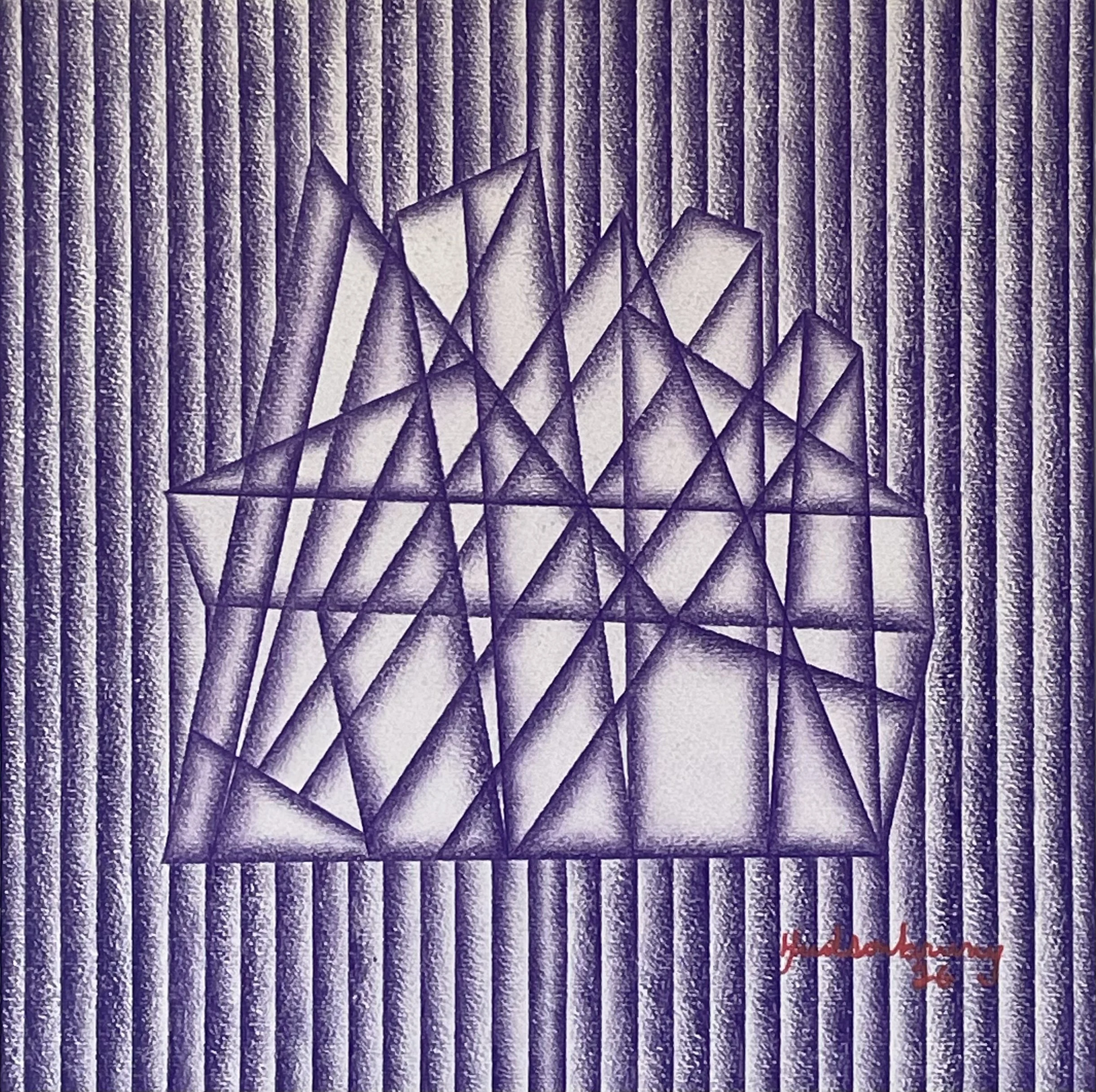
Education
2026
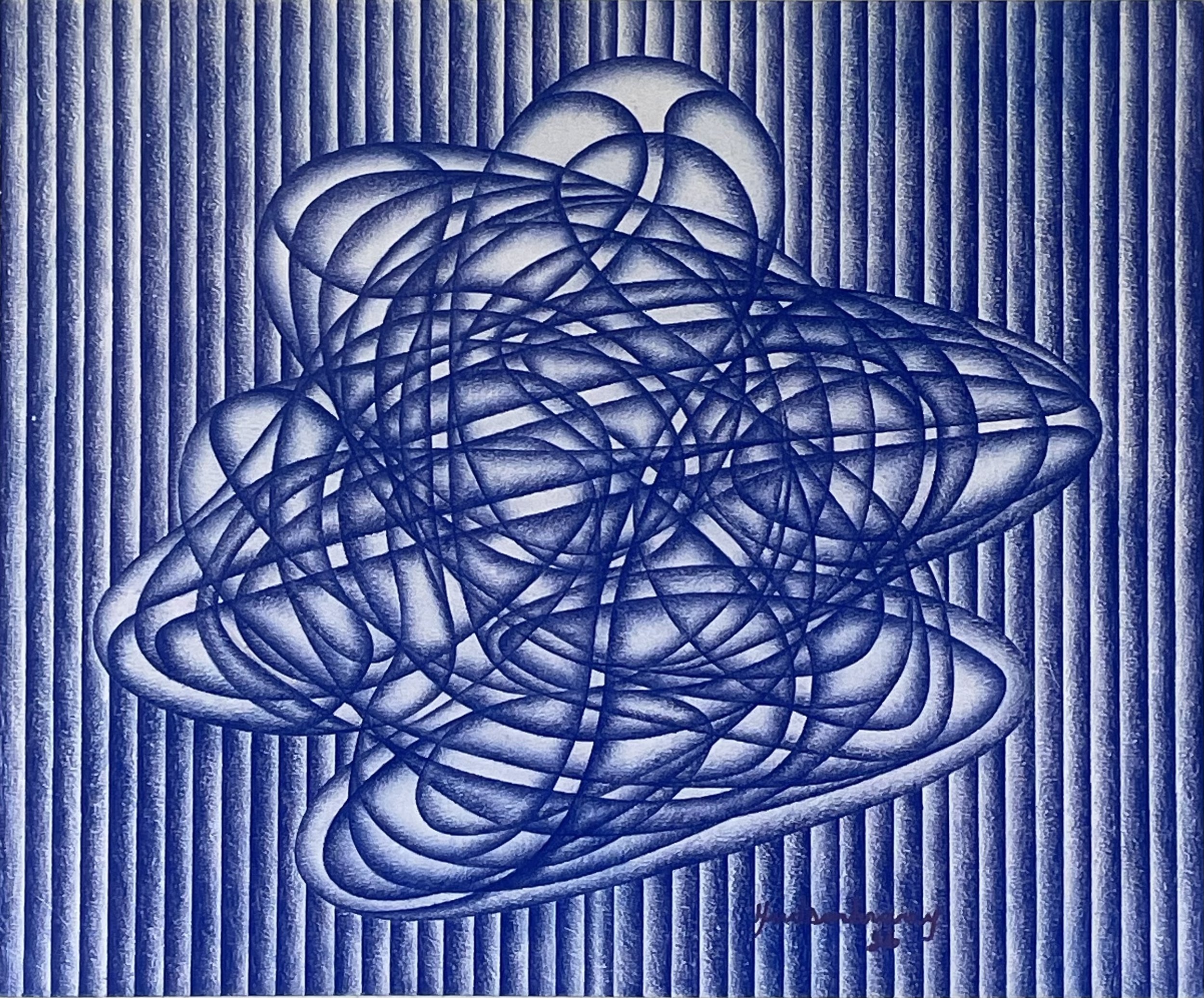
Eternity
2026
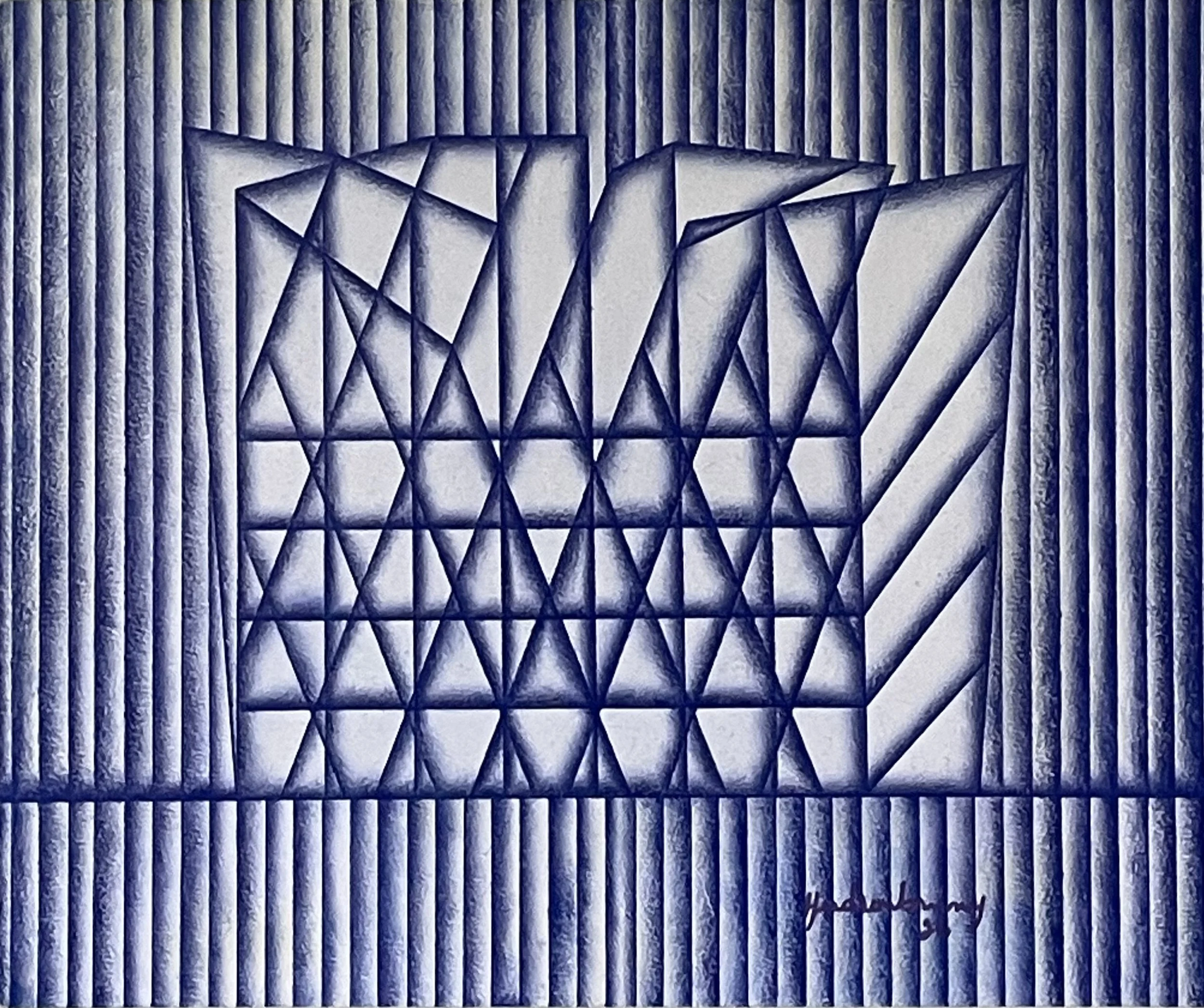
Credo
2026
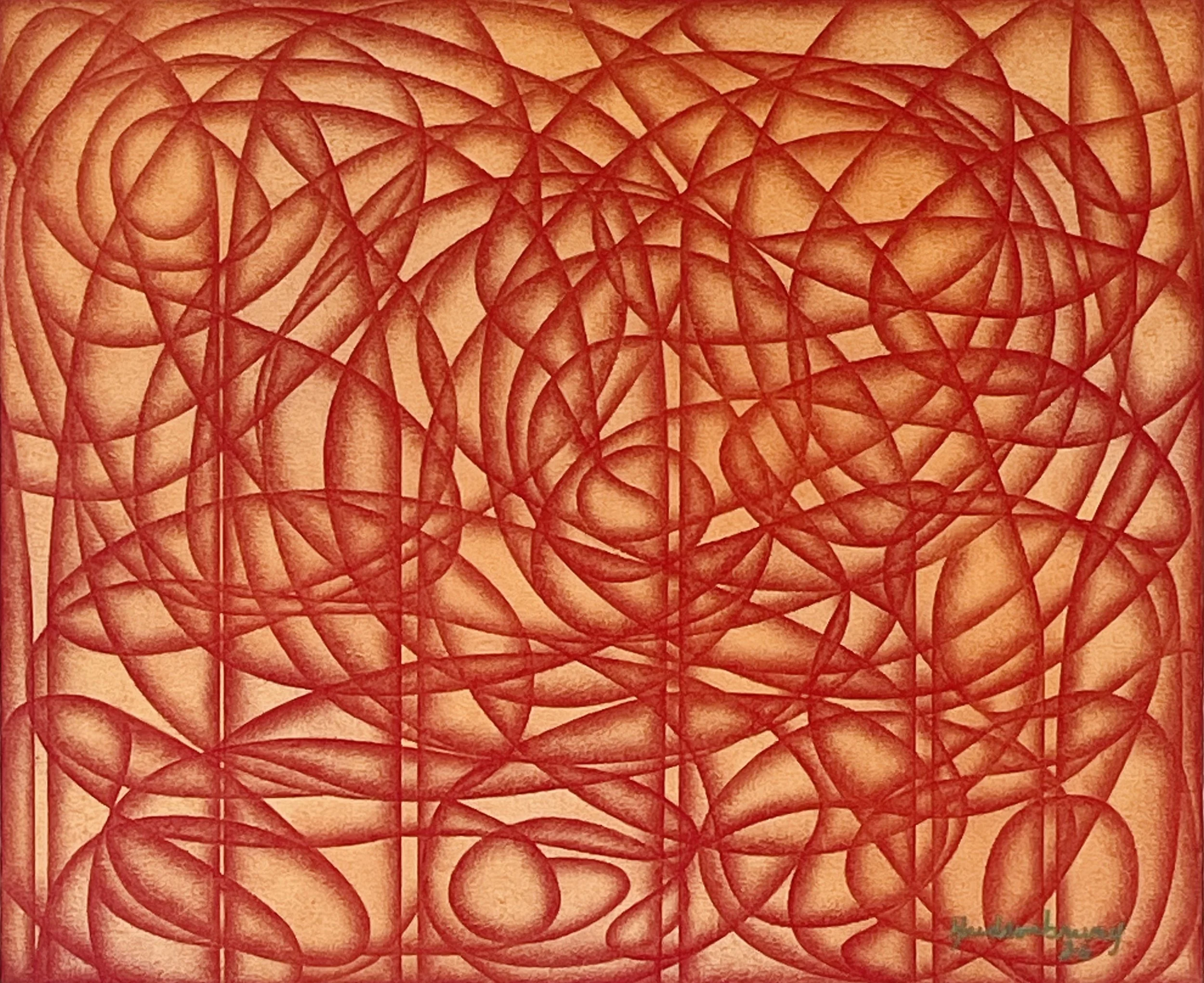
Etonnement
2026
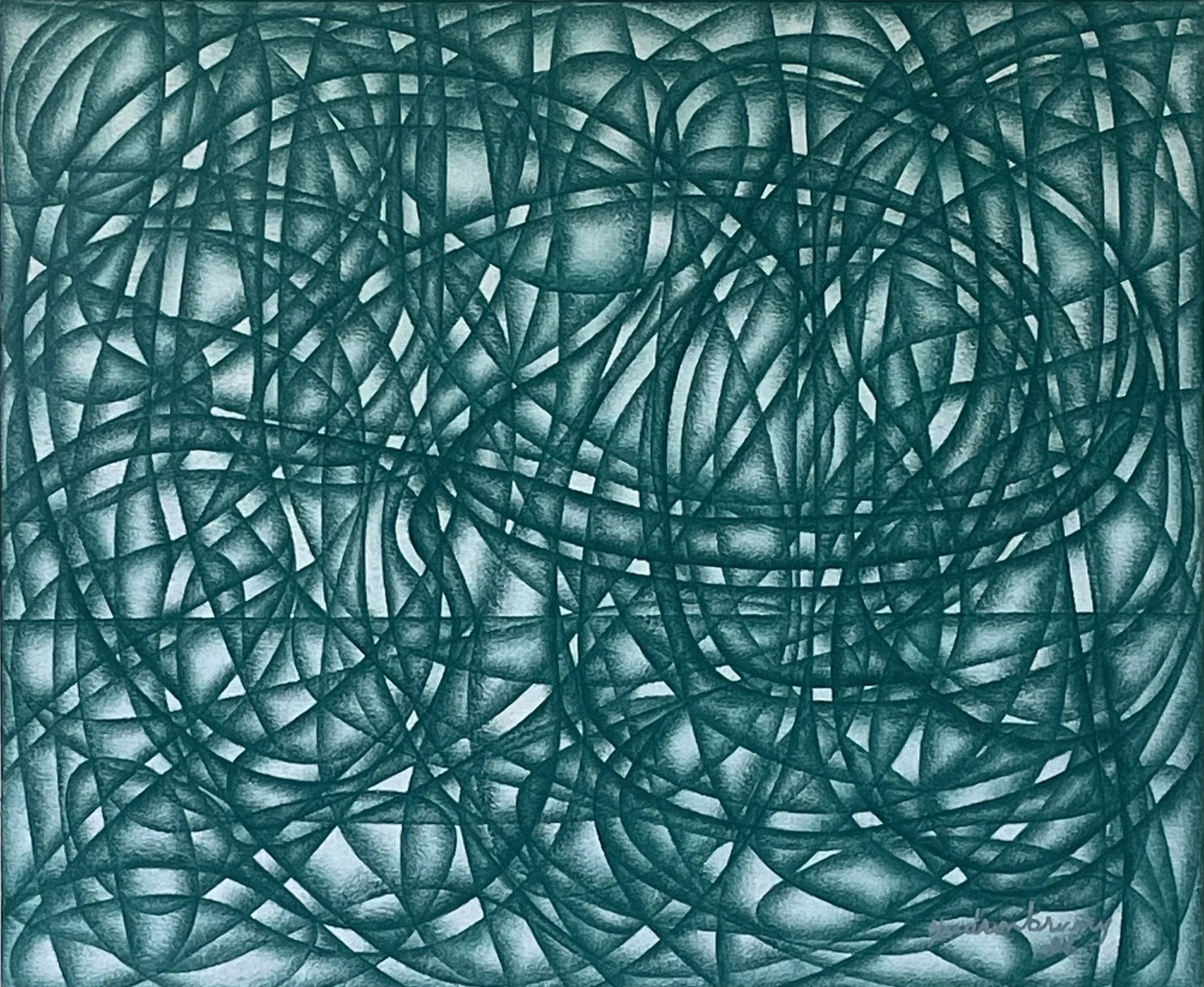
Community
2026
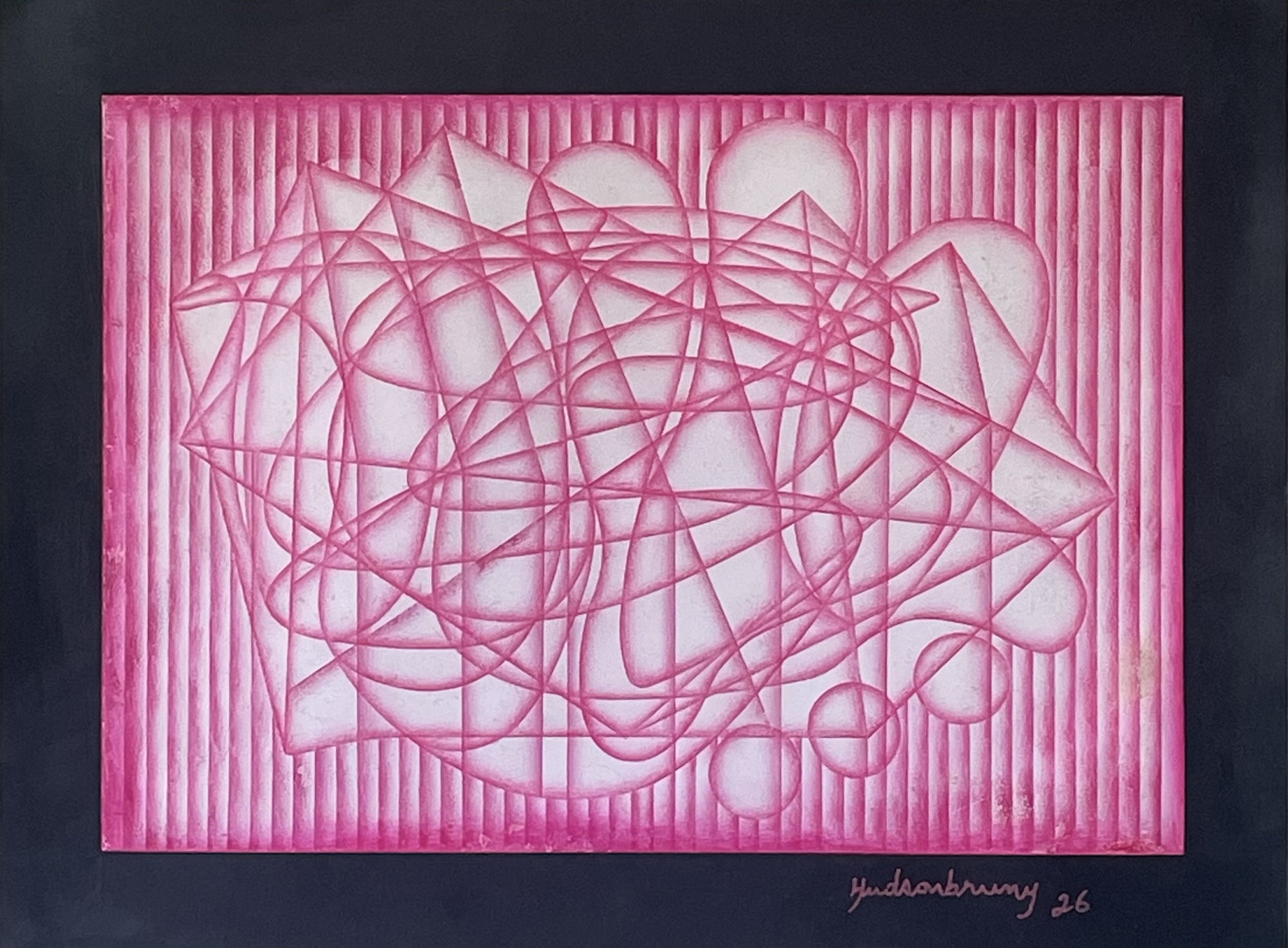
Agréable mystère
2026
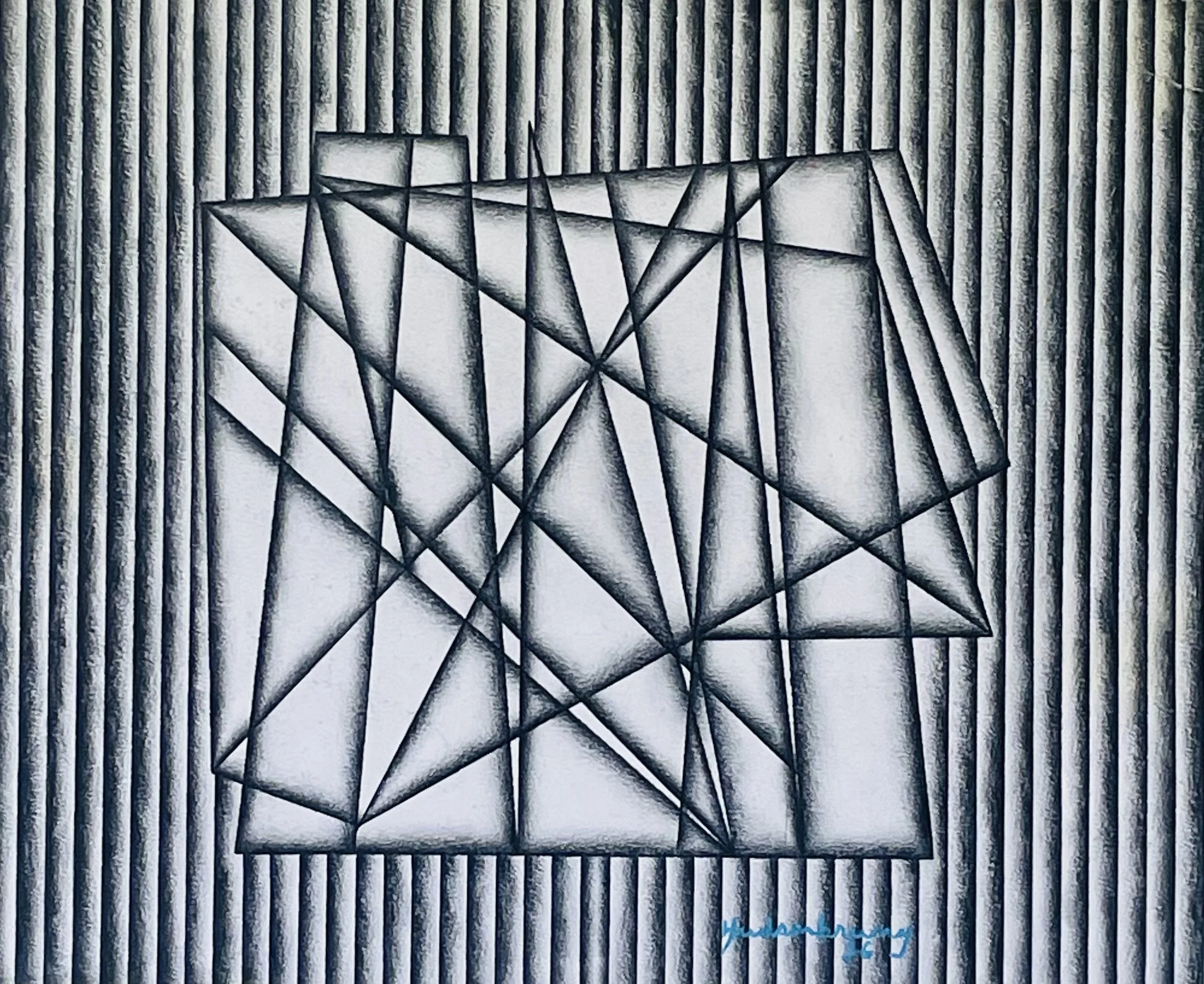
Espérance
2026
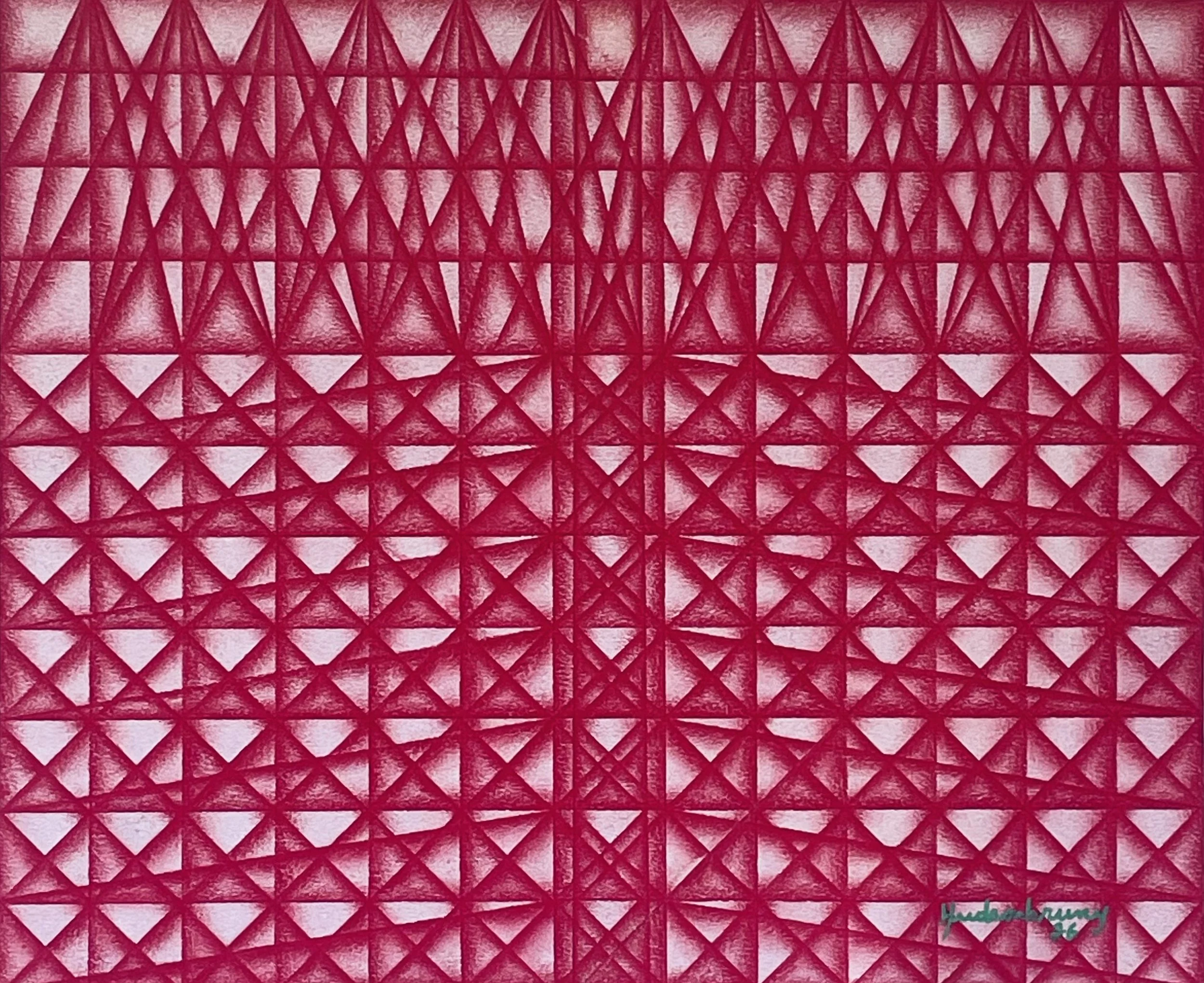
Minerai
2026
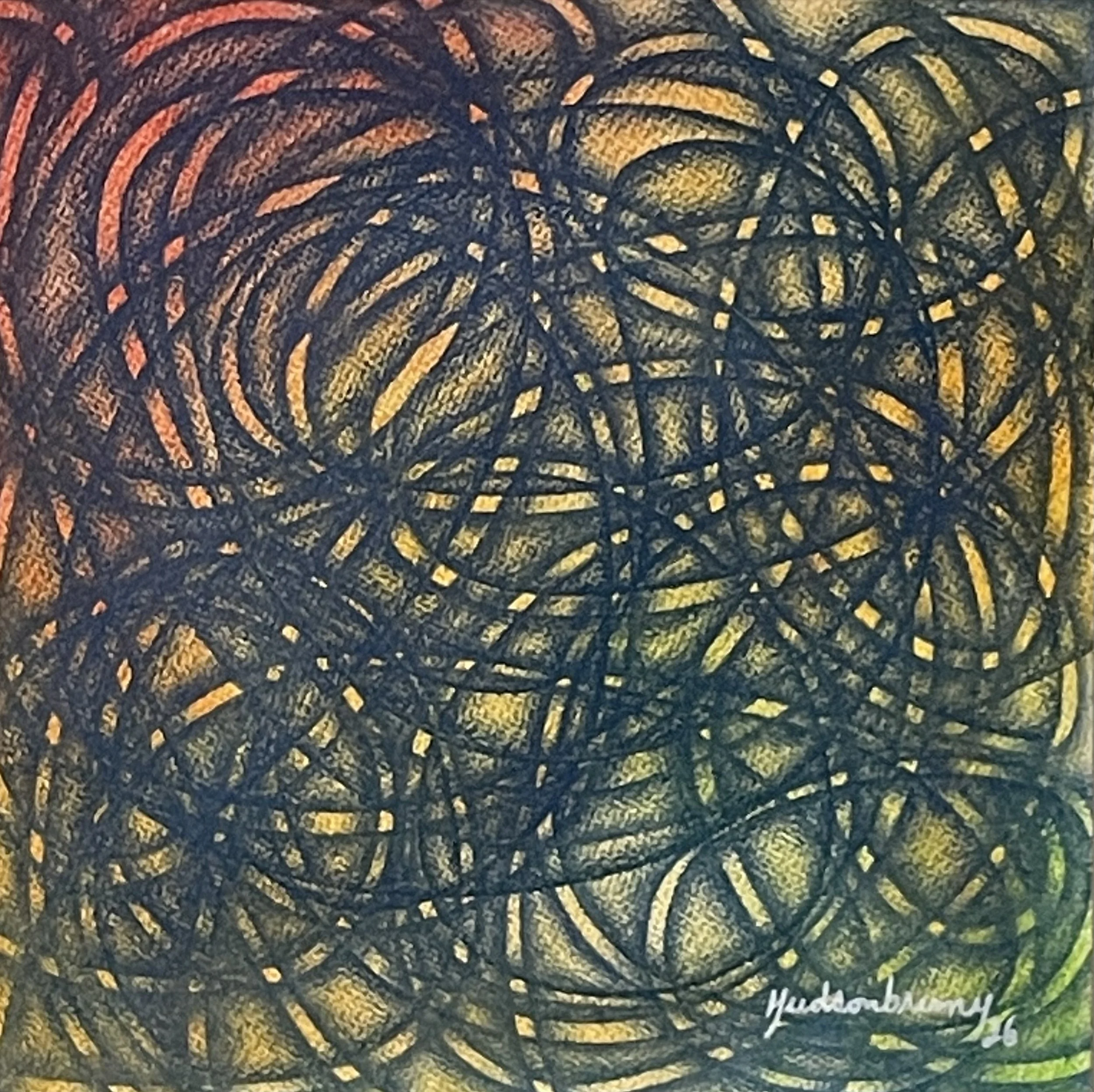
Modern body
2026
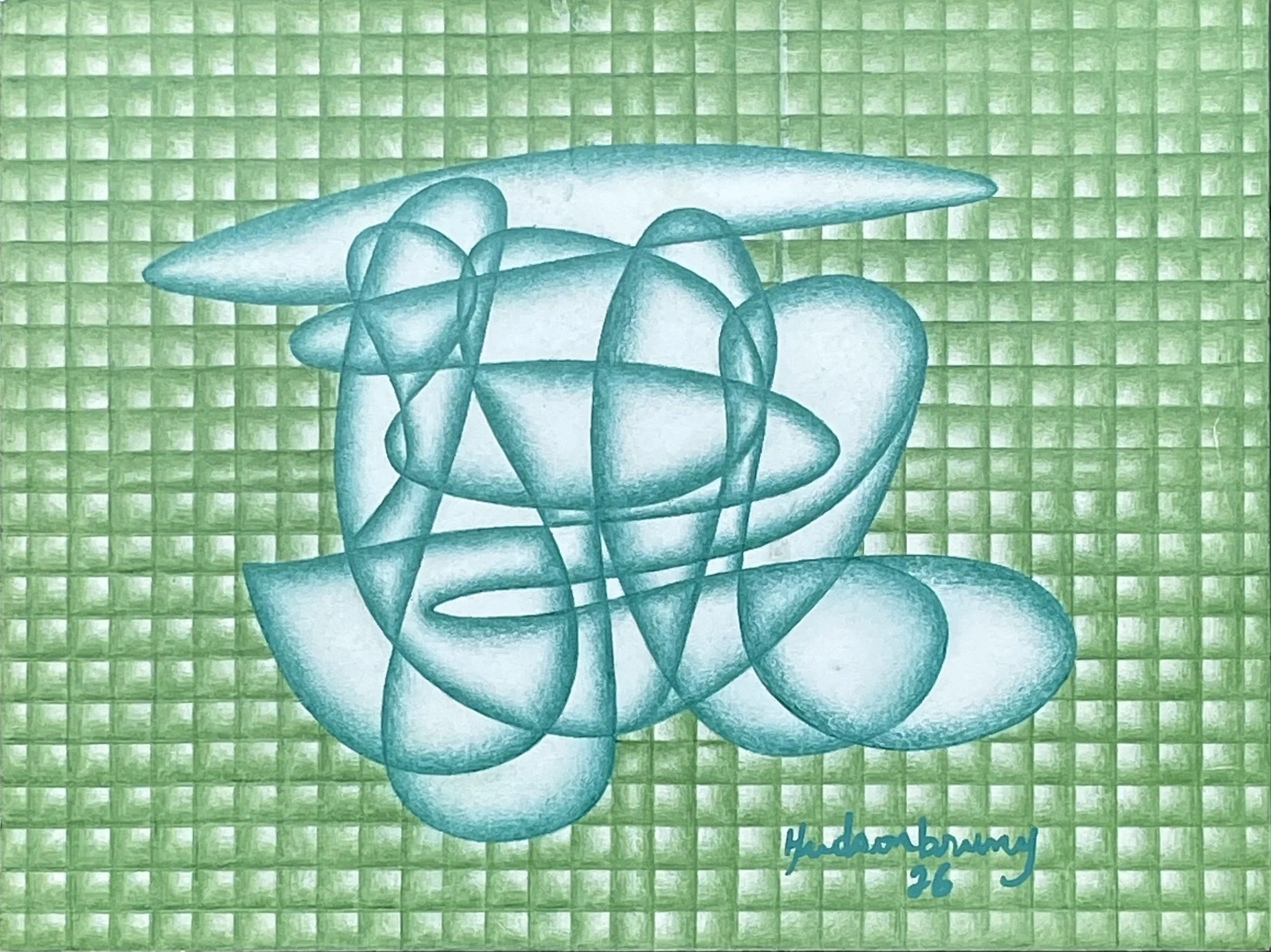
My table
2026
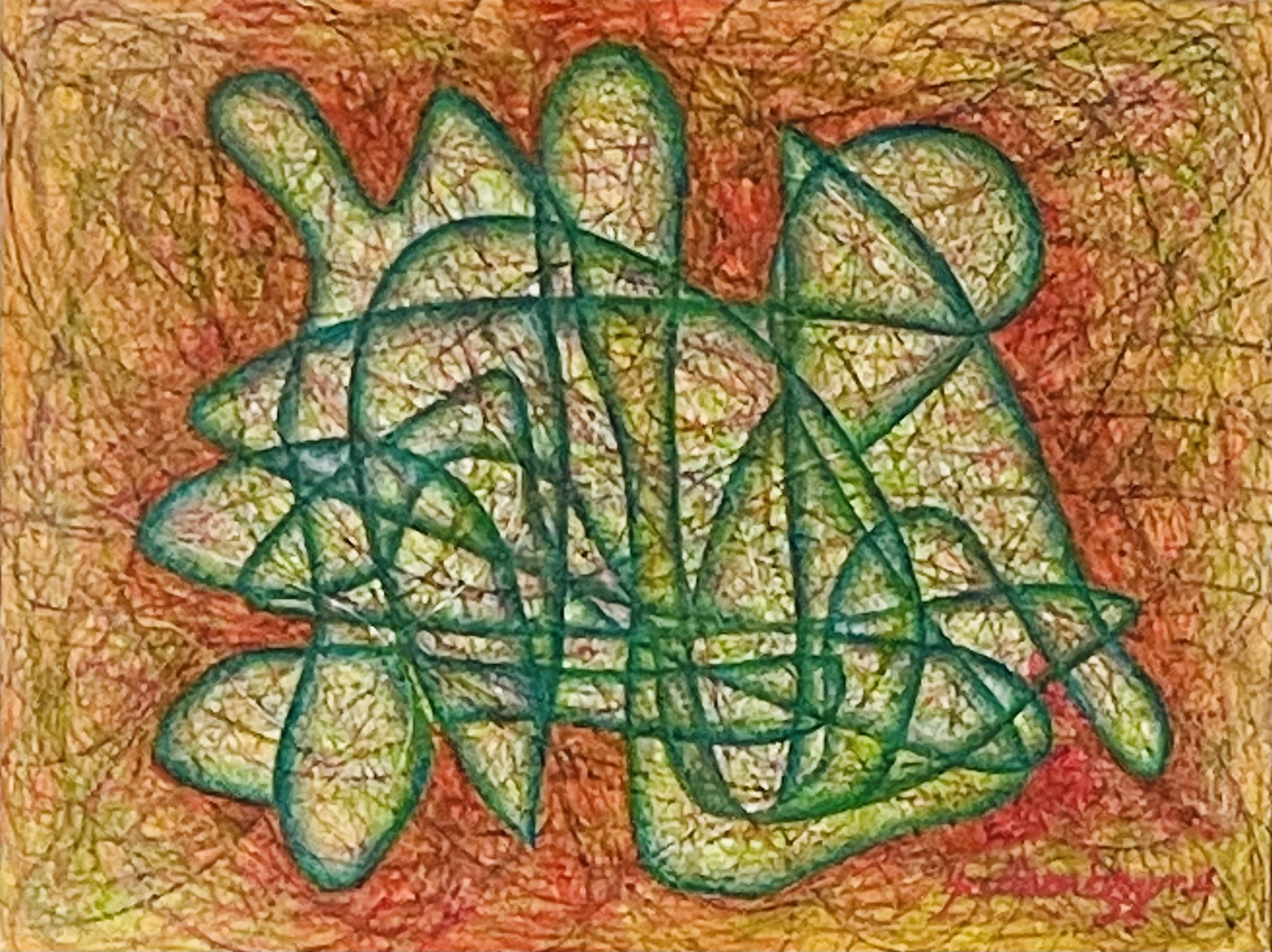
Red passport
2026
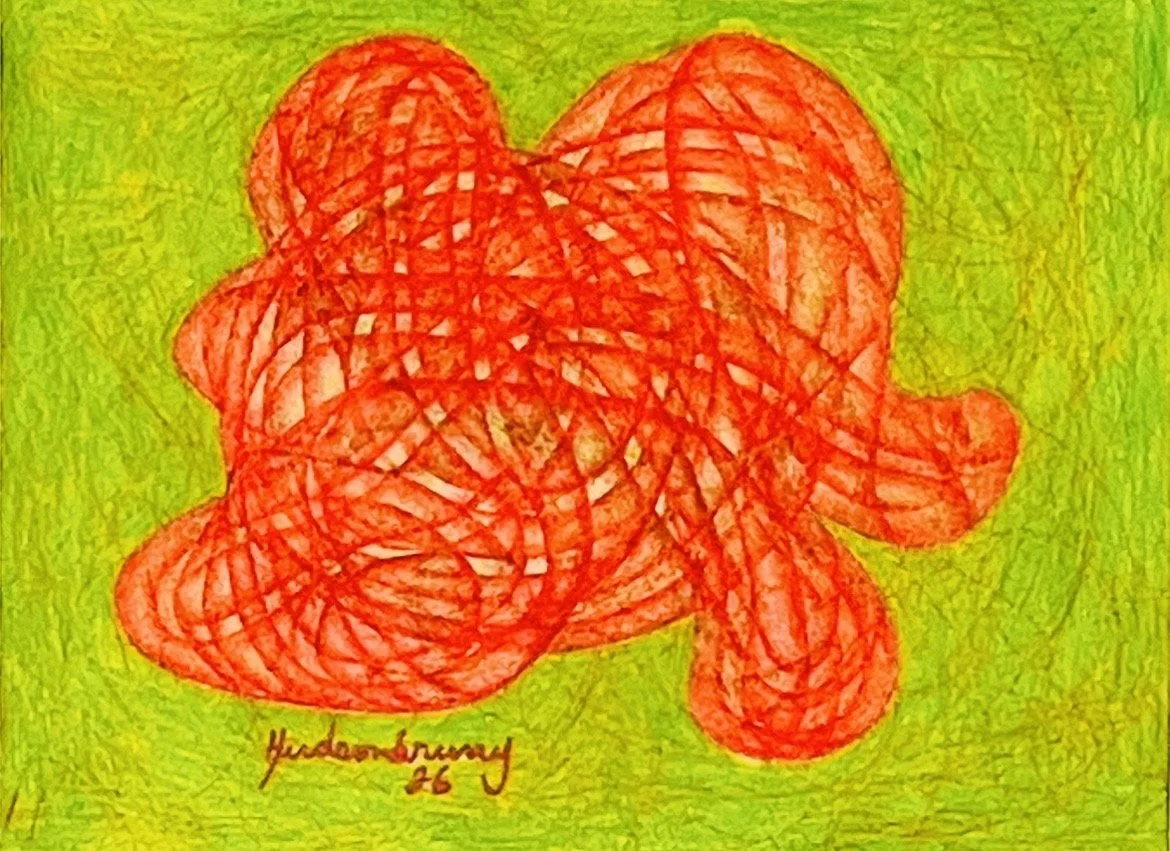
Emblématique sagesse du vagabond
2026
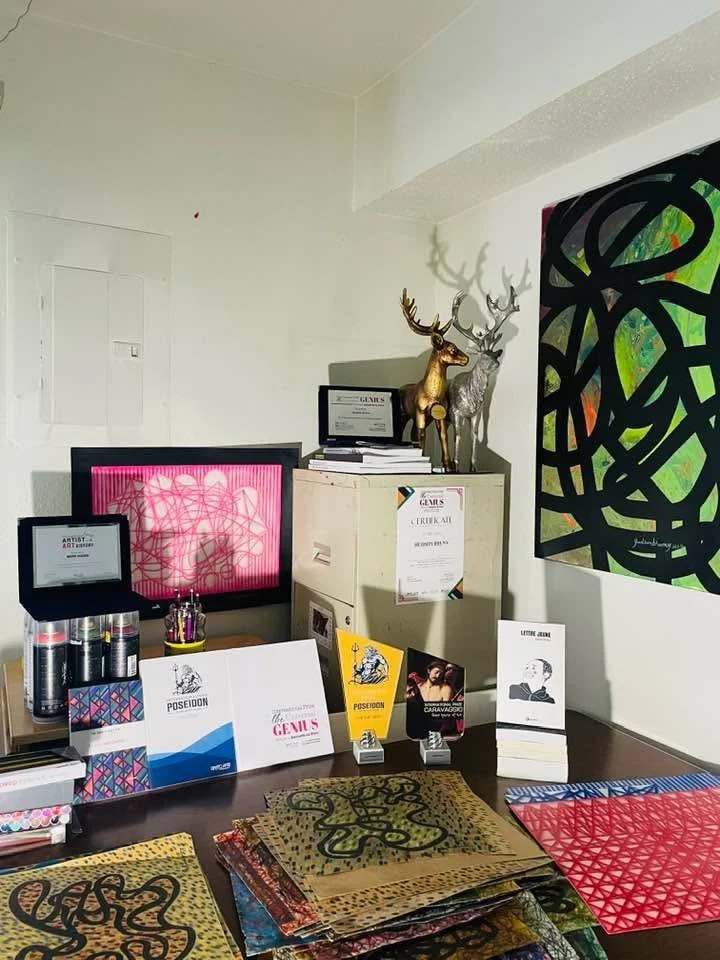
In my studio