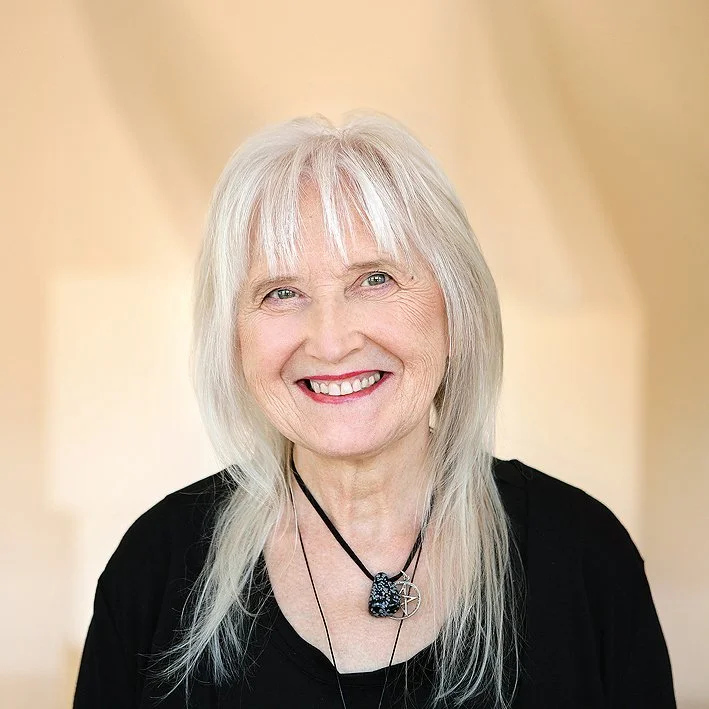
Margaretha Gubernale
Biography
Margaretha Gubernale was born on June 9, 1941, in Zug, Switzerland, where she still lives and works at Atelier Edera. Over several decades, she developed an artistic practice marked by an intense engagement with symbolism, metaphysical questions, philosophy, and nature. Primarily working with oil on canvas, but also with acrylic and pencil, she follows an approach that unites the visible and the invisible, the material and the spiritual, in a visual language that blends figurative representation with symbolic, abstract, and surrealistic elements. The search for an appropriate visual language remained central throughout her career and led to a coherent artistic philosophy that shapes both her practice and her international exhibition history.
Although Gubernale taught herself everything, her artistic development did not come from formal academic training, but through a lifelong process of observing, thinking, and disciplined self-study. Her earliest experiences show an instinctive sensitivity to beauty, which would later become fundamental to her work. Among her most formative childhood memories is watching her father, a master confectioner, decorating elaborate cakes with precision and care. This mix of craftsmanship, imagination, and aesthetic finesse opened up the possibilities of artistic creation for her long before she began painting herself. Rather than simply describing this experience as a technical influence, it represented an early encounter with transforming everyday materials into objects of beauty.
Another formative childhood memory highlights an equally enduring aspect of her artistic perspective: a deep sense of justice and an intuitive respect for nature. At around four years old, she admired a small bouquet of chickweed that she had picked when she encountered an adult who dismissed the delicate plants as weeds that needed to be destroyed. Her spontaneous defence of their beauty left a lasting impression and, in retrospect, became a symbol of a worldview that values often overlooked forms of life and finds meaning where others might not. This early episode reflects a sensitivity that later developed into an artistic philosophy based on observation, ethical reflection, and reverence for nature.
Books, poetry, classical music, and the time she spent with her grandparents during her childhood also contributed to her intellectual and imaginative development. Rather than remaining isolated interests, these experiences gradually evolved into interconnected sources of inspiration that continue to shape her artistic work today. Literature stimulated philosophical questions, music enhanced her understanding of rhythm and emotional resonance, and nature became both a subject and a teacher. Throughout her career, she repeatedly described nature as one of her most important sources of insight, viewing it not just as a physical environment, but as evidence of a deeper spiritual reality revealed through careful observation.
Before Gubernale starts a painting, she goes through a strictly structured thought process that reflects both discipline and contemplation. Her workday does not begin until all practical obligations are taken care of, whether household chores, family duties, or other tasks. She says that she only feels in a state of complete artistic freedom once she has fulfilled these responsibilities. Equally important to her is orienting herself within the broader political and social context before beginning her art. Rather than existing detached from contemporary life, her artistic process emerges from reflection on personal and collective circumstances. She describes this preparation as what allows her to think clearly and sustainably before the first brushstroke touches the canvas.
The creation of a painting begins long before the physical work itself. Ideas develop gradually, often over long periods of contemplation, during which philosophical questions, observations of nature, reading, and music interact in her imagination. She compares this phase to embryonic development, suggesting that a work exists in the mind long before it takes visible form. Early sketches are deliberately kept simple and are not intended as finished studies, but as visual traces of an inner struggle to translate abstract thoughts into understandable images. This lengthy process reflects her belief that every formal decision must be subordinated to the clarity of the central idea.
Central to Gubernale's artistic development was her quest for a form of expression that could convey complex philosophical ideas to a broad audience. In her reflections on her early works, she explained that she was dissatisfied with the limits of both purely figurative and purely abstract painting. While figurative representation offered clarity, it seemed unable to capture the full range of metaphysical thoughts that interested her. Abstraction, on the other hand, allowed freedom of expression but often left meaning entirely up to the viewer's subjective interpretation. She became known for her example that an abstract painting could evoke completely different associations, such as "Christ and salami," depending on the viewer's imagination. This ambiguity did not satisfy her desire to communicate concrete philosophical ideas.
Surrealism initially seemed to offer a possible solution. Its ability to transcend ordinary reality matched her growing interest in spiritual and metaphysical topics. But in the end, she concluded that Surrealism alone could not fully express the relationship between visible reality and transcendent meaning that she was seeking. Her search eventually led her to Symbolism, which she saw as a language that preserves recognizable forms while expanding their meaning beyond literal representation. Through symbolic imagery, she found a way to create visual parables in which figurative, abstract, and surreal elements work together within a unified image structure.
This symbolic imagery became a defining feature of her mature artistic practice. Instead of depicting narrative scenes with fixed interpretations, her paintings invite viewers to engage in metaphysical reflection that goes beyond the image itself. Figures, animals, landscapes, colours, and technical motifs function both as concrete forms and as symbolic carriers of broader philosophical ideas. By using allegories instead of direct illustration, she seeks to overcome the limitations of conventional storytelling and give each painting an impact on multiple intellectual and emotional levels.
Nature holds a fundamental place in this philosophy. Trees, water, sky, animals, landscapes, and elemental forces repeatedly appear in her paintings, not simply because of their visual beauty, but because they embody spiritual principles that go beyond the physical. She sees natural forms as manifestations of deeper realities and believes that the divine can be experienced through careful engagement with the living world. This perspective shapes paintings such as "Forest with Yggdrasil," where realistically depicted trees exist alongside symbolic figures. A sylph represents the energetic qualities of water, the full moon stands for abundance, and a red lung hanging on the World Tree symbolizes the kindling of fire. Rather than functioning as isolated symbols, these elements are part of a carefully constructed philosophical system in which physical reality and metaphysical meaning are in constant interaction.
Her understanding of symbolism goes beyond traditional iconography and includes the four classical elements of earth, water, air, and fire, which play a central role in her writings and artistic work. These elements are not simply natural phenomena but represent different dimensions of human existence. Water corresponds to emotion, air to intellect, earth to material embodiment, and fire to self-awareness, will, and creative energy. Together, they form a conceptual framework through which she explores the relationship between human experience and universal order.
This basic structure also shapes her understanding of artistic creation itself. She describes symbolic language as something that affects all five senses while also incorporating these four fundamental dimensions of existence. The resulting work aims to unite emotional response, intellectual reflection, physical reality, and spiritual longing into a single visual experience. Rather than separating these aspects of human life, her paintings seek their integration and uphold the idea that authentic artistic expression comes from harmony, not separation.
Among the recurring features of Gubernale’s paintings, colour, especially blue, takes on a particularly significant role. Over the course of her career, blue became one of the defining elements of her visual language and serves as far more than simply a compositional tool. She primarily associates blue with air and intellect, yet its symbolic range is remarkable. Blue can represent transparency and purity, lightness and spiritual openness, or it can feel dense, cloudy, introspective, and contemplative. She describes it as a color that can exist in various physical states, dry, rainy, and icy, and, in doing so, continually expands like an extension of light itself.
For Gubernale, colour springs from a feeling before it takes on visual form. Like musical notes, colors express emotional and spiritual states that words alone cannot adequately convey. This connection between painting and music reflects another important dimension of her artistic work. Besides her visual art, she plays the church organ and composes music, activities that deepen her understanding of rhythm, harmony, structure, and emotional resonance. She compares the emergence of key ideas in her paintings to organ tones and suggests that colour relationships have an inner musicality that can communicate directly with the viewer's inner self.
Music, philosophy, and literature are therefore inseparably connected to her artistic practice. Reading, especially philosophical and anthroposophical texts, provides her with intellectual stimulation, which gradually develops into artistic concepts. Instead of presenting philosophical teachings directly, she internalizes ideas over long periods of reflection until they merge inseparably with her visual imagination. The paintings that emerge in this way do not act as philosophical diagrams but as symbolic environments in which thoughts take on a sensory form.
The philosophical dimension of Gubernale's work developed closely in dialogue with her interest in anthroposophy, symbolism, and metaphysics. Rather than seeing philosophy as an abstract intellectual exercise, she understands it as a lived framework in which human existence, nature, ethics, and creativity are interconnected. Her paintings, therefore, aim not only to depict visible reality but also to reveal relationships that she believes exist beyond ordinary perception. This effort is consistently reflected in her artistic practice and writings, where she describes symbolism as a language that can guide the viewer beyond material appearance toward a broader understanding of spiritual reality.
In her essay "Magic and Symbolism in Art," Gubernale places symbolism within a long historical continuum, stretching from prehistoric humanity to the present day. She argues that the earliest forms of symbolic expression already reflected humanity's attempt to connect material existence with the divine and that this impulse remains relevant in contemporary artistic practice. According to her understanding, symbolism allows artists to approach what cannot be directly represented by using allegorical forms that remain accessible through visual experience. Rather than giving up the physical world, symbolism integrates it into a broader metaphysical framework, allowing visible forms to become carriers of invisible ideas.
This view also explains her ongoing fascination with figurative imagery. Human figures, animals, landscapes, architectural forms, and natural phenomena are recognizable in her paintings, but they rarely serve as purely descriptive representations. Every element is part of an interconnected symbolic system in which visual appearance points beyond itself. She often describes her paintings as parables, suggesting that they should be understood more like philosophical or spiritual stories whose meaning is revealed through contemplation rather than immediate interpretation.
The relationship between abstraction and representation remains one of the defining features of her mature style. Instead of seeing these approaches as mutually exclusive, Gubernale deliberately combines them within individual compositions. Abstract passages create emotional atmosphere and metaphysical openness, while figurative forms provide points of connection through which the viewer can engage with the work. Surreal elements expand these relationships by breaking down conventional spatial or narrative logic. This blend allows her paintings to oscillate between concrete observation and symbolic reflection, allowing multiple layers of meaning to coexist within a single visual structure.
Her own description of this process repeatedly returns to the image of balance. She characterizes her work as a "tightrope walk," which requires constant negotiation between abstract thinking and tangible reality. On one side are philosophical concepts that are not easily visualized; on the other is the physical world with its recognizable forms. The symbolic image acts as a bridge between these two areas, translating intellectual reflection into a visual language without losing clarity or complexity.
This balancing act is especially evident in works that deal with contemporary technological themes and classical symbolism. Even though many of her visual motifs draw on mythology, philosophy, and natural history, Gubernale does not separate these themes from modern society. Instead, she incorporates technological motifs whenever they contribute to the overall conceptual structure of a painting.
Her work "Fausta Thinks About Humility" is an exemplary piece of this approach. The composition shows a female counterpart to Goethe's Faust, sitting behind four books that symbolize the classical elements, while a fifth object, a laptop with the Google logo, represents the modern world of digital knowledge. Instead of condemning technological progress, the painting reflects on its ethical implications. The juxtaposition of ancient symbolic wisdom with modern information systems becomes a meditation on responsibility, humility, and the dangers inherent in knowledge without ethical awareness. Through this visual dialogue, Gubernale suggests that intellectual progress requires moral development to avoid destructive consequences.
Another example is "Maintain the Forest."
The first woman drinks from the spring, the second from the well; the third woman reaches toward it with a chalice. The forest is the sanctuary of water. The trees hold the hillside and are the first settlers on Earth. The forest commands reverence.
The painting reflects her belief that art can contribute to discussions about shared human challenges without losing its symbolic and poetic nature. Here, ecological awareness is integrated into a broader ethical vision in which humanity's relationship with nature is inseparably linked to questions of justice and coexistence.
Despite the intellectual complexity of her paintings, Gubernale always emphasizes communication with the viewer. Long before she starts a new work, she imagines an encounter between the finished painting and its future audience. This imagined dialogue influences every stage of the creative process, from choosing the subject to designing symbolic relationships. Rather than seeing the artistic process as complete once the work leaves the studio, she views the viewer’s interpretation as an essential continuation of the work itself.
For this reason, her paintings deliberately avoid clear conclusions. They invite viewers to bring in their own experiences, reflections, and ethical perspectives and to engage with the symbolism depicted. She hopes that each viewer, through contemplative viewing, will either discover new perspectives or deepen their understanding of the ideas already present in the work. The painting thus becomes less an object of passive observation and more an invitation to active intellectual and emotional engagement.
This openness sets her understanding of symbols apart from purely illustrative allegory. Instead of giving fixed meanings to individual motifs, she allows symbolic relationships to remain dynamic and layered. A tree can represent biological life, spiritual growth, philosophical continuity, and the interconnectedness of all being at the same time. Water can evoke emotions, ecological responsibility, cleansing, or the flow of knowledge. Fire embodies creative energy, but also transformation, willpower, and self-awareness. These meanings exist side by side rather than replacing one another, allowing each painting to be viewed repeatedly and continuously interpreted.
Underlying this symbolic complexity is a consistent ethical orientation. Gubernale repeatedly emphasizes harmony, peace, humility, and respect for human dignity as guiding principles in both her art and her overall worldview. Her interest in metaphysics is not about escaping current reality; rather, it aims to highlight the moral responsibilities that come with human freedom. As a result, many of her paintings address issues such as pride, ambition, environmental protection, technological development, and social responsibility through symbolic rather than literal representation.
Goethe appears in her discussions of humility and human ambition. In her interpretation of "Fausta Thinks About Humility," she connects the painting both to Goethe's "The Diver" and Nietzsche's reflections on moderation, arguing that technological and political power must be grounded in ethical awareness. These literary references are not simply included as cultural quotations; instead, they become important elements of the philosophical framework that shapes her symbolic imagery.
Although Gubernale often deals with spiritual themes in her paintings, she always approaches different cultures and belief systems with respect. Regarding the international presentation of her works, she explained that she deliberately avoids images that could offend, preach, or disrespect certain audiences. Instead, she takes the cultural context of each exhibition into account without compromising her own artistic language. This sensitivity reflects her belief that symbolism has the ability to communicate across national, religious, and cultural boundaries precisely because it addresses shared aspects of human experience rather than narrow ideological positions.
Her international exhibitions have repeatedly confirmed this belief. By observing audience reactions in Europe, North America, Asia, and other regions, she realized that symbolic imagery often overcomes language barriers and allows viewers from different backgrounds to engage with shared philosophical questions through visual experience. Rather than simplifying her works for different audiences, she relies on the universal potential of symbolic forms to spark meaningful dialogue.
Besides her painting, Gubernale has also set out her artistic philosophy in writing. Her essays and interviews reflect her ongoing effort to explore the intellectual foundations of her work and give readers insight into the conceptual structures of her visual language. These texts reveal an artist deeply engaged with the historical development of symbolism, the relationship between material and spiritual existence, and the continuing role of art in contemporary society. They complement her paintings rather than explain them, translating the same philosophical inquiry into written form.
Equally revealing is her belief that every new painting represents the peak of her artistic development at the moment it is created. When repeatedly asked about her greatest success, she firmly refuses to let earlier works take precedence over her current pieces. For Gubernale, every finished painting embodies the accumulated experience of past decades while simultaneously opening up new possibilities for future exploration. She has noted that if she ever believed a new work could not in some way surpass its predecessors, there would be no reason for her to continue painting.
This commitment to continuous development has shaped her decades-long career. Instead of repeating established formulas, she approaches each new composition as the beginning of a renewed exploration of the relationship between symbolic thinking and visual form. In recent interviews, she described her work on "The Seven Deadly Sins of the Modern World," a project that highlights her ongoing engagement with ethical, philosophical, and contemporary issues while remaining firmly rooted in the symbolic language she has developed over her career.
Her artistic philosophy is therefore inseparably linked to her way of working. Every creative process, from in-depth contemplation and philosophical reading to careful symbolic design and final execution, reflects her constant effort to develop a visual language that can capture the intellectual, spiritual, and ethical dimensions of human existence. Through this ongoing pursuit, Margaretha Gubernale has created a body of work in which symbolism serves not just as a stylistic device, but as a comprehensive means of understanding the relationship between humanity, nature, and the invisible realities that continue to inspire her art.
Margaretha Gubernale has maintained an active international exhibition career over the course of her work, reflecting both the geographical reach of her professional engagements and the consistency of her artistic vision. Since the early 1980s, her works have been shown in Europe, North America, Asia, and the Middle East, making her symbolic and philosophical visual language accessible to audiences in a wide variety of cultural contexts. Rather than adjusting her artistic language to different locations, she has always created work based on universal themes while also taking into account the cultural particularities of each exhibition.
Her public exhibition work began in the early 1980s with shows in Germany, including presentations at the Kurfürstenschloss in Mainz (1983) and at the Kunstkabinett Baden-Baden of the Kunstkreis Baden-Baden (1984). This was followed by exhibitions in Italy, especially at the Centro Rodino in Naples and a show in Parma in 1985. In this formative phase, her work reached Canada in 1988 with the Biennale Québec, showing an early expansion beyond Central Europe.
In the early 1990s, Gubernale's exhibition work became increasingly international. After a show at the Galerie du Relais in Horgen, Switzerland, in 1992, she presented her work in 1993 at the Montserrat Gallery in New York, one of her first major appearances in the United States. This exhibition established an ongoing connection with American audiences, which later included further shows in New York, Miami, Las Vegas, Los Angeles, and digital presentations in Times Square.
Among the many exhibitions that shaped her professional life, Gubernale repeatedly describes the Olympic Art Exhibition as one of the most memorable. Besides the exhibition itself, she especially remembers the extraordinary care given to the participating artists. Her painting was picked up and transported free of charge, she received a gold medal, and the organizers arranged for her to stay for ten days with full board in a five-star hotel. The program also included visits to significant cultural sites and the handover of the Olympic Winter Games 2006 torch in Turin. Particularly important for the artist was the permanent display of her donated painting in a temple of the Forbidden City after the exhibition. The publication of six extensive exhibition catalogues featuring her work further emphasized the significance of this event for her career.
The award she received in Beijing was an important career milestone, but Gubernale has repeatedly emphasized that the generosity and respect shown to the artists during the exhibition were equally unforgettable. Rather than remembering only the award itself, she remembers the atmosphere of hospitality, cultural exchange, and appreciation that shaped the event, qualities she has repeatedly highlighted as essential for meaningful artistic collaboration.
Following the Beijing exhibition, her exhibition activity increased significantly. In 2009 and 2010, her paintings were shown in Austria, Switzerland, Bosnia and Herzegovina, Croatia, Ukraine, and Russia, including at the OFA Museum in Sarajevo, the town hall of Banja Luka, the museum in Kyiv as part of Ukrainian Art Week, as well as at St. Petersburg and Moscow Art Weeks. These exhibitions made her symbolic works known to a wide audience in Eastern Europe and highlighted the increasingly international nature of her artistic practice.
The years from 2013 onward were a particularly active period, marked by participation in numerous exhibitions, biennials, and international art fairs. Her works were shown, among other places, in Milan, Palermo, Berlin, Basel, New York, Paris, Barcelona, Venice, Edinburgh, Miami, London, Verona, Malta, Tokyo, Tel Aviv, Lisbon, Amsterdam, Dubai, Athens, and Palma de Mallorca. These exhibitions reflected not only the geographic diversity of her career but also her collaboration with a wide range of art organizations, curators, and institutions.
Among all these experiences, some exhibitions hold a special place in her memories. One of these events was HanseArt Lübeck 2015 at the Musik- und Kongresshalle in Lübeck. Although it was not necessarily the largest exhibition of her career, she remembers it with particular fondness, as the organizers created an extraordinary atmosphere and visitors of various generations participated enthusiastically. She is grateful to the gallery owner and his wife for their care and genuine interest in the participating artists, and she sees this exhibition as an example of the human relationships that can develop within the environment of artistic practice.
Another key moment occurred in 2016, when she won first prize in the Margherita Hack competition, organized by Spoleto Arte under the direction of Professor Vittorio Sgarbi and Salvatore Nugnes. The award gave her a solo exhibition in Milan and Bassano del Grappa and is one of the recognitions that means the most to her. Looking back on this experience, she spoke not only about the award itself but also about the atmosphere of respect for artistic practice fostered by everyone involved in the project.
Italy has always played a particularly important role in Gubernale's exhibition history. From early exhibitions in Naples and Parma in the 1980s to repeated participation in shows in Palermo, Venice, Verona, Milan, Spoleto, Mantua, Rome, Bassano del Grappa, and many other Italian cities, the country remained one of the main centres of her international activities. Many of these exhibitions were organized in collaboration with well-known curators such as Vittorio Sgarbi, Paolo Levi, Salvatore Russo, and other figures from the Italian contemporary art scene.
Among the many exhibition venues where her work has been shown, the exhibitions organized by the Société des Artistes Indépendants in Paris hold a special intellectual significance for Gubernale. She took part in "Art Capital" at the Grand Palais in 2018 and 2020 and returned in 2024 for the "Salon des Indépendants" at the Grand Palais Éphémère. In hindsight, she describes these exhibitions as particularly significant due to the long-standing history of the society and its connection to artists she deeply admires, including Paul Cézanne, Marc Chagall, Giorgio de Chirico, Salvador Dalí, Alberto Giacometti, Henri Matisse, Amedeo Modigliani, Edvard Munch, Odilon Redon, Vincent van Gogh, and Henri Rousseau. Participating in these exhibitions meant not only professional visibility for her but also the opportunity to contribute to a living artistic tradition while engaging in dialogue with contemporary artists from around the world.
The Paris exhibitions also highlight another characteristic feature of her career: her ongoing commitment to artistic exchange. Gubernale sees exhibitions not simply as opportunities for public display, but values them as occasions to meet fellow artists, encounter different perspectives, and participate in broader international discussions on contemporary art.
Digital exhibition platforms have also become an important part of her recent artistic practice. In 2023, she participated in several digital Artboxy projects shown in galleries in Berlin, Athens, Palma de Mallorca, Dubai, and Zug, and also presented a digital solo exhibition at EuropaArt in Amsterdam. Her works were also exhibited by the MAD Gallery and later that autumn featured as part of a series of digital displays in Times Square in New York. These projects demonstrate her willingness to explore new exhibition formats while remaining true to the symbolic language of her painting.
In 2024, she took part in a month-long exhibition on board Vueling planes, organized by Contemporary Art Management, which expanded her audience beyond traditional gallery spaces. Projects like these highlight the increasingly diverse ways contemporary artists can reach an international audience without losing their connection to traditional exhibition venues.
In addition to her extensive exhibition history, Gubernale's career has been marked by numerous awards and honours that recognize different aspects of her artistic work. Even though she always emphasizes that every new painting is her greatest achievement, these accolades still reflect decades of ongoing recognition for her art.
Some of her first awards included the gold medal from the Baden-Baden Art Circle (1983), first prize at the Florence-Europe competition (1984), and a gold medal in Madrid (1986). In the following decades, further recognitions came, including international awards associated with Palermo, Venice, Barcelona, London, Miami, Berlin, Paris, New York, and other cultural centres.
Among these awards, the most significant is the gold medal she received at the 2008 Olympic Art Exhibitions in Beijing, an honour that she associates inseparably with the generosity and cultural exchange that characterized the exhibition itself. Equally important to her is the 2016 Margherita Hack Prize, which gave her the opportunity for a solo exhibition and recognized the continuous evolution of her symbolic style.
Her later awards include the "60 Top Artists Award" from the Metropolitan Museum of Art in Las Vegas (2017), the "Top 60 Masters Award" from ATIM in New York (2020), the Paolo Levi Prize, and the "Future of Art Global Masterpiece Award," which was given to her in 2024 by Contemporary Art Curator Magazine after what she describes as a deep and comprehensive engagement with her work. In recent years, she has also been awarded the "El Greco Award" and the "Collectors Art Prize, Legends of Our Time Award" and mentioned in publications such as the "Art Investment & Collectors' Guide 2025," "Top Investable Artists 2026," and the "Atlante dell'Arte Contemporanea." In 2026, she received the Global "Collectors Art Prize Award, Masters Defining the Future" as well as the Noble Art Award for her exceptional support of art heritage; this is described as a special, non-negotiable award given only to a few artists who actively participate in noble interviews and show particular interest in art.
Despite this long list of awards, Gubernale has always resisted measuring artistic success solely by prizes. When asked how such honours affect her work, she explained that they mainly deepen her sense of gratitude and responsibility. In her view, recognition does not mark the end of artistic development; instead, it encourages her to continually refine her personal style and engage anew with her creative work. For her, awards are more a commitment to continue growing as an artist than a goal in themselves.
Another formative experience that shaped her professional perspective occurred much earlier in her career, when she ran a gallery for figurative artists. At a time when abstract art dominated the tastes of an influential local artist circle, she faced significant resistance because of her commitment to figurative painting. According to her recollections, members of this group publicly criticized both her own work and that of the artists she exhibited, even though she had chosen them carefully and one of them was the art instructor of a prominent member of the same circle.
Instead of discouraging her, these experiences ultimately strengthened her resolve to continue on her own artistic path. Looking back, she notes that later international recognition gradually changed perceptions, while eventually even critical appreciation came from viewers and authors who were able to engage deeply with the symbolic complexity of her paintings. This episode highlights not only her professional resilience but also her long-standing commitment to remaining true to her artistic beliefs despite changing trends and outside criticism.
As Margaretha Gubernale’s exhibition history spread across continents, the publication and documentation of her work also grew. Over the course of her career, her paintings were reproduced in exhibition catalogues, art books, magazines, essays, and international reference works, creating an extensive printed archive that accompanies her constantly evolving artistic practice. These publications not only serve to document her work but also trace the development of an artist whose work has remained remarkably consistent in its philosophical foundations while continuously refining its visual language.
Long before the release of many current international publications, Gubernale's work was already attracting attention through exhibition catalogues connected to her increasing international presentations. Especially after she expanded her exhibition activities in the 1990s and 2000s, almost every major exhibition was accompanied by printed documentation, allowing her paintings to circulate beyond the exhibition spaces. This growing presence in publications gradually secured her a solid place in contemporary art literature.
Her work has been featured in a number of books, including "Inspiration Art Book No. 6" (2018), "Le Scelte di Puntelli - La Solitudine dell'Angelo" by Giammarco Puntelli (2019), "Atlante dell'Arte," published by De Agostini (2020 and again in 2026), "The First Berliner Art Book" (2020), "Annuaire International des Beaux-Arts" (2021), "Massimo Troisi - Il Mio Verbo Preferito" by Stefano Veneruso (2023), "Ambasciatore d'Arte" (2023), "Logos" by Annalisa Puntelli Sacchetti (2023), "Internationally Recognized Artists" (2024), "Art Investment & Collector's Guide 2025," "Collector's Art Prize - Art Legends of Our Time" (2025), and "Top Investable Artists 2026." These publications, along with numerous exhibition catalogs and other books released prior to 2018, document her artistic output, reflecting both the breadth of her exhibition history and the sustained international interest in her work.
Publications in various magazines also contributed to the dissemination of her artistic ideas. Her paintings have appeared in outlets including Contemporary Art Magazine, Art Style Magazine, Aesthetica Magazine, Future of Art Global, and Art Leaders of Tomorrow. Of particular significance to the artist was her inclusion in Future of Art Global in 2024, where, following an in-depth critical analysis by editor Marta Puig, her work was honoured with the "Masterpiece Award." Gubernale views this recognition not merely as a prize, but as something that holds special meaning for her, given the depth of the critical engagement with and discussion surrounding her work.
Her inclusion in these publications reflects an aspect of her career that goes far beyond exhibitions. Through interviews, essays, catalogue texts, and reproductions, readers encounter not only the finished paintings but also the conceptual foundations behind them. This relationship between image and text is especially important in Gubernale’s work, as she has always been keen to articulate the philosophical principles of her visual language. Unlike many artists who leave interpretation entirely to others, she has made a significant contribution to the written discourse about her own work.
One of the clearest expressions of her thinking is her essay "Magic and Symbolism in Art," which brings together many of the ideas she has developed over decades of artistic practice. In the essay, she argues that symbolism helps connect people to aspects of existence that cannot be directly seen, and she traces a continuous historical line from prehistoric symbols to modern art. Although the essay is highly personal in its expression, it also demonstrates the intellectual seriousness with which she approaches painting.
Central to this text is the concept of Akasha, which she uses as a metaphor for an all-encompassing spiritual reality that transcends cultural, religious, and historical boundaries. In her view, symbolism allows artists to approach this invisible dimension by bringing abstract ideas into visible form. Rather than giving up material reality, she sees symbolic art as a necessary medium through which spiritual meaning can be experienced. This belief is consistently evident in her paintings as well as in her written reflections.
Equally significant is her recurring emphasis on universality. Gubernale repeatedly argues that contemporary artists should overcome distinctions of religion, ethnicity, and national origin, since the issues addressed through art ultimately concern dimensions of existence shared by all humanity. This perspective helps explain the international focus of her exhibition practice and her belief that symbolic imagery can bridge cultural differences without the need for linguistic translation.
Her reflections on the artistic creation process highlight the relationship between theory and practice in her work. She often describes the development of a painting as a gradual process in which an abstract idea matures through ongoing contemplation before taking visual form. Reading, classical music, philosophical engagement, and observing nature all contribute to this inner development. Only when the conceptual "embryo" has become clear enough does she begin the actual painting process.
The resulting image should never merely illustrate an intellectual concept. Instead, Gubernale aims to create a symbolic environment in which feeling, thought, and sensory perception all work together simultaneously. Colours express emotional states, shapes establish symbolic relationships, and compositional structures guide the viewer through layered levels of meaning. Her repeated comparison between colour and musical tone reflects this holistic understanding of artistic communication and suggests that visual experience has rhythms and harmonies analogous to those in music.
Music, alongside painting, holds an important place in her life. As a church organist and composer, she has long explored another form of artistic expression based on harmony, rhythm, and emotional resonance. Rather than existing as separate disciplines, music and painting seem to enhance each other in her work. She has described important painting ideas as being "like organ tones," suggesting that musical thinking shapes not only the mood of her works but also their structure.
The audience therefore plays a central role in Gubernale's artistic work. Long before starting a composition, she imagines communicating with future viewers and anticipates the moment when the finished painting encounters thoughts and experiences beyond her own. She hopes that viewers will actively engage with the work by bringing their own understanding into its symbolic structures. In this sense, interpretation becomes a continuation of the creative process rather than its conclusion.
This openness has contributed to the widespread geographical distribution of her works. Over the course of her career, her paintings have been exhibited in Switzerland, Germany, France, Italy, Spain, England, Scotland, Austria, Malta, Portugal, Denmark, Bosnia and Herzegovina, Croatia, Ukraine, Russia, Lebanon, Israel, China, Japan, Canada, the United States, the United Arab Emirates, Greece, and the Netherlands, among others. Although each exhibition took place within its own cultural context, Gubernale has always emphasized that symbolism has the ability to communicate through shared human experience.
Her own approach to international exhibitions reflects this belief. She explains that while she respects local cultures and avoids representations that could be seen as offensive or missionary, she does not fundamentally change her artistic language for different audiences. Instead, she looks for images that can spark dialogue across cultural boundaries while still honouring the traditions and values of the places where they are shown. This respect for cultural diversity aligns with the universal ethical principles that run through her paintings and writings.
Her career path was not always smooth. Early criticism of her commitment to figurative and symbolic painting could easily have discouraged a less determined artist. But Gubernale continued to develop her own visual language, even when it diverged from prevailing artistic tastes around her. Looking back, she does not see this persistence as an act of defiance, but as a necessary result of remaining true to an artistic vision that was non-negotiable for her.
This commitment continues to shape her current work. When asked about her greatest achievement, she always refuses to select a specific exhibition, award, or single painting. Instead, she says her greatest achievement is always the piece she is currently working on. Every new painting, she believes, has to expand on the insights of previous works while also opening up new possibilities for future exploration. She once mentioned that if she ever concluded that a new work offered nothing new, she would completely give up painting.
From her Atelier Edera in Zug, where she has remained closely connected to her birthplace throughout her life, Margaretha Gubernale continues the symbolic and philosophical explorations that have shaped her work for decades. Her paintings aim to reconcile intellect and emotion, nature and spirit, material reality and metaphysical longing. In doing so, she draws from observation, philosophy, classical music, literature, and ethical reflection to create visual parables that invite viewers to pause and reflect.
Over more than four decades of international artistic work, she has created a coherent body of work that stands out for its commitment to symbolism as a living contemporary language. Rather than viewing symbolism as a historical style, Gubernale uses it as an ever-evolving means of exploring questions fundamental to human existence: the relationship between humans and nature, the responsibility that comes with knowledge and technology, the search for spiritual meaning, and the possibility of harmony between the material and the invisible. Through this ongoing engagement, her paintings repeatedly affirm the ability of symbolic art to engage viewers intellectually, emotionally, and philosophically and to invite each new generation into a dialogue between the Earth and what she calls the spiritual heavens.
To maintain absolute freedom of thought regarding her current work, she first takes care of all her surrounding obligations, including family matters, health maintenance, organ-playing duties, managing her household, handling payments, and everything else that arises, while also looking after those close to her. Only then can she devote herself fully and clearly to her painting, for that is the only way it can become what it is meant to be. In this sense, there is, so to speak, no programmed time for her, only the time that she needs.
Artist Statement
Even in my early works, I, Margaretha Gubernale, sought a way to reach people all over the world with my thoughts. I could only achieve this through figurative representation; in abstract painting, by contrast, Christ and a salami might appear in the same image, yet they would merely serve to confirm the viewer’s own existing thoughts.
At the same time, my painting could not be confined to the figurative, as it also aimed for the freedom found in abstract art. I considered the surrealist style but felt that it did not fully produce the intended effect. Thus, I searched for a solution and found it in symbolism.
Here, I present my thoughts in a visual manner, extending this style metaphysically and beyond the confines of my own self into the form of a parable. In doing so, I break through all narrative boundaries, weaving together abstract and surreal elements to reach the soul of any thoughtful individual, provided they possess the genuine will to bridge the earthly realm with the spiritual heavens and to prioritize ethics.
I draw much from nature, sensing within it a divine presence that serves as my inspiration. I favour the colour blue, a spiritual hue, and frequently explore philosophical and magical themes. To me, blue represents the air that fans the flames; it manifests in three physical states: dry, rainy, and icy. Blue expands as a continuation of light.
Every artist has a distinctive way of seeing the world. What do you believe makes your artistic vision truly your own?
Even in my early works, I, Margaretha Gubernale, sought a way to reach people all over the world with my thoughts. I could only achieve this through figurative representation; in abstract painting, by contrast, Christ and a salami might appear in the same image, yet they would merely serve to confirm the viewer’s own existing thoughts.
At the same time, my painting could not be confined to the figurative, as it also aimed for the freedom found in abstract art. I considered the Surrealist style but felt that it did not fully produce the intended effect. Thus, I searched for a solution and found it in symbolism.
Here, I present my thoughts in a visual manner, extending this style metaphysically and beyond the confines of my own self into the form of a parable. In doing so, I break through all narrative boundaries, weaving together abstract and surreal elements to reach the soul of any thoughtful individual, provided they possess the genuine will to bridge the earthly realm with the spiritual heavens and to prioritise ethics.
I draw much from nature, sensing within it a divine presence that serves as my inspiration. I favour the colour blue, a spiritual hue, and frequently explore philosophical and magical themes. To me, blue represents the air that fans the flames; it manifests in three physical states: dry, rainy, and icy. Blue expands as a continuation of light.
Looking back at 2026, what has been the most meaningful moment or turning point in your artistic journey?
I truly hope that my paintings are understood by the viewer, that they are touched by the style and the colours, that their soul resonates with the work, and that they can follow me.
Above all, I wish for people to be able to discern certain prophecies within them, for I think and feel along with the world, and instances of injustice stir within me a righteous anger and a burning rage.
Great art often communicates what words cannot. What do you hope people experience or discover when encountering your work?
My work is important because it provides direction, can be communicated globally, and addresses issues that concern everyone on the planet, for when ethics are absent, everything that makes life worth living is also absent.
A life without love is a lost life.
As the art world continues to evolve, what do you believe gives an artwork lasting significance beyond trends and recognition?
A work of art can also have an educational effect by drawing attention to shortcomings and dangers. If it does so, the artist may find themselves ostracised by certain media outlets, precisely because their painting has struck a sensitive nerve.
The way in which these critics then treat their target speaks volumes about their own upbringing. My first music teacher used to say: “If it does not frighten you, then no harm will come to you!” Yet certain despots do fear a critical work because they understand that it harbours the truth.
What does being recognised among WORLD ARTISTS DEFINING OUR TIME 2026 mean to you personally and professionally?
I believe that the concept of ethics is embedded within the word “defining.” Through their work, an artist should strive to sow joy so that goodness may be reaped. Yet, if they perceive a need to draw attention to social ills or injustices, they should do so with their whole heart.
“Defining” also entails using one’s matured body of work to shape the future while consistently following an ethical course.
When future generations look back at your work, what would you most like them to remember?
They ought to value what I have accomplished and not, out of a lack of understanding, cast away the gold that I placed in their hands.

Wooden Horse in the Hollow Alley (with Schiller), 2026, oil on canvas, 60 cm x 60 cm
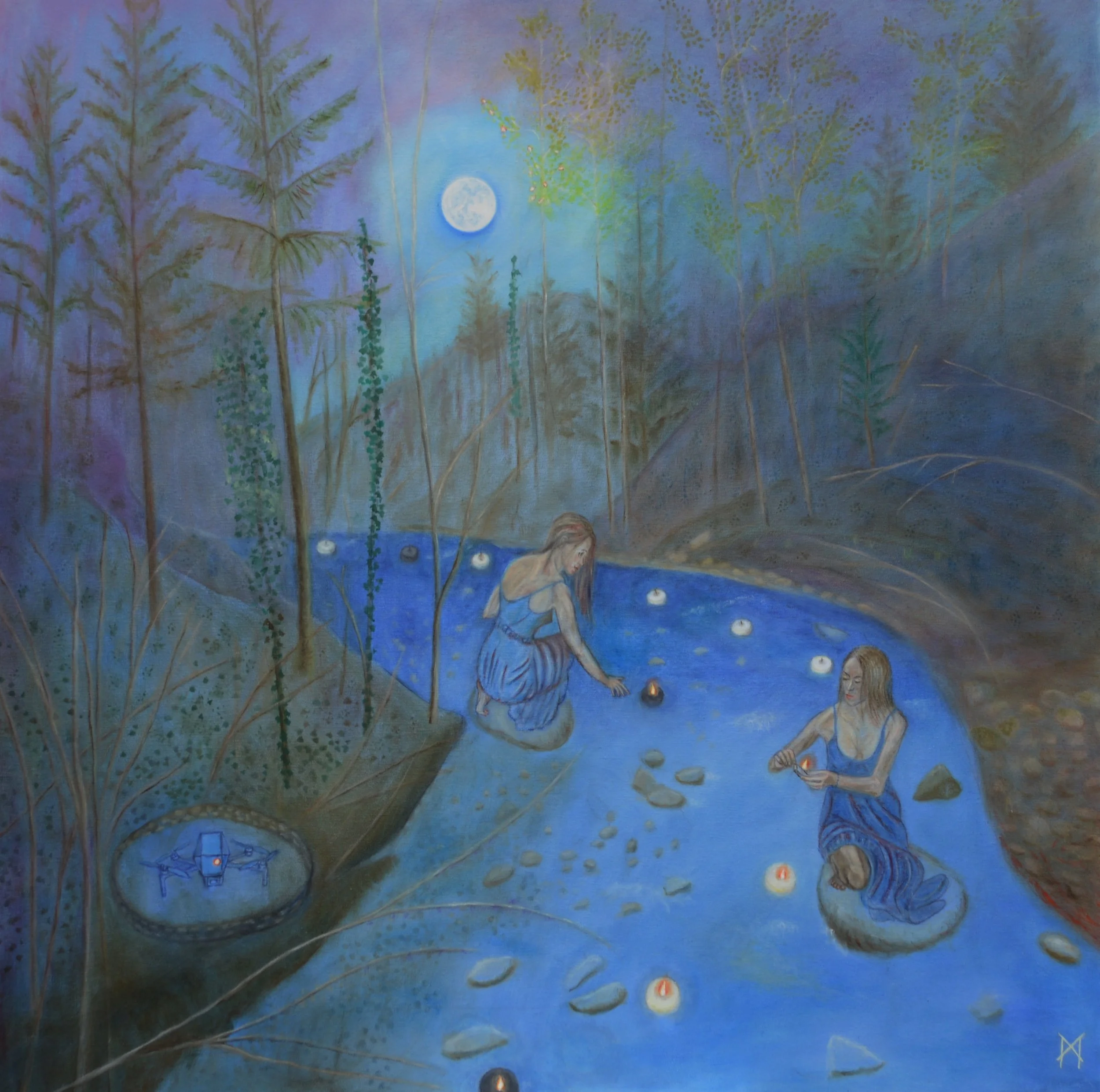
Now, 2023,oil on canvas, 100 cm x 100 cm
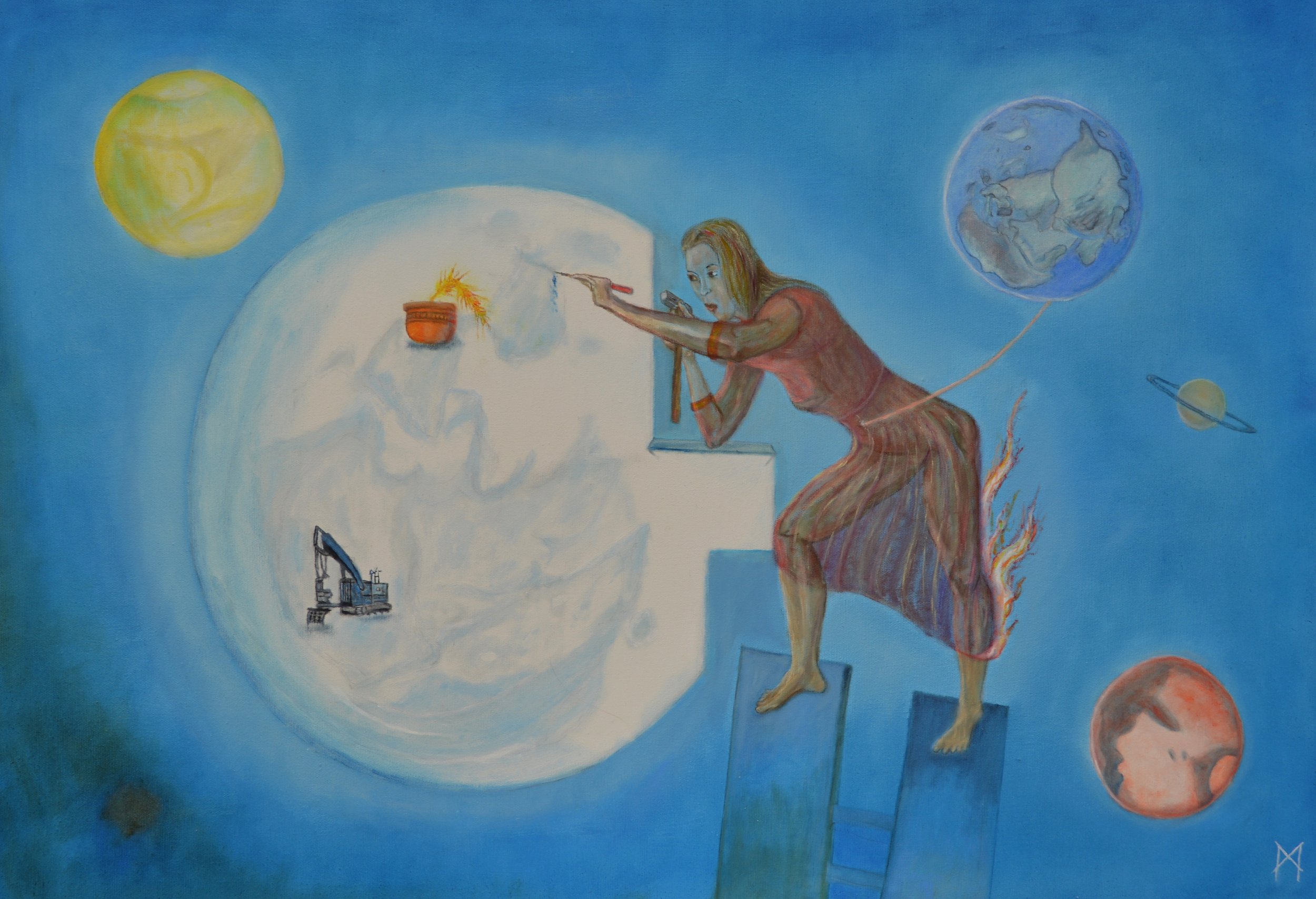
Declaration Day of angular Moon, 2025, oil on canvas, 70 cm x 100 cm
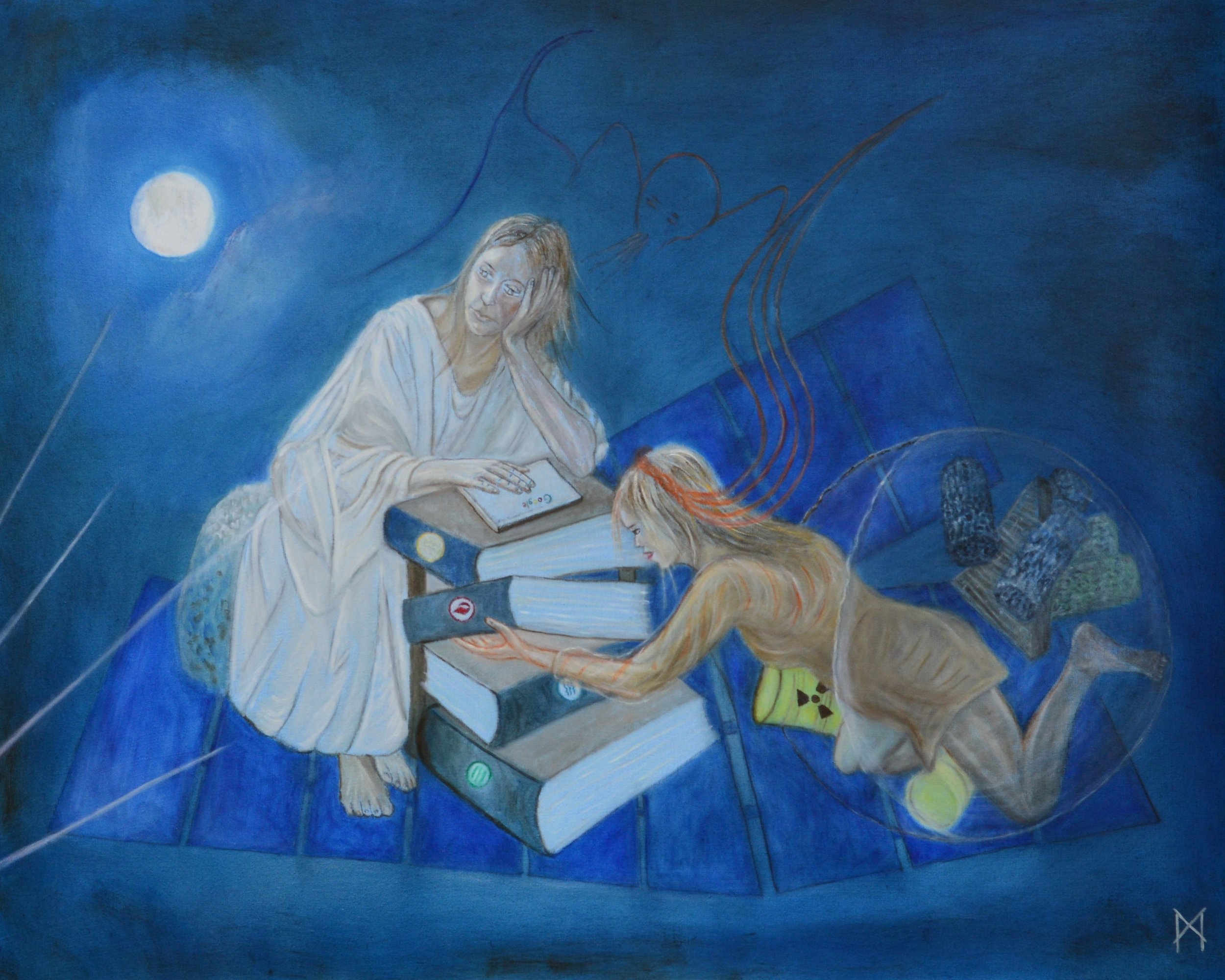
Fausta thinks Humility, 2019, oil on canvas, 80 cm x 100 cm
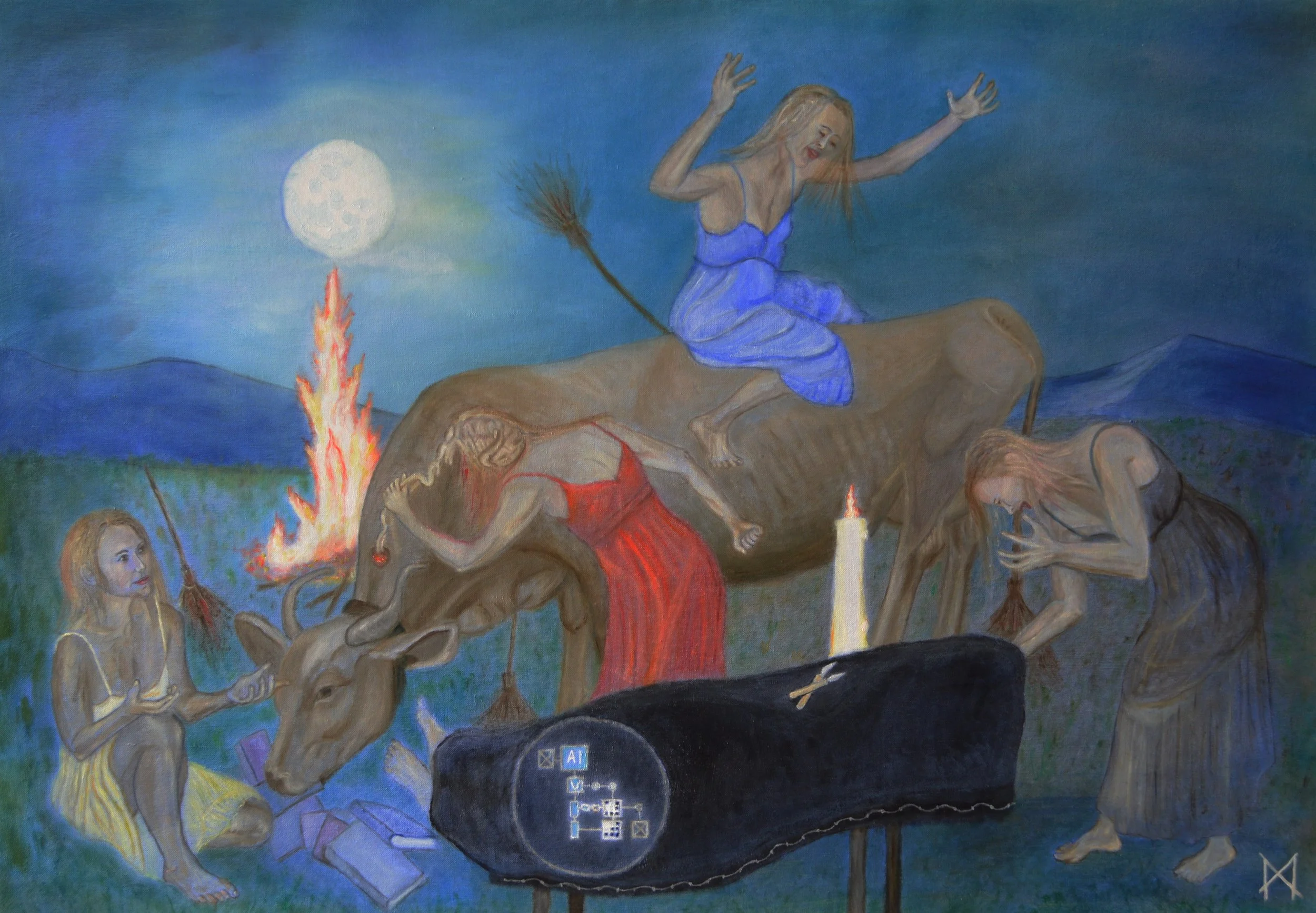
The Sorcerer's Apprentice (with Goethe), 2024, oil on canvas, 80 cm x 100 cm
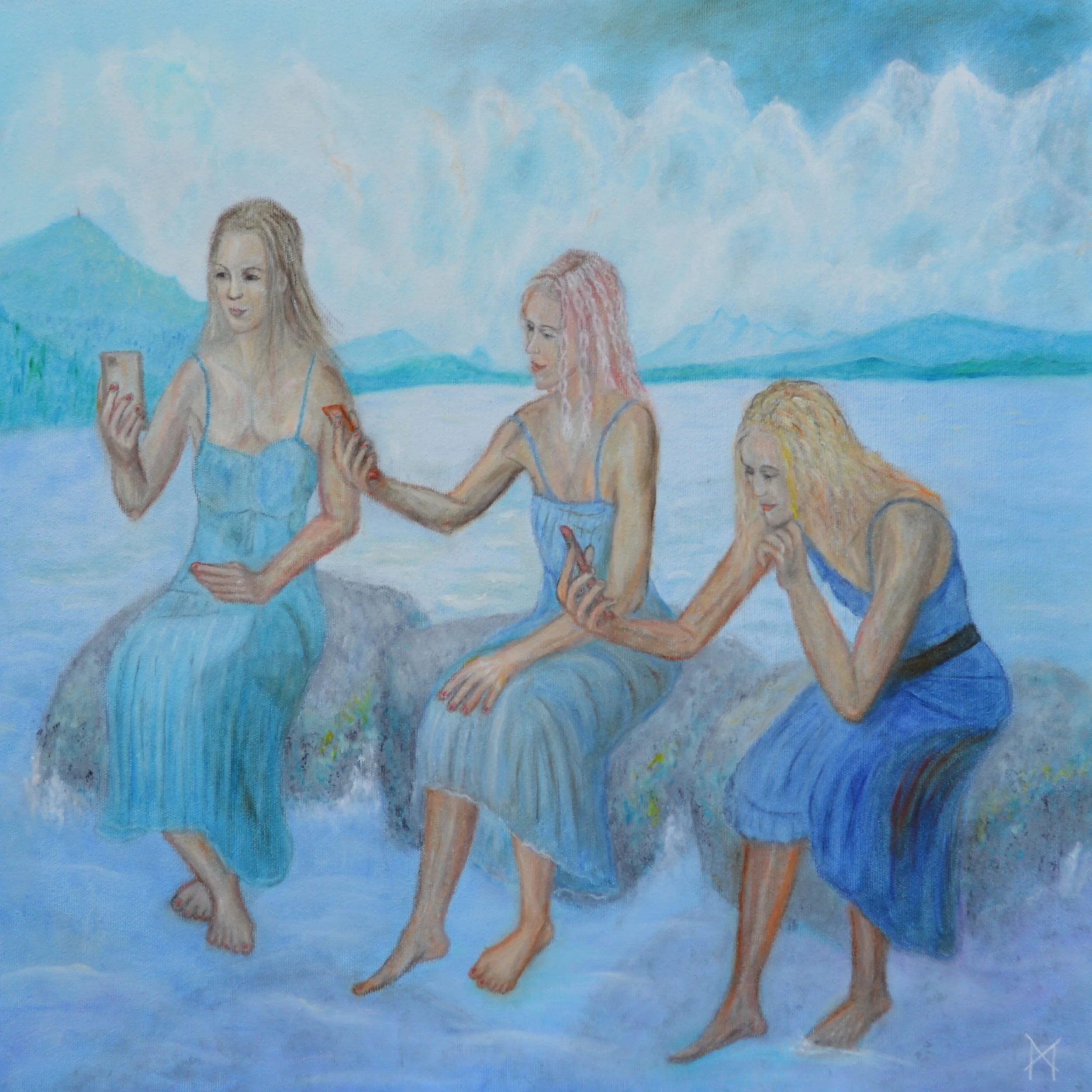
Three Graces on the Lake Zug, 2023, oil on canvas, 60 cm x 60 cm
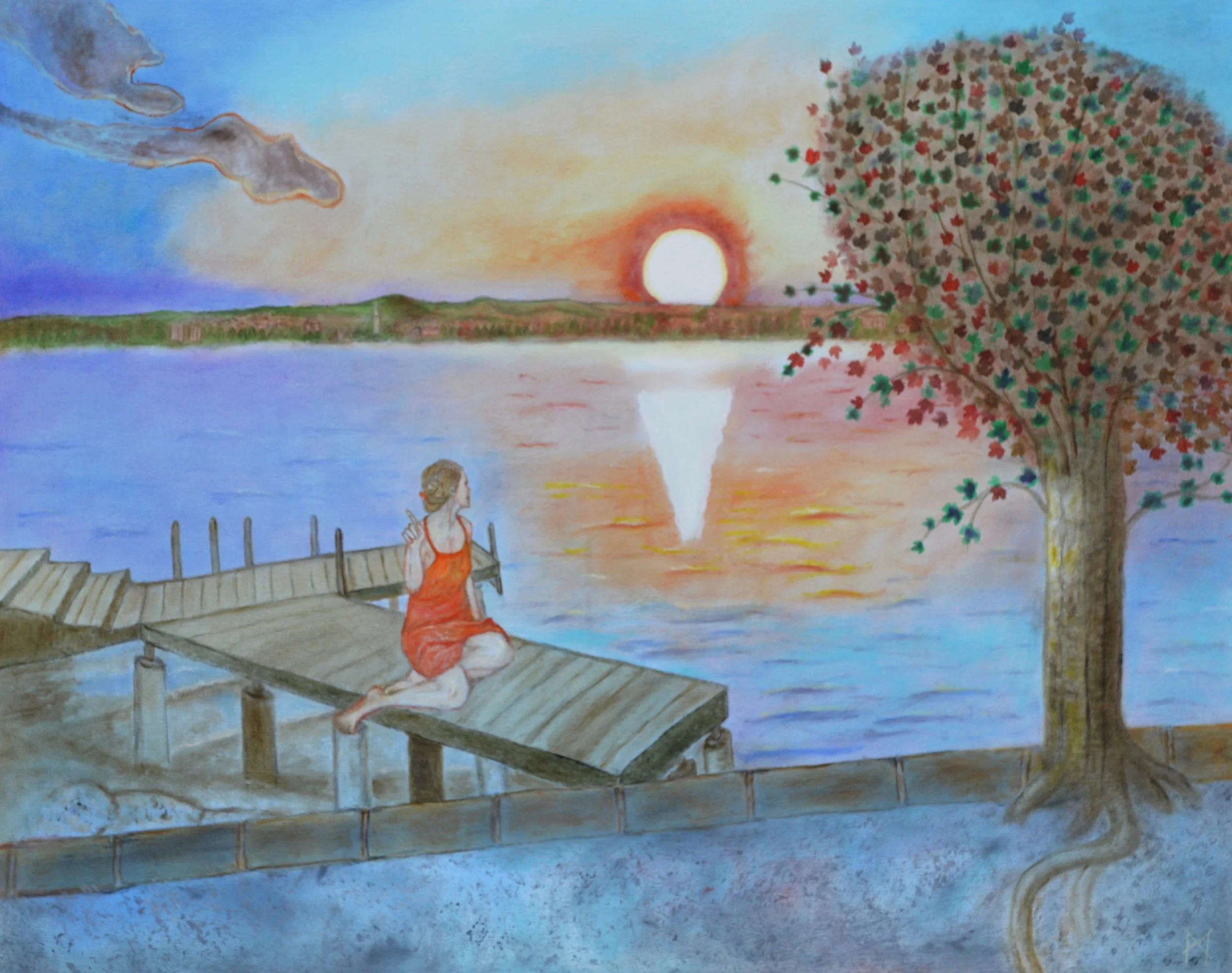
Tomorrow up, to the Mountain of Zug, 2026, oil on canvas, 80 cm x 100 cm
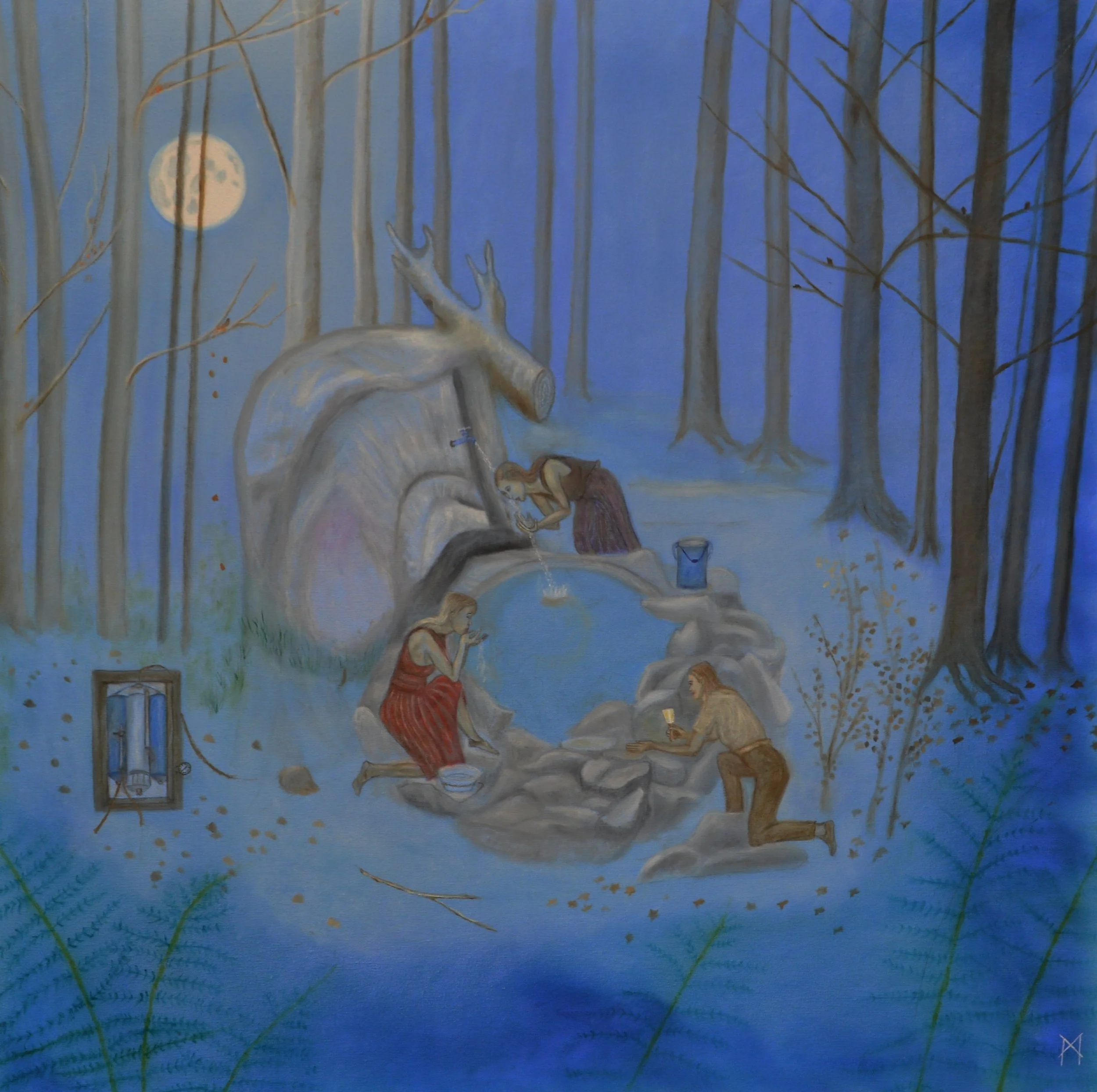
Maintain the Forest, 2025, oil on canvas, 100 cm x 100 cm
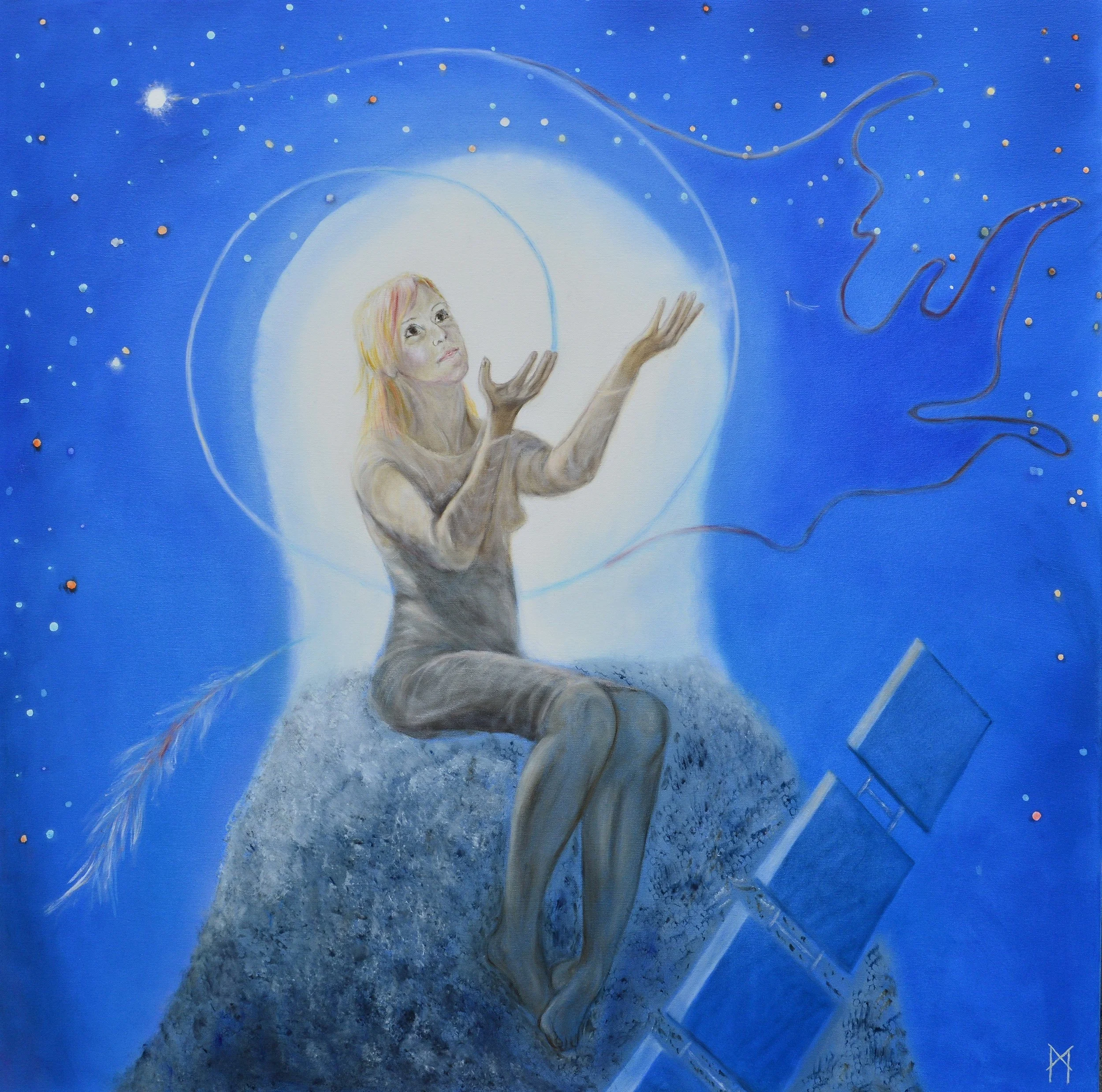
The Spiral of Backward- and Forwardspeed, 2016, oil on canvas, 100 cm x 100 cm
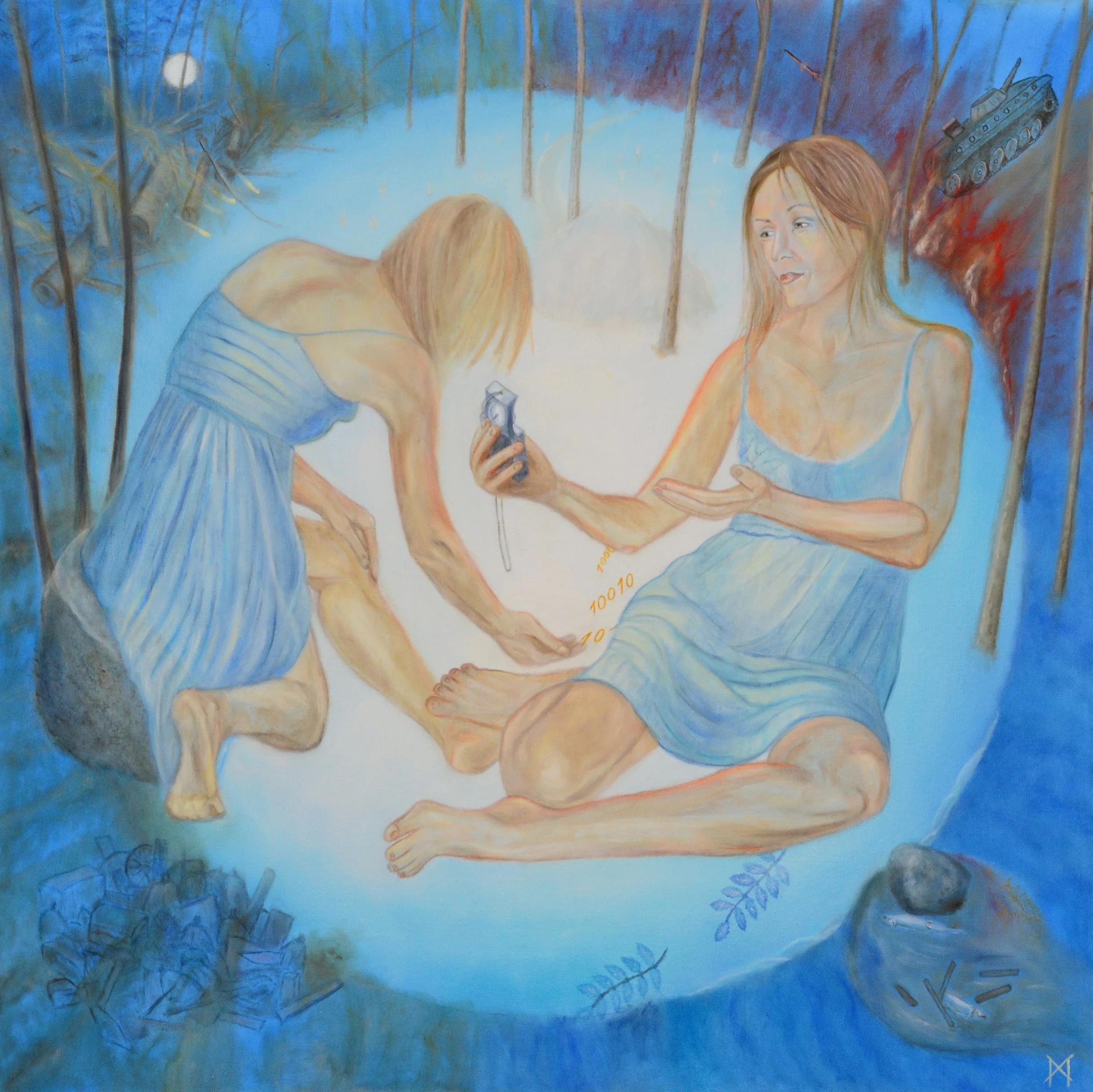
To Set a Goal, 2018, oil on canvas, 100 cm x 100 cm