Tatyana Bondarenko
Biography
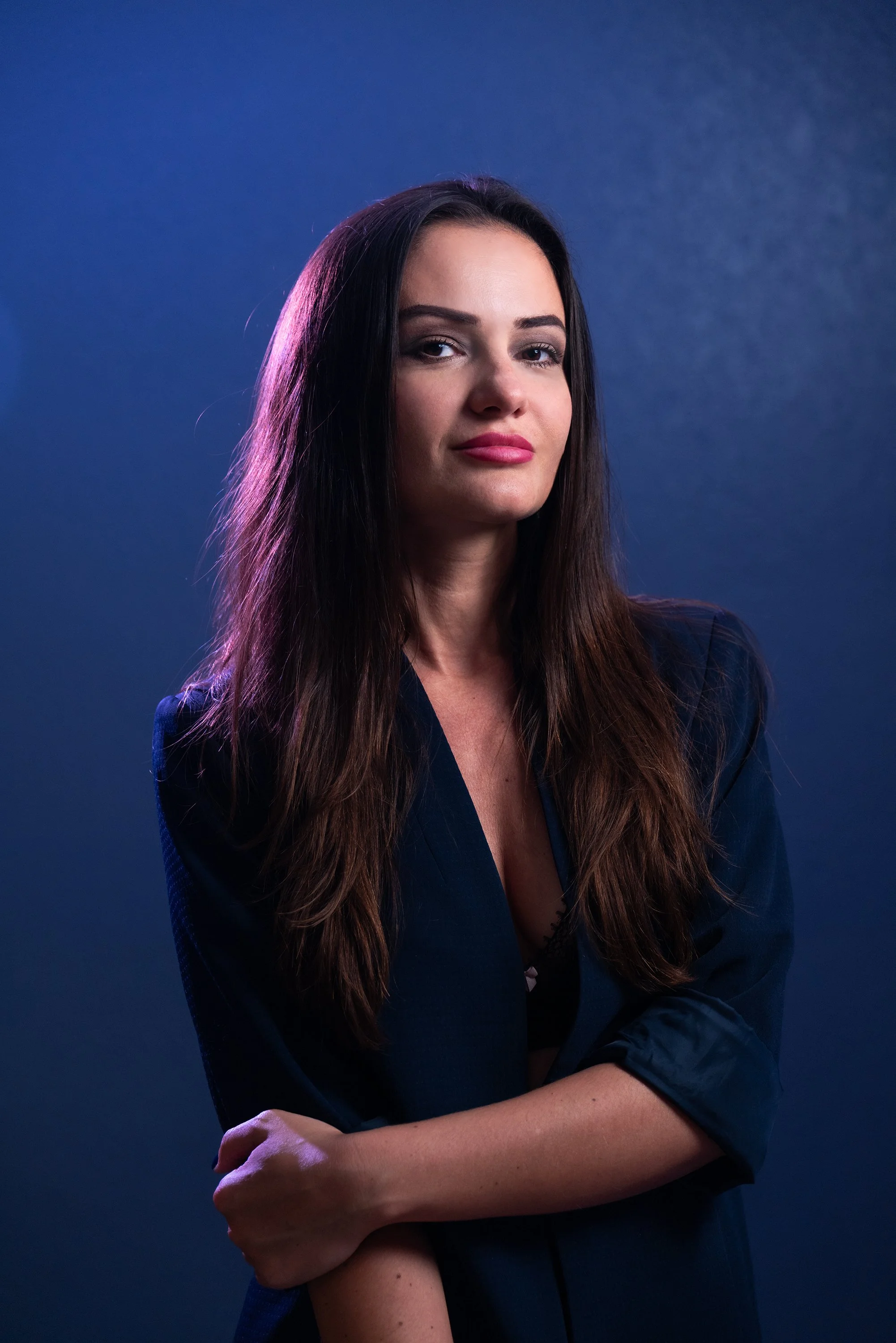
Tatyana Bondarenko is a Russian-born, Miami-based abstract expressionist with a professional background in design and a fascination with the workings of the human mind.
Raised in Russia, in an environment where emotional restraint was often regarded as a virtue, she became accustomed to processing life intellectually. Painting emerged as a rather unexpected departure from that tendency. Her early experiments with abstraction were deeply instinctive. She would reach for a particular color because it corresponded to something she felt, sometimes before she could identify the feeling itself.
Having studied graphic design and practiced it professionally since 2007, Tatyana has spent much of her career understanding the mechanics of visual perception. She knows how color influences the mind, how composition directs attention, and how subtle visual relationships can alter the experience of an image. In her artistic practice, however, she is equally interested in what happens when conscious reasoning gives way to intuition.
Her paintings emerge somewhere between these two modes of thinking. There is a degree of calculated precision in her work, alongside a willingness to surrender control and follow an impulse whose significance may only become apparent once the painting is finished.
What began as an inquiry into her own emotional world eventually extended to the inner worlds of others. In works such as Tropea and Odessa, Tatyana developed an approach to abstraction that begins with a personal interview rather than a preconceived visual idea. She invites collectors to identify four emotions and, through conversation, explores the personal meaning behind each one. Together, they establish a vocabulary of color based on the individual's own associations, deliberately setting aside conventional color symbolism.
These conversations form the chromatic foundation of the painting, while its composition remains open to interpretation and intuition. As the work unfolds, Tatyana introduces a fifth color of her own choosing. Its emotional significance is left for the individual to discover upon encountering the finished painting. The resulting work becomes a form of psychological portraiture without physical likeness, shaped by an exchange between two distinct inner worlds.
For Tatyana, abstraction is a means of investigating the intangible without imposing a definitive interpretation upon it. Color is her language, composition is her grammar, and intuition allows the conversation to extend beyond what is already known.
Artist Statement
I am fascinated by the things we experience but cannot adequately articulate. Human emotions rarely exist in isolation, and our perception of them is shaped by an intricate network of memories, associations, and experiences. Painting allows me to investigate these complexities through color without having to reduce them to words.
I do not believe that color carries a universal emotional meaning. What one person perceives as melancholy may evoke a profound sense of comfort in another. I find this ambiguity particularly compelling. Color becomes a deeply personal language whose vocabulary is continuously shaped by the individual experiencing it.
My creative process oscillates between analytical thinking and intuition. Years of working in design have taught me to understand the mechanics of visual composition, yet painting challenges me to recognize the limitations of that knowledge. I may begin with a particular color or an emotional premise, but I rarely know what the finished work will look like. Each decision changes the context of the next, and the composition gradually develops a logic of its own.
Some of my paintings originate in personal experiences, while others emerge from conversations with individuals whose inner worlds I seek to understand. In both instances, I am interested in what exists beneath our conscious interpretation of emotion and what becomes accessible when we suspend the need to explain it.
For me, the act of creation is also a spiritual practice. I experience intuition as a form of dialogue with the Creator, particularly in those moments when a painting begins to reveal something beyond my original intention. I have learned to recognize these moments and trust them, even when I cannot rationally explain the direction in which they take me.
I consider the viewer an independent participant in this process. Once a painting leaves my studio, its meaning is no longer exclusively mine. It enters someone else's perceptual world, where it may acquire associations I could never have anticipated.
This is perhaps what fascinates me most about abstraction: its capacity to communicate without determining what must be understood.
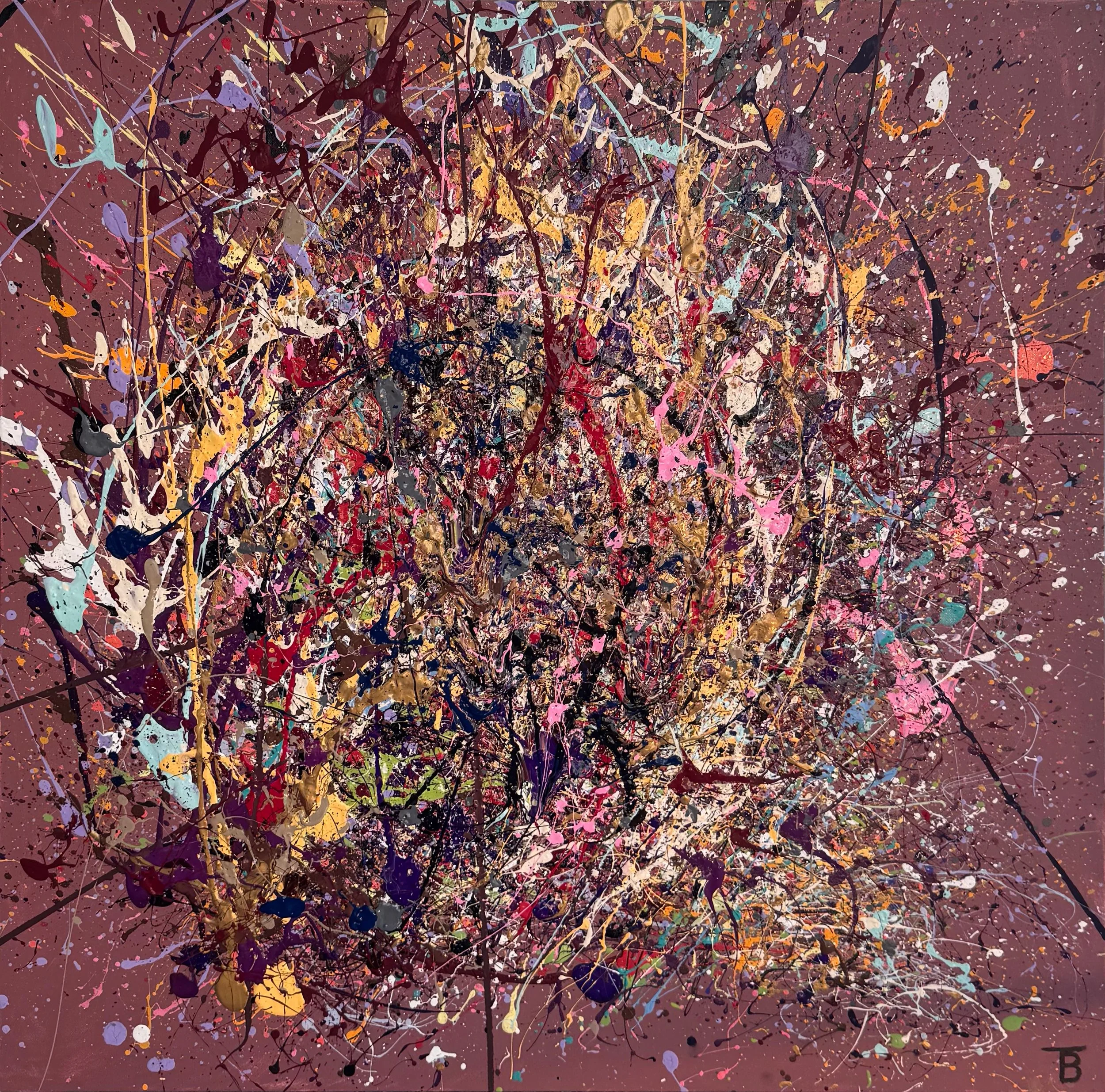
Camogli, 2026. Acrylics on gallery-wrapped canvas, 91.4x91.4 cm
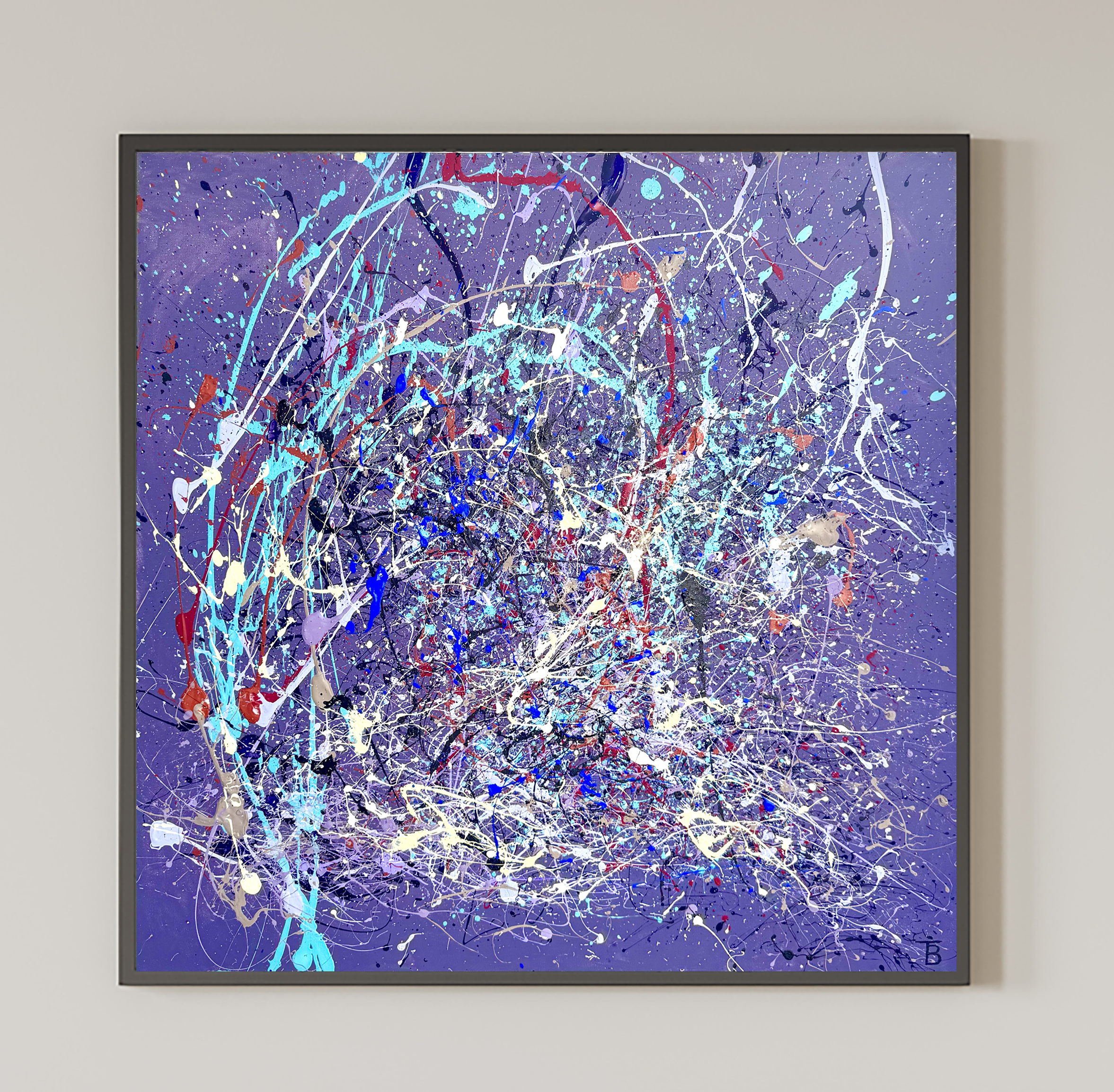
Marseille, 2026. Acrylics on gallery-wrapped canvas, 91.4x91.4 cm
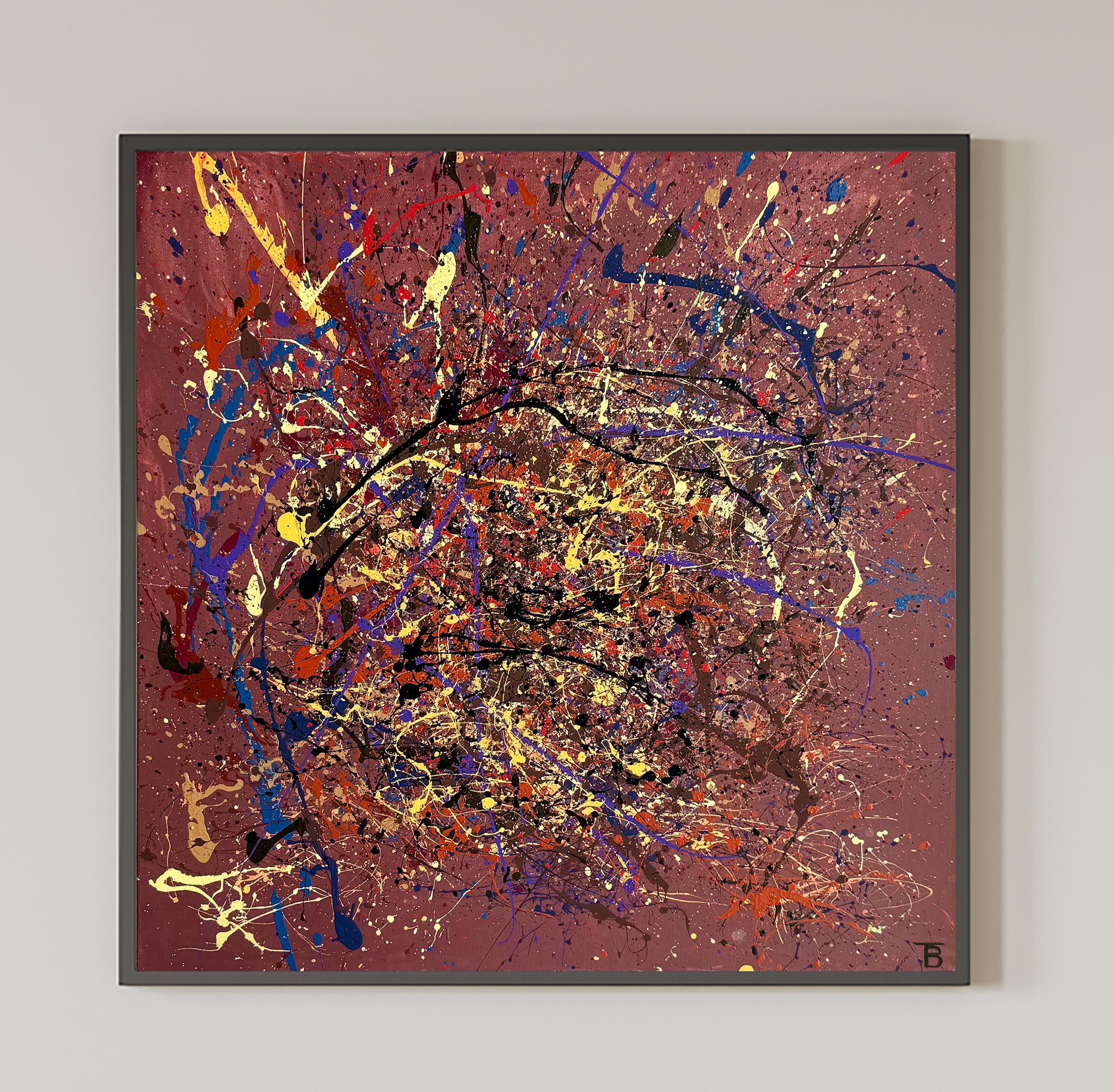
Tropea, 2026. Acrylics on gallery-wrapped canvas, 91.4x91.4 cm
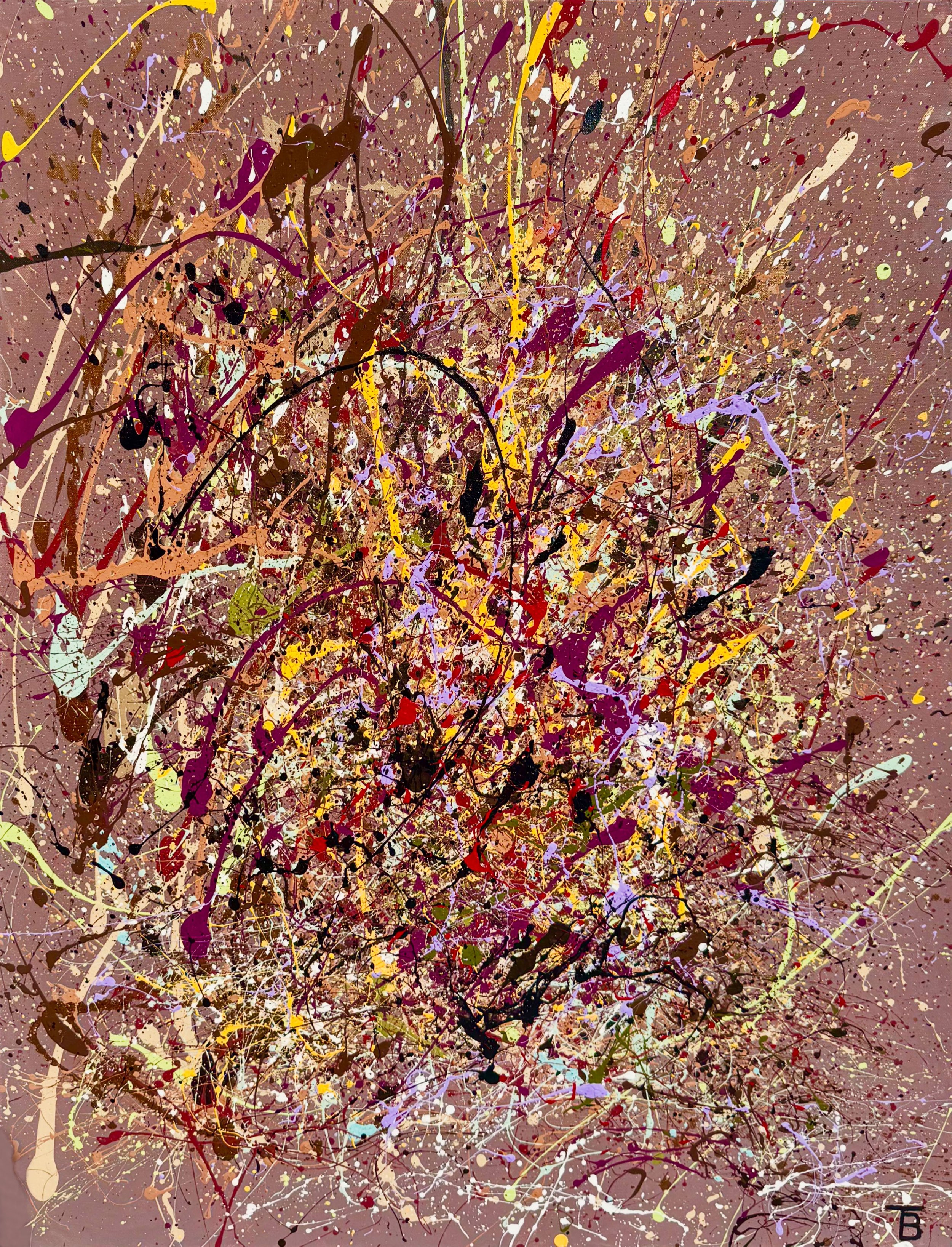
Almería, 2025. Acrylics on gallery-wrapped canvas, 76.2x101.6 cm
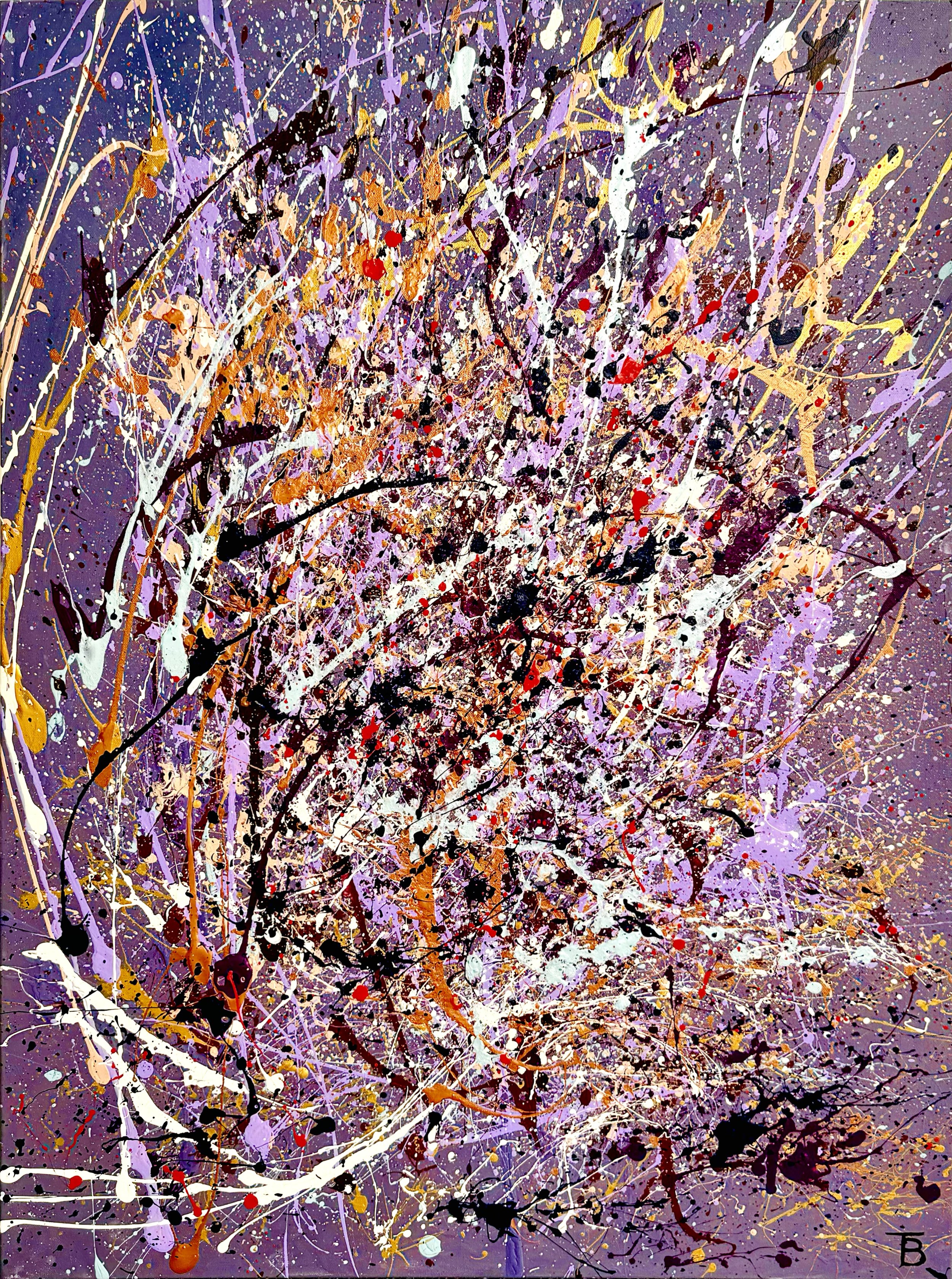
Amantea, 2025. Acrylics on gallery-wrapped canvas, 76.2x101.6 cm
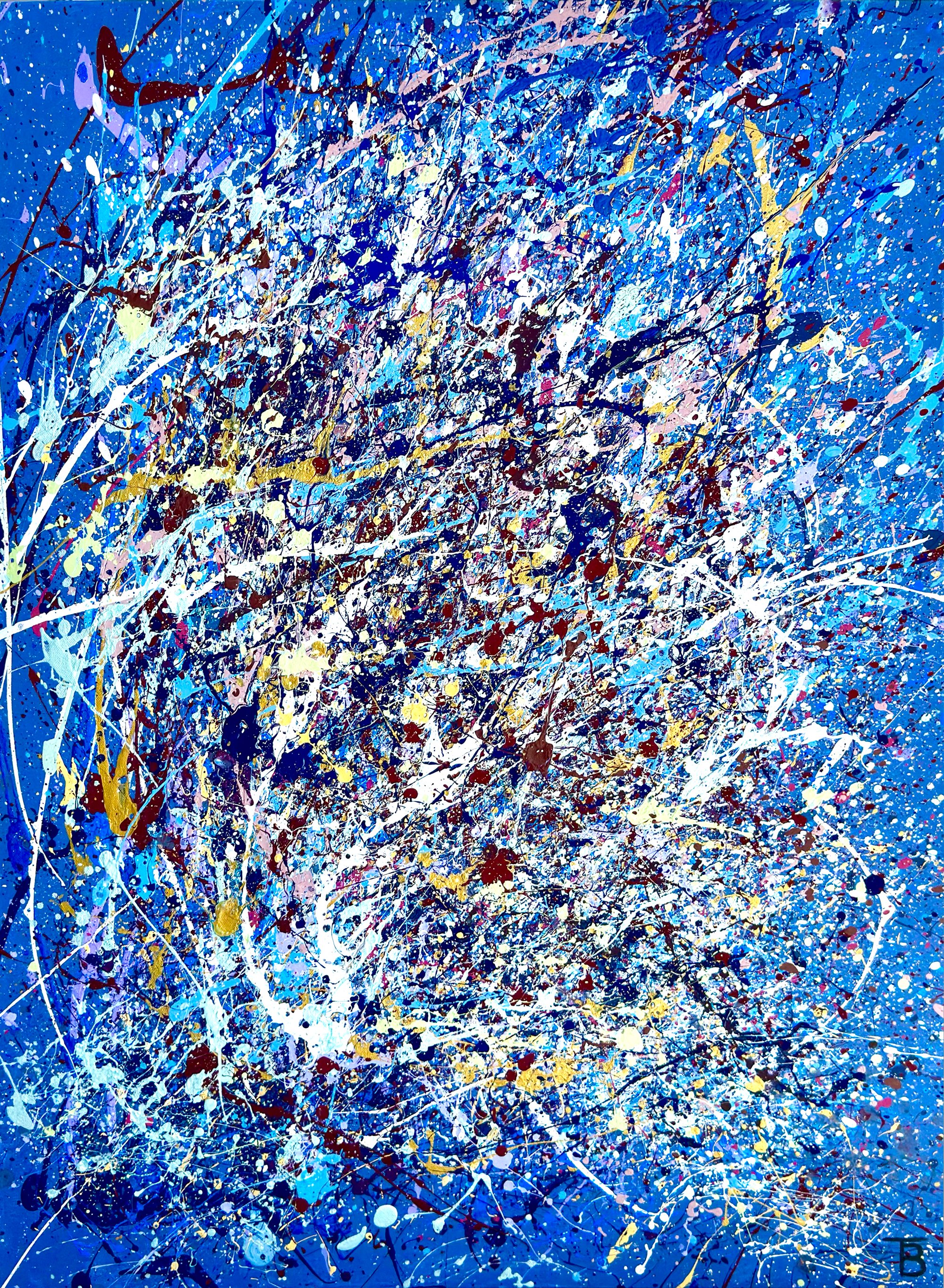
Praiano, 2025. Acrylics on gallery-wrapped canvas, 76.2x101.6 cm
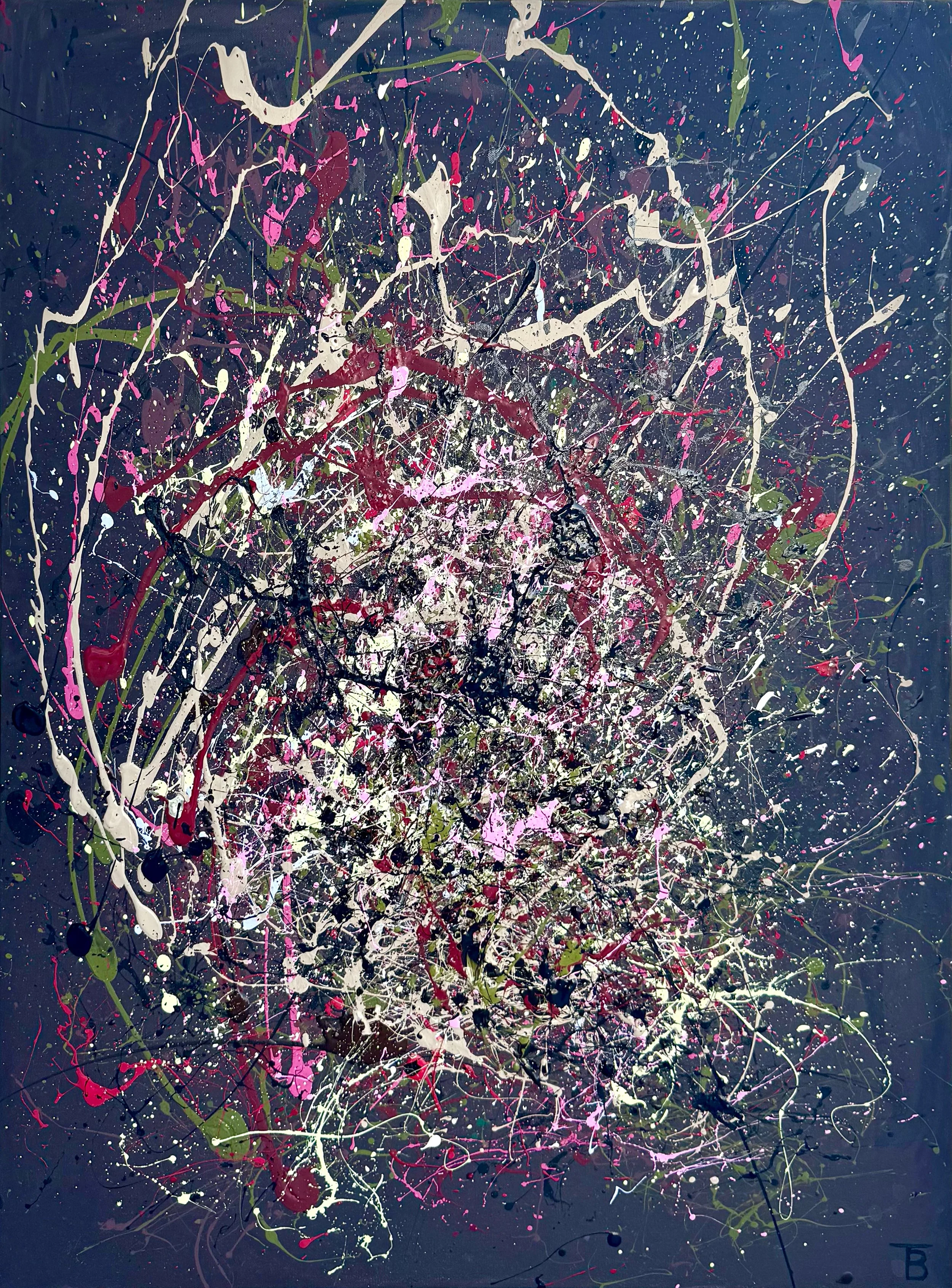
Odessa, 2026. Acrylics on gallery-wrapped canvas, 76.2x101.6 cm
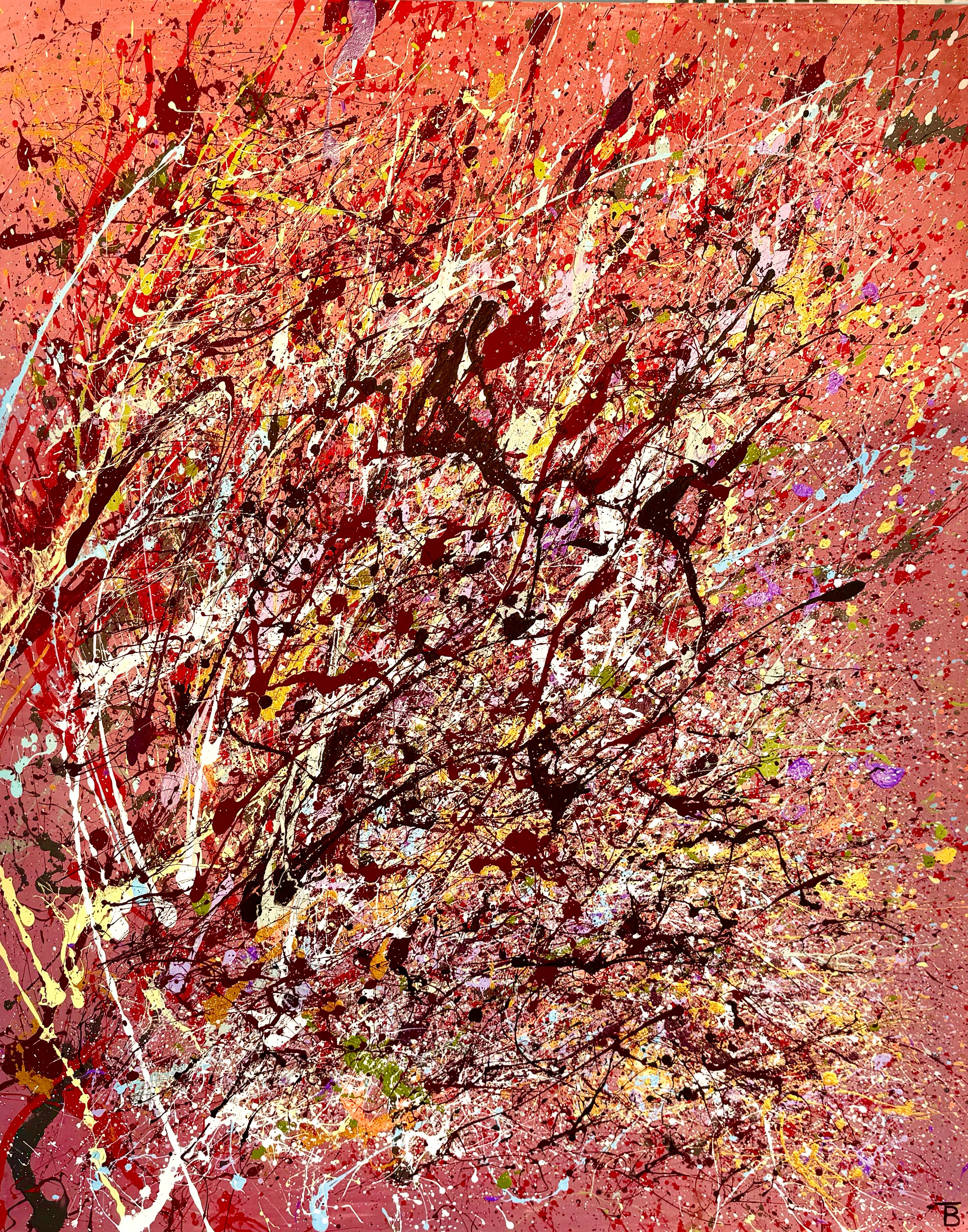
Coral Spring, 2024. Acrylics on gallery-wrapped canvas, 122x152.4 cm
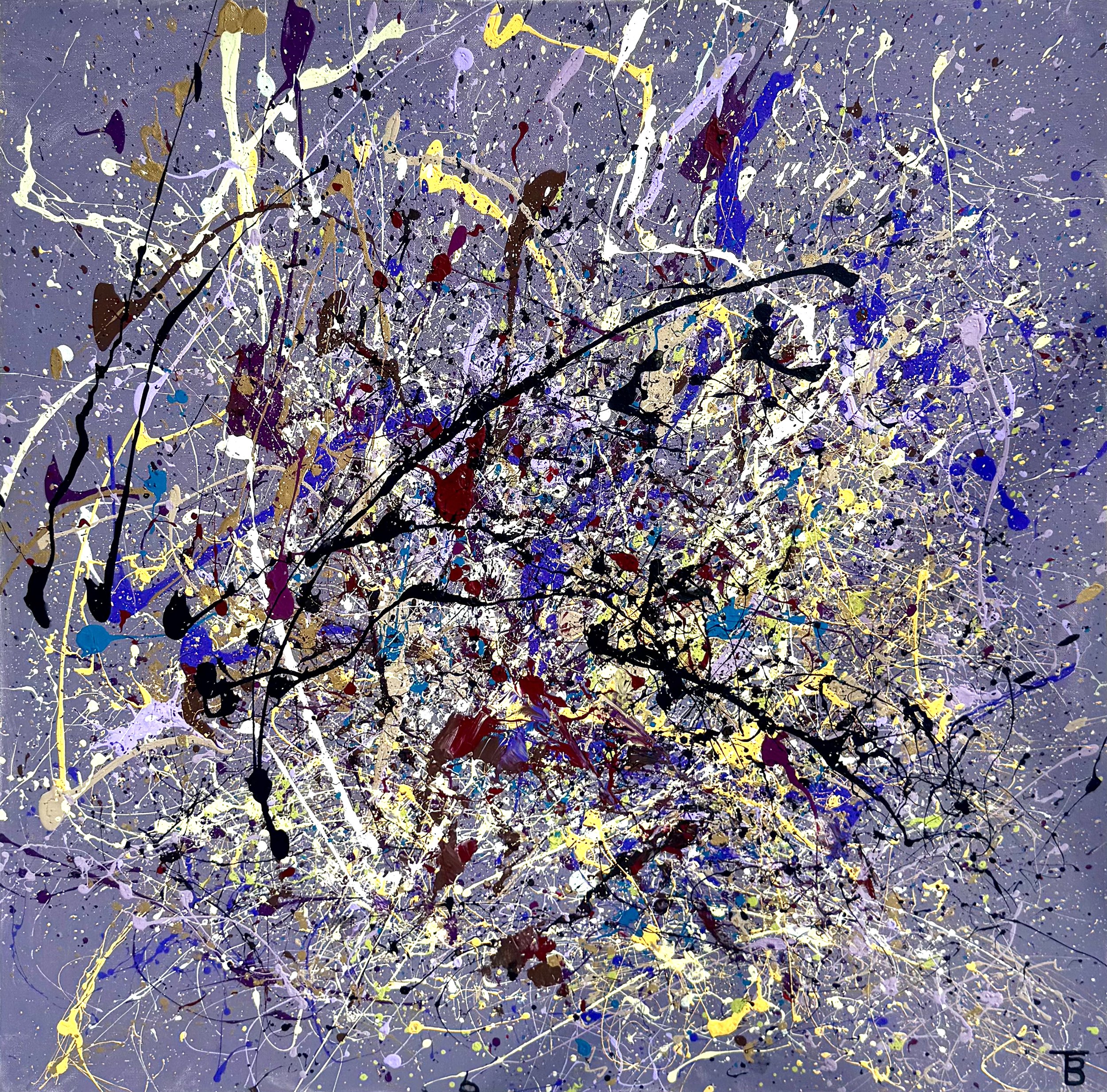
Percé, 2025. Acrylics on gallery-wrapped canvas, 91.4x91.4 cm
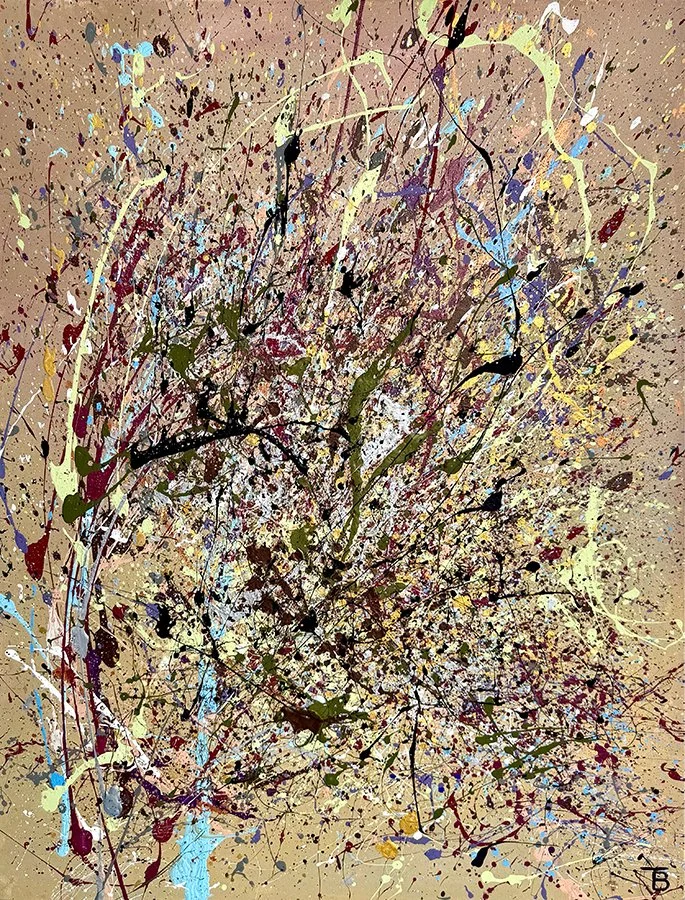
Klaipeda, 2025. Acrylics on gallery-wrapped canvas, 76.2x101.6 cm