Interview with Louisa Mastromarino
Links to all my creative projects can be found online at: LouisaMastro.com
My books are available on: Amazon.com
My artwork at: https://louise-mastromarino.pixels.com/
Biography
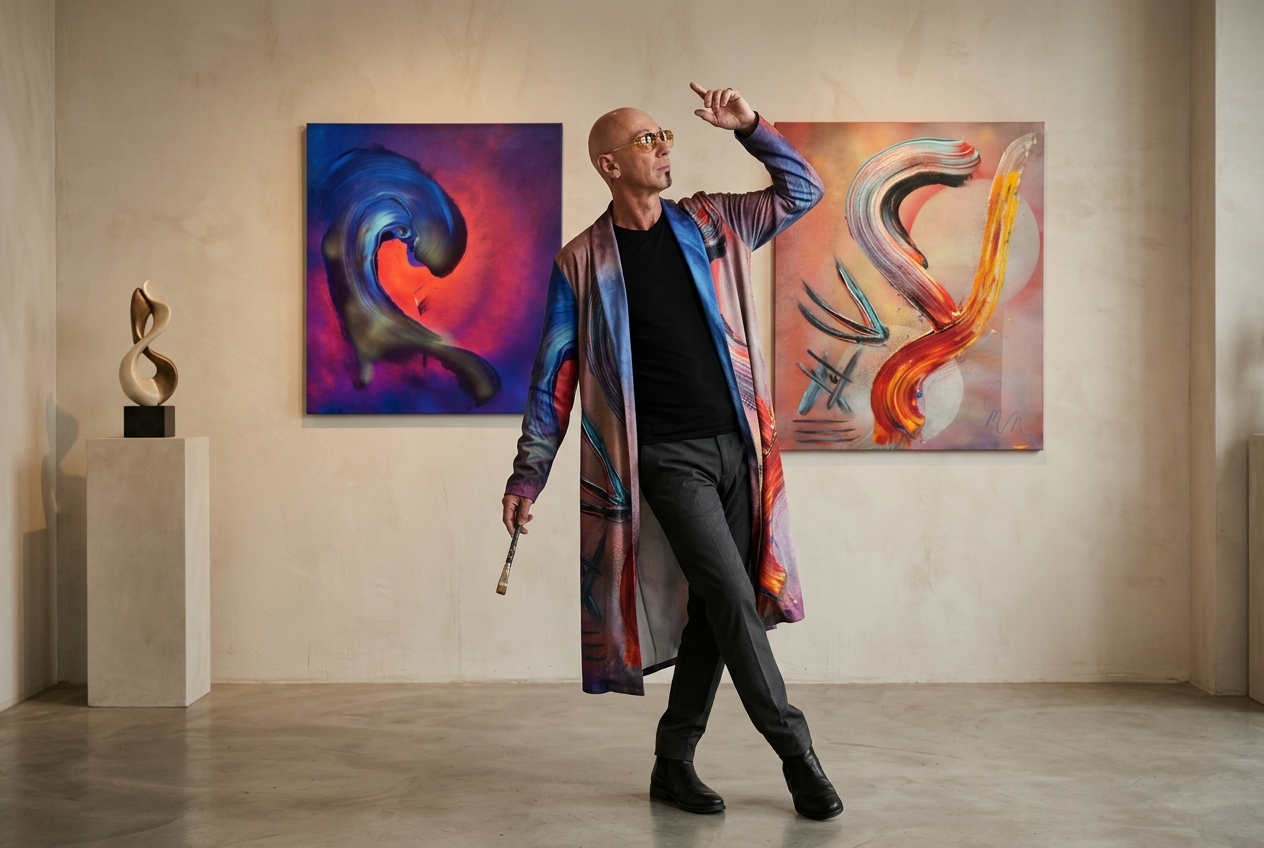
Louisa Mastromarino is an author, poet, and intuitive artist. She holds a Bachelor’s degree in Communications, a Master’s in Counselor Education, and a post-Master’s in School Building Leadership and Supervision. She creates contemporary artworks exploring themes like inner transformation and unity. Her works include poetry collections such as Righteous Poetry and various educational books for young readers, often blending creativity with inspirational and historical elements. Visit her site for a complete set of works. Thank you.
Your practice spans communications, counseling, education, literature, intuitive work, and visual art. How have these disciplines shaped your understanding of art as both a form of storytelling and a means of personal transformation?
Through my intertwined practices in communications, counseling, education, literature, intuitive work, and visual art, I have recognized that art is a living bridge between outer narrative and inner metamorphosis: communications and literature teach how stories shape perception and connection, counseling and education reveal the way stories unlock healing and growth.
Intuitive work and visual art allow the unspoken and the symbolic universe to surface, inviting self-discovery and transformation.
You describe intuitive art as emerging from instinct, emotion, and the subconscious. How do you recognize when intuition is guiding a work, and what role does conscious decision-making play once an image begins to take form?
First, intuitive art is a trained skill and should be studied before attempting such an art form.
I recognize intuition’s presence when my mind softens and something more immediate takes the lead—an impulse of color, a gesture of line, a sudden sense of what belongs next without my having to decide it in advance.
Once an image begins to take form, conscious decision-making steps in as a collaborative editor—refining composition, adjusting contrasts, or resolving structural balance—so the intuitive impulse is clarified and strengthened rather than overwritten, allowing instinct and intention to coexist in the finished work.
Your creative process combines photography, pastels, acrylic paint, and digital media. How do you translate material textures and photographic observations into a digital composition while preserving their emotional and sensory qualities?
My process begins in the physical world, where I photograph live music performances, portraits, and the shifting light along the Atlantic shoreline.
Pastel and acrylic drawings form a foundation of abstract creativity that provides a new perspective in the digital landscape.
When I move into the digital space, the goal is never to erase these origins but to let them continue speaking. I import the photographs and scans of the pastel or acrylic work into the digital world.
I use blending modes, opacity shifts, and selective masking to keep the tactile quality visible as forms begin to develop and interweave.
The digital medium, then, becomes another kind of listening: a place where the material and the observed can continue to breathe while finding a new coherence.
Concerts and the Atlantic Ocean offer contrasting environments, one energized by crowds, light, and sound, the other shaped by tides, natural light, and contemplation. How do these settings influence the rhythms, forms, and atmospheres of your work differently?
Concerts and the Atlantic Ocean shape my digital art in contrasting ways: at live performances, the energy of the crowd, intensity of the musicians, and interplay of light create stunning, moving visuals.
By contrast, the ocean’s changing tides, natural light, and vast landscapes create ethereal forms that foster a serene, introspective atmosphere of stillness and inner transformation.
Both feed the abstract and surreal qualities that define my process of observation and transcendence.
Music functions in your practice as subject matter, inspiration, and a universal language of connection. How do you transform an experience rooted in sound and time into a visual form, and what aspects of music are most important for you to preserve?
Music enters my practice first as lived experience—standing inside the energy of a live performance, watching light move across instruments and faces, sensing the collective pulse of an audience.
That experience is rooted in time and in the invisible architecture of rhythm, melody, and silence.
To transform it into visual form I begin by gathering photographic fragments that reflect sensory expressions: the blur of motion, the grain of stage light, the isolated gesture of a hand on a guitar. These images are residues of sound made visible.
In the digital landscape, I treat them as raw material, allowing layers to extend what the camera captured.
The goal is translation—finding visual equivalents for qualities that originally existed only in time and air.
Your work explores both isolationism and the power of connection. How do you understand the relationship between solitude and unity, and in what ways does this tension appear within your abstract and surreal compositions?
Solitude and unity, for me, are inseparable partners in the artistic process: isolationism creates the introspective space where instincts and inner transformation take root, while the power of connection extends that private insight into collective understanding.
This tension appears in my abstract and surreal compositions as contained, solitary forms that slowly dissolve into luminous, flowing layers and interlocking patterns drawn from concert energy or coastal landscapes.
The resulting works simultaneously honor quiet self-exploration and invite viewers into a resonant, unifying experience.
Frida Kahlo’s introspective imagery and Salvador Dalí’s imaginative symbolism have both influenced you. How have their distinct approaches helped you develop a visual language for addressing inner transformation and the complexities of human experience?
Frida Kahlo’s introspective imagery taught me that personal experience can speak as a universal language. She showed me how to treat private emotion as a foundation, so that photographic fragments, pastel strokes, and digital layers reflect isolation, resilience and connection.
Salvador Dalí’s liberating symbolism, by contrast, encouraged me to treat the subconscious as a collaborator, freeing forms to dissolve, multiply, or shift so that a shoreline becomes a psychological horizon or a musical gesture an architectural presence.
Together, they give me a visual language that holds both inner change and the paradoxical complexities of human experience without reducing either to a single narrative.
You have described “clair motion” as an intuitive process involving bodily movement, automatic writing, and drawing. How does this embodied method operate in the studio, and how does it affect your ideas about authorship, control, and artistic intention?
First, clair motion requires training and should never be attempted alone.
For me, clair motion operates as an embodied offering first directed in intention toward the Blessed Virgin Mary and Jesus Christ.
I begin by quieting the ordinary mind and placing the work under their protection, gift, and guidance, asking that the divine moves through my body easily and effortlessly and serve light, truth, healing and wisdom.
Once that intention is set, the divine moves my hand, chooses colors, and draws across paper or digital surface—allowing automatic drawing or writing to arise without premeditated design.
I remain present as a witness and authorship becomes a shared act so that the work remains honest and offered beyond the self, in keeping with the Marian intention that first opens the channel.
Your children’s literature encourages curiosity about place, culture, and the narratives that shape communities. How does this educational commitment intersect with your visual art and your broader aim of fostering cultural engagement?
The children’s literature and the visual art grow from the same root: a belief that stories—whether told in words or in images—can awaken curiosity about the places we inhabit and the cultures that shape us.
In my children’s books and coloring books, young readers encounter history, biography, and diversity.
This same encounter lives in the visual work, where an image drawn from the energy of live music holds the sensory and emotional residue of place, memory, and community.
The educational commitment moves through both: creating for children teaches attention and empathy, while composing digital images from photographic observation and texture asks viewers of every age to look closely, honor feelings, and recognize culture as a mosaic.
Shared reading and digital platforms allow children and adults to encounter stories and poetry that expand their sense of place, deepen awareness of one another, and open peaceful journeys of discovery—visual art and children’s literature serve as different languages for the same educational purpose.
As digital platforms make art more accessible while also changing how it is encountered, how do you envision the future development of your practice across visual art, experimental music, writing, and community-centered work?
Digital platforms have changed how art is made and shared. Work that once needed a physical gallery or printed book can now reach anyone in the world instantly.
In my visual art, experimental music, and community projects, I keep blending physical materials with digital forms. This creates hybrid experiences that aim for deeper connection and insight into the human experience.
Writing remains my most direct way of telling stories. My children’s books, poetry, and reflective prose move freely between print and digital formats. Technology carries these carefully shaped stories to places physical books cannot easily reach.
As these platforms keep changing how people encounter images, sounds, and words, it is important to keep the depth of the original form while opening new ways for audiences to engage.
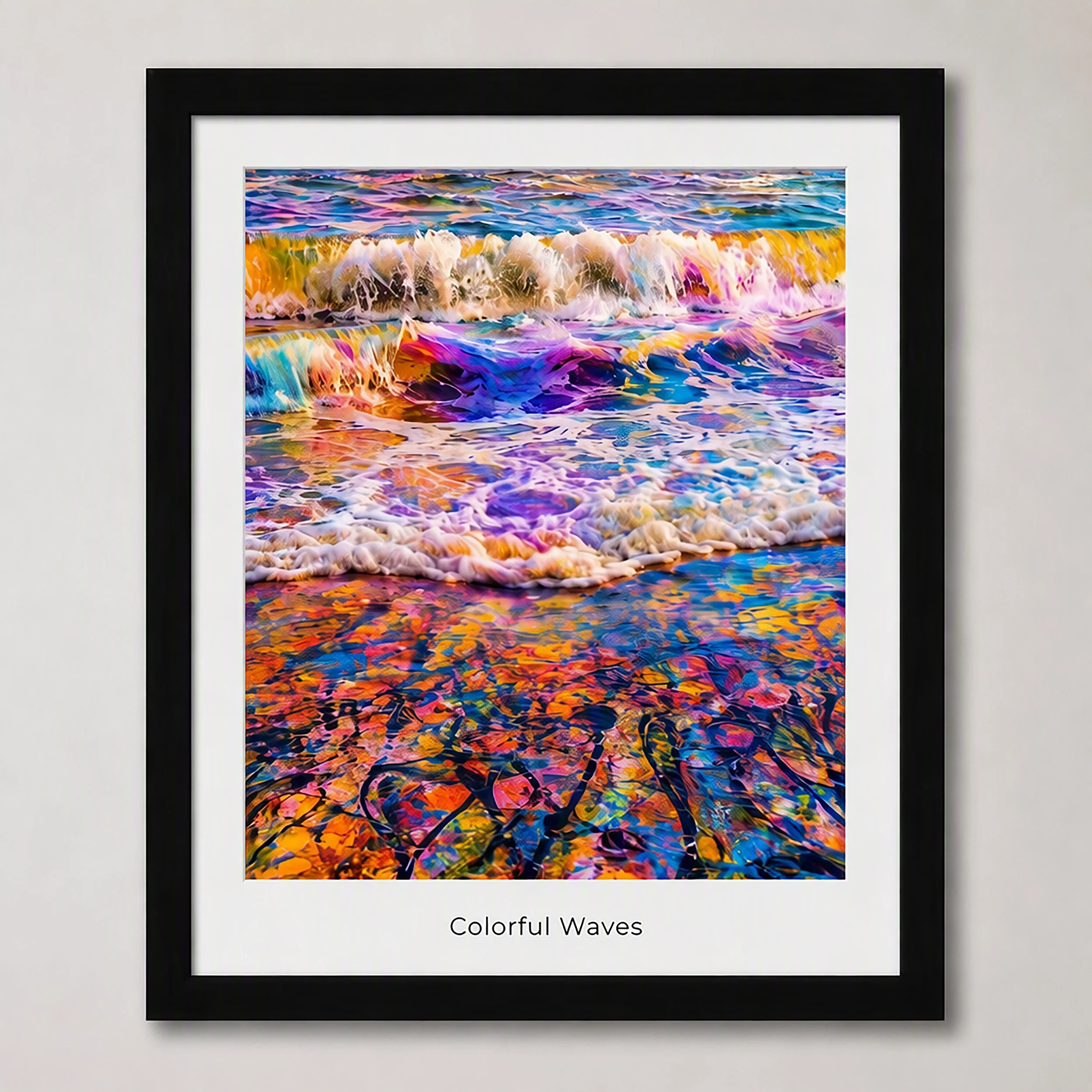
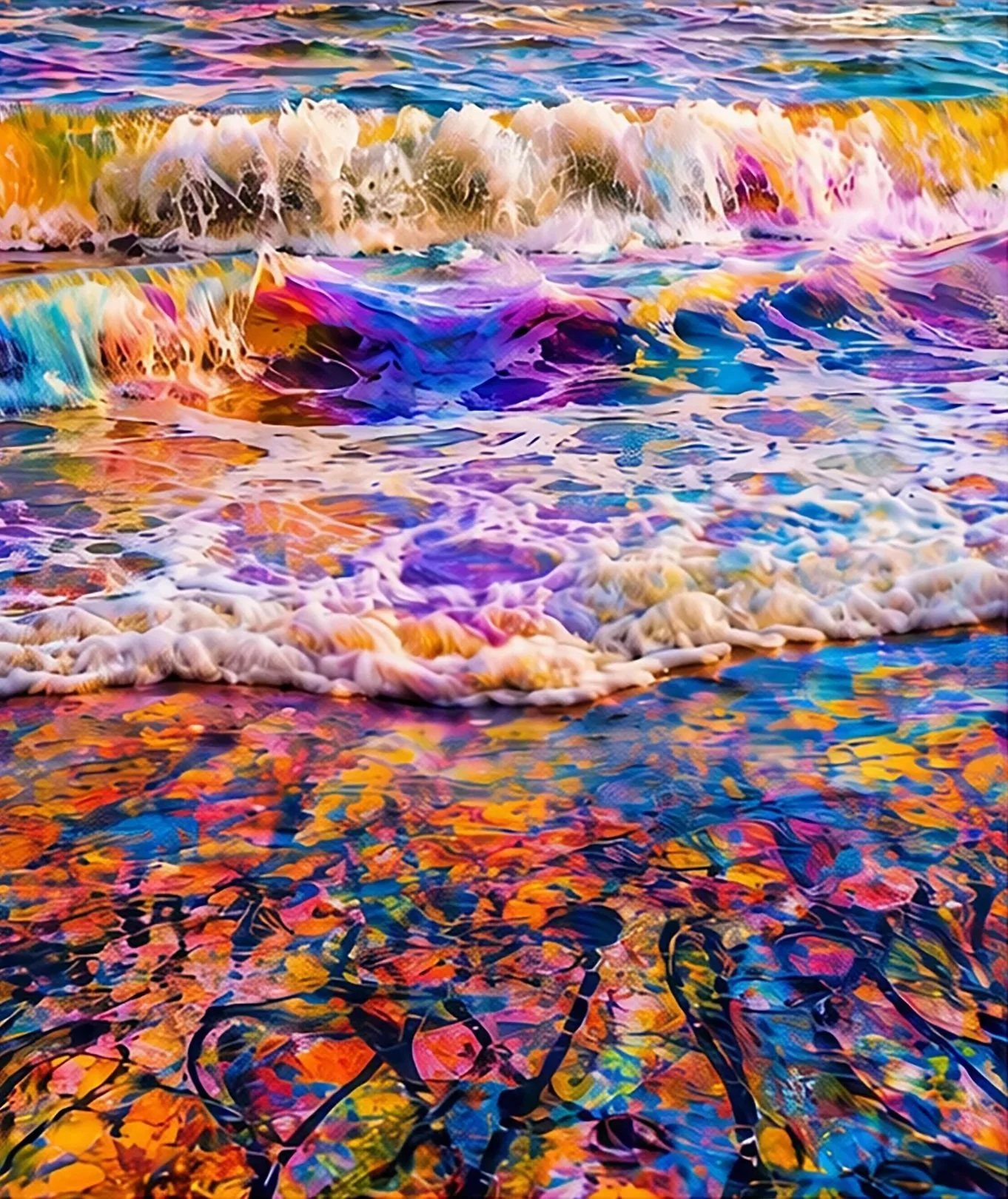
Colorful Waves (c) Louisa Mastromarino
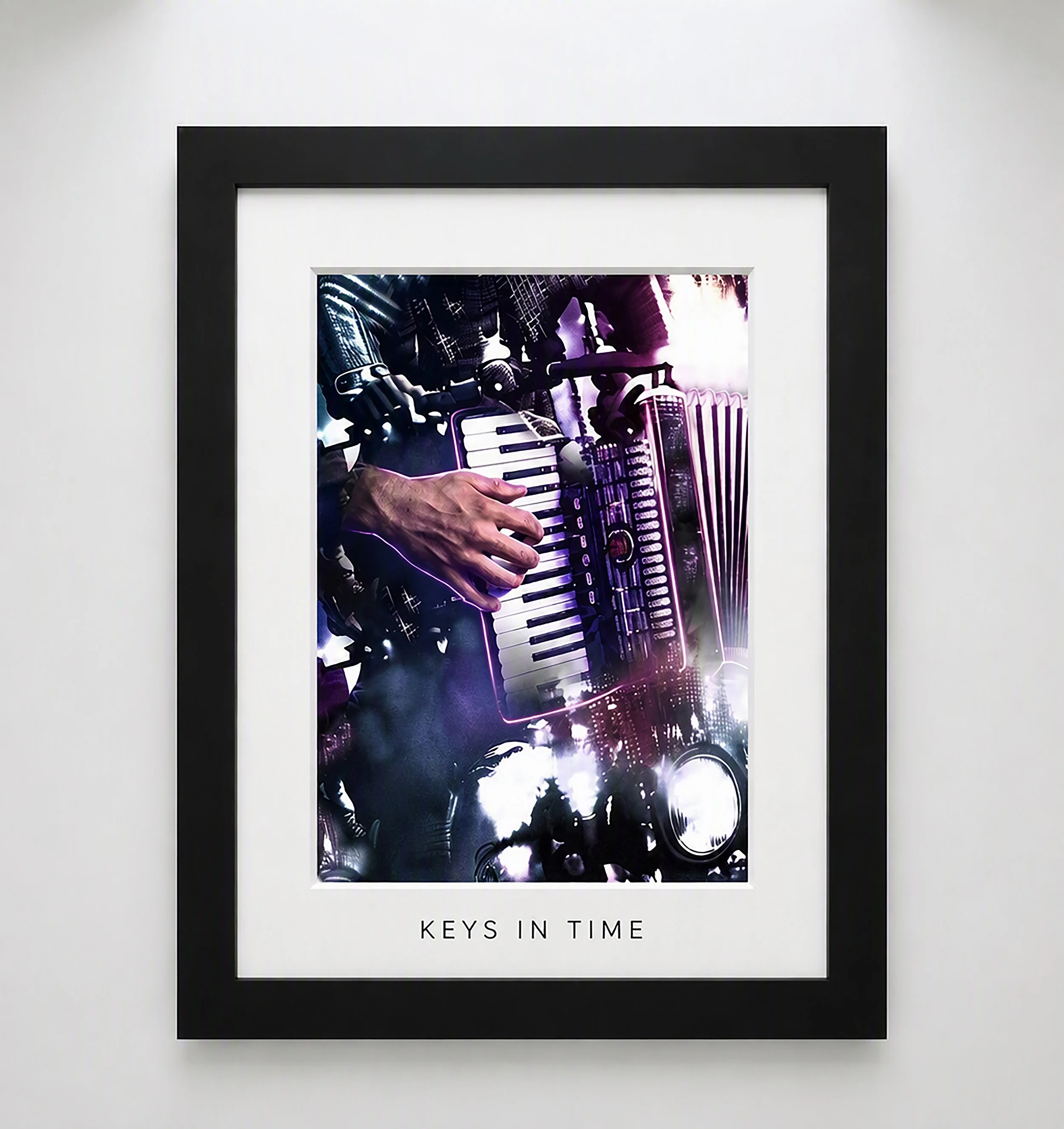
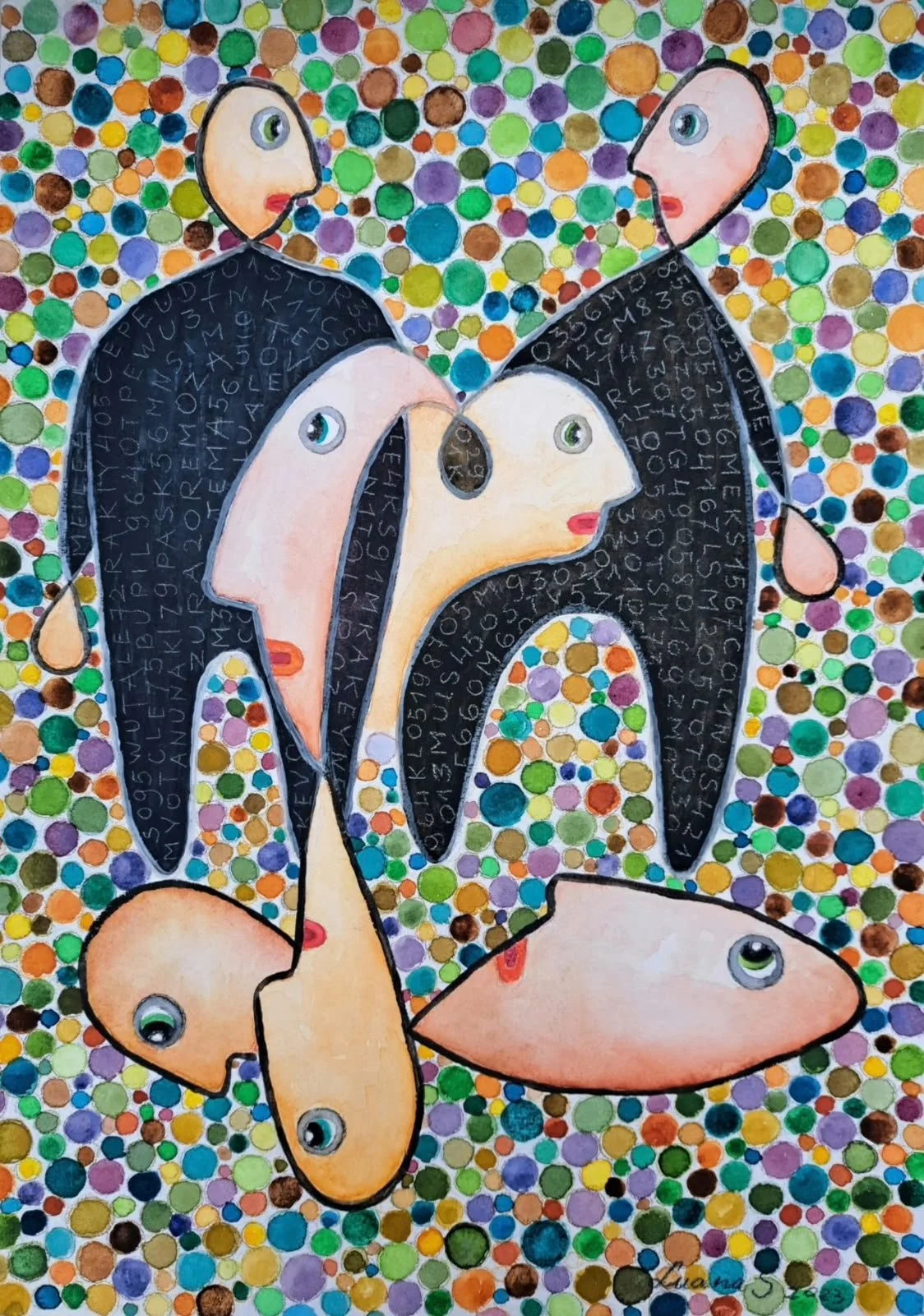
Keys in thime (c) Louisa Mastromarino
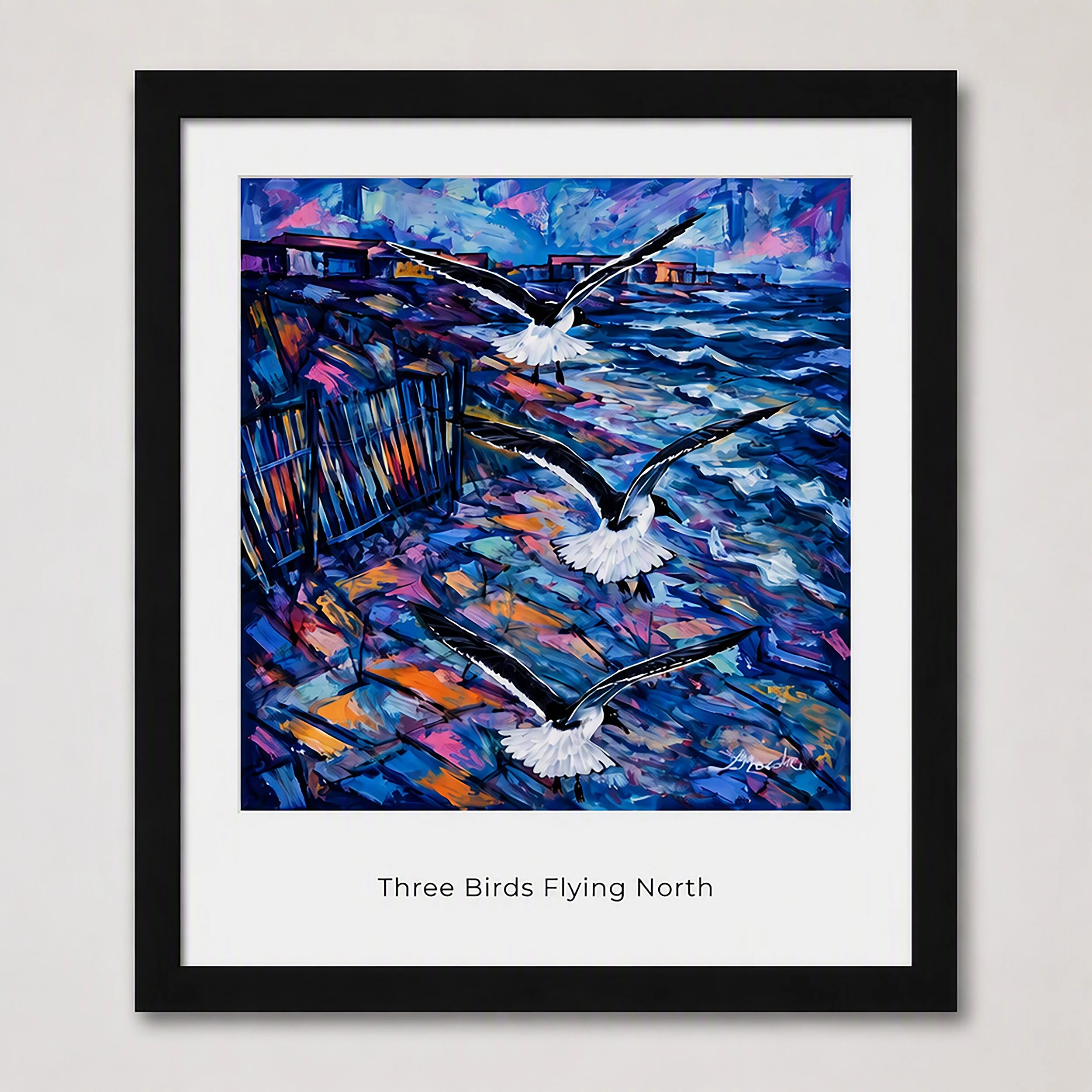
Three Birds Flying North
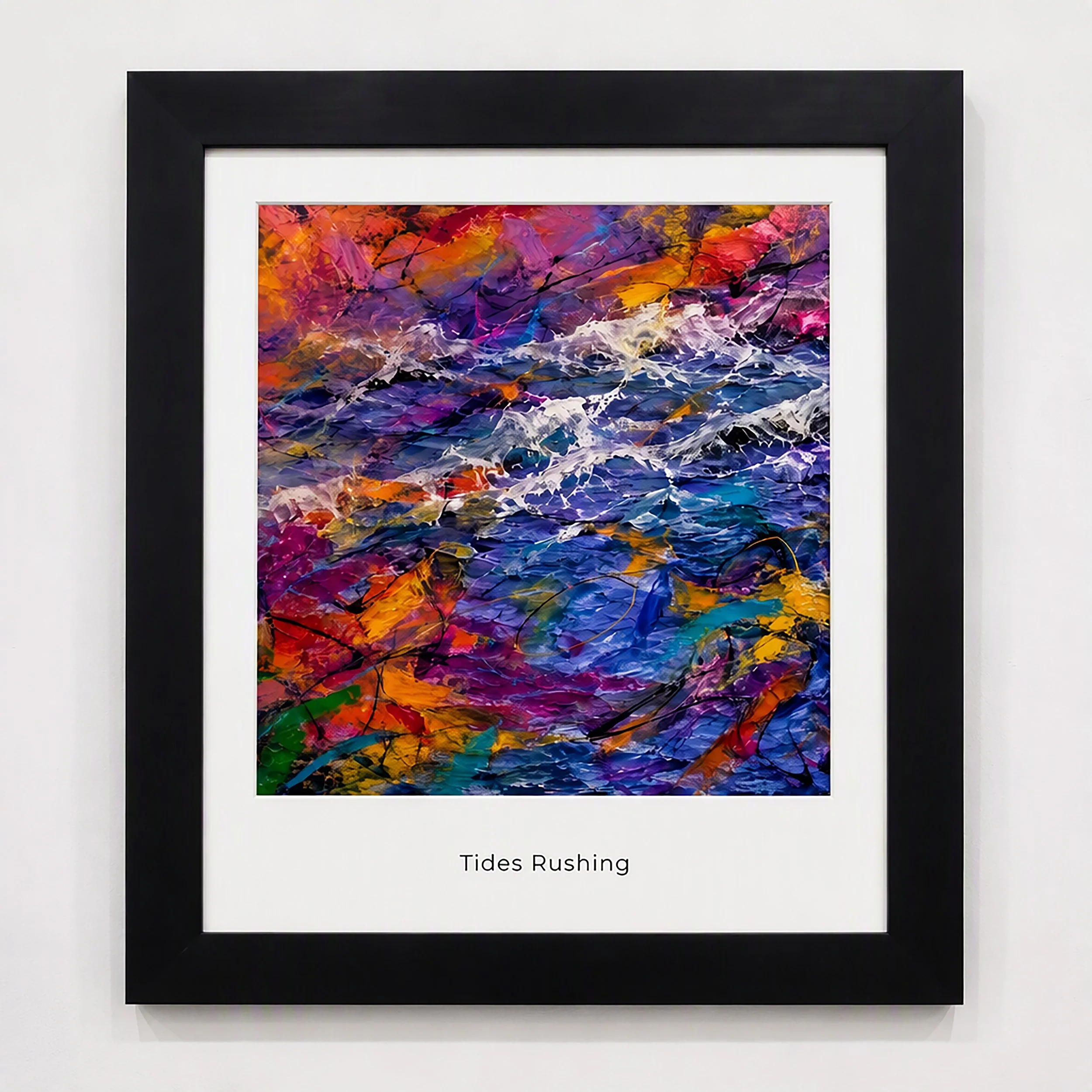
Tides Rushing (c) Louisa Mastromarino
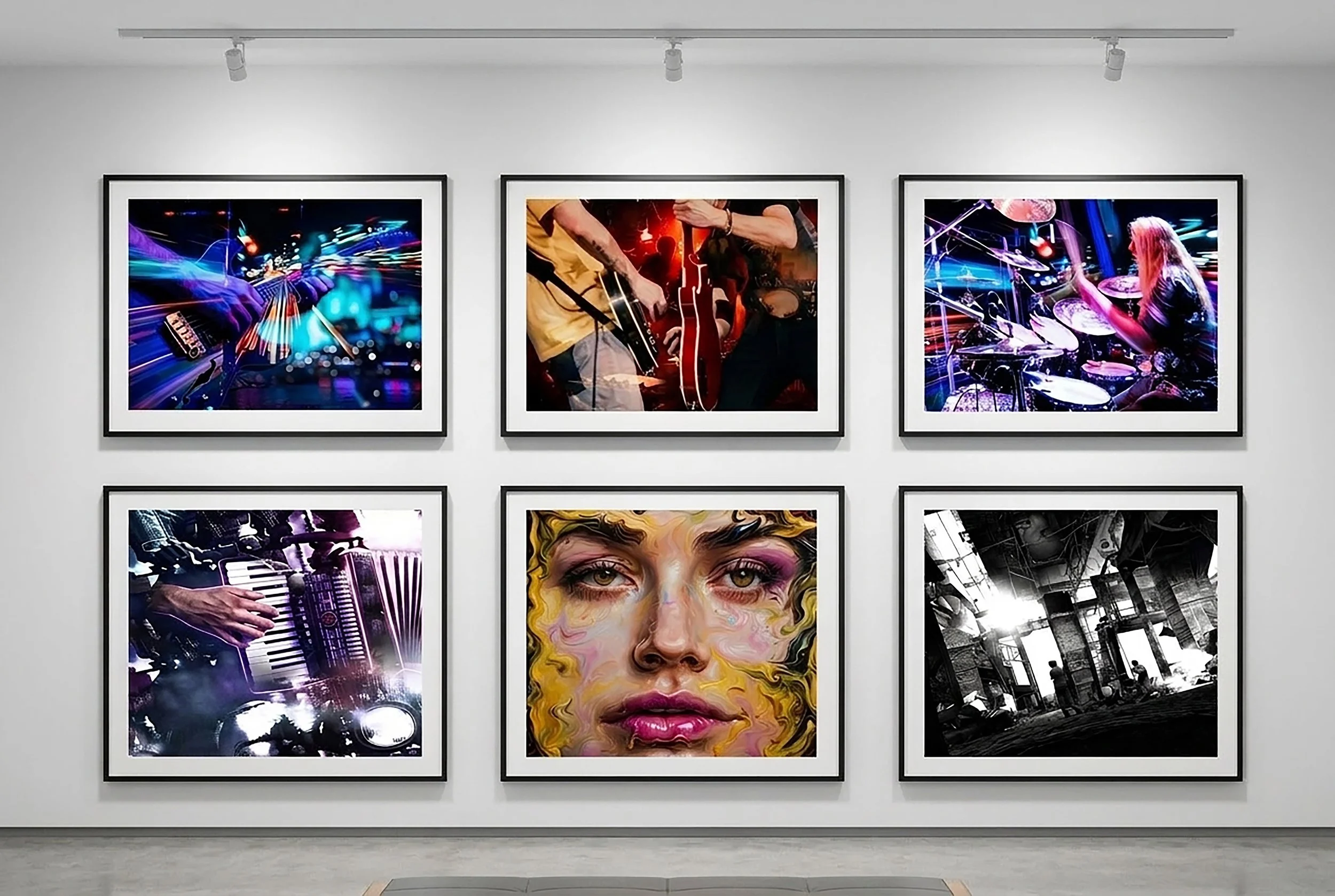
ART WALL (C) LOUISA MASTROMARINO
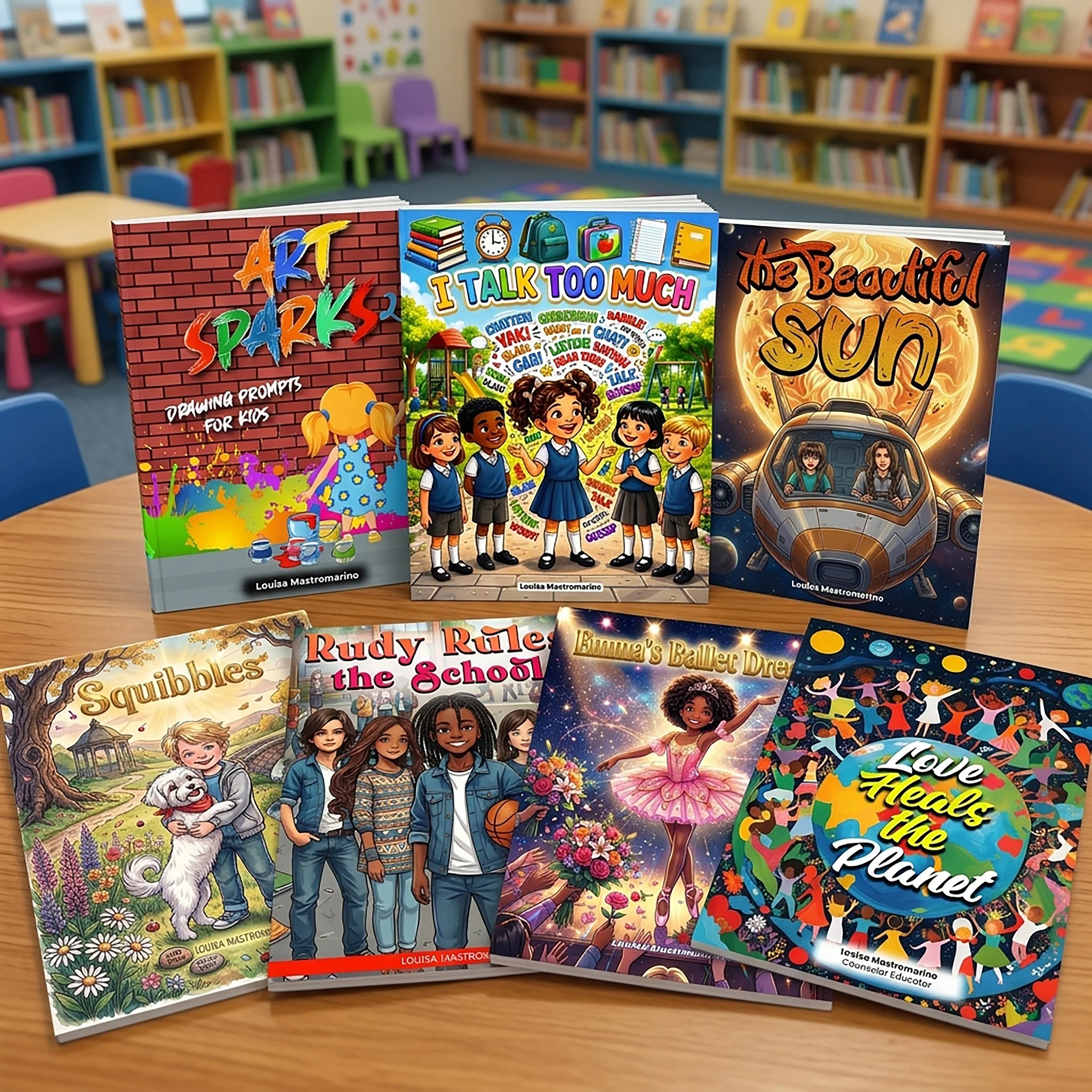
BOOKS (C) LOUISA MASTROMARINO
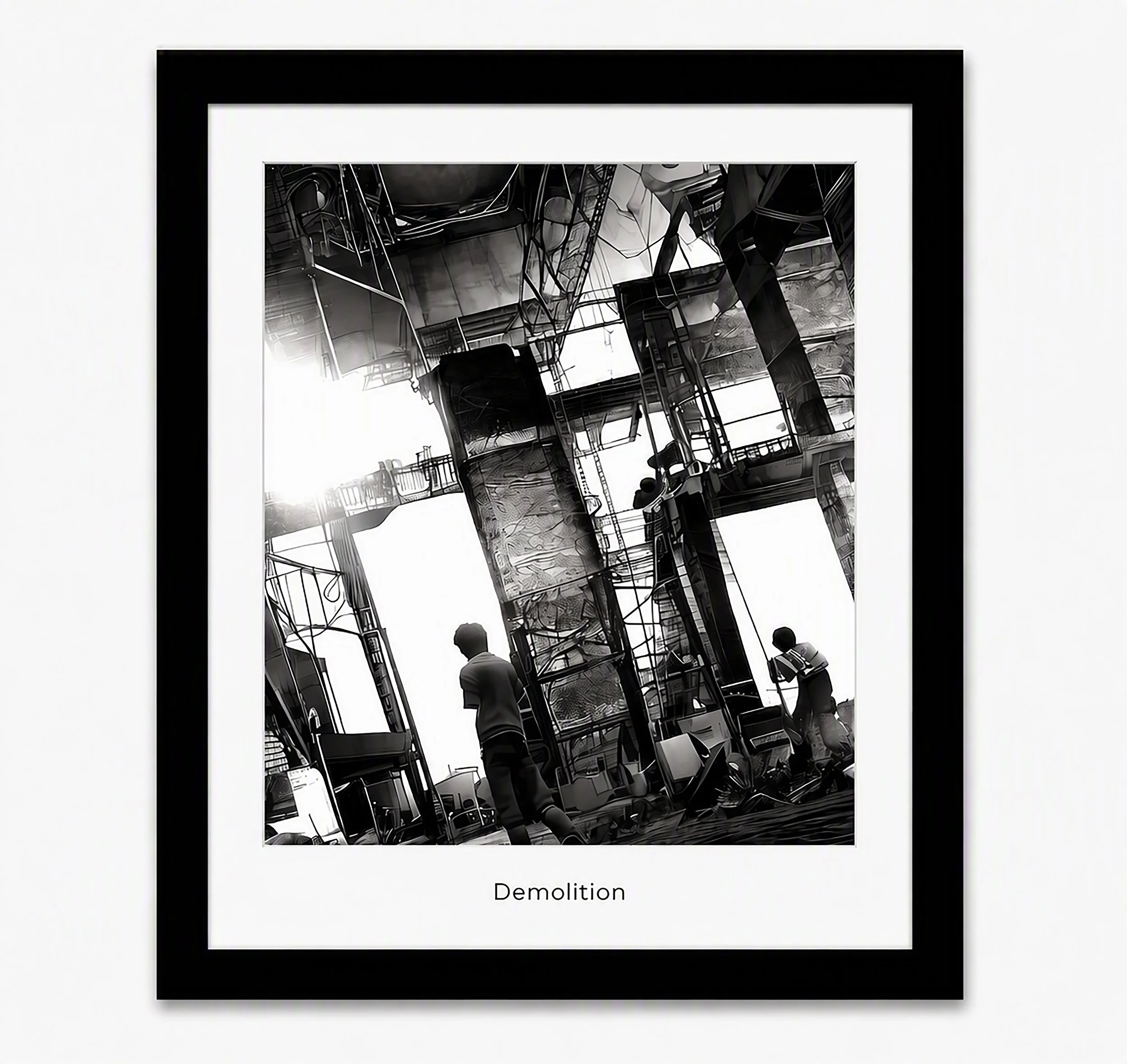
Demolition (c) Louisa Mastromarino
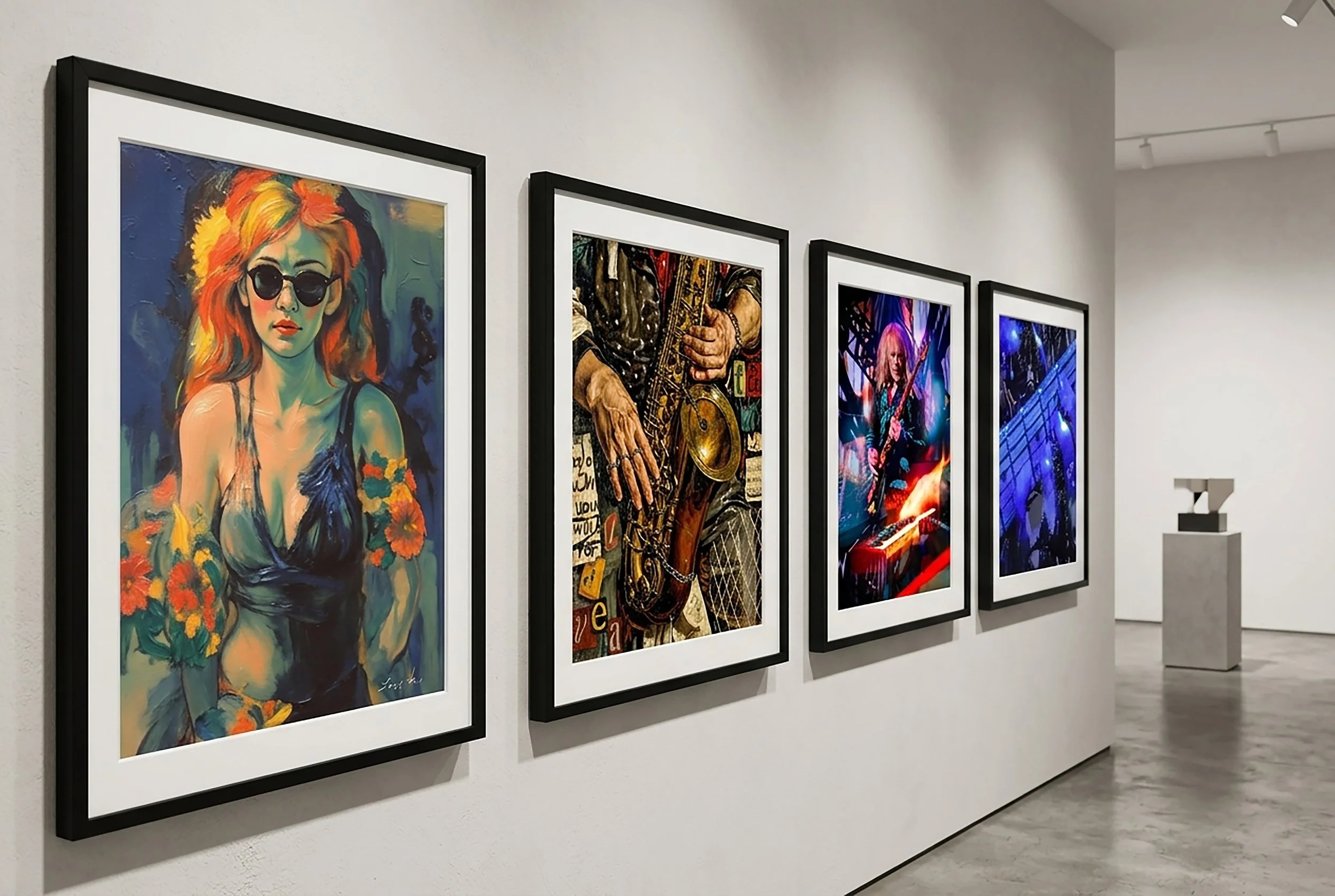
Display One (c) Louisa Mastromarino
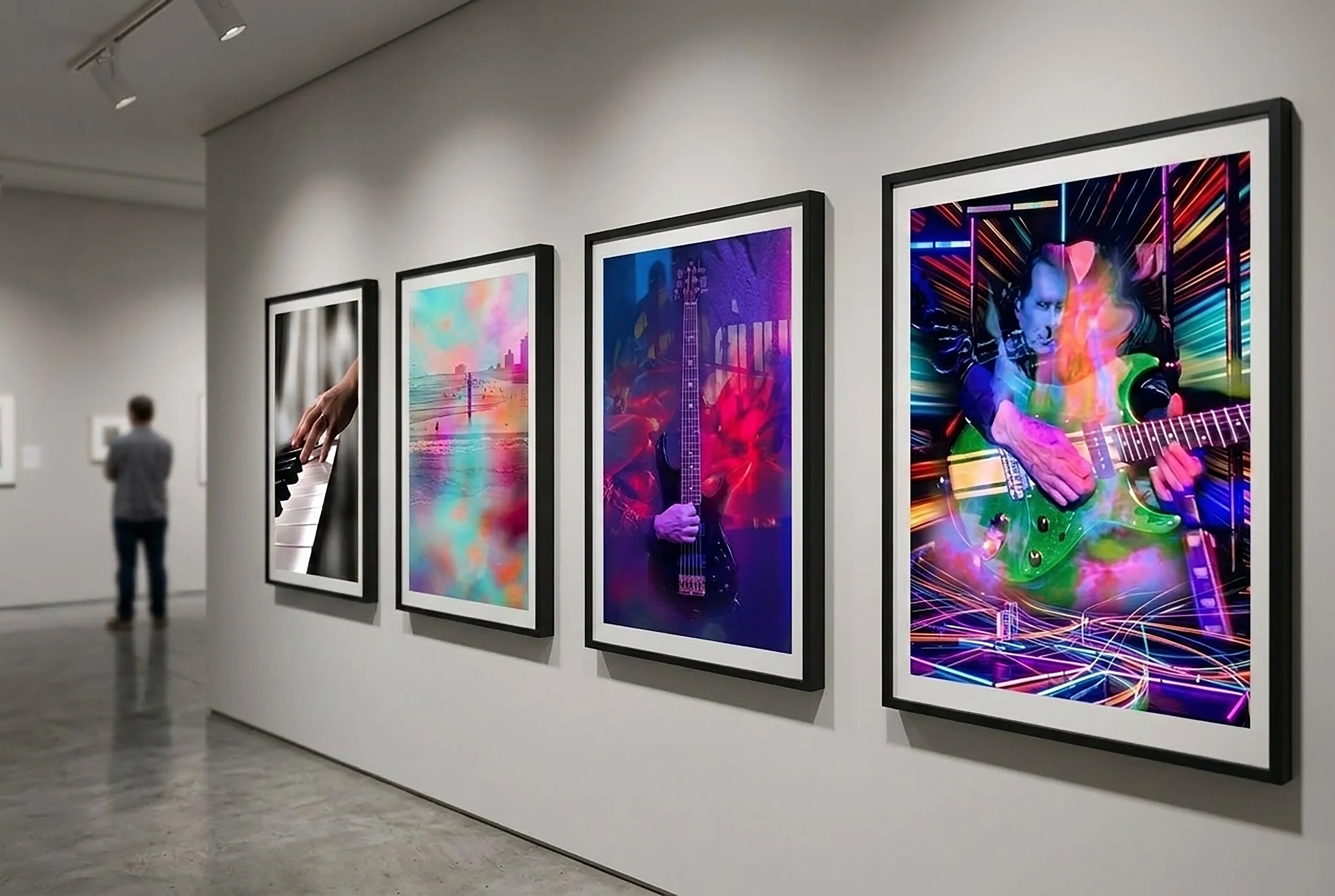
DISPLAY TWO (C) LOUISA MASTROMARINO
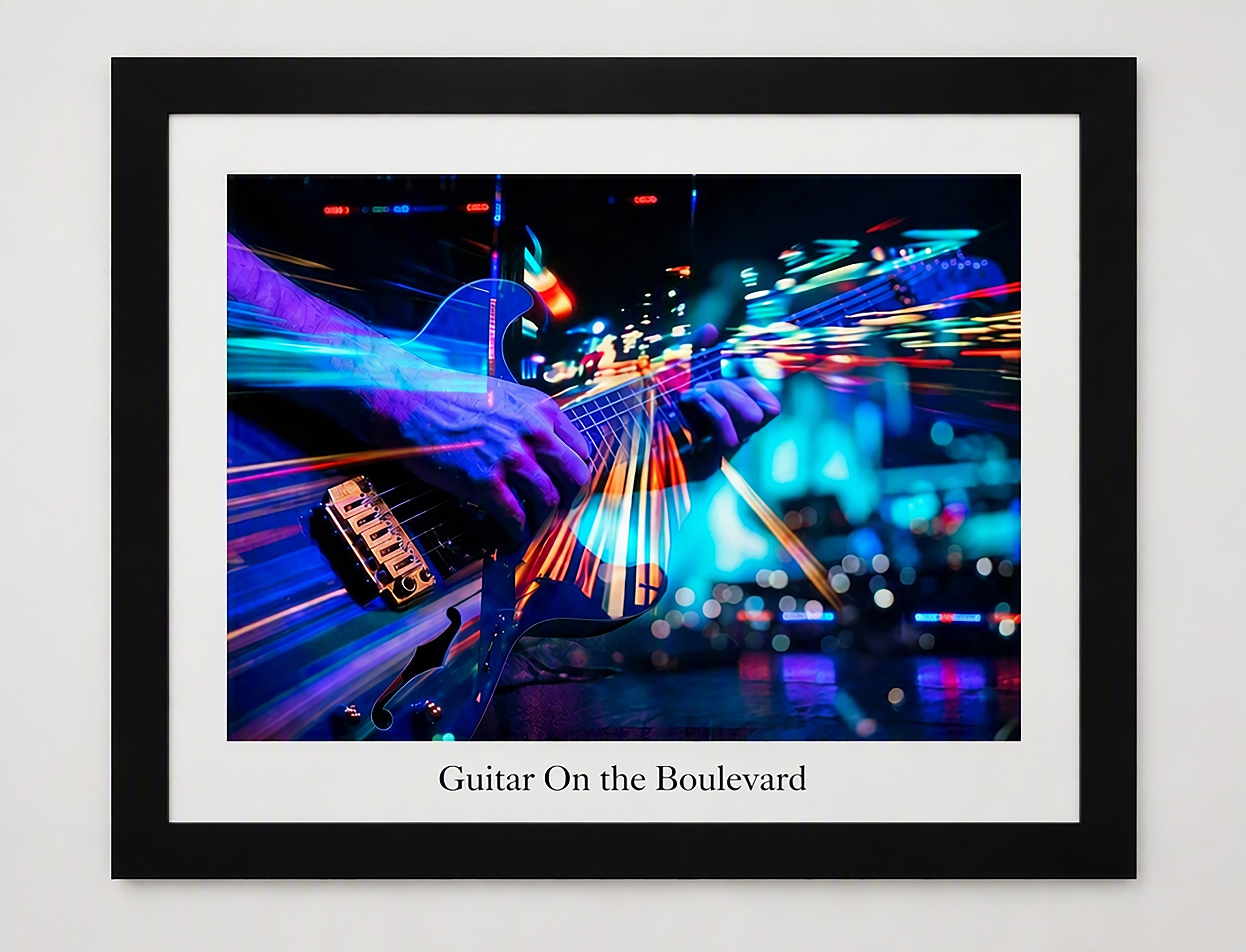
Guitar on the Boulevard (c) Louisa Mastromarino
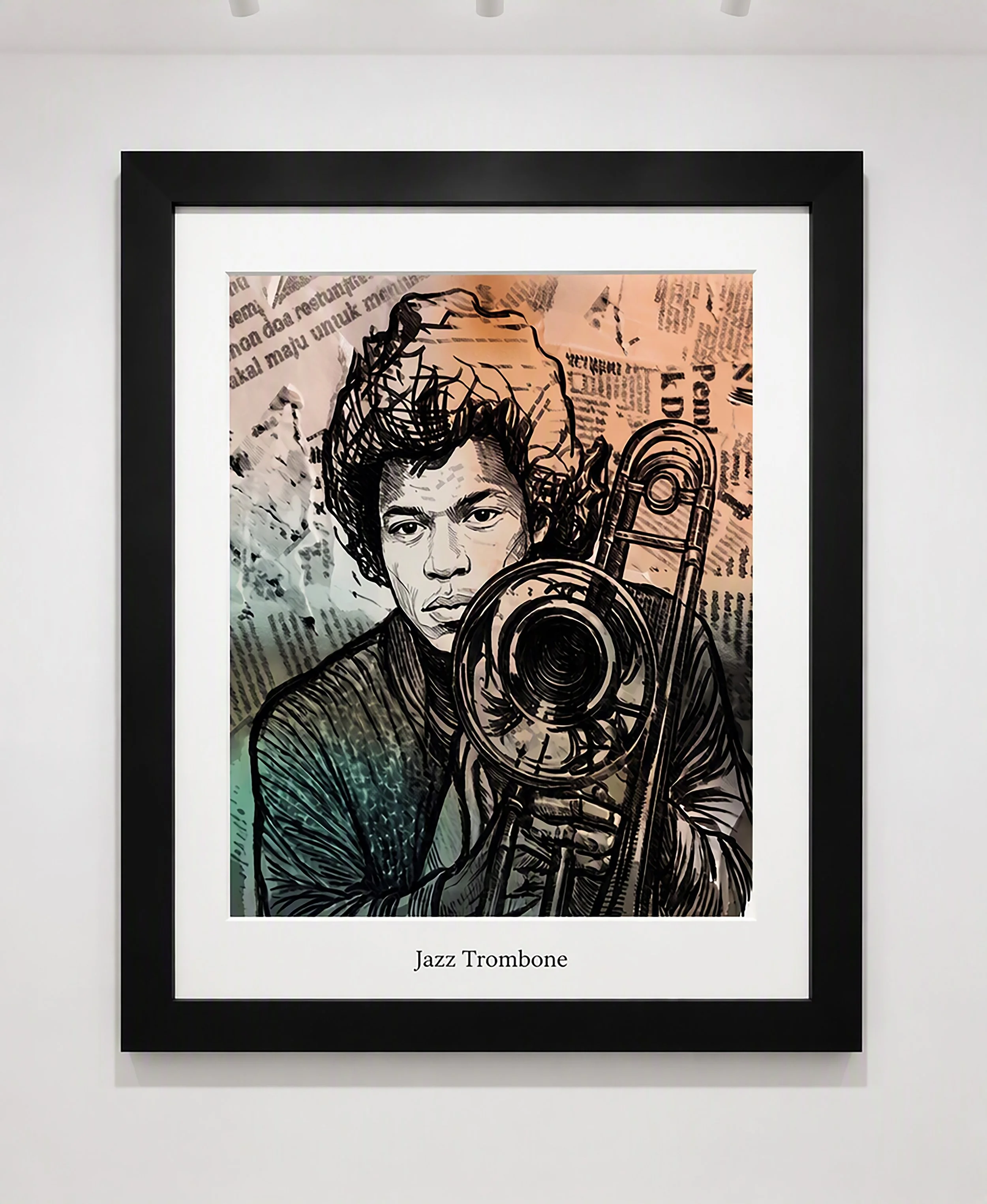
Jazz Trombone (c) Louisa Mastromarino
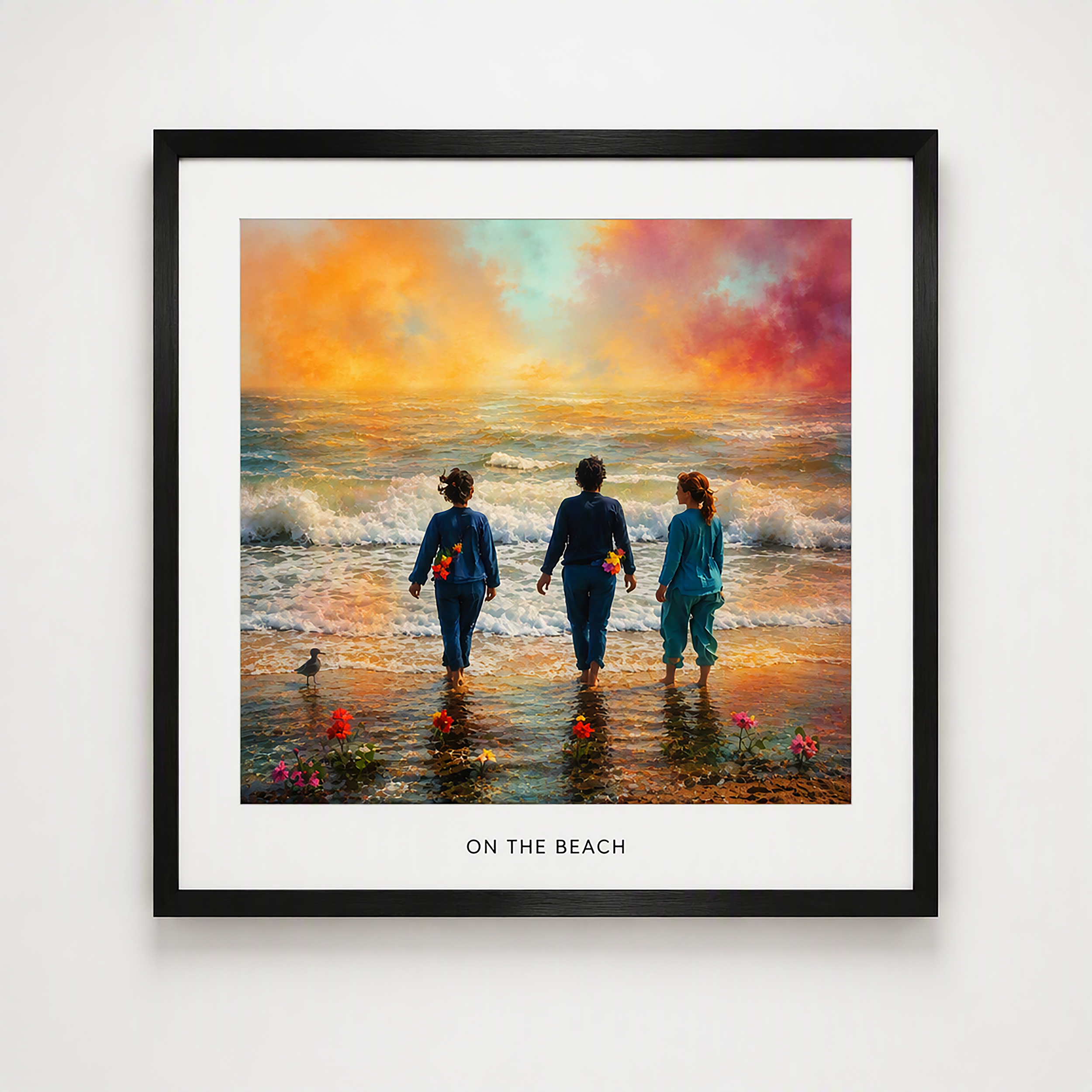
ON THE BEACH (C) LOUISA MASTROMARINO
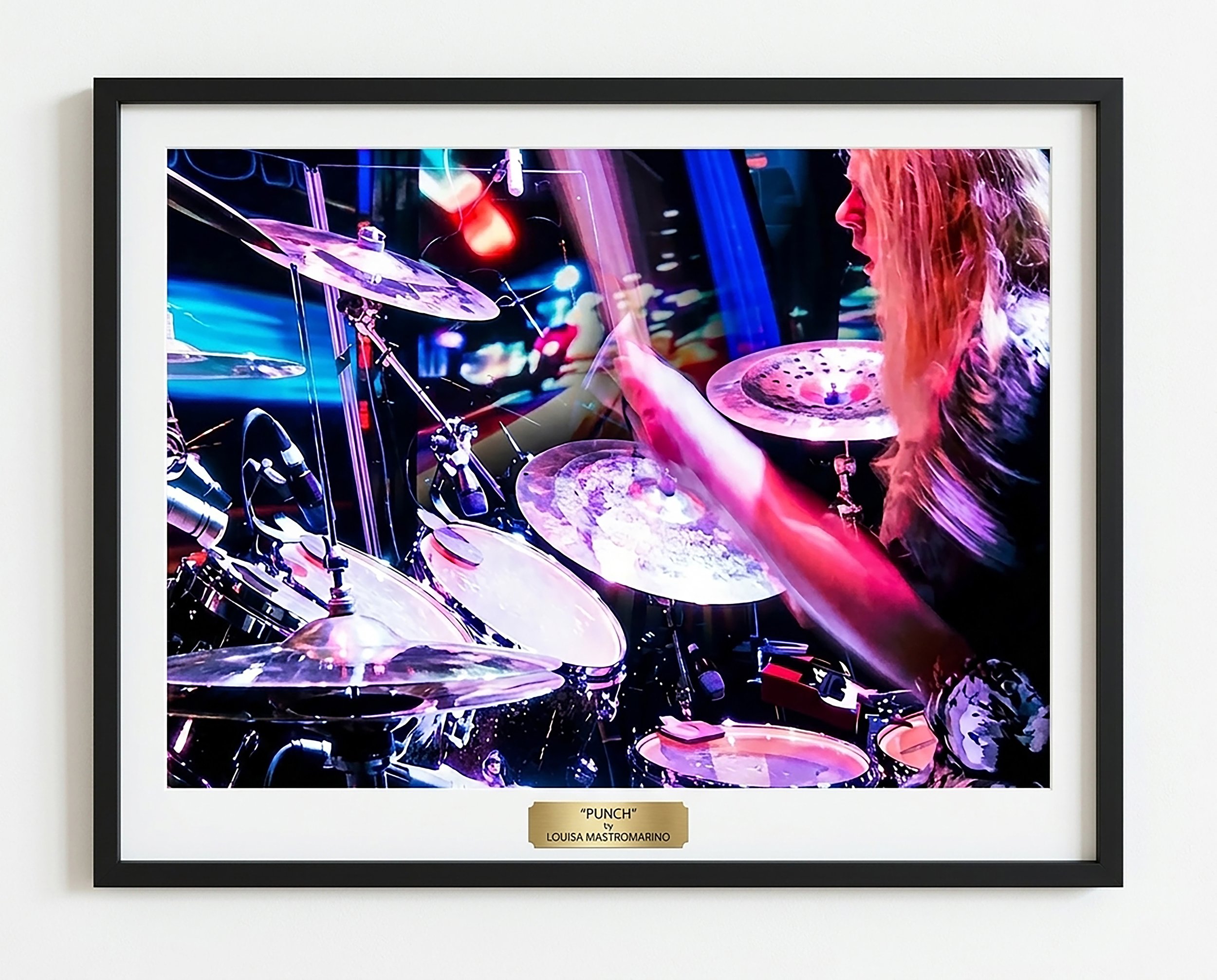
PUNCH (C) LOUISA MASTROMARINO
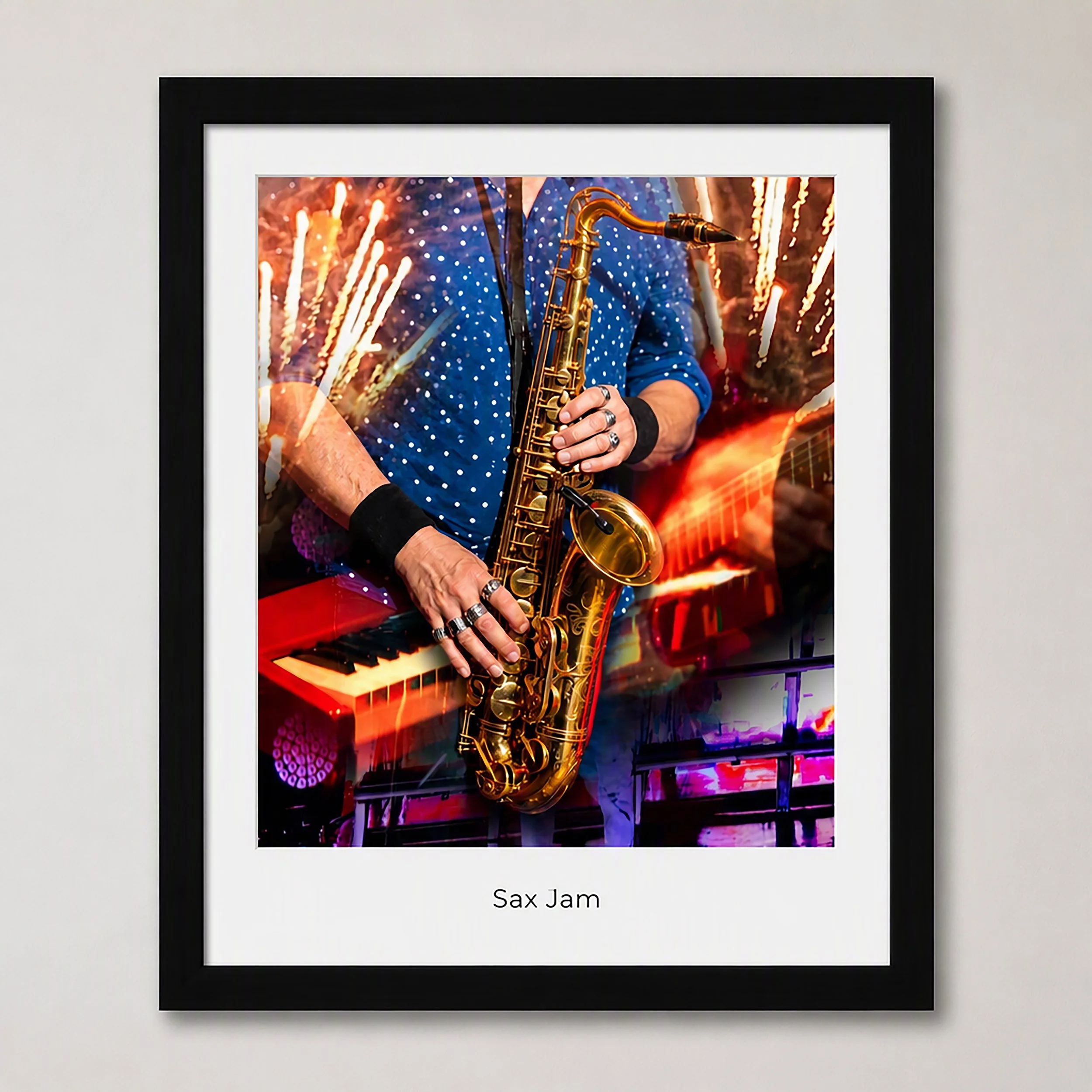
Sax Jam (c) Louisa Mastromarino
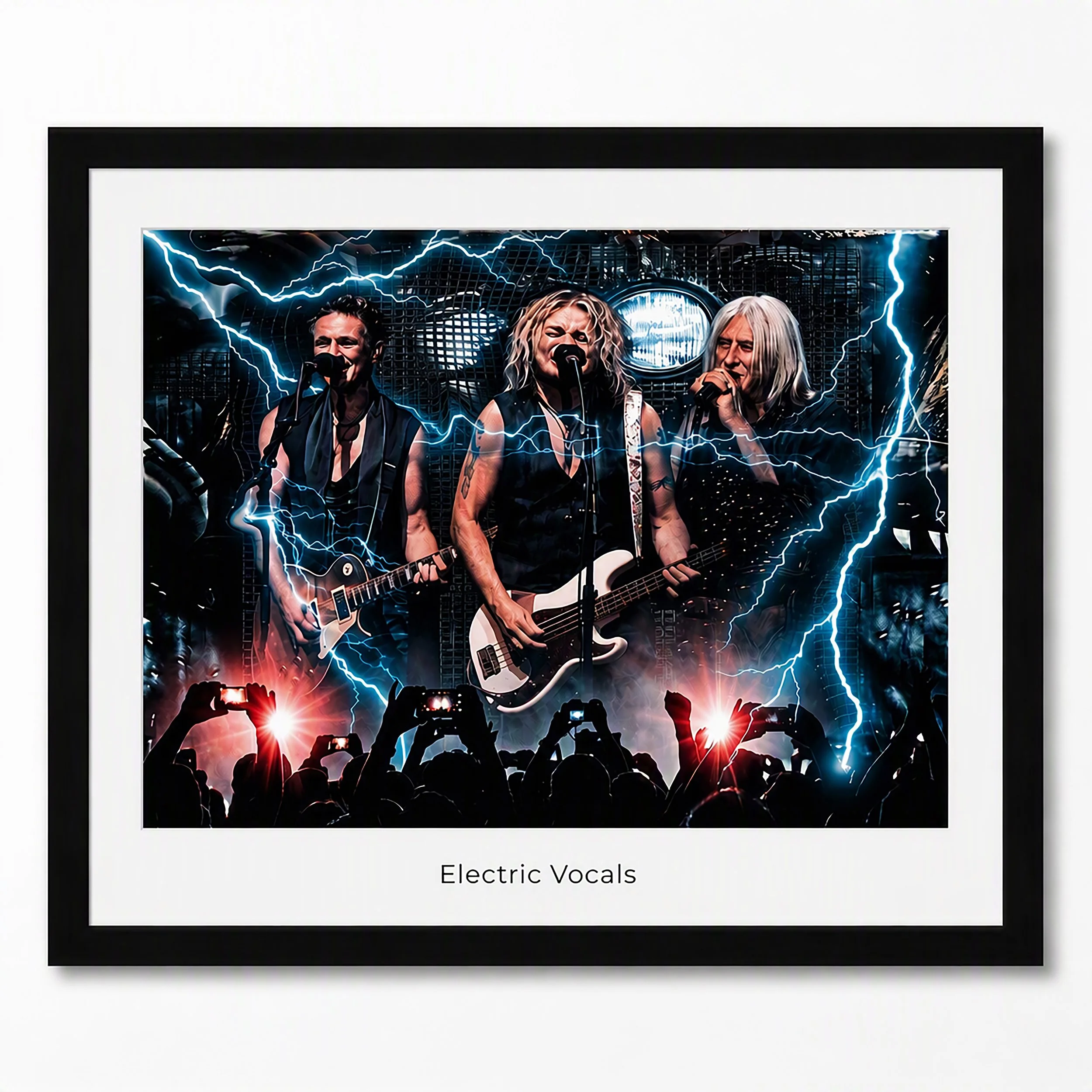
Electric Vocals (c) Louisa Mastromarino