Interview with Luana Stebule
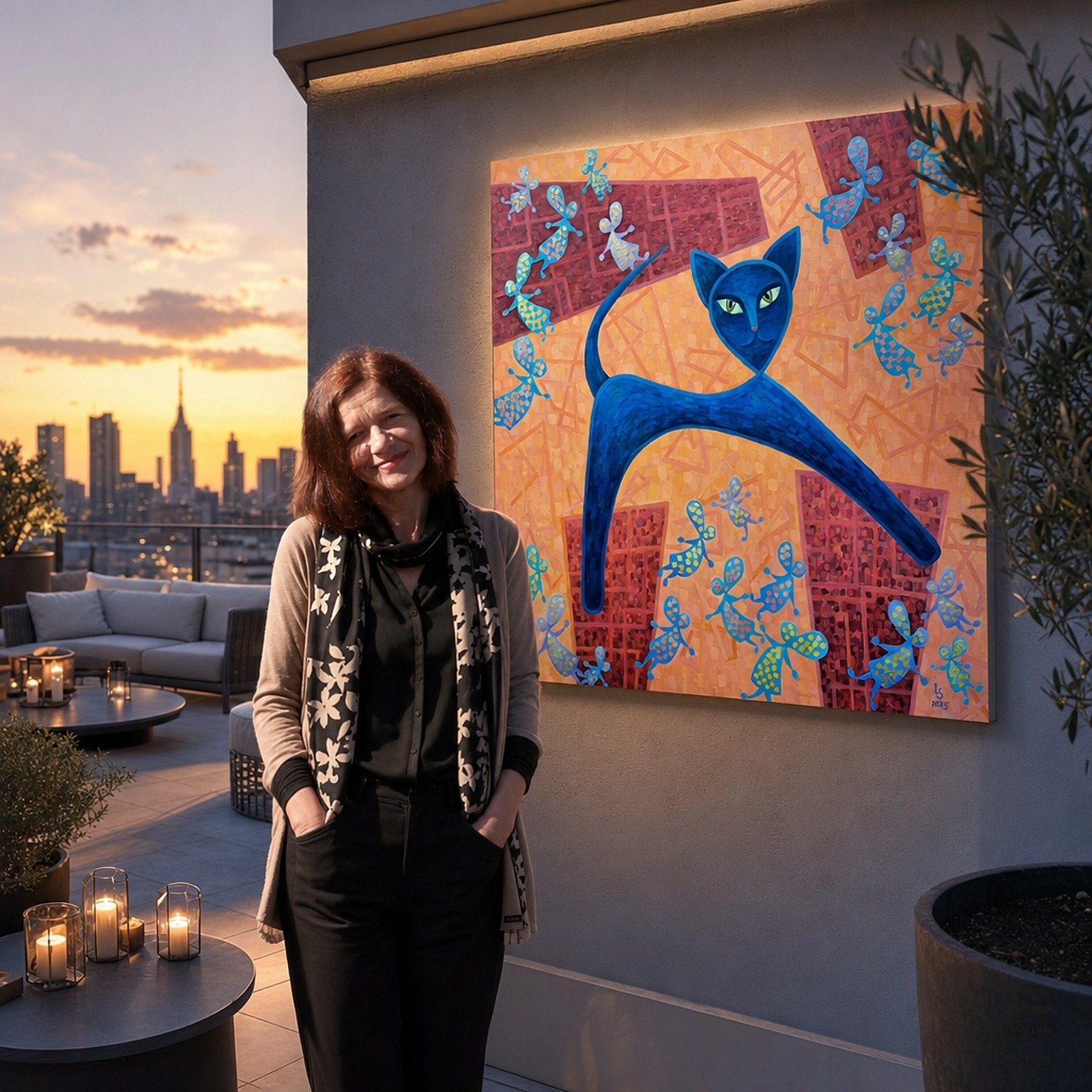
http://www.luanastebulefineart.co.uk/
How did your education at A.Martinaitis Art School and the Academy of Art, together with your early experience in stage projects and mural paintings, shape your understanding of composition, scale, and visual storytelling?
Of course, my studies gave me a deeper understanding of classical art, including drawing subtleties, colours, and composition. The stage projects and mural paintings also show up in my current oil-on-canvas paintings. These experiences and knowledge have influenced my work and artistic development.
But you cannot learn about creativity in a deeper sense; it comes from the unified fields of consciousness and unconsciousness. I think storytelling comes from me as a poet. For the last ten years, I have been writing far less; the poetic personality expresses itself on canvas.
Since moving from Lithuania to the United Kingdom in 2013, how has living between different cultural environments influenced your imagination, sense of identity, and approach to abstraction and figuration?
It hasn’t been a huge cultural shock; I didn’t move to Japan or China. In England, I have a similar cultural approach and lifestyle.
Since I moved to the UK, I have travelled a lot: I explored islands, Madeira, Lanzarote, Cyprus, Tenerife, Crete, as well as Morocco, Malta, Texas, Florida, Italy, Spain, and Portugal, stirring my creative waters and bringing new life to my art.
I love British culture, literature, and architecture; I very often visit the Tate Modern and the National Gallery in London. Everything draws fresh impressions and transforms them into new paintings.
I think I didn’t lose my identity; my earliest artworks also had an abstract figurative style, perhaps it came from my personality, something that is difficult to explain.
Your signature “dancing lines” from figures and objects through continuous contours associated with infinity and cyclical existence. How did this language emerge, and what philosophical meaning does the uninterrupted line hold for you?
I believe in infinity, in invisible connections with each other, nature and other objects. Lines mean movement, circulation, a never-ending cycle of existence.
When I started creating paintings with dancing lines, I just followed my intuition; only later did I discover the clear concept.
My instinctive brushstrokes also have meaning; I evoke the rhythm of heartbeat and breath, and my messages are about harmony, inner balance, and subtle vibrations.
During the pandemic, you began using Mobius- lines to explore humanity, family, friendship, movement, and continuity of life. What changed in your perception during this period, and how did that transformation alter the emotional and formal direction of your work?
Actually, dancing lines appeared in my paintings since I moved to the UK, but they appeared in this manner: I created women’s bodies and a few other objects. I was hesitating, or it was the right decision.
During the COVID-19 period, I became brave and developed this style by creating about 50 paintings. I think isolation, silence, and yearning for my family led to a clearer understanding of infinity, connections, and the invisible movements and influences from the Universe.
I was sketching a lot, and I was excited by my explorations.
Also, before I moved to England, I had very terrible and stressful situations in my life; they shook and reshaped my personality on the deepest level.
You describe multiplicity as the capacity of a single figure, gesture, or moment to contain many stories simultaneously. How do you construct these layered narratives while leaving space for viewers to form their own interpretation?
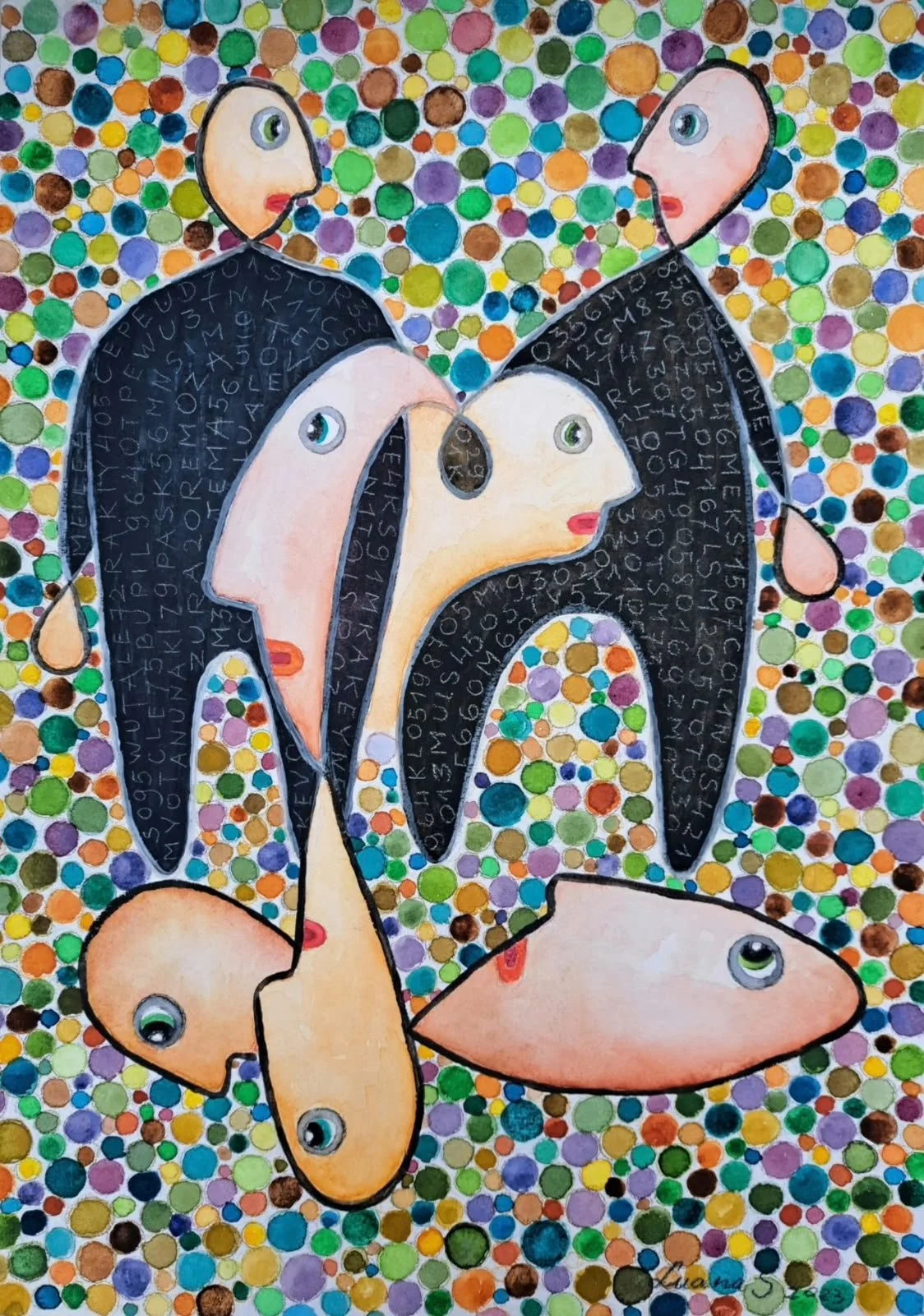
By creating in this way, I leave space for interpretation. Somebody sees fish; somebody - clouds; for someone, it's a gondola; for another person - a first quarter of the Moon; one person sees daisies; some - people’s faces.
As a poet, I weave narrative and symbolism into my visual language, inviting viewers to find their own stories within my artwork.
Collage remains especially important to your practice, with mirrors, wood, textiles, and photographs often forming a physical foundation that is completed with oil paint. How does each material contribute to the meaning of the finished work, particularly its relationship to reflection, memory, and lived experience?
Each material has its own purpose.
For example, in the collage “Generational Touches”, I use my grandmother’s cross-stitch craft, cut into pieces; my daughter’s handprints; and fragments of my photographs.
It is background music, and later I finished it with oil paint, and it became like a nostalgic blues. It is my reflection, memories and life experiences.
Your composition often balances instinctive movement and vivid colour with structured patterns, geometry, and carefully organised surfaces. How do you negotiate the tension between spontaneity and control while developing a painting?
It comes naturally; I never have an exact plan. At the beginning, I listen to my inner voice; my mind comes with emotions.
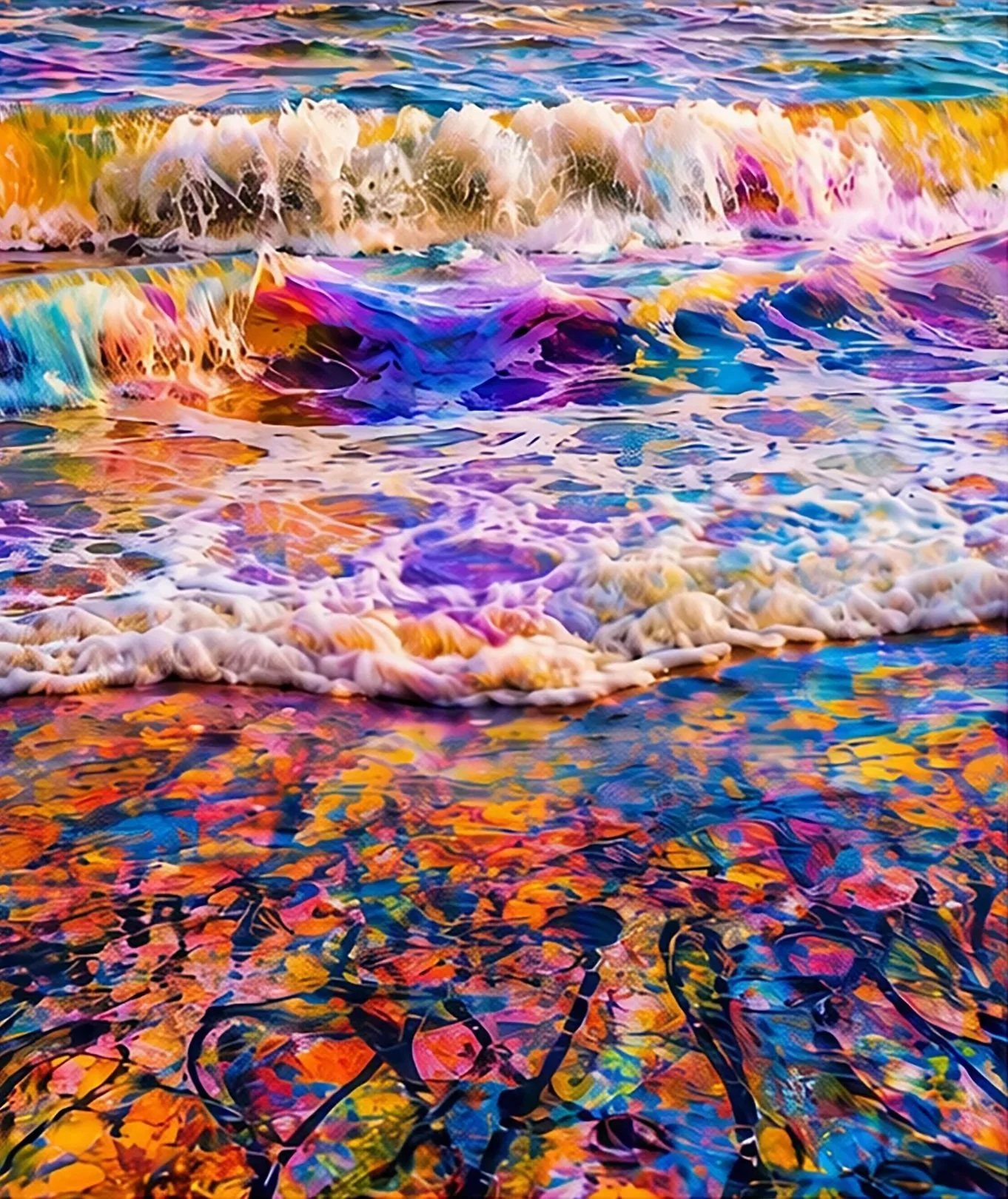
I very often choose colours that I'm not particularly fond of and that are difficult to put together, but it is interesting to make a corrida on the canvas.
I love Henri Matisse’s paintings; they resonate with me. My personality isn’t soft; it's quite risky.
As a published poet, how does your experience with rhythm, metaphor, and linguistic compression inform works such as “The Moonlight Sonata” and “Shape of London”?
I think each of my paintings, more or less, has a poetic approach.
“The Moonlight Sonata” has a slightly different story behind it. While I was working at the Kaunas Musical Theatre as a painter, one of my colleagues was obsessed with playing Ludwig van Beethoven’s "Moonlight Sonata" in the ballet studio, which was usually empty in the afternoons.
This music got under my skin. From my memories, many blue afternoons with this beautiful music, which also has blue nuances, inspired me to create this painting.
“The Shape of London” has a more poetic approach. When I was living in London, I explored this city with red houses and green places, with labyrinths of streets and people full of pink dreams.
Each city is a creature with its own shape and character; that is how I see London.
Your imagery has evolved from the shoe-shaped houses and rare orchids toward human relationships, consciousness, transformation, and immortality. What continuities connect these seemingly different subjects, and what does evolution reveal about your changing artistic concern?
I am painting what I feel, what I wish to express. When I came to the UK, I was a bit stressed about how to live and what to paint.
I came across shoe-shaped houses and rare types of orchids, and it was interesting to explore them in the visual language. I haven’t seen these objects in the paintings; the forms led me to a particular artistic style.
In the same manner as shoe forms house, I created trees and other things.
Later, I turned to spiritual communities, podcasts and meditations. I was impressed by Matias de Stefano’s and Robert Grant's points of view.
Instead of watching films and news, I am watching programs from Gaia. It influences my artistic conception.
I believe that creativity is about listening intensely - to oneself, to the world, and to the spaces in between.
After decades of experimentation across painting, collage, mixed media, stage design, and mural work, which unresolved ideas or technical possibilities do you feel most compelled to pursue in the next phase of your practice?
To be honest, right now I am still working on my dancing lines explorations, but I am already getting bored.
I want to create metal artworks with specific shapes that explore fragility, life, and human emotional scales.
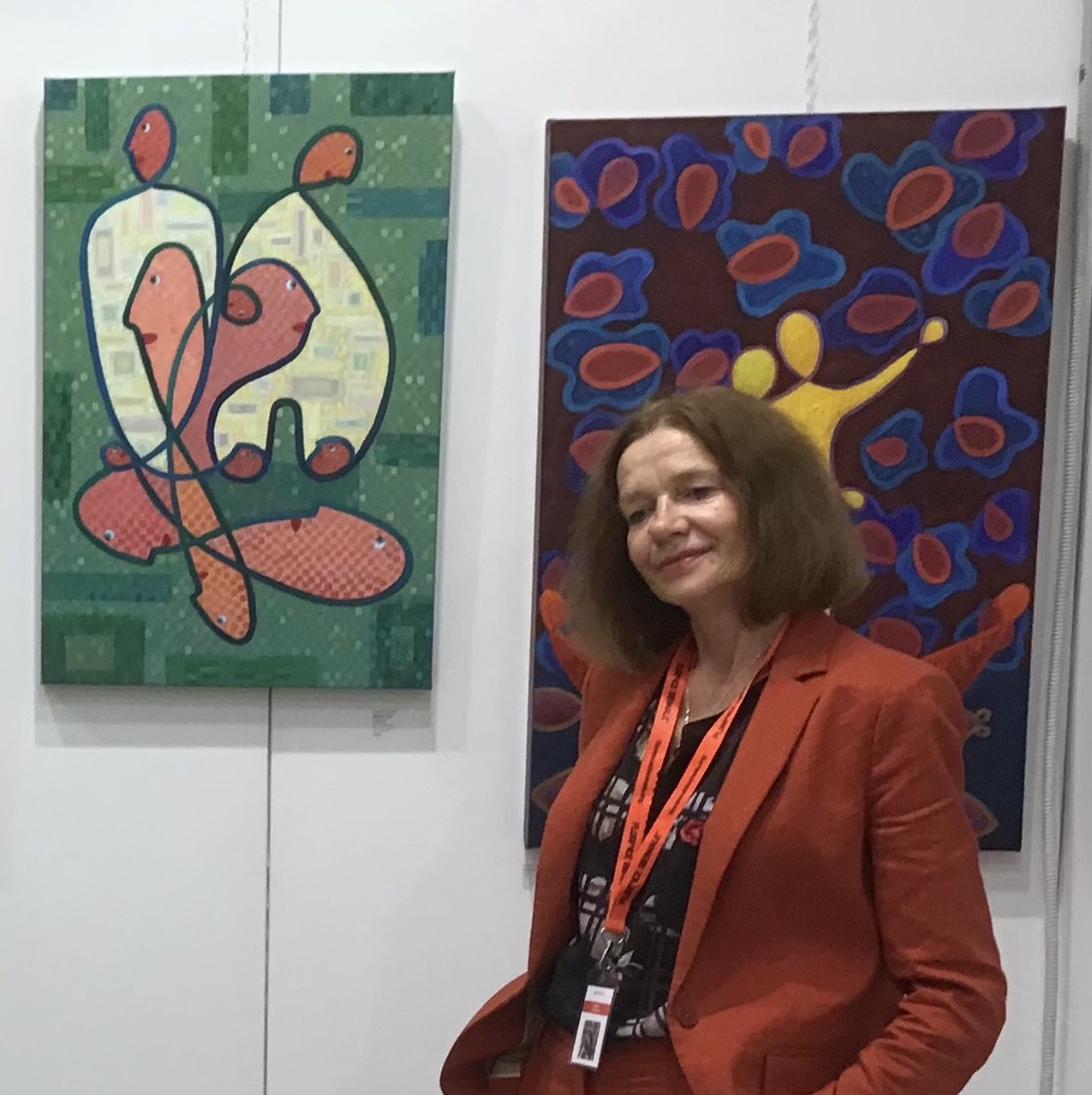
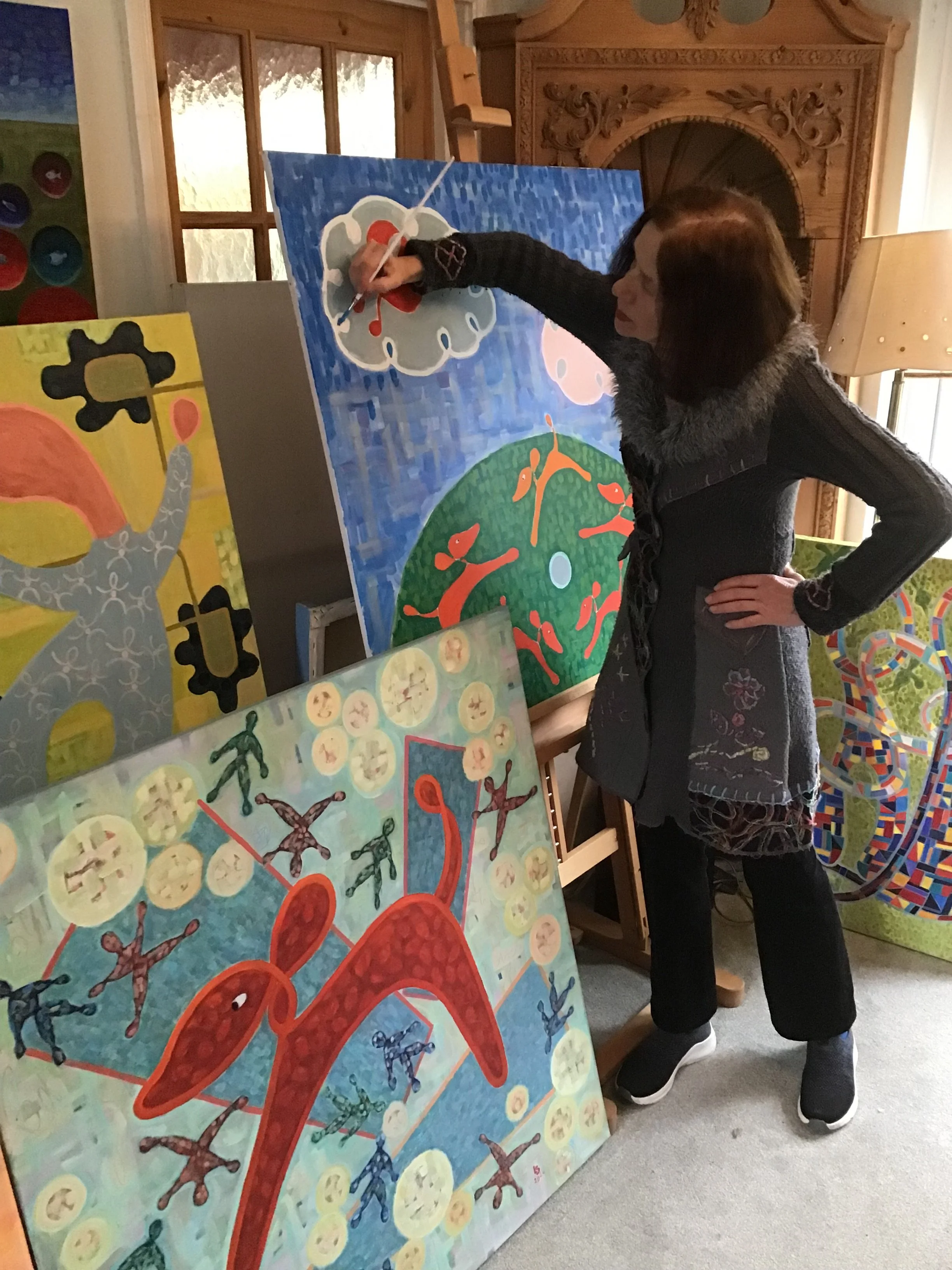
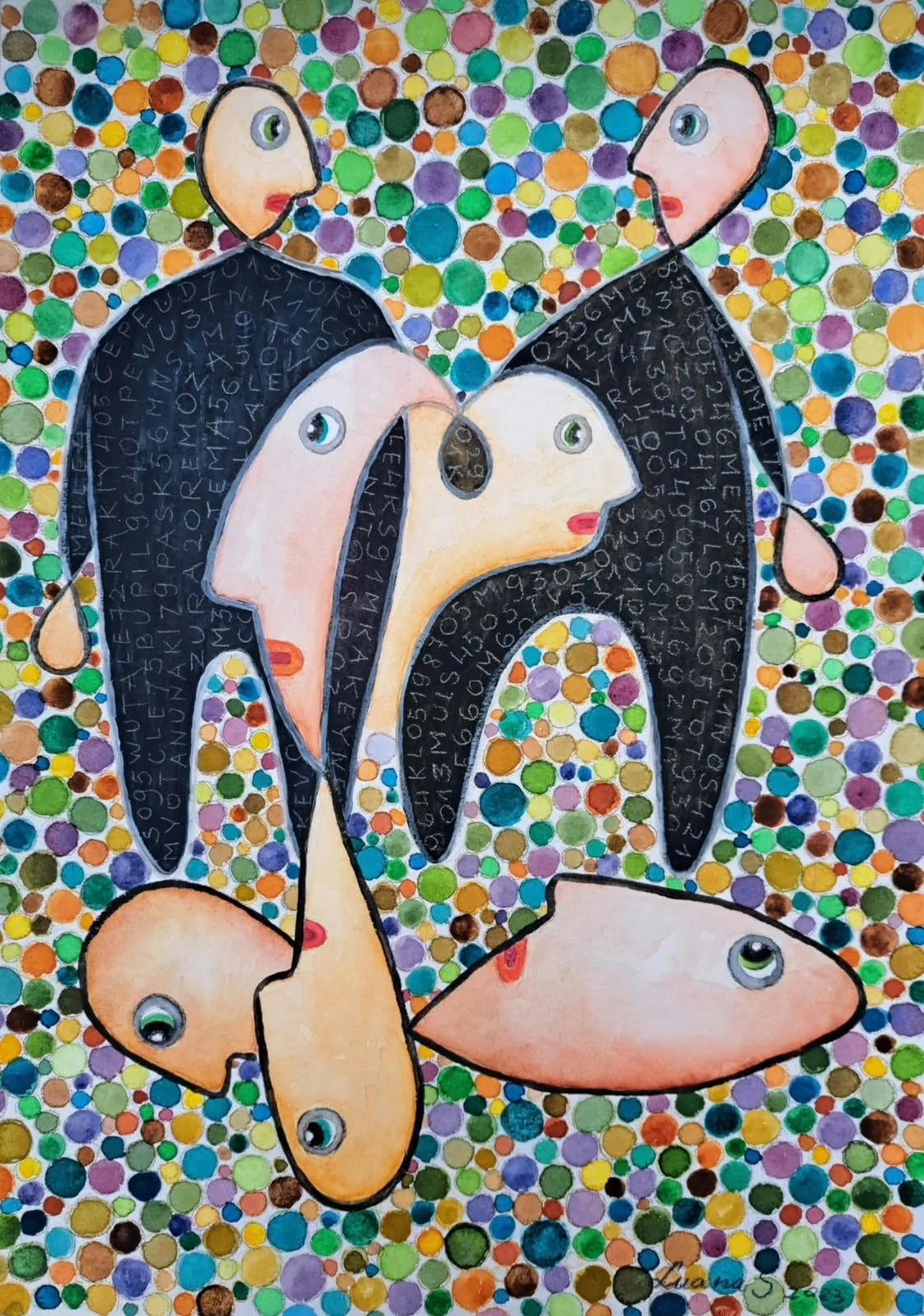
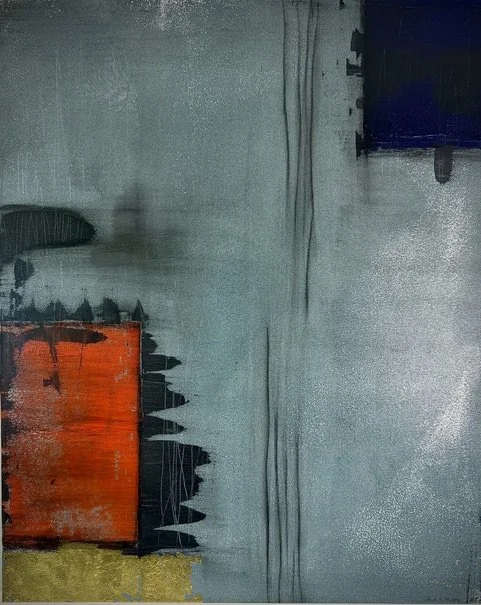
"Retreat" 2023, Mixed media, watecolours, acrylic on paper, 40 x 30 cm
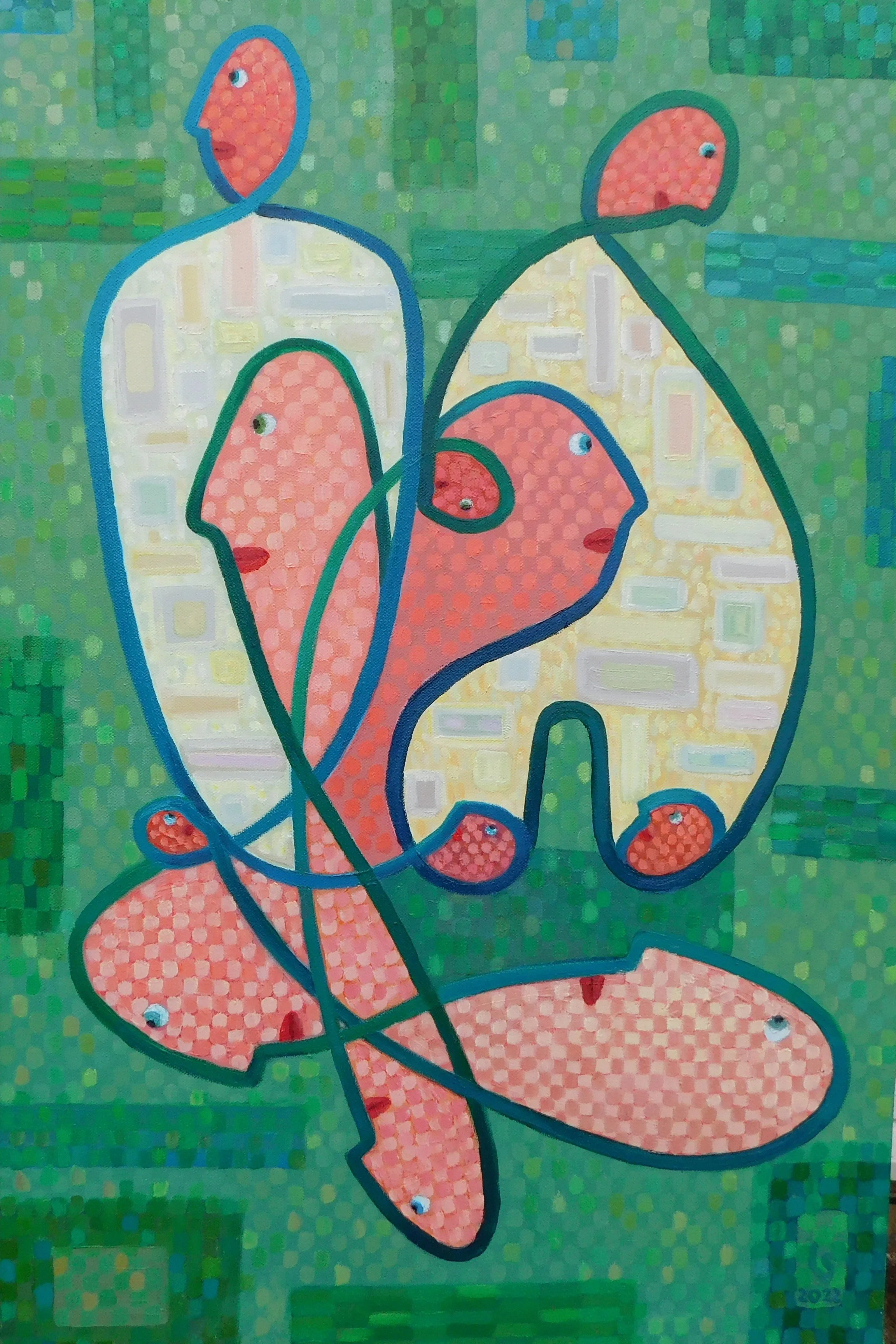
Behind You, 2022, Oil on canvas, 76 x 51 cm
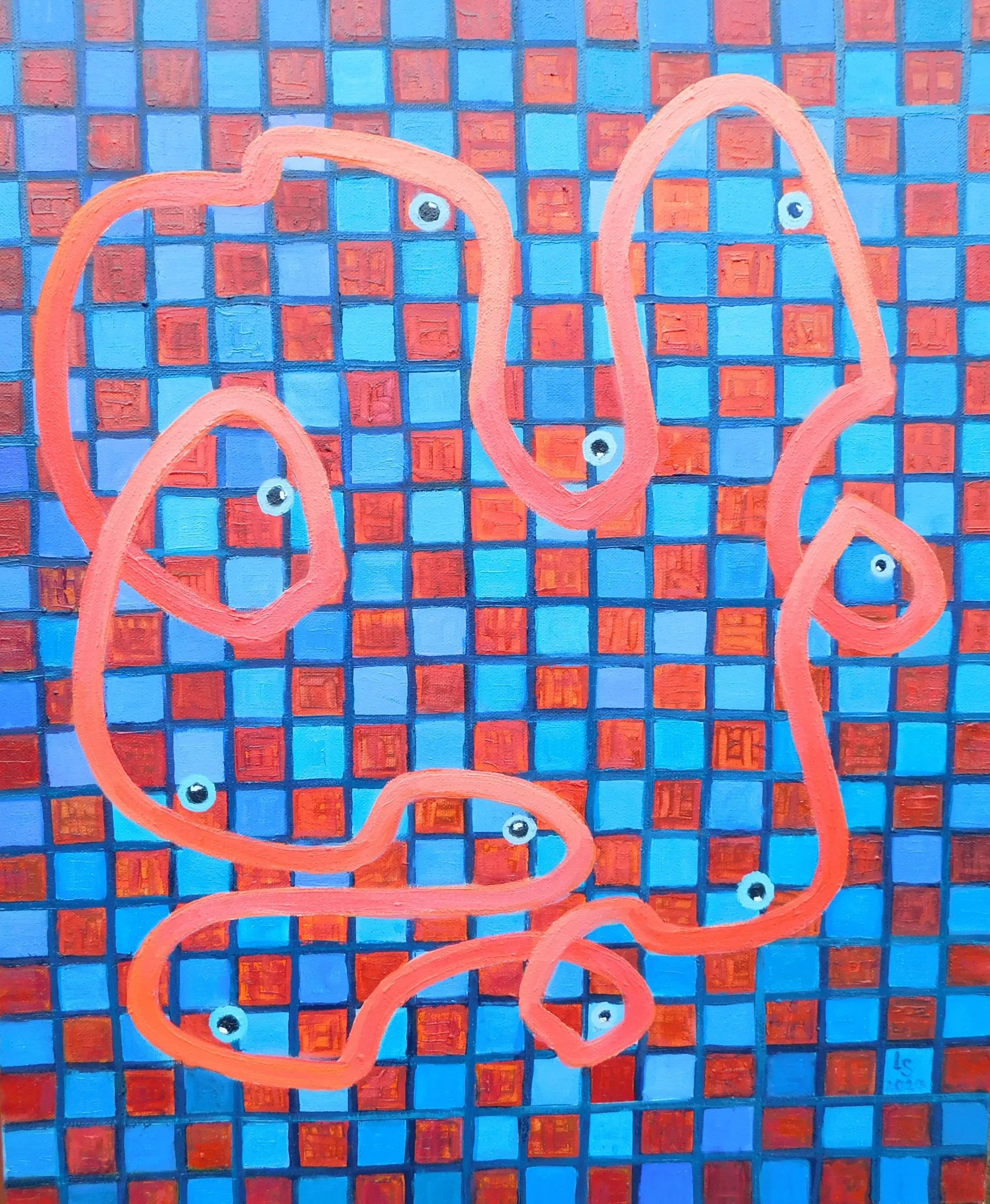
Connections, 2023, Oil on canvas, 61 x 51 cm

Collaboration With Divine Infinite Intelligence, 2023, Oil on canvas, 91 X 61 CM
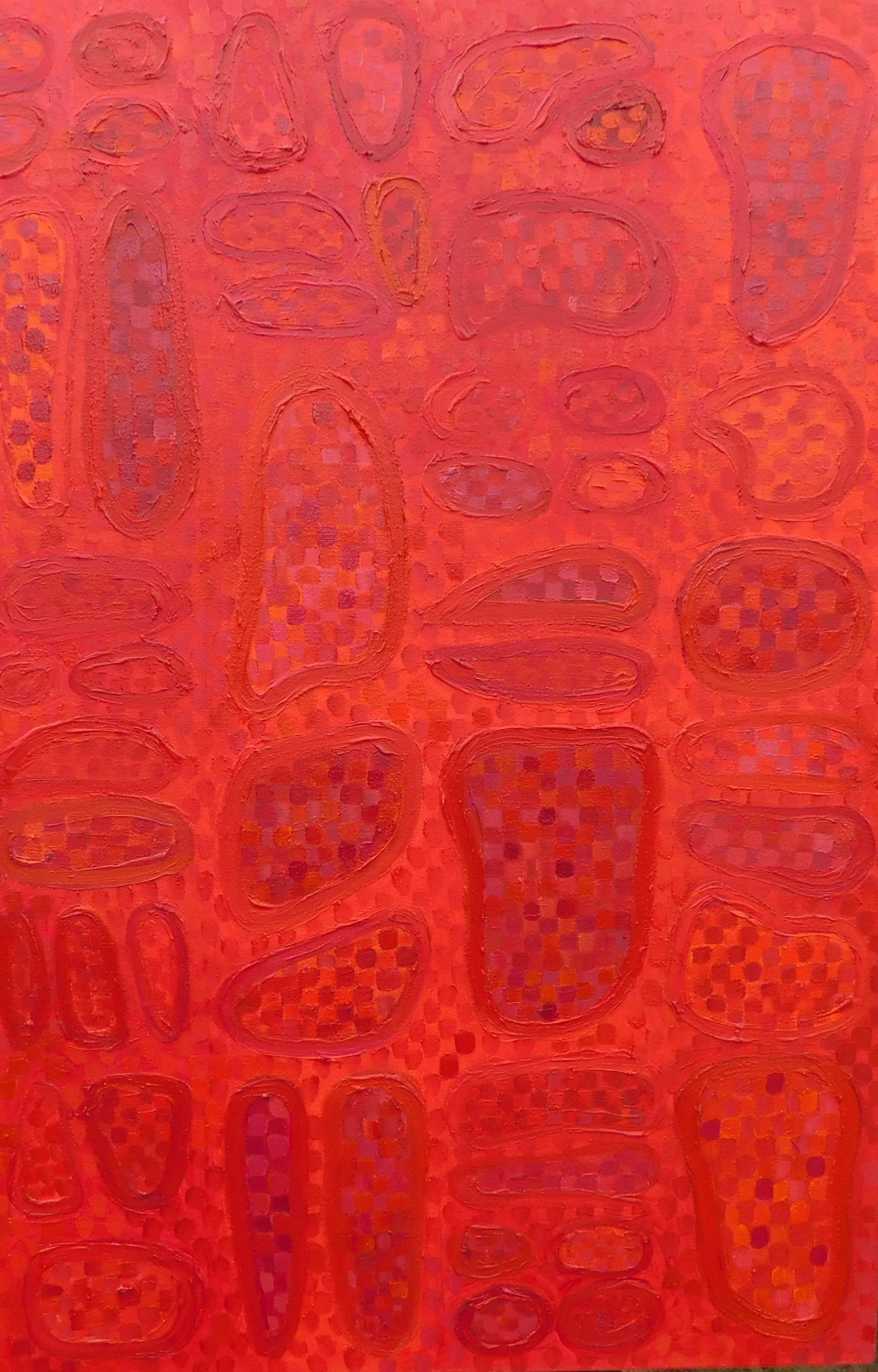
Carmen, 2020, Oil on canvas, 76 x 51 cm
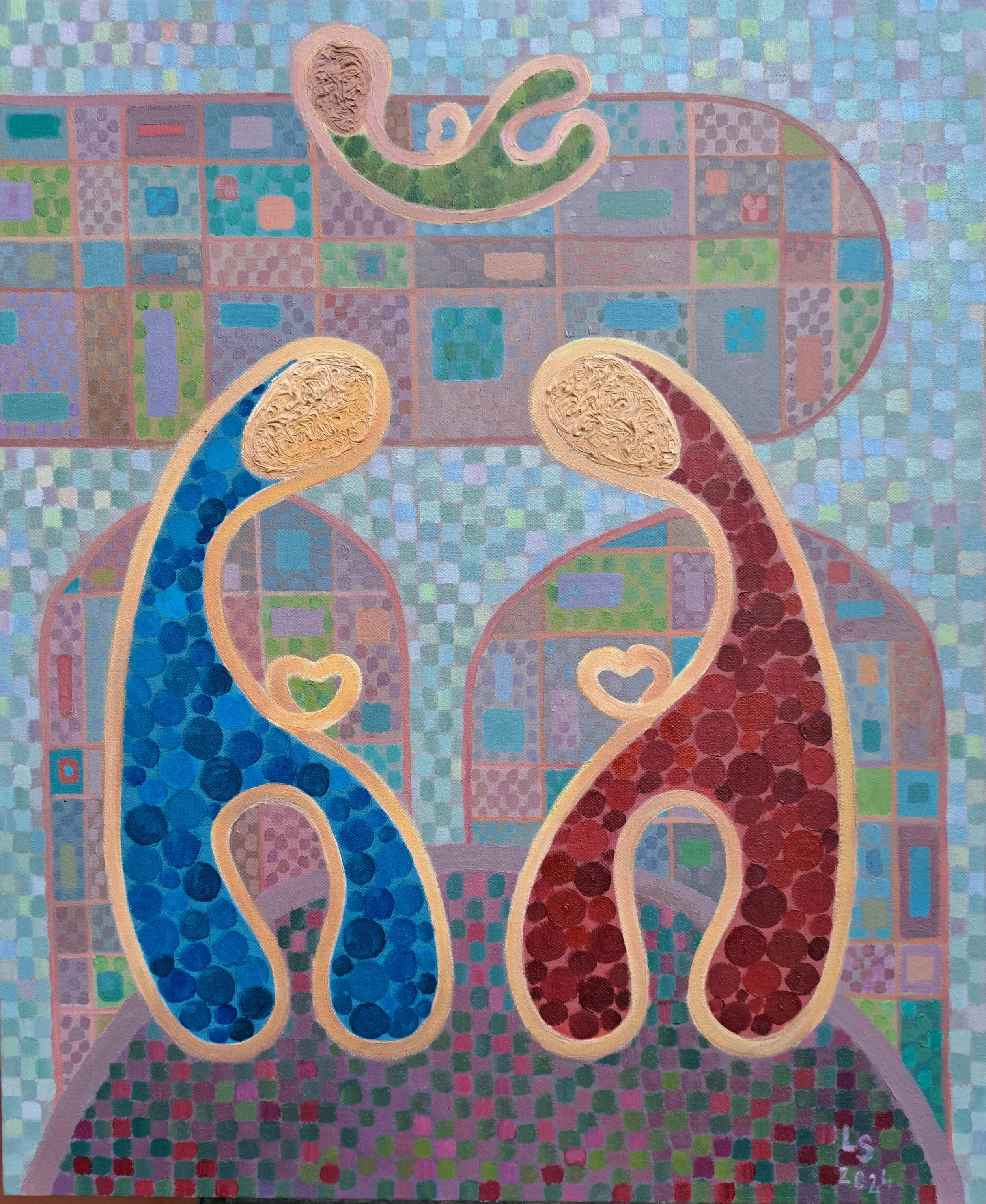
Awareness, 2021, oil on canvas, 61 51 cm
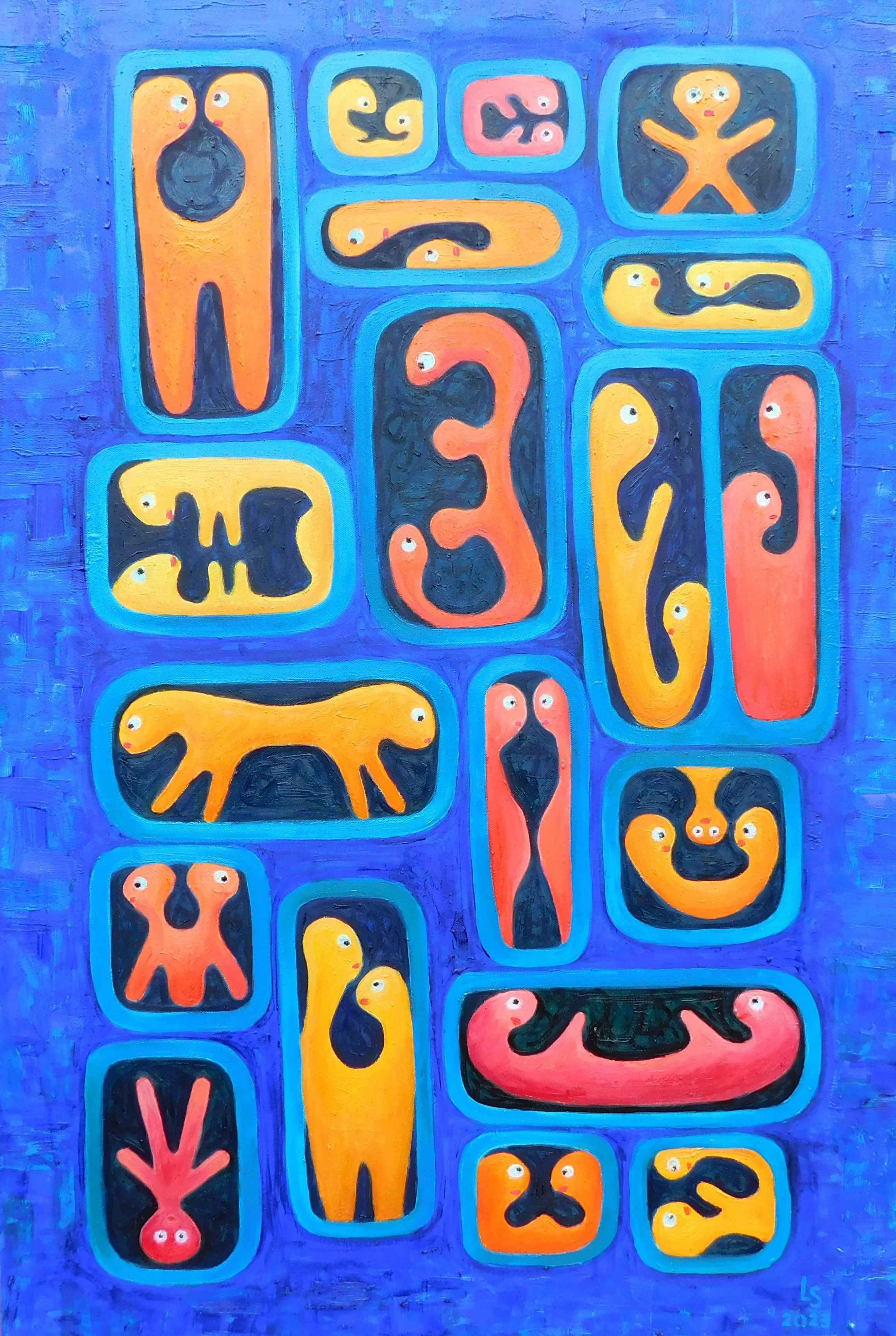
Another Reality, 20223, Oil on canvas, 91 x 61 cm

Adoration Of Flowers' Spirits, 2025, Oil on canvas, 100 x 100 cm

The Keeper Of The Lost Dreams, 2018, Oil on canvas, 76 x 51 cm

The Moonlight Sonata, 2021, Oil on canvas, 75 x 51 cm
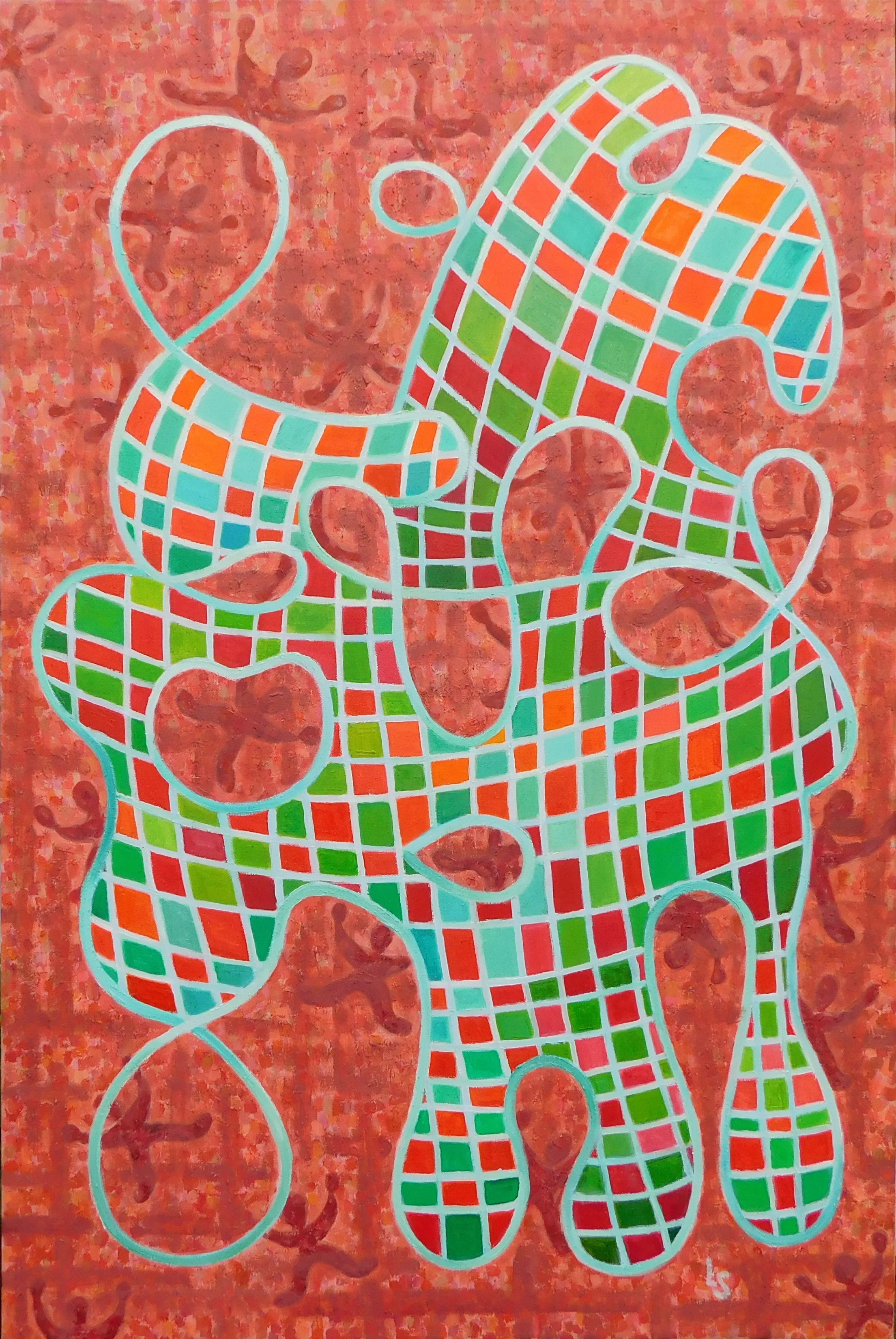
Shape Of London, 2023, Oil on canvas, 91 x 61 cm
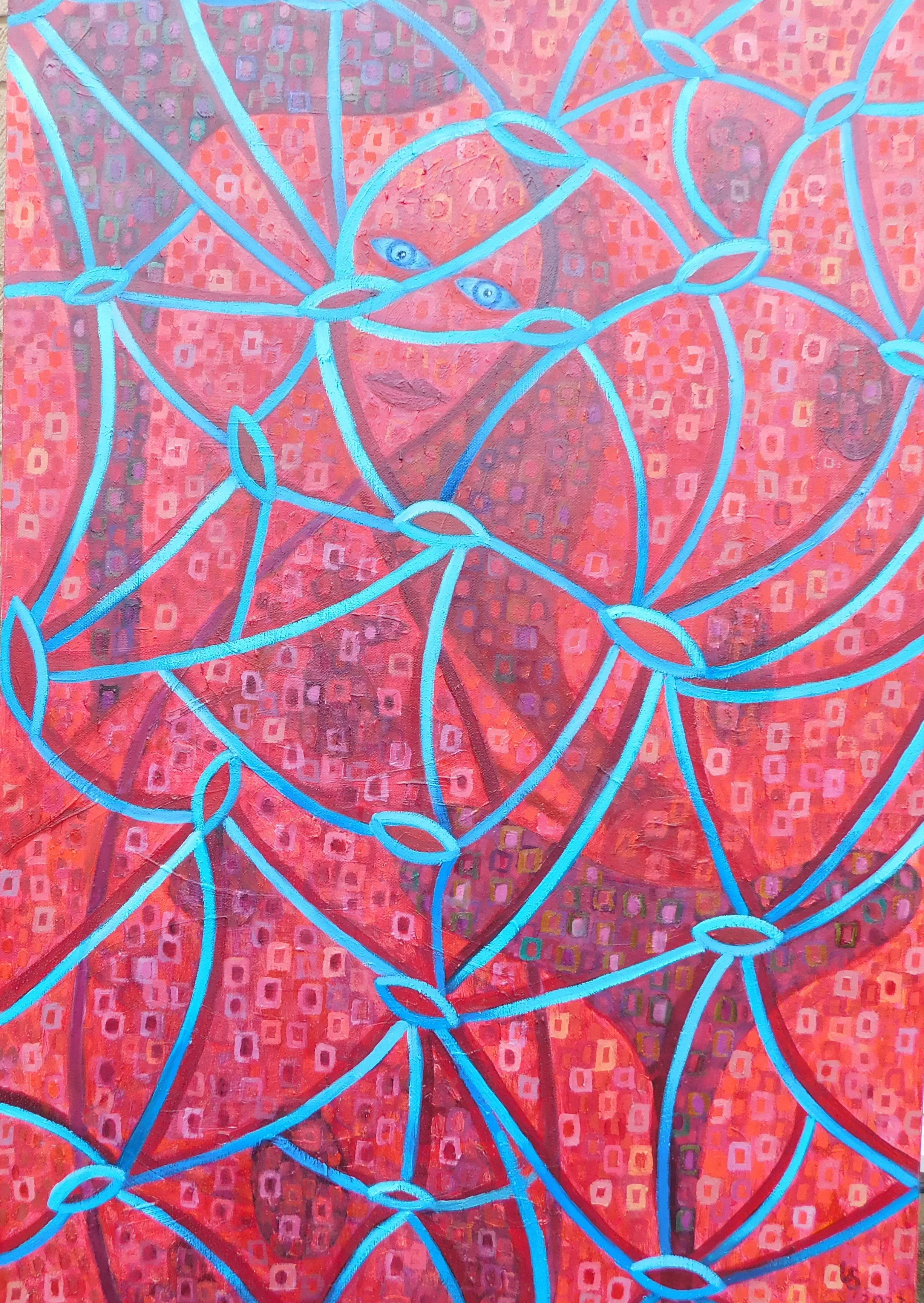
In The Net Of Passions, 91 x 61 cm

Hunter For The Secrets Singns, 2025, Oil, acrylic on canvas, 100 x 100 cm
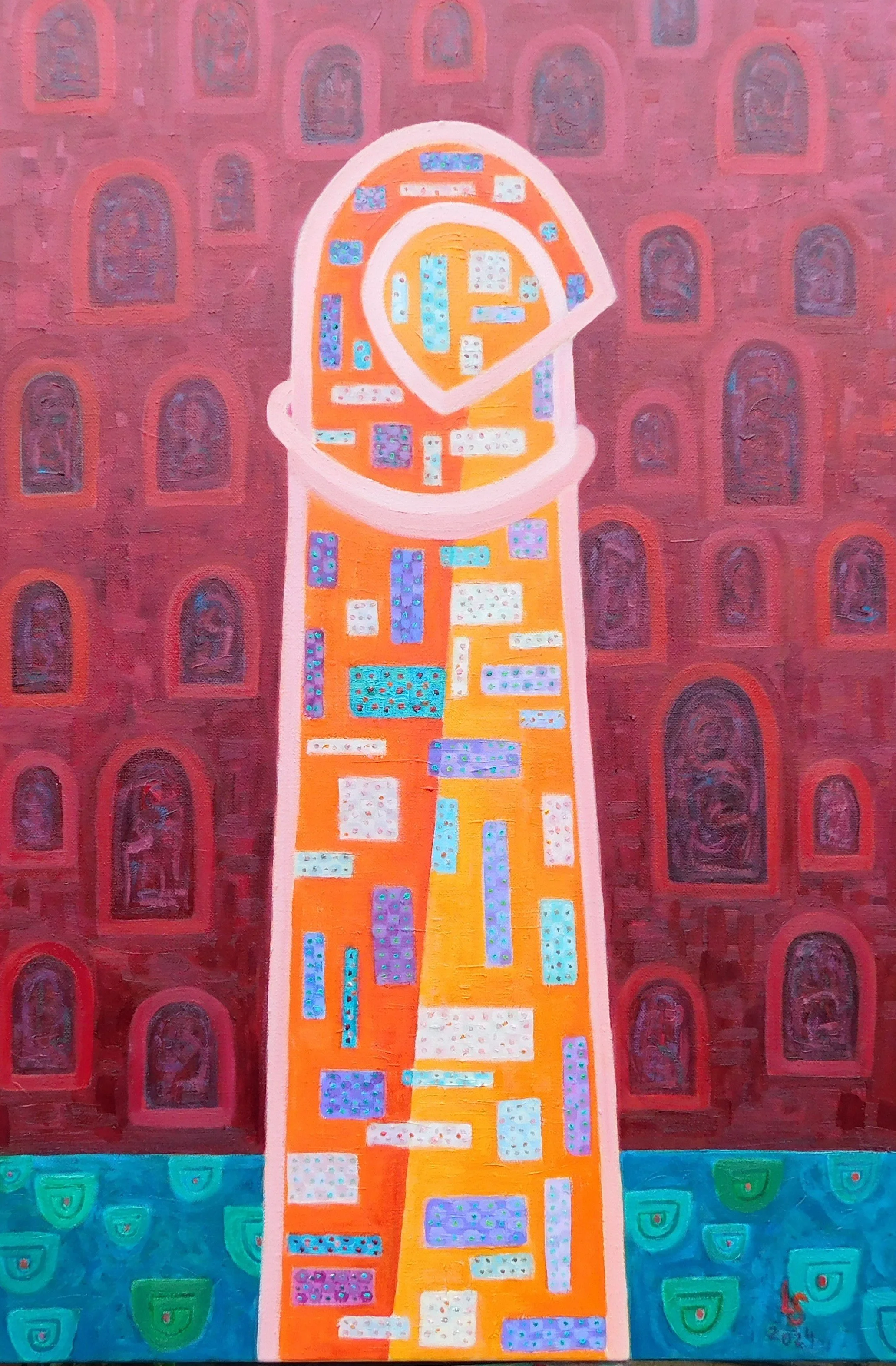
Embracement, 2023, Oil on canvas, 76 x 51 cm

Guardian Of The Spring, 2026, Oil on canvas, 80 x 60 cm
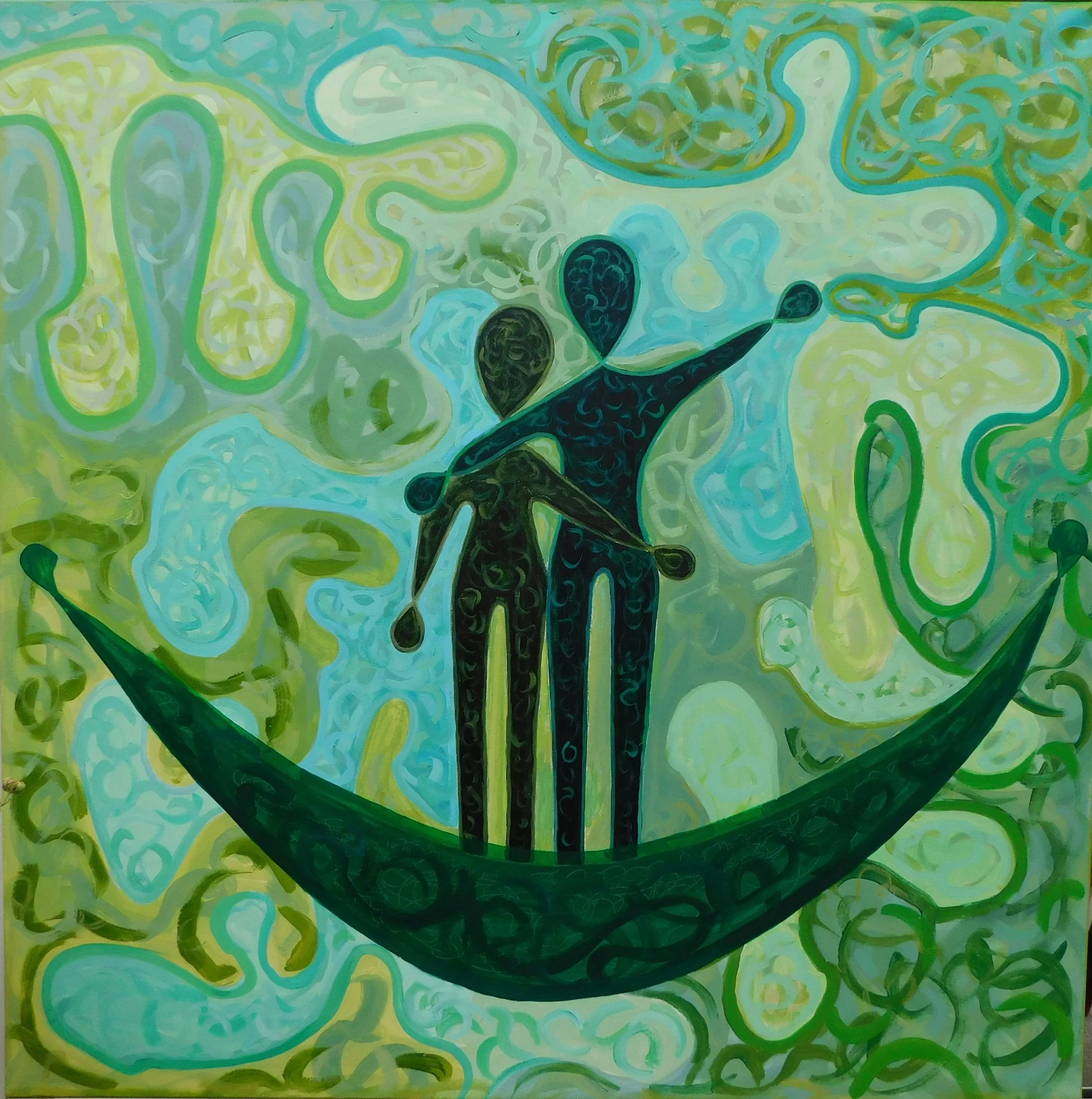
Green Evening, 2026, Oil on canvas, 100 x 100 cm