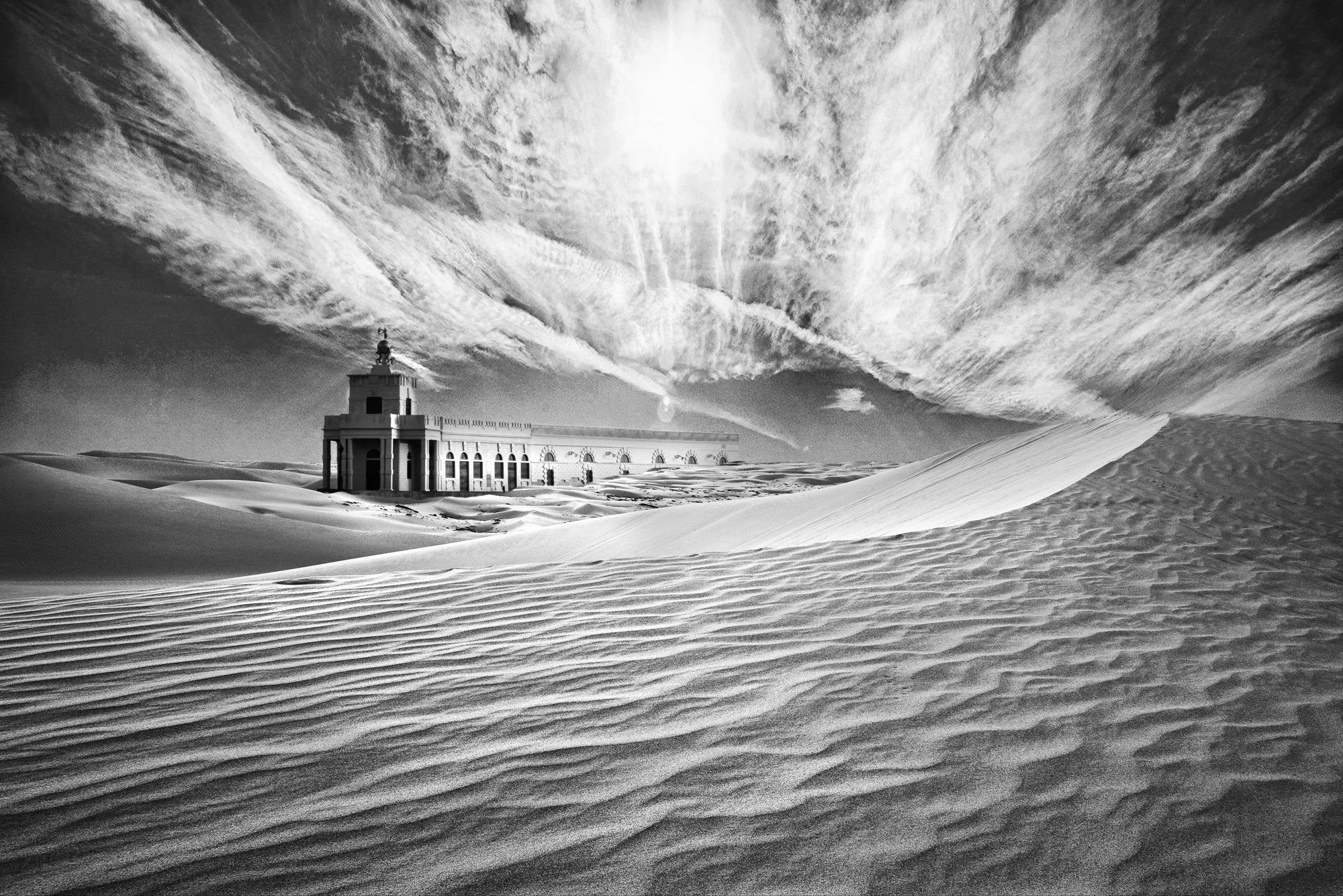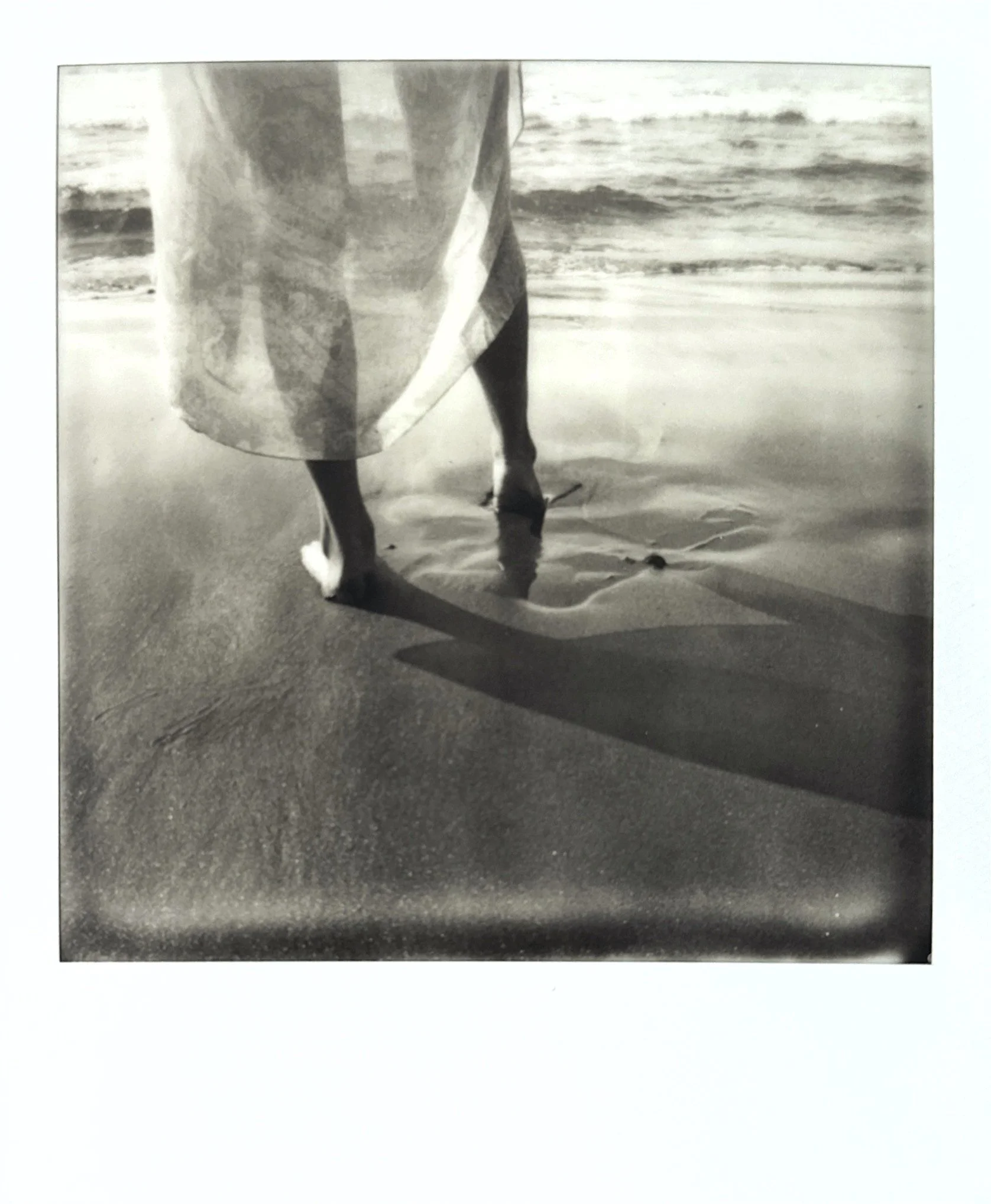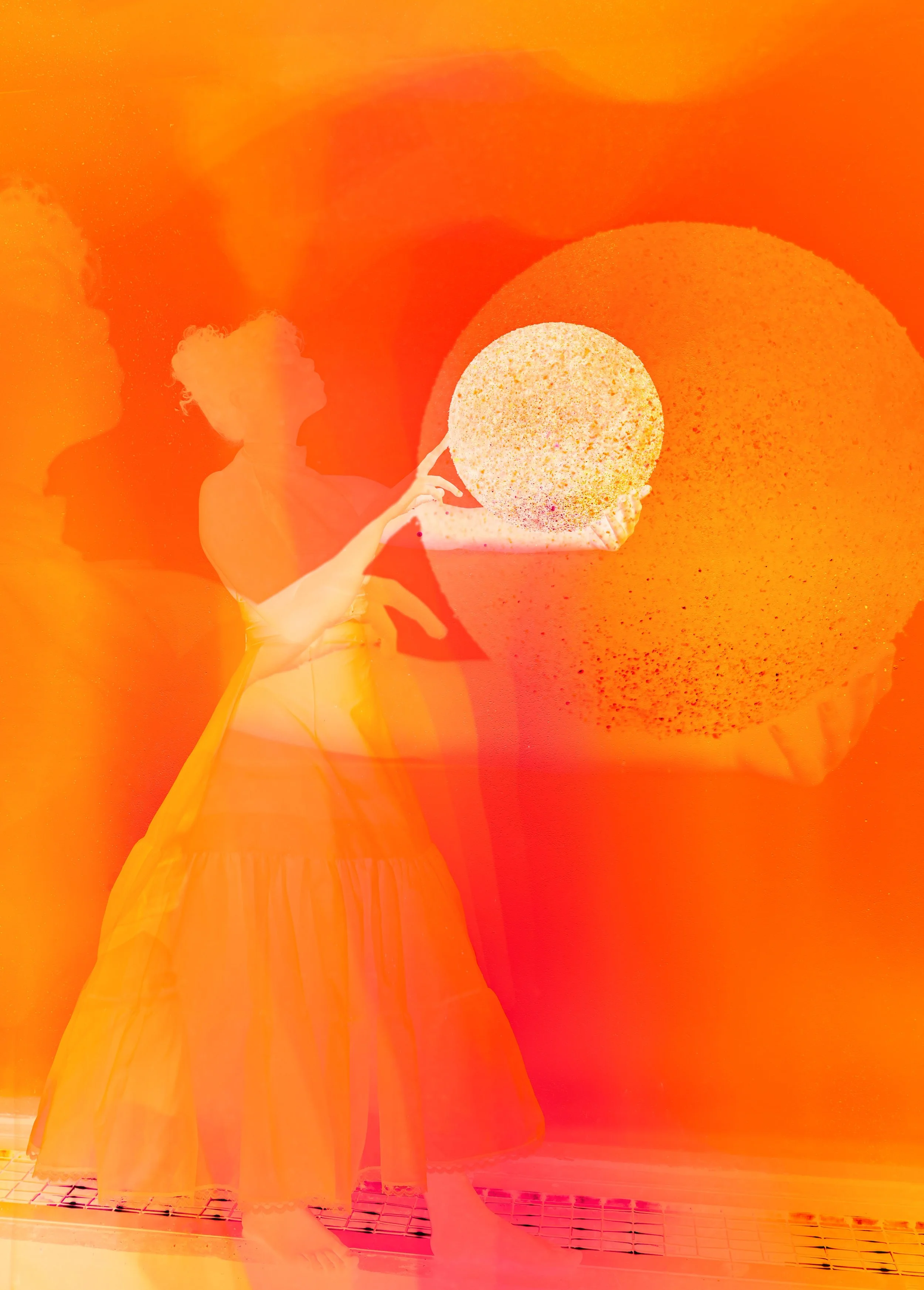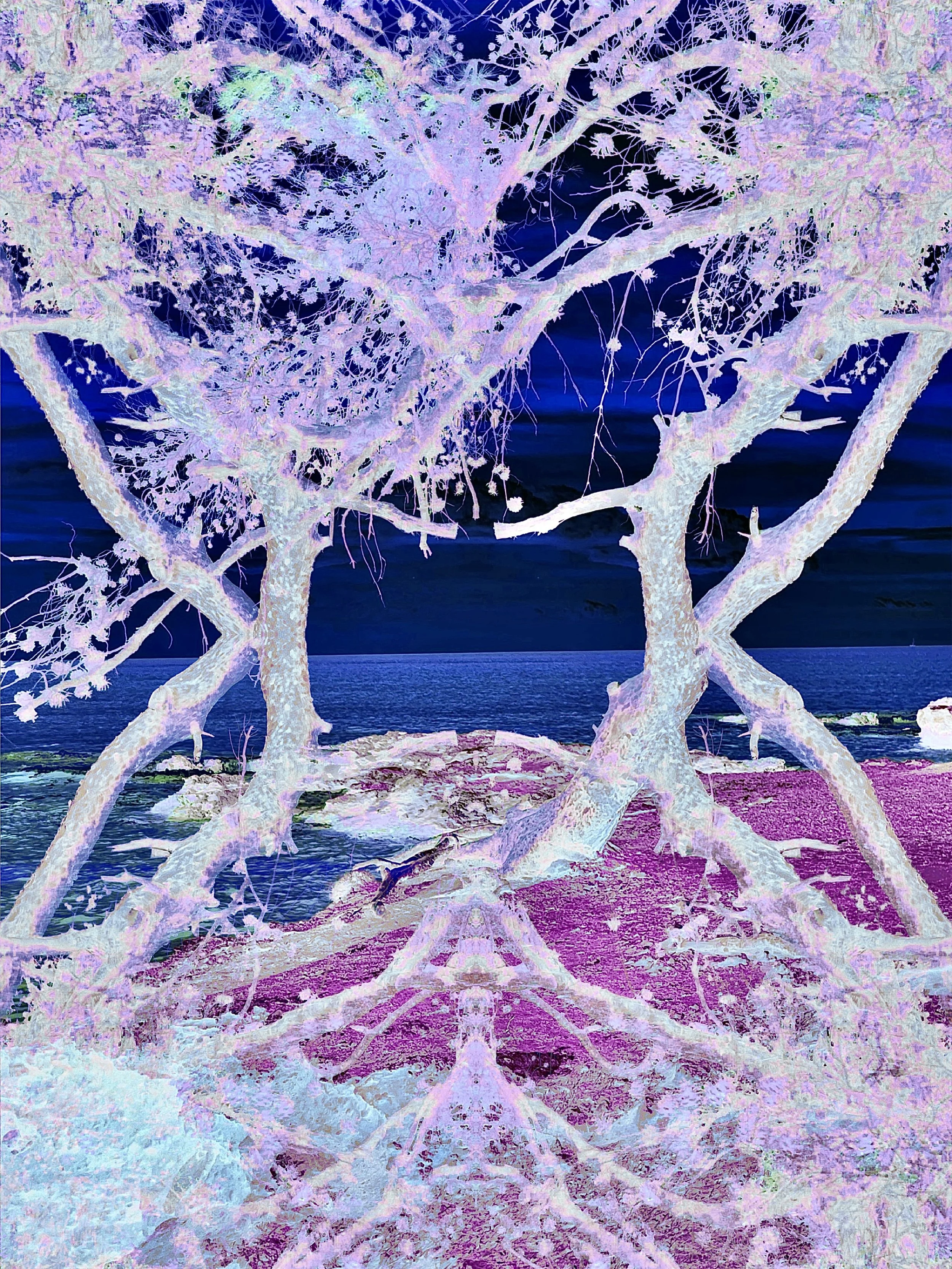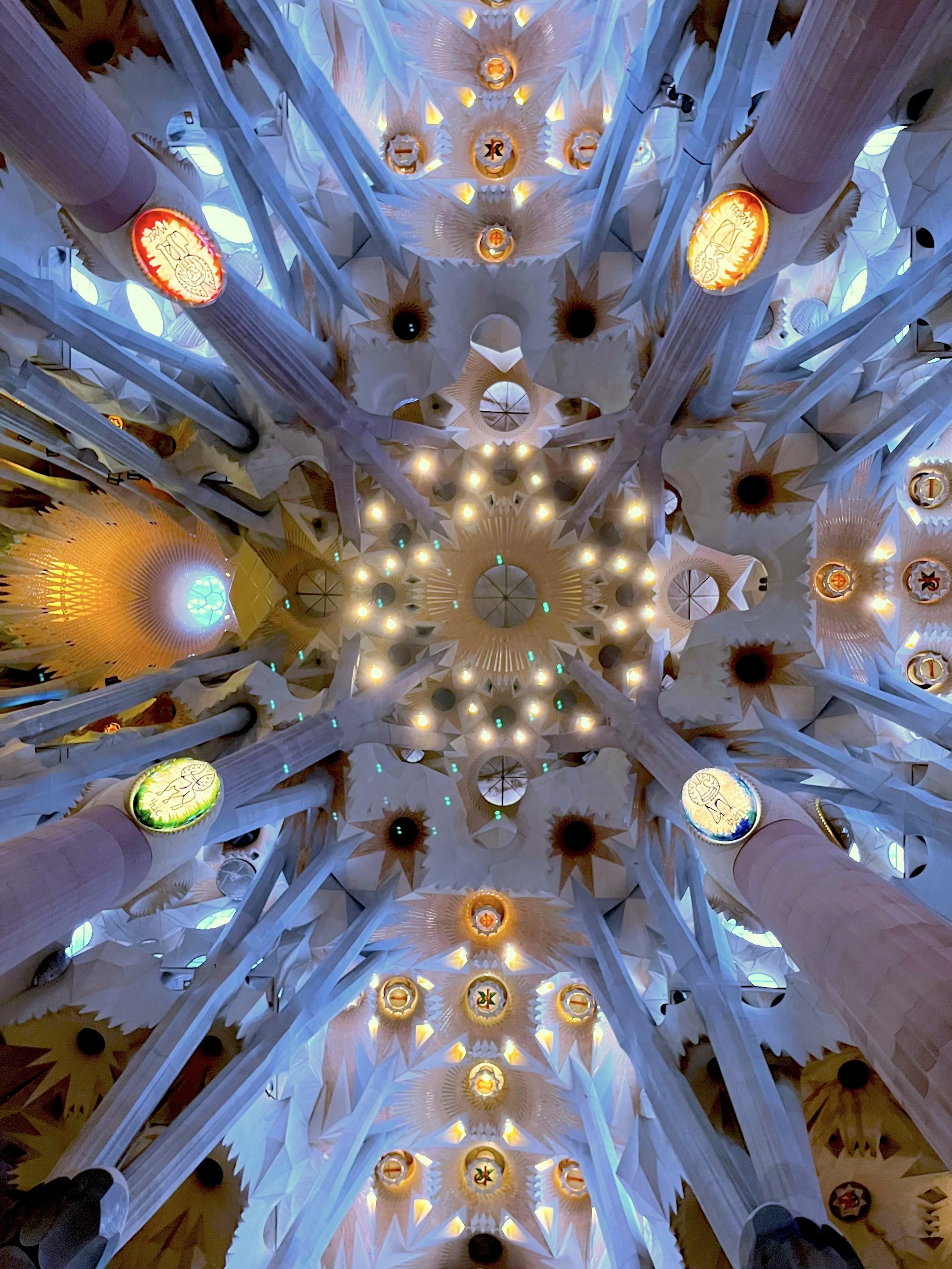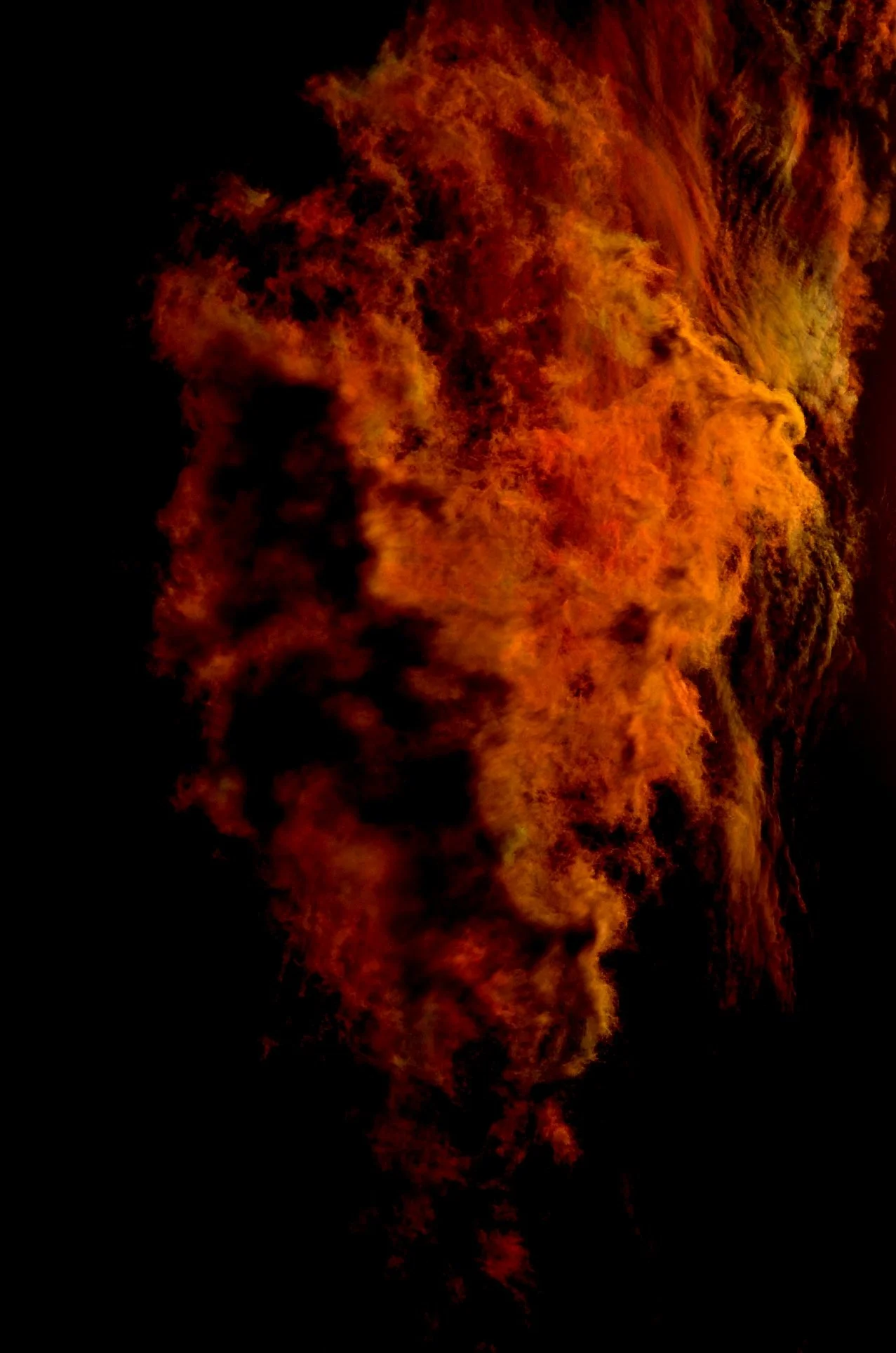
Being keenly aware of feelings that people have at different times in their life I use my editing to focus on the focus points of the photo that will draw them in and trigger an emotional attachment to it.

All in Photography
Being keenly aware of feelings that people have at different times in their life I use my editing to focus on the focus points of the photo that will draw them in and trigger an emotional attachment to it.
My journey as a digital artist started as a photographer seeing the world in a different way than most other people. My photographs I was told by some of my fellow photographers were not as perfect as they should be. They looked down at me for not going that extra distance to perfect them. Yet, the world itself is not perfect and so I thought my work was fine.
Dreams allow us to bypass rationality and tap into a deeper, universal language of emotions and symbols. Balancing this fluidity with intellectual and emotional engagement happens naturally when we trust the process. Subconscious imagery often carries its own internal logic, resonating with audiences without the need for explicit explanation.
The day when my consciousness reached the stage where I could consciously perceive feelings, when I understood that each of my works is born. Each one on its own with its own existence. Born, independent of space and time, to then live an existence detached from goal, time, purpose or content. Connected without being methodical. Without any connexion. In no way predictable and always surprisingly different than expected. Stylishness as a stylistic device.
Guatemalan photographer and visual artist Isabel Herrera creates images that depict the kind of truth found only in dreams. Compelled by the ephemeral magic of instant photography, she’s known for her ethereal Polaroid photography as well as her surreal compositions made from Polaroid emulsion lifts applied to various fabrics and metals.
In the ever-expanding landscape of contemporary art, where innovation and meaning intertwine to challenge perceptions, Kodi Beverlin emerges as a trailblazer whose photographic works are as arresting as they are introspective. With her latest collection, "To Be Seen," Beverlin carves out a unique place for herself in the art scene, compelling viewers to not just observe, but experience, the essence of human existence through her evocative lens.
Vivian Atienza’s oeuvre occupies a rarefied space within the contemporary art landscape, a luminous intersection of philosophy, psychology, and aesthetics. Her practice, which seamlessly merges figurative and abstract elements, provides a portal into the complexities of human consciousness, self-reflection, and the transformative cycles of life.
In the contemporary art world where digital manipulation and surrealism are converging to redefine traditional disciplines, Greta Schnall emerges as a pioneering artist who fuses photography, architecture, and cubist abstractions into a profoundly unique vision. Her body of work, characterized by extreme digital editing of architectural photographs, serves as an audacious reimagination of both modernist aesthetics and the potential of architectural form.
I’ve always loved photography and nature and have been exposed to it from an early age. Cameras were and still are a big part of family get-togethers and vacations. Not having the traditional classroom learning of photography, I’ve read books and magazines through the years, today I utilize online programs to further my photography.
Alex Sher is an award-winning American underwater fine art photographer internationally recognized for his distinctive depictions of feminine sensuality. Sher was born in Kyiv, Ukraine in 1962 and moved to the United States with his family in 1995. Sher started showing his photographs in the early nineties in Ukraine. Later in US he began experimenting with underwater photography and sharply moved toward figurative fine art.
Photography is a way for me to express myself through my lens. Bring beauty and encouragement to others, and allow others to see that dark times in life can bring them into a new light. I love capturing images of a beautiful sunset, as well as a tiny bumblebee sipping nectar from a flower. Nothing in life is too large or small to hold its own beauty.
Romy Pfeifer, the German photographer born in 1956 in Bad Säckingen, has etched a distinctive voice in the contemporary art scene, transcending traditional photographic narratives. Emerging from a background in economics and publishing, Pfeifer’s journey as an artist has been one of remarkable evolution, propelled by an unrelenting passion that began in childhood. Her profound body of work reveals not only technical mastery but also an unerring philosophical depth, placing her among the most important voices in experimental photography today.
Anders have an fascination of the raw naked nature that can be experienced together with the post-war architecture, and the arctic light that gives you daylight 24-hours a day in summertime or total lack of sun in wintertimes. His work from Finnmark contains an combination of the nature and post-war architecture. The motives contains an feelings of emptiness and decay, where the nature plays a role that you can get a glimmer of in the window reflection, or from inside-out.
In my photos I favor compositional harmony, chromatic sense and the infinite variations of nature. I try to capture the beauty of landscapes, the liveliness of city life but I often portray details that strike me. Close-ups and masks have always fascinated me because they reveal the essence of the person being portrayed. My works often focus on sea or mountain landscapes and try to capture particular moments or unusual scenarios. My love for cinema and art has influenced my style.
All of my images are presented on an aluminum surface. In many of my photographic constructions, a single, often abstracted image is layered over itself with a subtle grid printed on a clear acrylic surface and superimposed over the base image. The resulting visual phenomenon infuses the image with a sense of dimensionality and fluidity affected by such changes as the angle of viewing and light.
Karen Safer is an international, award-winning California photographic artist, writer and poet. As a native Angelino, she was given a camera and crayons at 3 and exposed to dominant California motifs: light, palm trees, the ocean, music and vernacular architecture that helped define and influence her left-handed aesthetic.
Jorge Parra’s photographic work is a profound visual exploration of the alchemical process—a concept as much philosophical as it is symbolic. His portfolio transcends the mere depiction of the human form, elevating it into a space where spirituality, philosophy, and visual poetry converge. To appreciate the depth of his artistry, one must first understand Parra’s own journey: a trajectory that mirrors the transformations central to his work. A trained chemist who abandoned the rigidity of the laboratory for the boundless possibilities of the lens, Parra embodies the very principle of transmutation that fuels his creative endeavors.
Stefano Paradiso is a photographer and a Cinematographer born in Rome in 1969. Graduated from the R. Rossellini School of Cinematography and Photography in 1988, he works as a director of photography and camera operator in cinema and advertising, boasting numerous collaborations with well-known Italian directors, French and American; for television he has made documentaries and reportages in various countries of the world. A lover and scholar of photography in its broadest sense, he is inspired by great photographers such as Josef Koudelka, Luigi Ghirri, Japanese Nihonga pictorial art, Chinese Guóhuà, impressionism and obviously "le cinéma d’auteur".
The search for a space with the objective of a personal creative style without guidelines, which frequently eludes skill in its description, conveying elements that I cannot express in any other form because I cannot find the words, and that in visual terms, sometimes materializing in different results, transforming, adapting or interpreting a reality.
Since my art is focused on observer the first step is to connect the audience to my art. To do that I use intensity in my compositions. The intensity of contrast of the elements in the composition, scene- drama, mood - colors I achieve by lines that are shaping the objects in the image by dividing it from the background and connecting it with everything else in the painting. Also, I merge everything else in the painting with this shape like with all other shapes of the composition.