Beat Canonica
Beat Canonica’s artistic practice is founded on the conviction that creative expression can give form to inner states that ordinary language cannot fully contain. Working across drawing, painting, calligraphy, photography, sculpture, installation, poetry, music, voice, and performance, he approaches art as an interconnected field of visual, verbal, acoustic, and embodied experience.
Rather than separating these disciplines into distinct categories, Canonica understands them as complementary means of articulating thought, feeling, movement, rhythm, and perception. A drawn line may possess the cadence of music, a handwritten sign may suggest a spoken sound, a photograph may register a moment of contemplation, and an improvised performance may translate an internal condition into gesture, language, and physical presence.
Zen meditation and philosophy, together with Canonica’s faith in Jesus Christ, provide fundamental sources of strength within this practice. They inform his pursuit of peace, calm, satisfaction, and attentive presence while coexisting with his interest in excitement, humor, emotional intensity, and spontaneous expression. His work is not intended to prescribe a single spiritual or emotional response. Instead, it creates situations in which viewers and listeners may become more attentive to their own feelings. Canonica hopes that an encounter with his work can inspire, encourage, or offer a constructive form of emotional contact. His aspiration that art might positively affect, bless, or even contribute to healing is presented as a hope rather than a guaranteed outcome. The work offers an invitation, while the nature and depth of the response remain with the individual.
Born on August 4, 1972, in Winterthur, Switzerland, Canonica grew up in Uster in the canton of Zurich. He later lived at several addresses within the city of Zurich before settling in Oberwinterthur in 2020. His sustained visual art practice began in January 1997 with a drawing created during a formative period connected to the beginning of a social career. Yet the origins of his personal language reach much further back. At approximately eight years old, he began inventing signs and developing an individual writing system. This childhood activity became one of the most persistent elements of his later work. What began as the creation of private symbols gradually developed into a calligraphic vocabulary through which he could express different aspects of his inner life.
These signs cannot be read according to the rules of an established language. Although they may resemble Asian characters, they belong to Canonica’s own evolving system. Their significance rests not in conventional translation but in the relationship between gesture, form, rhythm, sound, and personal meaning. Canonica has studied Asian written characters with sustained interest, particularly their symbolic qualities and the interpretive possibilities carried by signs. His works sometimes retain what he describes as a subtle sense of Asia, but they do not attempt to reproduce or imitate a specific writing tradition. Instead, the encounter with Asian characters reinforces his broader inquiry into how a mark can operate simultaneously as image, symbol, movement, and potential sound.
Canonica describes his scripts as possessing an acoustic language as well as a visual one. This understanding connects calligraphy to his lifelong engagement with music and voice. A symbol can be seen, internally sounded, or experienced as a rhythmic event. Its meaning may reside as much in the movement that produced it as in its final appearance. The sign therefore remains open between writing and drawing. It can suggest communication without yielding a fixed message, and it can convey emotional pressure without becoming descriptive. Meaning is present, but it is not entirely accessible through literal reading. This tension between intimacy and openness is central to Canonica’s calligraphic work. The symbols originate in a deeply personal language, yet their visual forms allow others to construct associations of their own.
Since 1997, Canonica has worked regularly with acrylic, oil, pigmented ink, charcoal, graphite, pastel, colored pencils, markers, and lacquers. His compositions often begin with a goal, theme, idea, or title, but the development of the image remains responsive to the act of making. Figures, beings, signs, and dynamic movements emerge gradually through the accumulation and interaction of lines, colors, materials, and gestures. Although the work may begin with an organizing intention, Canonica does not require the finished image to communicate a single predetermined interpretation. He considers the imaginative freedom of the viewer essential. A title may establish an initial direction, but it does not close the work. The viewer is invited to discover forms, relationships, presences, or movements that may not be immediately named.
This openness is evident in bodies of work described through such titles as Inner States, Calligraphic Dialogues, and Emotional Resonances. Across these works, the image becomes a field in which internal experience is translated into visual relationships. In Dancing Ink Figures, expressive black lines on a light ground suggest bodies in motion, bringing together gesture, rhythm, and psychological movement. The figures are neither fully described nor dissolved into pure abstraction. They remain suspended between bodily presence and calligraphic event. In Sign Beings in Dialogue, colored lines, symbols, and figurative suggestions form a layered network. The work presents dialogue not as a written exchange that can be read from beginning to end, but as an interrelation among marks, forms, and implied presences.
Such compositions oscillate between seeing and reading. Calligraphic structures may appear almost legible before returning to abstraction, while apparently abstract marks may begin to resemble faces, bodies, creatures, or fragments of movement. Canonica’s visual language therefore depends on ambiguity without treating ambiguity as an end in itself. Its openness corresponds to the complexity of the emotional states he seeks to approach. Feelings rarely arrive as isolated or stable categories. They overlap, change, contradict one another, and resist exact verbal definition.
Canonica attempts to interpret a thought or feeling as precisely as possible while recognizing that precision does not necessarily require literal representation. The accuracy he seeks is emotional and rhythmic as much as descriptive.
His engagement with psychology, philosophy, nature, human behavior, and the inner child supports this investigation. He has studied foundations of psychology through AKAD Zurich and completed training in recovery-oriented practice and peer support through EX-IN iPEBO at Lake Constance in Germany. He has also participated in seminars and professional development concerned with recovery, mental health, boundaries, communication, relationships, and participation. These areas of study correspond with his sustained interest in people and their behavior. Canonica observes how emotions are expressed, concealed, transformed, and communicated. Within his art, this interest does not take the form of diagnosis. It appears instead as an attentiveness to inner processes and to the possibilities of contact between individual experience and shared human feeling.
His education extends beyond the visual arts. Canonica completed a commercial apprenticeship, attended the NBW School of Management, pursued language studies, and undertook training in improvisational theater. He participated in courses in perception, drawing, and painting at the Zurich University of the Arts, as well as studies associated with F+F School of Art and Design Zurich. He also attended courses concerning major periods of European art. While he is primarily self-taught as a painter, draftsman, calligrapher, photographer, sculptor, musician, actor, and haiku poet, these varied educational experiences have provided technical, intellectual, and practical contexts for his independent development.
Canonica identifies Jackson Pollock, Joan Miró, Marc Chagall, Mark Rothko, Pablo Picasso, and Paul Klee among the artists who have influenced him. Their significance within his stated field of reference corresponds with his interest in expressive gesture, symbolic form, color, abstraction, and the relationship between recognizable imagery and autonomous pictorial language. His work does not settle into a single stylistic affiliation. He varies his methods, tests different techniques, and allows changes in material or process to alter the character of a composition. This willingness to move among approaches is not incidental to his practice. It reflects his desire to keep expression responsive to the particular state, idea, or theme from which a work develops.
A defining method within Canonica’s drawing practice is the simultaneous use of both hands, sometimes while holding several drawing instruments. Through this bilateral process, the body becomes directly involved in organizing the image. Lines can move in different directions at once, cross, answer, interrupt, or mirror one another. The resulting surface records a coordinated physical action in which drawing approaches performance. The movement of the hands produces visual rhythm, while the paper retains a trace of speed, pressure, hesitation, repetition, and release. Using both hands also allows Canonica to depart from the habits of a single dominant hand and to discover structures that might not arise through a more controlled procedure.
The Different One, created in 2026 on A2 acid-free paper with graphite, colored pencils, and markers, exemplifies this process. Canonica made the drawing with both hands simultaneously, holding multiple markers and moving left and right across the paper in broad, dance-like gestures. Graphite provides a structural dimension, while colored pencils and markers establish movement, contrast, and chromatic energy. Traditional Asian signs appear within the composition alongside elements of Canonica’s personal symbolic vocabulary. The surface functions not only as an image but also as a record of the artist’s physical presence during its creation.
The work centers on individuality and the tension between difference and conformity. It was inspired by the statement attributed to Kurt Cobain: “You laugh at me because I’m different. I laugh at you because you’re all the same.” Canonica connects this proposition to his belief that every creature, and particularly every human brain, is unique. Through the work, he reflects on his own patterns of thought and asks what defines him as a human being. The drawing does not resolve these questions into a fixed declaration. Instead, its layered signs and simultaneous gestures establish a visual space in which individuality appears active, relational, and continuously forming. For Canonica, the work completed one stylistic phase while opening the possibility of further exploration.
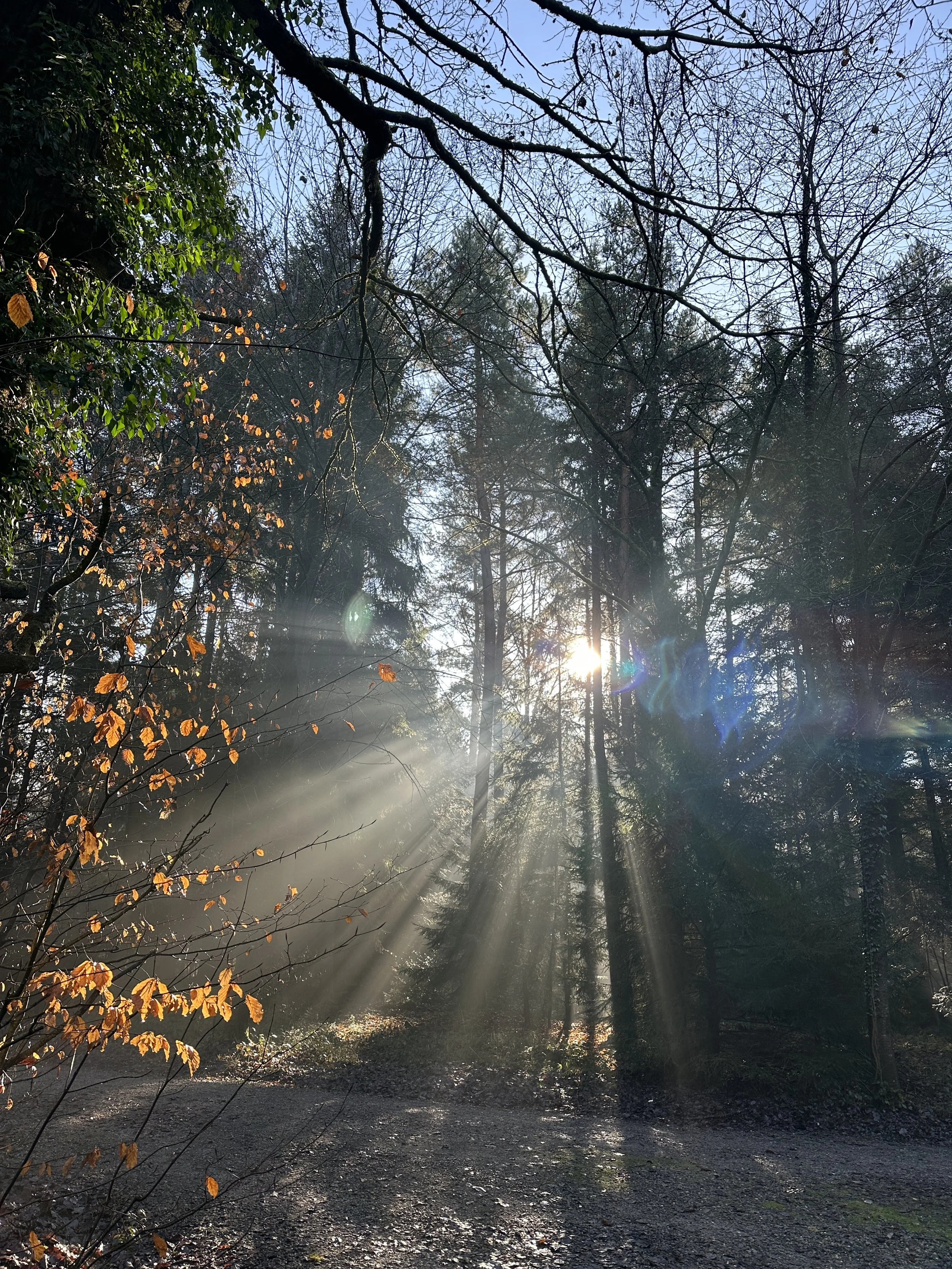
Nature is another continuous source of attention. Forests, beaches, flowers, landscapes, animals, and unusual natural phenomena enter his practice through direct observation, photography, writing, and reflection. Birds hold a particularly important place in this field of interest, especially crows and blackbirds. Nature provides material for his haiku, poetry, lyrical fragments, and other texts, as well as subjects for his camera. It offers both movement and stillness, visible action and intervals in which seemingly nothing occurs. Canonica’s interest lies not only in dramatic events but also in small changes of light, temporary arrangements, and moments that might otherwise pass unnoticed.
Photography allows him to preserve these encounters without removing them from the experience of the present. Working primarily with an iPhone and a Nikon D7200, he photographs flowers, natural landscapes, moments of activity, quiet situations, and unusual appearances. The camera serves as an instrument of attention. A flower, a landscape, or a particular slant of light becomes significant through the act of noticing. His photographs register what he sees in a specific moment, including occasions when the absence of obvious action becomes the subject. This concern with the here and now connects photography to his meditative interests. The image records a meeting between observation and time.
Canonica’s sculptures and installations continue his search for beings, faces, signs, and forms through material means. He works experimentally with clay, allowing the surface to remain rough or become refined according to the character of the individual piece. Some sculptures are painted, while others retain the direct presence of the material. Faces, creatures, and elegant forms may become recognizable without being fully specified. As in the drawings, interpretation remains open. The object can hold several possible identities, allowing the viewer’s perception to participate in its completion.
His installations can also engage with current subjects. The Global Economic Crisis demonstrates his willingness to address contemporary conditions when the timing and material form feel appropriate. Such works extend his practice beyond the private language of inner states toward circumstances shared across society. Nevertheless, the connection to human feeling remains present. Public events are encountered through their psychological and emotional effects as well as through their visible structures.
Music has accompanied Canonica since childhood. He began with the soprano recorder and piano, later adding guitar, harmonica, xylophone, flute, voice, singing, and whistling to his musical practice. He attended the Uster Music School for several years and, during his youth, performed classical works at the Stadthaus Uster alongside advanced students who played various instruments. In his twenties, he continued his musical education by taking regular piano lessons at the Zurich Conservatory for almost two years.
Canonica has played accessible pieces by Wolfgang Amadeus Mozart, Ludwig van Beethoven, Franz Liszt, Friedrich Kuhlau, Joseph Haydn, Frédéric Chopin, and Sergei Rachmaninoff. Although classical music remains an important point of reference, his current instrumental practice is devoted almost entirely to improvisation. He improvises on all of his instruments, particularly the piano, allowing each performance to develop through immediate responses to rhythm, mood, movement, and sound. Rather than focusing on the interpretation of established compositions, he follows the direction of the music as it unfolds. His piano rhapsodies, including the composition identified as Wandering, emerge from this openness to spontaneous musical development.
Canonica is also inspired by Depeche Mode, Queen, Pink Floyd, Stryper, and Nirvana. He listens closely to these bands and sings selected songs through karaoke, extending his musical practice into vocal interpretation. Classical composition, rock music, instrumental improvisation, singing, and attentive listening form interconnected aspects of his relationship with sound. Rhythm, repetition, pause, contrast, and spontaneous decision connect his musical activities to his drawing process. In both, the work arises through an attentive exchange between intention and immediate response.
The acoustic dimension of his invented scripts further binds music to visual art. A mark may carry an internal sound, just as a musical phrase may imply a movement or image. Poetry occupies a related position. Canonica writes haiku, short poems, short stories, and lyrical fragments, drawing particularly on nature, psychology, philosophy, people, and his inner child. The compressed form of haiku corresponds with his attention to brief perceptions and concentrated states. “Three lines, one breath” describes a practice in which language is reduced to a small structure capable of holding a moment, sensation, or observation.
Acting introduces another form of immediacy. Through improvisational theater, slapstick, wordplay, and deliberate body language, Canonica creates characters and situations for the stage and for public settings. Among these figures is “the crazy grandmother,” a character of his own invention.
His performances can be playful or serious, and humor becomes a means of loosening fixed expectations. He works across German, English, French, and some Italian, while also imitating the sounds of languages such as Russian and Chinese. This imitation is connected to vocal play and comic performance rather than literal linguistic communication. It allows rhythm, accent, sound, and bodily gesture to become expressive materials.
His interest in languages also reflects his broader concern with the possibilities and limits of communication. Canonica has native proficiency in Swiss German and Standard German, very good command of English, good command of French, and basic knowledge of Italian. He has spent periods in Atlanta, London, Fribourg, and Lausanne, and he has pursued formal and independent language study. Across his practice, language repeatedly appears at the threshold between comprehension and opacity. His poetry uses recognizable words, his acting experiments with speech and imitation, and his calligraphy presents signs that contain meaning without offering conventional translation. Communication is therefore approached through several registers: semantic, visual, acoustic, emotional, and bodily.
The diversity of Canonica’s practice develops alongside the structures of everyday life. Since 2018, he has worked in cleaning and facilities support for the City of Zurich. His broader professional history includes social care, peer support, administration, horticulture, maintenance, customer service, and institutional work. The studio continues before, after, and between the responsibilities of employment, whether at a table, at the piano, in a courtyard, or wherever an available situation allows creative attention to take form. This continuity is central to his artistic commitment. Art is not confined to a separate professional identity but remains active within the rhythms of daily experience.
Since beginning his sustained practice in 1997, Canonica has independently organized numerous exhibitions in Uster, Winterthur, Zurich, and Fribourg. His presentations have included exhibitions at Villa Windegg in Zurich and Centre Le Phénix in Fribourg in 2015, Café Moment in Winterthur in 2021 and 2022, The Unjuried in Zurich in 2022, Galerie Kunstsichtbar in Zurich in 2023, Alte Kaserne and Raiffeisenbank in Winterthur in 2025, and a display at Swiss Post in Winterthur from
November 2025 through January 2026. From 2026, nine of his drawings have been permanently presented at DIZ, the Drug Information Centre operated through Streetwork and Saferparty within the City of Zurich. He has also participated regularly in the international Art Prize Luxembourg competition. In 2022, his bottle design was created through an internal art competition for employees of the City of Zurich and was associated with the city’s Protection and Prevention service. Série Calque, completed in 2021, comprises fourteen sheets on chalk paper.
Across these activities, Canonica’s work remains centered on states of mind and feeling. Peace, calm, satisfaction, and excitement are not treated as isolated subjects but as experiences that can move through image, sound, language, and gesture. His practice seeks a form precise enough to convey the character of a thought or emotion while remaining open enough for another person to encounter it independently. This balance between personal expression and interpretive freedom defines his approach. The work begins from his own experience, yet it does not ask the viewer to reproduce that experience exactly.
Canonica understands art as something completed differently by each person who encounters it. A line may be a figure, a sign, a motion, or a sound. A clay form may suggest a face to one viewer and an abstract structure to another. A photograph may preserve an external scene while awakening an internal memory. A musical improvisation may communicate without words, while a private script may be emotionally legible even when it cannot be translated. The viewer or listener ultimately determines how expansive, profound, or intense the encounter becomes.
His multidisciplinary practice is therefore held together not by a single medium or recognizable style, but by a consistent commitment to expression, perception, and human resonance. Drawing, painting, calligraphy, photography, sculpture, poetry, music, and acting each provide a different route toward the same fundamental concern: how an inner condition can enter a shareable form without losing its complexity. Through meditation, faith, observation, experiment, and sustained daily practice, Canonica continues to develop a language in which visual marks, sounds, words, materials, and bodily actions remain distinct yet deeply connected.
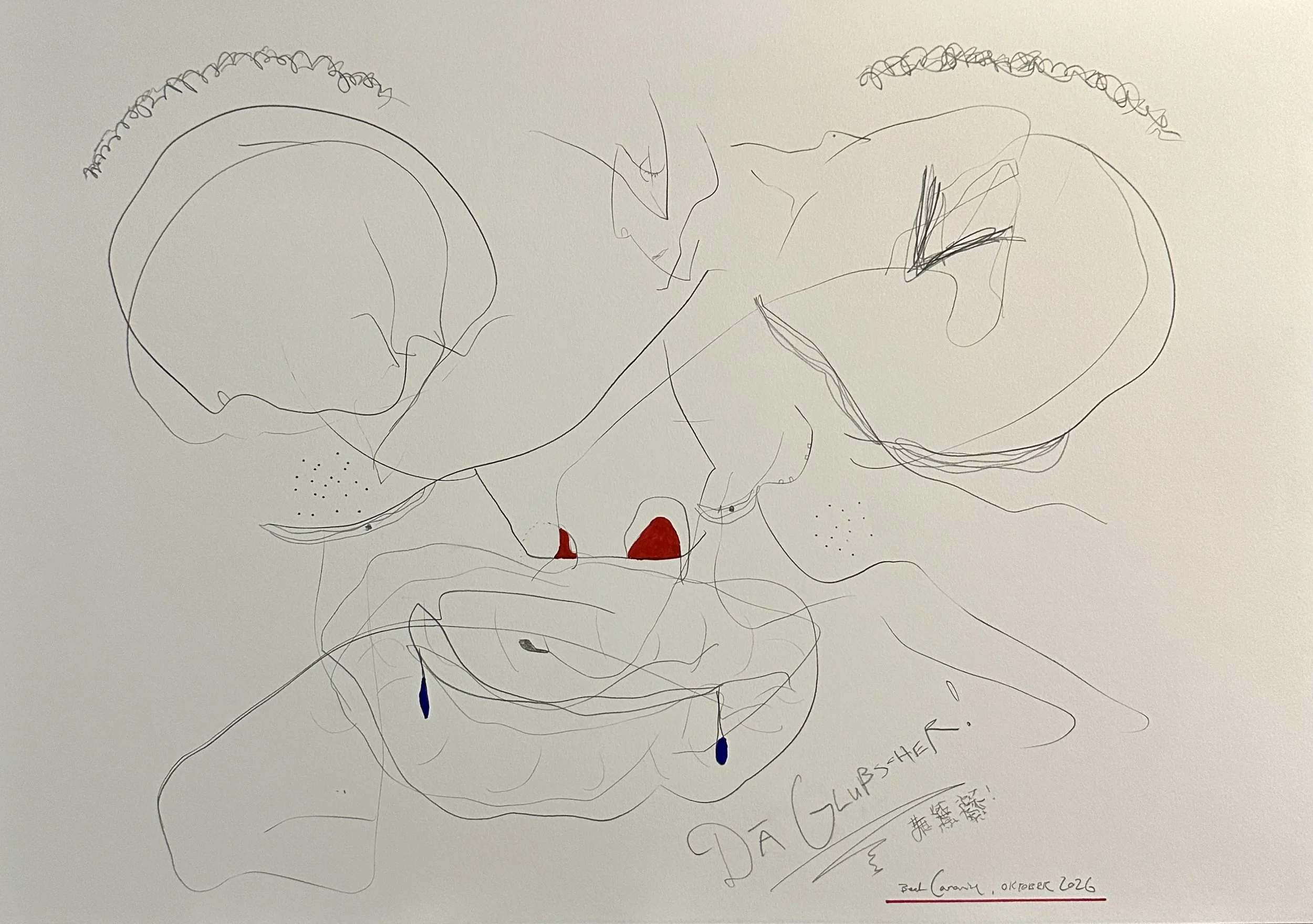
"Der Glubscher", graphite and markers on paper, A2, 2026
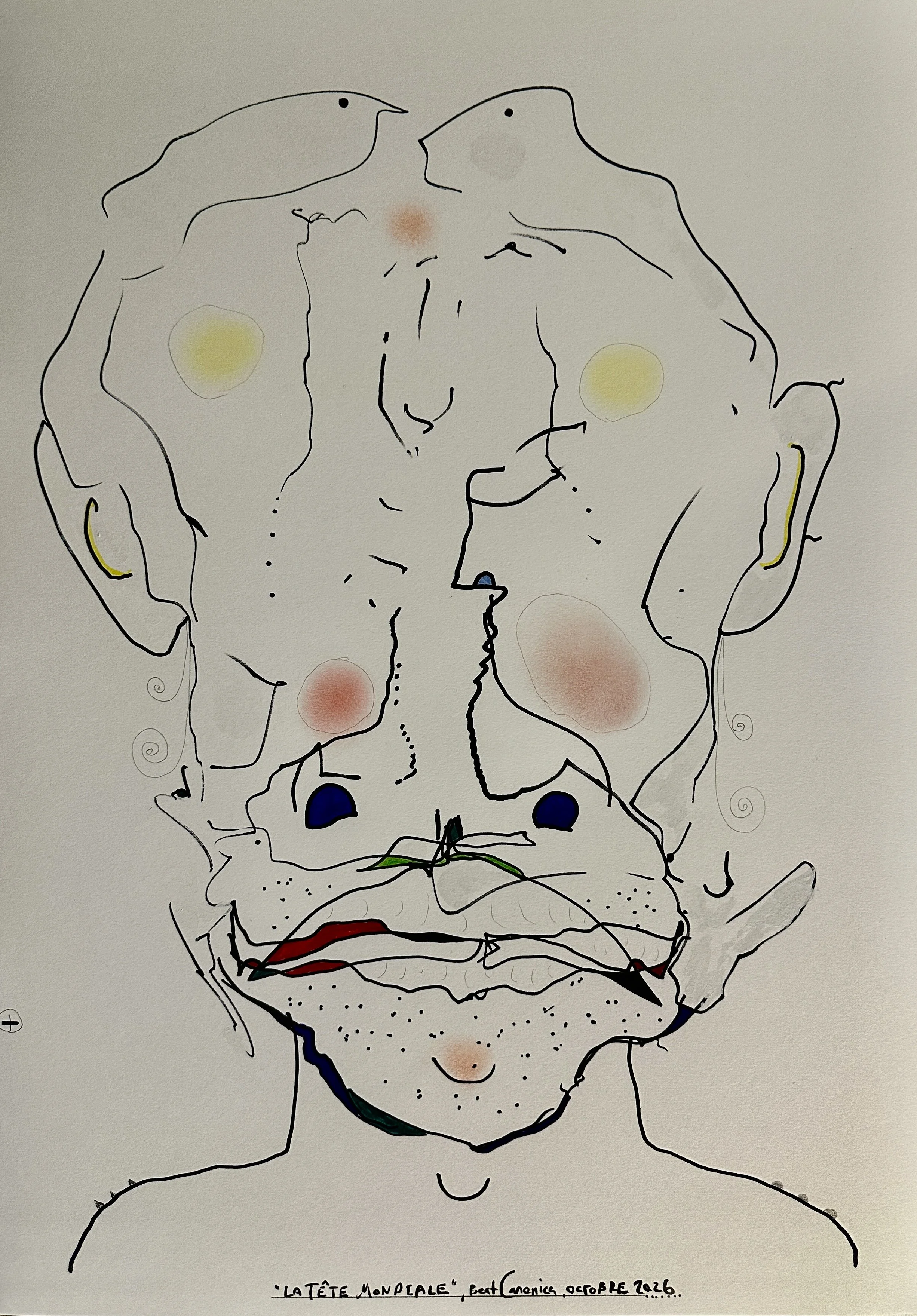
"The World Head", graphite, colorpencils and markers on paper, A2, 2026
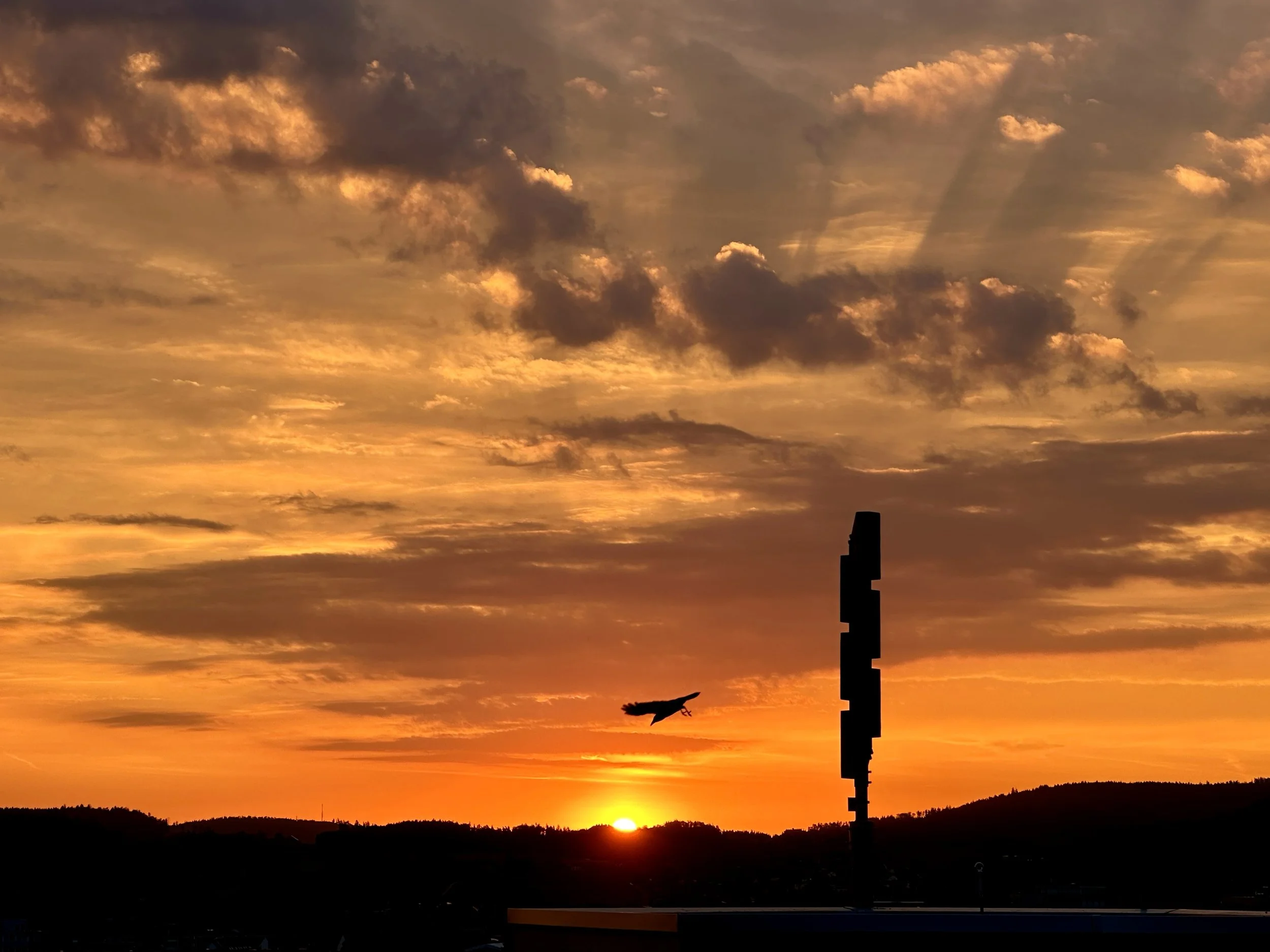
"The Crow's Sunrise", photograph, 2026
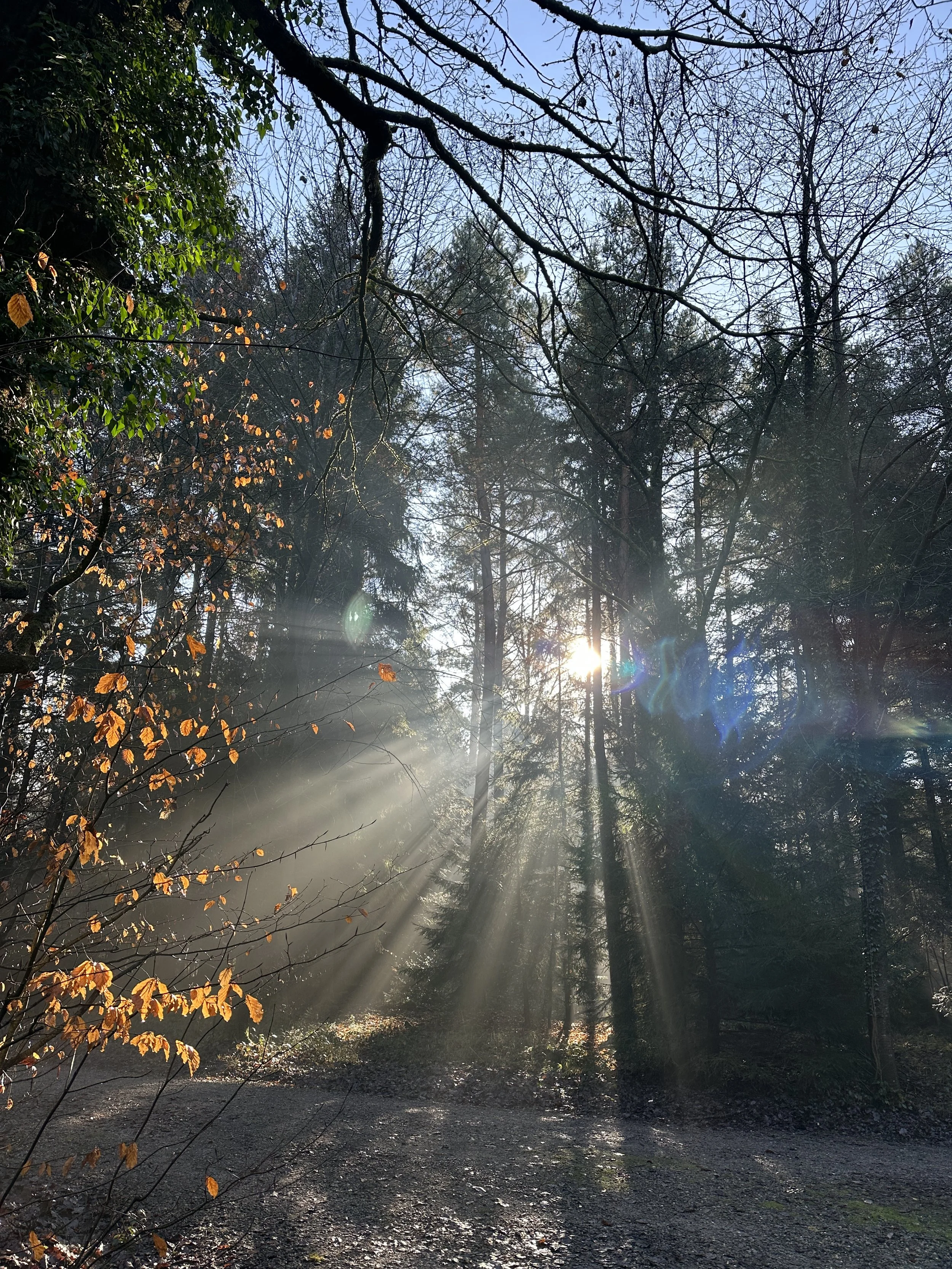
"Sunbeams in the Woods", photograph, 2026
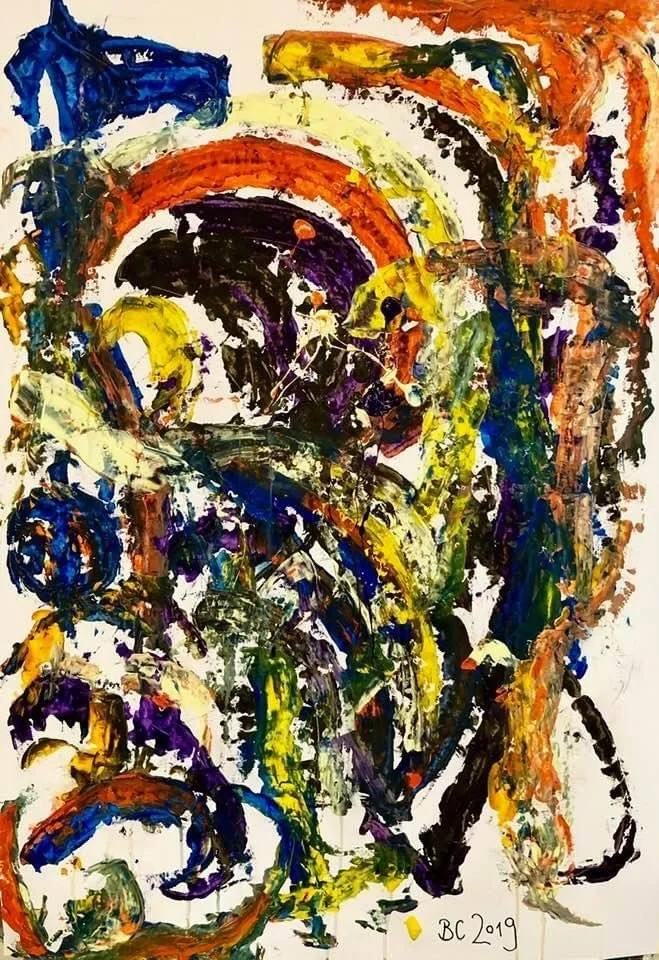
"Comforted by Supernaturals", acrylic on paper, 70x100cm, 2019
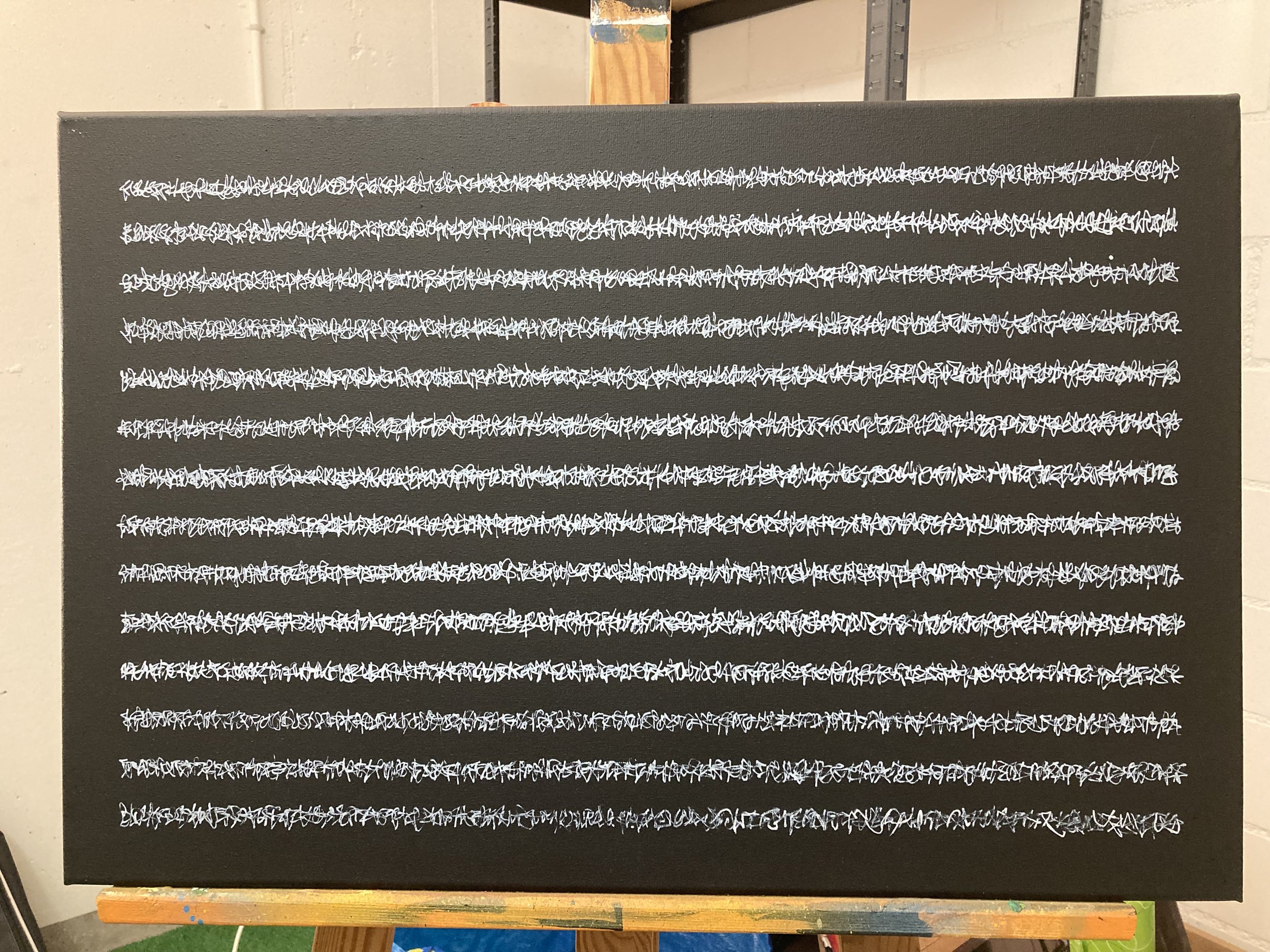
"A Sacred and Holy Scripture", acrylic and ink on canvas, 40x60cm, sold 2025

"To All my Lickers and Trickers", ink, laquers and ink on special paper, approx. A2, 2018
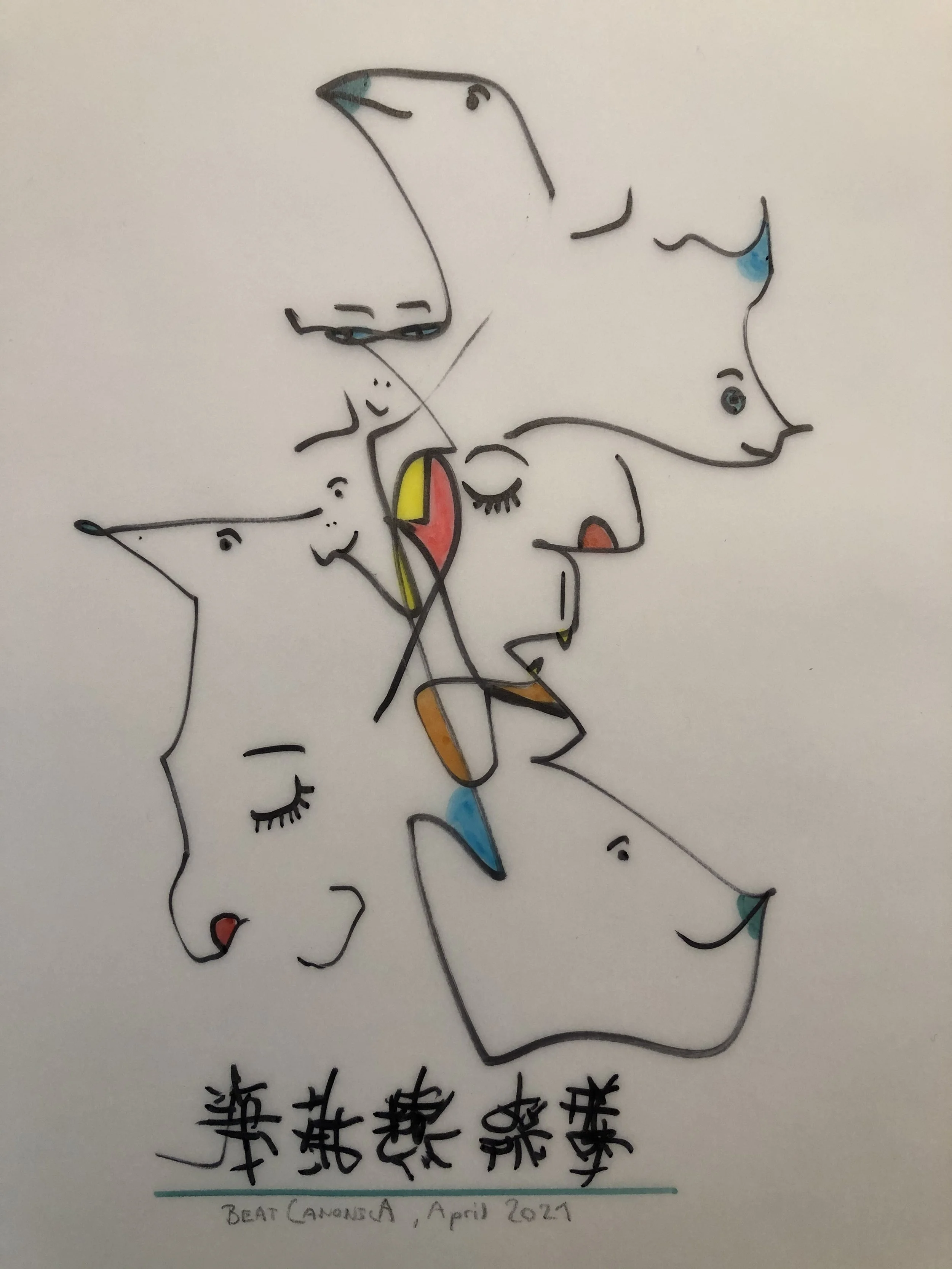
"The Party", markers on chalkpaper, A4, 2021
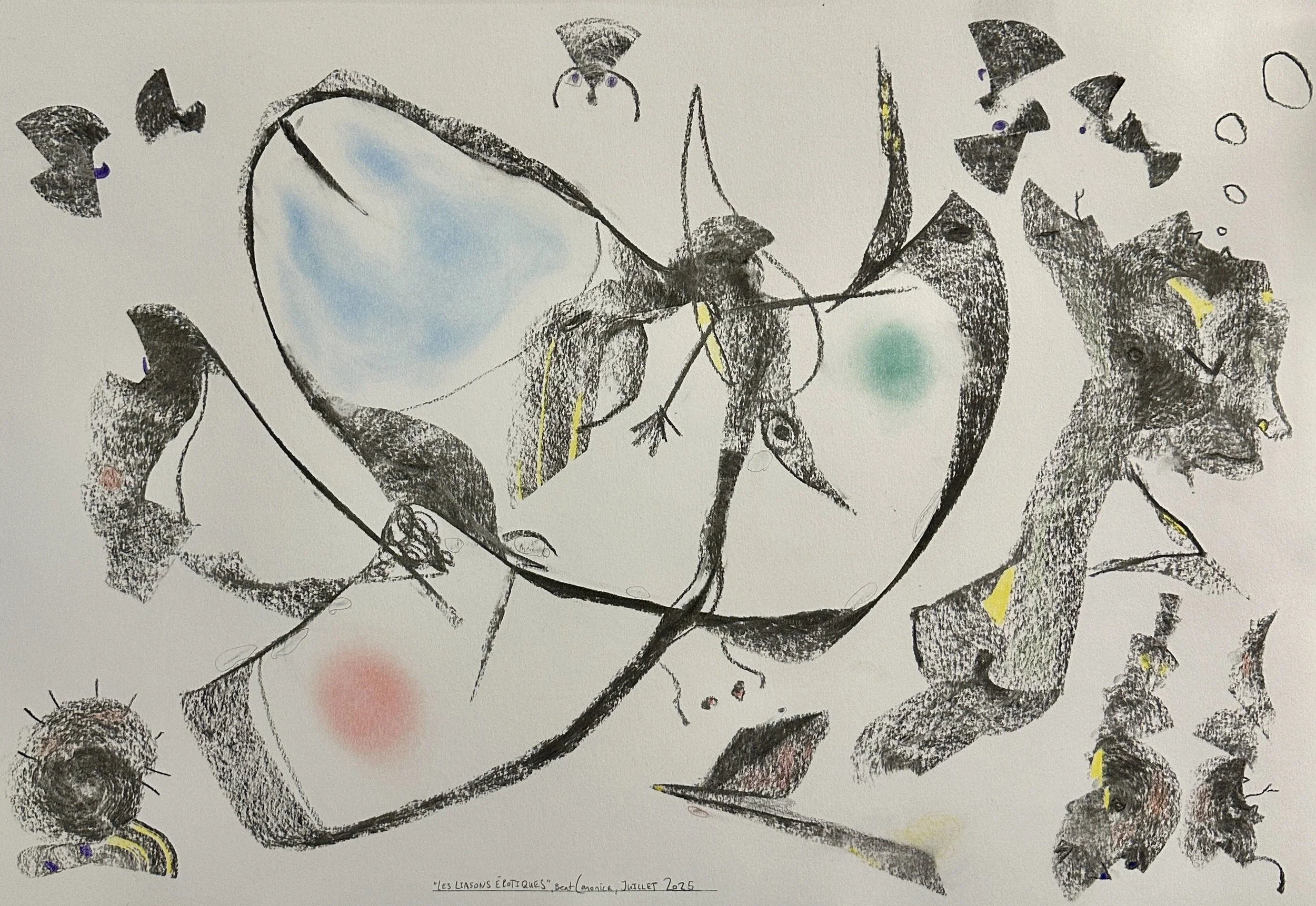
"The Erotic Connections", charcoal, polymerpencils and graphite on paper, A2, 2025
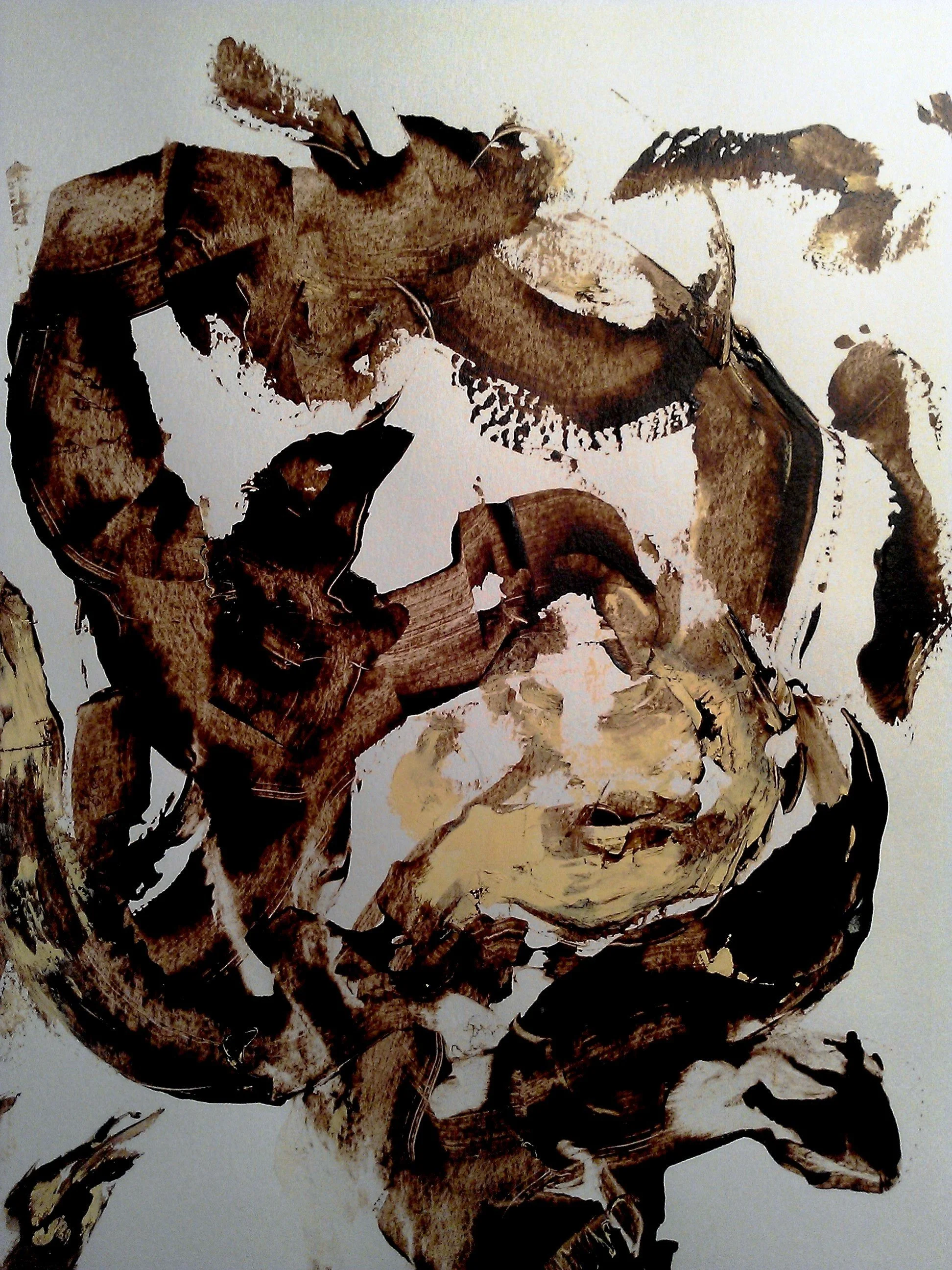
"The Sad Chucker and His Fellows" (exerpt), acrylic and oil on special paper, A3, 2015
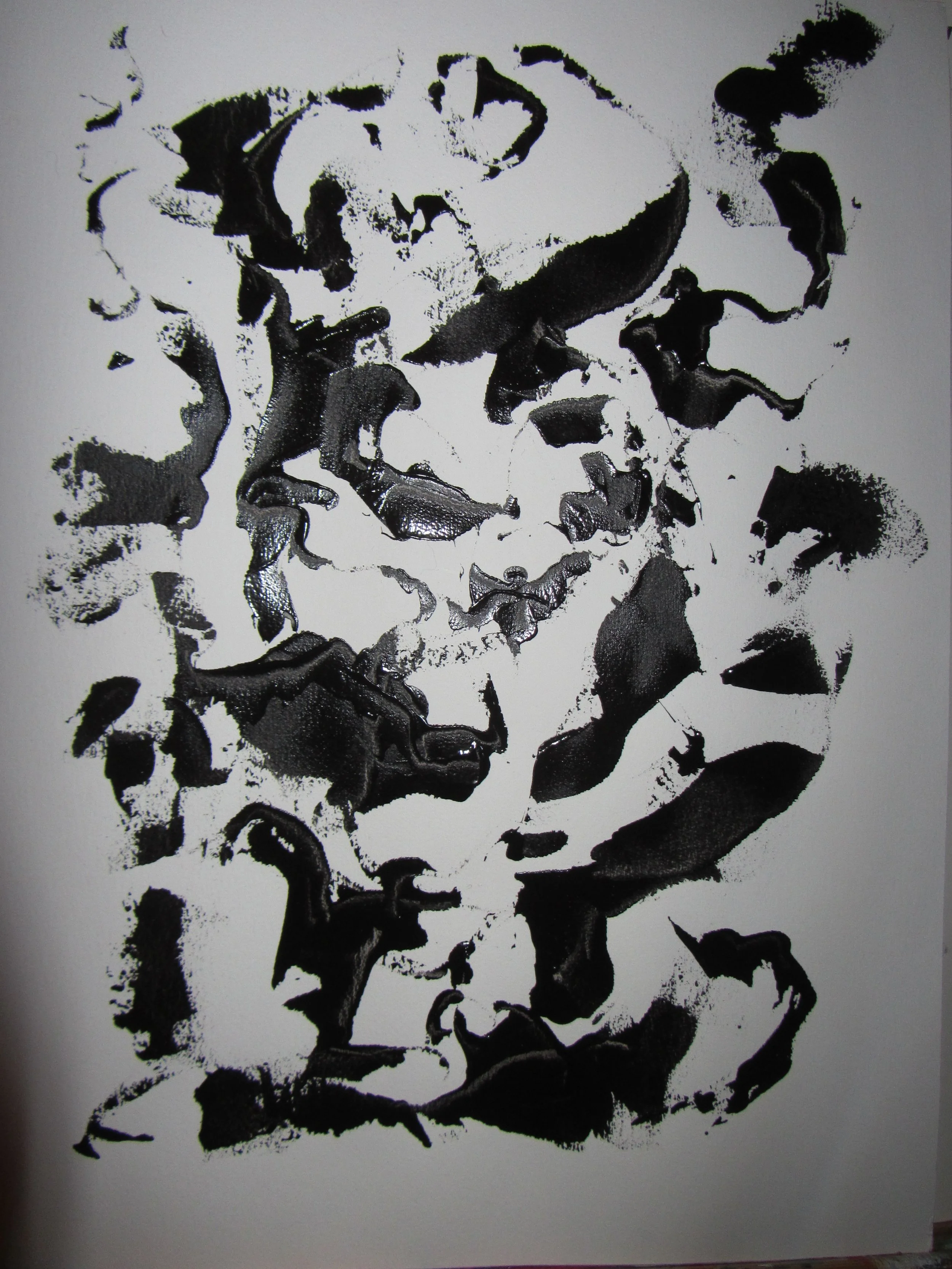
"Batman's Bats", acrylic on paper, A3, 2012, donated to my best friend
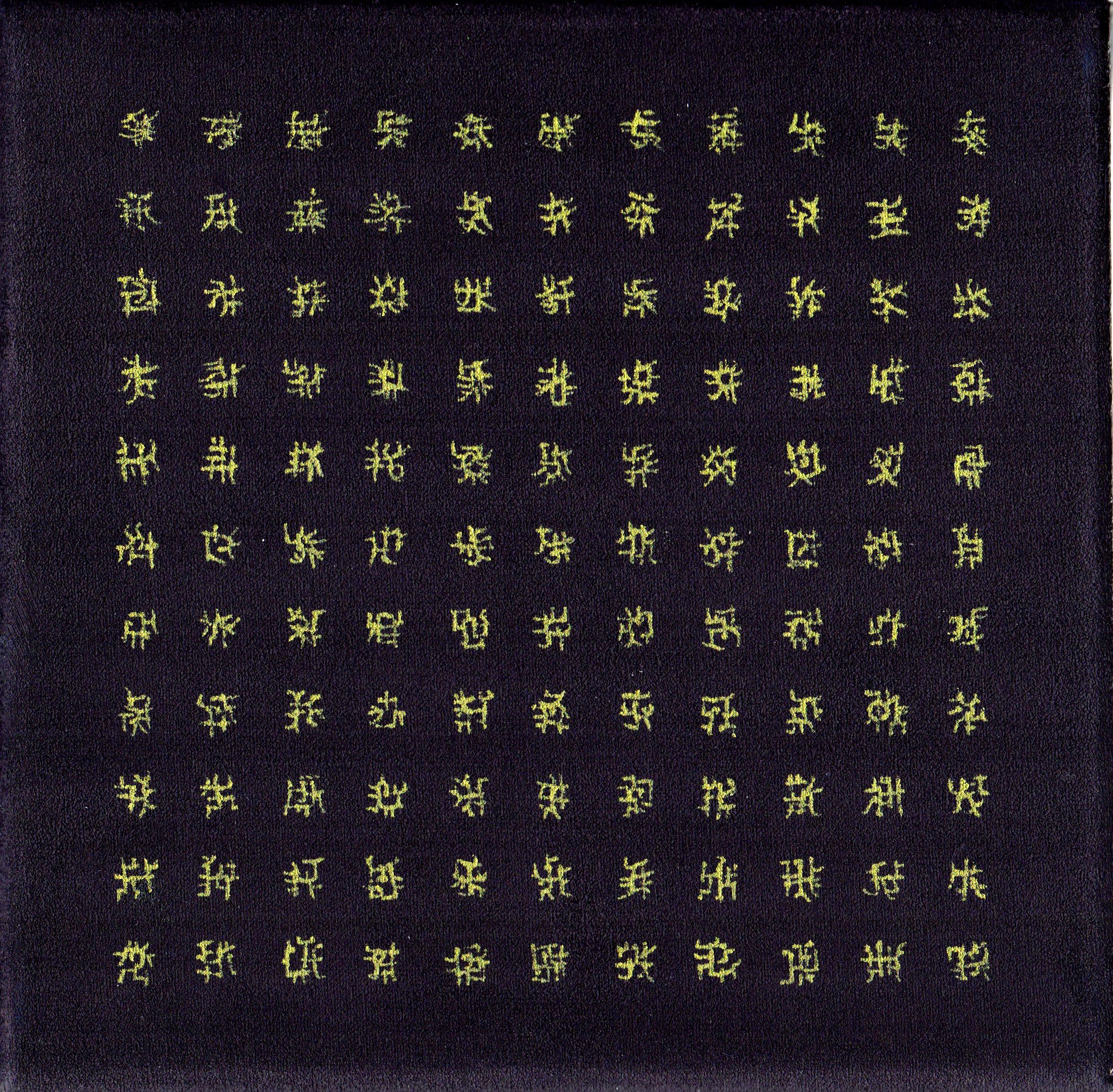
"121 Invented Asian Signs", acrylic & golden marker, 20x20cm, 2015
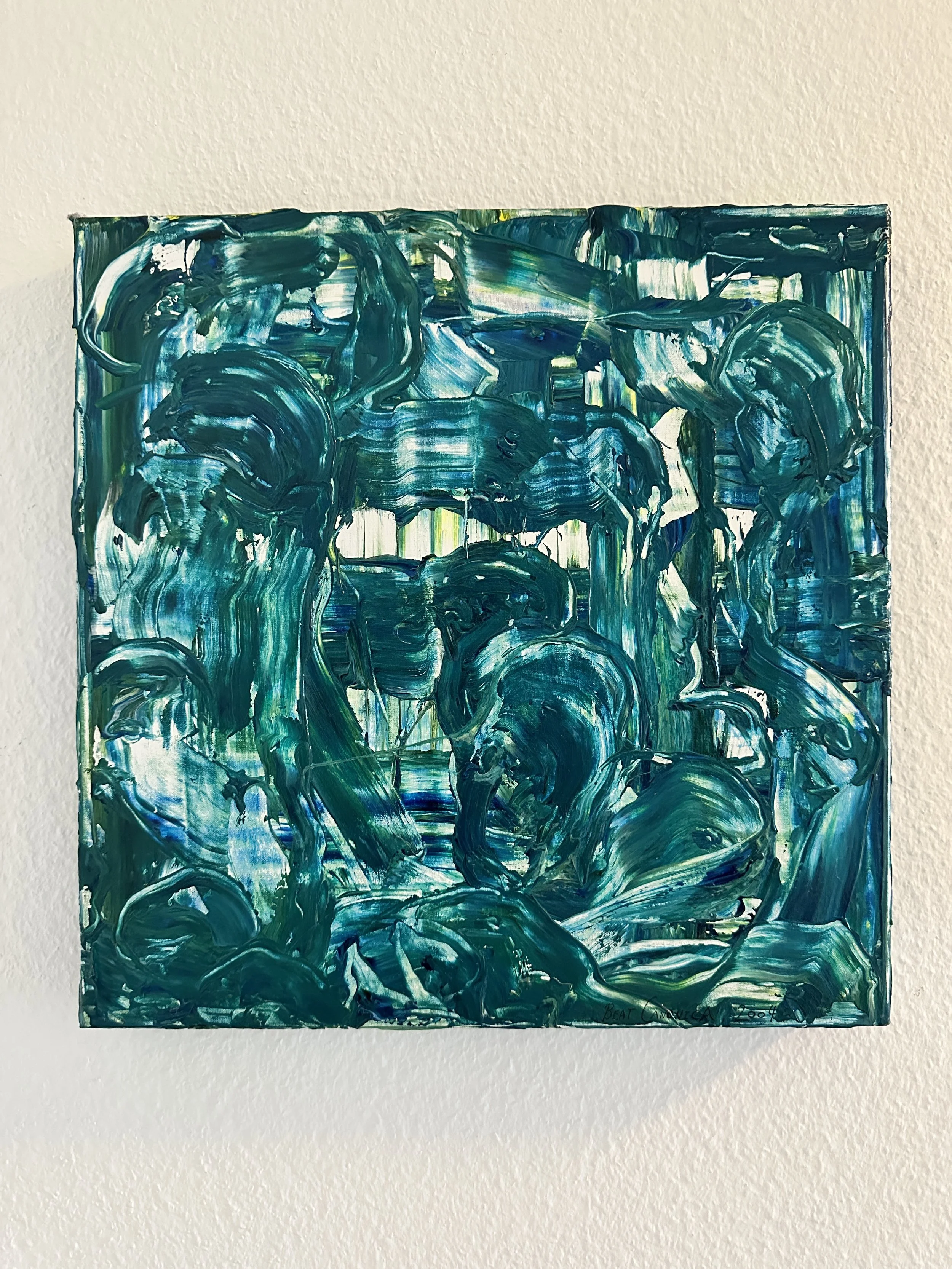
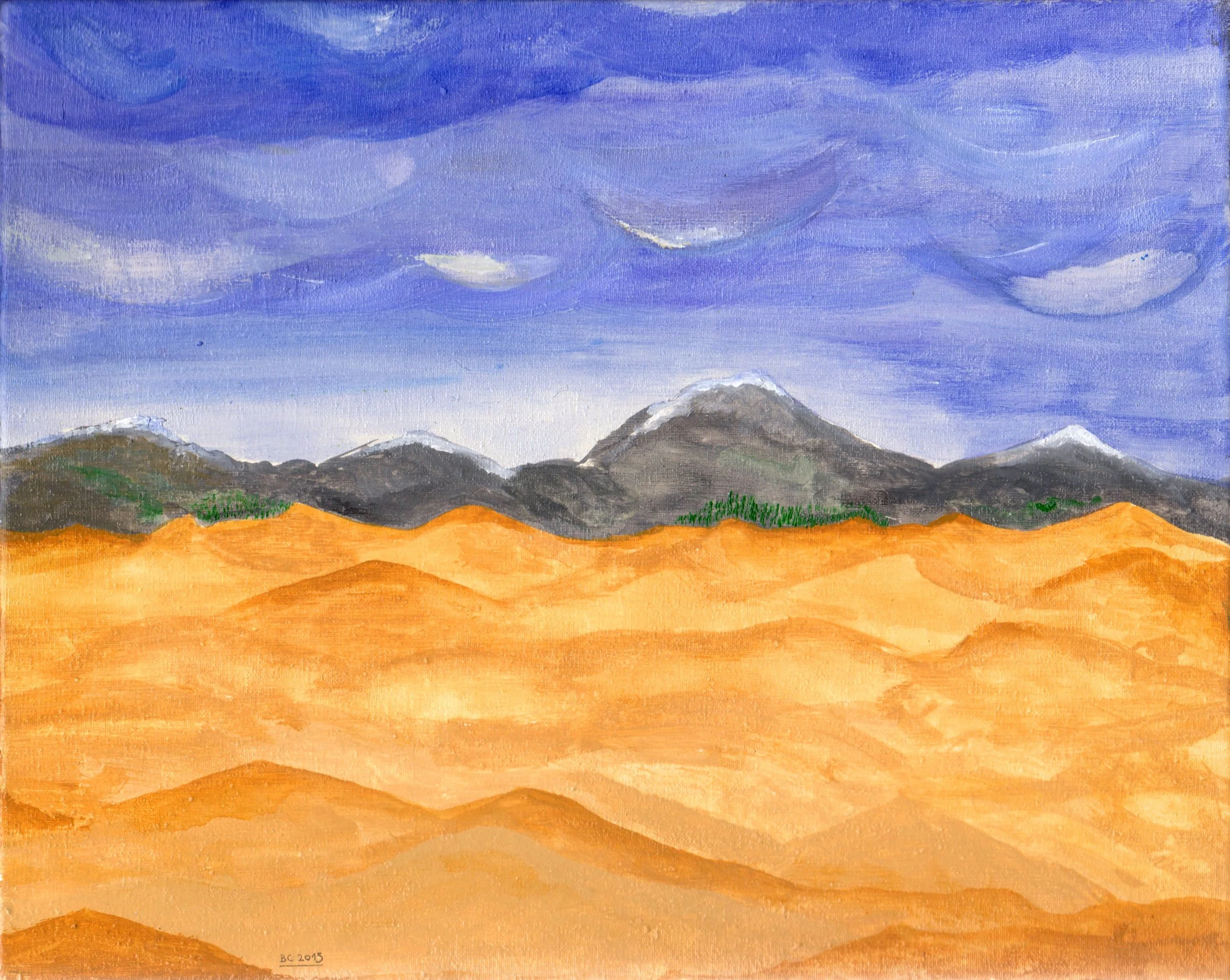
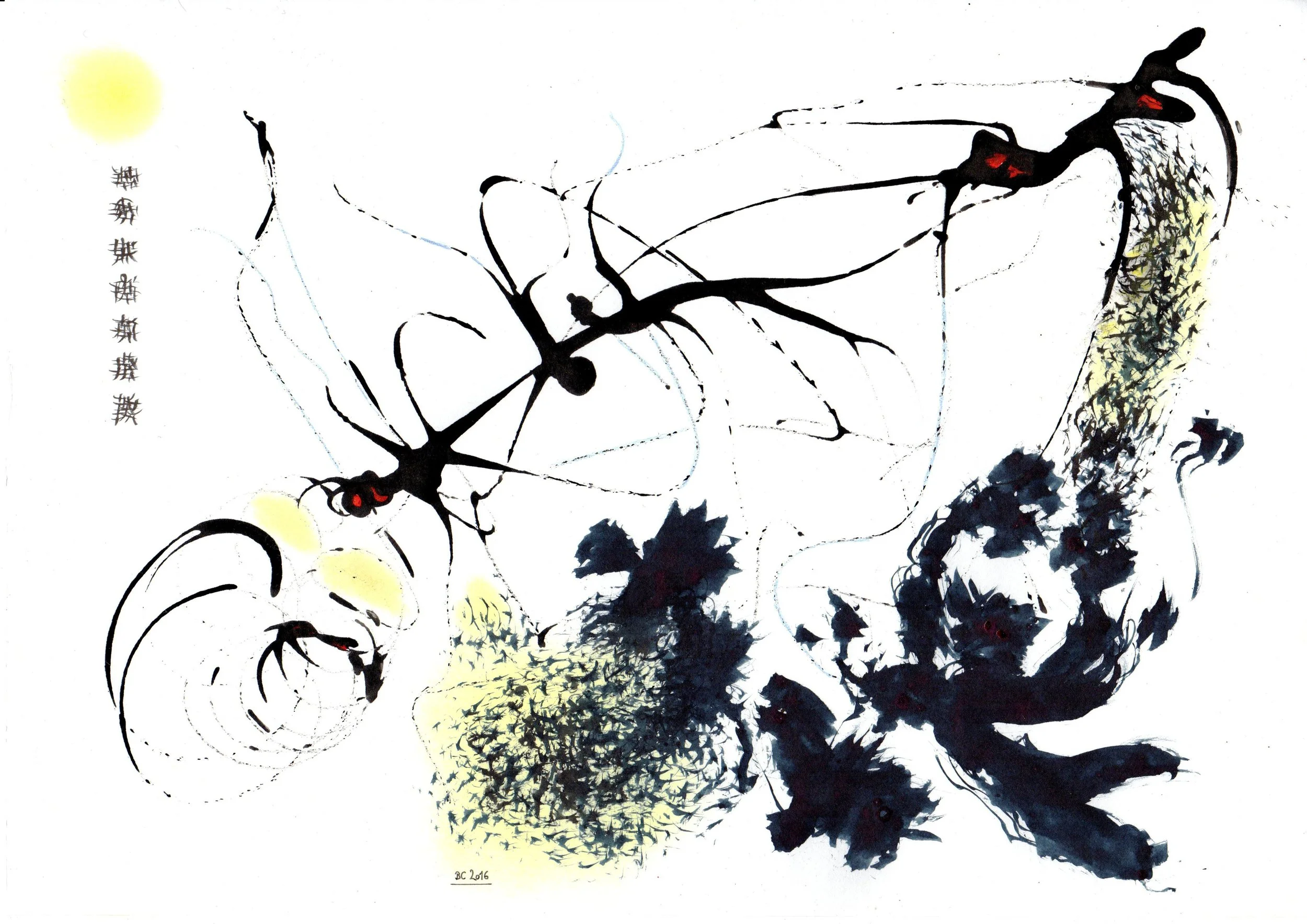
„Dancing Dragonflies With Signs“, acrylic, ink and colorpencils, A3, 2016, donated to a curator of the Museum Rietberg, Zurich, Switzerland