Michael K. Owino
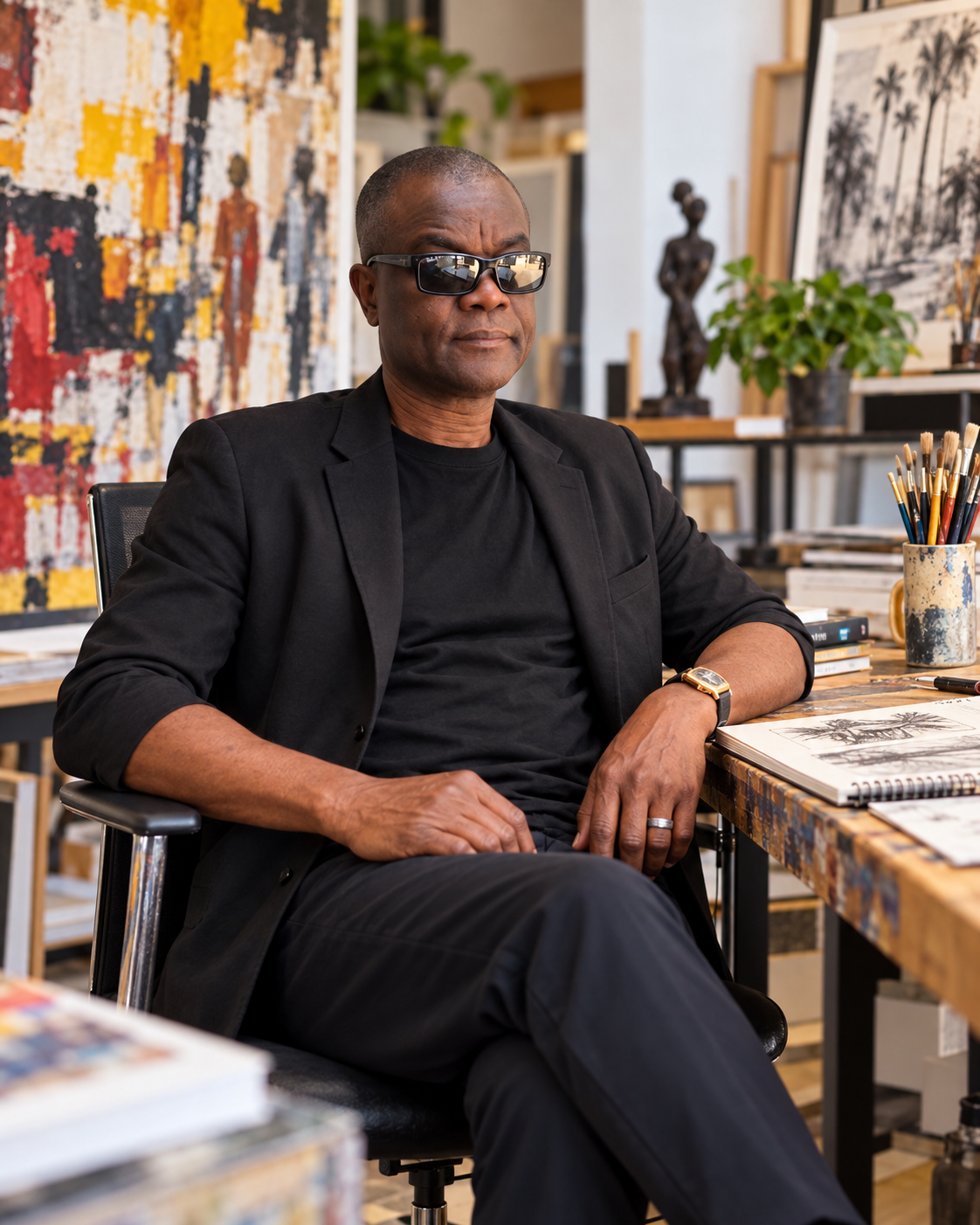
Photo by Maria Rand
Biography
Michael K. Owino (born Michael Karshøj, 1965) is a contemporary Danish visual artist, sculptor, and author working from his independent atelier in Denmark. Specializing in expressive acrylic paintings, sculptures, and mixed-media works, his practice is driven by a commitment to authentic, uncompromising visual storytelling, deliberately steering away from purely decorative aesthetics in favor of raw emotional depth and conceptual originality.
Before dedicating himself fully to the visual arts, Owino pursued an accomplished career as a musician, performing with his band Ballet Mecanique. This background in rhythm, composition, and sonic atmosphere continues to inform the dynamic energy and structural tension found in his visual compositions today.
In recent years, Owino has gained significant international recognition for his work. He is a two-time recipient of the prestigious Prize Leonardo da Vinci - The Universal Artist, awarded in both 2025 and 2026, and has exhibited his award-winning works at prominent international venues, including Rome Art Week in Italy and MEAM (Museu Europeu d'Art Modern) in Barcelona, Spain.
Operating independently outside traditional commercial gallery structures, Owino connects directly with international collectors worldwide, continually pushing the boundaries of his multidisciplinary artistic expression.
Artist Statement
My work is rooted in a relentless pursuit of authenticity and emotional truth. Working across acrylics, oil, mixed media, and sculpture, I approach the creative process not as a means to produce mere decoration, but as a visual language capable of confronting the raw complexities of the human condition.
Having transitioned from a background in music to the visual arts, I treat composition much like sound, balancing rhythm, tension, texture, and silence until a piece resonates on a visceral level. Every layer of paint and every sculpted form is an exploration of contrast: chaos meeting structure, vulnerability meeting strength, and the visible world colliding with internal states of mind.
I believe art should challenge, provoke thought, and leave a lasting imprint rather than simply blend into a room. By working independently and staying true to an uncompromising creative vision, my goal is to create works that speak directly to the viewer’s intuition and invite a genuine, unfiltered dialogue.
Every artist has a distinctive way of seeing the world. What do you believe makes your artistic vision truly your own?
My vision is rooted entirely in the raw reality of right now—seizing the present moment and exposing the unspoken psychological layers that most people spend their entire lives hiding. We live in an era obsessed with curated perfection, yet beneath the surface, almost everyone is carrying some form of silent pain, secret vulnerability, or quiet desperation—regardless of their status, wealth, or how successful their life looks from the outside.
I don’t create decorative art to soothe people; I work across mixed media, painting, and heavy iron sculpture to dig into those hidden compartments of the human psyche. Combining raw pigment with industrial iron and layered textures allows me to mirror the exact contradiction of modern existence: the hard, polished armor people wear in public versus the fragile, complex emotional truth locked inside.
Looking back at 2026, what has been the most meaningful moment or turning point in your artistic journey?
2026 was the year I stopped filtering myself—both in my studio and in my personal life. Receiving the Prize Leonardo da Vinci – The Universal Artist for the second consecutive year and exhibiting at MEAM in Barcelona were major international milestones. Just as importantly, working alongside visionary, forward-thinking international curators and galleries—such as Salvatore Russo, Francesco Saverio Russo, Monica Ferrarini, and Rossocinabro in Rome and Milan—confirmed that my work belongs on a progressive global stage where people look toward the future rather than clinging to the past.
Behind closed doors, however, 2026 taught me an even sharper truth about human nature: nothing exposes people’s hidden insecurities faster than someone else’s momentum. The moment international recognition started rolling in, people I hadn’t spoken to in decades suddenly appeared on social media to attack my work out of pure envy. At the same time, I realized how many relationships around me only survived as long as I played the "nice guy"—absorbing other people’s problems and keeping my own ambitions small. Cutting off every one-sided, parasitic connection overnight wasn’t just a personal boundary; it was an artistic breakthrough. Once you stop protecting other people’s egos, your work becomes completely fearless.
Great art often communicates what words cannot. What do you hope people experience or discover when encountering your work?
I want them to experience a sudden moment of recognition—the shock of realizing they are not as alone in their inner struggles as they thought. Modern psychological research points to a massive paradox in our time: people are more "connected" than ever, yet millions suffer from profound, hidden loneliness even while surrounded by family, colleagues, and full social calendars. Hiding that pain behind a smile creates an enormous internal pressure.
When someone stands in front of one of my iron sculptures or mixed media paintings, I want that social armor to drop for a few seconds. Great art shouldn’t lecture you; it should act like an X-ray. If a piece unlocks a buried emotion, confronts a secret truth, or makes someone finally feel seen in the middle of the noise, then it has done what words never could.
As the art world continues to evolve, what do you believe gives an artwork lasting significance beyond trends and recognition?
Psychological truth and physical weight. Digital trends and market hype expire overnight because they are built on surface-level novelty. What endures is art that confronts timeless human secrets—loneliness, desire, resilience, and the tension between strength and fragility.
In an increasingly artificial, screen-driven world, collectors crave something visceral and uncompromising. You cannot fake the physical presence of forged iron or the raw, unpredictable friction of mixed media built layer by layer by hand. An artwork outlives its era when it captures the real psychological pulse of the human beings living in it.
What does being recognized among WORLD ARTISTS DEFINING OUR TIME 2026 mean to you personally and professionally?
Professionally, it is powerful validation of choosing the right allies and platforms. I have intentionally bypassed traditional, backward-looking local gatekeepers to collaborate instead with bold, forward-thinking curators and galleries in hubs like Rome, Milan, and Barcelona—and being featured by Contemporary Art Curator Magazine, a publication that is genuinely pushing contemporary art in a bold new direction, reinforces that exact momentum. It connects my sculptures and paintings directly with international collectors and curators who are actively shaping the future rather than repeating the past.
Personally, it is a quiet triumph over Scandinavia’s unspoken Jantelov—the cultural pressure to never stand out or rise above the crowd. Watching small-minded critics and doubters have to read about your work on an international stage is a very satisfying reminder to always trust your own instincts.
When future generations look back at your work, what would you most like them to remember?
That I captured the true emotional pulse of my time without flinching. I want future generations to look at my iron sculptures, paintings, and mixed media works and see an artist who stripped away the illusions of his era—someone who dared to look straight into the hidden pain, secrets, and resilience of modern human beings and turned that truth into something permanent.
https://michaelowino.com/
https://www.instagram.com/mickowino/
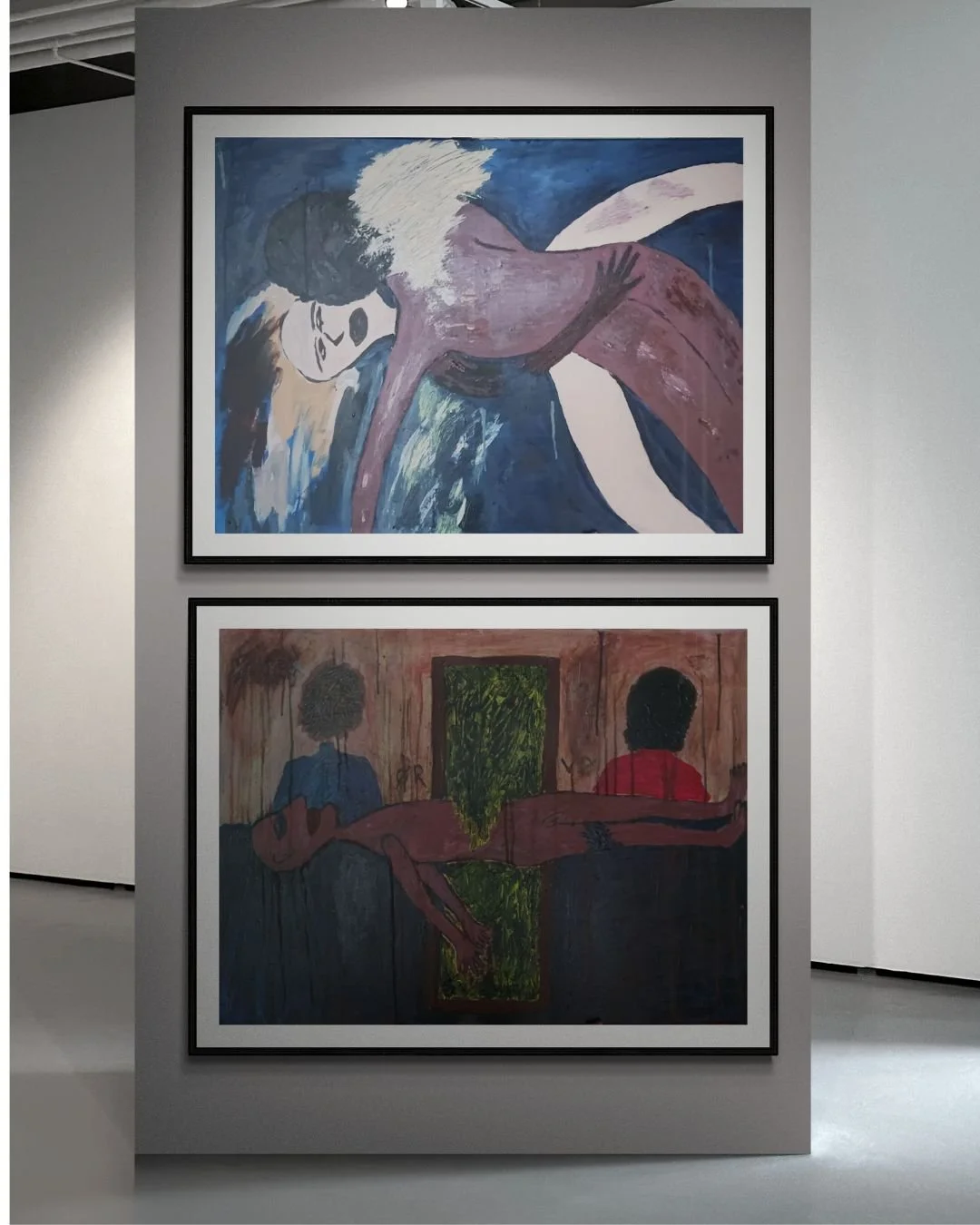
Le Tournant There was a life I was already losing. I didn’t see the moment it shifted — only that it did. Two small hands held me in place long enough to become something else. Not better. Not saved. But no longer on my way out. Acrylic on canvas 80 × 60 cm
Les Variations They were never the same. Not in presence, not in distance, not in what remained after. What repeated was the moment before — the closeness that feels like recognition, even when it isn’t. Each time, something shifted. Each time, nothing stayed. Acrylic on canvas 80 × 60 cm
2, 80x60, Acrylic on canvas, 2026
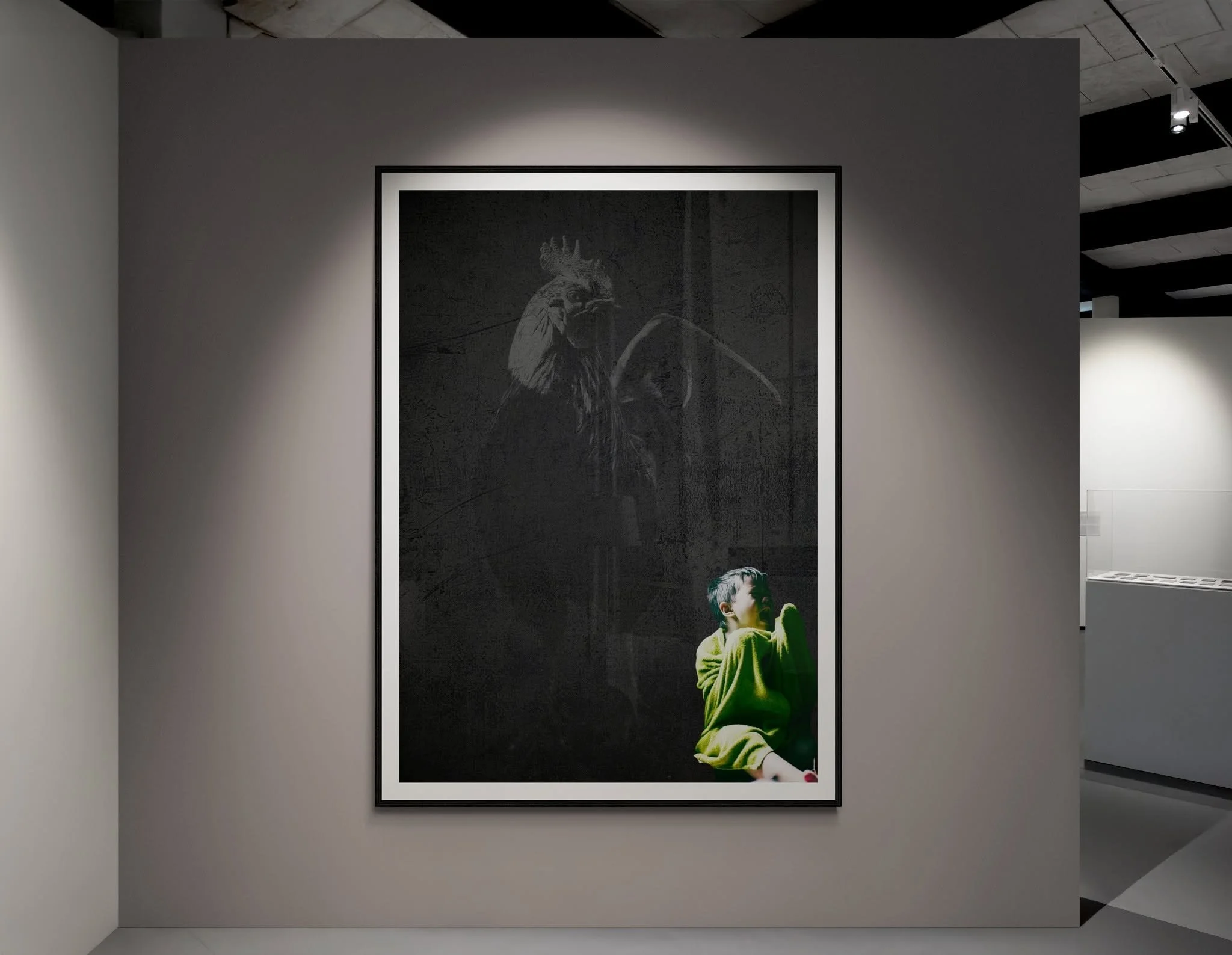
L’Enfance Invisible . Some children grow up surrounded by people, yet remain completely unseen. The isolation of childhood is not always physical — sometimes it exists silently within, where emotions struggle to become language. Long after childhood has passed, a part of us may still remain there, searching for understanding, connection, and a way to be heard.
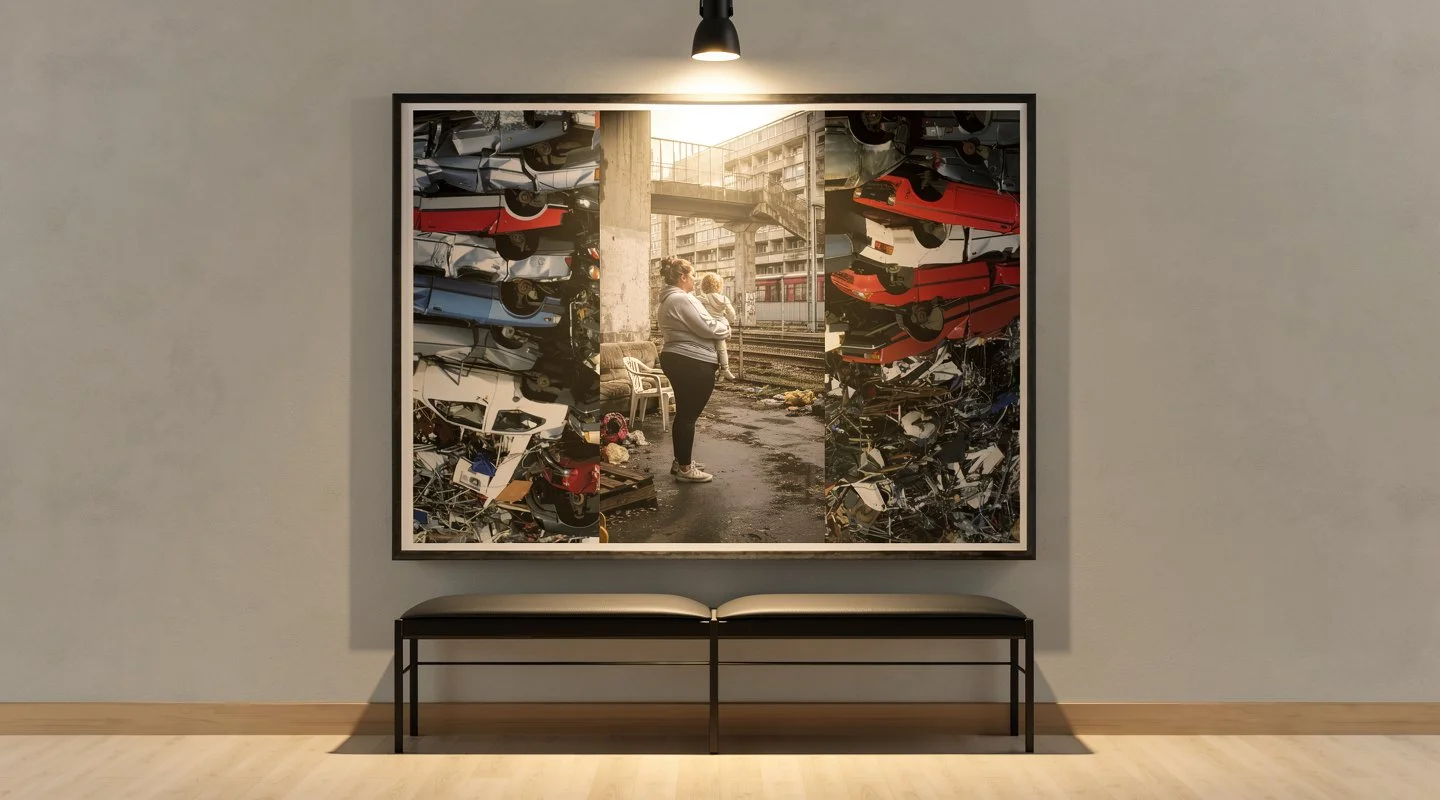
Mélanie, 2026 Mixed media and high-definition print on Gloss 2000 paper Dimensions variable.
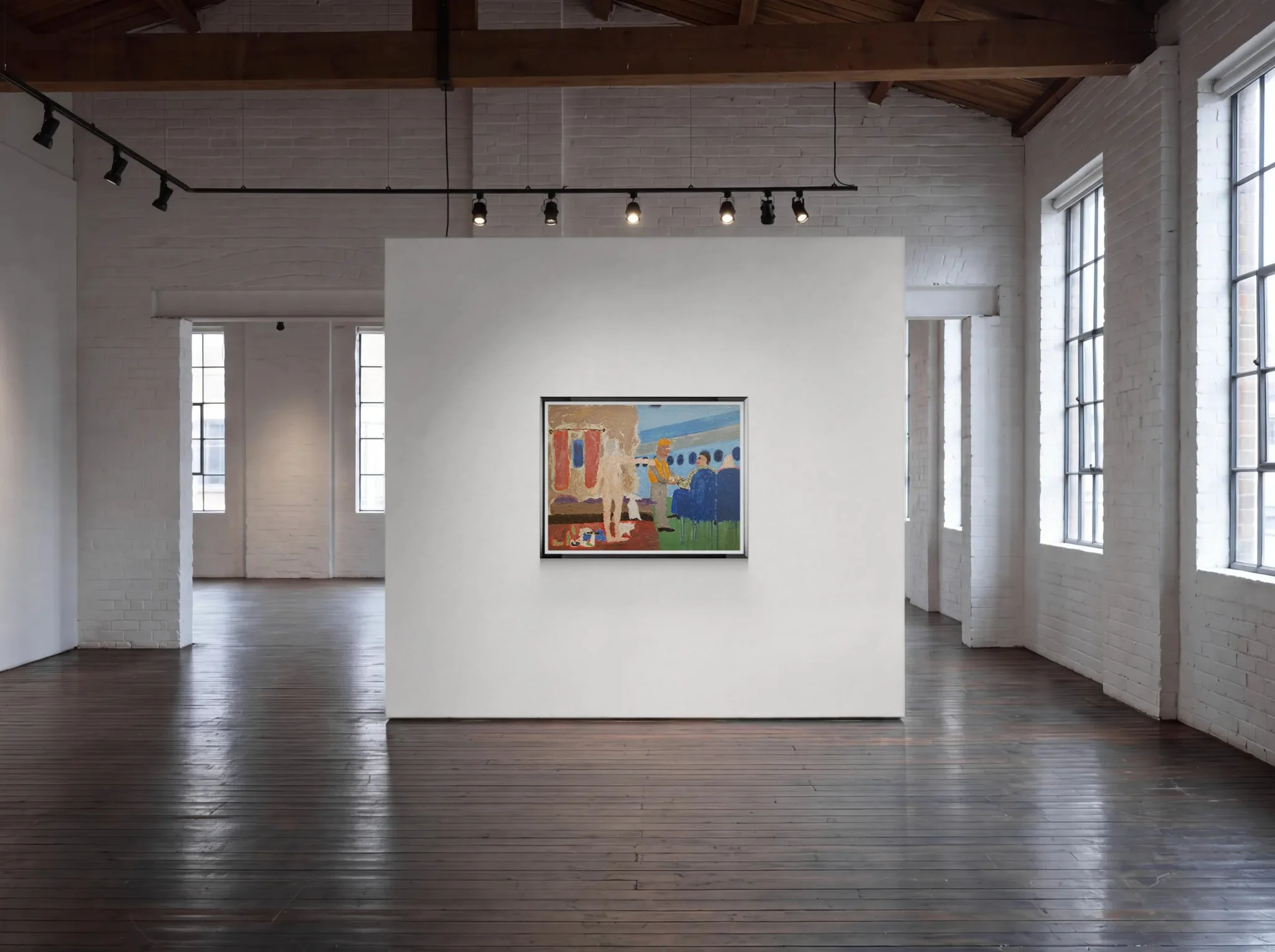
Jake: Acrylic on canvas 2026
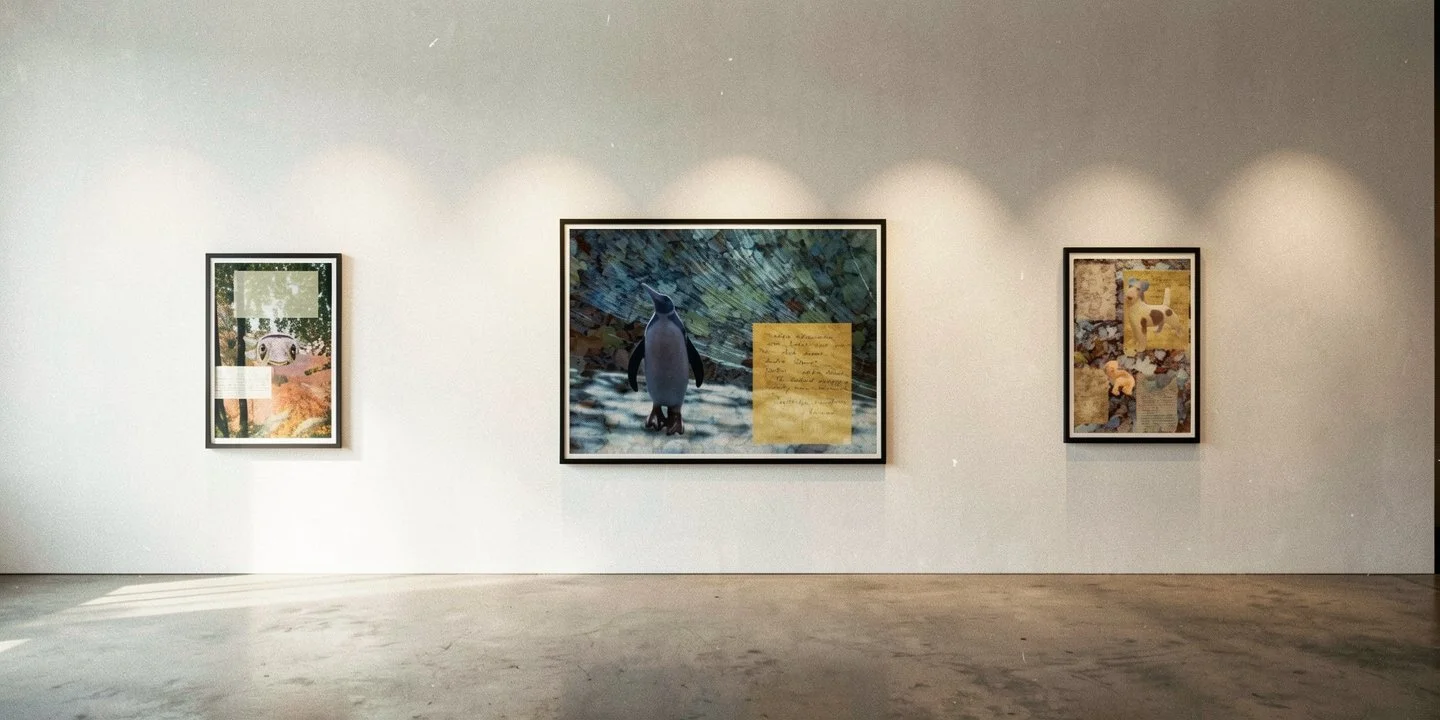
DÉPLACÉ Letters and Leaves — II Born to lose what we learn to call home. Your words are here. You are not. Michael K. Owino Mixed media · 70 × 60 cm · 2026
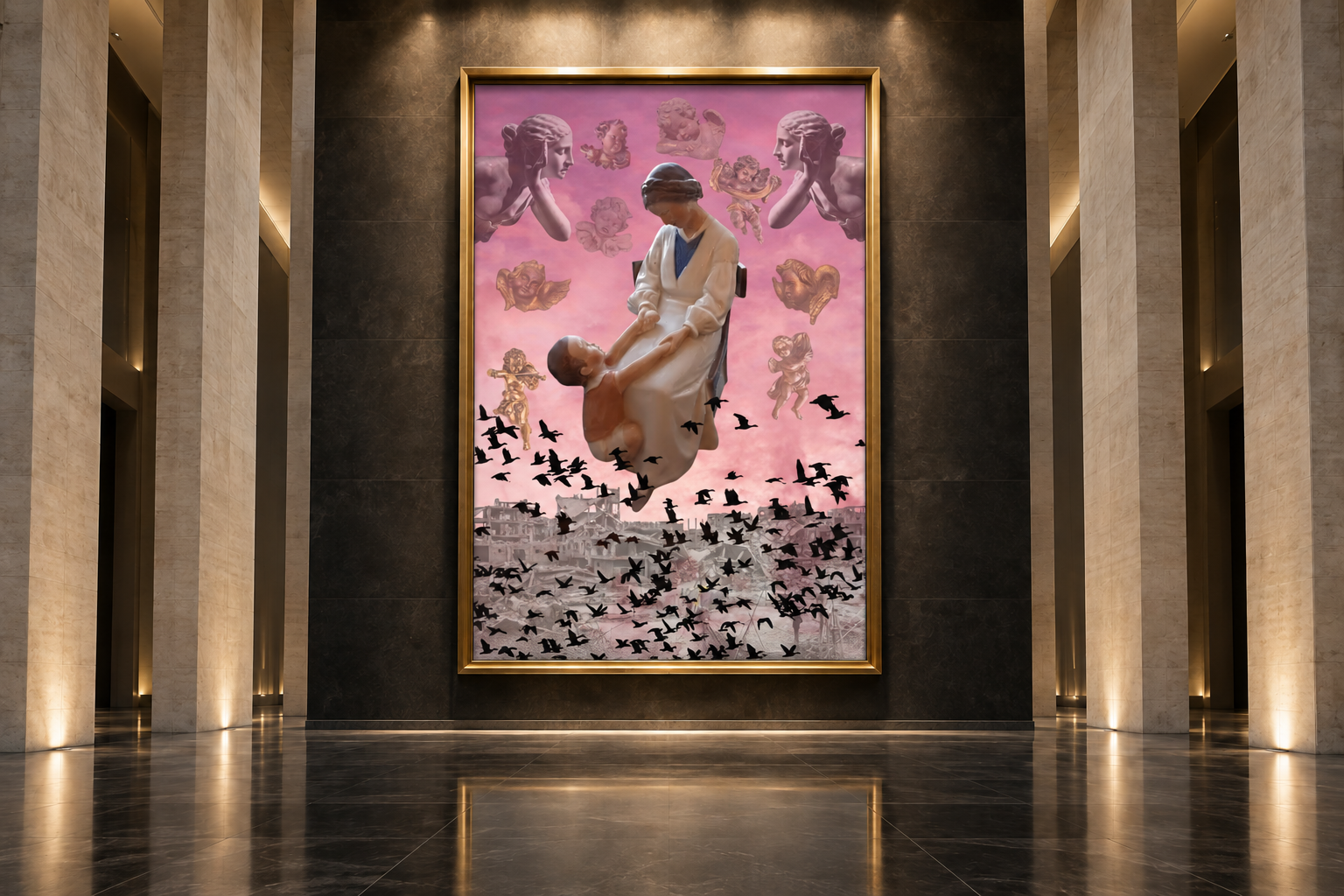
La Sainte Mère 59 × 44 cm — Highland Gloss 2000 fine art paper In moments of destruction, when the world falls apart, comfort is found in the gentleness of La Sainte Mère. She embodies divinity as woman — the sacred force that nurtures, protects, and restores balance. While chaos rises, her presence remains calm — a reminder that holiness can be tender, and that the divine may carry the face of a mother.
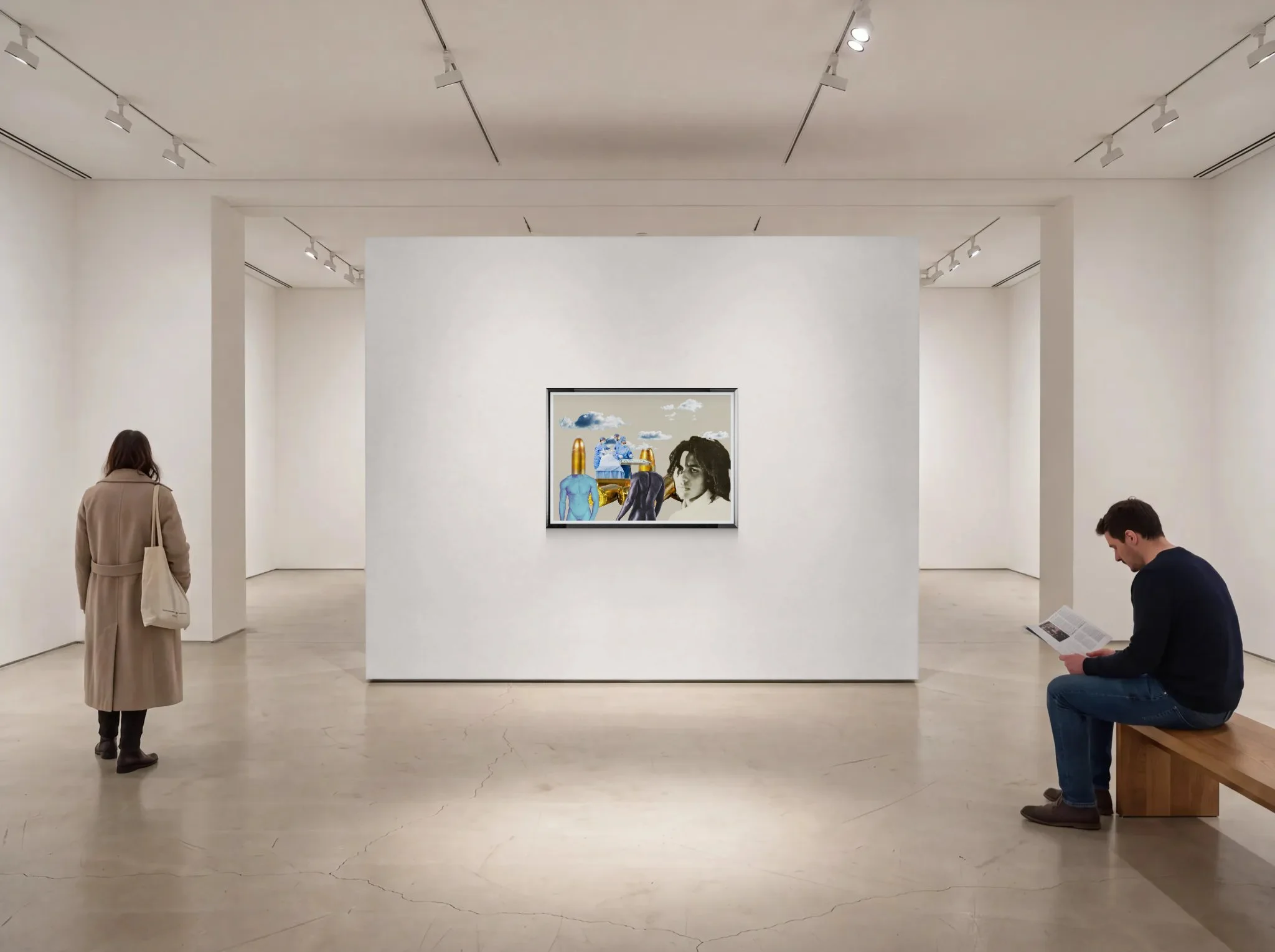
La Situation et l’Opération. Mix media 2026
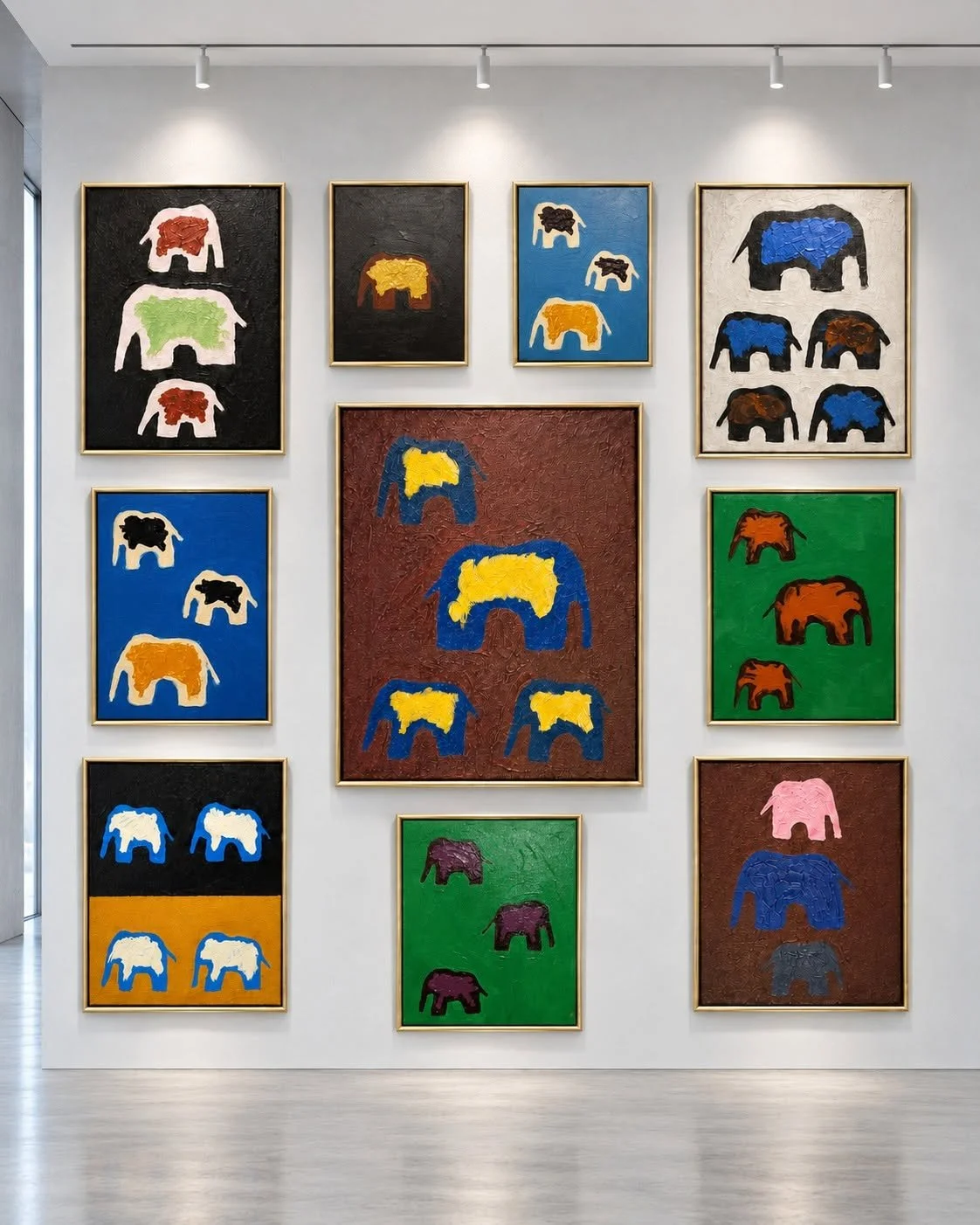
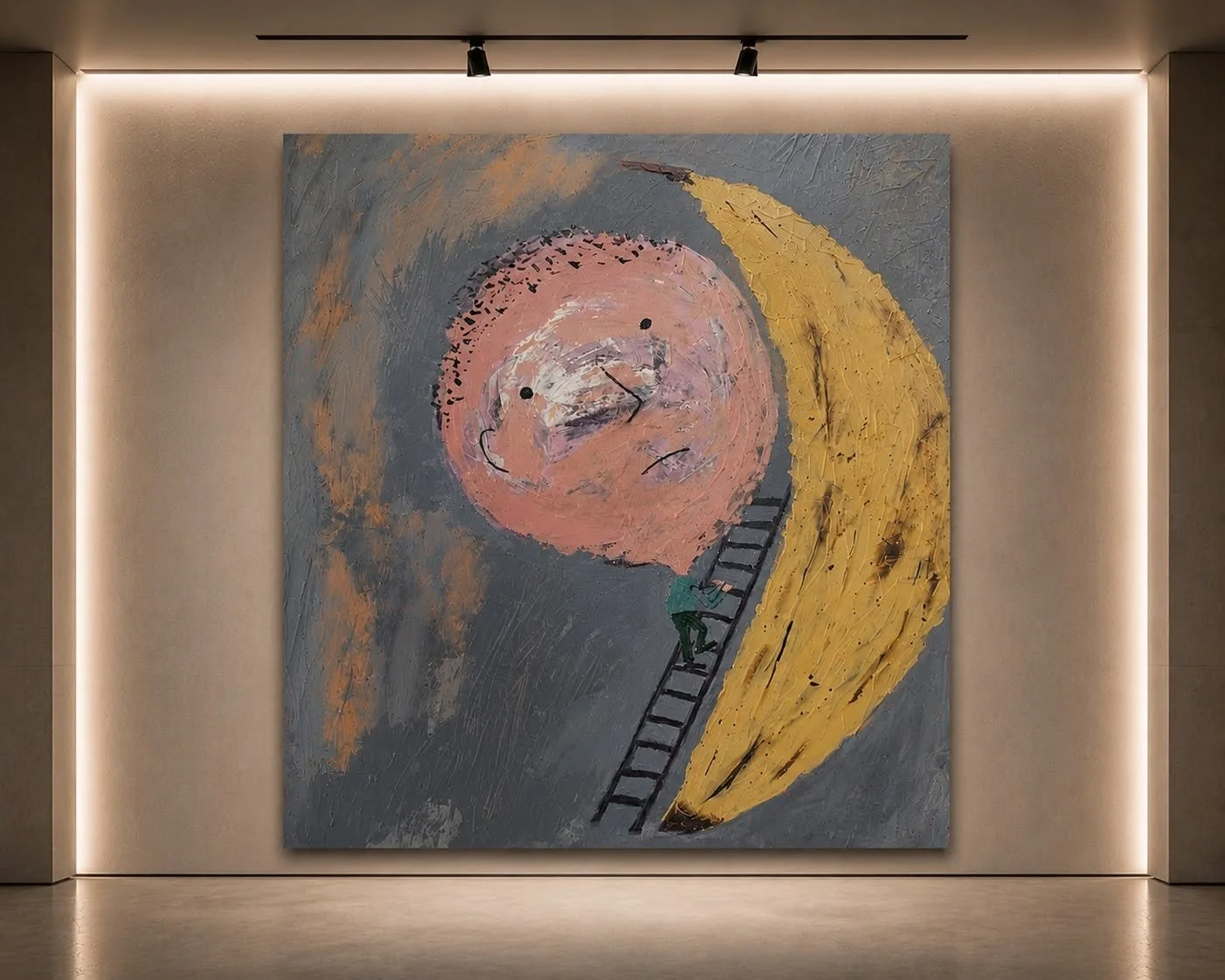
THE ELEPHANT IN THE ROOM.Acylic on canvas. As promised, I am now beginning a new series of larger paintings—allowing the elephants, the space around them, and everything left unspoken to assume a different scale. The elephant in the room remains open to interpretation. Some things are seen long before they are spoken. New works in progress.
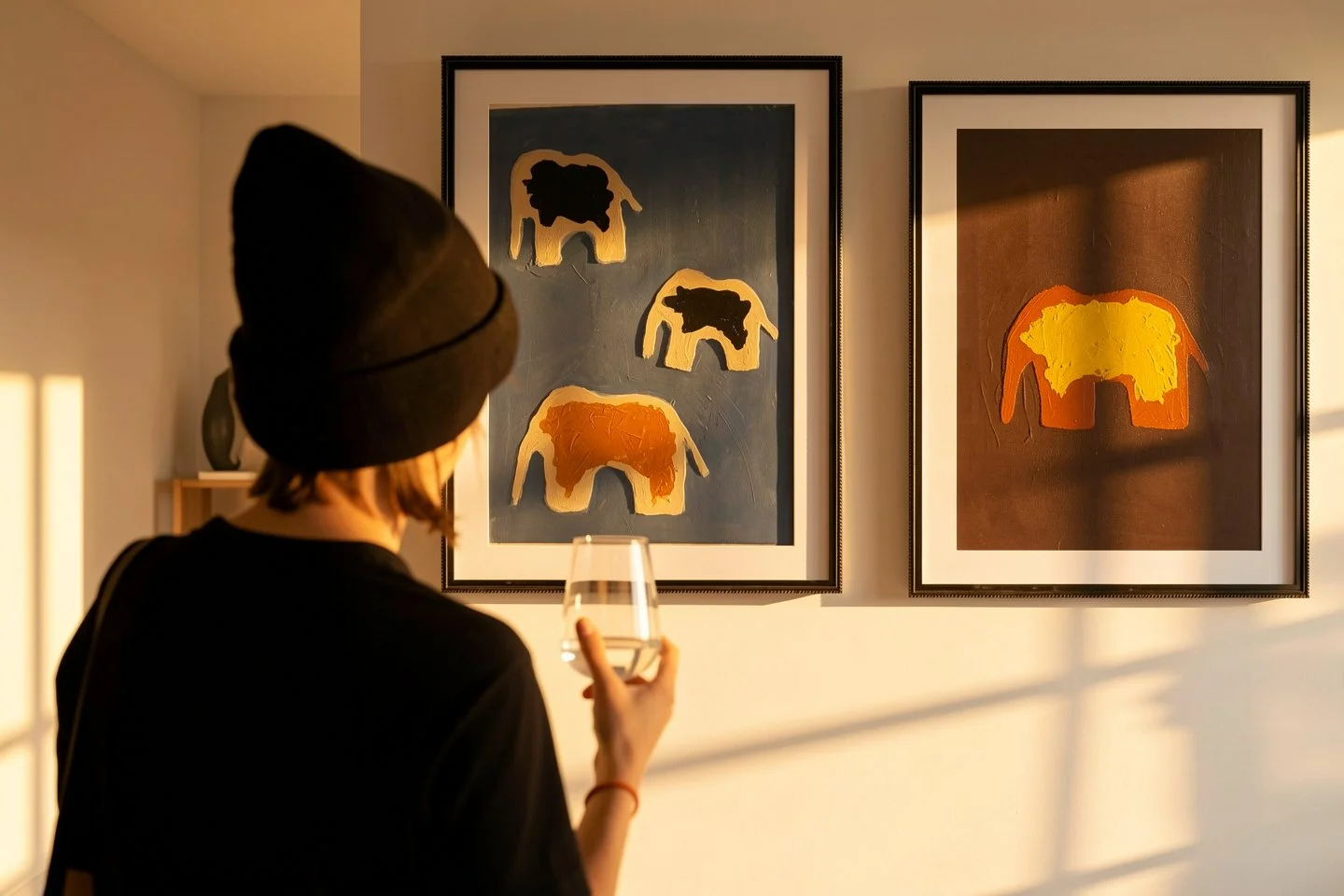
Elephants in the room -Acrylic on canvas. various size-2026