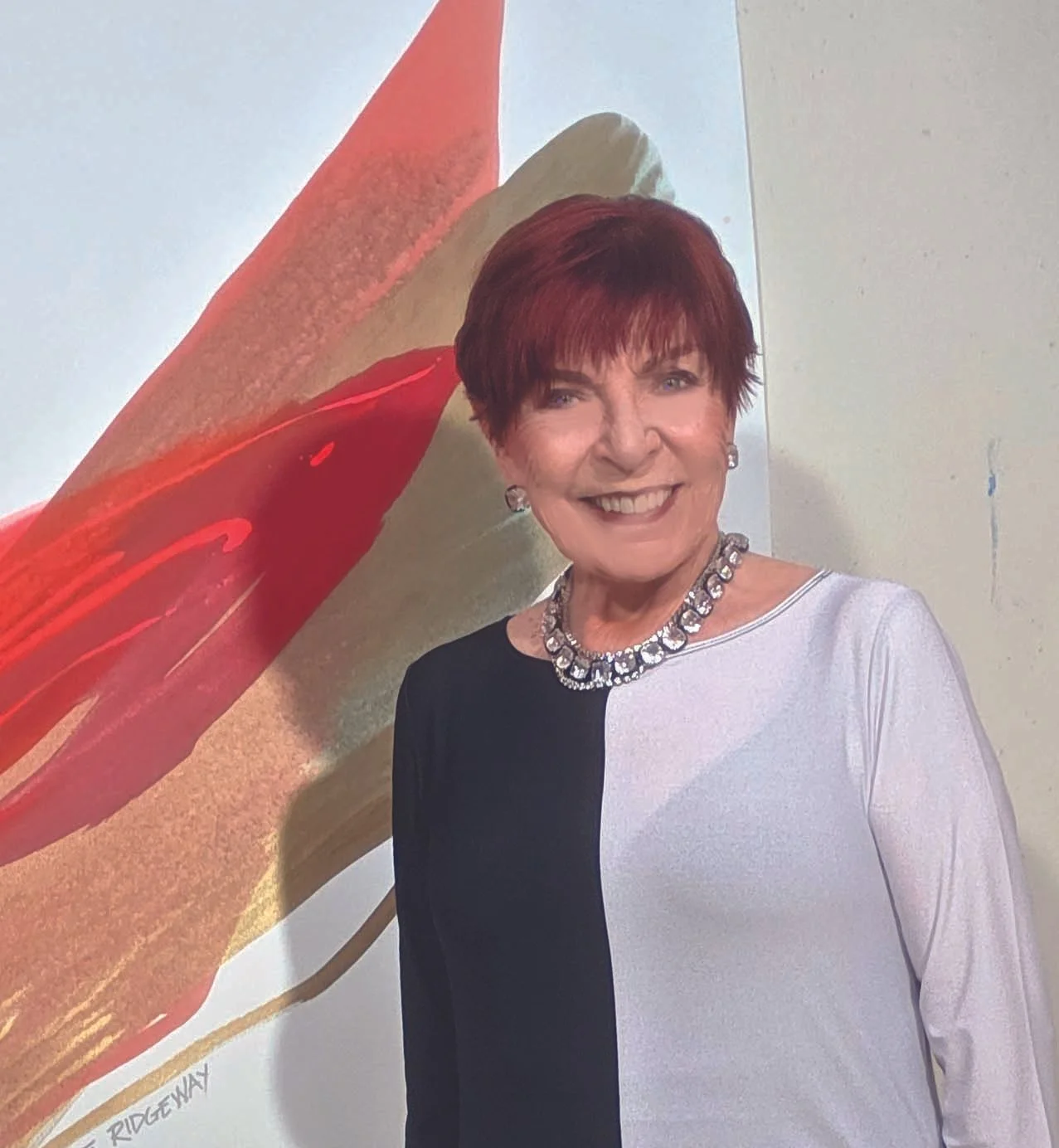
Bette Ridgeway
Biography
Pushing the boundaries of light, color, and space, Bette Ridgeway creates luminous poured paintings that have earned international critical acclaim.
Raised in New York’s Adirondack Mountains, Ridgeway studied visual arts with a focus on graphic design at Russell Sage College in Troy before launching her career as a commercial artist with Reuben H. Donnelley Advertising Corporation. She later trained at the New York School of Interior Design and the Art Students League in New York City, then expanded her practice abroad, painting, exhibiting, and teaching while living in Madagascar, Australia, and Chile.
Back in the United States, she paired her studio work with influential arts leadership, serving as Visual Arts Specialist for the Maryland-National Capital Park and Planning Commission and as Executive Director and CEO of Very Special Arts, an educational affiliate of The John F. Kennedy Center for the Performing Arts.
Mentored for three decades by Abstract Expressionist painter Paul Jenkins, Ridgeway has spent more than forty years refining her signature Layering Light technique on monumental canvases, metal, wood, and sculptural works. Italian art critic Salvatore Russo captured that lineage in an essay titled "The True Heir of Paul Jenkins."
Represented by premier galleries across the United States, including LewAllen Galleries in Santa Fe, New Mexico, Ridgeway has exhibited in more than eighty museums, universities, and galleries worldwide since the mid-1970s. Recent highlights include solo exhibitions in 2025 at Walter Wickiser Gallery in New York and Ventana Fine Art in Santa Fe, and the 2026 museum debut of her four-panel work Dancing With Time at the Pearl Fincher Museum of Fine Arts in Spring, Texas.
Her career exhibitions span the Royal Scottish Academy, the London Art Biennale, Swiss Art Expo in Zürich, the Barcelona International Art Fair, and Women’s Essence at the 58th Venice Biennale, alongside venues such as the Embassy of Madagascar, Southwest Gallery, and Ocean Galleries. Her work belongs to notable permanent collections, including the Mayo Clinic, the Federal Reserve Bank, and The Boro Building in Tysons, Virginia.
Artist Statement
Light is the heart of my work, not merely as illumination, but as a living presence that shifts across surface, depth, and time. With my signature Layering Light technique, I pour thin, translucent veils of acrylic and water onto suspended canvases, metal, and wood so color refracts from within.
In my rainwater soak-stain works, I blend collected, chemical-free New Mexico rainwater with fluid pigments on unprimed cotton duck canvas, allowing gravity, absorption, and drying patterns to shape the balance between intention and chance.
Working from Santa Fe, New Mexico, I create non-objective compositions that open a quiet threshold of atmospheric color and movement, inviting viewers to pause, breathe, and experience light as a bridge between material form and inner stillness.
Every artist has a distinctive way of seeing the world. What do you believe makes your artistic vision truly your own?
My vision centers on allowing light, gravity, and fluid pigment to interact without forcing a rigid image. Working with poured acrylic glazes and rainwater soak-stains on unprimed canvas lets color move organically, creating depth and luminosity that feel alive rather than staged.
I am not trying to copy what is already visible in front of me. I want the painting to hold a sense of movement, stillness, and luminous presence that feels unmistakably my own.
Looking back at 2026, what has been the most meaningful moment or turning point in your artistic journey?
This past year has been extraordinary. Recognition from respected art publications and foundations, along with the chance to connect with new, passionate collectors, has been deeply rewarding.
The most meaningful turning point was signing with LewAllen Galleries here in Santa Fe, which has had a major impact on my creative and aesthetic output. The gallery's owner saw work I had produced in the early 1990s and asked me to create more using that soak-stain technique, an approach originally pioneered by Helen Frankenthaler in the 1950s.
That request opened my eyes: artists are so much more than their techniques. We are expressive beings governed by our senses. Being represented by one of the top ten art galleries in the U.S. has pushed me to think at a deeper level. I now look at my inventory with a more critical eye and can see how much I have challenged myself this year.
I am also setting firmer boundaries to protect my studio time. My goal now is to create fewer paintings, each of the highest aesthetic quality imaginable.
Great art often communicates what words cannot. What do you hope people experience or discover when encountering your work?
One of the greatest gifts of painting is watching how each viewer arrives at a completely different experience. For some, it begins with the pull of pure, sensuous color; for others, shapes and quiet stories emerge from the composition.
An artist can never dictate how or why someone connects with a work. We can only make what feels true and meaningful to us and leave room for the viewer to find their own resonance.
Seeing that connection unfold is deeply moving, and when a collector has the space, the appreciation, and the ability to live with a piece in their daily life, I consider that a true miracle. Those moments stay with me.
As the art world continues to evolve, what do you believe gives an artwork lasting significance beyond trends and recognition?
A painting is much like a novel or a play: it has to hold up over time and carry lasting value. Good work often gathers deeper significance the longer it lives in the world.
With artificial intelligence coming to the forefront, people are valuing the human hand more than ever. Once, when my mentor, Paul Jenkins, was viewing a new body of work, he spotted a few drips I wished were not there and said, "Leave them in. You are human. This work was not made by robots in a factory."
That advice made me think much more carefully about what I put into a canvas and why it matters. My paintings are not of things, but of a moment, and my goal is simply to keep working with authenticity and let meaning build over time.
What does being recognized among WORLD ARTISTS DEFINING OUR TIME 2026 mean to you personally and professionally?
Personally, this recognition is deeply humbling and affirming. After decades of following my own instincts, often working outside conventional trends and letting light, color, and quiet moments guide each canvas, being acknowledged in this way feels like a meaningful milestone.
It reminds me that staying honest to your own creative voice matters, even when the work takes unexpected turns.
Professionally, it brings added visibility and weight at a pivotal moment in my career. Being represented by one of the top 10 galleries in the U.S., alongside recognition in this feature, connects my work with collectors, curators, and institutions who value authentic, enduring art.
It reinforces the momentum of a year that has already stretched me creatively and brought my paintings to new audiences.
When future generations look back at your work, what would you most like them to remember?
When future generations encounter my paintings, I hope they feel the genuine presence of the person behind them, someone who loved light, color, and the mystery of a fleeting moment enough to dedicate a lifetime to exploring them.
I would want them to remember the authenticity of the process rather than fleeting fashions, and to experience a quiet lift of spirit when standing before the canvas.
If my work helps someone pause, breathe, and see light a little differently, that is legacy enough.
www.RidgewayStudio.com
https://www.instagram.com/ridgewaystudio/
https://www.facebook.com/bette.ridgeway
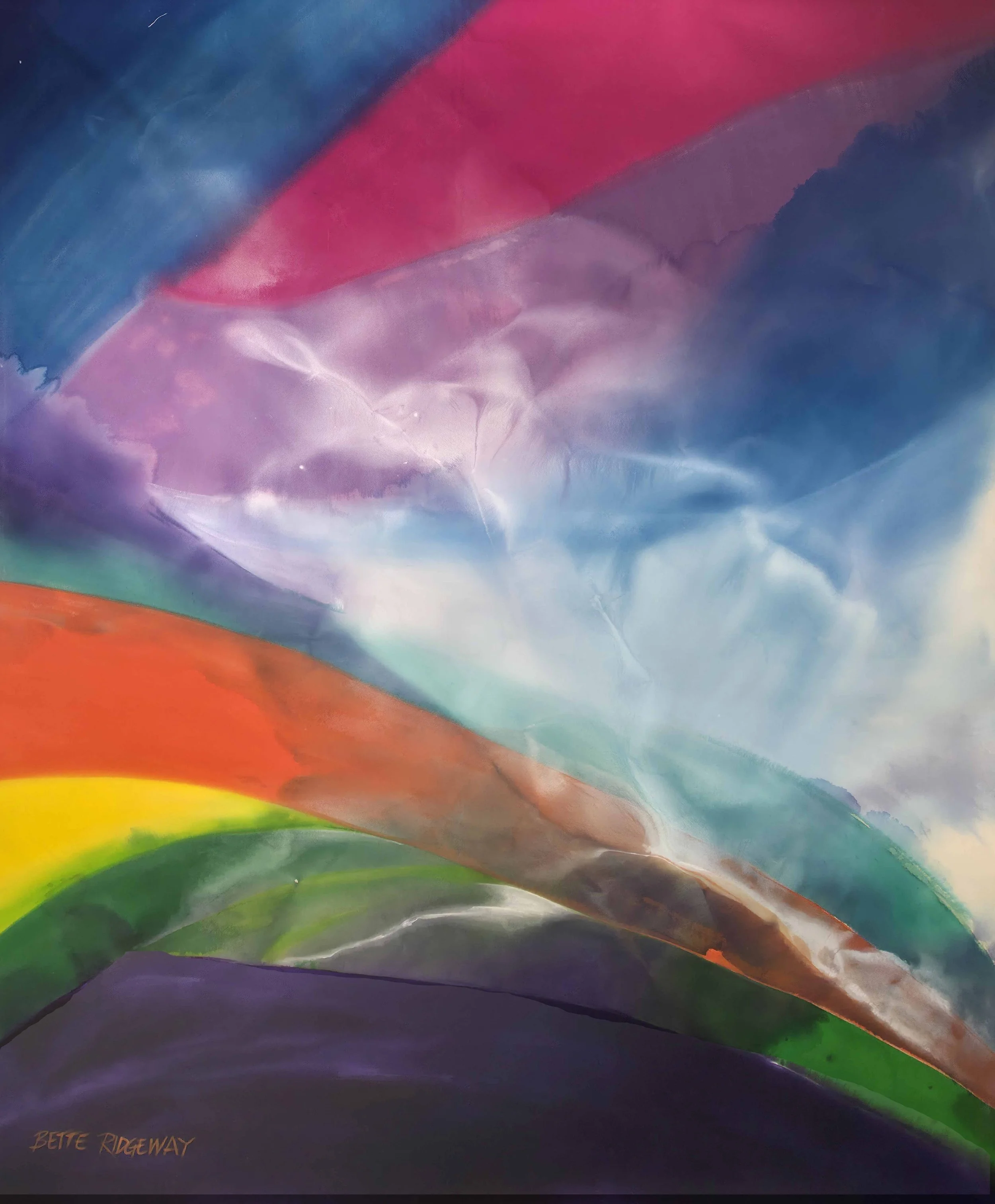
Storm Clouds, 1993, Acrylic stain on cotton canvas, 243.84 x 198.12 cm.
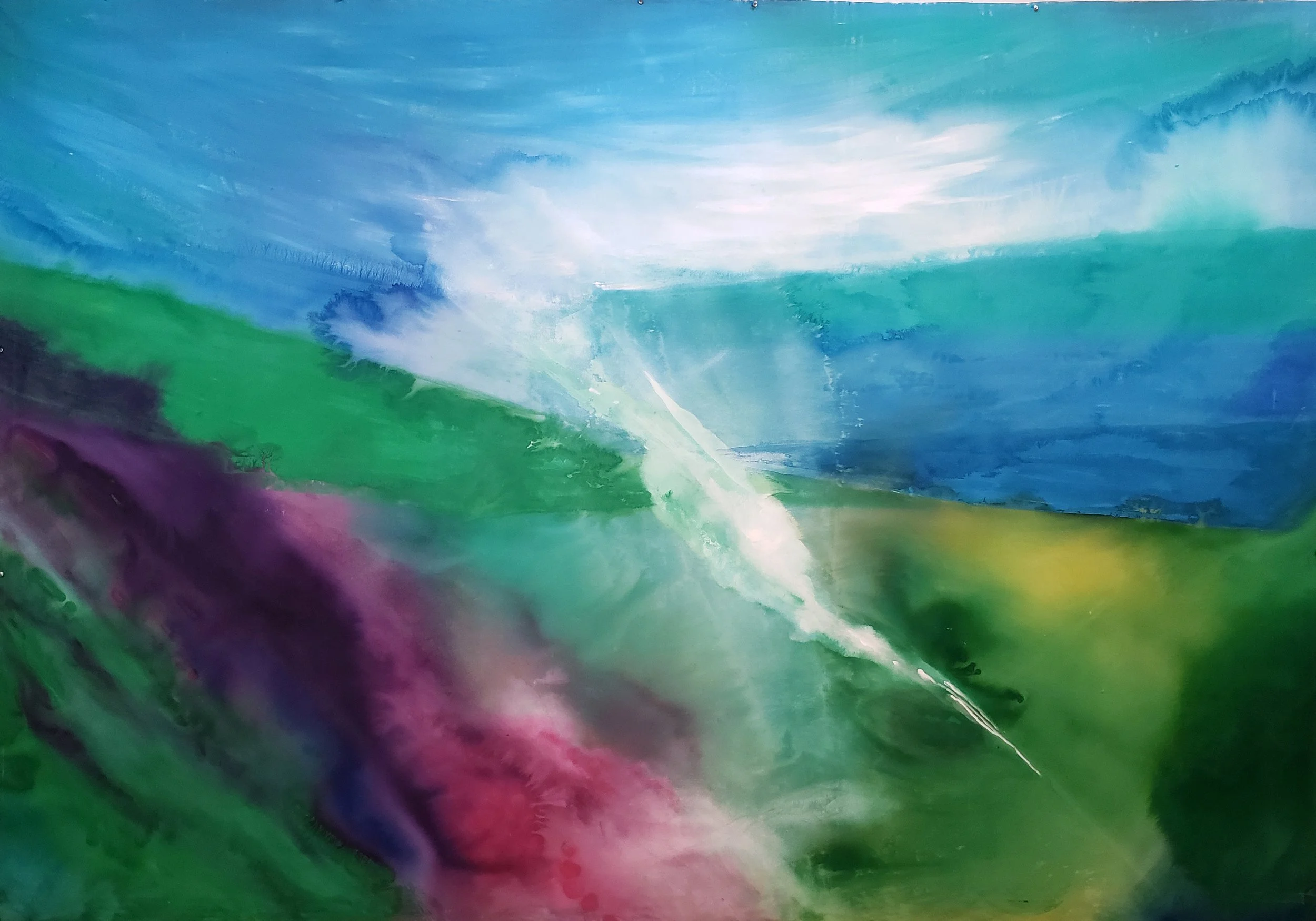
Storm over the Valley, 1993, Acrylic stain on Cotton Canvas, 198.12 x 284.48 cm.
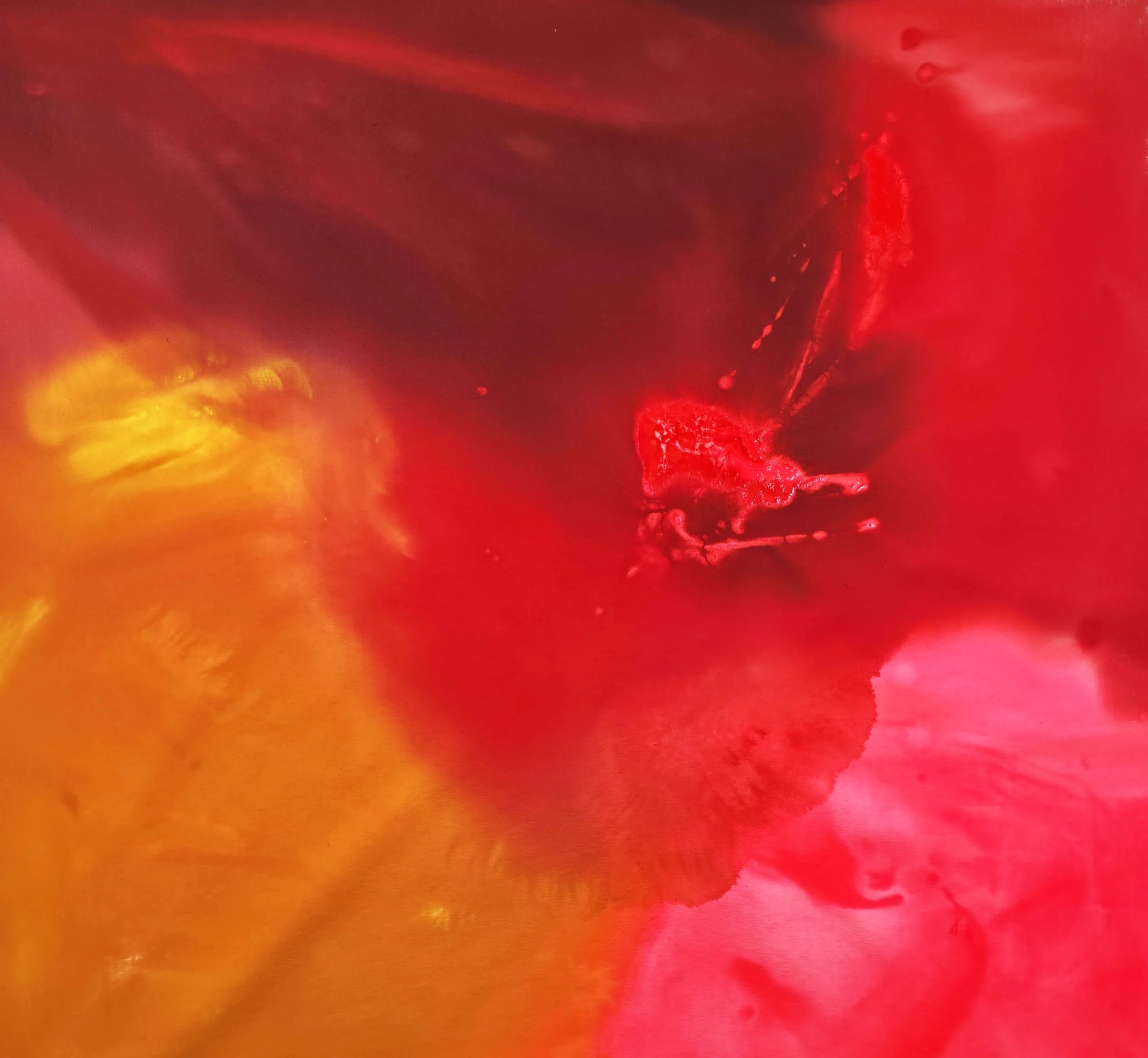
A Star Is Born, 2026, Acrylic stain on cotton canvas, 101.6 x 101.c cm.
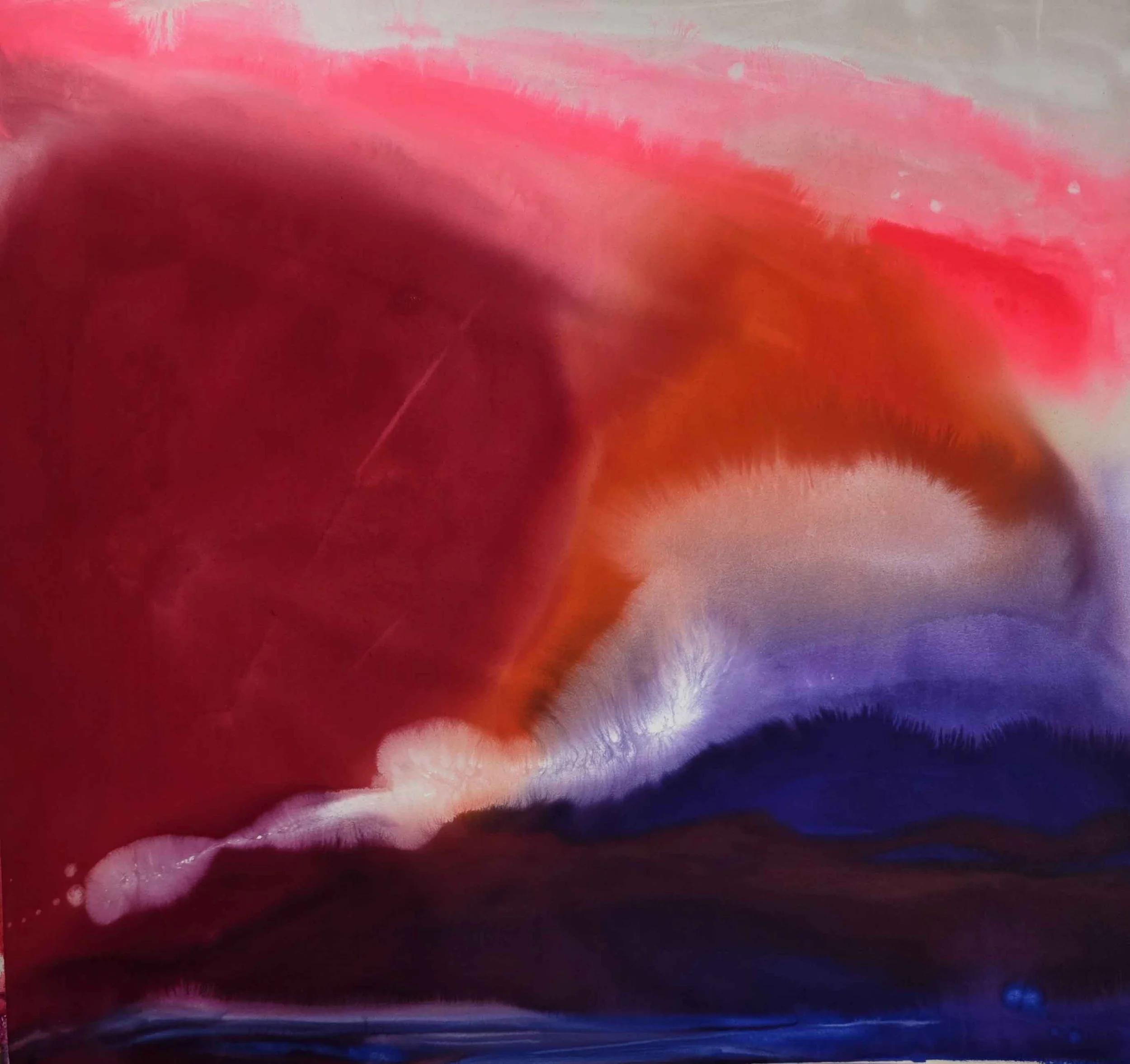
Beguiled, 2026, Acrylic stain on cotton canvas, 106.6 x 101.6 cm.
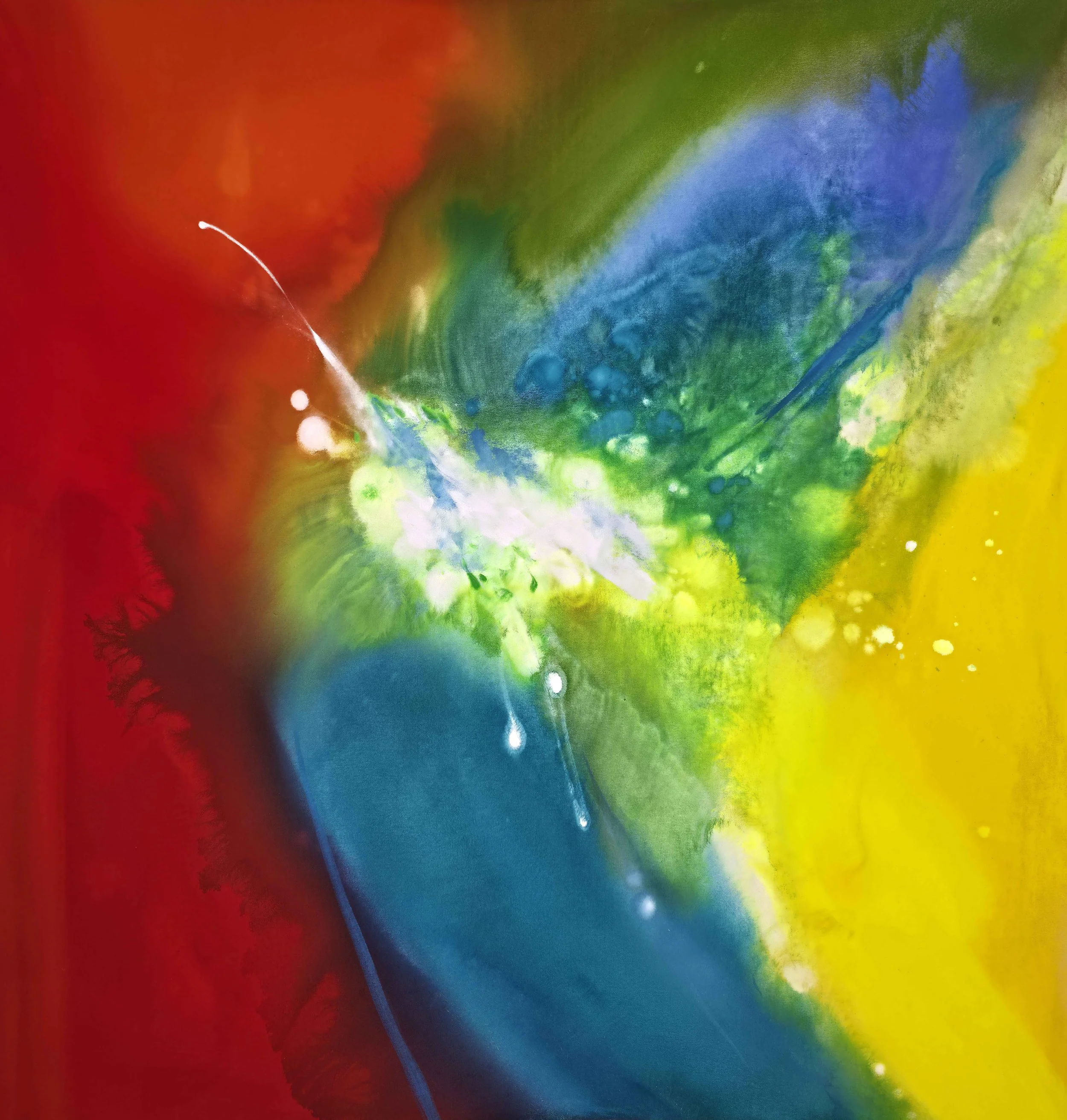
Spinning Jewels, 2026, Acrylic stain on cotton canvas, 106.68 x 106.68 cm.
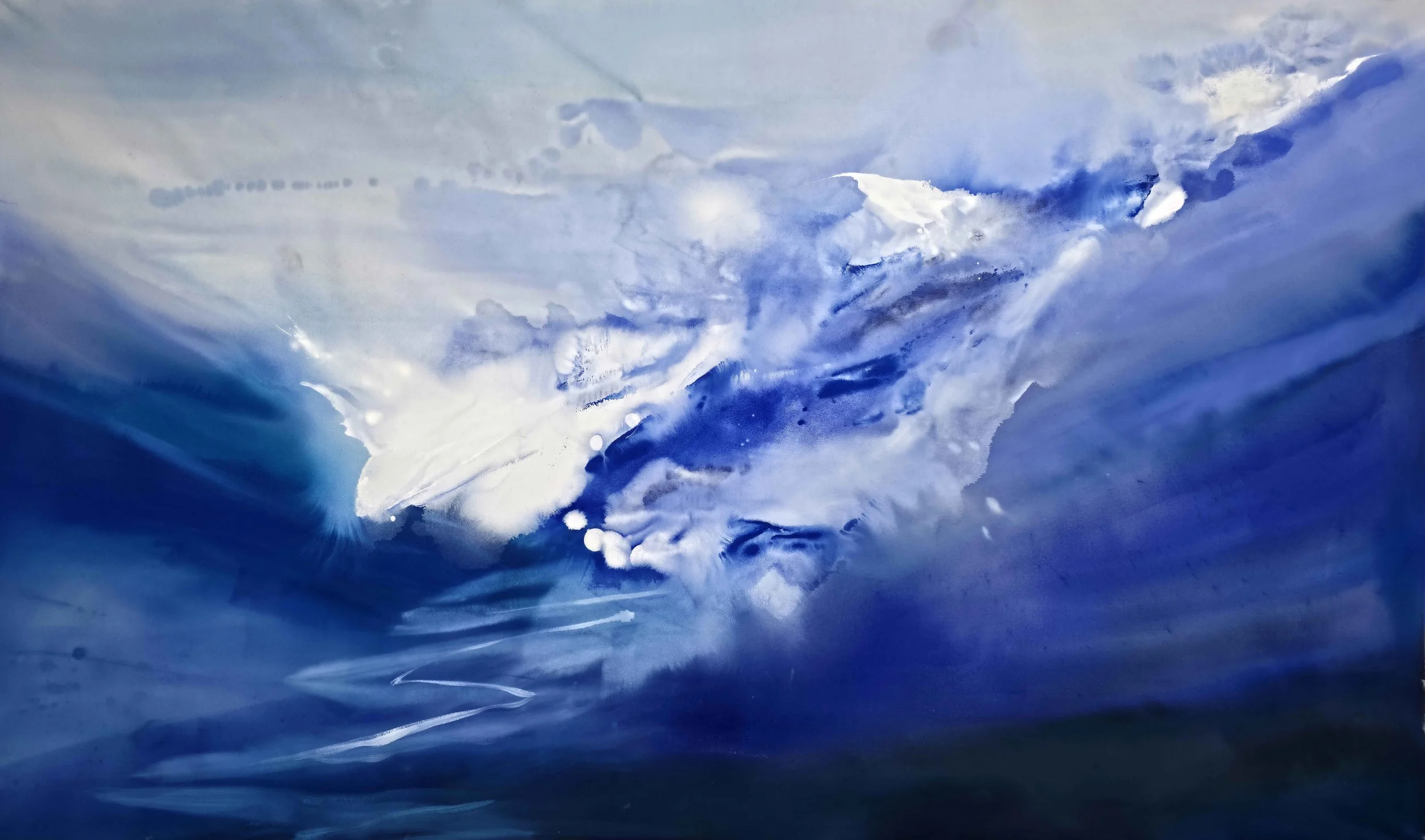
La Forza del Destino, Acrylic stain on cotton canvas,, 106.68 x 198.12 cm.
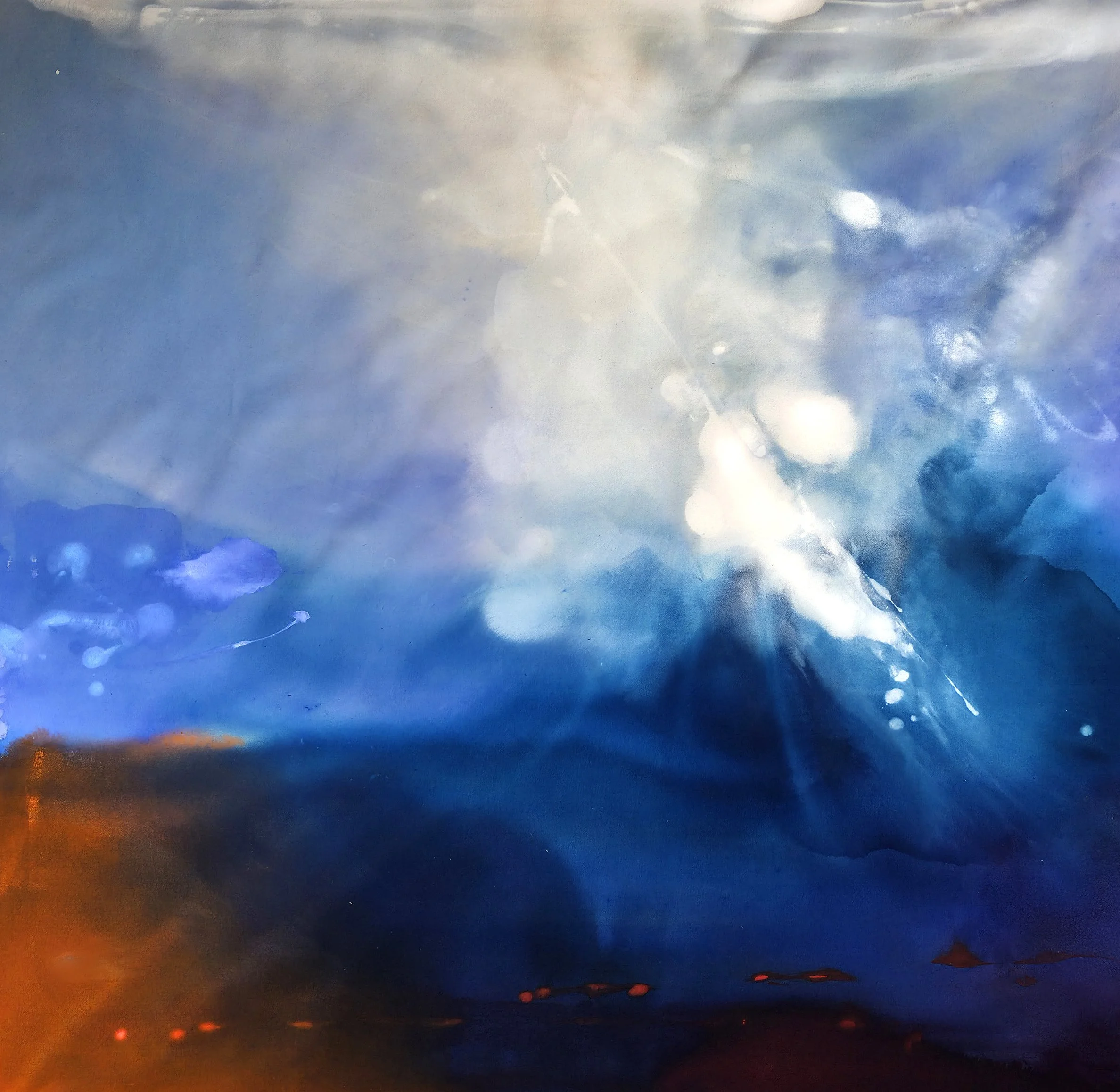
Restless Spirit, 2026, Acrylic stain on cotton canvas, 121.92 x 127 cm.
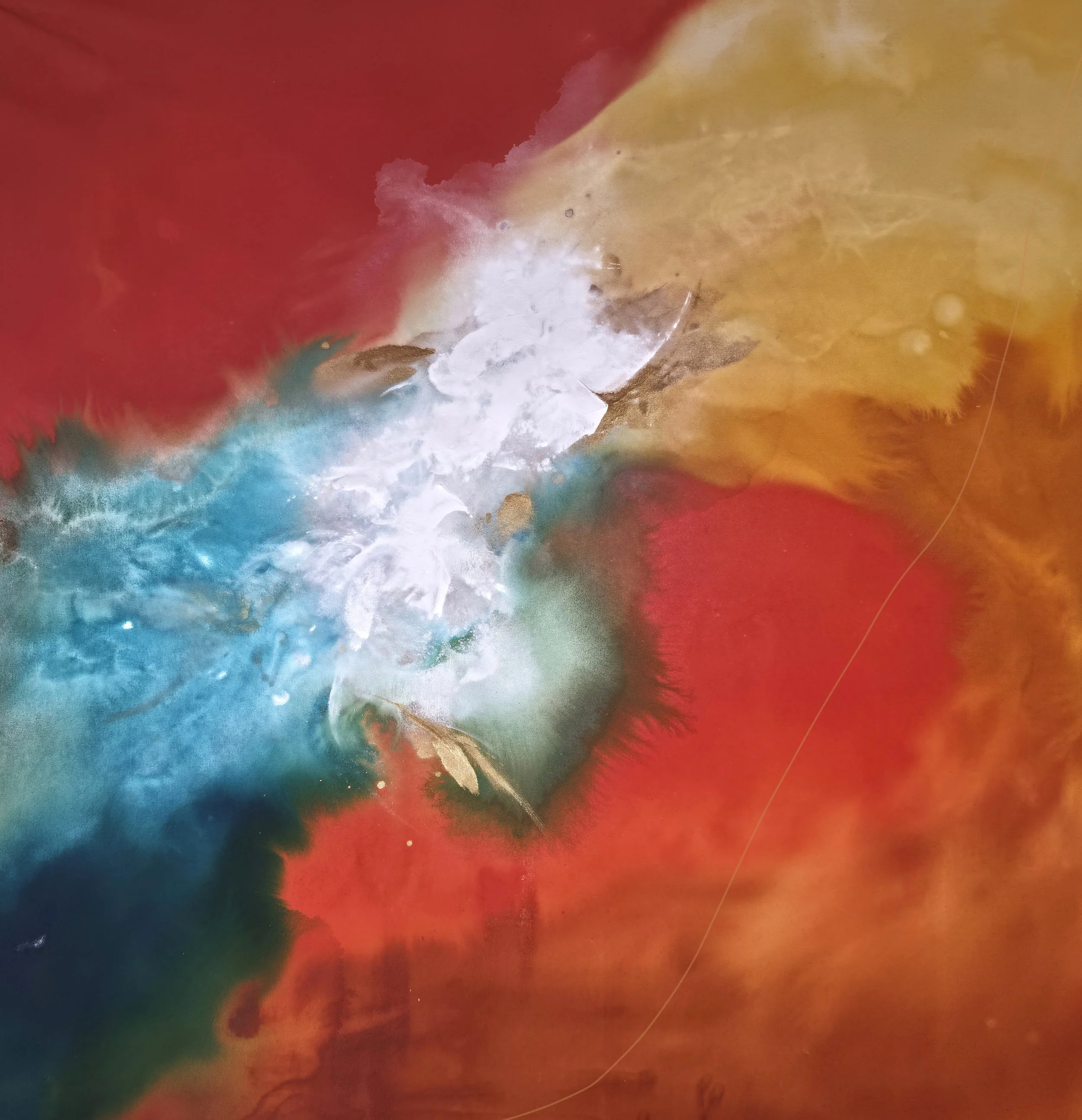
Enraptured, 2026, Acrylic stain on cotton canvas, 111.76 x 101.6 cm.
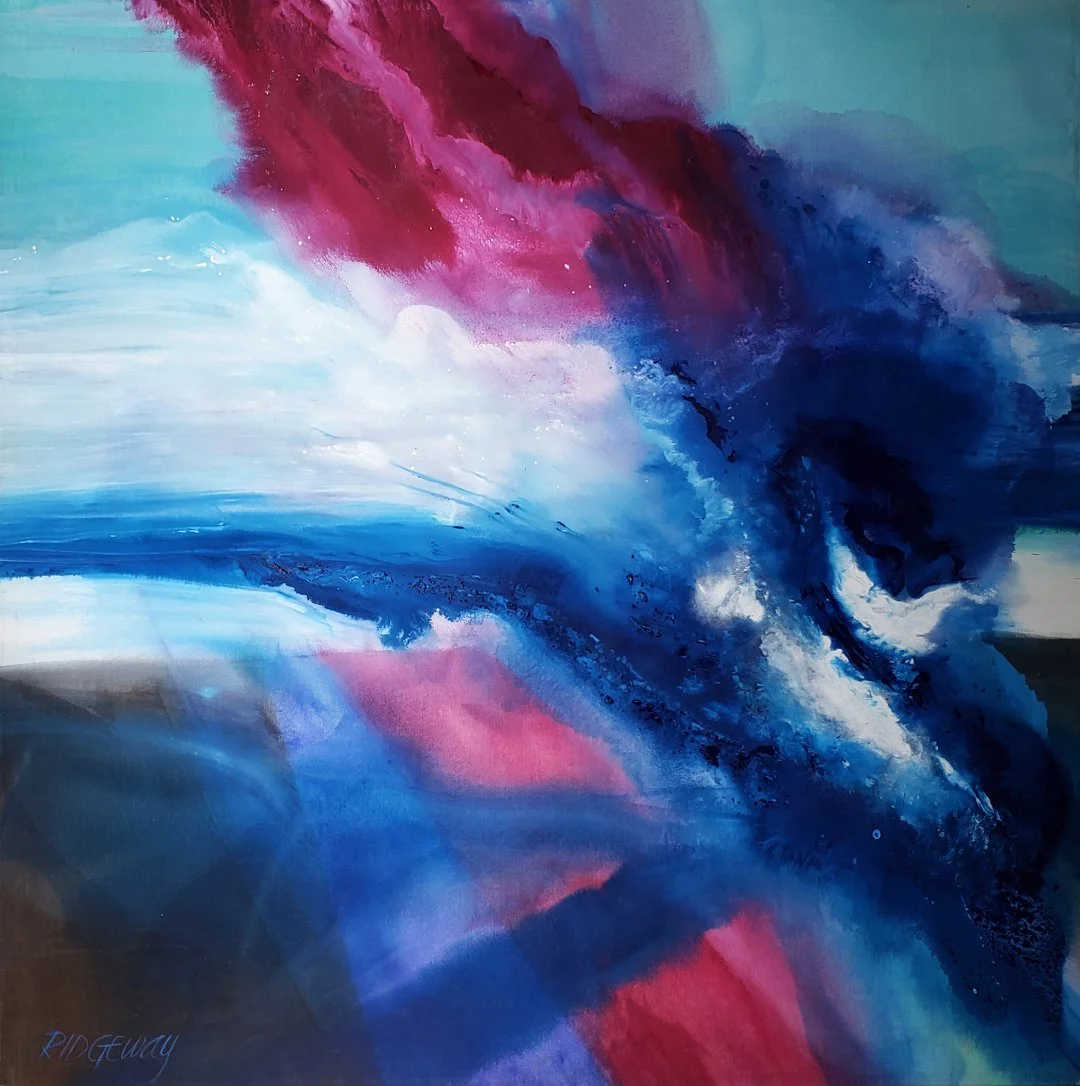
Blue Mood, 2000, Acrylic stain on cotton canvas, 162.56 x 162.56 cm.
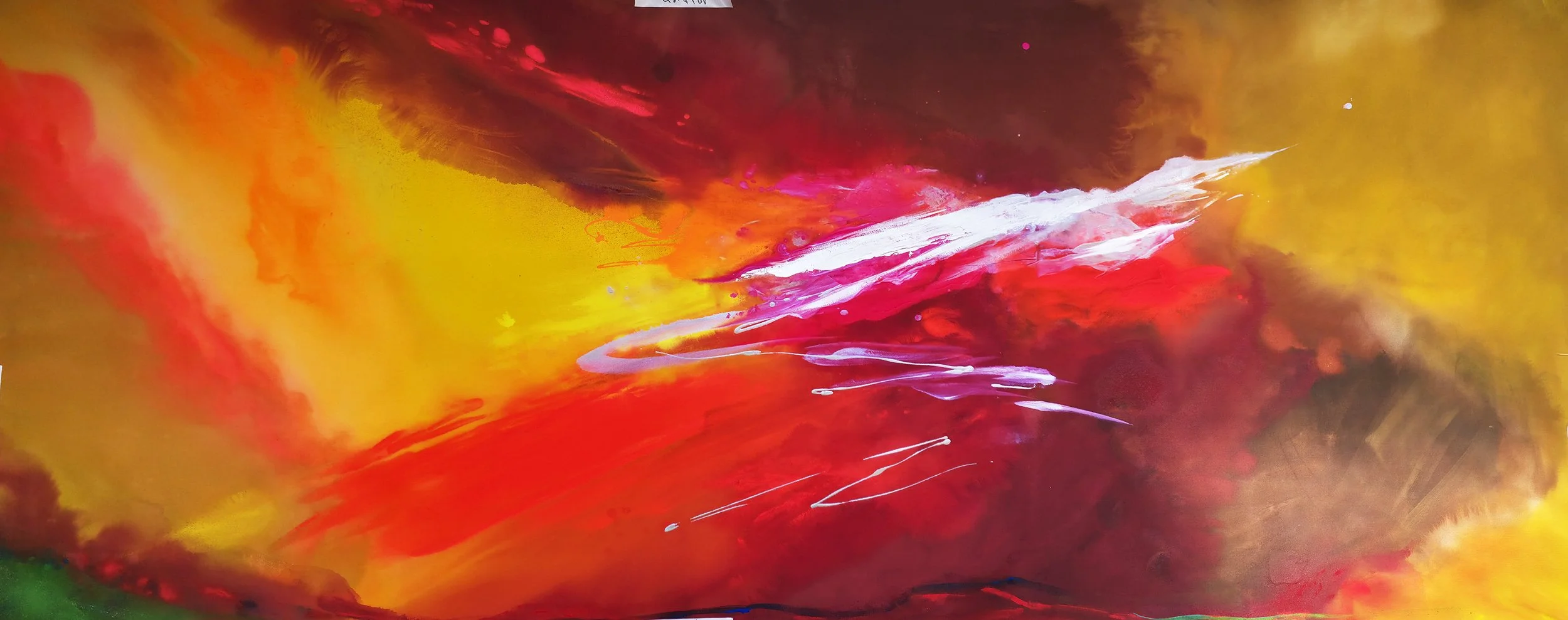
Genesis, 2026, Acrylic stain on cotton canvas, 106.68 x 274.32 cm.