Patricia Gagic

Biography
Patricia Karen Gagic is a Canadian artist whose five-decade practice has earned some of the most significant honors in the international art world. In 2018, she became the first female Canadian to receive the Gold Medal in Photography from France’s Salon National des Beaux-Arts, presented at the Carrousel du Louvre in Paris. She served as an Honorary Commissioner at the 2007 Venice Biennale, and her work has been exhibited internationally, including at the Grand Palais in Paris and on the NASDAQ screen in Times Square, New York.
She is a WXN (Women’s Executive Network) Hall of Fame inductee and Lifetime Achievement recipient, a multiple honoree of Canada’s Top 100 Most Powerful Women, and a Lifetime Achievement honoree of the Universal Women’s Network Women of Inspiration Awards. She holds the YMCA Peace Medal and medals from the Société Académique des Arts-Sciences-Lettres, Paris.
A published author, she founded The Karmic Framework - a methodology uniting ancient wisdom with contemporary creative and leadership practice - and is the creative force behind the Sparkmina Library, an extensive body of written, philosophical, and visual work. She is also a dedicated humanitarian: she led Project Cambodia, building a library, school, and orphanage near Angkor Wat, and co-founded the Colours of Freedom Foundation. Roman Catholic by birth and disciplined by Buddhist philosophy, she lives and works in Ancaster, Ontario.
For fifty years, her painting has returned to a single form - the lemniscate, the figure-eight, the point where a line passes through itself and is not severed by the passing. In mathematics, this self-intersection has a name: the crunode. It is the still center of her visual language, and she has come to regard it as the true shape of everything that matters.
We are taught to see the world as lines - this against that, self against other, cause severed from effect - but the line divides what is whole. Her paintings reach for the other shape: the torus and its cross-sectional lemniscate, a closed figure with no outside, where two things meet at a crossing and neither is destroyed.
This is not a metaphor imposed on the canvas; it is a structure she has watched recur at every scale - the same toroidal geometry that shapes the field around a magnet, the circulation of the heart, and the protective shield of a planet.
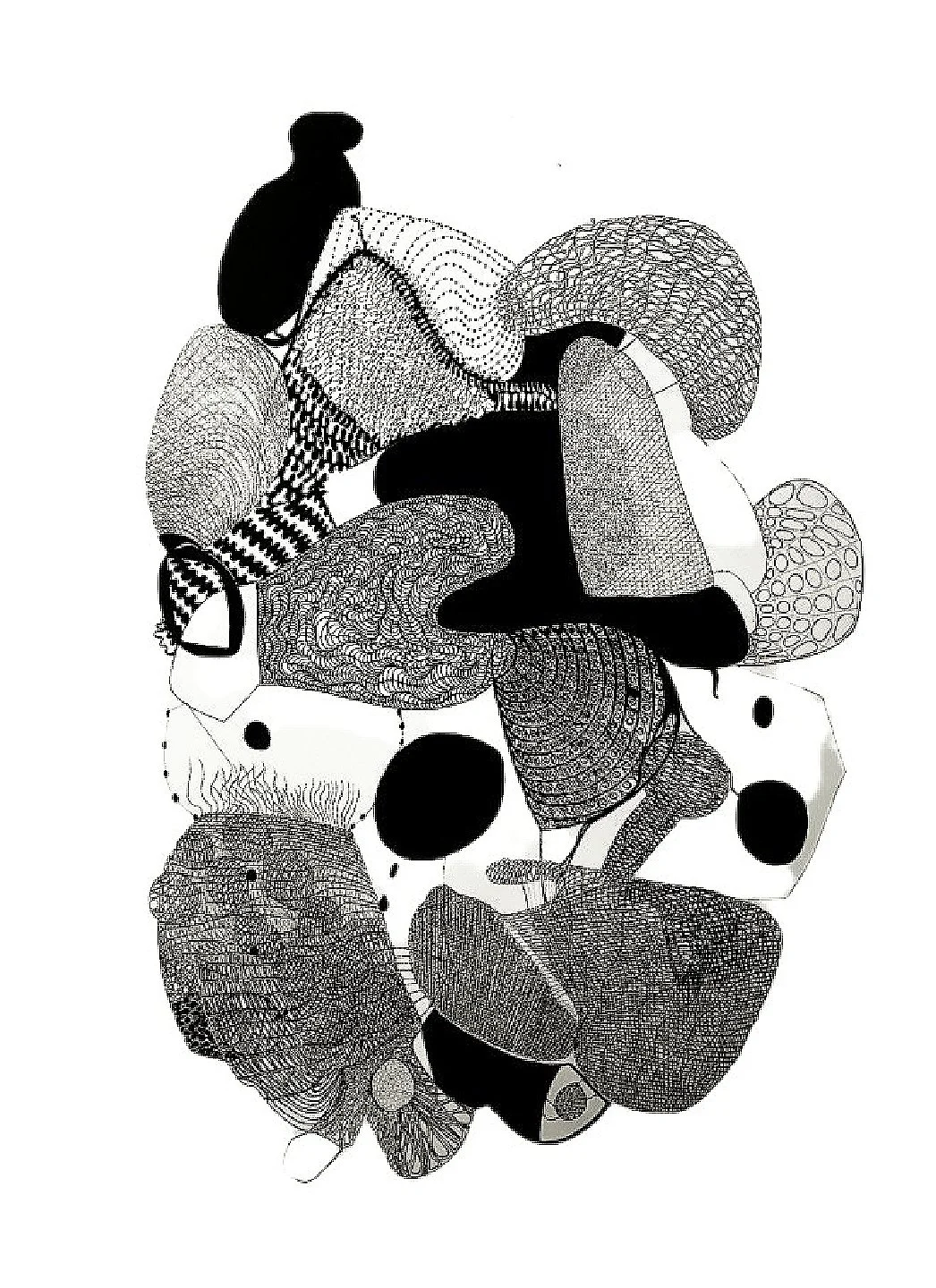
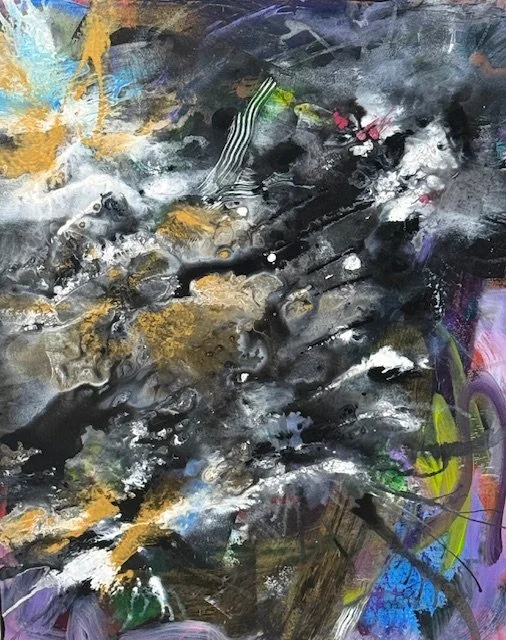
She works from a principle she calls Complex Simplicity: holding the full intricacy of a system while acting from a single, quiet center. A finished canvas may carry great density, yet it resolves into something a viewer apprehends in an instant, in the body, before the mind explains it.
This is where the mathematics becomes moral. If the true shape has no outside, then nothing - no person, no living thing, no consequence - can finally be cast away; it returns through the crossing. To be genuinely seen, at the crossing, by another is the most transforming act available to any of us.
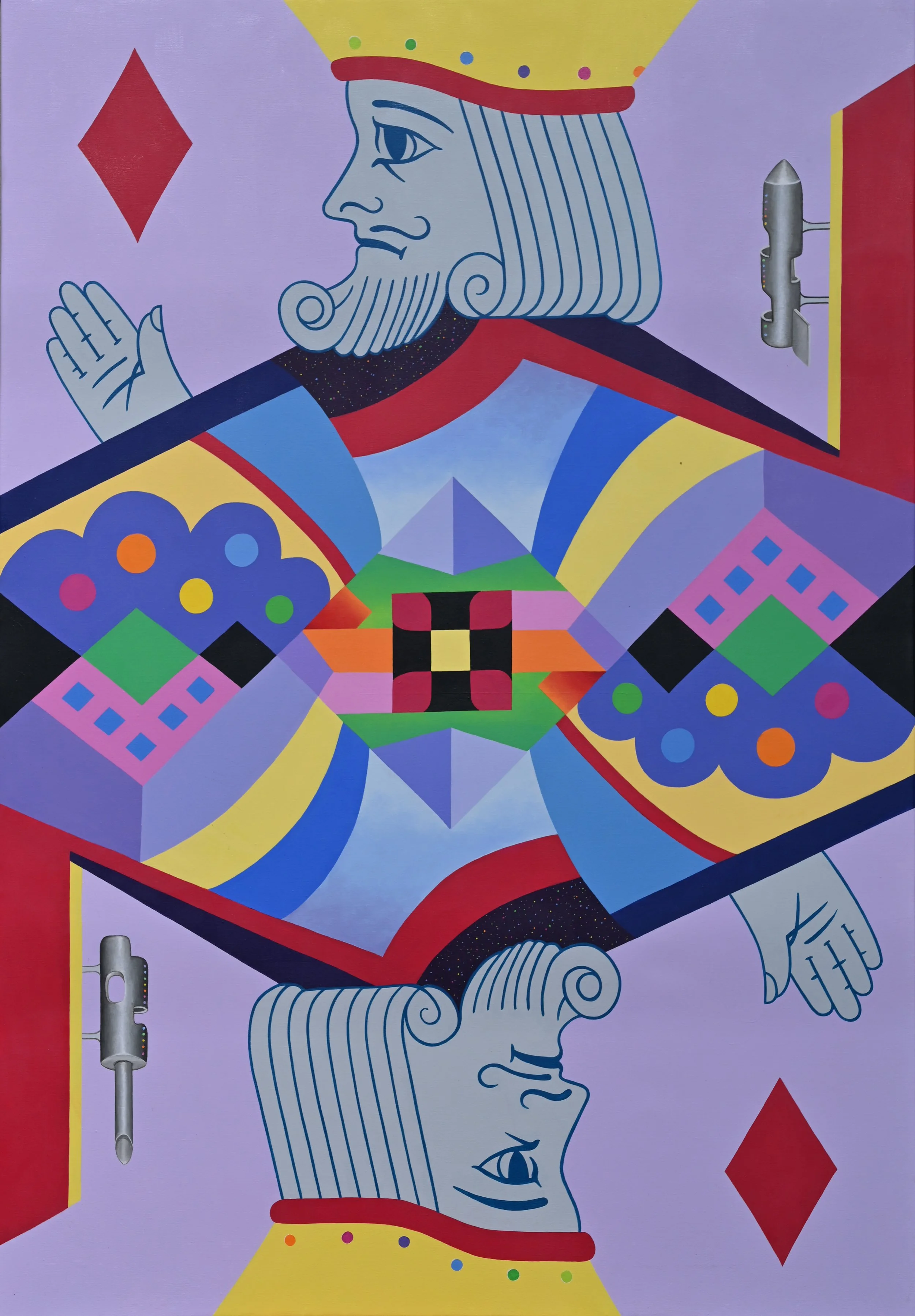
That is what she paints toward, one lemniscate at a time: the geometry of connection, made visible. Her current body of work, The Sincerely Series, carries this philosophy into a sequence of acrylic canvases completed in 2026.
Artist Statement
I paint the crossing. For fifty years, my work has returned to a single form - the lemniscate, the figure-eight, the point where a line passes through itself and is not severed by the passing. In mathematics, this self-intersection has a name: the crunode. It is the still center of my visual language, and I have come to believe it is the true shape of everything that matters.
We are taught to see the world as lines - this against that, self against other, cause severed from effect - but the line divides what is whole. My paintings reach for the other shape: the torus and its cross-sectional lemniscate, a closed figure with no outside, where two things meet at a crossing and neither is destroyed.
I work from a principle I call Complex Simplicity: holding the full intricacy of a system while acting from a single, quiet center. A finished canvas may carry great density - layered underpainting, mathematical structure, color tuned to specific frequency - yet it must resolve into something a viewer apprehends in an instant, in the body, before the mind explains it.
I am not decorating a surface; I am building a structure precise enough that a stranger can stand before it and feel, without being told, that they too are a figure that crosses and returns - connected to everything, separate from nothing.
This is where the mathematics becomes moral. If the true shape has no outside, then nothing - no person, no living thing, no consequence - can finally be cast away; it returns through the crossing. To paint that geometry honestly is to insist on it: that we are interdependent not by sentiment, but by structure.
That is what I am painting toward, one lemniscate at a time - the geometry of connection, made visible.
www.patriciakarengagic.com
https://instagram.com/patriciagagic
https://linkedin.com/in/patricia-gagic-594688/
facebook.com/PatriciaGagic
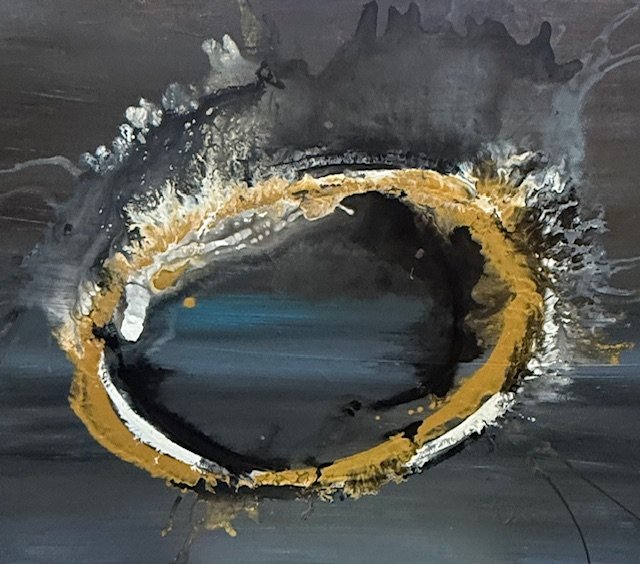
Sincerely 2026 Acrylic on canvas 61 x 61 cm
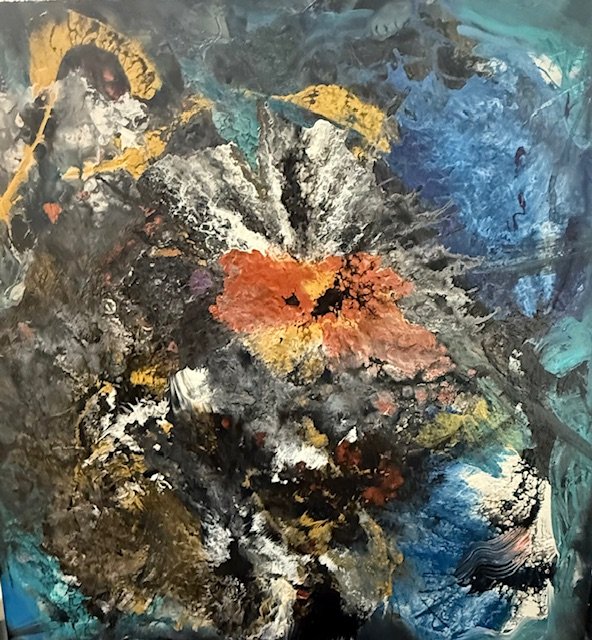
Prauscate 2026 Acrylic on canvas 61 x 61 cm
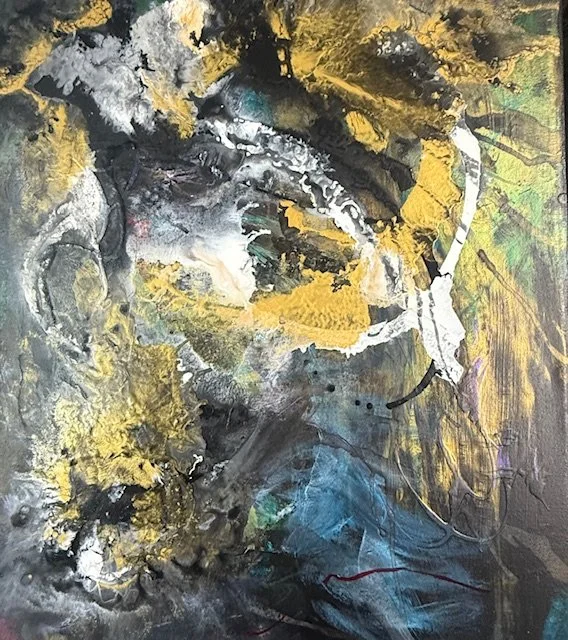
Approaching the Crossing 2026 Acrylic on canvas 61 x 61 cm
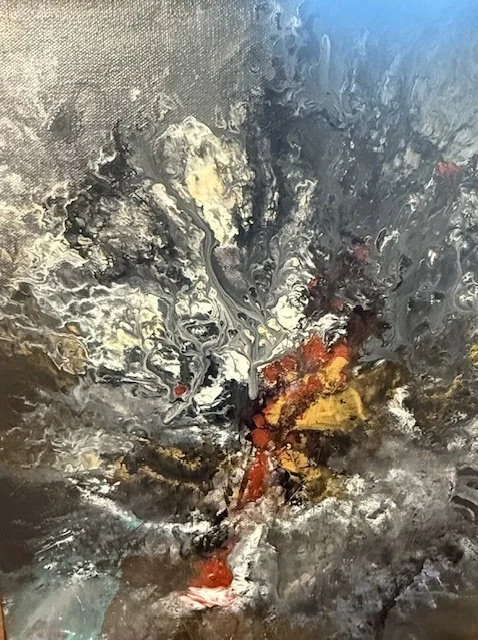
What Remained Hidden 2026 Acrylic on canvas 61 x 76 cm
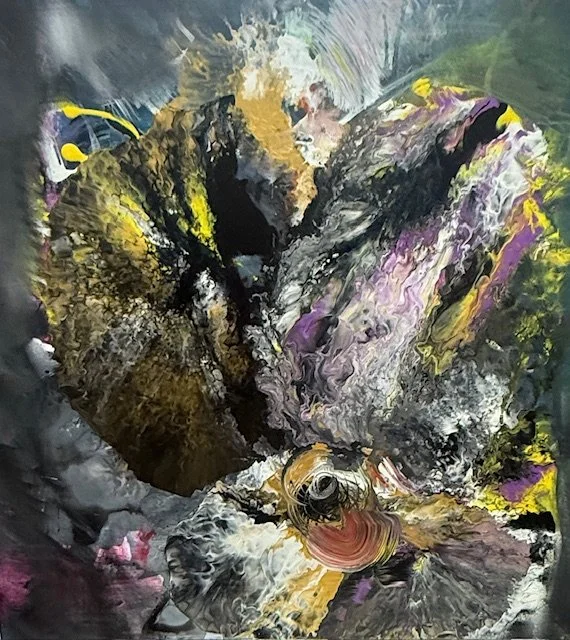
What We Carry 2026 Acrylic on canvas 91 x 71 cm
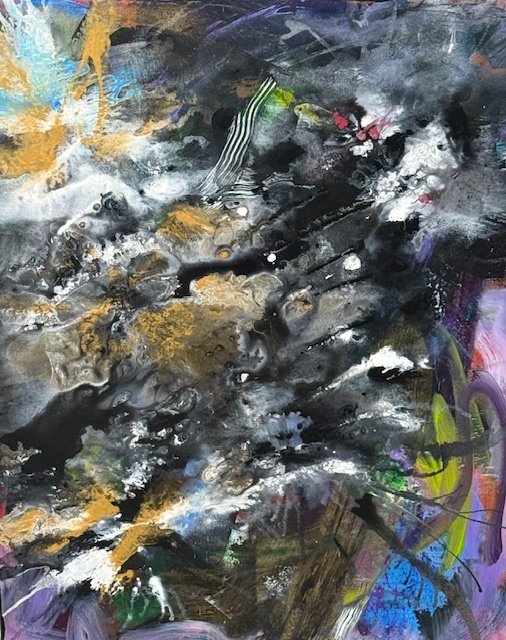
The Life We Build 2026 Acrylic on canvas 91 x 91cm
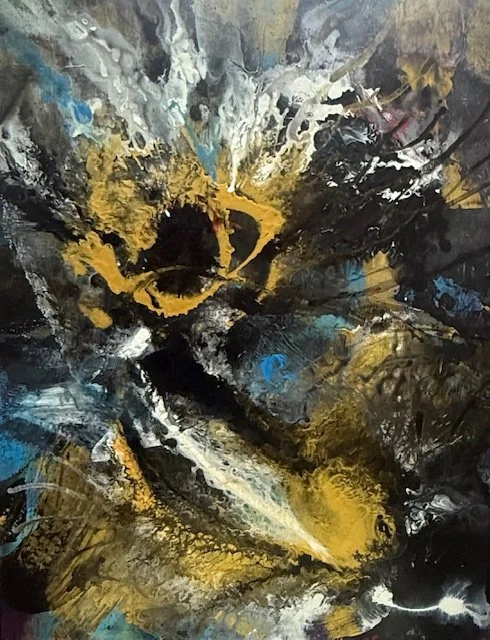
The Secret Carried 2026 Acrylic on canvas 91 x 71 cm
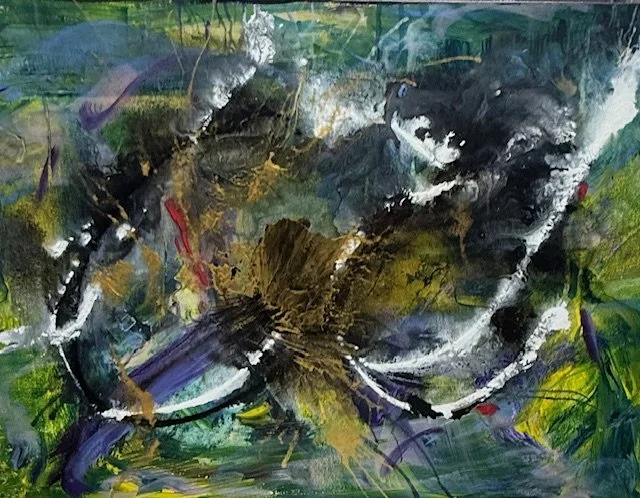
The Second Loop 2026 Acrylic on canvas 91 x 91 cm
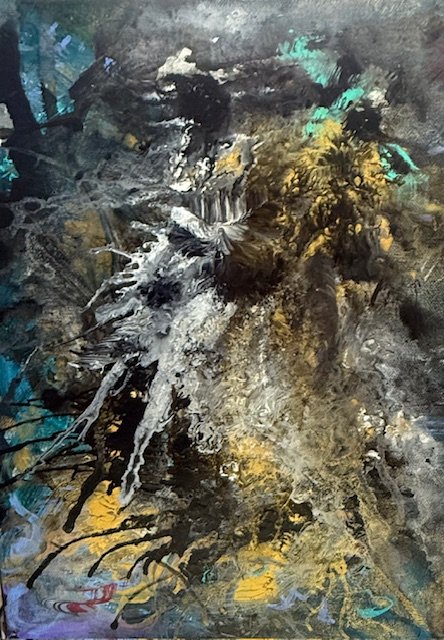
What We hold For Others 2026 Acrylic on canvas 91 x 91 cm
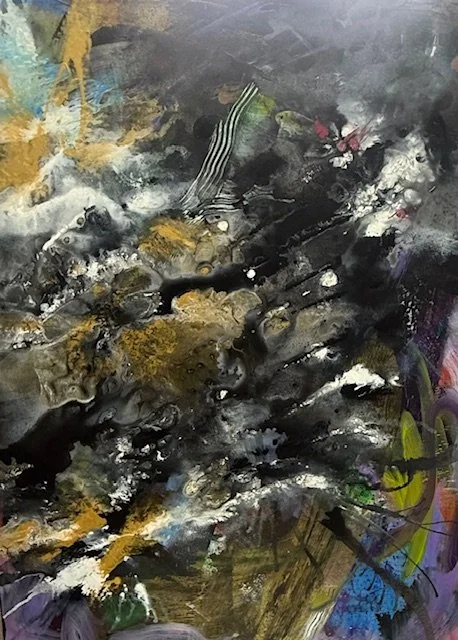
EightyThousand Witnesses 2026 Acrylic on canvas 122 x 122 cm