Interview with Rudik Petrosyan
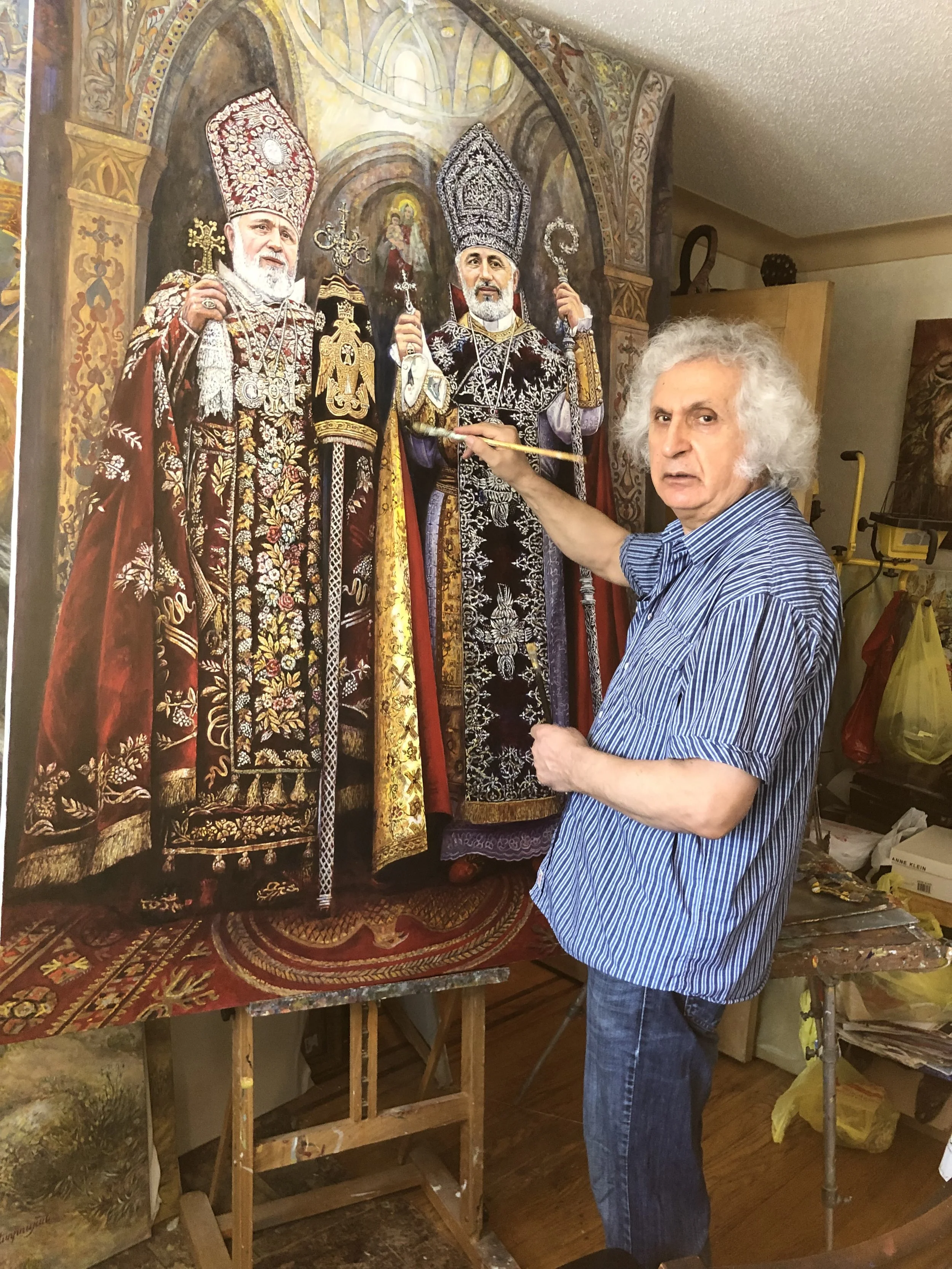
You have described artistic perfection as infinite and therefore permanently beyond reach. How does this belief shape the moment when you decide that a painting is complete?
Every time I set a new task before myself and after reaching it I see its continuation. After continuing, I immediately see the development again.
Sometimes the works require color resonance, contrast resonance or softening, but often the painting itself dictates its path to self-forgetful perfection. At the same time, it has happened that a newly started painting, to which I have devoted very little time, I have left it like that and considered it finished, because I did not want to lose the impression of that moment.
It is very easy to lose and ruin important, expressive moments of a painting with long-term work. In such a case, I transfer the breath of that sketch or etude to the final canvas, bringing freshness, lightness, immediacy, attractiveness to the painting.
The most important thing is that I get great spiritual satisfaction from this whole process, and I, and everyone, express that they do not get tired of looking and admiring. The whole process leads me to new discoveries, which are certainly limitless with God's blessing.
Your practice moves among luminous landscapes, still lifes, portraiture, and religious iconography. What underlying visual or philosophical principle connects these seemingly distinct bodies of work?
There is an understanding that it is not important what you paint, but how you paint it. My problem is how to achieve perfection.
In my opinion, still life is the genre where the artist has the most opportunity to achieve perfection. If you paint nature, the colors and light and shadow change every minute while painting, the same goes for portraits, when the person moves, creating difficulty. Mastering still life and then moving on to landscapes, both portraits and landscapes and compositions turn out better.
However, the issue of icons and religious paintings is completely different. A number of problems arise here. The most important thing is to have great responsibility. If you paint a portrait of a person, in case of failure, you are guilty and responsible for that person, and in case of failure of a religious painting, you are responsible both to the people and, most importantly, to the Creator.
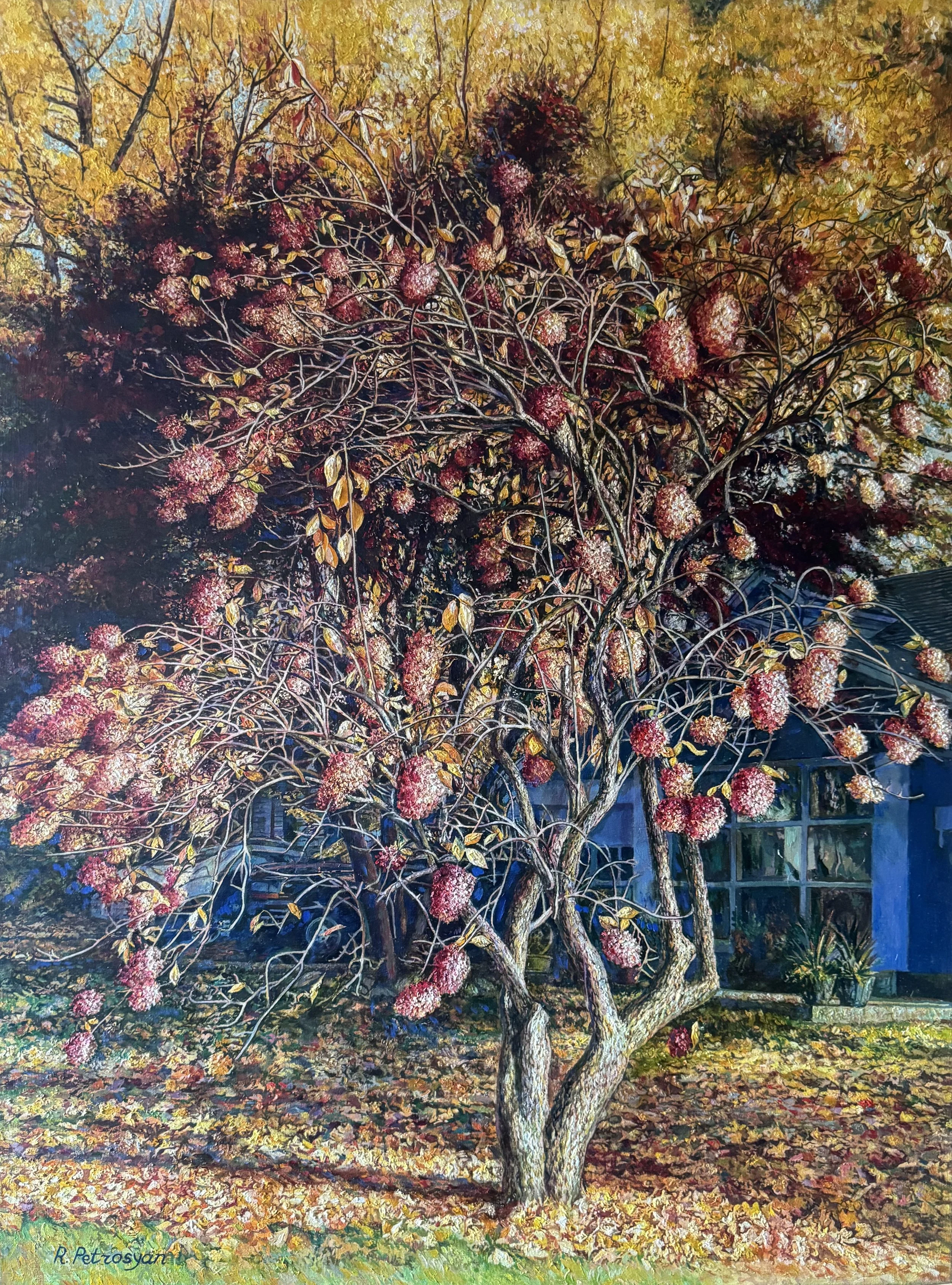
I remember once I painted a tree and my professor said that you painted a portrait of a tree.
Your artistic journey has taken you from Stepanakert and Yerevan to Lebanon and the United States. How have displacement, migration, and encounters with different cultures transformed your understanding of beauty, belonging, and place?
I was born in Nagorno-Karabakh, which I am very proud of, and I owe my success to both nature and my parents. My father and my ancestors were builders, they built churches, bridges, springs. Our house, which my father built in Stepanakert, was built with large marble stones up to three meters high, and it also has a fountain monument. It is the only one of its kind in Karabakh. The house is built with very strong and thick walls and is professional, resistant to all kinds of disasters.
That is where my approach to professionalism began, because now I see in many developed countries that a small wind blows a house into the air, a small fire burns not only the house but also the entire street or city. And for me, just like a house builder, a doctor, a shoemaker, and all specialists must be professional.
That is why I went from Stepanakert to Yerevan to enter college. In order to take the exam, you show your paintings and when they saw my paintings from 1965, they didn’t believe that I painted them, they said it was very professional, I said give me a piece of paper and a pencil and I will prove that I painted them. And in a few minutes they were convinced and the director and the lecturers said that I had been accepted.
After graduating from the institute, I had 120 students in Yerevan, one of whom was Lebanese. His father always talked about the beauty of Lebanon and compared it to Karabakh. Hearing that, I set a goal to definitely go and see Lebanon and gradually I became convinced that there are many similarities, having stone houses, but with a different nature. My series of religious paintings also began in Lebanon, which brought me closer to God and gave me a new lease of life in my work.
Before that, I also used all the opportunities and invitations to travel to different countries like Germany, Poland, and Japan. After seeing each new country and culture, all of that influenced my painting, developing and perfecting it. However, in all of that, I always preserve the Armenian, not forgetting the strong walls of my homeland.
Coming to New York, I felt that it really differs from the rest of the world with its great competition. The nature of New Jersey also had a great influence on me with its beauty. Seeing my paintings, the people of New Jersey are surprised that their nature is so beautiful and admire it.
Color appears to function as more than a descriptive element in your paintings. How have your studies of optical and color theory influenced the emotional, symbolic, and spiritual dimensions of your palette?
Traveling and exploring the world, seeing the freedom, courage, and richness of cultures of people certainly had a great influence on my palette, conveying all those feelings in my works.
Between 2001 and 2009, you created monumental paintings and icons for Christian churches in Lebanon. How did working within sacred architecture affect your approach to scale, symbolism, composition, and the relationship between an image and its community?
Back in 1976, I was introduced to the Catholicos of All Armenians Vazgen I of Blessed Memory as a professional artist. When he saw my paintings, he said that I should paint paintings on religious themes and he would pay for them, buy them. Yes, I was a professional, but I was not psychologically ready for that great responsibility, but from that day on I began to prepare.
And when I was in Lebanon in 1997, since I had gained quite a reputation after the 1994 exhibition, the Catholicos of All Armenians of the Diocese of Cilicia Aram I ordered me church paintings, and I also repaired and restored icons and paintings that had been damaged due to the war. The paintings were highly appreciated by both Armenian and Arab Greek Christians.
I not only repaired many Greek icons, but also saved them, because they were so damaged that they were simply falling apart like sand. I also painted paintings for Catholic churches.
This influenced my later work, and in my studio, my guardian angel Nina and I began to voice the phrase "The breath of God entered" into icons or other paintings. I also continued this religious series for many churches in the United States.
Your education in Yerevan and early participation in exhibitions across the Soviet Union provided a rigorous academic foundation. Which aspects of that training remain central to your practice, and which conventions have you deliberately challenged or left behind?
Studying the entire history of art, how it developed from the cave to our days, feeling that every day new things are introduced into art, but one very important thing is ignored: professionalism, carelessness towards eternity. That is why I have challenged everything that is not professional and that is not Divine.
You have spoken of searching for an "untouched land of simplicity and beauty," yet your life and career have unfolded across regions marked by political, cultural, and historical complexity. How does this tension enter your landscapes and imagined spaces?
From a young age, listening to the radio news, I was always saddened by the wars in the world and wondered if there was a more peaceful way to solve problems. That mindset has followed me throughout my life and in my art.
Having traveled almost the entire world, I have always searched and seen beauty and have conveyed that to my paintings, through which I convey peace to humanity. One of my goals is also for my paintings to have a calming and healing effect.
Your portraits range from ecclesiastical figures to individuals encountered through commissions and personal relationships. What do you seek to reveal about a sitter beyond physical resemblance, and how do color and gesture contribute to that revelation?
In my portraits, besides external resemblance, the most important thing for me has been and is the inner world of a person, the inner richness, the respect for man as a creation created by God.
When God created the universe and the sun and the earth with all living things, the most sacred and important thing was Man. Taking that responsibility towards God, I approach portraying portraits of people with that seriousness, using all my ability and knowledge.
Your work has entered museum and private collections across many countries and has received extensive international recognition. How do you preserve a sense of experimentation and personal necessity amid such a long history of public achievement?
I maintain it by remaining true to my principles, which are also the Divine path of light and truth, and I always feel God's presence in my life.
After more than five decades of painting, exhibiting, teaching, and creating sacred works, what questions remain unresolved in your practice, and which artistic directions do you feel most compelled to pursue now?
Just as AI intelligence develops and events happen faster and faster, I am always in that development and every day I struggle between the canvas and the colors, the lines, and sometimes I convince them, sometimes they convince me.
When I feel peace, then I understand that the painting can be considered finished. I always try to connect the course of the past to the future, to eternity.
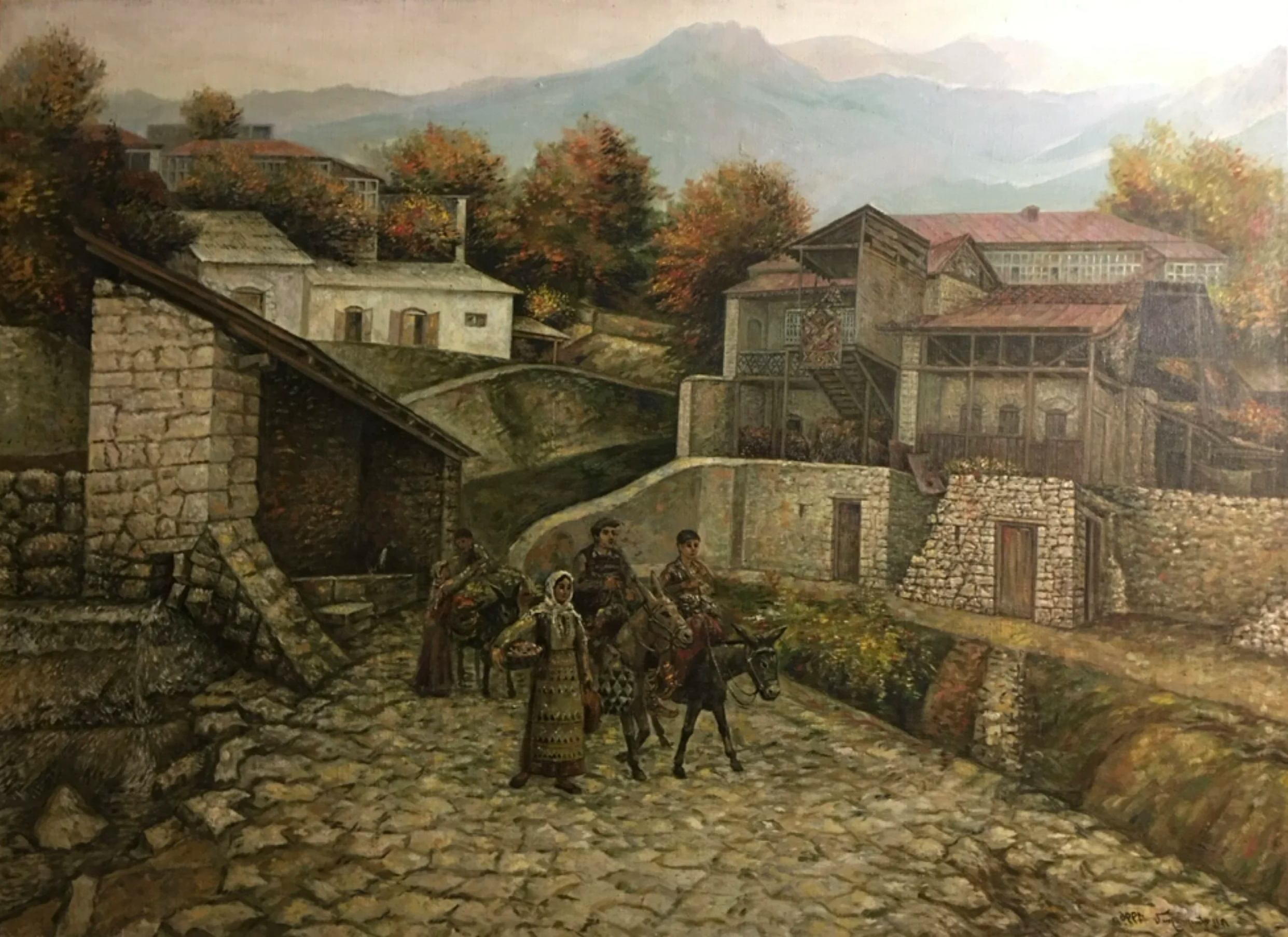
Artsakh. Mets Tagher village
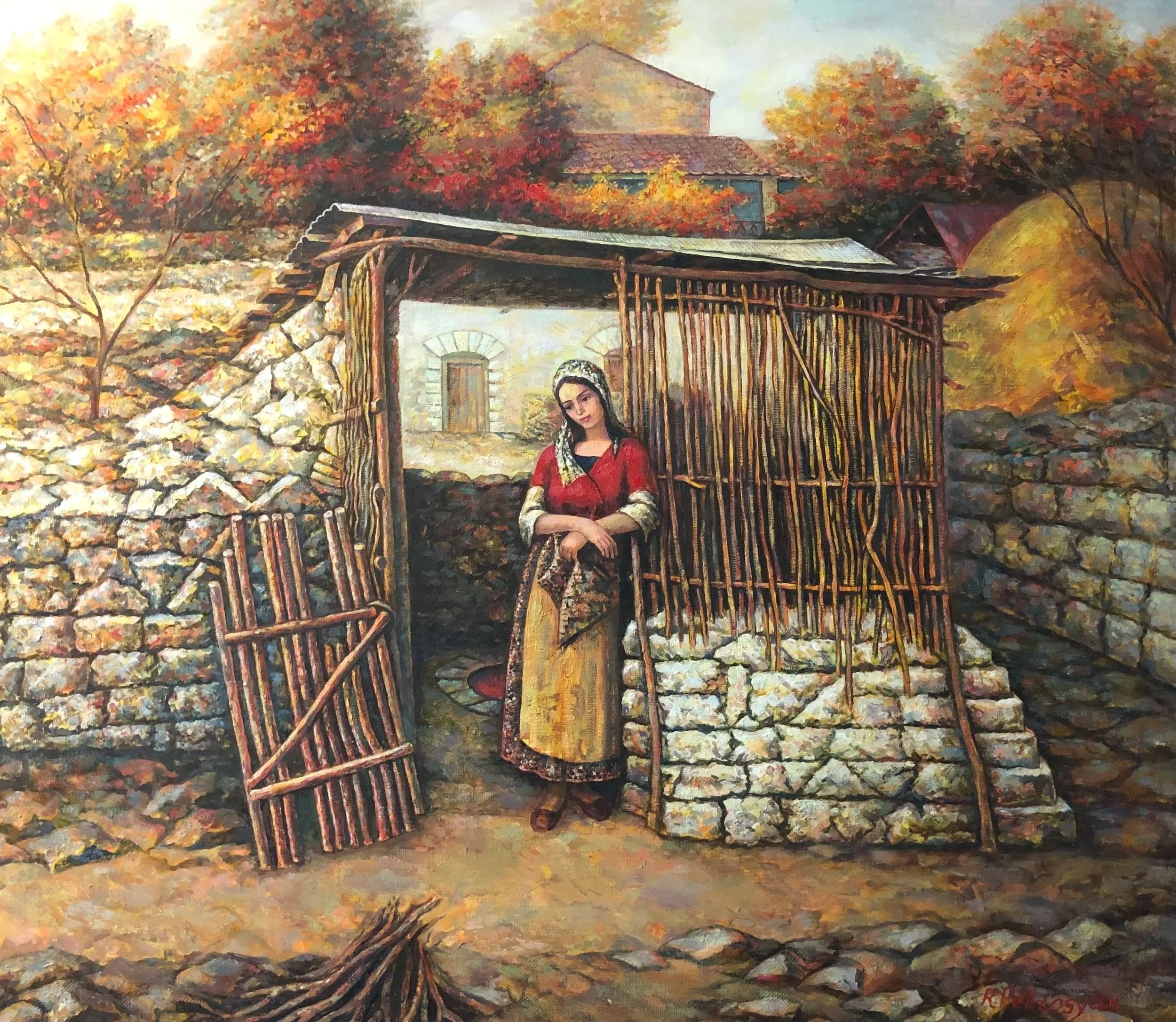
Artsakh. Tonratun 2
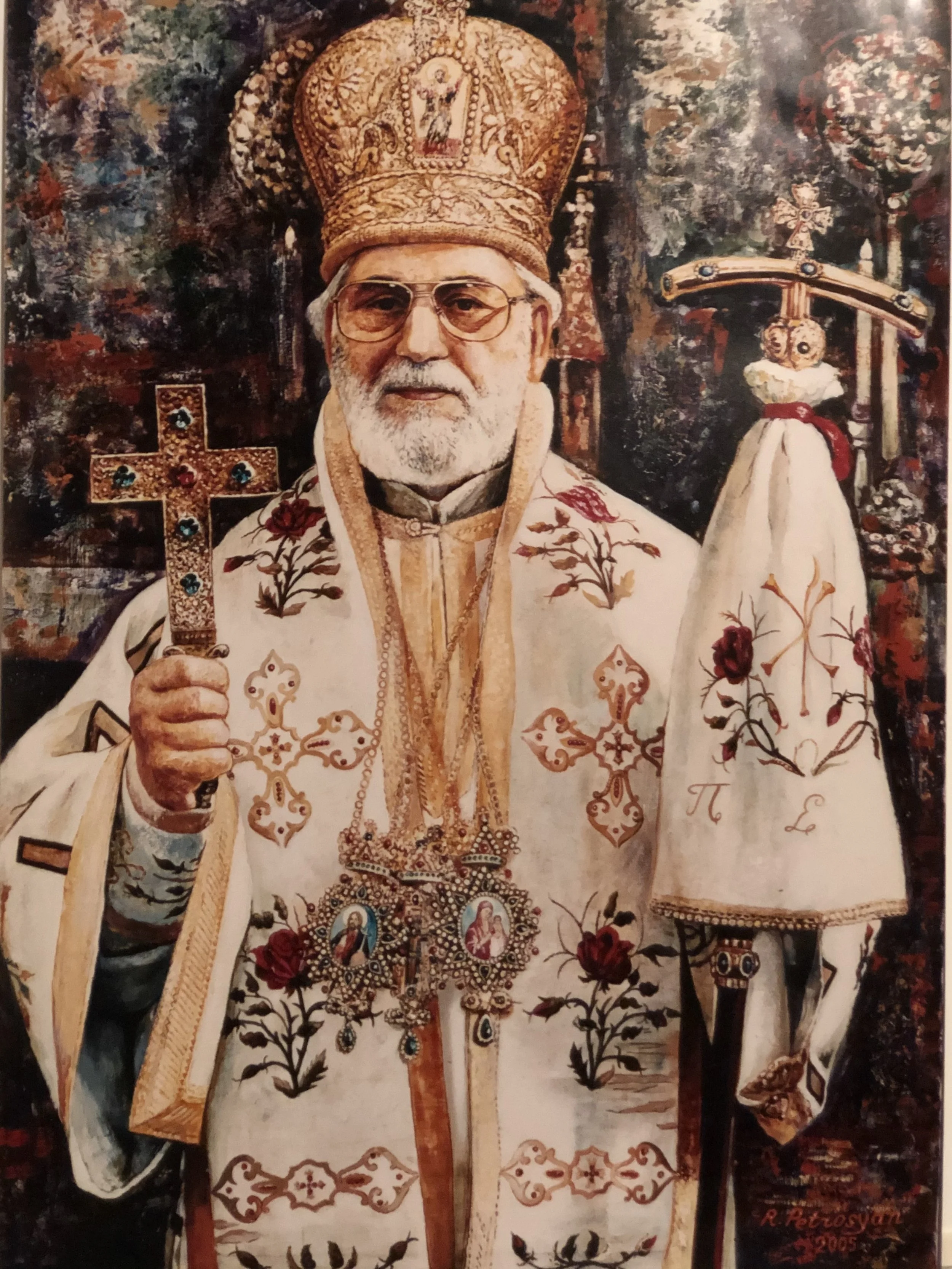
Greek Patriarch Ignatius lV
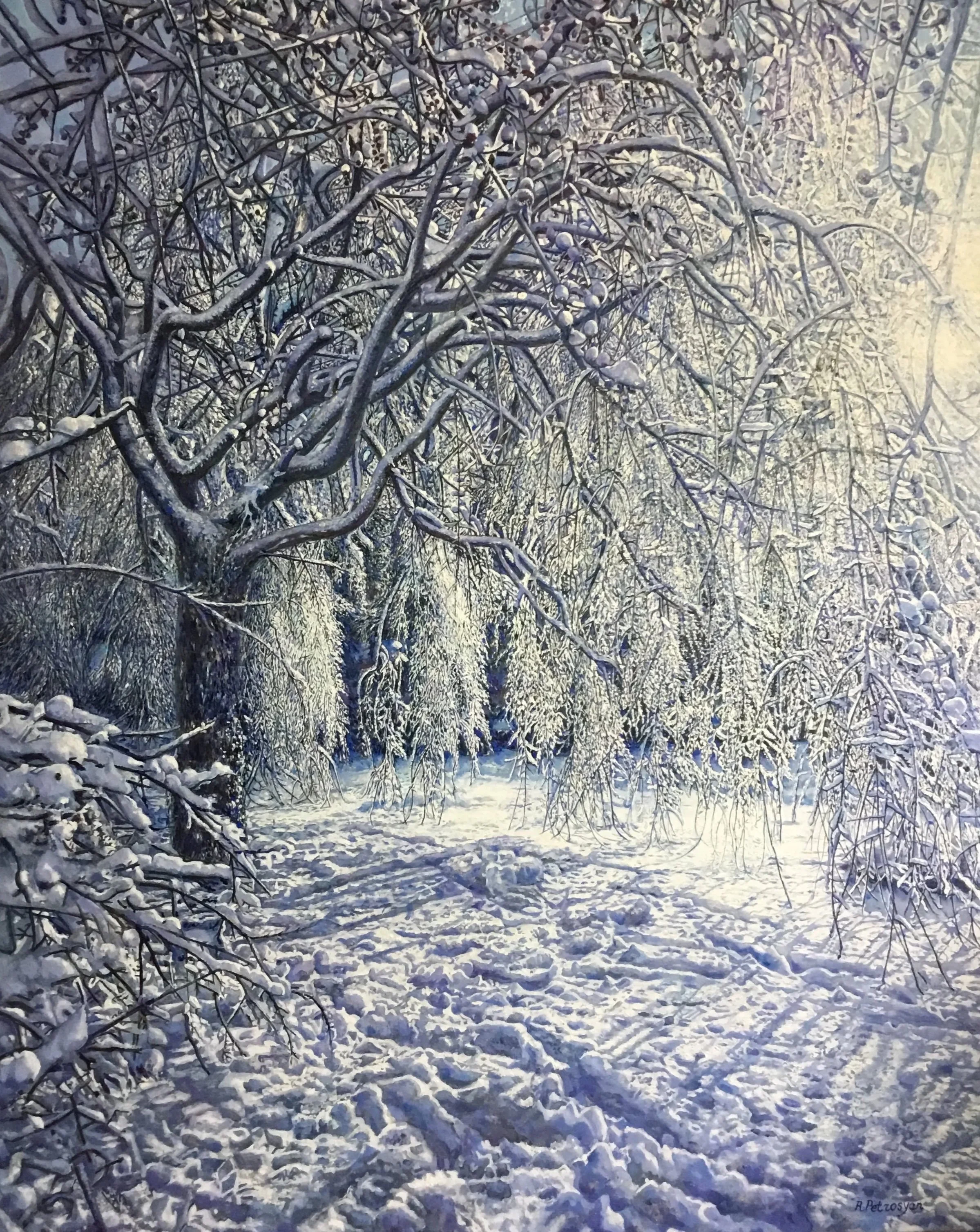
Light attraction
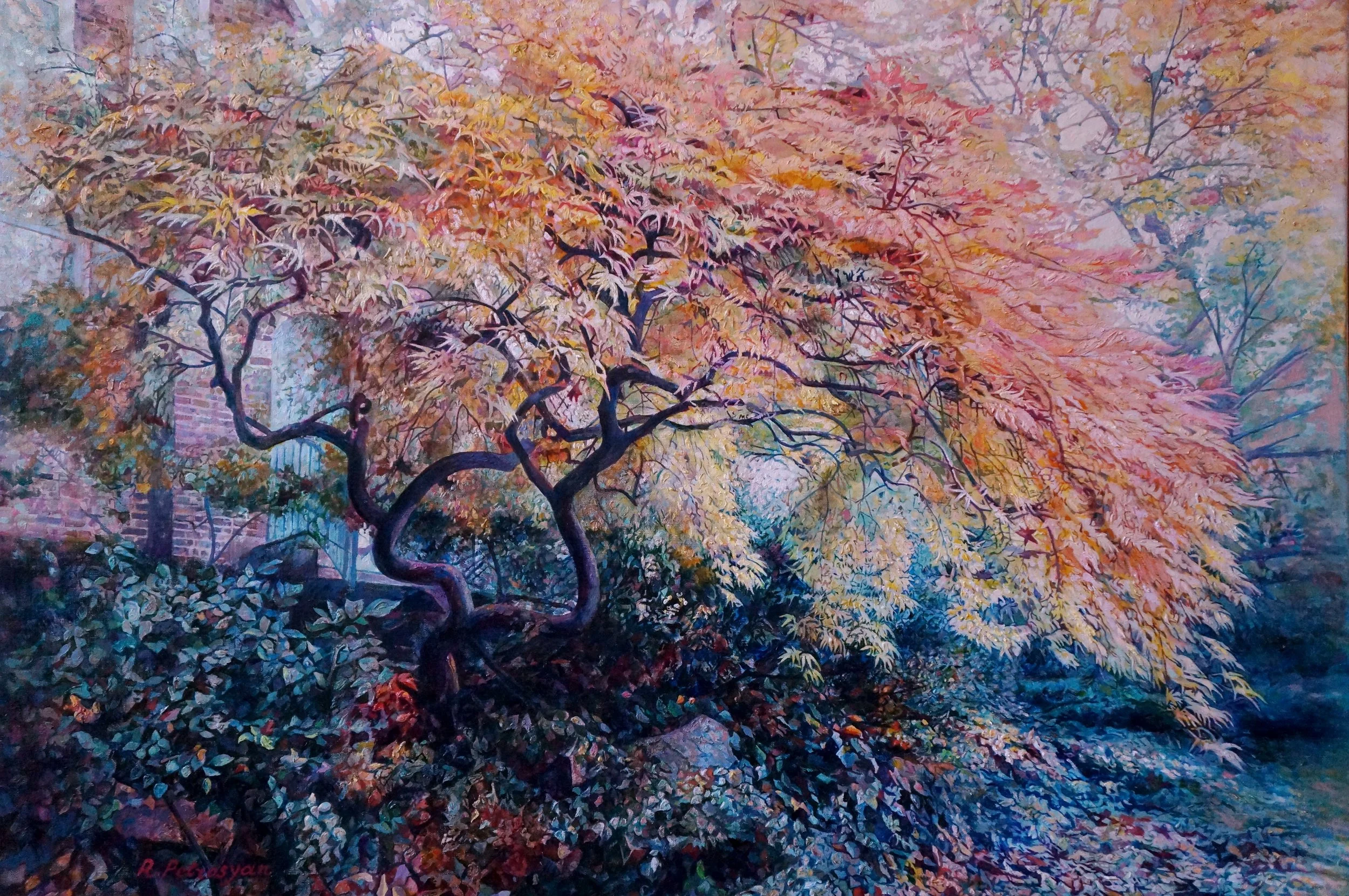
Melody
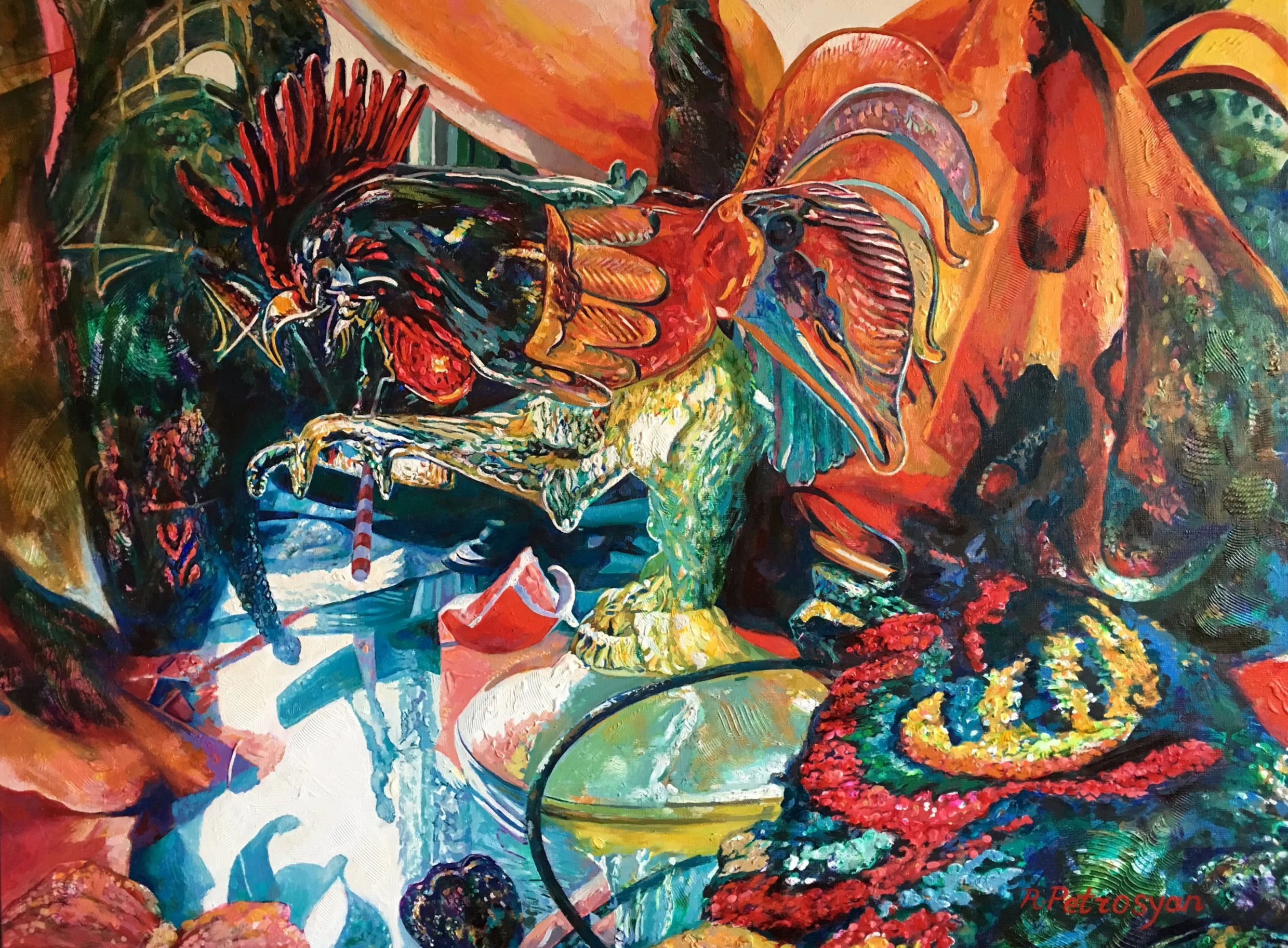
Phoenix
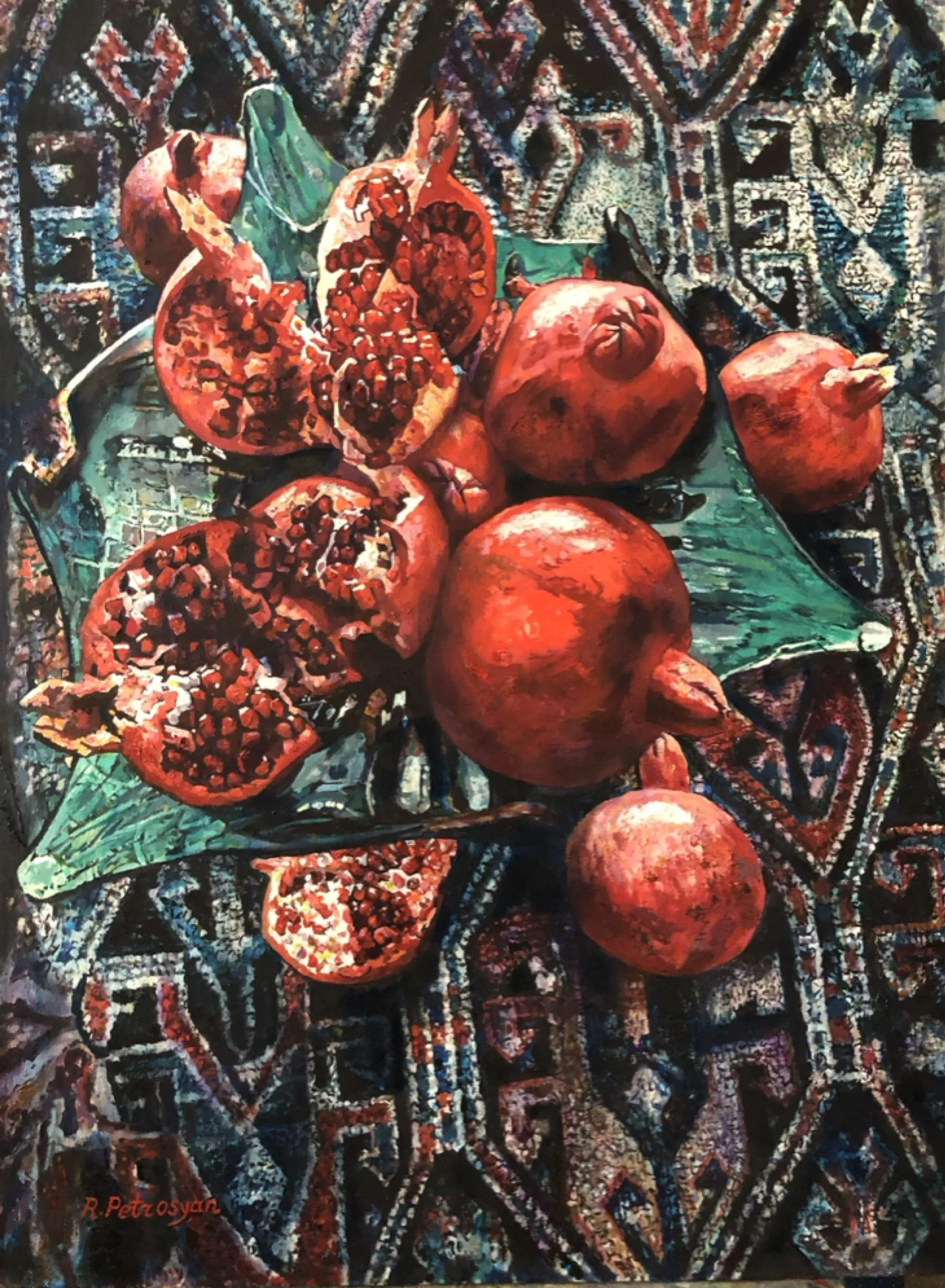
Pomegranates on carpet
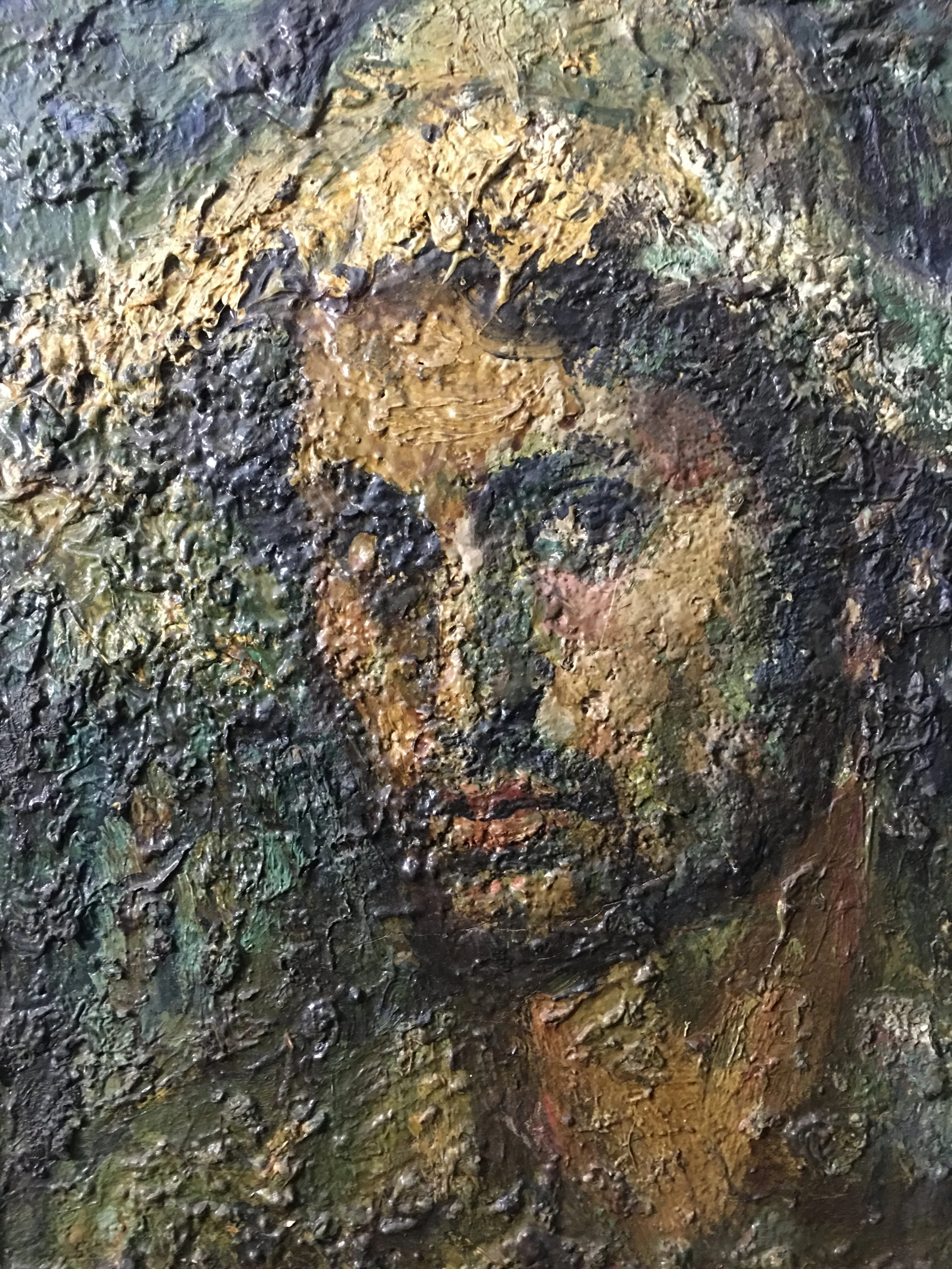
Self portrait
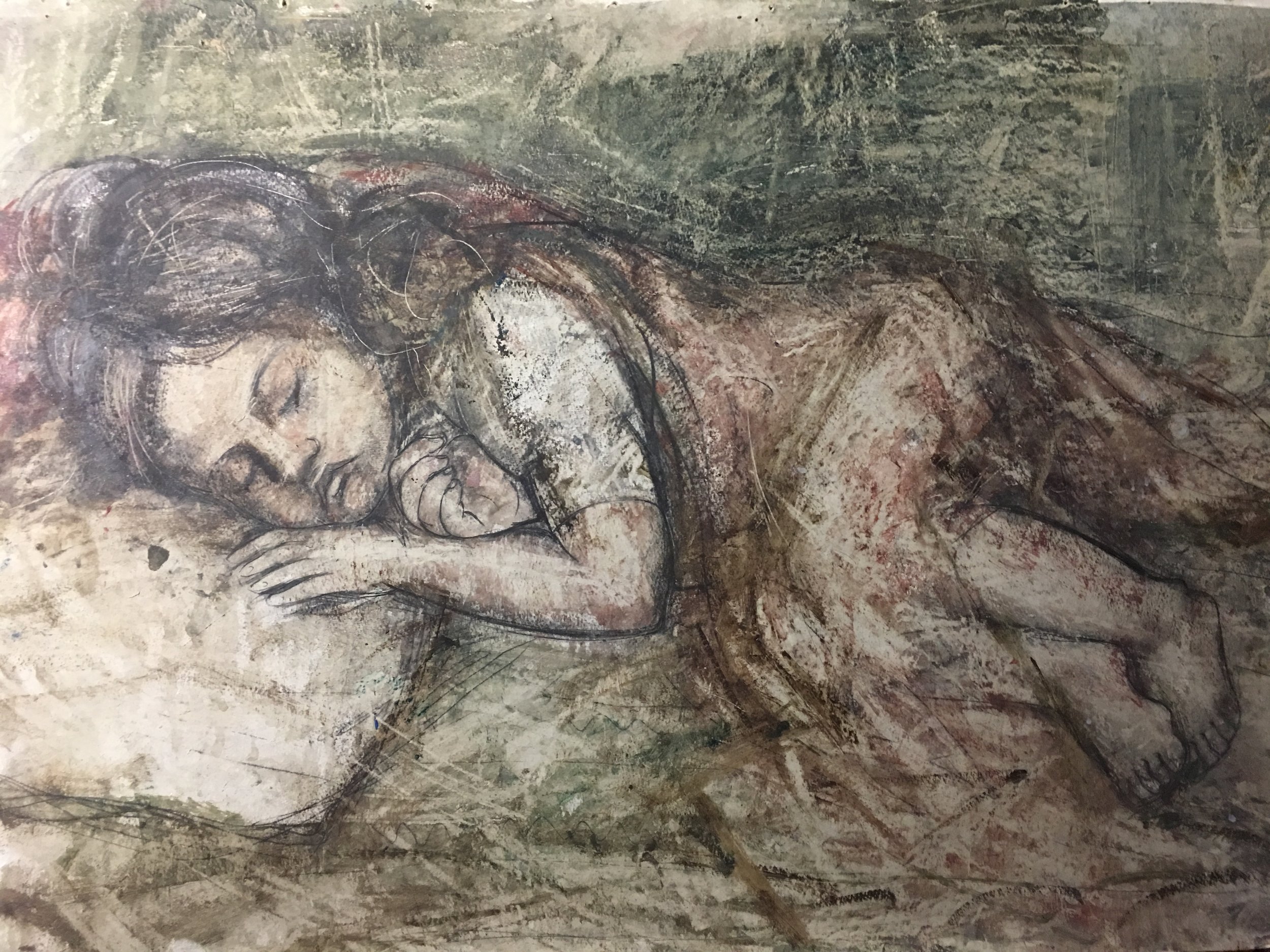
Sleeping girl
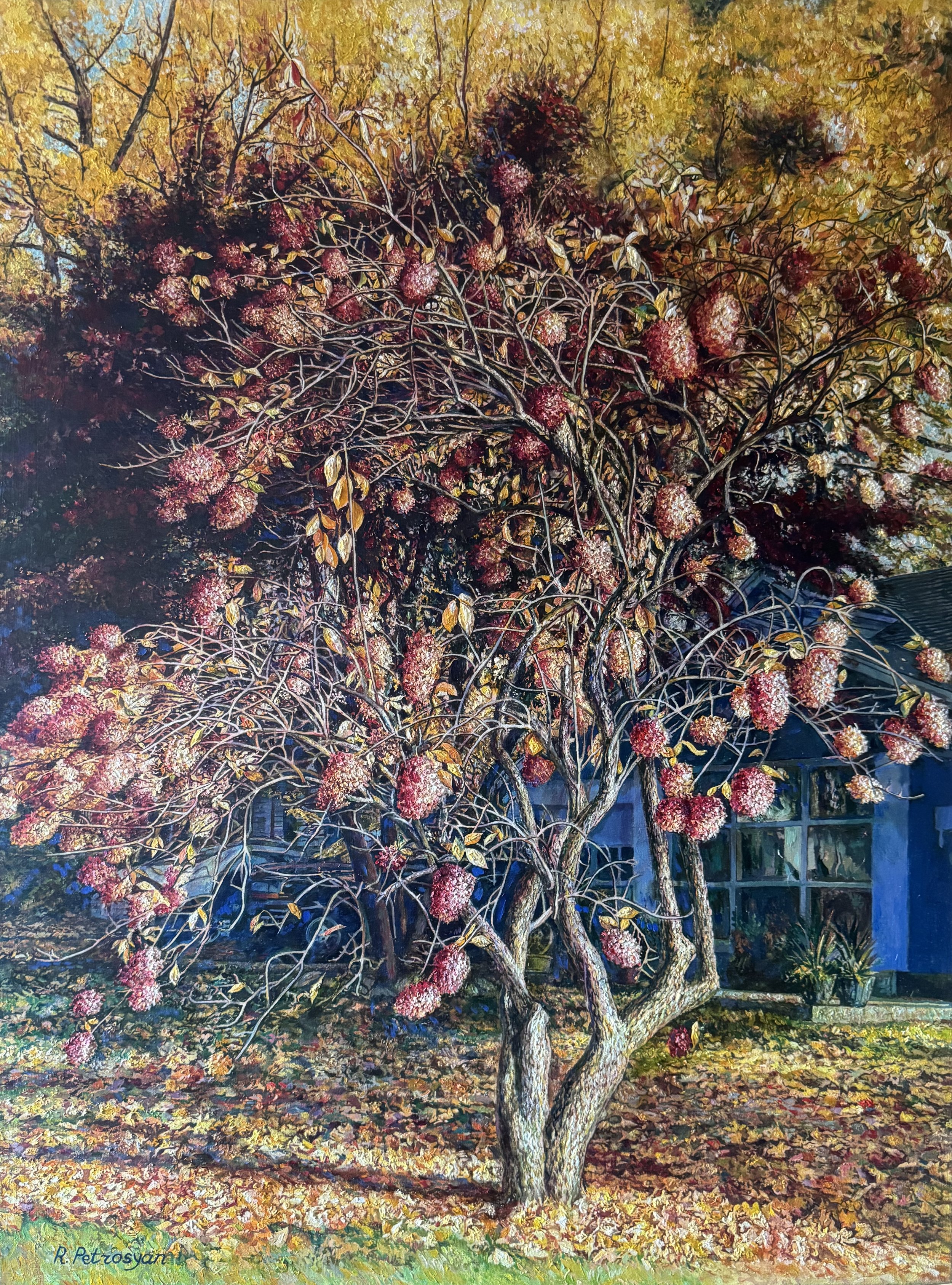
Sunny day
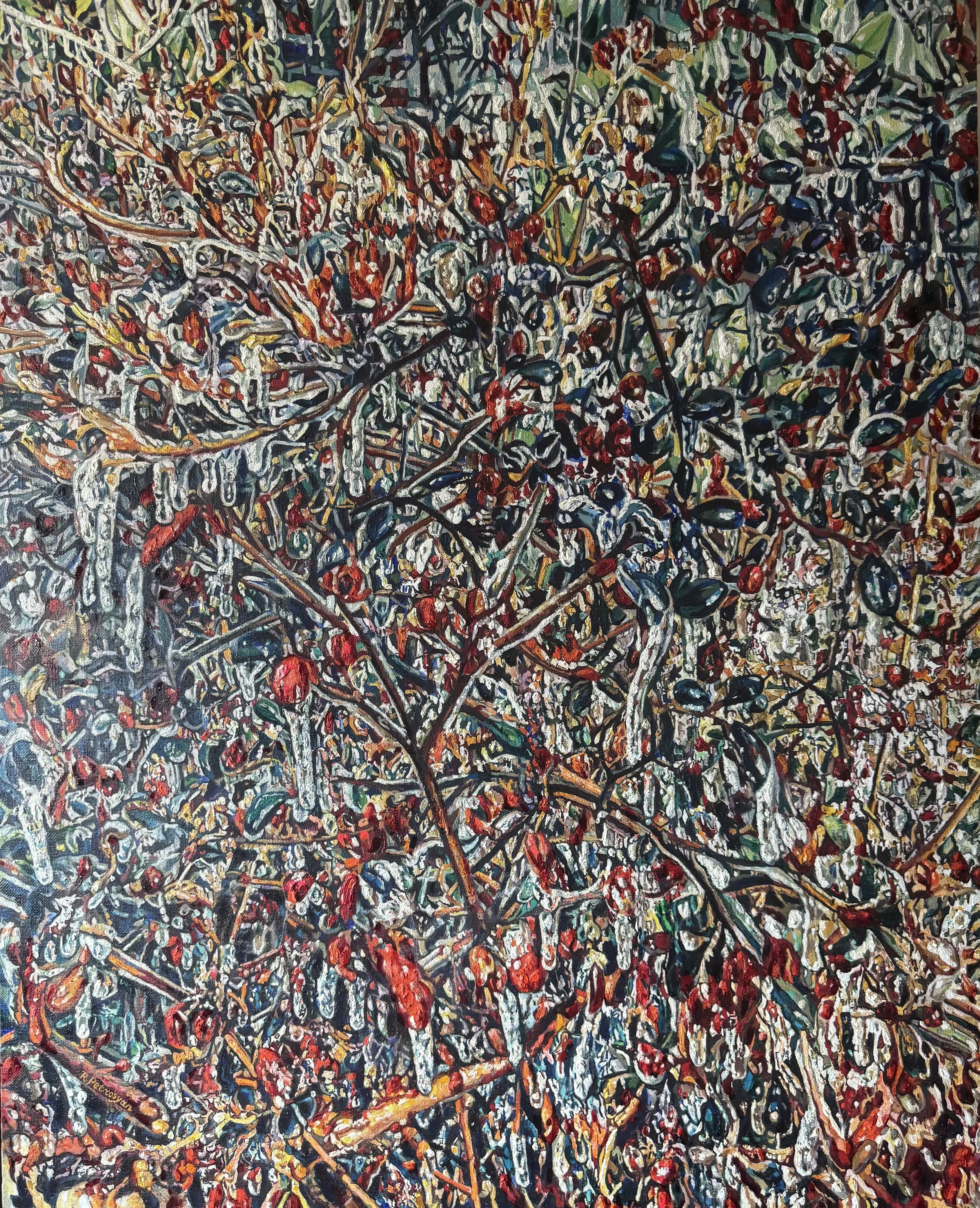
Unbelievable beauty
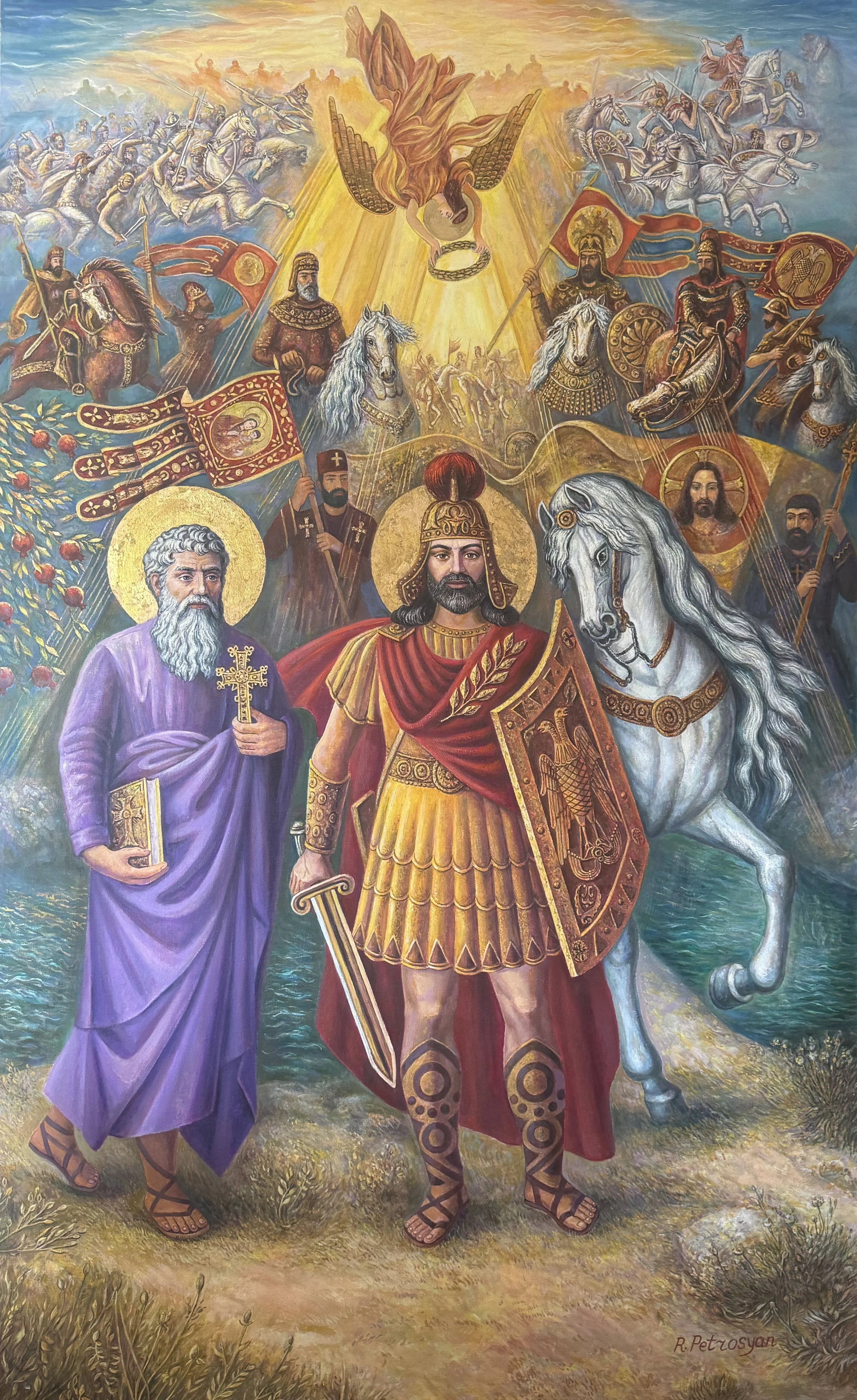
Vartanantz
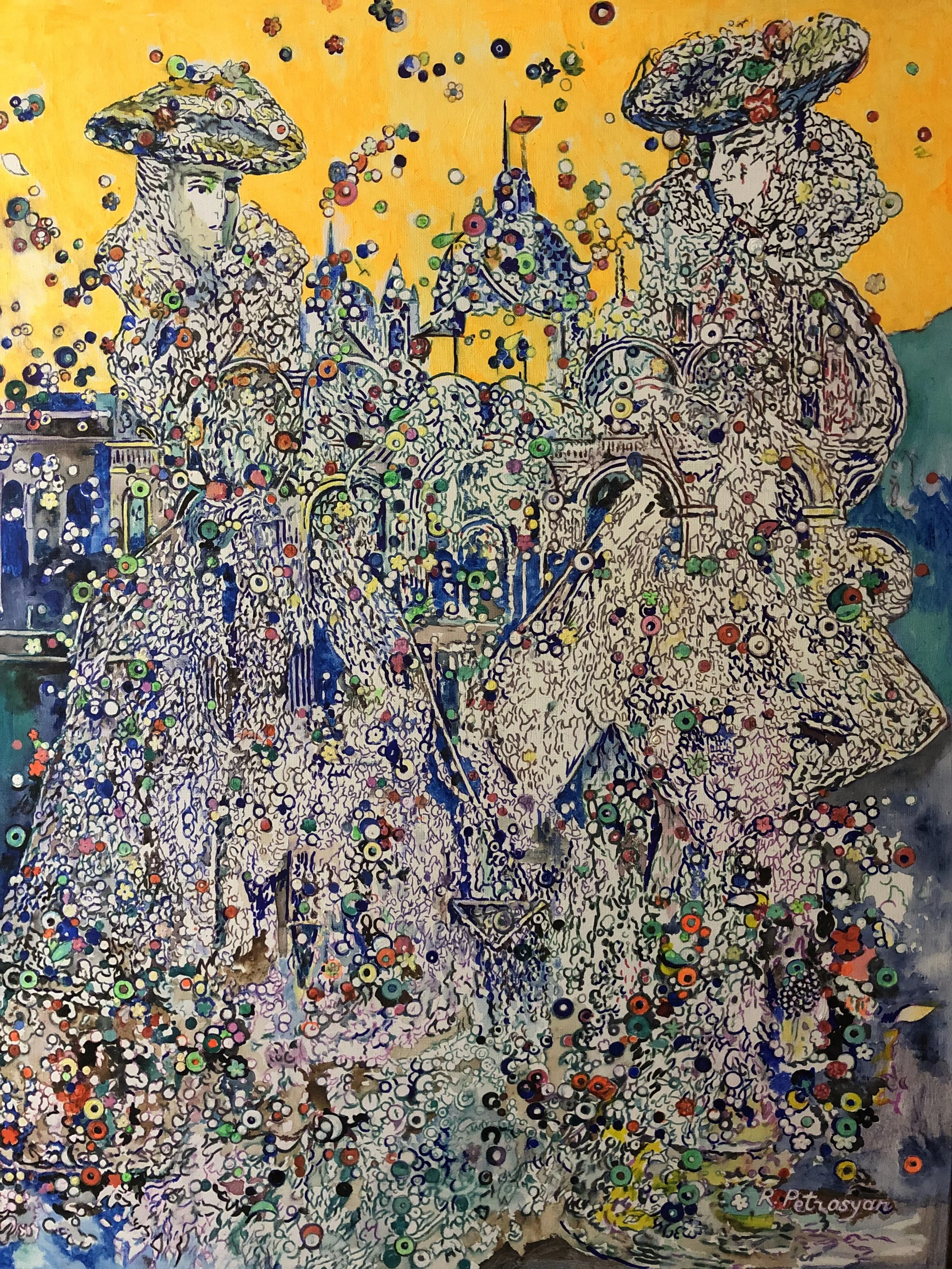
Venice in my dream
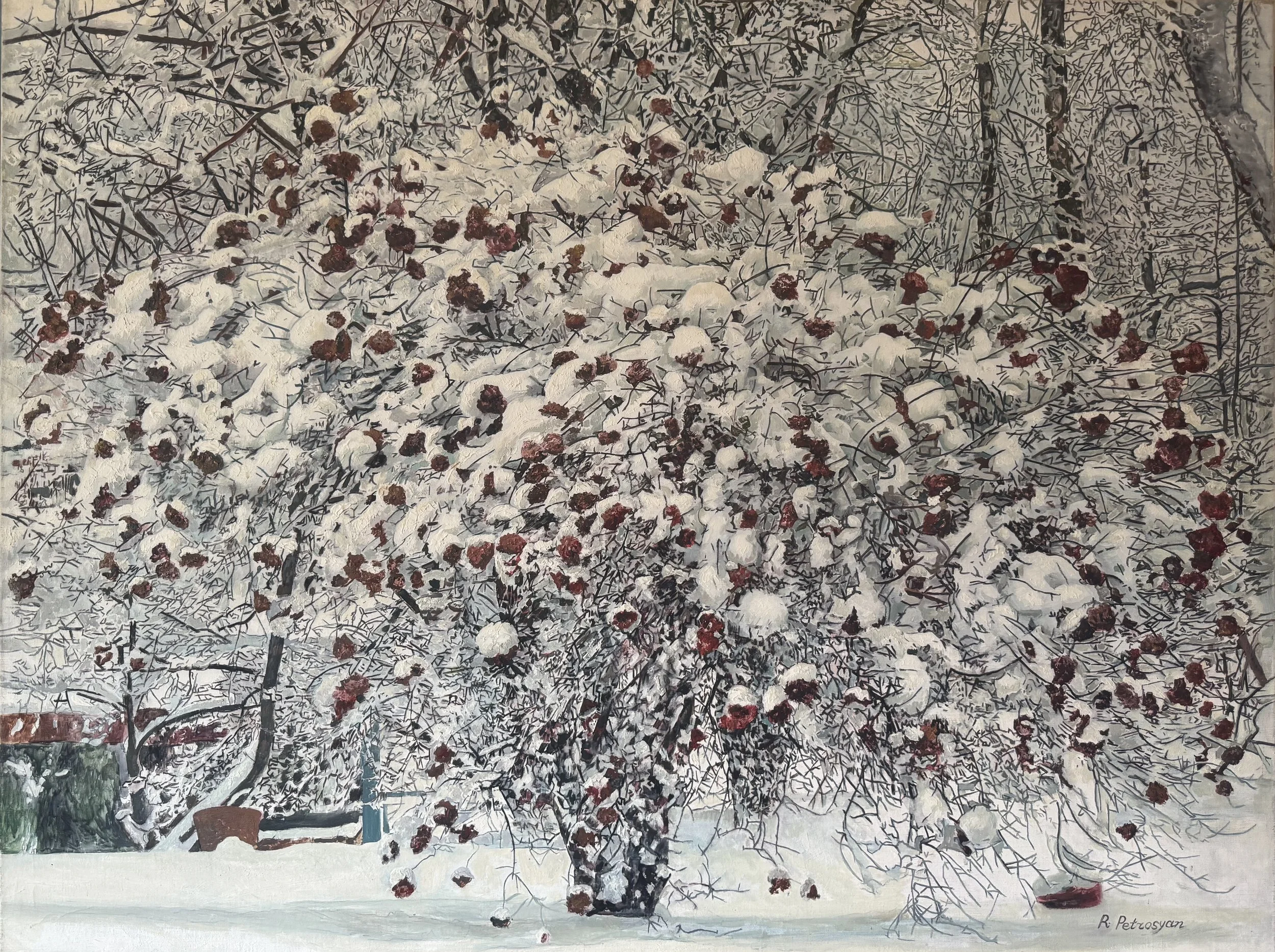
Winter lyric