Interview with Veronique Avril
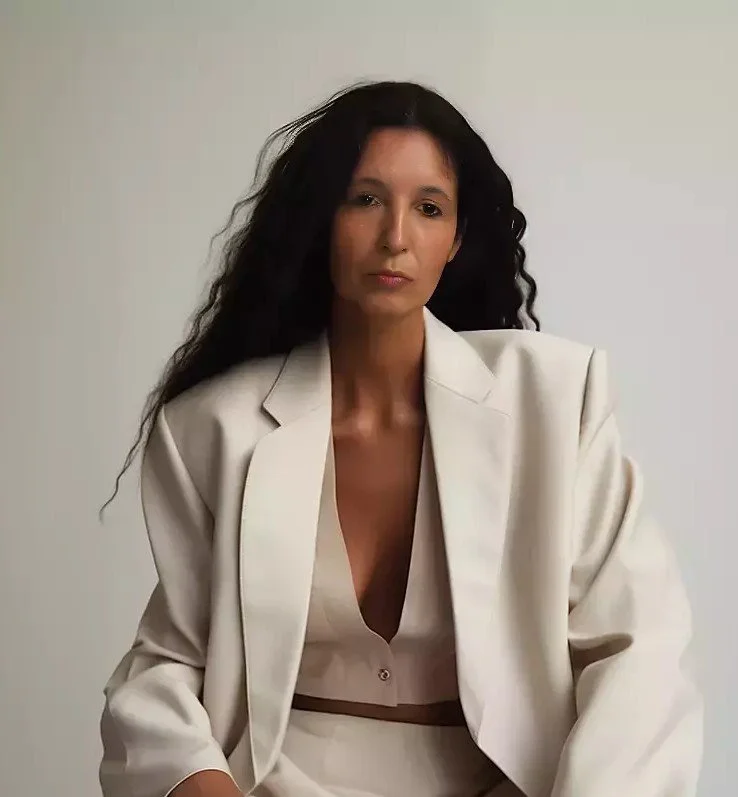
Your path from literature and event planning to decorative objects and, ultimately, art suggests a gradual movement from language and curated environments toward personal image-making. How have these earlier experiences shaped the way you construct atmosphere, narrative, and emotional meaning in your work?
It’s precisely because I have worked in various fields that I have been able to gain a different perspective on life and a vision of human beings different from mine. I’m not saying this is a strength, but the fact that I experienced other things before diving into the world of art has given me my own nourishment.
I know my journey is unconventional, but that’s what sets me apart and makes me who I am. This is my personal style.
This is why I am what I am. I believe in destiny, and if I hadn’t worked in different fields before turning to art, it would be different. I drew upon this experience, and I don’t need to apologize for it.
I didn’t study in art school. It’s a reality, but I create, and for me, it’s the most important thing. I create and construct atmospheres and emotional meaning compared to what I know or have known.
Your father, a draftsman, introduced you to drawing at an early age. What aspects of his guidance remain present in your practice, and how has that inherited relationship with drawing evolved as you have embraced acrylics, mixed media, abstraction, and photography?
As I told you, his spirit is with me. He is with me when I draw, when I paint, when I take a pencil, and when I take a photo.
Everybody evolves, and everybody has guidance. For me, it’s my father.
He has passed away. I often think of him not only as my father, but also of what he taught me. I can still picture myself as a little girl when he was teaching me how to hold a pencil and imagine in my head how I would like my drawing to be.
When I started working with acrylics, I enjoyed working with that texture and that medium. I told myself that he would approve of all my choices.
His spirit is with me. He guides me when I look at a picture and think that I messed it up. I see him telling me to be myself, believe in myself, do my best, give it my all, and stay true to myself. He would have liked to see me evolve and change.
I often wonder if he would approve of my style, but I’m moving forward. He encourages me to always try new things, and I think I’ll follow his advice.
You resist being confined to a single style, yet you also hope to develop work that is instantly recognizable as your own. How do you negotiate the tension between creative freedom and the formation of a distinct visual language?
It’s true. I don’t like cages and don’t want to be confined to one style because I like to test many things. I refuse to be confined to one category. Creation is freedom. Freedom is creating. The moment you lock someone into a well-defined style, you lose your freedom.
That’s why, for me, there are no limits. If I want to create a sculpture today, I’ll create it. If I want to change my style completely, I’ll change it. Of course, as an artist, I want to be recognizable, but I also want to be able to switch from photography to painting, from acrylics to drawing, or to something else.
There is no tension within me. For me, there is no tension between creative freedom and a recognizable body of work. If people like me and my work, that is the most important thing to me.
Your work draws upon the emotional light of Impressionism, the conceptual dislocation of Magritte, and the resilience embodied by Toulouse-Lautrec. How do these different influences enter your creative process without becoming direct quotations from art history?
Good question. I’m having a hard time giving you an answer. These artists have always inspired me, but I have no intention of copying anything they have done. I create what I feel, and they inspire me. It’s difficult when you are inspired by geniuses, but I have no intention of copying them. I can’t answer your question. They inspire me, that’s all.
I think that all contemporary artists inspired by geniuses face the same problem: how to be ourselves without becoming direct quotations from art history.
For my part, I can only draw inspiration from them and bow before such genius.
Women in your compositions often appear in meditative, duplicated, or otherworldly states, surrounded by roses, smoke, reflective water, or cosmic space. What dimensions of the feminine psyche are you seeking to reveal through these dreamlike environments?
Women themselves are complex, and I like complexity. I want to reveal the feminine psyche, so beautiful, so changeable, often in meditation or lost in thought.
In my work, I seek to reveal the mystery that lies within each of us, the shadow side, as well as our secret thoughts and moments of contemplation. It’s not only about women, but I don’t paint men. I’m not able to paint men.
Have you noticed that, in art, it is often women who are depicted or painted, and not so much men? I don’t mean to come across as a feminist voice, but it’s a reality. Women are inspiring, beautiful, and mysterious, and I find great inspiration in them.
In my artwork, I want to pay tribute to them and to everything they bring to our lives. It is a tribute to femininity and to the part of ourselves that we may be able to express or choose to hide.
Finally, a word to men: I’m not a great painter, and if there are no men in my work, it’s not intentional.
In “United,” the image of a child clinging to a bear transforms suffering into a meditation on comfort, vulnerability, and resilience. How did you approach the ethical and emotional responsibility of representing childhood pain without reducing it to spectacle?
I explored this topic because it’s close to my heart, and the very idea that children are the first victims of war and human cruelty is unbearable to me.
It wasn’t easy to create this piece, but the symbolism of this little girl clutching her teddy bear tightly, as if it were her last line of defense, is powerful.
For me, this picture isn’t just a spectacle. It’s a symbol of what we see every day. It’s reality transposed into an artwork.
Beyond the image, there is something else. There is a nightmare experienced by many children because of war or a toxic daily environment, so it’s not a spectacle.
They are alone against the world with only their mutual love. This picture is also a symbol of peace and hope for a better world for children, a world where little girls and teddy bears will be able to run free.
If people see only a work of art, I’m sorry, because behind the image there is something else, something more powerful.
Chiaroscuro, muted color, and soft textures give many of your figurative works an atmosphere that is simultaneously serene and unsettling. How do you use light, shadow, and color to express psychological states that might be difficult to communicate through narrative alone?
Good question again.
I try to make the best use of light, shadow, and chiaroscuro to bring emotion into my photography and convey what I want to express, even though it’s not always easy.
I use natural light as much as possible, but I have created a small studio that allows me to choose my shadows more carefully.
As an artist, I play with colors to suggest sadness, contemplation, or a state of mind. I make suggestions, and people are free to feel whatever they want to feel.
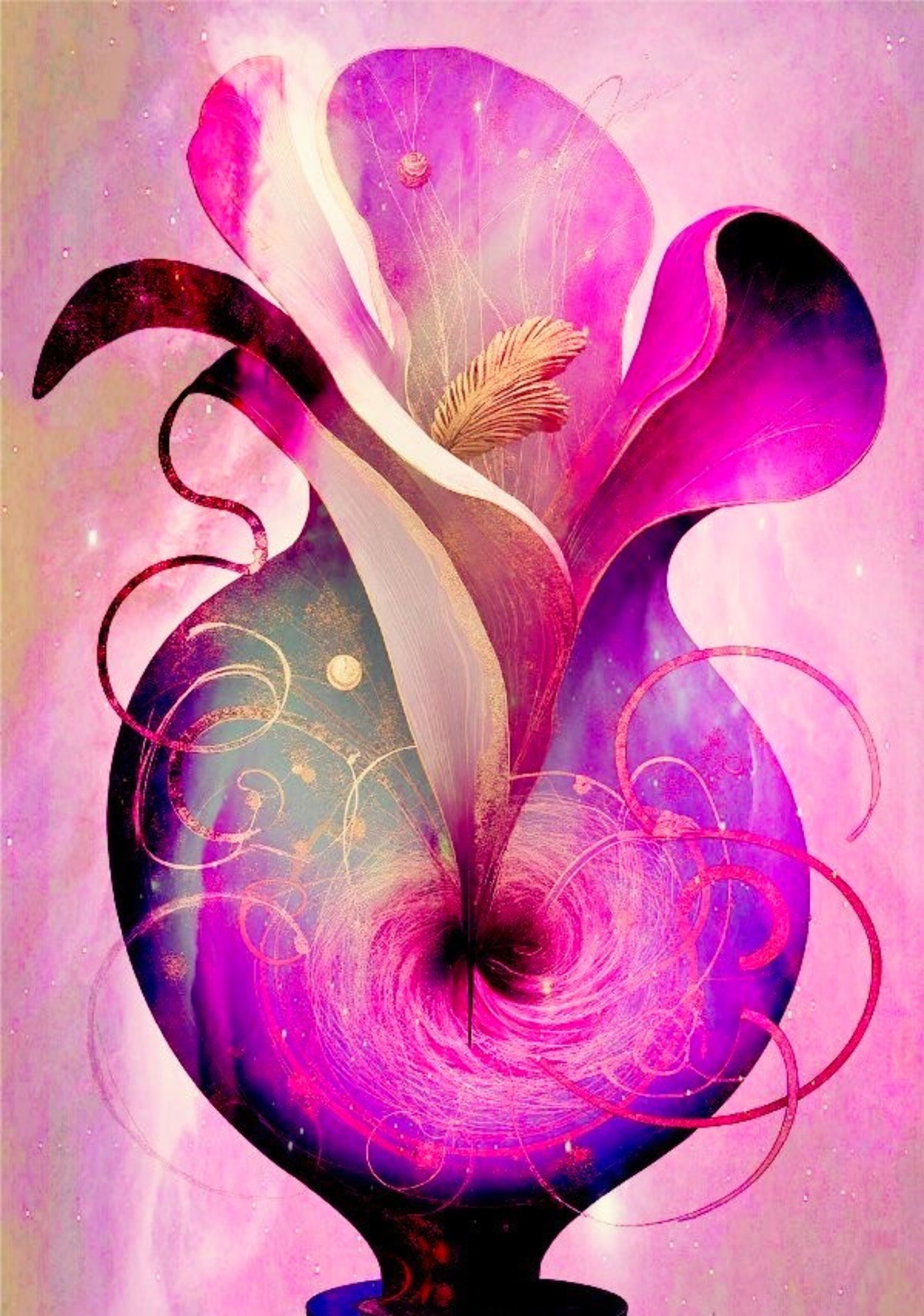
In the digital artwork Life in Pink, I wanted the highlights to suggest all the wonderful things that life can give and offer us, as well as the many beautiful moments we can experience.
Conversely, La Disparue highlights the darker side of a person’s death and how deeply an image can haunt us.
In my work, I try to convey the emotions of life and the feelings burning deep within each person by playing with light and shadow, but it’s a delicate balance.
Your abstract works emphasize powders, 3D paint, reflective surfaces, and fluid forms, giving the canvas an almost sculptural presence. What does physical texture allow you to communicate about transformation, memory, or time that a purely figurative image cannot?
Since I’m not a sculptor, I’m trying to find another way to suggest the passage of time, transformation, or any other state, so I choose textures that everyone can relate to.
Everyone can easily imagine whatever they want through a three-dimensional texture or color. Personally, I prefer metallic or watery effects, but I’m not an expert.
Recently, I made an artwork called Oil Sea that shows the different states of water and suggests all the emotions you can experience in love or friendship.
I think fans of abstract art might relate to it. It’s true that I like complex textures, and these textures perhaps allow me more freedom and creativity than figurative works. However, as I told you earlier, I don’t want to be reduced to a single style.
With reflective surfaces, I direct people toward what lies buried inside them, something deep within. Fluid forms represent freedom and imagination. I only make suggestions. Art lovers do the rest.
In photography, you describe yourself as taking on the role of a filmmaker and carefully staging scenes, while your painting process is more intuitive and open to the unknown. How does moving between controlled construction and spontaneous discovery affect the ideas you are able to express?
To each their own technique. In photography, I can control objects, light, and shadows, and for me, it’s easier than painting. Painting is more intuitive, and I let the brush guide me.
I compose my photographs using everyday objects and associate them with one another. I have a general idea, and then I allow intuition to take over. Some days it works, and some days it doesn’t.
However, I always leave room for spontaneity. I have a firm grasp of color and light, and the fact that I blend controlled composition with spontaneous discovery is what makes my photographs what they are.
If I could completely control everything in my photographs, the results wouldn’t be the same.
I need a balance between controlling light and shadow and allowing total creativity inspired by spontaneity.
Painting is the unknown. I never know what I’m going to paint. You’re right, it’s the unknown. To tell you the truth, I’m sometimes even surprised by the final results of my artworks.
Your statement, “There is only a passion and many artists for life,” presents art as both a lifelong commitment and an open field of possibility. As your practice continues to develop, which conceptual, material, or emotional territories do you most want to explore next?
Well, it’s not a lifelong commitment, but an infinite, open field of possibility and creativity for free spirits like me.
Art is a passion and a way of life, but not necessarily a lifelong commitment. For me, it is a field of freedom, possibility, and creativity. I support all artists, and I think there is a shared passion for freedom and creativity.
I continue to develop myself. I want to create different things and explore other materials that I have never worked with before to express different emotions. For now, I’m content to create with what I have because I don’t have any specific plans. I simply want to develop my techniques, explore new materials, and perhaps change my style. I’m trying to develop myself, and some days it isn’t easy.
Seriously, as my next step, I’ll explore new emotional territories and try something different creatively. Don’t ask me what because I don’t know, but perhaps I’ll have an answer for the next interview.
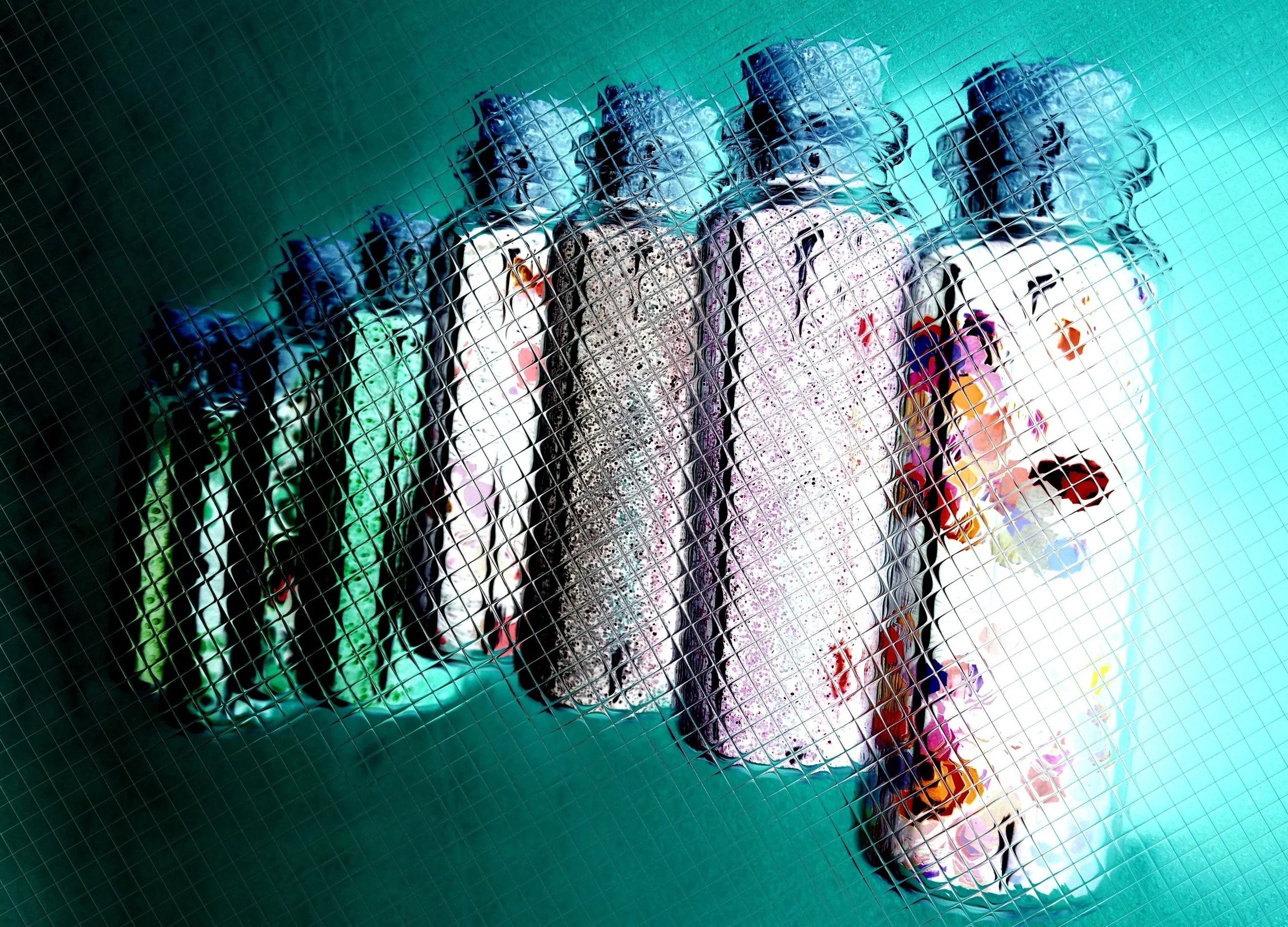
Stillcolors
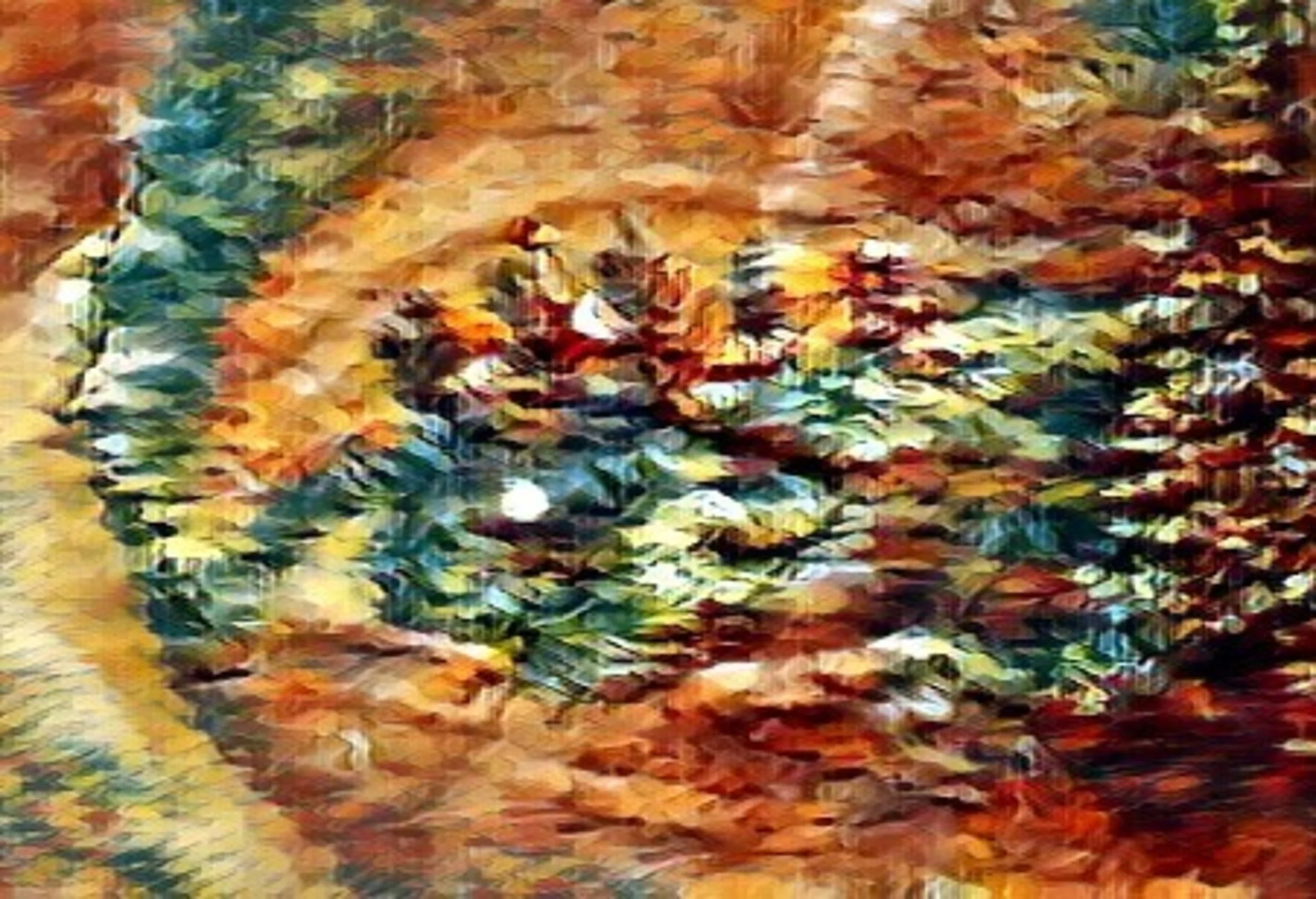
Mosaique
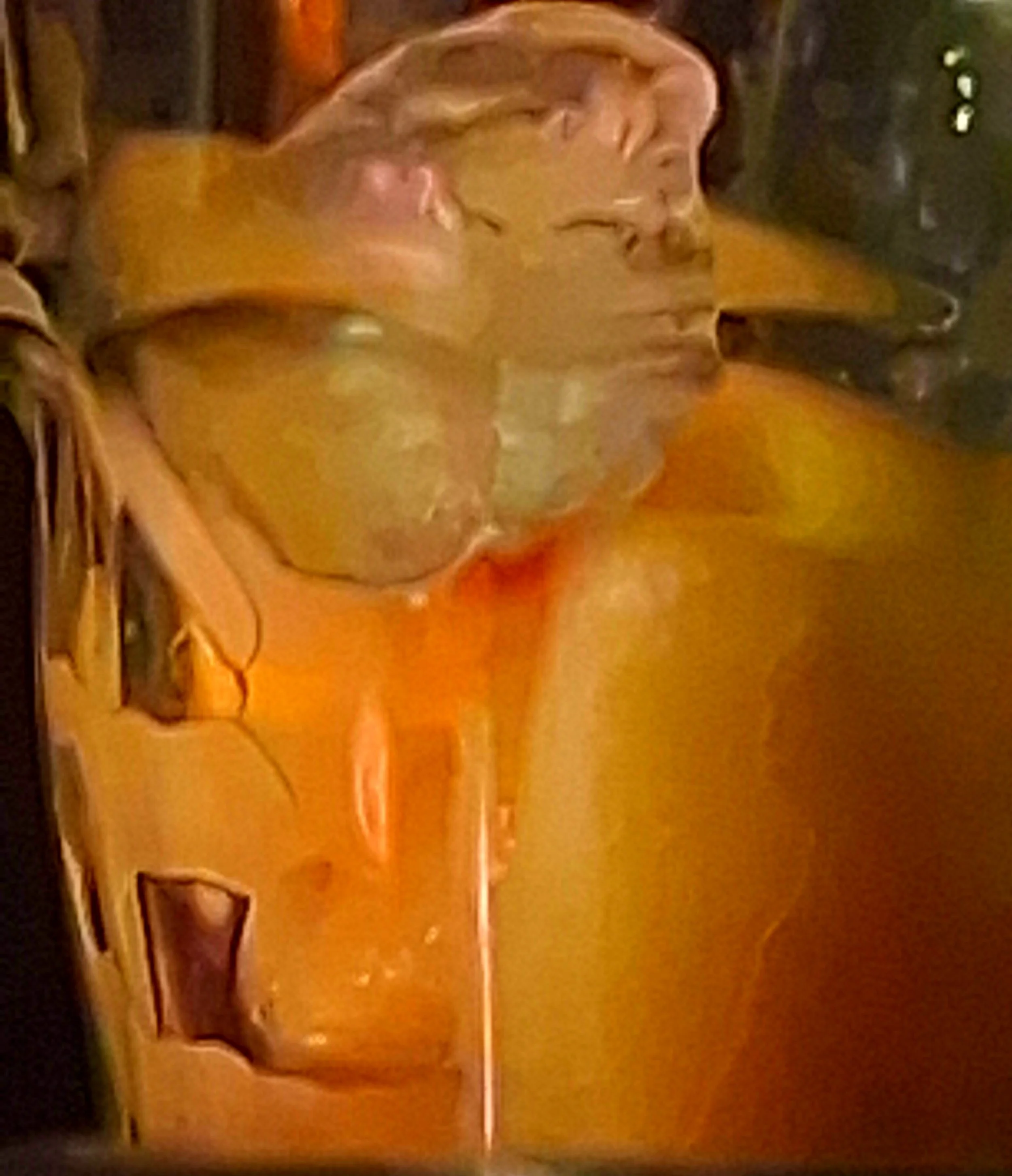
Ice Peach
Romanctic World
Life In Pink
Flower Gift
Two in Me
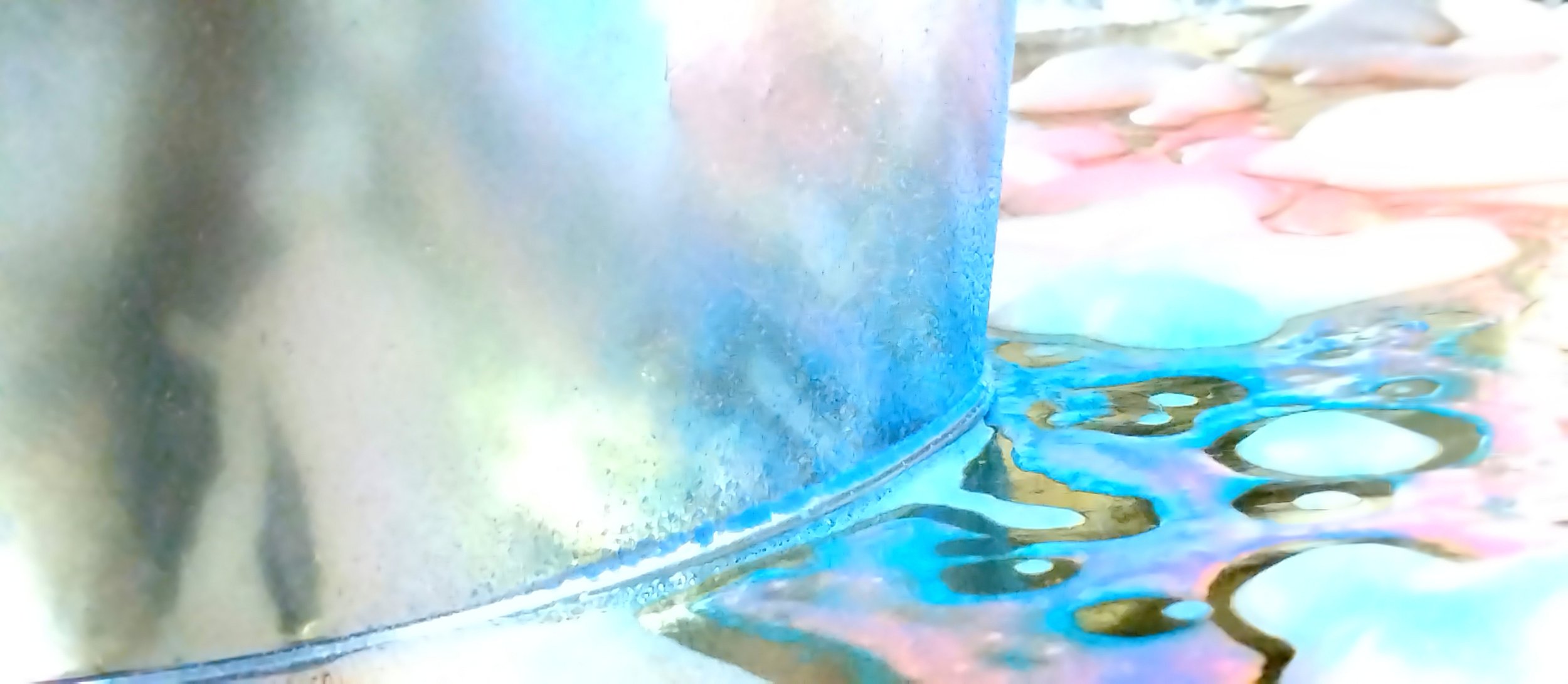
Bathroom
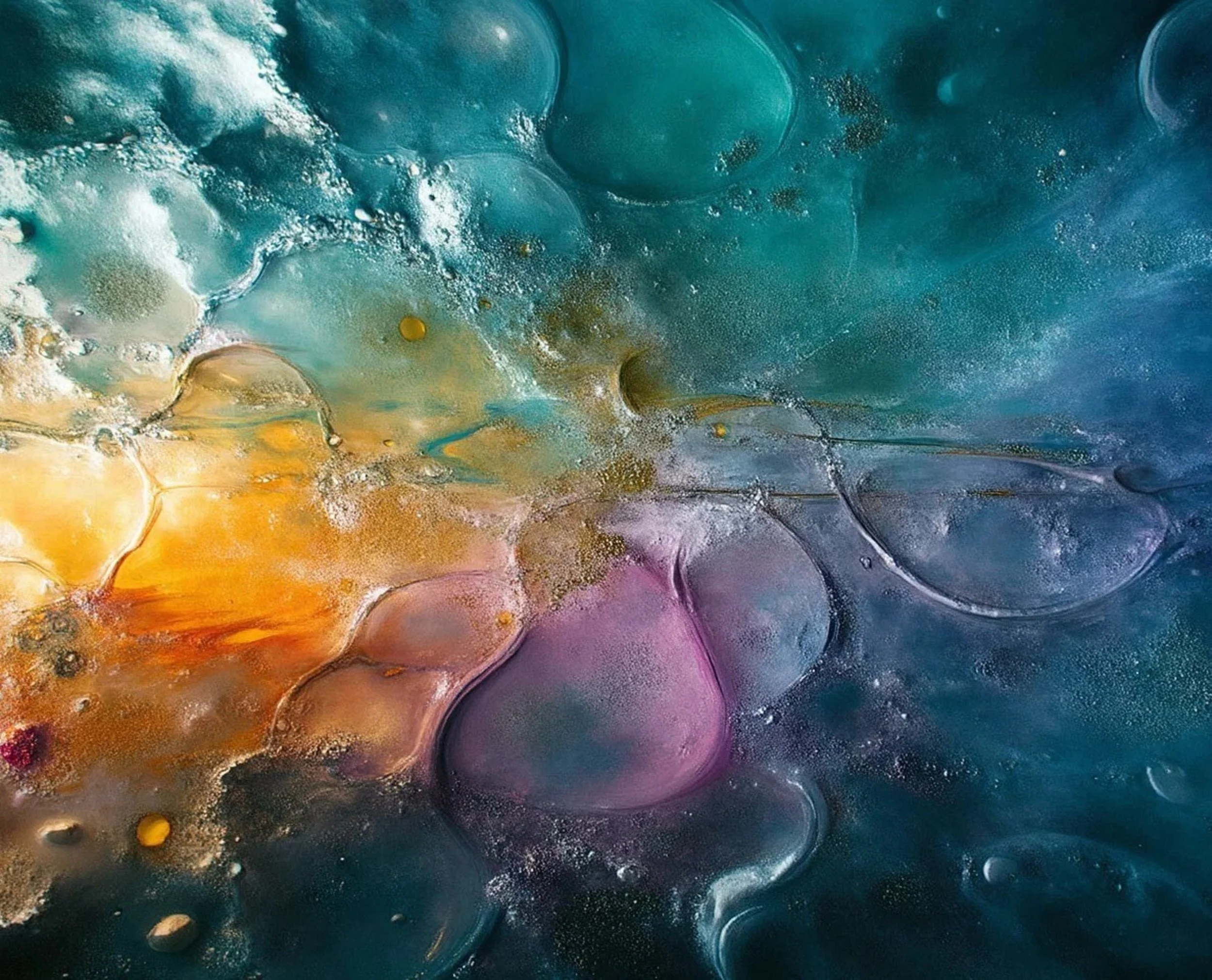
Submarine
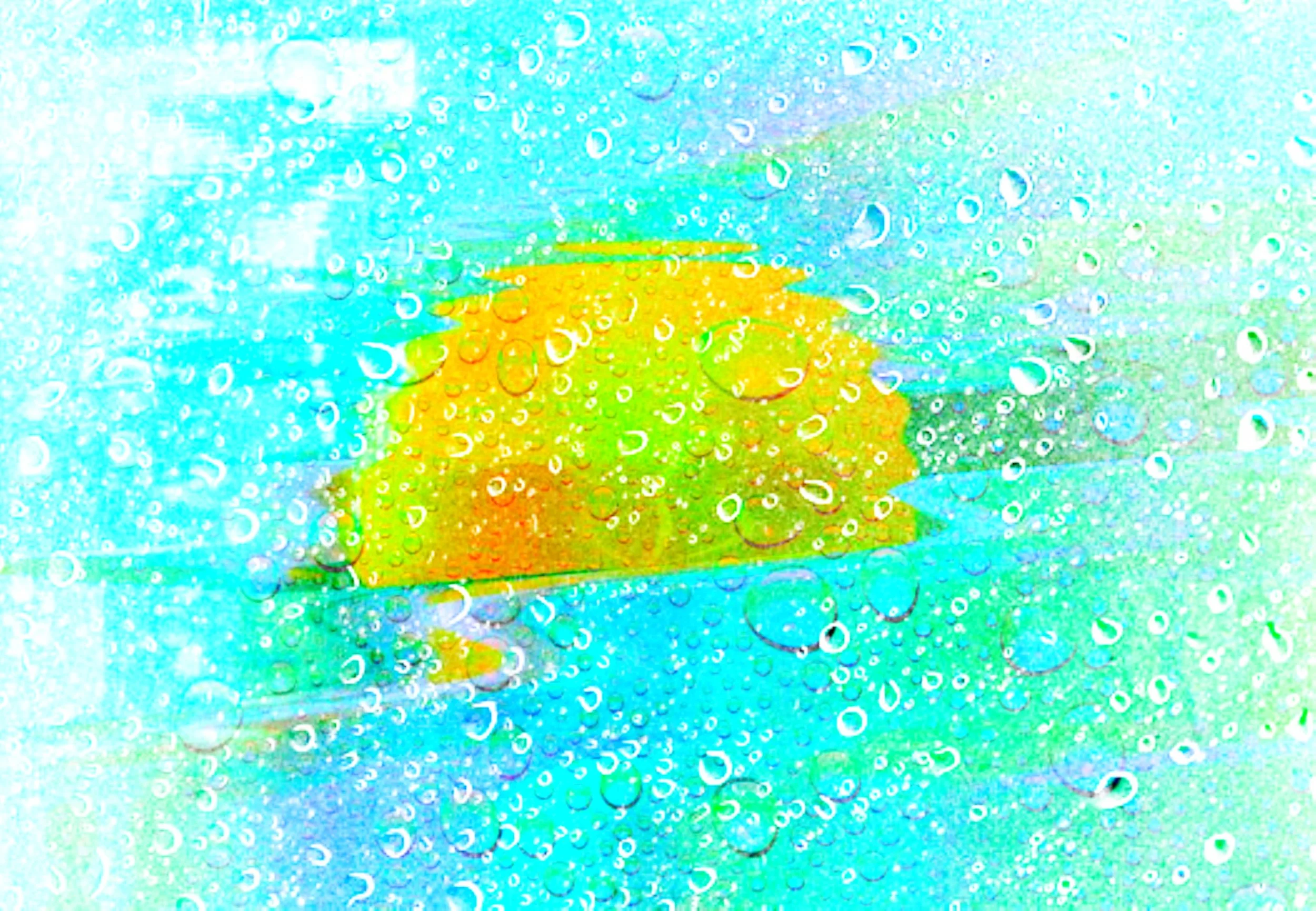
Lemon Ice
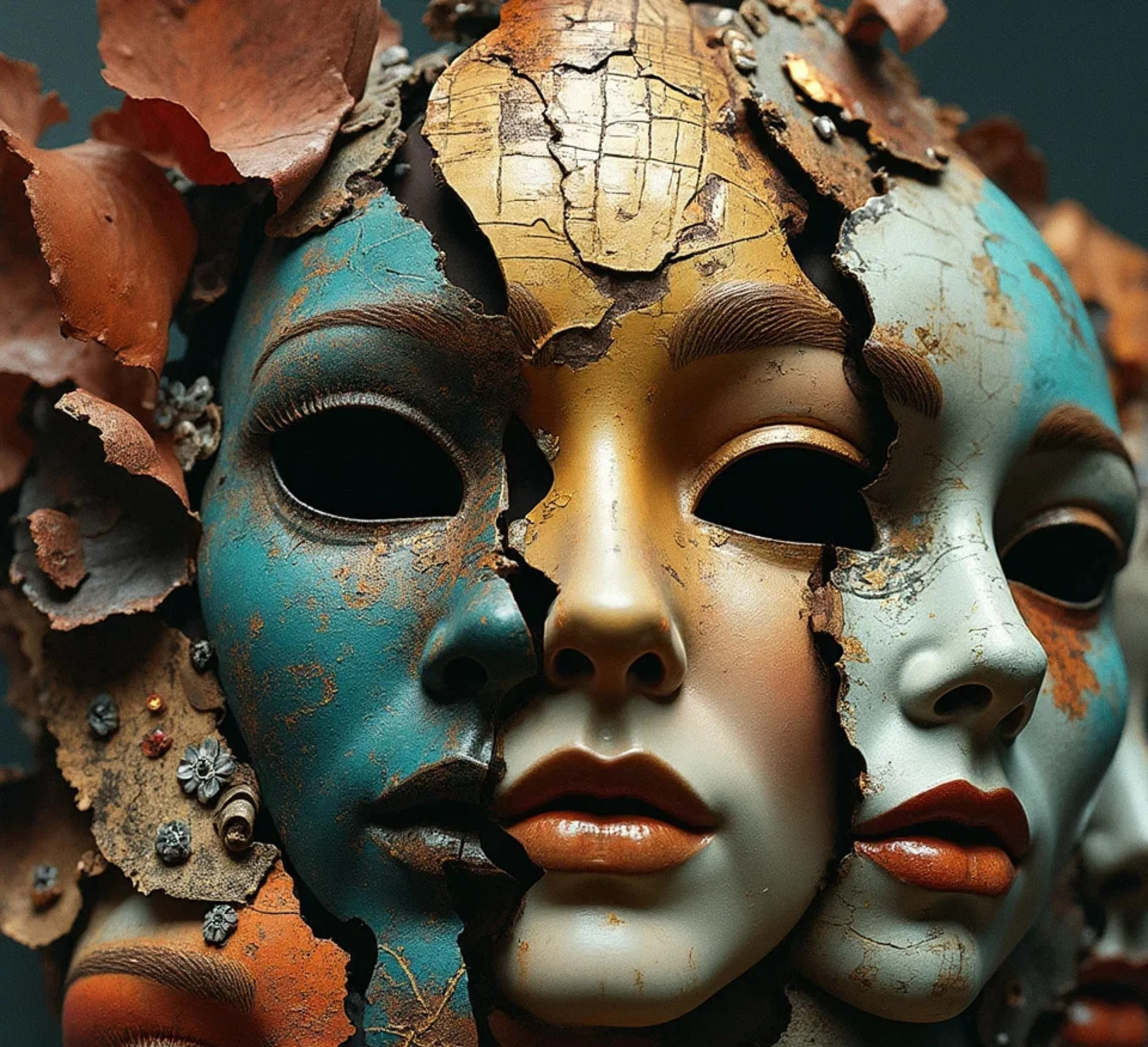
Masks
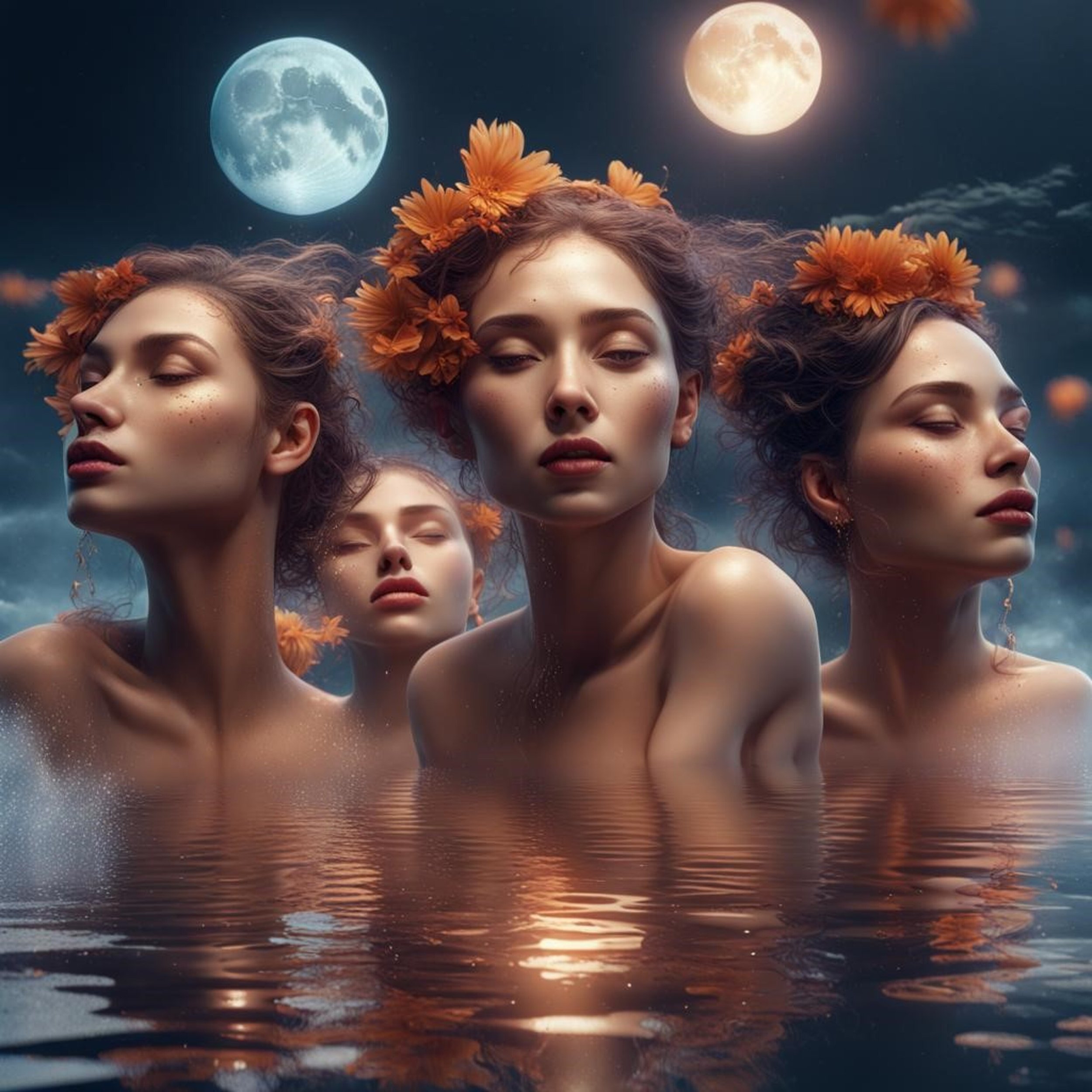
Faces
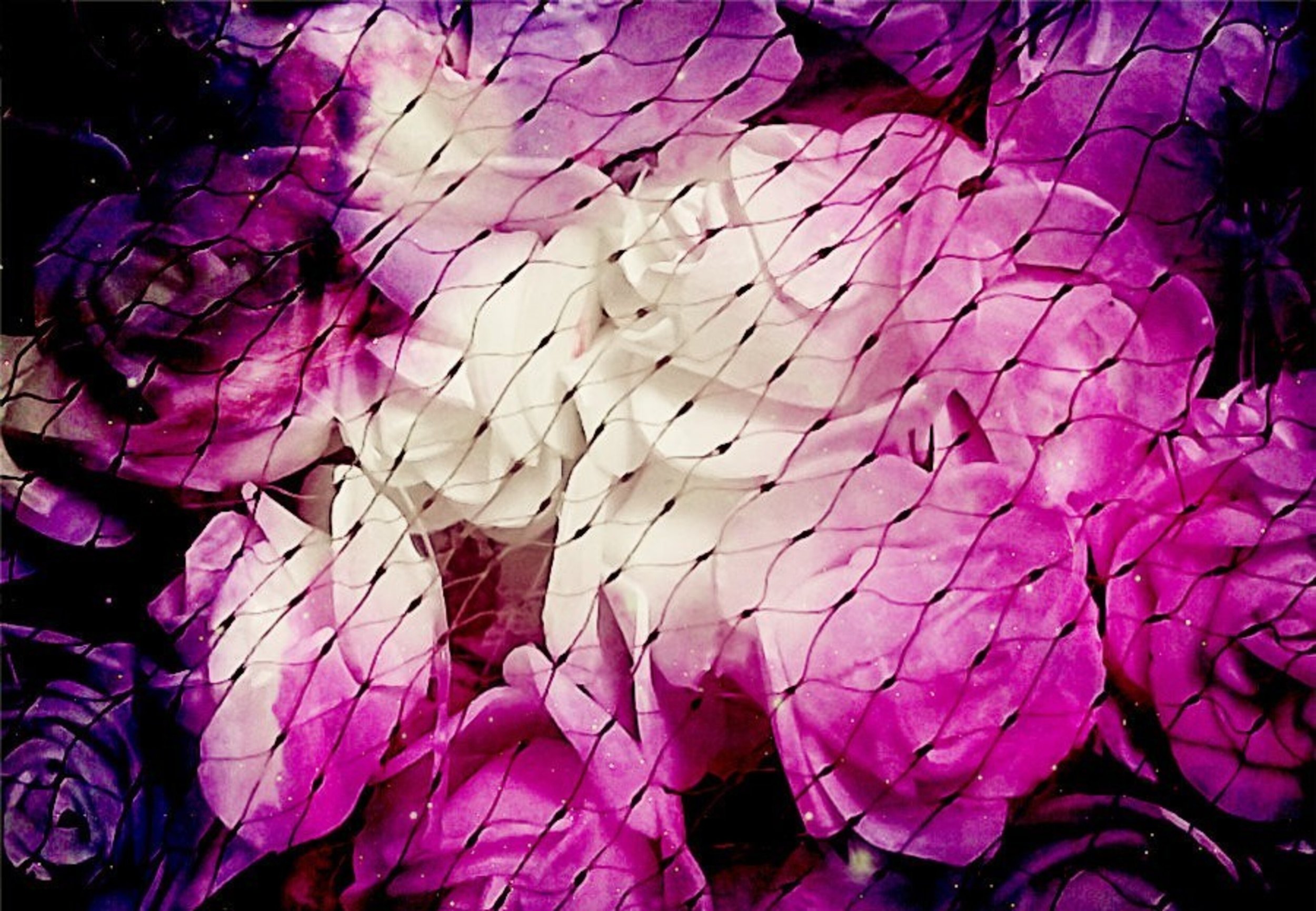
Glam
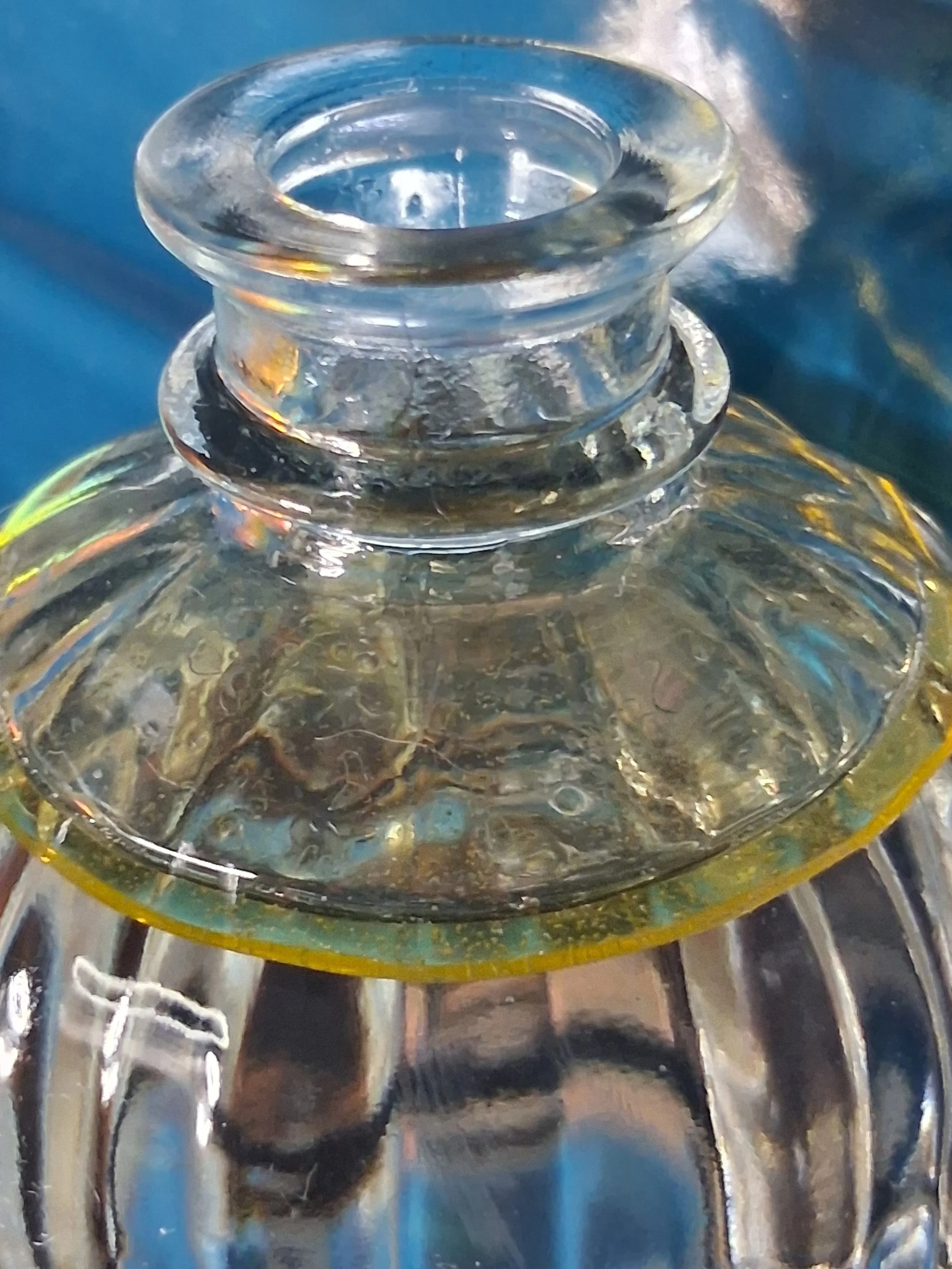
Eau des Merveilles
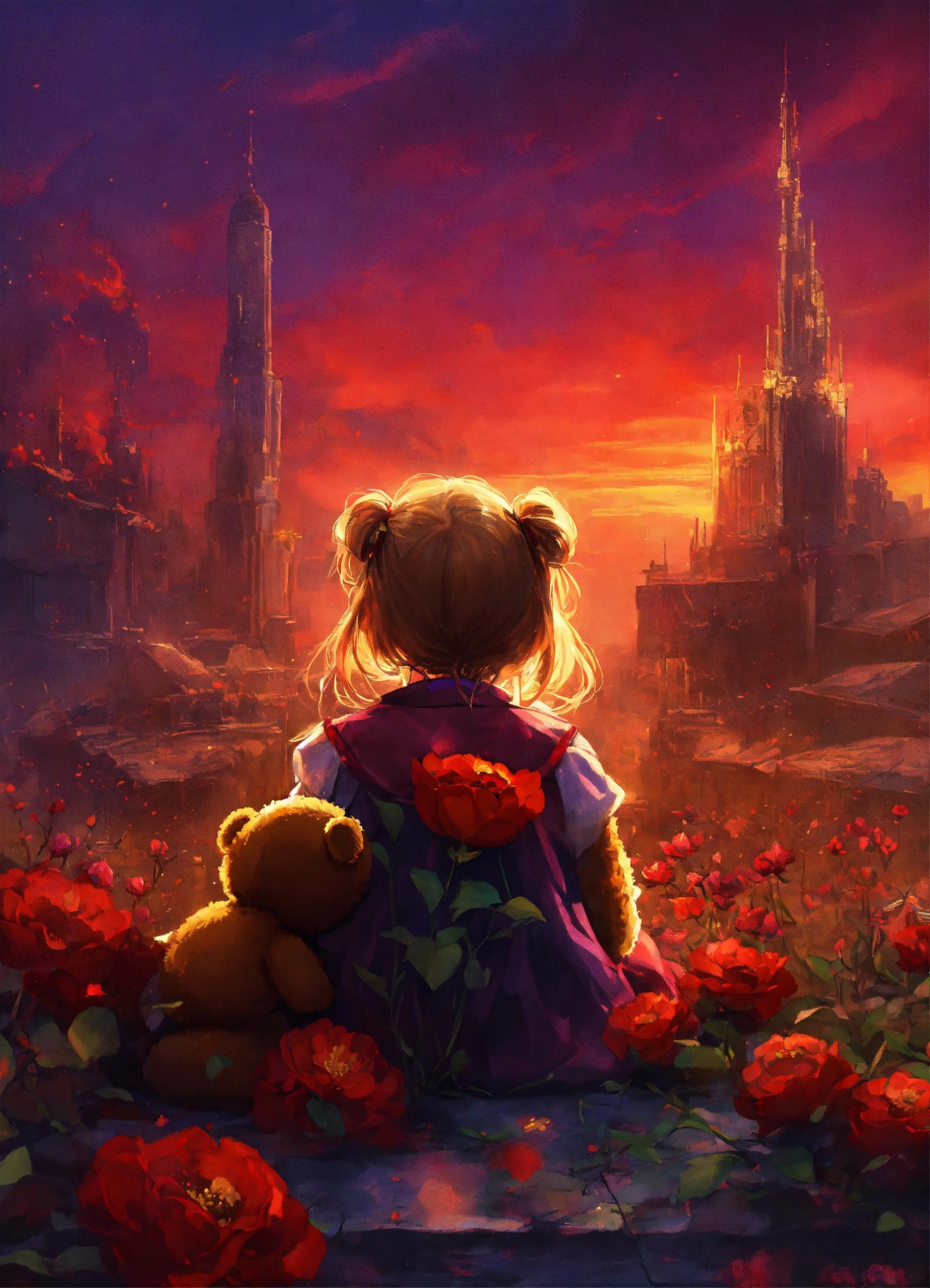
The Day of Tomorrow
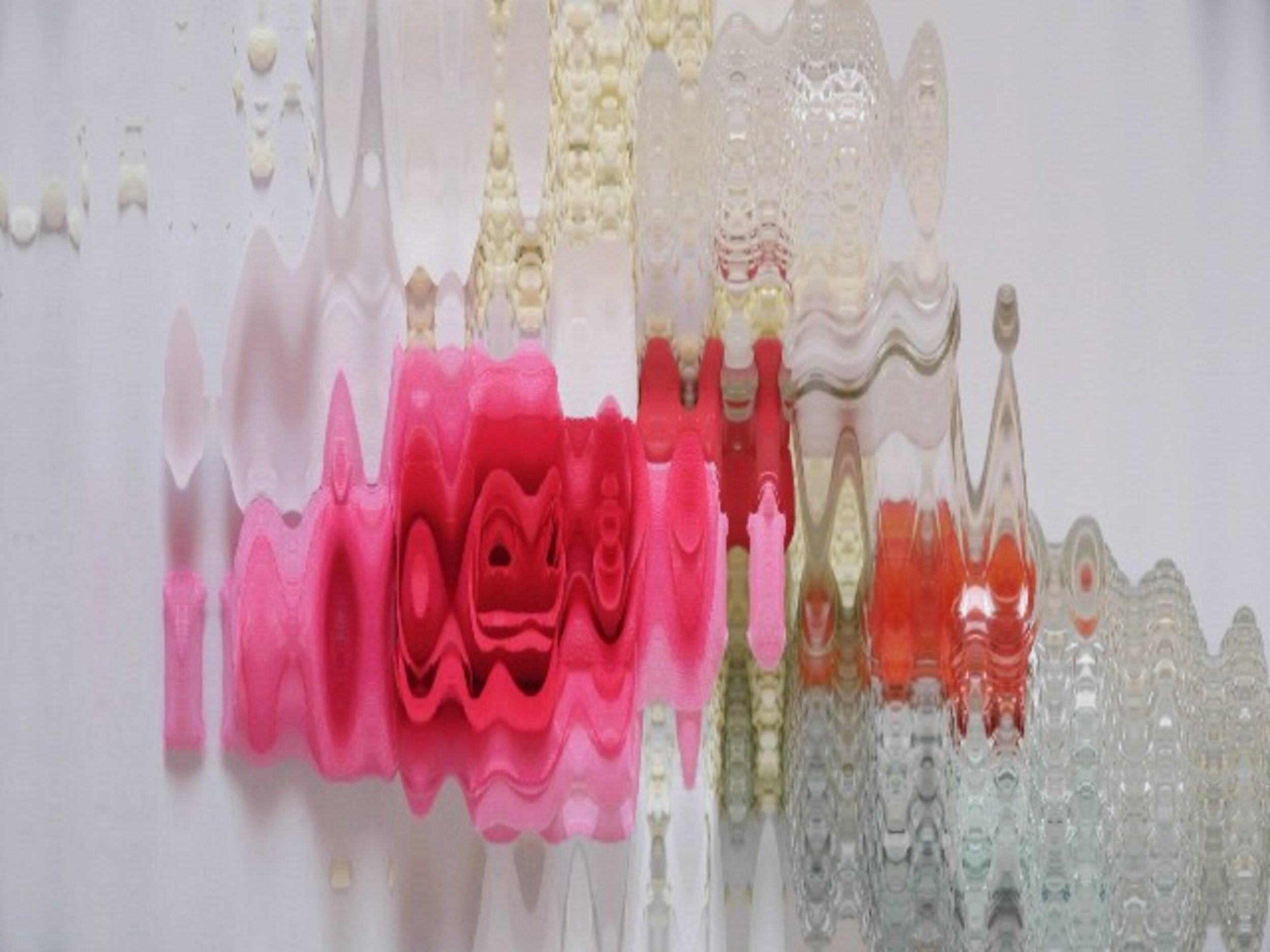
Ice Roses